Colostrum
immune support
Colostrum, the pre-milk fluid produced by mammals immediately after giving birth, is recognized for its concentrated nutritional and immunological components. For pets, particularly dogs and cats, colostrum supplements have gained attention as a potential immune system booster and aid for various health concerns. This article delves into the veterinary research surrounding colostrum for pets, discusses appropriate dosing, and outlines what to consider when selecting a colostrum supplement.
Colostrum for Dogs: An Overview
Colostrum, often referred to as "first milk," is distinct from mature milk. It's rich in antibodies (immunoglobulins), growth factors, lactoferrin, and various other bioactive compounds designed to provide passive immunity and support the development of a newborn's immature immune system. While a mother's colostrum is vital for her offspring, bovine (cow) colostrum is the most common source for pet supplements due to its availability and the fact that its components are largely conserved across mammalian species, allowing for cross-species benefits.
For dogs, the primary interest in colostrum lies in its potential to modulate the immune system. This includes supporting immune function in puppies with developing immune systems, older dogs experiencing immunosenescence (age-related decline in immune function), and dogs under stress or recovering from illness. The immunoglobulins, particularly IgG, IgA, and IgM, are thought to provide a protective effect against pathogens by binding to them in the gastrointestinal tract. Growth factors like IGF-1 and TGF-beta may support gut integrity and cellular repair.
However, it's important to understand the practical implications. Oral colostrum supplementation in adult dogs doesn't typically lead to significant systemic absorption of intact immunoglobulins into the bloodstream. Instead, the primary benefits are believed to occur locally within the gastrointestinal tract. This local action can help fortify the gut barrier, reduce inflammation, and support a healthy microbiome, which in turn influences overall immune health. For example, a dog with chronic digestive upset might benefit from colostrum's gut-healing properties, potentially leading to fewer symptoms and better nutrient absorption.
Trade-offs exist. Not all colostrum products are created equal, and the efficacy can vary based on processing methods, immunoglobulin concentration, and the presence of other beneficial compounds. Generic claims of "immune boosting" should be viewed with a critical eye, as the precise mechanisms and extent of benefit can be complex and depend on the individual animal's health status. Edge cases include dogs with specific allergies to dairy products, where colostrum, being a dairy derivative, could trigger an adverse reaction. Always introduce new supplements gradually and monitor your pet for any changes.
Wholistic Pet Organics Immune Balance Bovine Colostrum for Dogs
Products like Wholistic Pet Organics Immune Balance Bovine Colostrum are examples of commercially available colostrum supplements specifically formulated for pets. These products typically emphasize high immunoglobulin content, often standardized to a certain percentage of IgG, which is considered a key active component. The "Immune Balance" aspect suggests a focus beyond just boosting immunity, aiming instead for a modulated, appropriately responsive immune system.
The core idea behind such formulations is to provide a concentrated source of bovine colostrum that can be easily added to a dog's diet. The practical implications center on convenient administration and consistent dosing. These supplements are often offered in powdered form, allowing for adjustable dosages based on a dog's weight and specific needs.
When considering such a product, several factors come into play. The source of the colostrum is important; reputable brands often specify that their colostrum is "first milking" (collected within the first 6-12 hours after calving) to ensure the highest concentration of beneficial compounds. Processing methods, such as low-heat drying, are also crucial to preserve the bioactivity of delicate proteins like immunoglobulins and growth factors. High-heat processing can denature these components, rendering them less effective.
For instance, a dog recovering from a course of antibiotics, which can disrupt gut flora, might benefit from the gut-supportive properties of a colostrum supplement. Similarly, a dog in a multi-pet household or attending doggy daycare might experience increased exposure to pathogens, making immune support a consideration. The trade-off might be the cost, as high-quality colostrum supplements can be more expensive than other general immune support products. Additionally, while the product might be marketed for "immune balance," the specific clinical outcomes can vary. It's not a magic bullet but rather a tool to support overall health.
Colostrum for Dogs: What It Does and Common Side Effects
Colostrum's primary actions in dogs revolve around its rich composition. It provides:
- Immunoglobulins (Antibodies): IgG, IgA, and IgM offer passive immunity, particularly in the gut, by neutralizing pathogens and toxins. This local protection is especially valuable for maintaining gut health, which is intricately linked to systemic immunity.
- Growth Factors: Insulin-like growth factors (IGF-1) and transforming growth factors (TGF-alpha and TGF-beta) can promote tissue repair, especially in the gut lining, and support cellular regeneration.
- Lactoferrin: This iron-binding protein has antimicrobial and anti-inflammatory properties. It can inhibit the growth of certain bacteria and viruses and modulate immune responses.
- Proline-Rich Polypeptides (PRPs): These small proteins are thought to modulate immune responses, acting as immunoregulators that can either stimulate an underactive immune system or calm an overactive one.
- Vitamins and Minerals: Colostrum contains a range of essential vitamins and minerals that contribute to overall health and immune function.
The collective effect of these components is believed to support a robust immune system, promote gut health, and potentially aid in recovery from various stressors. For example, a study might investigate whether colostrum supplementation reduces the incidence of diarrhea in puppies during weaning, attributing the effect to enhanced gut immunity and integrity.
Regarding common side effects, colostrum is generally well-tolerated by dogs. However, some pets may experience mild gastrointestinal upset, especially when starting the supplement. This can manifest as:
- Diarrhea: This is the most common side effect, often due to the introduction of new proteins or the initial cleansing effect on the gut.
- Vomiting: Less common, but can occur if a pet is particularly sensitive or given too high a dose initially.
- Allergic Reactions: Although rare, some dogs may have an allergy to dairy proteins. Symptoms could include itching, hives, facial swelling, or more severe gastrointestinal distress.
To mitigate side effects, it's advisable to start with a lower dose and gradually increase it over several days to the recommended amount. If any adverse reactions occur, discontinue use and consult with your veterinarian. It's also important to ensure the colostrum supplement is specifically formulated for pets and free from unnecessary additives or fillers that could trigger sensitivities.
Bone Broth & Colostrum Daily Boost Powder for Dogs
The combination of bone broth and colostrum in a single supplement, such as a "Daily Boost Powder," aims to leverage the benefits of both ingredients. Bone broth is known for its collagen, amino acids (like glycine and proline), and glycosaminoglycans (like glucosamine and chondroitin), which support joint health, gut lining integrity, and skin and coat condition. When combined with colostrum, the goal is often a more comprehensive approach to overall wellness, particularly focusing on gut health and immune function.
The core idea is synergy: bone broth provides foundational nutrients for connective tissues and gut lining repair, while colostrum offers targeted immune support and growth factors. This combination is particularly appealing for dogs with multiple health concerns, such as senior dogs with joint issues and a compromised immune system, or dogs with chronic digestive problems.
Practical implications include ease of use. A single powder can address several needs, simplifying a pet owner's supplement regimen. It can be mixed directly into food, providing a palatable addition that many dogs enjoy due to the savory flavor of bone broth.
However, trade-offs exist. The concentration of colostrum and bone broth components might be lower in a combined product compared to standalone supplements. For example, if a dog has a severe immunoglobulin deficiency, a pure colostrum supplement with a higher IgG concentration might be more appropriate. Conversely, if joint support is the primary concern, a dedicated joint supplement might offer higher doses of specific compounds like glucosamine.
Consider a scenario: a dog recovering from surgery. The bone broth components could aid in tissue repair and provide easily digestible nutrients, while colostrum could support the immune system during a period of stress. An edge case might be a dog with kidney disease, where high protein intake from bone broth might need careful monitoring by a veterinarian. Always discuss multi-ingredient supplements with your vet to ensure they align with your pet's specific health profile.
Supplementation of Diets with Bovine Colostrum Influences ... For Colostrum for Dogs
Veterinary research on bovine colostrum supplementation in canine diets often focuses on specific outcomes related to immune response, gut health, and overall well-being. Studies aim to quantify the effects of colostrum on various physiological parameters. For example, research might investigate how colostrum influences the immune response to vaccinations, the frequency of common infections, or the composition of the gut microbiome.
The core idea behind these studies is to provide evidence-based insights into colostrum's efficacy. Researchers typically design controlled trials where one group of dogs receives colostrum supplementation, and a control group receives a placebo, allowing for a comparison of outcomes. Parameters measured often include immunoglobulin levels (though, as mentioned, systemic absorption of intact IgGs is limited in adults), markers of inflammation, fecal microbial diversity, and clinical signs of disease.
Practical implications of such research include guiding product development and informing veterinary recommendations. If a study demonstrates a statistically significant reduction in diarrheal episodes in puppies supplemented with colostrum, it provides a basis for veterinarians to suggest it for young, vulnerable animals.
However, scientific research always has trade-offs and nuances. Studies can vary in their methodology, sample size, and duration. For example, a short-term study might show initial benefits, but a long-term study might reveal different outcomes or diminishing effects. The type of colostrum used (e.g., first milking, immunoglobulin concentration) can also impact results. Furthermore, research often focuses on specific populations (e.g., stressed shelter dogs, racing greyhounds, or puppies), and the findings may not be directly transferable to all dogs.
An example scenario: a study might investigate the impact of colostrum on gut microbial diversity in dogs undergoing antibiotic treatment. If it shows that colostrum helps maintain a more balanced microbiome, this could be a significant finding for mitigating antibiotic-associated dysbiosis. An edge case might be interpreting studies that show no significant difference in certain immune markers; this doesn't necessarily mean colostrum is ineffective, but rather that its impact might be subtle, localized, or measurable through different parameters. It's crucial to look at the totality of the research rather than isolated findings.
Top 12 Benefits Of Colostrum For Dogs
While specific research continues to refine our understanding, the purported benefits of colostrum for dogs are often grouped into several key areas, primarily centered around immune support and gut health. Here's a summary of commonly cited benefits:
It's important to clarify practical implications here. While a list of benefits can be compelling, the extent to which a single supplement delivers all these benefits to every dog will vary. For example, a dog with severe environmental allergies might see some improvement with colostrum due to gut health support, but it's unlikely to be a standalone cure. Similarly, while colostrum contains growth factors, it's not a primary muscle-building supplement for an athletic dog.
Trade-offs involve managing expectations. Colostrum is a supportive supplement, not a pharmaceutical drug. Its effects are often subtle and cumulative rather than dramatic and immediate. Edge cases include dogs with autoimmune conditions, where immune modulation needs careful veterinary oversight. While colostrum might help balance an overactive immune system, its use should always be discussed with a veterinarian to ensure it's appropriate for the specific condition.
Dosing Colostrum for Dogs
Determining the appropriate colostrum dosage for dogs is crucial for effectiveness and to minimize potential side effects. Dosing recommendations typically depend on the dog's weight, the concentration of active ingredients in the supplement, and the specific health concern being addressed. Always follow the manufacturer's guidelines on the product label as a starting point.
Here's a general guideline, but always consult your veterinarian before starting any new supplement and to confirm precise dosing for your pet:
| Dog Weight (Approx.) | General Maintenance Dose (Powder) | Therapeutic/Higher Dose (Powder) | Considerations |
|---|---|---|---|
| Under 10 lbs | 1/8 - 1/4 teaspoon daily | 1/4 - 1/2 teaspoon daily | Start very low; monitor closely. |
| 10 - 25 lbs | 1/4 - 1/2 teaspoon daily | 1/2 - 1 teaspoon daily | Good for small to medium breeds. |
| 25 - 50 lbs | 1/2 - 1 teaspoon daily | 1 - 2 teaspoons daily | Common range for many dogs. |
| 50 - 100 lbs | 1 - 2 teaspoons daily | 2 - 4 teaspoons daily | For larger breeds. |
| Over 100 lbs | 2 teaspoons or more daily | 4 teaspoons or more daily | Adjust based on individual needs. |
Important Considerations for Dosing:
- Start Low, Go Slow: Begin with half or even a quarter of the recommended dose for the first few days to allow your dog's digestive system to adjust. Gradually increase to the full dose if no adverse reactions occur.
- Concentration: The above table is a general guide. The actual amount of powder will depend on the concentration of colostrum in the product. Some products are pure colostrum, while others are blends. Pay attention to the "active ingredient" amount, especially the IgG percentage.
- Formulation: Colostrum comes in powders, capsules, and chews. Powders are often easiest to mix into food and allow for flexible dosing. Capsules can be given whole or opened and sprinkled.
- Specific Health Needs: A dog with acute digestive upset or recovering from a severe illness might benefit from a higher, short-term "therapeutic" dose, often recommended by a veterinarian. For general immune support or maintenance, a lower daily dose is usually sufficient.
- Consistency: For best results, colostrum should be given consistently, ideally daily.
- Timing: Giving colostrum with meals can help reduce the likelihood of stomach upset.
What to Look For in a Colostrum Supplement
Choosing a high-quality colostrum supplement is essential to ensure efficacy and safety. Here's what to consider:
- Source: Look for bovine colostrum, specifically "first milking" (collected within 6-12 hours after calving). This ensures the highest concentration of immunoglobulins and growth factors.
- Immunoglobulin (IgG) Content: A reputable supplement will state the percentage of immunoglobulins, particularly IgG. Aim for products with at least 25-30% IgG, though higher concentrations (e.g., 30-40% or more) are often preferred for therapeutic use.
- Processing Method: Low-heat or cold-processed colostrum is crucial. High heat can denature the delicate proteins, rendering them ineffective. Look for terms like "low-heat dried," "cold-processed," or "minimally processed."
- Purity and Additives: Choose products that are pure colostrum or have minimal, beneficial additives. Avoid supplements with artificial colors, flavors, preservatives, or excessive fillers.
- Third-Party Testing: Some brands provide evidence of third-party testing for purity, potency, and absence of contaminants (e.g., antibiotics, hormones, heavy metals). This adds an extra layer of assurance.
- Formulation: Powdered colostrum is often preferred for pets as it allows for easy mixing with food and flexible dosing. Capsules are also an option.
- Reputation of the Manufacturer: Opt for brands with a good reputation in the pet supplement industry, known for quality control and transparency.
- Veterinary Approval/Recommendation: While not mandatory, a product that comes recommended by your veterinarian or is formulated with veterinary input can be a good sign.
- Allergen Information: If your pet has sensitivities, check for allergen statements regarding dairy or other common allergens.
FAQ
What does colostrum do for a dog?
Colostrum provides concentrated immune factors (like antibodies and lactoferrin) and growth factors that primarily support a dog's gastrointestinal health and modulate their immune system. It can help fortify the gut lining, reduce inflammation, and equip the immune system to respond more effectively to pathogens, leading to better overall health and disease resistance.
What are the side effects of colostrum for dogs?
Colostrum is generally well-tolerated. The most common side effects are mild gastrointestinal upset, such as diarrhea or soft stools, especially when first introduced or if given in too high a dose. Rarely, dogs with dairy allergies might show symptoms like itching or vomiting. Starting with a low dose and gradually increasing it can help prevent these issues.
Is collagen or colostrum better for dogs?
Collagen and colostrum serve different primary purposes, so neither is inherently "better"; they address different needs. Collagen predominantly supports joint health, skin elasticity, coat quality, and connective tissues. Colostrum primarily supports immune function and gut health. For a dog needing joint support, collagen might be more beneficial. For a dog with immune challenges or digestive issues, colostrum might be more appropriate. In some cases, both can be beneficial and complement each other, particularly for overall wellness in aging pets or those with multiple health concerns.
Conclusion
Colostrum for pets, especially dogs, presents a promising avenue for supporting immune function and gut health. Veterinary research, while ongoing, points to the beneficial effects of its rich array of immunoglobulins, growth factors, and other bioactive compounds. When considering a colostrum supplement, prioritize products with clear sourcing, high IgG content, and proper processing to maximize efficacy. Always consult with your veterinarian to determine the most appropriate dosing and to ensure colostrum aligns with your pet's individual health needs and existing conditions. By making informed choices, pet owners can thoughtfully integrate colostrum into their pet's wellness regimen.
Products Containing Colostrum
Top-rated supplements featuring this ingredient, ranked by our PSI+ score.
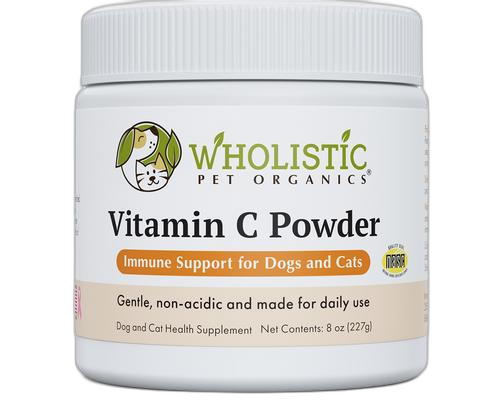
Wholistic Pet Organics Immune Support for Dogs
Wholistic Pet Organics
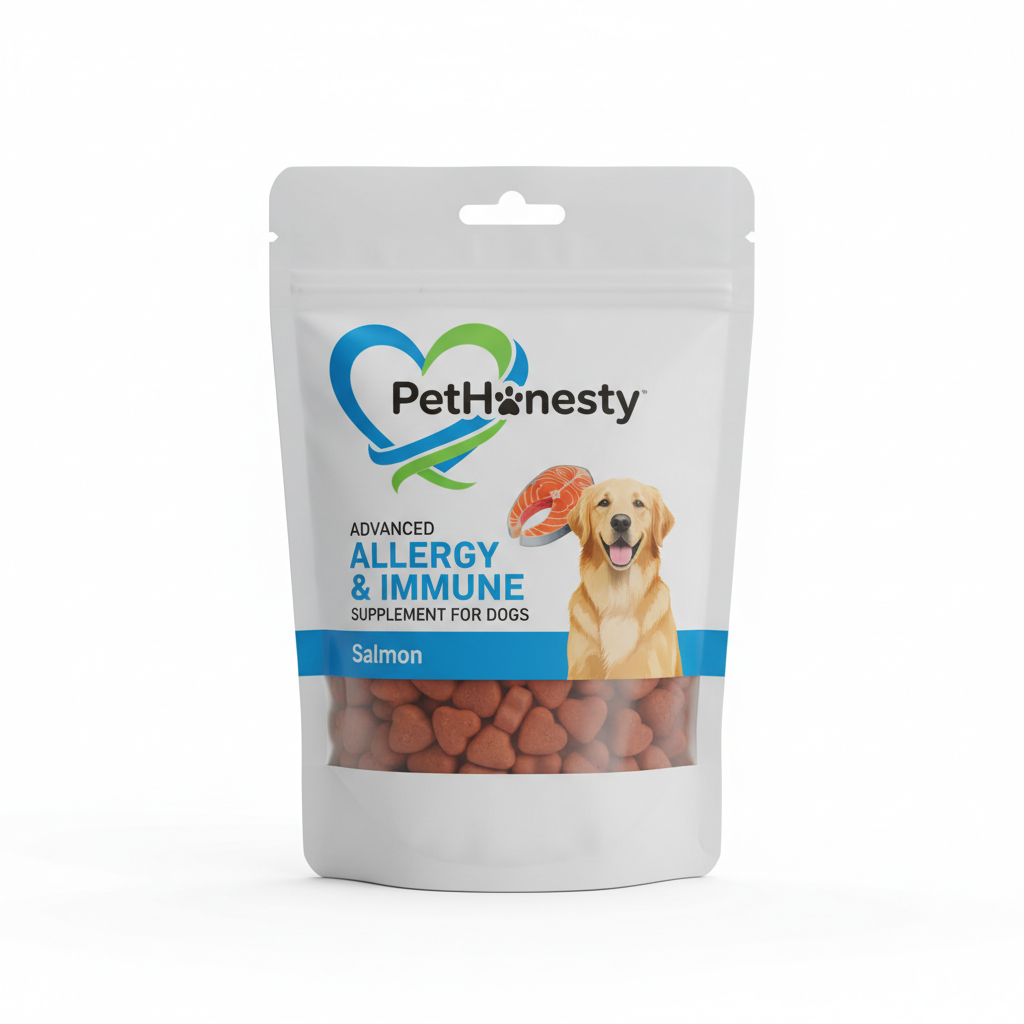
PetHonesty Advanced Allergy & Immune Supplement for Dogs - Salmon
PetHonesty
iHeartDogs Allergy & Itch Relief Chews for Dogs
iHeartDogs
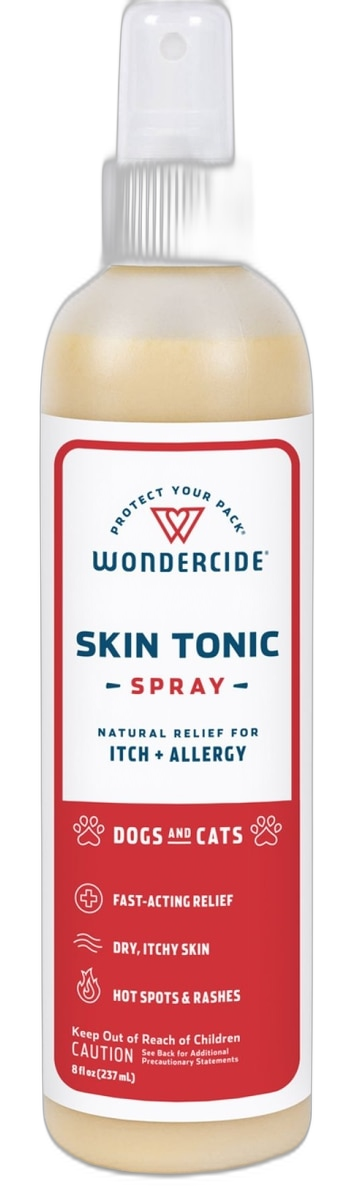
Wondercide Immune & Allergy Support
Wondercide
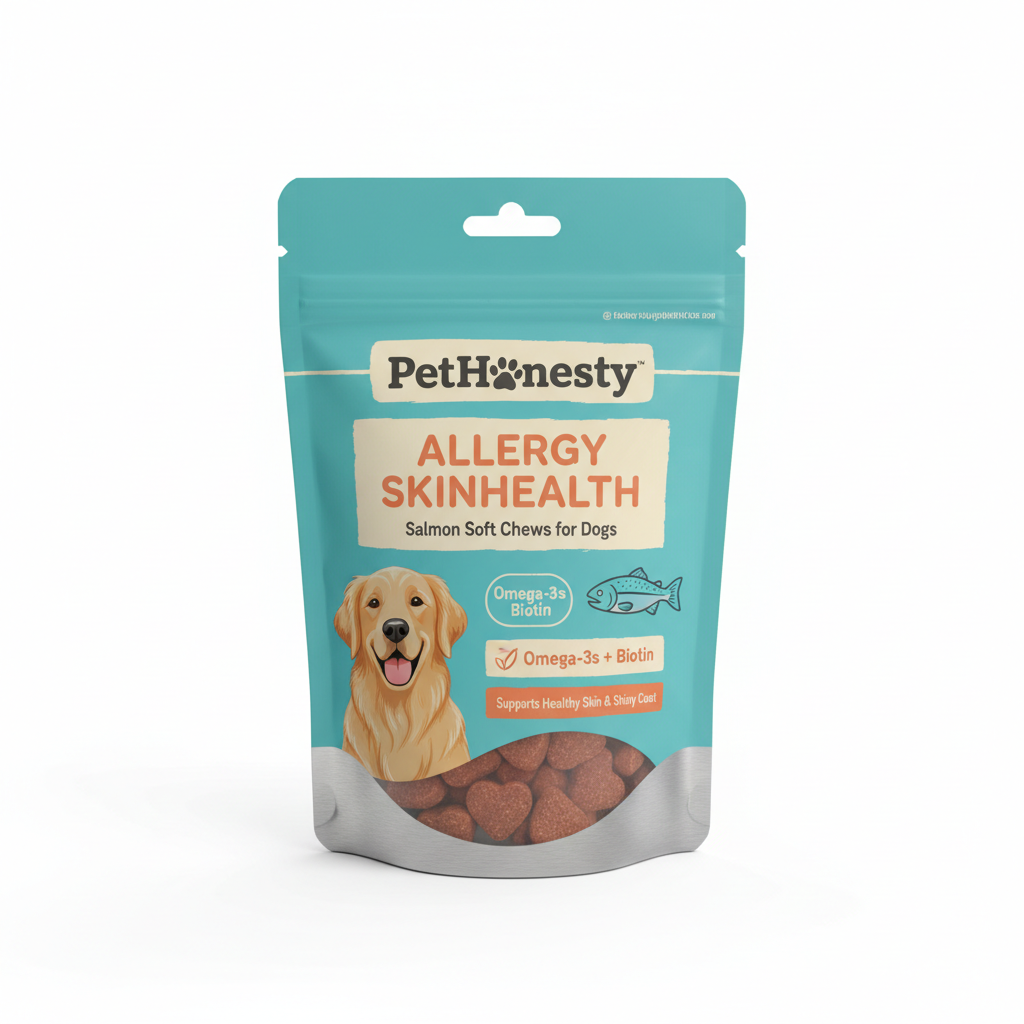
PetHonesty Allergy SkinHealth Salmon Soft Chews for Dogs
PetHonesty
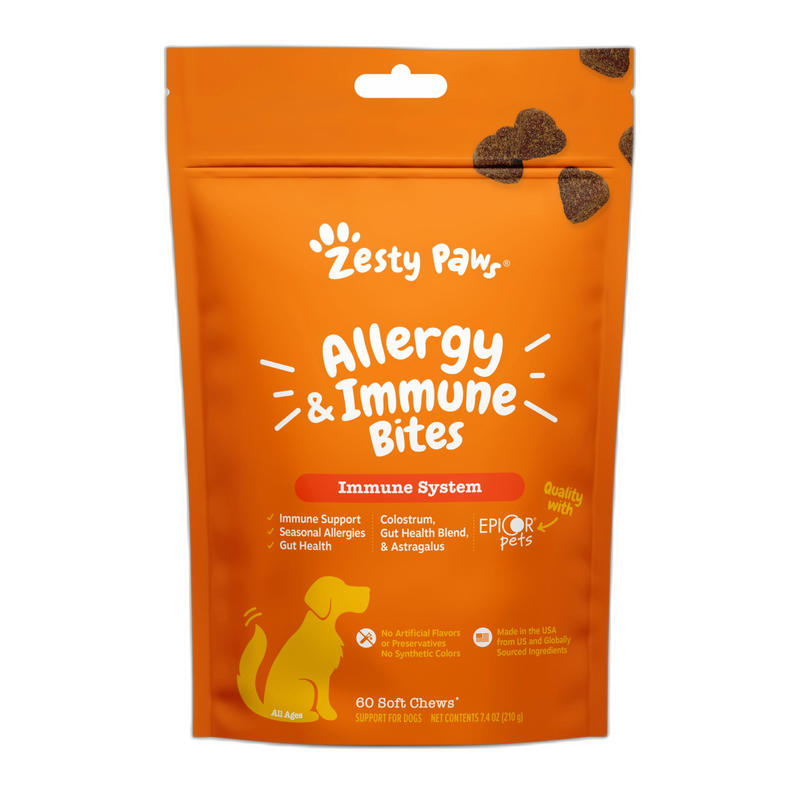
Zesty Paws Aller-Immune Bites Immune Support Soft Chews
Zesty Paws
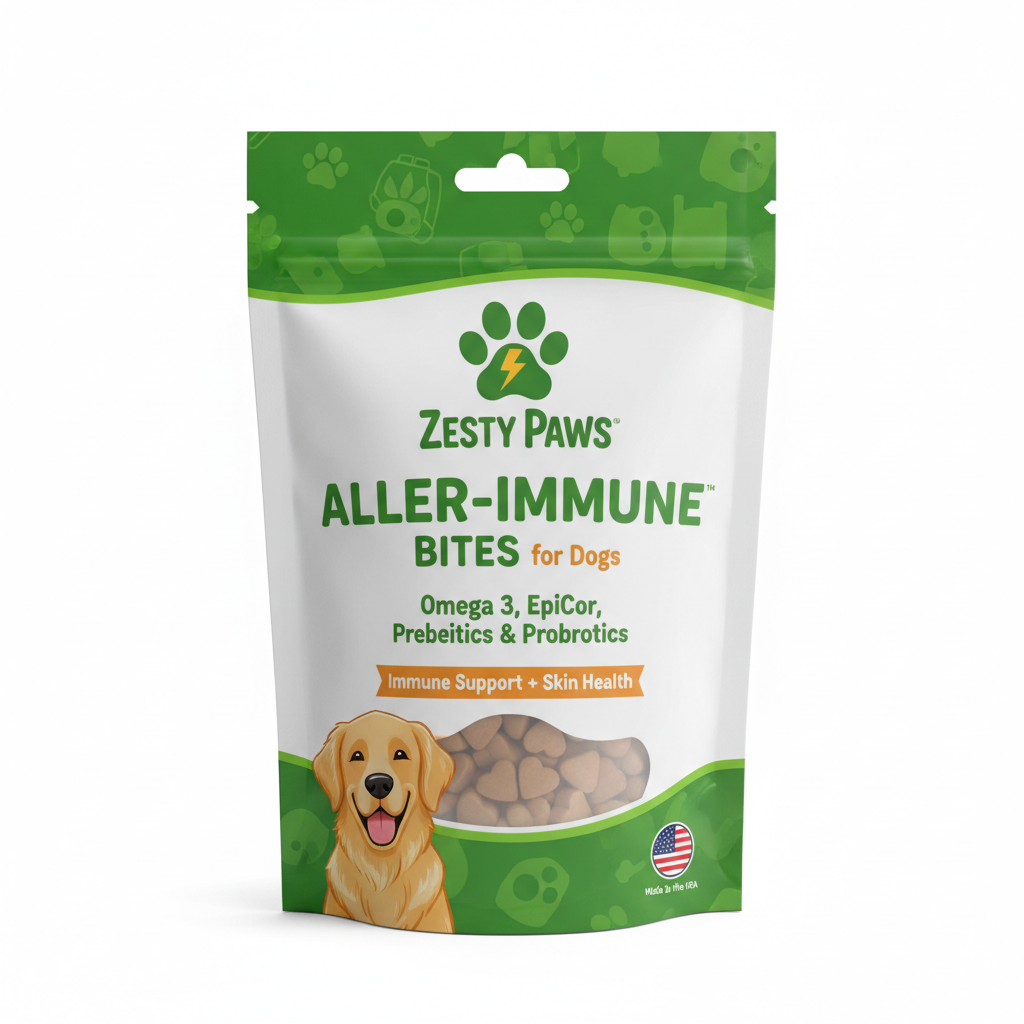
Zesty Paws Aller-Immune Bites for Dogs - Omega 3, EpiCor, Prebiotics & Probiotics
Zesty Paws
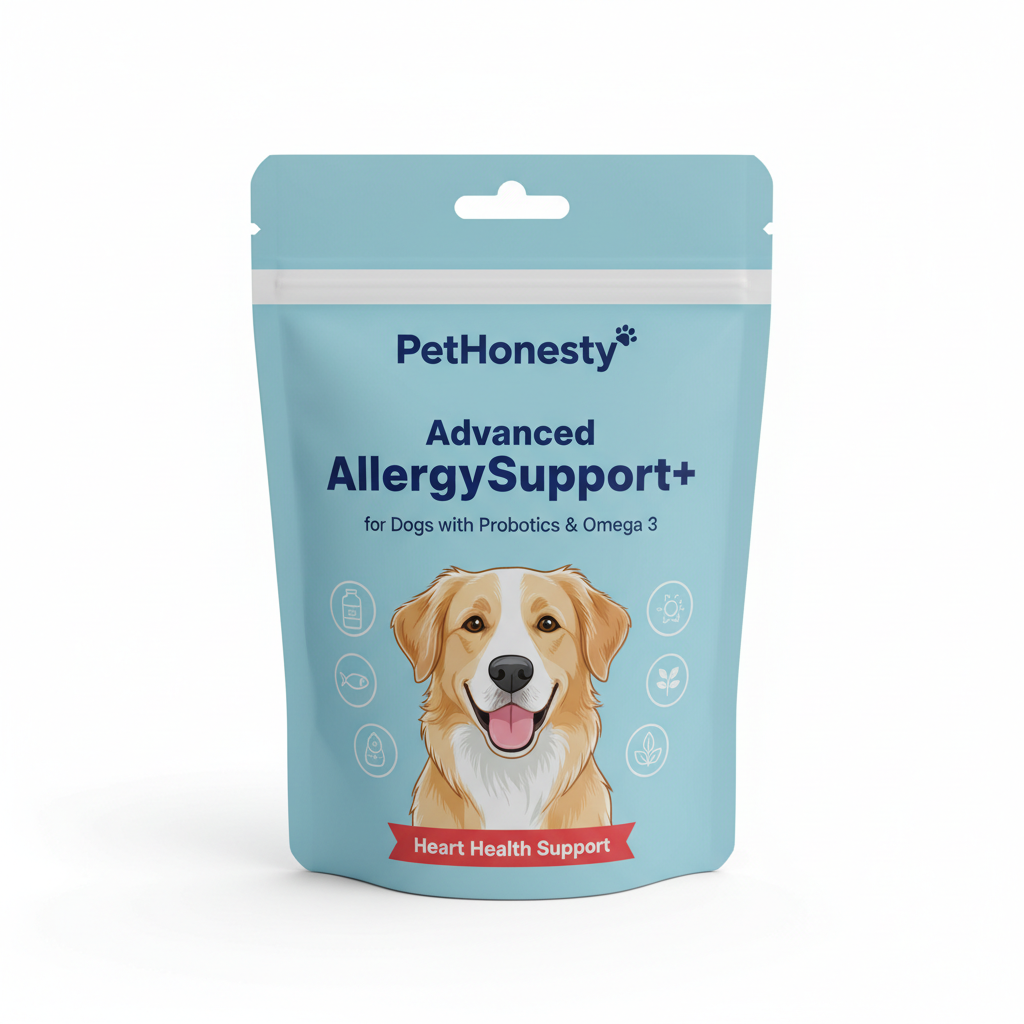
PetHonesty Advanced AllergySupport+ for Dogs with Probiotics & Omega 3
PetHonesty