Melatonin
calming
Effective Dose Range (dog)
Min Effective
0.05 mg/kg body weight
Optimal Low
0.05 mg/kg body weight
Optimal High
0.1 mg/kg body weight
Upper Limit
0.2 mg/kg body weight
Research Evidence
Safety Data
Generally safe for short-term use. Avoid in pregnant animals or those with autoimmune conditions. May interact with sedatives. Check for xylitol in human formulations.
Mechanism of Action
Binds to MT1 and MT2 receptors in the brain regulating circadian rhythm. Has anxiolytic effects independent of sedation. Antioxidant properties protect neural tissue.
Melatonin, a naturally occurring hormone, plays a role in regulating sleep-wake cycles in many species, including humans and dogs. Its use as a supplement for pets, particularly dogs, has gained traction among owners seeking solutions for anxiety, sleep disturbances, and even certain dermatological conditions. While it is generally considered safe when administered appropriately, understanding the veterinary research, proper dosing, and what to look for in a supplement is crucial for responsible pet care. This guide aims to provide clear, trustworthy information to help pet owners navigate the complexities of using melatonin for their canine companions.
Can You Give a Dog Melatonin? Here's What To Know
Yes, you can give a dog melatonin, but it's not a universal solution and requires careful consideration. Melatonin for dogs is often explored as a calming supplement to address various behavioral and physiological issues. The core idea behind its use is to leverage its natural role in the body's circadian rhythm. When administered, it can help regulate sleep patterns, which in turn might reduce anxiety or promote relaxation.
However, it's not a magic bullet. For instance, a dog suffering from severe separation anxiety might find some minor relief from melatonin, but it's unlikely to resolve the underlying behavioral issue without additional training or veterinary intervention. Similarly, for noise phobias during fireworks or thunderstorms, melatonin might take the edge off, but a dog with extreme fear might still benefit more from a combination of strategies, including a safe space, desensitization, and potentially stronger prescription medications.
Practical implications include understanding that not all dogs respond to melatonin in the same way. Some dogs may show a noticeable calming effect, while others might exhibit no change at all. The trade-offs involve potential side effects, though generally mild, and the importance of consulting with a veterinarian before starting any new supplement regimen. An edge case would be using melatonin off-label for conditions like alopecia (hair loss) in specific breeds, which has some anecdotal support but less robust scientific backing than its use for anxiety.
Dog Melatonin
When discussing "dog melatonin," it's important to distinguish between human-grade melatonin products that are often adapted for canine use and formulations specifically marketed for pets. While the chemical compound is the same, the excipients, flavors, and concentrations can differ significantly.
The core idea is that melatonin can help manage certain stress-related behaviors or sleep pattern disruptions in dogs. For example, a dog that paces and whines excessively at night due to an age-related cognitive decline might benefit from melatonin to help re-establish a more regular sleep schedule. Another scenario could be a dog that becomes agitated during car rides; a small, pre-trip dose might help them settle down.
A key practical implication is the need to avoid products containing xylitol. Xylitol, a common artificial sweetener found in many human supplements, is highly toxic to dogs and can cause a rapid drop in blood sugar, leading to seizures, liver failure, or even death. Therefore, always check the ingredient list meticulously.
Another trade-off is the potential for drowsiness. While often the desired effect, an over-sedated dog might stumble or appear disoriented. This highlights the importance of starting with a low dose and observing your dog's reaction. A concrete example of careful use would be a dog preparing for a vet visit that historically causes extreme fear. Administering a veterinarian-approved dose of melatonin an hour or so beforehand might make the experience less stressful for both the dog and the owner.
Melatonin for Dogs: Safe Use, Recommended Dosages, and Considerations
Safe use of melatonin for dogs hinges on several factors: veterinarian consultation, appropriate dosing, and careful observation. The overarching principle is that melatonin is a tool, not a cure, and should be used judiciously.
Veterinary Consultation
Before introducing any new supplement, including melatonin, to your dog's routine, a consultation with your veterinarian is paramount. They can assess your dog's overall health, consider any pre-existing conditions or medications, and help determine if melatonin is an appropriate option. For example, dogs with liver or kidney issues might metabolize melatonin differently, necessitating dosage adjustments or ruling out its use entirely. Your vet can also help rule out other medical conditions that might be causing the symptoms you're trying to address with melatonin.
Recommended Dosages
Establishing a precise, universally recommended dosage for melatonin in dogs is challenging because it can vary based on the dog's size, the specific condition being addressed, and individual sensitivity. However, general guidelines exist. Most veterinary sources suggest a starting point of 0.1 to 0.5 mg per pound of body weight, typically administered 1-2 times daily, or as needed for acute stress. It's crucial to start at the lower end of the dosage range and gradually increase if necessary, while monitoring your dog's response.
For smaller dogs (under 10 lbs), a dose of 1-2 mg might be appropriate. Medium dogs (10-50 lbs) could range from 3-6 mg, and larger dogs (over 50 lbs) might receive 6-9 mg, possibly up to 12 mg in some cases, always under veterinary guidance.
| Dog Weight (Approximate) | Suggested Starting Dose Range (Melatonin) |
|---|---|
| Under 10 lbs | 1 - 2 mg |
| 10 - 25 lbs | 1.5 - 3 mg |
| 25 - 50 lbs | 3 - 6 mg |
| 50 - 100 lbs | 6 - 9 mg |
| Over 100 lbs | 9 - 12 mg (or higher, vet guidance essential) |
Note: These are general guidelines. Always consult your veterinarian for specific dosage recommendations for your dog.
Administration Considerations
Melatonin typically takes about 30 minutes to an hour to take effect. If you're using it for an acute stressful event, such as fireworks, administer it well in advance. For sleep regulation, giving it about an hour before bedtime is often suggested.
It's also important to consider the form of melatonin. Tablets, capsules, and chewable forms are common. Ensure the form is easy for your dog to consume and that you can accurately measure the dose. Liquid formulations can offer more precise dosing for smaller dogs but require careful measurement.
Can I Give My Dog Melatonin? Help for Hair Loss for melatonin for dogs
While melatonin is most commonly associated with sleep and anxiety, it has also garnered interest for its potential role in addressing certain types of hair loss in dogs, particularly seasonal flank alopecia and pattern baldness. This application is more niche and relies on different physiological mechanisms than its calming effects.
The core idea here is that melatonin can influence hair follicle cycles. In some dogs, especially Boxers, Airedale Terriers, and English Bulldogs, seasonal flank alopecia manifests as recurrent, non-inflammatory hair loss, often accompanied by hyperpigmentation (darkening of the skin) in the flank region. This condition is thought to be linked to photoperiod changes and melatonin's role in regulating seasonal cycles. Administering melatonin might help to reset or influence these cycles, encouraging hair regrowth.
A practical implication is that this use of melatonin is considered off-label and is typically pursued after other causes of hair loss (like hormonal imbalances, parasites, or allergies) have been ruled out by a veterinarian. It's not a general remedy for all types of hair loss. For example, a dog losing hair due to flea allergies won't benefit from melatonin.
A trade-off is the variable success rate. Some dogs with seasonal flank alopecia respond well, showing significant hair regrowth within a few months, while others show no improvement. This highlights the importance of managing expectations and maintaining open communication with your vet about the efficacy and continuing treatment. An edge case would be its experimental use in other forms of non-allergic, non-parasitic alopecia where conventional treatments haven't been successful, always under strict veterinary supervision.
Melatonin for Dogs: Safe Use, Benefits & Dosage Guide
Reiterating the importance of safe use, melatonin can offer several potential benefits for dogs when administered correctly and under veterinary guidance.
Potential Benefits
Dosage Guide Summary
As previously outlined, a general starting point is 0.1 to 0.5 mg per pound of body weight.
- Small dogs (under 10 lbs): 1-2 mg
- Medium dogs (10-50 lbs): 3-6 mg
- Large dogs (over 50 lbs): 6-9 mg (up to 12 mg with vet approval)
Always start with the lowest effective dose and observe your dog's reaction. It's often recommended to administer melatonin about 30-60 minutes before the desired effect (e.g., before bedtime for sleep, before a stressful event for anxiety).
What to Look For in a Melatonin Supplement
When selecting a melatonin supplement for your dog, several factors are crucial:
- Purity and Quality: Choose products specifically formulated for pets or human-grade products from reputable brands that undergo third-party testing. Avoid generic or unverified sources.
- Absence of Harmful Ingredients: Crucially, ensure the product does NOT contain xylitol. Also, check for other artificial sweeteners, colors, or flavors that might be unnecessary or harmful.
- Appropriate Dosage Strength: Look for supplements where the melatonin concentration allows for accurate and easy dosing for your dog's size. For example, if your dog needs 3mg, a 3mg tablet is ideal, rather than trying to cut a 10mg tablet.
- Formulation: Consider whether a chewable tablet, capsule, or liquid is best suited for your dog's preferences and ease of administration.
- Veterinary Approval/Recommendation: If a product is recommended by your veterinarian or comes from a brand with a strong veterinary endorsement, it adds an extra layer of trust.
Melatonin for melatonin for dogs
Understanding melatonin for dogs involves a holistic view of the supplement's role, its potential, and its limitations. It's not a substitute for proper training, a healthy diet, or professional veterinary care, but rather an adjunctive treatment that can support a dog's well-being in specific circumstances.
The core idea is to approach melatonin use with an informed perspective, recognizing that while it's generally safe, individual responses vary. For example, a dog that suffers from extreme thunderstorm phobia might find melatonin helpful in conjunction with a Thundershirt, a safe crate, and classical music, but it might not be enough on its own.
Practical implications include the need for ongoing observation. After starting melatonin, monitor your dog for both the desired effects and any potential side effects. Keep a journal of dosage, timing, and observed behaviors to share with your vet. This data can help fine-tune the treatment plan.
A common trade-off is the mild sedative effect. While beneficial for anxiety, it might make a dog less alert or playful during the time it's active. This is often acceptable for specific situations but might not be desirable for daily long-term use unless specifically managing a sleep disorder. An edge case to consider is the potential for drug interactions, although melatonin is generally well-tolerated. If your dog is on other medications, especially sedatives, tranquilizers, or certain antidepressants, your vet will need to evaluate potential interactions.
decision to use melatonin for your dog should be a collaborative one between you and your veterinarian, based on your dog's specific needs, health status, and the most current understanding of its efficacy and safety.
FAQ
How much melatonin can I give my dog?
The general guideline for melatonin dosage in dogs is 0.1 to 0.5 mg per pound of body weight. However, this is a broad range, and individual dogs may respond differently. It's crucial to start with the lowest possible dose (e.g., 1-2 mg for small dogs, 3-6 mg for medium dogs, 6-9 mg for large dogs) and observe your dog's reaction. Always consult your veterinarian before administering melatonin to determine the safest and most effective dose for your specific dog, considering their size, health status, and the condition you are trying to address.
Will human melatonin work on dogs?
Yes, human melatonin can work on dogs, as the chemical compound is the same. However, there are significant caveats. Many human melatonin supplements contain ingredients that are harmful or toxic to dogs, most notably xylitol, an artificial sweetener that can cause severe hypoglycemia and liver failure in canines. Other ingredients like artificial colors, flavors, or high concentrations of other supplements (e.g., added vitamins or herbs) might also be problematic. If you consider using a human melatonin product, you must meticulously check the ingredient list to ensure it contains only melatonin and safe inactive ingredients. Ideally, choose a product specifically formulated for pets or a human-grade product that is pure melatonin without any added compounds, and always confirm with your veterinarian.
What are the side effects of melatonin for dogs?
Melatonin is generally well-tolerated by dogs, and side effects are typically mild and uncommon. The most frequently reported side effect is drowsiness or lethargy, which is often the intended effect when used for anxiety or sleep. Other potential, though rare, side effects can include:
- Upset stomach: Vomiting or diarrhea.
- Increased heart rate: Though rare, some dogs may experience a temporary increase in heart rate.
- Behavioral changes: In some instances, dogs might become more agitated or confused, particularly if an inappropriate dose is given.
- Itching or skin irritation: Very rarely reported.
If you observe any concerning symptoms after giving your dog melatonin, discontinue use and contact your veterinarian immediately.
Conclusion
Melatonin offers a promising, generally safe option for pet owners seeking to support their dogs through anxiety, sleep disturbances, or even specific hair loss conditions. However, its responsible use hinges on informed decision-making. Consulting with a veterinarian to discuss your dog's specific needs, understanding appropriate dosing guidelines, and carefully selecting a high-quality, xylitol-free supplement are all critical steps. While not a standalone cure for complex behavioral or medical issues, melatonin can be a valuable tool in a comprehensive care plan, offering a gentle approach to improving your canine companion's quality of life.
Products Containing Melatonin
Top-rated supplements featuring this ingredient, ranked by our PSI+ score.

Vibeful Calming Hemp Chicken Flavored Soft Chews Calming Supplement for Dogs
Vibeful
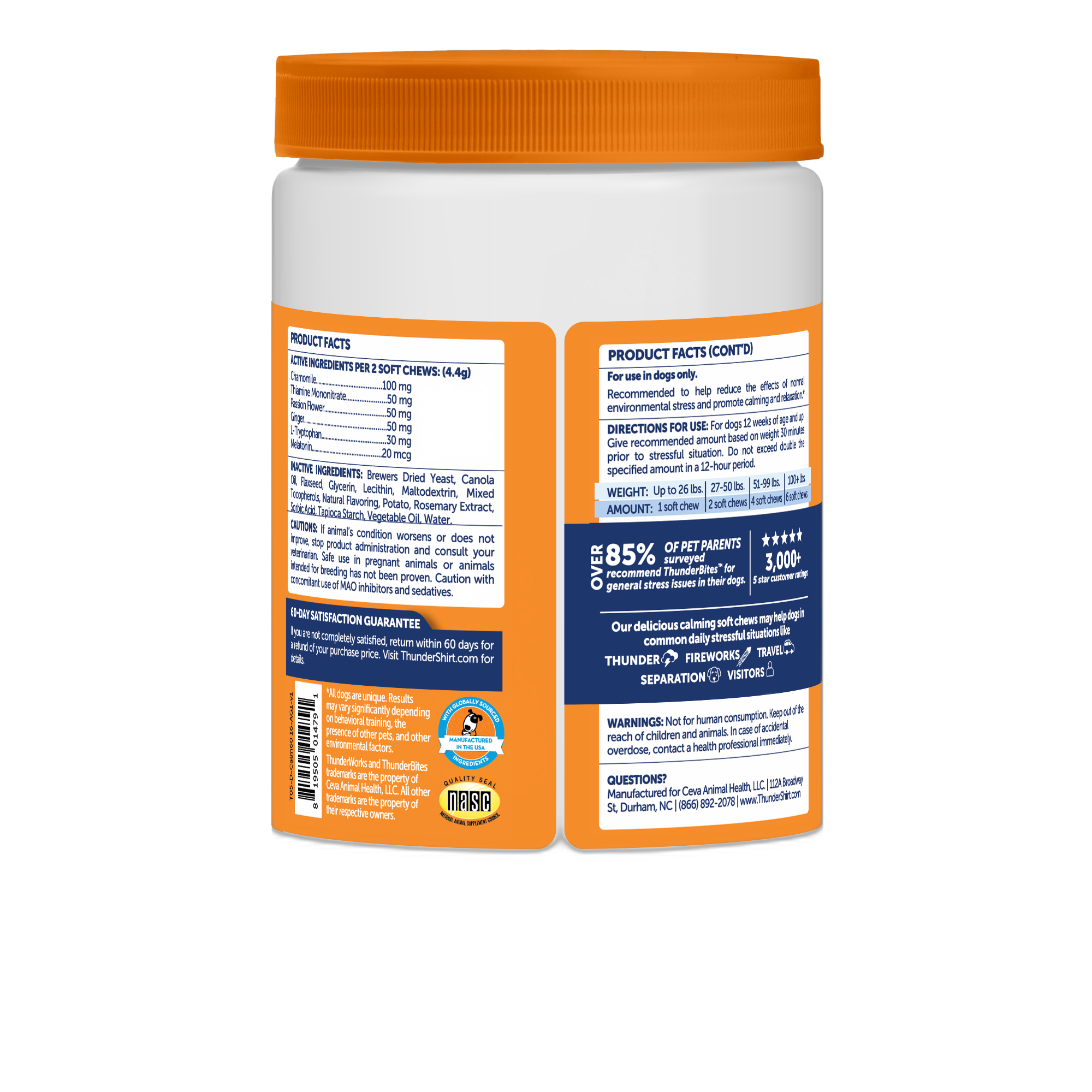
ThunderWunders Dog Calming Chews
ThunderWorks

Zesty Paws Calming Bites for Dogs - Stress & Anxiety Relief
Zesty Paws

NaturVet Emotional Support Calming Aid for Dogs
NaturVet

Native Pet Calming Chews for Dogs
Native Pet
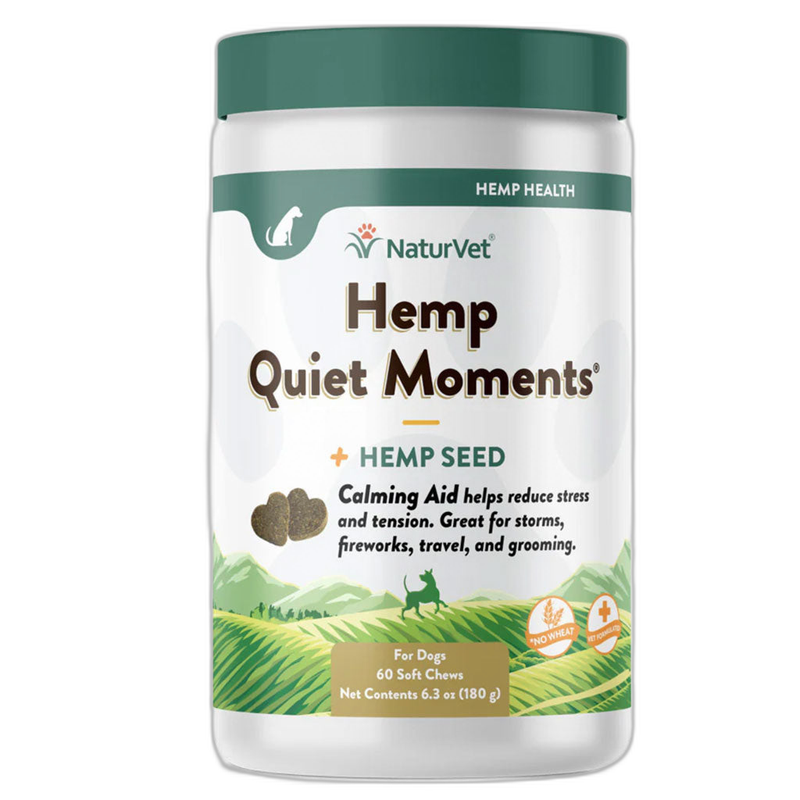
NaturVet Hemp Quiet Moments Calming Aid Plus Hemp Seed
NaturVet

Zesty Paws Calming Bites for Dogs with Suntheanine and Melatonin
Zesty Paws
Vet's Best Comfort Calm Calming Soft Chews for Dogs
Vet's Best