L-Theanine (Suntheanine)
calming
Many pet owners seek ways to support their animals through stressful situations. L-theanine, particularly in its patented form, Suntheanine, has emerged as a topic of interest for its potential calming effects in dogs and cats. This article explores the current understanding of l-theanine (Suntheanine) for dogs and other pets, examining veterinary research, practical dosing considerations, and what to look for when considering a supplement.
Understanding L-Theanine and Suntheanine for Pets
L-theanine is an amino acid primarily found in green tea leaves. It's known for its ability to cross the blood-brain barrier and influence neurotransmitter activity, specifically increasing levels of GABA, serotonin, and dopamine. These neurotransmitters play roles in mood regulation, relaxation, and cognitive function. Unlike some sedatives, l-theanine is believed to promote a state of "alert calmness" without drowsiness.
Suntheanine is a specific, patented form of L-theanine. It is produced through a fermentation process that yields a highly purified L-theanine, free from other tea components. This purity is often highlighted as a benefit, ensuring consistency and minimizing the presence of other compounds that might be found in less refined extracts. When pet owners or veterinarians discuss l-theanine for dogs, they are often referring to products containing Suntheanine due to its established reputation for quality and efficacy in human and, increasingly, animal supplements.
The core idea behind using l-theanine (Suntheanine) for dogs is to help manage various forms of stress and anxiety. This isn't about eliminating natural responses but about modulating them to a more comfortable and less disruptive level for the animal. For instance, a dog prone to excessive barking during thunderstorms might exhibit a reduced intensity or duration of this behavior. A cat that hides constantly when guests arrive might become more tolerant of their presence.
Practical implications include considering the specific stressor. Is it a predictable event, like fireworks on a holiday, or a chronic issue, like separation-related behaviors? This distinction can influence how a supplement is administered. For predictable events, pre-emptive dosing might be effective. For chronic issues, consistent daily administration might be explored. Trade-offs involve the time it takes to see an effect, which can vary, and the potential need for combination therapies (e.g., behavioral modification alongside supplementation). Edge cases might include animals with underlying medical conditions, where veterinary consultation is paramount before introducing any new supplement.
Concrete Examples of L-Theanine Use
- Noise Aversion: A dog that panics during thunderstorms or fireworks. Administering l-theanine an hour or two before a predicted event may help soften their reaction.
- Travel Stress: A cat that vocalizes excessively or becomes agitated during car rides. A dose before travel could make the journey more tolerable.
- Veterinary Visits: For animals that experience significant stress at the vet, pre-appointment supplementation might ease their anxiety, making examinations less traumatic for both pet and staff.
- Grooming: Dogs sensitive to grooming processes like nail trims or baths could benefit from l-theanine to help them remain calmer.
L-Theanine for Dogs: Veterinary Research and Efficacy
While research specifically on l-theanine (Suntheanine) for dogs is not as extensive as human studies, a growing body of veterinary literature and anecdotal evidence supports its use. The mechanism of action is extrapolated from human studies, where l-theanine has been shown to promote alpha brain wave activity, associated with a relaxed but alert mental state.
One of the most frequently cited studies in veterinary circles examined the effects of L-theanine (specifically Suntheanine) on various anxiety-related behaviors in dogs and cats. This research often points to a reduction in behaviors such as fear of strangers, separation-related behaviors, and reactions to noise. It's important to note that these studies often involve owner observations and behavioral scoring, which, while valuable, can be subjective.
The practical implications of this research suggest that l-theanine can be a useful adjunctive therapy. It's rarely presented as a standalone cure for complex behavioral issues but rather as a tool to help lower an animal's overall stress threshold, making them more receptive to behavioral modification techniques. For example, a dog with separation-related behaviors might still require training and environmental enrichment, but l-theanine could make them less agitated during the initial stages of behavior modification.
A key point from research is that L-theanine does not typically sedate an animal. This is a significant advantage over some conventional anxiolytics, which can cause drowsiness or impaired motor function. The goal is to reduce anxiety while maintaining the animal's normal interaction and awareness.
Trade-offs and Considerations
- Individual Response: Not every dog will respond to l-theanine in the same way or to the same degree. Some animals may show significant improvement, while others may show minimal change.
- Severity of Anxiety: For severe cases of anxiety or aggression, l-theanine may not be sufficient on its own and might need to be combined with other medications or intensive behavioral therapy under veterinary guidance.
- Time to Effect: While some owners report effects within an hour or two, consistent daily use for several weeks might be necessary to observe more profound or lasting changes, especially for chronic issues.
Dosing L-Theanine (Suntheanine) for Dogs and Cats
Determining the appropriate L-theanine (Suntheanine) dosage for dogs and cats is critical for both safety and efficacy. While specific guidelines can vary between products and individual veterinarians, general recommendations have emerged from clinical use and available research.
The typical dosage for l-theanine (Suntheanine) for dogs often falls within a range of 10-20 mg per 10 pounds of body weight, administered once or twice daily. For cats, a common starting point is around 50 mg per cat, regardless of weight, often once daily. However, it's crucial to always follow the specific instructions provided by your veterinarian or on the product label, as concentrations can vary.
Dosing Considerations
- Start Low, Go Slow: Many veterinarians recommend starting at the lower end of the dosing range and gradually increasing if needed, while observing the pet's response. This approach helps identify the minimum effective dose and minimizes potential side effects, although side effects from l-theanine are rare and generally mild.
- Acute vs. Chronic Use:
- Acute Stressors: For predictable, short-term stressful events (e.g., vet visits, fireworks), l-theanine can be given 1-2 hours prior to the event. A slightly higher dose within the recommended range might be considered for acute situations, but again, under veterinary advice.
- Chronic Anxiety: For ongoing anxiety or behavioral issues, daily administration is typically recommended to maintain consistent levels in the system. It may take several days to a few weeks to observe consistent effects.
- Product Formulation: L-theanine supplements for pets come in various forms, including chewable tablets, soft chews, and powders. The concentration of l-theanine per unit can differ significantly, making it essential to read labels carefully.
- Veterinary Guidance: Consulting a veterinarian is always recommended before starting any new supplement, especially for pets with existing health conditions or those on other medications. They can provide tailored advice based on your pet's specific needs and health status.
Example Dosing Table for Dogs (General Guidelines)
| Dog Weight (lbs) | L-Theanine (Suntheanine) Dose (mg) | Frequency | Notes |
|---|---|---|---|
| 10-20 lbs | 20-40 mg | Once or twice daily | Start with lower dose, observe response. |
| 21-40 lbs | 40-80 mg | Once or twice daily | Can adjust based on severity of anxiety. |
| 41-60 lbs | 80-120 mg | Once or twice daily | Consider splitting doses for larger amounts. |
| 61-80 lbs | 120-160 mg | Once or twice daily | Always consult vet for large breed dosing. |
| 80+ lbs | 160-200 mg+ | Once or twice daily | Max dose often capped around 200-250mg per dose. |
Note: This table provides general guidelines. Always consult your veterinarian for precise dosing.
L-Theanine (Suntheanine) Safety for Pets: What to Look For
The safety profile of l-theanine (Suntheanine) for pets is generally considered favorable, contributing to its popularity as a calming supplement. It's often highlighted for its lack of significant side effects, particularly when compared to pharmaceutical anxiolytics. However, "safe" doesn't mean "without consideration." Responsible use involves understanding potential mild reactions, interactions, and what constitutes a quality product.
The primary safety aspect often discussed is its non-sedating nature. Pets typically remain alert and functional, which is a key advantage. Unlike some sedatives that can make animals lethargic or uncoordinated, l-theanine aims to reduce anxiety without impairing normal activity.
Potential Mild Side Effects
While rare, some pets might experience mild gastrointestinal upset, such as vomiting or diarrhea, especially when first introduced to the supplement or if given a higher-than-recommended dose. If these symptoms occur, reducing the dose or temporarily discontinuing use and consulting a veterinarian is advisable.
Another consideration, although not a side effect, is the potential for an individual animal to simply not respond. This doesn't indicate a safety issue but rather a lack of efficacy for that particular pet.
Drug Interactions
L-theanine is generally considered safe to use alongside many other medications. However, caution is always warranted, and a veterinarian should be informed of all current medications and supplements your pet is taking. While significant drug interactions are not commonly reported, there's always a theoretical possibility, especially with other calming agents or sedatives, where additive effects might occur.
What to Look For in a Supplement
When selecting an l-theanine (Suntheanine) supplement for your pet, several factors indicate a high-quality and reliable product:
By paying attention to these aspects, pet owners can make more informed decisions about choosing a safe and potentially effective l-theanine (Suntheanine) supplement for their companions.
Calming Supplements for Dogs: L-Theanine vs. Other Options
When addressing stress and anxiety in dogs, l-theanine (Suntheanine) is one of several options available. Understanding how it compares to other calming supplements, and even prescription medications, is important for making informed choices. Each approach has its own mechanism, efficacy profile, and considerations.
Comparison Table: L-Theanine vs. Other Calming Agents
| Feature | L-Theanine (Suntheanine) | Pheromone Products (e.g., Adaptil, Feliway) | CBD (Cannabidiol) | Tryptophan/Casein Hydrolysate | Prescription Anxiolytics (e.g., Trazodone, Alprazolam) |
|---|---|---|---|---|---|
| Mechanism | Influences neurotransmitters (GABA, serotonin, dopamine); promotes alpha brain waves. | Mimics natural calming pheromones (species-specific). | Interacts with endocannabinoid system; modulates serotonin. | Precursor to serotonin (tryptophan); milk protein fragments (casein) have calming effects. | Directly affects neurotransmitter levels; often sedating. |
| Primary Effect | Promotes alert calmness, reduces anxiety without sedation. | Reduces fear and stress, especially in new environments or social situations. | Reduces anxiety, inflammation, pain; may be mildly sedating. | Supports relaxation, reduces reactivity. | Reduces severe anxiety, often with sedation. |
| Onset of Action | 1-2 hours (acute); days-weeks (chronic). | Continuous effect (diffuser) or within 30-60 mins (spray). | 30-90 minutes, depending on product and dose. | Hours to days/weeks for consistent effect. | 30-60 minutes (acute); days-weeks (chronic). |
| Side Effects | Rare, mild GI upset. | None reported. | Mild drowsiness, dry mouth, diarrhea (rare). | Rare, mild GI upset. | Drowsiness, ataxia, GI upset, paradoxical excitement. |
| Safety Profile | Very good; non-sedating. | Excellent; species-specific. | Generally good; less research in pets, especially long-term. | Good. | Varies by drug; requires careful veterinary monitoring. |
| Usage Scenarios | Noise phobias, separation-related behaviors, travel, vet visits, general anxiety. | New environments, travel, social stress, multi-cat households. | Generalized anxiety, noise phobias, pain, inflammation. | Mild anxiety, stress, reactivity. | Severe anxiety, panic disorders, aggression, phobias. |
| Veterinary Oversight | Recommended, especially for chronic use or existing conditions. | Generally not required, but helpful for diagnosis. | Recommended due to varying product quality and limited research. | Recommended. | Essential, as these are prescription medications. |
Practical Implications
- L-Theanine as a First Line: For mild to moderate anxiety or as a supportive measure for specific stressors, l-theanine (Suntheanine) for dogs can be a valuable first step. Its favorable safety profile and non-sedating nature make it appealing.
- Combination Therapies: It's common for veterinarians to recommend l-theanine in conjunction with other calming strategies. For instance, combining l-theanine with pheromone diffusers for a fearful cat moving to a new home, or with behavioral modification for a dog with separation-related behaviors.
- CBD Considerations: While CBD has gained popularity, research on its efficacy and optimal dosing in pets is still developing. Quality control in the CBD market can also be inconsistent, making product selection crucial.
- Prescription Medications: For severe anxiety, panic attacks, or behaviors that pose a risk to the pet or others, prescription anxiolytics are often necessary. These should always be used under strict veterinary supervision due to potential side effects and the need for careful dosing adjustments.
The choice of calming supplement or medication depends heavily on the individual pet, the nature and severity of their anxiety, and the owner's willingness to commit to a specific regimen. A comprehensive approach often involves a combination of environmental management, behavioral training, and appropriate supplementation or medication, all guided by veterinary advice.
Conclusion
L-theanine, particularly in its Suntheanine form, offers a promising avenue for pet owners seeking to support their dogs and cats through various forms of stress and anxiety. Veterinary research and clinical experience suggest it can promote a state of calm alertness without sedation, making it a valuable tool for managing issues ranging from noise phobias to separation-related behaviors.
When considering l-theanine (Suntheanine) for dogs or other pets, understanding appropriate dosing, recognizing its generally favorable safety profile, and knowing what to look for in a quality supplement are key. While not a cure-all, it can effectively complement behavioral modification and environmental enrichment strategies. Always consult with your veterinarian to determine if l-theanine is suitable for your pet and to establish the most effective and safe approach for their individual needs.
Products Containing L-Theanine (Suntheanine)
Top-rated supplements featuring this ingredient, ranked by our PSI+ score.
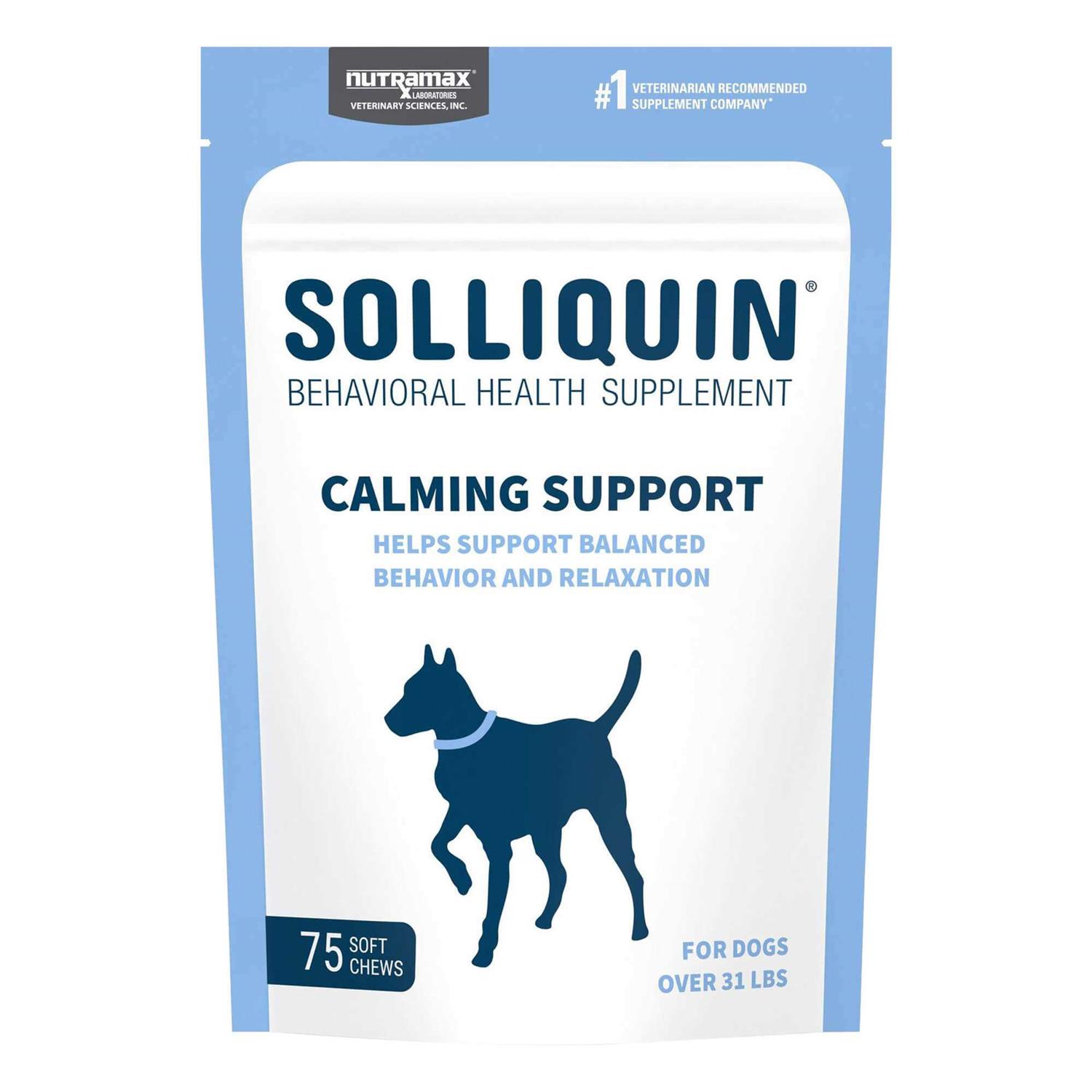
Nutramax Solliquin Calming Behavioral Health Supplement for Dogs
Nutramax Laboratories
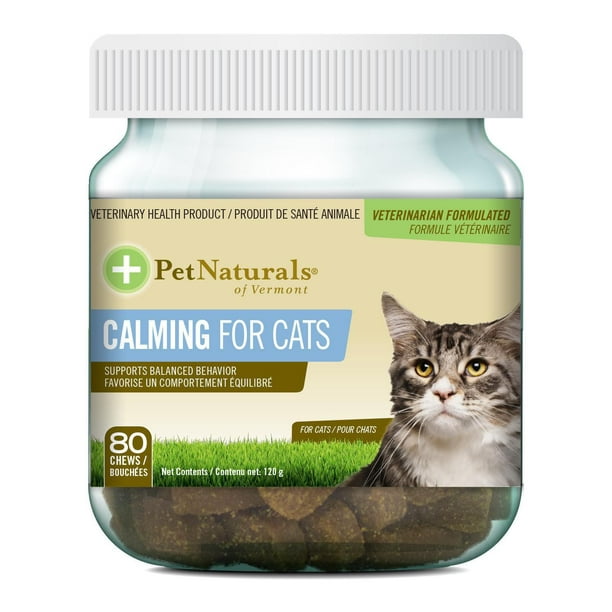
Pet Naturals of Vermont Calming for Cats
Pet Naturals
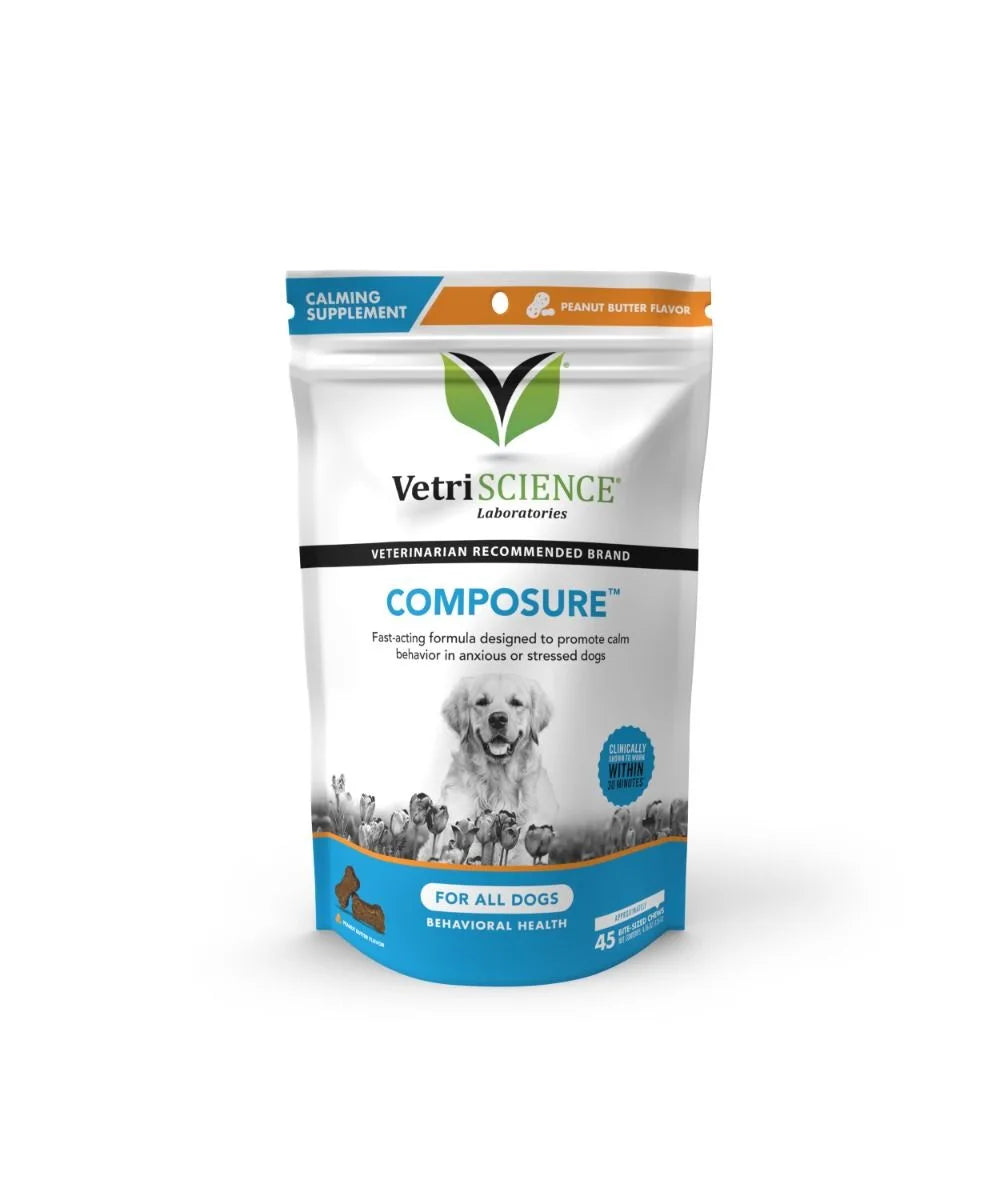
VetriScience Composure Calming Chews for Dogs
VetriScience

Zesty Paws Calming Bites for Dogs, Peanut Butter Flavor
Zesty Paws