Digestive Enzymes
digestive aid
Digestive enzymes are biological catalysts essential for breaking down food into nutrients that the body can absorb. For dogs and cats, these enzymes play a crucial role in maintaining gut health and overall well-being. When a pet's body doesn't produce enough of its own enzymes, or when their diet lacks sufficient enzyme activity, supplementation can be considered. This guide explores the use of digestive enzyme supplements for pets, covering when they might be beneficial, how to use them, and what to realistically expect.
Digestive Enzymes For Dogs
The concept of digestive enzymes for dogs revolves around supporting the natural process of digestion. Just like humans, dogs rely on enzymes to dismantle complex food components—proteins, fats, and carbohydrates—into simpler forms that can pass through the intestinal wall and into the bloodstream. These enzymes are primarily produced in the pancreas, an organ located near the stomach.
When a dog’s pancreas functions optimally, it releases a cocktail of enzymes, including proteases (for proteins), lipases (for fats), and amylases (for carbohydrates), directly into the small intestine. This enzymatic activity is crucial for nutrient extraction. Without adequate enzyme levels, food can pass through the digestive tract undigested. This leads to malabsorption, meaning the dog isn't getting the full nutritional value from their meals, regardless of how high-quality the food might be.
The practical implications of enzyme deficiency in dogs can manifest in various ways, from subtle digestive upset to more pronounced clinical signs. For instance, a dog with insufficient lipase might have greasy stools due to undigested fat, while a lack of proteases could lead to poor muscle mass despite adequate protein intake. An important distinction to make is between pancreatic enzyme insufficiency (PEI), a medical condition where the pancreas fails to produce sufficient enzymes, and a general digestive "sluggishness" that might benefit from supplemental enzymes. PEI is a specific diagnosis requiring veterinary intervention and often lifelong enzyme replacement. General digestive support, on the other hand, is a broader category where enzyme supplements are used to potentially enhance digestion in dogs without a diagnosed medical condition, especially those on highly processed diets or with sensitive stomachs.
Consider a scenario where a dog consistently experiences loose stools, flatulence, or regurgitation after meals, despite being fed a reputable diet and having no underlying medical conditions identified by a veterinarian. In such a case, the digestive system might simply be struggling to efficiently break down food. Introducing a broad-spectrum digestive enzyme supplement could help predigest the food, easing the burden on the dog's own digestive system and potentially alleviating these symptoms. However, it's not a magic bullet. If symptoms persist or worsen, further veterinary investigation is always warranted to rule out more serious issues.
When To Give Digestive Enzymes For Dogs
Deciding when to give digestive enzymes to dogs hinges on observing their digestive health and understanding potential underlying causes. It's not a universal recommendation for all dogs, but rather a targeted approach for specific situations.
One primary indication is a diagnosis of Exocrine Pancreatic Insufficiency (EPI), also known as PEI. In dogs with EPI, the pancreas produces little to no digestive enzymes. This is a serious condition where food passes through the digestive tract largely undigested, leading to severe weight loss, chronic diarrhea, and ravenous appetite. For these dogs, enzyme supplementation isn't optional; it's a life-sustaining treatment. The enzymes, typically in powder form, are mixed directly with their food to break it down before ingestion.
Beyond EPI, dogs experiencing chronic, unexplained digestive upset might benefit. This includes symptoms like recurrent flatulence, bloating, intermittent vomiting, soft or inconsistent stools, or even coprophagia (eating feces), which can sometimes be linked to nutrient malabsorption. If a dog's stool appears bulky, greasy, or contains undigested food particles, it suggests that the digestive process isn't fully completing its job. Before reaching for supplements, however, it's crucial to rule out other causes through veterinary examination, including food sensitivities, intestinal parasites, or inflammatory bowel disease.
Another scenario is for dogs consuming diets that are heavily processed or low in naturally occurring enzymes. Raw or minimally processed diets often contain some natural enzymes from the ingredients themselves, whereas highly cooked kibble diets typically have very few, as heat destroys enzyme activity. For dogs on a dry kibble diet, especially older dogs whose natural enzyme production may decline, or those with known sensitive stomachs, enzyme supplements might offer support. Similarly, during dietary transitions, such as switching to a new brand of food, digestive enzymes can help the gut adapt and minimize temporary upset.
However, it's important to recognize the trade-offs. While enzymes can be beneficial, they are not a substitute for a balanced, high-quality diet. Over-reliance on supplements without addressing the root cause of digestive issues can mask more serious health problems. For instance, giving enzymes to a dog with a parasitic infection might temporarily reduce symptoms, but the infection itself remains untreated and could worsen. Always consult a veterinarian to establish a baseline of health and to confirm that enzyme supplementation is an appropriate course of action for your specific pet.
Digestive Enzymes Powder for Dogs and Cats for digestive enzymes for dogs
Digestive enzyme supplements for pets primarily come in powder form, making them versatile for both dogs and cats. The powder is usually mixed directly into the pet's food, ensuring even distribution and contact with the meal. This method is often preferred over tablets or chews because it allows the enzymes to begin breaking down food before it even enters the digestive tract, mimicking the natural enzymatic processes that start in the mouth and stomach.
The core idea behind using powder is to deliver a concentrated dose of various enzymes. Most broad-spectrum powders contain a mix of proteases, lipases, and amylases, often derived from plant sources (like papaya, pineapple) or fungal fermentation, as these are generally stable and active across a wide pH range, making them effective in both stomach and intestinal environments. Some also include cellulase to help break down plant fibers, which can be particularly useful for pets consuming vegetable matter.
Practical implications of powder use include ease of administration and dosage adjustment. For instance, a dog with severe EPI might require a higher dose than a cat with mild digestive sensitivity. Powders allow for precise measurement using scoops provided or by weight, facilitating tailored dosing. However, a key consideration is the activation time. For optimal efficacy, many manufacturers recommend mixing the powder with a small amount of water and letting it sit with the food for 10-20 minutes before serving. This "pre-digestion" period allows the enzymes to start working on the food outside the body, making it easier for the pet's system to handle once ingested.
A trade-off with powders can be palatability. Some pets might be finicky about the taste or texture the powder imparts to their food. In such cases, gradually introducing the supplement in smaller amounts and mixing it thoroughly can help. Another edge case involves pets with very sensitive stomachs who might react to any new ingredient. Starting with a very small dose and slowly increasing it over several days can help mitigate potential digestive upset. It's also crucial to store enzyme powders correctly, typically in a cool, dry place, as heat and moisture can degrade enzyme activity.
For instance, if your senior cat is losing weight despite eating normally, and your vet has ruled out other medical conditions, adding a digestive enzyme powder to her wet food might help her absorb more nutrients. The powder form allows you to start with a small amount, observe her response, and gradually increase it if she tolerates it well and shows signs of improved digestion, such as better stool consistency or weight stabilization.
Enzymes for digestive enzymes for dogs
When discussing "enzymes for digestive enzymes for dogs," we're essentially looking at the specific types of enzymes contained within these supplements and their roles. Understanding these individual components helps clarify why a particular blend might be chosen for a certain digestive issue.
The primary categories of enzymes found in most broad-spectrum digestive supplements for dogs are:
- Proteases: These enzymes are responsible for breaking down proteins into smaller peptides and amino acids. Examples include trypsin, chymotrypsin, and papain (from papaya). Adequate protease activity is vital for muscle development, tissue repair, and overall cellular function. A dog struggling to digest protein might exhibit poor muscle mass, dull coat, or even allergic reactions due to large protein molecules entering the bloodstream.
- Lipases: These enzymes break down fats (lipids) into fatty acids and glycerol. Pancreatic lipase is the main enzyme for fat digestion. Without sufficient lipase, fats pass through the digestive system undigested, leading to greasy, voluminous stools (steatorrhea), nutrient deficiencies in fat-soluble vitamins (A, D, E, K), and weight loss.
- Amylases: These enzymes break down complex carbohydrates (starches) into simpler sugars. Pancreatic amylase is key here. While dogs are carnivores, their diets often contain carbohydrates, and efficient breakdown is necessary to avoid fermentation in the large intestine, which can lead to gas, bloating, and discomfort.
- Cellulase: This enzyme breaks down cellulose, a type of fiber found in plant cell walls. Dogs do not naturally produce cellulase, so any benefit from its inclusion in a supplement comes from the supplement itself. While not directly involved in digesting animal-based foods, it can assist in breaking down plant matter in the diet, potentially making nutrients more accessible and improving fiber digestion, which can be helpful for stool consistency.
The source of these enzymes also matters. Many supplements use plant-derived enzymes (like bromelain from pineapple or papain from papaya) or fungal-derived enzymes (from Aspergillus species). These are often preferred because they are stable across a wider pH range compared to animal-derived enzymes, meaning they can function effectively in the acidic environment of the stomach as well as the more alkaline small intestine. Animal-derived enzymes, typically from porcine (pig) or bovine (cow) pancreas, are potent and often used in prescription-strength products for conditions like EPI, as they closely mimic the dog's own pancreatic enzymes.
The practical implication here is that a "one-size-fits-all" approach to enzyme supplements might not be ideal. For a dog with greasy stools, a supplement with a higher lipase concentration might be more beneficial. For a dog struggling with a high-protein diet, more proteases could be key. However, most over-the-counter supplements offer a balanced blend, which is usually sufficient for general digestive support. The trade-off is that without a specific diagnosis, it's hard to know which enzyme is most deficient, making a broad-spectrum product a reasonable starting point.
Only Natural Pet Vital Digest for Dogs & Cats - 3.5 oz for digestive enzymes for dogs
When considering specific products, "Only Natural Pet Vital Digest for Dogs & Cats - 3.5 oz" serves as a practical example of a commercially available digestive enzyme supplement. Analyzing such a product helps illustrate the typical composition and intended use of these supplements.
This specific product, like many others in the market, is formulated for both dogs and cats, reflecting the shared physiological need for digestive enzymes across these species. The "3.5 oz" refers to the net weight of the product, indicating a supply that might last for a period depending on the pet's size and the recommended dosage.
The core idea behind Vital Digest, and similar supplements, is to provide a blend of enzymes to support the digestion of various macronutrients. A typical formulation would include:
- Protease: To break down proteins.
- Amylase: To break down carbohydrates.
- Lipase: To break down fats.
- Cellulase: To assist in breaking down plant fibers, which dogs and cats do not produce naturally.
Many such products also include additional beneficial ingredients, such as probiotics (beneficial bacteria) and prebiotics (food for beneficial bacteria). Probiotics help maintain a healthy gut microbiome, which is intrinsically linked to digestion and overall health. Prebiotics nourish these good bacteria. This combination aims to offer holistic digestive support, addressing both enzyme deficiency and gut flora balance.
Practical implications for using a product like Vital Digest involve understanding its intended use. It's generally marketed for everyday digestive support, particularly for pets with sensitive stomachs, those transitioning to new foods, or older pets whose natural enzyme production may be declining. It's not typically positioned as a prescription-strength treatment for severe conditions like EPI, although it might be used as an adjunct in milder cases or for general wellness.
- Dosage: The product label would provide specific dosage instructions based on the pet's weight. For example, a common recommendation might be 1/4 teaspoon for small pets, increasing to 1 teaspoon for larger dogs, mixed with each meal.
- Administration: As a powder, it's typically mixed with the pet's food. For best results, some brands recommend adding a small amount of warm water to the mixture and letting it sit for 10-15 minutes before feeding, allowing the enzymes to begin their work.
- Safety: These types of supplements are generally considered safe for long-term use in healthy pets when administered according to directions. However, potential trade-offs include mild digestive upset if started too quickly or at too high a dose. Always monitor your pet for any adverse reactions.
For example, if you have a medium-sized dog who occasionally has loose stools and seems to struggle with certain foods, incorporating a product like Only Natural Pet Vital Digest could be a low-risk way to assess if enzyme support helps. You would start with the recommended dose for their weight, mix it into their meals, and observe changes in stool consistency, gas, or overall comfort over several weeks. If symptoms improve, it suggests that enzyme support is beneficial for their particular digestive makeup. If symptoms persist, it's a clear signal to consult a veterinarian for further investigation.
Comparison of Enzyme Types and Their Benefits
To summarize the different types of digestive enzymes and their primary roles, the following table offers a quick comparison.
| Enzyme Type | Primary Function | Macronutrient Digested | Common Sources in Supplements | Potential Benefit for Pets |
|---|---|---|---|---|
| Protease | Breaks down proteins into amino acids | Proteins | Plant (papain, bromelain), Fungal, Animal (trypsin) | Improved nutrient absorption, muscle maintenance, reduced allergic reactions |
| Lipase | Breaks down fats into fatty acids and glycerol | Fats | Plant, Fungal, Animal (pancreatic lipase) | Better absorption of fat-soluble vitamins, reduced greasy stools, improved energy |
| Amylase | Breaks down complex carbohydrates into simple sugars | Carbohydrates (starches) | Plant, Fungal, Animal (pancreatic amylase) | Reduced gas and bloating, more efficient energy extraction |
| Cellulase | Breaks down plant fiber (cellulose) | Fiber (plant cell walls) | Plant, Fungal | Improved digestion of plant matter, better stool consistency |
FAQ
How do you know if your dog needs digestive enzymes?
Several signs might suggest your dog could benefit from digestive enzymes. These include chronic loose stools, frequent gas, bloating, vomiting or regurgitation after eating, undigested food in their stool, weight loss despite a good appetite, or a dull, unhealthy coat. If your dog has been diagnosed with Exocrine Pancreatic Insufficiency (EPI), enzyme supplementation is medically necessary. For other symptoms, it's crucial to first consult with a veterinarian to rule out underlying medical conditions such as parasites, food allergies, or inflammatory bowel disease. If no specific medical issue is found, and digestive upset persists, a trial of digestive enzymes may be recommended.
Are digestive enzymes good for Hashimoto's?
Hashimoto's thyroiditis is an autoimmune condition primarily affecting the thyroid gland in humans, and in dogs, it manifests as hypothyroidism. While there's no direct scientific evidence linking digestive enzyme supplementation to the treatment or cure of Hashimoto's itself, there is a connection regarding overall gut health. Many individuals with autoimmune diseases, both human and animal, often experience compromised gut health, including issues with digestion and nutrient absorption. Supporting digestion with enzymes might indirectly help by improving nutrient uptake, reducing inflammation, and easing the burden on the digestive system, which can contribute to overall wellness. However, digestive enzymes are not a primary treatment for Hashimoto's; they would only be considered as a supportive measure for digestive symptoms, always under veterinary guidance.
What are the best homemade digestive enzymes for dogs?
There isn't a direct way to create "homemade digestive enzymes" in the same concentrated, standardized form as commercial supplements. Enzymes are complex proteins, and their production requires specific biological processes. However, you can incorporate certain natural foods into your dog's diet that are rich in naturally occurring enzymes:
- Raw Honey: Contains a small amount of amylase and other enzymes.
- Fermented Foods: Unpasteurized kefir or plain yogurt contains beneficial bacteria that produce enzymes during fermentation, aiding digestion. Start with very small amounts.
- Certain Fruits & Vegetables: Papaya and pineapple contain papain and bromelain, respectively, which are proteases. Small, occasional servings of these fruits can be beneficial. However, these should be given in moderation as treats, not as a primary source of enzymes, and always ensure they are safe for dogs.
- Raw or Minimally Cooked Meats/Organs: Raw pancreas (from a healthy animal) is a natural source of digestive enzymes, and is sometimes used for dogs with EPI under strict veterinary supervision. This approach carries significant health risks (e.g., bacterial contamination, nutrient imbalances) and is generally not recommended for home preparation without expert guidance.
For consistent and reliable enzyme support, commercial supplements are typically more effective and safer than relying solely on homemade options.
Conclusion
Digestive enzymes for dogs and cats offer a supportive pathway for pets experiencing various forms of digestive upset or malabsorption. While not a cure-all, they can significantly improve nutrient assimilation, alleviate common gastrointestinal discomforts, and enhance overall well-being, particularly in pets with conditions like EPI, those on processed diets, or aging animals. The choice between different product types, such as powders, often comes down to ease of administration and the specific needs of the pet. Ultimately, understanding your pet's digestive symptoms and consulting with a veterinarian remain the most critical steps in determining if and how digestive enzyme supplementation can benefit their health.
Products Containing Digestive Enzymes
Top-rated supplements featuring this ingredient, ranked by our PSI+ score.
iHeartDogs Probiotics for Dogs with Prebiotics
iHeartDogs
Doggie Dailies Probiotics for Dogs
Doggie Dailies
PetHonesty Super Pooper Max Strength Digestive Support
PetHonesty
Solid Gold Stop Eating Poop Soft Chews for Dogs
Solid Gold
K9 Natural Digestive Health Supplement for Dogs
K9 Natural
Fera Pet Organics Goat Milk Topper for Dogs & Cats
Fera Pet Organics
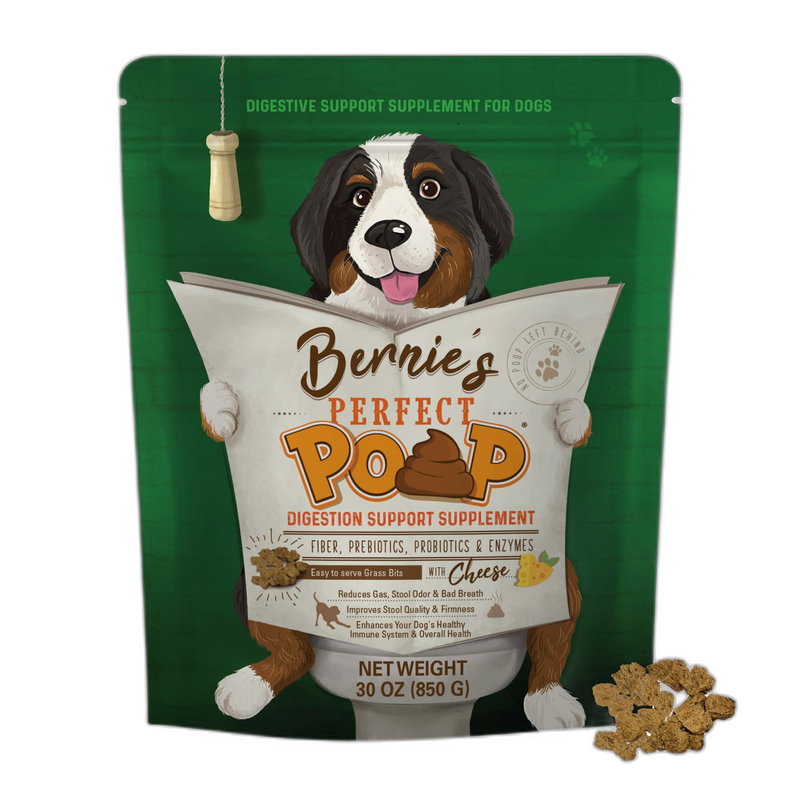
Bernie's Perfect Poop Digestion Support for Dogs
Bernie's Best
Wholistic Pet Organics Canine Complete Multivitamin
Wholistic Pet Organics