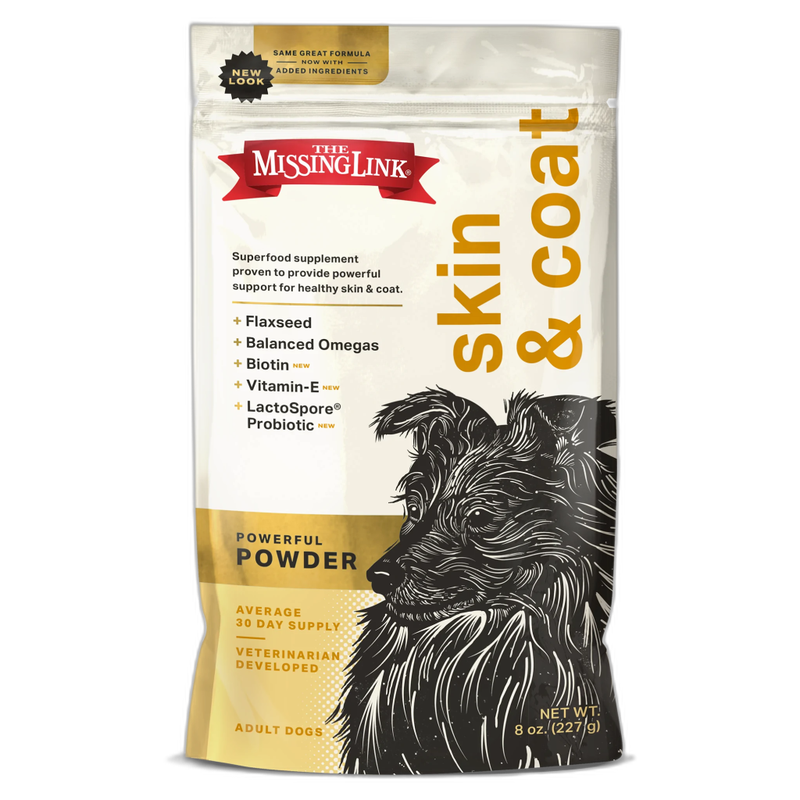
Yeast Culture
digestive aid
Yeast culture for dogs, and pets in general, refers to a product derived from the fermentation of yeast, typically Saccharomyces cerevisiae, often grown on a grain-based medium. Unlike live yeast probiotics, yeast culture usually contains the yeast cells themselves, along with the metabolites and fermentation byproducts produced during their growth. This combination is believed to offer nutritional and digestive benefits to animals. Understanding its specific applications, the nuances of its various forms, and appropriate usage is key for pet owners considering such supplements.
Yeast Culture in Dog Food
The inclusion of yeast culture in dog food is a strategy aimed at enhancing nutritional profiles and supporting digestive health. Rather than being a primary nutrient source, yeast culture acts more as a functional ingredient. When yeast is cultured on a substrate like grain, it consumes the carbohydrates and produces a range of compounds, including B vitamins, amino acids, peptides, and various enzymes. The entire fermented product, including the spent yeast cells and these metabolic byproducts, is then dried and added to pet food formulations.
The practical implication for dog food manufacturers is the potential to improve nutrient digestibility and palatability. For instance, the B vitamins present in yeast culture are essential for various metabolic functions, including energy production and nervous system health. The enzymes might assist in breaking down complex food components, making nutrients more accessible to the dog's digestive system. Some manufacturers also suggest that the unique flavor profile imparted by yeast culture can make food more appealing to picky eaters.
It's important to differentiate between yeast culture and other common dog food ingredients like brewer's yeast or nutritional yeast. While all three originate from Saccharomyces cerevisiae, their processing and primary benefits vary. Brewer's yeast, often a byproduct of beer brewing, is rich in B vitamins but may not offer the full range of fermentation metabolites found in a dedicated yeast culture. Nutritional yeast is typically pasteurized and inactivated, prized for its cheesy flavor and B vitamin content. Yeast culture, however, is specifically cultivated for its metabolic byproducts and the these can have on gut health.
Edge cases might include dogs with specific sensitivities. While generally well-tolerated, some dogs might react to the grain substrate used in the culturing process, or to the yeast itself, manifesting as mild digestive upset or skin issues. Therefore, observing a dog's response when introducing food containing yeast culture is advisable.
All about yeast for dogs and cats: Saccharomyces boulardii...
While discussing yeast culture, it's crucial to distinguish it from specific probiotic yeasts like Saccharomyces boulardii. Saccharomyces boulardii is a well-researched probiotic yeast strain known for its transient survival in the digestive tract and its ability to support gut health, particularly during episodes of diarrhea or antibiotic treatment. It works by competing with pathogenic bacteria, producing beneficial compounds, and modulating the immune response within the gut.
Yeast culture, in contrast, is typically a broader product containing Saccharomyces cerevisiae and its fermentation products. While S. Cerevisiae itself can have probiotic-like effects depending on the strain and processing, yeast culture is generally not marketed solely as a probiotic in the same specific way S. Boulardii is. The efficacy of S. Boulardii lies in its specific strain characteristics and its ability to remain viable through the digestive system to exert its effects.
The practical implications for pet owners are significant when choosing a supplement. If the goal is to address specific digestive disturbances like acute diarrhea, Saccharomyces boulardii might be the more targeted choice due to its established probiotic action. Its ability to thrive in the presence of antibiotics makes it particularly useful in conjunction with such treatments, helping to prevent antibiotic-associated dysbiosis.
Yeast culture, on the other hand, is often used for general digestive support, nutrient enhancement, and immune modulation over the long term. It's more about providing a rich blend of nutrients and postbiotic compounds that can nurture the gut microbiome indirectly and support overall vitality.
Consider a scenario: A dog is experiencing diarrhea after a course of antibiotics. A veterinarian might recommend a supplement containing Saccharomyces boulardii to help restore gut balance quickly. For a dog that frequently has soft stools or seems to have a sensitive stomach, a daily supplement containing yeast culture might be considered for consistent digestive support and to improve nutrient absorption. The trade-off is often between immediate, targeted intervention (S. Boulardii) and general, ongoing wellness support (yeast culture).
Effects of extruded pet foods containing dried yeast... - PMC
Research into the effects of dried yeast, including yeast culture, in extruded pet foods often focuses on measurable outcomes related to digestion, nutrient utilization, and immune function. Extrusion, a common pet food manufacturing process, involves high heat and pressure, which can affect the viability and structure of ingredients. Therefore, studies often investigate how dried yeast products withstand this process and what benefits, if any, remain.
A key finding in some studies is that the inclusion of dried yeast or yeast culture can improve the digestibility of certain nutrients, particularly protein and fiber. This is attributed to the presence of enzymes and other metabolic compounds produced during fermentation that may aid in food breakdown in the animal's gut. Improved digestibility means the pet can extract more nutrients from its food, potentially leading to better overall health, coat condition, and energy levels.
For example, a study might compare two groups of dogs: one fed a control diet and another fed the same diet with added dried yeast culture. Researchers would then analyze fecal samples for nutrient content to determine digestibility coefficients. They might also monitor stool quality, weight gain, and general health parameters.
Another area of research examines the impact on the gut microbiome and immune system. While the yeast cells themselves might be inactivated by extrusion, the cell walls (rich in beta-glucans and mannan-oligosaccharides, or MOS) and other fermentation metabolites can still exert beneficial effects. Beta-glucans are known for their immune-modulating properties, potentially enhancing the pet's natural defenses. MOS can act as prebiotics, binding to pathogenic bacteria and preventing them from adhering to the intestinal wall, thus supporting a healthier gut flora.
Practical implications for pet food formulators include optimizing the type and amount of yeast product to include, considering its stability during processing. For pet owners, this research provides confidence that even in highly processed foods, yeast culture can still offer tangible benefits beyond basic nutrition. However, it's also a reminder that the specific benefits can vary depending on the yeast strain, the culture medium, the processing methods, and the overall diet formulation. Generic claims about "yeast" in pet food should be viewed through the lens of these specific research findings.
Uncovering the different yeast-based products and their...
The world of yeast-based products for pets is more diverse than just "yeast culture." Understanding the distinctions between these products is crucial for making informed decisions about supplementation. Each type offers a unique profile of benefits, and their efficacy depends on the specific goals.
Here's a breakdown of common yeast-based products:
| Product Type | Primary Component(s) | Processing | Key Benefits (General) | Common Use Cases |
|---|---|---|---|---|
| Yeast Culture | Saccharomyces cerevisiae cells, metabolites, culture medium | Fermented, then dried (often inactivated) | Digestive support, nutrient enhancement, immune modulation | General wellness, sensitive stomachs, nutrient absorption improvement |
| Brewer's Yeast | Saccharomyces cerevisiae (byproduct of brewing) | Dried, often inactivated | B vitamins, protein, palatability, insect deterrent (anecdotal) | Coat health, appetite stimulant, general nutritional supplement |
| Nutritional Yeast | Saccharomyces cerevisiae (specifically grown) | Dried, inactivated, often fortified | B vitamins (especially B12 if fortified), protein, flavor | Vegan/vegetarian pet diets (for B12), flavor enhancer, general nutrition |
| Hydrolyzed Yeast | Saccharomyces cerevisiae (cell contents) | Enzymatically broken down | Palatability, amino acids, small peptides | Flavor enhancer in pet foods, protein source, allergen reduction potential |
| Yeast Extract | Saccharomyces cerevisiae (cell contents) | Concentrated, often used for flavor | Umami flavor, nucleotides, amino acids | Palatability enhancer in pet foods, often listed as a "natural flavor" |
| Yeast Cell Walls (MOS/Beta-Glucans) | Mannan-oligosaccharides (MOS), Beta-glucans | Isolated from yeast cell walls | Prebiotic, immune support, pathogen binding | Gut health, immune system support, reducing pathogen load |
| Saccharomyces boulardii | Live Saccharomyces boulardii strain | Freeze-dried (to maintain viability) | Probiotic, anti-diarrheal, gut microbiome balance | Acute/chronic diarrhea, antibiotic-associated dysbiosis, stress-related gut issues |
The practical implication for pet owners is to read product labels carefully. A supplement claiming "yeast" could be any of these. If a pet needs specific probiotic support for diarrhea, Saccharomyces boulardii is the targeted choice. If the aim is general digestive health and nutrient support, yeast culture or yeast cell wall components might be more appropriate. For a finicky eater, hydrolyzed yeast or yeast extract could improve palatability.
An edge case involves pets with yeast allergies. While rare, some pets can be sensitive to yeast. In such cases, all yeast-based products should be avoided. However, it's important to differentiate between an allergy to the yeast itself and an overgrowth of pathogenic yeast (like Malassezia) on the skin or in the ears, which is a different issue entirely.
Potential benefits of yeast Saccharomyces and their...
The genus Saccharomyces, particularly Saccharomyces cerevisiae (brewer's yeast, baker's yeast, nutritional yeast, and the basis for most yeast cultures), is extensively studied for its potential benefits in animal nutrition. These benefits stem from both the live yeast cells (in specific probiotic applications) and the various components derived from them, including cell walls and fermentation metabolites.
One of the primary benefits revolves around digestive health. Saccharomyces cerevisiae can act as a prebiotic by providing nutrients for beneficial gut bacteria, or as a probiotic (depending on the strain and viability) by directly influencing the gut microbiome. The cell walls, rich in mannan-oligosaccharides (MOS) and beta-glucans, are key players here. MOS can bind to pathogenic bacteria like E. Coli and Salmonella, preventing them from attaching to the intestinal lining and facilitating their excretion. Beta-glucans are known for their immune-modulating effects, stimulating various immune cells and potentially improving the host's resistance to infections.
Consider a dog with recurrent mild digestive upsets, such as intermittent soft stools. A yeast culture supplement could help stabilize the gut environment by promoting the growth of beneficial bacteria and providing immune support through its cell wall components. This might lead to more consistent stool quality and a reduction in digestive discomfort.
Another significant benefit is nutrient utilization. Yeast is a natural source of B vitamins (B1, B2, B3, B5, B6, B7, B9, B12), which are crucial for metabolism, nerve function, and red blood cell formation. It also provides amino acids and trace minerals. When included in feed, yeast can enhance the overall nutritional profile and improve the bioavailability of other nutrients in the diet. For example, the presence of certain enzymes within yeast culture can help break down complex carbohydrates and proteins, making them easier for a dog to digest and absorb.
The immune system support from Saccharomyces products extends beyond the gut. The beta-glucans, once absorbed or interacting with gut-associated lymphoid tissue (GALT), can prime the immune system to respond more effectively to challenges. This doesn't mean it acts as a cure-all, but rather as a support system, potentially reducing the severity or duration of certain illnesses.
It's important to approach these potential benefits realistically. While research supports many claims, the actual effect can vary significantly based on the individual animal, its health, diet, and the specific yeast product. Not all yeast products are equally effective; some offer more targeted benefits. Pet owners often need to balance these potential advantages against the cost and ensure the product suits their pet's specific requirements.
Cell-cultured chicken from yeast benefited dogs' health
The concept of "cell-cultured chicken from yeast" represents a different and emerging application of yeast technology, distinct from traditional yeast culture supplements. This refers to a novel approach in food production, where yeast is engineered to produce proteins or other components that mimic animal products. In this specific context, it implies that yeast has been used as a host organism to produce components that are then used to create cell-cultured chicken. This is part of the broader field of cellular agriculture or precision fermentation.
The core idea is that instead of raising and slaughtering chickens, specific chicken proteins or other nutritional elements can be produced by microorganisms like yeast in bioreactors. These yeast cells are genetically modified or engineered to express genes that code for chicken proteins. The yeast then acts as a "factory," producing these proteins which are then harvested and processed to create a product that is molecularly identical to, or very similar to, chicken meat components.
The practical implications for dogs' health in this scenario are primarily about sustainability, allergen reduction, and potentially enhanced nutritional profiles.
- Sustainability: Producing animal proteins via yeast fermentation requires significantly less land, water, and generates fewer greenhouse gas emissions compared to traditional livestock farming. This offers an environmentally friendlier alternative for pet food.
- Allergen Reduction: For dogs with food allergies to traditional chicken, cell-cultured chicken proteins might offer a hypoallergenic alternative. Since the product can be designed to contain specific proteins and exclude common allergens, it could provide a novel protein source for sensitive pets. However, extensive testing would be needed to confirm true hypoallergenicity for all dogs.
- Nutritional Enhancement: The process allows for precise control over the nutritional composition. It might be possible to produce specific amino acid profiles, fats, or other beneficial compounds that are optimized for canine health, potentially exceeding the nutritional consistency of traditional animal proteins.
A concrete example would be a dog food formulated with "yeast-derived chicken protein" instead of conventional chicken meal. For a dog with a confirmed chicken allergy, this could be a breakthrough, allowing them to enjoy a chicken-flavored food without the allergic reaction.
However, this technology is relatively new in the pet food industry, and several trade-offs and edge cases exist:
- Acceptance and Regulation: Consumer acceptance of "lab-grown" or "cell-cultured" ingredients in pet food is still developing. Regulatory bodies are also establishing guidelines for these novel ingredients.
- Cost: Initially, these products may be more expensive due to the advanced technology involved.
- Completeness: While individual proteins can be produced, creating a complete "chicken" texture and flavor profile that is palatable and nutritionally balanced for dogs requires further technological advancements. Current applications might focus on specific protein isolates rather than whole meat substitutes.
This application of yeast technology is a glimpse into the future of pet nutrition, offering innovative solutions to challenges in sustainability and pet health, but it's fundamentally different from using yeast culture as a direct supplement for digestive or immune support.
FAQ
Is yeast culture good for dogs?
Yes, yeast culture can be beneficial for dogs, primarily supporting digestive health, nutrient absorption, and immune function. It contains beneficial metabolites, B vitamins, amino acids, and immune-modulating components like beta-glucans and MOS, which can help maintain a healthy gut microbiome and overall vitality. However, the specific benefits can vary depending on the type of yeast product and the individual dog's needs.
What not to feed a dog with a yeast infection?
If a dog has a Malassezia yeast infection (a common skin or ear condition, not related to dietary yeast culture), the focus is often on reducing dietary sugars and carbohydrates. While there's no direct scientific consensus that dietary yeast causes these infections, some holistic practitioners suggest avoiding foods rich in yeast or excessive carbohydrates, as yeast thrives on sugar. It's more critical to address the underlying cause of the infection (e.g., allergies, immune suppression) and follow veterinary treatment. Consult your veterinarian for specific dietary recommendations if your dog has a yeast infection.
Conclusion
Yeast culture for dogs is a multifaceted ingredient, offering more than just basic nutrition. It encompasses a range of products derived from Saccharomyces cerevisiae, each with distinct benefits, from enhancing digestive function and nutrient absorption to modulating the immune system. While it's not a live probiotic in the same vein as Saccharomyces boulardii, its wealth of fermentation metabolites, B vitamins, and cell wall components like beta-glucans and MOS contribute significantly to gut health and overall well-being.
For the curious pet owner, understanding the distinctions between yeast culture, brewer's yeast, nutritional yeast, and specific probiotic strains is paramount. This knowledge allows for a more informed selection of supplements or pet foods, ensuring the chosen product aligns with the pet's specific health needs, whether that's general digestive support, immune system modulation, or addressing specific issues like nutrient deficiencies or palatability challenges. As with any supplement, observing your pet's response and consulting with a veterinarian is always the best approach to integrate yeast culture effectively into their diet.
Products Containing Yeast Culture
Top-rated supplements featuring this ingredient, ranked by our PSI+ score.