Manuka Honey
immune support
Manuka honey, a unique product from New Zealand, has gained attention for its potential health benefits in humans. Increasingly, pet owners are exploring its application for their canine companions. This guide delves into the specifics of using manuka honey for dogs, covering its purported benefits, appropriate dosages, safety considerations, and overall efficacy as a pet supplement. Understanding these aspects is crucial for making informed decisions about incorporating manuka honey into your dog’s care routine.
Understanding Manuka Honey for Dogs
Manuka honey originates from the nectar of the manuka tree (Leptospermum scoparium), native to New Zealand and parts of Australia. Unlike conventional honey, manuka honey contains a higher concentration of methylglyoxal (MGO), a compound largely responsible for its distinct non-peroxide antibacterial activity. This unique composition sets it apart and is the basis for much of its therapeutic interest.
When considering manuka honey for dogs, the primary interest lies in these antibacterial and anti-inflammatory properties. Pet owners often look to it for supporting wound healing, addressing certain skin conditions, and potentially boosting the immune system. However, it's not a universal cure, and its application requires careful consideration of the specific condition and the dog's overall health. For instance, while a high MGO-rated manuka honey might be considered for a topical wound, a lower grade might be suitable for internal immune support. The "We Just Bee Manuka Honey for Dogs" product, for example, often highlights its MGO rating, signaling its potency. This rating system (UMF, MGO, or KFactor) is critical for distinguishing genuine manuka honey and understanding its potential therapeutic strength. Without a clear rating, it's difficult to gauge the product's quality or expected effect.
Manuka Honey For Dogs: 6 Reasons To Use It
The appeal of manuka honey for dogs stems from several potential benefits, largely extrapolated from human studies and anecdotal evidence. These include its antibacterial, anti-inflammatory, and antioxidant properties.
It's important to differentiate between anecdotal reports and scientifically validated claims. While many pet owners observe positive outcomes, large-scale, peer-reviewed studies specifically on manuka honey for canine health are still developing.
Mānuka Honey for Pets: What to Consider
When evaluating manuka honey as an immune supplement for cats or dogs, several factors come into play beyond just the MGO rating. The overall quality, purity, and source are significant.
Not all manuka honey is created equal. The grading system, often UMF (Unique Manuka Factor) or MGO, indicates the concentration of beneficial compounds. A higher number typically means higher potency. For instance, UMF 10+ or MGO 250+ are often considered entry-level therapeutic grades, while UMF 20+ or MGO 400+ are more potent. Using a product like "THE NEW ZEALAND NATURAL PET FOOD CO Manuka Honey" suggests a focus on natural ingredients, which aligns with the desire for a pure supplement.
However, honey's sugar content, including mānuka honey's, is a crucial consideration for pets. Dogs with diabetes or those prone to weight gain should consume honey sparingly, if at all. For diabetic dogs, any honey use should be under strict veterinary guidance. Similarly, puppies under 12 months should generally avoid honey due to the risk of botulism spores, though this risk is considerably lower in dogs than in human infants.
The form of manuka honey also matters. Raw, unpasteurized manuka honey is often preferred as it retains all its natural enzymes and beneficial compounds. However, ensure it's specifically sourced and prepared for pet consumption if purchasing a dedicated pet product. Some products might be diluted or combined with other ingredients, which could alter their effectiveness or introduce unintended components.
Table: Manuka Honey Grading Systems Comparison
| Grading System | Primary Indicator | Interpretation | Typical Minimum for Therapeutic Use (Human) | Relevance for Pets |
|---|---|---|---|---|
| UMF | Unique Manuka Factor (MGO, DHA, Leptosperin) | Comprehensive measure of key compounds | UMF 10+ | Higher UMF often means higher MGO, more potent. |
| MGO | Methylglyoxal | Direct measure of antibacterial compound | MGO 250+ | Direct indicator of antibacterial strength. |
| KFactor | Manuka pollen count, live enzymes, pH, antioxidants | Proprietary, emphasizes purity and raw state | KFactor 12+ or 16+ | Focuses on raw, unadulterated honey; less about MGO specifically. |
When selecting manuka honey for your pet, prioritize products with clear grading, reputable sourcing, and ideally, those marketed specifically for pets, as they often come with clearer usage guidelines.
Manuka Honey for Dogs: A Short Go-to Guide
Navigating the use of manuka honey for dogs requires a practical approach, focusing on safe application and realistic expectations. This section serves as a condensed guide for pet owners.
1. Dosage for Internal Use: Determining the correct manuka honey dosage for dogs depends on their size and the intended purpose. General guidelines suggest:
- Small dogs (under 20 lbs): ¼ to ½ teaspoon per day.
- Medium dogs (20-50 lbs): ½ to 1 teaspoon per day.
- Large dogs (over 50 lbs): 1 to 2 teaspoons per day.
This can be mixed directly into their food or offered as a treat. It’s often recommended to start with a smaller amount and gradually increase to the suggested dose while monitoring for any adverse reactions. For specific conditions, such as digestive upset, a veterinarian might suggest a different frequency or duration.
2. Application for External Use: For topical applications, such as minor wounds or skin irritations:
- Clean the affected area gently.
- Apply a thin layer of manuka honey directly to the wound or skin.
- If possible, cover the area with a non-stick bandage to prevent the dog from licking it off immediately and to keep it clean.
- Reapply once or twice daily, or as directed by a veterinarian.
- Monitor the wound for signs of infection or worsening condition.
3. Safety and Precautions: Manuka honey is generally considered safe for most adult dogs when used appropriately. However, certain situations warrant caution:
- Diabetic Dogs: Avoid unless specifically advised and monitored by a vet due to high sugar content.
- Puppies: Do not give honey to puppies under one year old due to the risk of botulism spores.
- Allergies: Though rare, some dogs might be allergic to honey or pollen. Watch for signs like itching, swelling, or digestive upset.
- Veterinary Consultation: Always consult your veterinarian before introducing any new supplement, especially if your dog has underlying health conditions, is on medication, or if the issue is severe or persistent. Manuka honey is a complementary therapy, not a replacement for professional medical advice.
4. Product Selection: Choose manuka honey with a clear UMF or MGO rating (e.g., UMF 10+ or MGO 250+ and above for therapeutic effect). Ensure it's 100% pure manuka honey, free from additives or artificial ingredients. Products specifically formulated for pets might offer clearer guidance and appropriate concentrations.
By following these guidelines, pet owners can responsibly explore the potential benefits of manuka honey for their canine companions.
Manuka Honey for Dogs: Deeper Dive into Efficacy and Potential
Beyond the practical application, understanding the scientific basis and limitations of manuka honey for dogs is essential. While anecdotal evidence is plentiful, a critical look at its efficacy provides a more balanced perspective.
The antibacterial efficacy of manuka honey is well-established in vitro and in human wound care. The MGO content directly correlates with its ability to inhibit a broad spectrum of bacteria, including antibiotic-resistant strains like MRSA. This makes it a compelling option for disease resistance in dogs, particularly for superficial infections that might otherwise require antibiotics. However, it's crucial to remember that topical application does not equate to systemic treatment for internal bacterial infections.
For internal use, the claims for manuka honey as an immune supplement for cats and dogs are less definitively proven. While its antioxidant properties can contribute to overall cellular health, directly boosting the immune system in a measurable way through oral consumption requires more research. The gut health benefits are also an area of ongoing study. While some studies suggest honey can have a prebiotic effect, fostering beneficial gut bacteria, the high sugar content could also potentially feed less desirable microorganisms if the gut microbiome is already imbalanced. Therefore, its role in improving immune system pets or addressing complex digestive issues should be viewed as supportive rather than primary.
When considering manuka honey as a supplement, it's important to recognize that it is not a standalone treatment for serious conditions. For example, if a dog has a deep, infected wound, a systemic infection, or a chronic immune disorder, manuka honey might be used as an adjunct to veterinary prescribed treatments, but never as a replacement. The "Manuka Honey for Dogs" products available often emphasize their supportive role rather than claiming curative powers.
Furthermore, the variability in product quality and MGO concentration means that efficacy can differ significantly. A low-grade manuka honey (e.g., MGO 100) may offer general nutritional benefits but might not possess the same therapeutic antibacterial punch as a higher-grade product (e.g., MGO 500+). This is why choosing a reputable brand with clear grading is paramount.
efficacy of manuka honey for dogs depends on the specific application, the quality of the honey, and the individual dog's response. It holds promise as a natural complement to conventional care, particularly for minor external issues, but should be approached with realistic expectations and always in consultation with a veterinarian.
FAQ
How much Manuka honey can you give a dog?
The amount of manuka honey you can give a dog depends on their size. For small dogs (under 20 lbs), ¼ to ½ teaspoon daily is generally suggested. Medium dogs (20-50 lbs) can typically have ½ to 1 teaspoon, and large dogs (over 50 lbs) 1 to 2 teaspoons per day. It's best to start with a smaller amount and observe your dog for any adverse reactions. Always consult your veterinarian before starting any new supplement, especially if your dog has health conditions like diabetes.
What are the benefits of giving my dog Manuka honey?
Manuka honey offers several potential benefits for dogs, primarily due to its antibacterial, anti-inflammatory, and antioxidant properties. These include aiding in the healing of minor wounds and skin irritations, potentially soothing mild digestive upset, supporting overall immune health, and possibly helping with oral hygiene or mild sore throats/coughs. Its high methylglyoxal (MGO) content is responsible for its unique antibacterial activity.
What is the strongest natural antibiotic for dogs without a vet?
There isn't a single "strongest natural antibiotic" that can safely replace veterinary care or prescribed antibiotics for dogs. While some natural substances like manuka honey, certain herbs, or colloidal silver possess antimicrobial properties, their efficacy against specific infections, appropriate dosage, and safety profile can vary widely and are often not scientifically validated in dogs to the same extent as pharmaceutical antibiotics. Relying solely on natural remedies for serious bacterial infections can be dangerous. For any suspected infection, a veterinarian should always be consulted to accurately diagnose the problem and prescribe the most effective and safe treatment.
Conclusion
Manuka honey presents an intriguing natural option for supporting canine health, particularly for topical applications and as a general wellness supplement. Its unique antibacterial properties, primarily attributed to MGO, offer potential benefits for wound healing and managing minor skin issues. When considered for internal use, such as for immune support or digestive health, its role is more complementary, acting as an adjunct to a balanced diet and veterinary care rather than a standalone cure.
For pet owners considering manuka honey, key takeaways include selecting high-quality products with clear UMF or MGO ratings, understanding appropriate dosages based on pet size, and being aware of contraindications such as diabetes or use in puppies. Crucially, manuka honey should never replace professional veterinary diagnosis or treatment for serious conditions. Instead, it can be a valuable tool when used thoughtfully and responsibly, enhancing your dog's overall well-being under veterinary guidance.
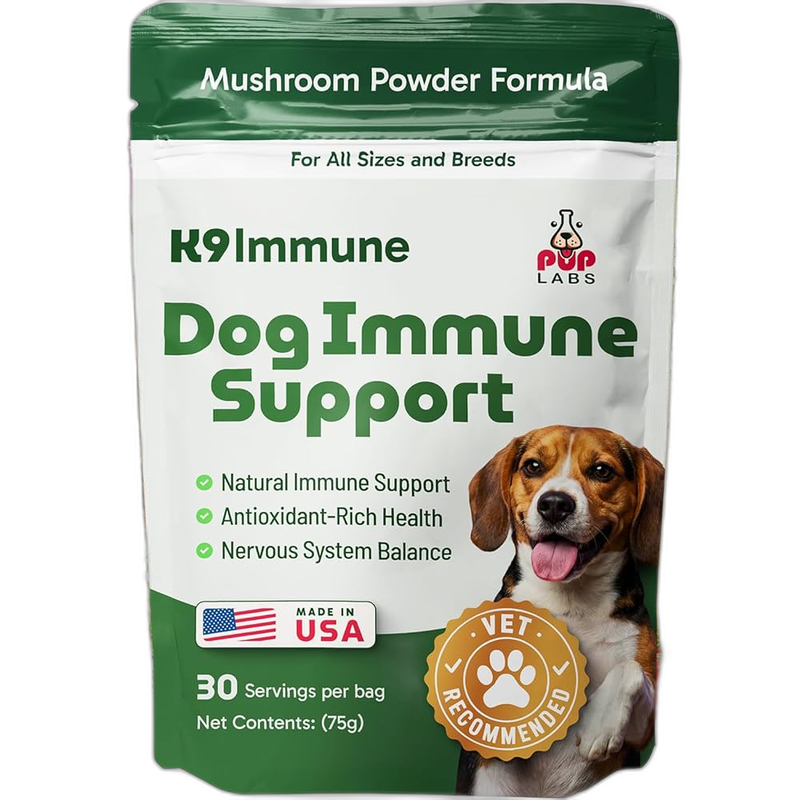
Products Containing Manuka Honey
Top-rated supplements featuring this ingredient, ranked by our PSI+ score.