Chamomile
calming
Many pet owners explore natural remedies for their animal companions, and chamomile often comes up in discussions about calming agents. Chamomile, a common herb recognized for its mild sedative properties in humans, is sometimes suggested as a natural aid for anxious or stressed dogs and cats. This article delves into the potential uses, appropriate dosages, and safety considerations of chamomile as a supplement for pets, offering a balanced perspective on its efficacy.
Chamomile for Dogs: Understanding the Basics
Chamomile refers primarily to two common varieties: German chamomile (Matricaria recutita) and Roman chamomile (Chamaemelum nobile). Both have been used historically for their purported medicinal properties, largely attributed to compounds like apigenin, bisabolol, and chamazulene. These compounds are thought to contribute to chamomile's potential anti-inflammatory, antispasmodic, and mild sedative effects.
When considering chamomile for dogs, most people are interested in its calming effects. Pet owners often explore chamomile to help ease mild anxiety, motion sickness, or general discomfort. However, while chamomile is generally safe for humans in moderation, its use in pets requires careful consideration of species-specific sensitivities, suitable formulations, and potential interactions. Unlike many human over-the-counter medications, herbal supplements for pets often lack extensive research on their effectiveness and precise dosing, making a cautious approach essential.
The Benefits of Chamomile for Dogs
The perceived benefits of chamomile for dogs largely mirror those for humans, focusing on its gentle, calming properties. Many pet owners report using chamomile to help manage mild behavioral issues or temporary discomfort.
One of the most frequently cited benefits is its potential as a calming supplement for dogs. For dogs experiencing mild situational anxiety—such as during thunderstorms, fireworks, or car rides—chamomile might offer a subtle reduction in nervousness. This isn't a cure for severe anxiety disorders, but rather a potential helper for transient stress.
Beyond calming, chamomile is also sometimes considered for its anti-inflammatory and antispasmodic effects. Some owners use it to soothe digestive upset, such as mild stomach cramps or gas, or to help alleviate minor skin irritations when applied topically (though internal use for skin issues is less common). The flavonoids and essential oils in chamomile are thought to contribute to these properties.
It's important to differentiate between anecdotal evidence and scientifically rigorous proof. While many pet owners observe positive changes, controlled studies on chamomile's efficacy in dogs are limited. The perceived benefit can also sometimes be attributed to the placebo effect, where the owner's belief in the treatment influences their perception of their pet's behavior. Nevertheless, for mild issues, chamomile presents a less invasive option compared to pharmaceutical interventions, making it an attractive first step for some.
Chamomile: Toxic and Non-toxic Plants for Pets
When evaluating any plant for pet use, toxicity is a paramount concern. Fortunately, both German and Roman chamomile are generally listed as non-toxic for dogs and cats by most veterinary and animal poison control organizations, such as the ASPCA. This means that accidental ingestion of small amounts is unlikely to cause severe poisoning.
However, "non-toxic" does not equate to "harmless" in all circumstances. Large quantities of any substance, even water, can be problematic. With chamomile, potential issues typically arise from excessive dosing or individual sensitivities. For example, some animals may experience allergic reactions, though these are rare.
The primary concern with "toxic" plants for pets lies in species like lilies (highly toxic to cats), sago palms (severe liver toxin), and certain common garden plants. Chamomile does not fall into this category of high-risk plants. Nonetheless, it's always advisable to consult a veterinarian before introducing any new herb or supplement, especially if your pet has pre-existing health conditions or is on other medications. This precaution helps to avoid potential adverse interactions or masking symptoms of a more serious underlying issue.
Chamomile For Dogs: Benefits And Uses
Chamomile's applications for dogs generally fall into a few key categories, primarily revolving around its mild sedative and anti-inflammatory properties. Understanding these uses can help owners decide if it's a suitable option for their pet's specific needs.
Common Uses of Chamomile for Dogs:
- Mild Anxiety Relief: This is the most common reason owners consider chamomile. It can be used for dogs who exhibit mild stress responses to specific events, such as:
- Travel (car rides, vet visits)
- Loud noises (thunderstorms, fireworks)
- Temporary separation anxiety (e.g., when you're leaving for a short period)
- Adjusting to new environments
- Digestive Upset: Chamomile's antispasmodic properties might help soothe an upset stomach, gas, or mild nausea, particularly if stress-related. It's not a treatment for chronic digestive diseases, but rather a potential aid for temporary discomfort.
- Sleep Aid: For dogs who have trouble settling down at night due to mild restlessness, chamomile might help promote relaxation and slightly improve sleep quality.
Minor Skin Irritations (Topical): A cooled chamomile tea compress can sometimes be used externally to soothe minor skin irritations, hot spots, or insect bites due to its anti-inflammatory properties. Always ensure the tea is completely cooled and diluted if necessary, and prevent your dog from licking the area.*
Forms of Chamomile for Pets:
Chamomile can be administered to pets in several forms, each with its own considerations:
- Tea: Brewing a weak chamomile tea is a common method. It can be added to water, food, or given directly. Ensure it's unsweetened and cooled.
- Tinctures/Extracts: These are concentrated liquid forms. They often contain alcohol, which needs to be considered. Look for alcohol-free glycerite tinctures specifically formulated for pets.
- Capsules/Tablets: Available as dried herb powder, these offer a more precise dosage but can be harder to administer to finicky pets.
- Topical Preparations: Creams or compresses using chamomile extract or cooled tea.
When choosing a form, always prioritize products specifically designed for pets, as human supplements may contain ingredients or concentrations unsuitable for animals.
German Chamomile: A Bit Of Herbal Sunshine For You ... And Your Pet
While the previous sections touched upon both German (Matricaria recutita) and Roman (Chamaemelum nobile) chamomile, German chamomile is often the variety most commonly referenced and used in herbal preparations for both humans and pets. It's particularly valued for its higher concentration of chamazulene and bisabolol, compounds believed to be responsible for many of its anti-inflammatory and antispasmodic effects.
The "herbal sunshine" analogy for German chamomile stems from its traditional use as a gentle, uplifting, and soothing herb. For pets, this translates to its role as a mild nervous system calming agent. It's generally considered milder in its sedative effects compared to some stronger herbal sedatives, making it a good starting point for owners looking for a subtle intervention.
One key aspect to remember is consistency. If using chamomile to manage ongoing, mild anxiety, a consistent routine might be more effective than intermittent use. However, for acute, situational stress (like a vet visit), administering it shortly before the event might be more appropriate.
Considerations for Cats:
While the focus is often on dogs, German chamomile can also be considered for cats, though with even greater caution. Cats are more sensitive to many compounds, and their liver metabolizes substances differently. The dosage for cats would be significantly lower than for dogs, and it's even more critical to use alcohol-free preparations. For cats, chamomile is typically used for very mild anxiety or digestive issues, and always under veterinary guidance. The "nervous system calming cats" aspect applies here, but the margin for error is smaller.
Chamomile For Dogs: Benefits & Safety
The intersection of benefits and safety is critical when considering any supplement for your pet. While chamomile offers potential advantages, understanding its limitations and risks is paramount.
Potential Benefits Summarized:
- Anxiolytic (Calming): Helps reduce mild stress and anxiety in specific situations.
- Antispasmodic: May alleviate mild gastrointestinal upset.
- Anti-inflammatory: Could soothe minor irritations, internally or topically.
- Mild Sedative: Promotes relaxation and potentially aids sleep.
Chamomile Dosage Dogs: A Critical Component of Safety
Determining the correct chamomile dosage for dogs is not an exact science, as standardized veterinary guidelines are still developing. Dosage varies significantly based on:
- Dog's Size and Weight: Smaller dogs require substantially less than larger dogs.
- Formulation: Tea strength, tincture concentration, or capsule potency.
- Individual Sensitivity: Some dogs may be more sensitive than others.
- Desired Effect: A calming effect vs. Digestive aid might require different dosages.
General Guidelines (Consult your vet for specific recommendations):
| Dog Weight (Approx.) | Chamomile Tea (Weak, Cooled) | Chamomile Tincture (Alcohol-Free, Pet-Specific) | Dried Herb Powder (Capsule) |
|---|---|---|---|
| Small (under 15 lbs) | 1-2 teaspoons, 1-2 times daily | 1-3 drops, 1-2 times daily | Consult vet; very small dose |
| Medium (15-40 lbs) | 1-2 tablespoons, 1-2 times daily | 3-6 drops, 1-2 times daily | Consult vet |
| Large (40-80 lbs) | 2-4 tablespoons, 1-2 times daily | 6-10 drops, 1-2 times daily | Consult vet |
| Giant (over 80 lbs) | 1/4 - 1/2 cup, 1-2 times daily | 10-15+ drops, 1-2 times daily | Consult vet |
Note: This table provides extremely general starting points. Always dilute tea sufficiently and use alcohol-free tinctures. Capsule dosages are highly product-specific and require direct veterinary advice. Start with the lowest possible dose and observe your pet.
Chamomile Safety Pets: Side Effects and Precautions
While generally safe, there are potential side effects and important precautions:
- Allergic Reactions: Though rare, some pets may develop an allergic reaction, manifesting as itching, swelling, or hives. Discontinue use immediately if this occurs.
- Gastrointestinal Upset: Overdosing can lead to vomiting, diarrhea, or loss of appetite. This is the most common side effect of excessive intake.
- Drowsiness/Lethargy: While a desired effect for calming, excessive drowsiness indicates too high a dose.
- Drug Interactions: Chamomile can potentially interact with certain medications, particularly sedatives, blood thinners, and drugs metabolized by the liver. Always inform your vet about any supplements your pet is taking.
- Pregnancy/Lactation: The safety of chamomile for pregnant or lactating animals has not been established. Avoid use in these cases.
- Bleeding Disorders: Chamomile contains coumarins, which can have blood-thinning effects. Use with extreme caution, if at all, in pets with bleeding disorders or those on anticoagulant medications.
- Ragweed Allergy: Pets allergic to plants in the Asteraceae family (like ragweed, chrysanthemums, marigolds) may also be allergic to chamomile.
Key Safety Practices:
Chamomile is not a substitute for veterinary care. If your pet is experiencing severe anxiety, pain, or illness, a professional diagnosis and treatment plan are essential. Chamomile is best considered an adjunct for mild, temporary issues.
FAQ
How much chamomile can you give a dog?
The amount of chamomile to give a dog varies significantly based on the dog's size, the specific chamomile product (tea, tincture, dried herb), and the dog's individual sensitivity. As a very general starting point, a weak, cooled chamomile tea might be given in doses ranging from 1-2 teaspoons for very small dogs to 1/4 cup for large dogs, 1-2 times daily. For tinctures, a few drops (1-15, depending on size and concentration) might be appropriate. It is crucial to consult your veterinarian for precise dosing advice before administering any chamomile product to your dog. Always start with the lowest possible dose and observe your pet for any adverse reactions.
What are the side effects of chamomile for dogs?
While generally considered safe in appropriate doses, potential side effects of chamomile for dogs include:
- Gastrointestinal upset: Vomiting, diarrhea, or loss of appetite, especially with excessive doses.
- Drowsiness/Lethargy: While mild sedation is often the goal, excessive sleepiness indicates an overdose.
- Allergic reactions: Though rare, some dogs may experience itching, hives, or swelling.
- Blood thinning: Chamomile contains coumarins, which can have mild blood-thinning effects. Use with caution in dogs with bleeding disorders or those on anticoagulant medications.
- Drug interactions: Chamomile can potentially interact with other sedatives, blood thinners, and certain liver-metabolized drugs.
Always monitor your dog closely after administering chamomile and consult your vet if you notice any concerning symptoms.
Conclusion
Chamomile offers a gentle, natural option for pet owners seeking to address mild anxiety, digestive upset, or restlessness in their dogs and, with greater caution, cats. Its historical use and general classification as non-toxic make it an appealing choice for those exploring herbal remedies. However, its efficacy for pets is largely supported by anecdotal evidence rather than extensive scientific research.
The key to safely using chamomile for pets lies in careful consideration of dosage, product quality, and individual pet sensitivities. Always prioritize consultation with a veterinarian before introducing any new supplement, especially if your pet has underlying health conditions or is on other medications. Chamomile should be viewed as a supportive measure for minor issues, not a replacement for professional veterinary care for more significant health or behavioral concerns. For pet owners committed to a cautious, informed approach, chamomile can be a valuable addition to their pet's wellness toolkit.
Products Containing Chamomile
Top-rated supplements featuring this ingredient, ranked by our PSI+ score.

Vibeful Calming Hemp Chicken Flavored Soft Chews Calming Supplement for Dogs
Vibeful

Zesty Paws Senior Advanced Calming + Cognition Bites Chicken Flavor Soft Chews Composure Supplement
Zesty Paws
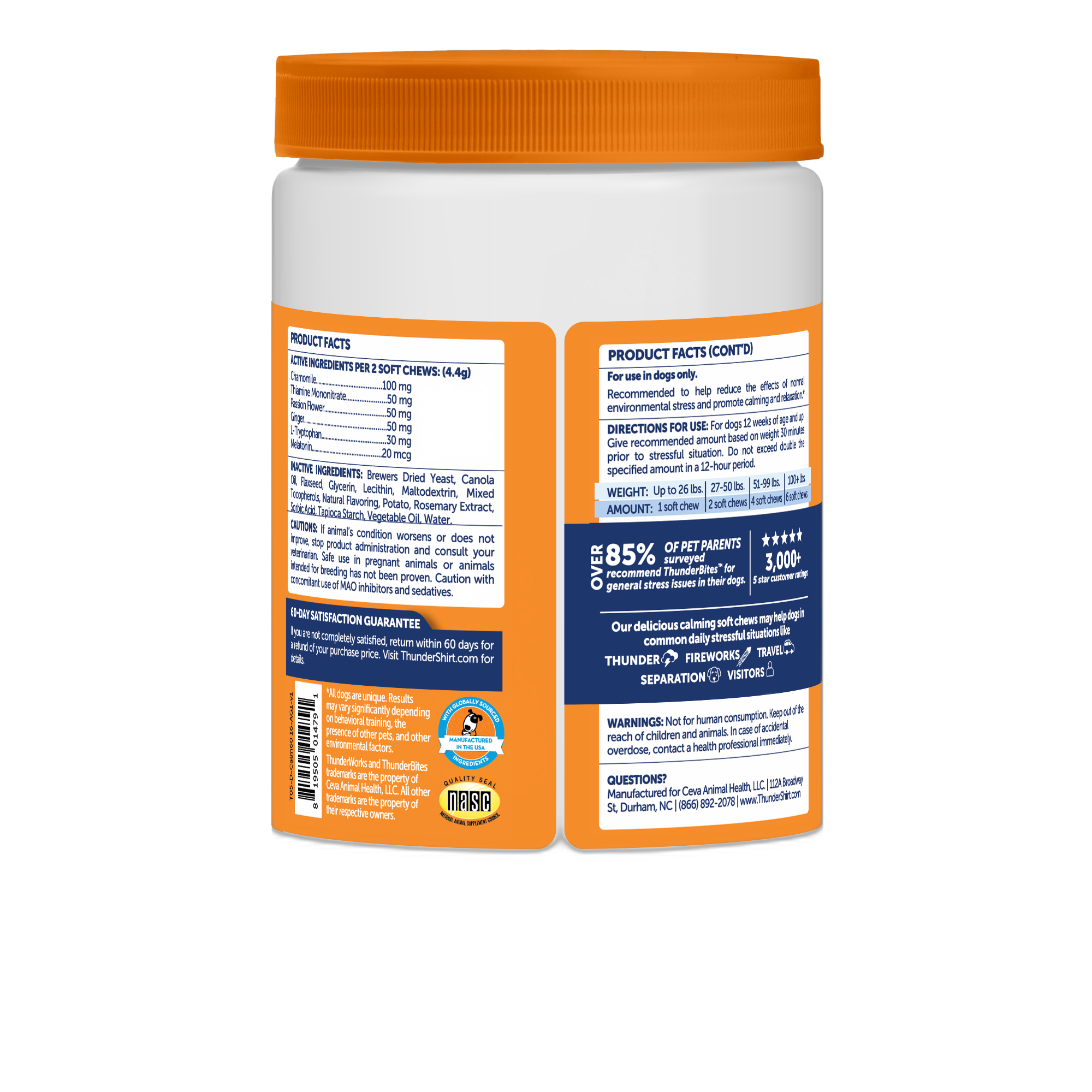
ThunderWunders Dog Calming Chews
ThunderWorks

GoodGood Calming Chews for Dogs
GoodGood

Nutri-Vet Pet-Ease Calming Wafers for Dogs
Nutri-Vet

PetIQ Calming Support Supplement for Dogs
PetIQ

Tomlyn Relax & Calm Chews for Cats & Dogs
Tomlyn

Quiet Moments Calming Aid for Dogs
NaturVet