Elderberry Extract
immune support
Elderberry extract has gained attention as a potential immune system support for humans, leading many pet owners to wonder about its applicability for their dogs and cats. The core question is whether this botanical extract offers similar benefits to pets and, crucially, if it can be administered safely.
While fresh elderberries (specifically the leaves, stems, and unripe berries) contain compounds that can be toxic to pets, processed elderberry extract, derived from the ripe berries, generally presents a different risk profile. This article explores the potential benefits, appropriate dosages, and essential safety considerations for using elderberry extract as a supplement for canine and feline companions.
Can Dogs Eat Elderberries?
The short answer is: not whole raw elderberries, especially the leaves, stems, and unripe fruit. These parts of the elderberry plant (specifically Sambucus nigra or European elderberry, the most common type used in supplements) contain cyanogenic glycosides. When ingested, these compounds can metabolize into cyanide, which is toxic. Symptoms of cyanide poisoning in dogs and cats can include vomiting, diarrhea, difficulty breathing, lethargy, and in severe cases, seizures or even death.
However, the ripe berries themselves, when cooked or properly processed into an extract, have significantly reduced levels of these harmful compounds. The heat treatment involved in making commercial elderberry extracts neutralizes most of the cyanogenic glycosides, making the resulting product generally safer. This distinction between the raw plant material and a commercially prepared extract is critical for pet owners to understand. When considering "elderberry for dogs," it's almost always referring to a processed extract or a supplement, not the raw fruit or plant.
Dog Elderberry Health Supplement
Elderberry extract supplements for dogs typically come in liquid, powder, or chewable forms. These products are formulated specifically for pets, often combining elderberry with other beneficial ingredients like vitamins, minerals, or other immune-supporting herbs. The goal of these supplements is to leverage the potential properties of elderberry in a safe, palatable, and accurately dosed format.
When choosing an elderberry supplement, it's important to look for products from reputable manufacturers that clearly state the ingredients, the source of the elderberry (e.g., Sambucus nigra), and provide specific dosing instructions for pets. Avoid human-grade supplements that may contain xylitol (a sugar alcohol highly toxic to dogs) or other ingredients unsuitable for pets. Always prioritize products marketed specifically for canine or feline use.
The Benefits of Elderberries for Dogs
The primary reason pet owners consider elderberry extract for their dogs and cats is for its potential immune-boosting properties. Elderberries are rich in antioxidants, particularly anthocyanins, which are responsible for their dark purple color. These compounds are believed to help combat oxidative stress in the body.
Here are some potential benefits attributed to elderberry extract in pets, largely extrapolated from human studies and anecdotal evidence:
- Immune System Support: The most cited benefit. Elderberry is thought to stimulate the immune system, potentially helping pets resist common infections or recover more quickly. This is often linked to its antioxidant content and compounds that may modulate immune responses.
- Antioxidant Properties: The high concentration of anthocyanins and other flavonoids in elderberry helps neutralize free radicals, which can contribute to cellular damage and aging. This antioxidant effect could support overall health and well-being.
- Anti-inflammatory Effects: Some research suggests elderberry may have mild anti-inflammatory properties, which could be beneficial for pets dealing with chronic inflammation, though more specific pet-focused research is needed.
- Respiratory Health: In humans, elderberry is often used for cold and flu symptoms. This has led some to consider it for pets with mild respiratory issues, though direct evidence for this application in animals is limited.
It's important to frame these as potential benefits. While research on elderberry's effects in humans is growing, studies specifically on dogs and cats are less extensive. Pet owners should view elderberry extract as a supplemental support, not a primary treatment or cure for any medical condition.
Elderberry For Dogs
Administering elderberry extract to dogs requires careful consideration of the form and dosage. As mentioned, commercially prepared extracts are the safest option. These are typically available as liquids or chews.
For liquid extracts, they can often be mixed directly into your dog's food or water, or administered orally with a dropper. Chews are often palatable and can be given as a treat. The key is consistency and adherence to the manufacturer's or your veterinarian's dosage recommendations.
Factors influencing the choice of elderberry for dogs include:
- Dog's Size and Weight: Dosage is almost always weight-dependent.
- Dog's Palatability: Some dogs are pickier than others. A chew might be preferable for some, while a liquid mixed in food works for others.
- Other Health Conditions: Dogs with pre-existing health issues, especially autoimmune conditions or those on specific medications, require veterinary consultation before starting any new supplement.
- Quality of Product: As with all supplements, quality varies. Look for products with transparent ingredient lists and good manufacturing practices.
Can Dogs Eat Elderberries
Reiterating the earlier point, raw elderberries, particularly the unripe ones and the plant's leaves and stems, should be kept away from dogs. The risk of toxicity from cyanogenic glycosides is real. If a dog ingests these raw plant parts, symptoms may appear within minutes to hours.
If you have elderberry plants in your garden, it's wise to fence them off or remove them if your dog has a tendency to chew on plants. If you suspect your dog has eaten raw elderberries or any part of the plant, contact your veterinarian immediately. Do not wait for symptoms to appear.
This distinction between the raw plant and the processed extract is crucial for pet owner safety. The question "Can dogs eat elderberries?" should almost always be answered with a strong caveat against the raw plant material and a clarification that only properly formulated, pet-specific elderberry extract supplements are generally considered for use.
Could Elderberry Be Your Pet's Secret to Stronger Health?
While elderberry extract shows promise as an immune system enhancer, it's not a magic bullet. Its role is more akin to a supportive player in a comprehensive health strategy. For pets, a strong immune system is built on several foundational elements:
- Balanced Nutrition: A high-quality, species-appropriate diet is paramount.
- Regular Exercise: Helps maintain a healthy weight, muscle tone, and overall vitality.
- Stress Reduction: A calm environment and consistent routine contribute to well-being.
- Routine Veterinary Care: Regular check-ups, vaccinations, and parasite control are essential for preventing and managing health issues.
Introducing elderberry extract as an "immune booster" should be done in conjunction with these fundamental practices, not as a replacement for them. It might be particularly beneficial for:
- Senior Pets: Whose immune systems may naturally decline with age.
- Pets in High-Stress Environments: Boarding, travel, or changes in routine can temporarily suppress the immune system.
- Pets with Recurrent Minor Infections: Such as kennel cough or mild skin issues, where immune support could be helpful.
- During Seasonal Changes: When pets might be more susceptible to environmental stressors.
Dosage Considerations for Elderberry Extract
Determining the correct dosage for elderberry extract in dogs and cats is not straightforward, as there are no universally established veterinary guidelines. Dosages typically vary based on the pet's weight, the concentration of the extract, and the specific formulation of the supplement.
Always follow the manufacturer's instructions on pet-specific elderberry products. If no pet-specific guidelines are available, or if you are considering a human-grade product (which is generally not recommended without veterinary oversight), never guess the dosage.
A common approach for many pet supplements is a weight-based calculation. For example, a product might recommend:
- Small dogs (under 20 lbs): X drops or Y mg
- Medium dogs (20-50 lbs): 2X drops or 2Y mg
- Large dogs (over 50 lbs): 3X drops or 3Y mg
Start with the lowest recommended dose and observe your pet for any adverse reactions. If your pet tolerates it well and you see no issues, you can gradually increase to the full recommended dose if desired, always under veterinary guidance.
Safety Guide and Potential Side Effects
While processed elderberry extract is generally considered safe when given in appropriate doses, it's not without potential risks or considerations.
Potential Side Effects:
- Gastrointestinal Upset: The most common side effect can include mild nausea, vomiting, or diarrhea, especially if given in too high a dose or if the pet is sensitive.
- Allergic Reactions: Though rare, any pet can be allergic to any new ingredient. Watch for signs like itching, hives, swelling, or difficulty breathing.
- Interactions with Medications: Elderberry may interact with certain medications, particularly immunosuppressants (as elderberry can stimulate the immune system) or diuretics.
- Blood Sugar Effects: Some studies suggest elderberry might affect blood sugar levels. This is a concern for diabetic pets.
- Autoimmune Conditions: For pets with autoimmune diseases, stimulating the immune system could theoretically worsen their condition. This is a critical point for veterinary consultation.
Important Safety Precautions:
Elderberry Extract for Cats
Many of the considerations for dogs apply to cats as well, though generally, cats are more sensitive to new substances and have different metabolic pathways.
- Toxicity: The same cyanogenic glycoside concerns apply to cats with raw elderberry plant material.
- Dosage: Cats require much smaller doses than dogs. Pet-specific feline formulas are essential.
- Palatability: Cats can be notoriously picky. Liquid extracts mixed into wet food might be more successful than chews for some.
- Veterinary Consultation: Absolutely critical for cats, given their higher sensitivity and unique physiology.
Comparison: Raw Elderberries vs. Elderberry Extract
To clarify the safety distinction, here's a comparison:
| Feature | Raw Elderberries (Plant, Unripe Berries, Stems, Leaves) | Processed Elderberry Extract (from Ripe Berries) |
|---|---|---|
| Cyanogenic Glycosides | High concentration, toxic | Significantly reduced or eliminated by processing |
| Safety for Pets | Highly Toxic | Generally considered safe in appropriate doses |
| Form | Whole plant material | Liquid, powder, chewable supplements |
| Primary Use | Not for consumption by pets | Immune support, antioxidant benefits |
| Symptoms of Ingestion | Vomiting, diarrhea, lethargy, difficulty breathing | Mild GI upset (with overdose), rare allergic rxn |
| Recommendation | Avoid at all costs | Use pet-specific products under vet guidance |
FAQ
Is elderberry extract safe for dogs?
Yes, commercially processed elderberry extract specifically formulated for pets is generally considered safe for dogs when administered according to recommended dosages and under veterinary guidance. However, raw elderberries, especially the leaves, stems, and unripe fruit, are toxic due to cyanogenic glycosides.
Can I take elderberry if I have Hashimoto's?
This question is outside the scope of pet health. For human health concerns, particularly involving autoimmune conditions like Hashimoto's thyroiditis, consult with a medical doctor or qualified healthcare professional. Elderberry's immune-stimulating properties could theoretically impact autoimmune conditions, so professional medical advice is essential.
Does elderberry work for norovirus?
This question is also outside the scope of pet health. For information on elderberry and human viruses like norovirus, consult with a medical doctor or refer to evidence-based human health resources. While elderberry is often studied for its effects on influenza viruses, its efficacy against norovirus is not well-established.
Conclusion
Elderberry extract presents a promising avenue for pet owners seeking to support their dog's or cat's immune system. Its rich antioxidant profile and potential immune-modulating effects make it an appealing natural supplement. However, the critical distinction between the toxic raw plant material and the safe, processed extract cannot be overstressed.
For pet owners considering elderberry extract, the path forward involves choosing high-quality, pet-specific products, adhering strictly to dosage guidelines, and, most importantly, consulting with a veterinarian. This ensures that any potential benefits are realized safely, without inadvertently introducing risks to your cherished companion's health. Elderberry extract isn't a substitute for foundational pet care, but it could be a valuable addition to a to pet wellness.
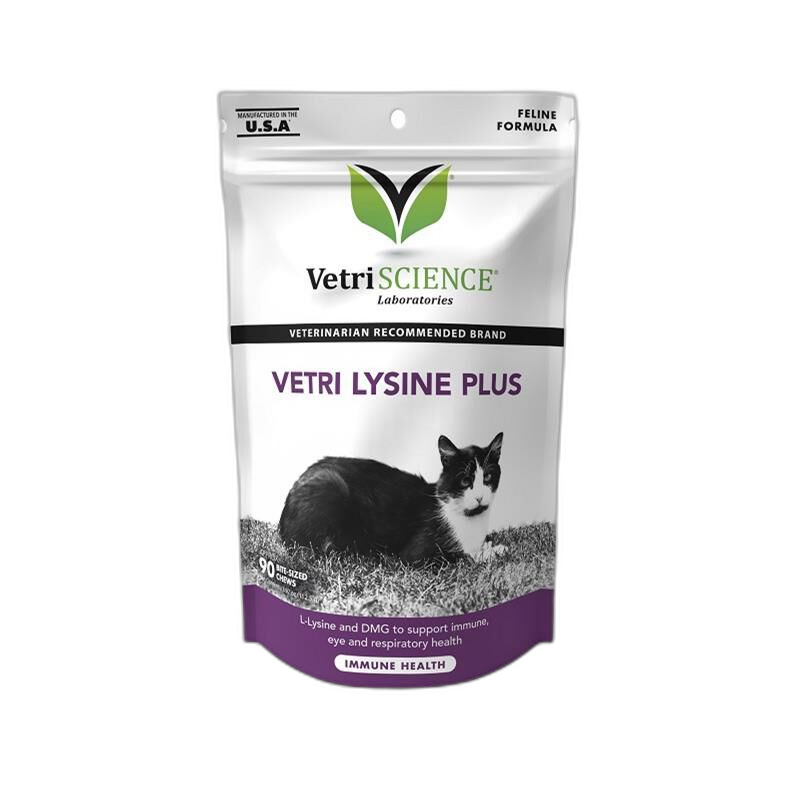
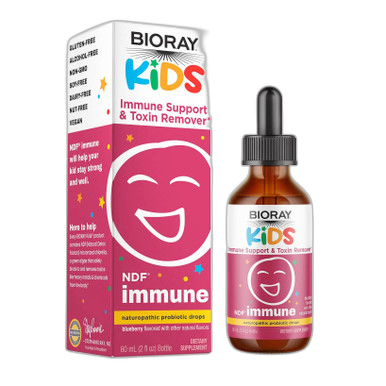
Products Containing Elderberry Extract
Top-rated supplements featuring this ingredient, ranked by our PSI+ score.