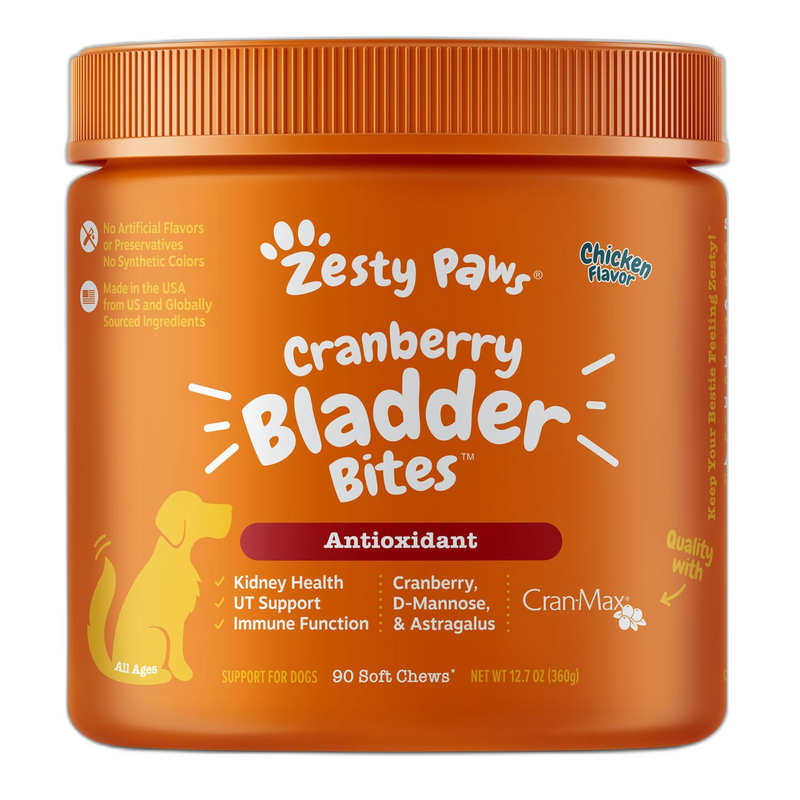
Cranberry Extract (Pacran)
urinary health
Cranberry extract, particularly the standardized form known as Pacran, is a common ingredient in urinary support supplements for both humans and pets. For dogs and cats, the primary interest in cranberry extract (Pacran) centers on its potential role in maintaining urinary tract health, specifically in preventing certain types of bacterial adhesion within the bladder. This guide explores the benefits, appropriate dosage considerations, and safety aspects of using cranberry extract (Pacran) for dogs and cats.
Understanding Cranberry Extract (Pacran) for Dogs
Cranberry extract is derived from cranberries, and its purported benefits for urinary health are largely attributed to compounds called proanthocyanidins (PACs). These PACs are believed to interfere with the ability of certain bacteria, primarily E. Coli, to adhere to the walls of the urinary tract. When bacteria cannot attach, they are more easily flushed out during urination, potentially reducing the likelihood of infection.
Pacran is a specific, patented cranberry extract that is standardized to contain a guaranteed level of PACs. This standardization is important because the concentration of active compounds can vary significantly between different cranberry products. For pet owners considering a cranberry extract (Pacran) supplement, this means a more consistent and potentially more effective product compared to non-standardized extracts.
The practical implication for pet owners is that not all cranberry products are equal. A generic cranberry powder might offer some nutritional benefits, but it may not deliver the specific anti-adhesion properties associated with PACs in the same way a standardized extract like Pacran might. When evaluating supplements, looking for "Pacran" or a guaranteed PAC content can be a helpful indicator of quality and potential efficacy for urinary support in dogs. For instance, a dog prone to recurrent urinary issues might benefit more from a standardized product, while a healthy dog receiving it as a general wellness supplement might not require the same level of specificity.
CranMate for Cranberry Extract (Pacran) for Dogs
CranMate is one brand that incorporates cranberry extract into its formulation for canine and feline urinary health. Products like CranMate often highlight the inclusion of specific cranberry extracts, sometimes Pacran, to assure pet owners of their product's quality and targeted benefits. The core idea behind such supplements is to provide a concentrated source of PACs to support the urinary system, aiming to create an environment less conducive to bacterial proliferation.
When considering a product like CranMate for your dog, it's important to look beyond just the "cranberry" claim. Check the ingredient list for specific types of cranberry extract, such as Pacran, and ideally, the guaranteed amount of proanthocyanidins (PACs). This transparency allows pet owners to make more informed decisions about the product's potential effectiveness. For example, if a product lists "cranberry powder" without specifying PAC content, it might be less potent than one explicitly stating "Pacran, standardized to X mg PACs."
The trade-off here often lies between cost and targeted efficacy. Generic cranberry supplements might be cheaper, but standardized extracts are formulated for a specific purpose. For a dog with a history of urinary tract issues, investing in a reputable product with a guaranteed PAC content might be a more prudent choice than a cheaper, less defined option. Conversely, for general maintenance in a healthy dog, a less concentrated form might be sufficient. Always consult with a veterinarian to determine the most appropriate course of action for your specific pet's needs.
Cranberry Extract For Dogs
The broader category of "cranberry extract for dogs" encompasses a wide range of products, from simple powders to highly concentrated, standardized extracts. The primary goal across these products remains the same: to leverage the natural properties of cranberries to support urinary tract health. However, the effectiveness can vary significantly based on the extract's quality and concentration.
When selecting a cranberry extract for your dog, consider the following:
- Standardization: Is the extract standardized for PACs? A standardized extract, like Pacran, provides a consistent dose of the active compounds. Non-standardized extracts may have variable efficacy.
- Source: Where do the cranberries come from? Reputable manufacturers often source cranberries from specific regions known for quality.
- Formulation: Is it a pure extract, or is it combined with other ingredients? Some supplements include additional components like D-mannose or probiotics, which also aim to support urinary or gut health. While these additions can be beneficial, they can also complicate understanding the specific impact of the cranberry extract itself.
- Concentration: How much cranberry extract or PACs are in each dose? This directly impacts the product's potency.
For instance, a dog owner might encounter two products: one labeled "cranberry extract" with no further details, and another labeled "cranberry extract (Pacran) with 36 mg PACs per chew." The latter provides much more specific information, allowing for a better assessment of its potential benefits. The practical implication is that a higher concentration of PACs is generally considered more beneficial for urinary tract support. However, more is not always better without veterinary guidance, as excessive amounts might not provide additional benefit and could potentially lead to mild digestive upset.
CranMate for Cats and Dogs - Cranberry Extract for Urinary Support
Many cranberry extract supplements, including CranMate, are formulated for both cats and dogs. This dual-species approach is common because the underlying mechanism of action – the anti-adhesion properties of PACs – is relevant to both canine and feline urinary physiology. However, there are crucial distinctions to keep in mind when administering supplements to cats.
Cats, due to their unique metabolism and often more sensitive digestive systems, require careful consideration regarding dosages and ingredient safety. While cranberry extract (Pacran) is generally considered safe for cats, the concentration and form of delivery are important. A chew designed for a large dog might have an excessive dose for a small cat, and palatable flavors for dogs might not appeal to cats.
Comparison of Cranberry Supplement Considerations for Dogs vs. Cats
| Feature | Dogs | Cats |
|---|---|---|
| Dosage | Often weight-dependent; typically higher doses than cats. | Critical to be precise; lower doses than dogs. |
| Palatability | Generally less finicky; chews, powders, liquids often accepted. | Highly selective; taste, texture, and smell are crucial for acceptance. |
| Formulation | Wider variety of forms (chews, tablets, powders, liquids). | Often prefer smaller tablets, liquids, or powders mixed into food. |
| Metabolism | Generally robust. | Can be sensitive to certain compounds; slower detoxification. |
| Specific Concerns | Less prone to specific urinary crystal types related to diet. | Prone to Feline Lower Urinary Tract Disease (FLUTD), including sterile cystitis. |
When using a product like CranMate for both species, ensure that the recommended dosage for cats is strictly followed. Some multi-species products come with separate dosing instructions for each. If a product only lists dog dosages, it is best to consult a veterinarian before administering it to a cat. Over-supplementation, even with natural ingredients, can lead to adverse effects.
Cranberry and Your Pet's Urinary Health
The role of cranberry in supporting pet urinary health extends beyond just preventing bacterial adhesion. A healthy urinary tract relies on several factors, including proper hydration, appropriate diet, and a balanced urinary pH. Cranberry extract (Pacran) is considered one component of a to maintaining this balance.
It's important to clarify what cranberry extract can and cannot do. Cranberry extract (Pacran) is generally positioned as a preventative or supportive measure, not a treatment for an active urinary tract infection (UTI). If a pet is showing symptoms of a UTI – such as frequent urination, straining, blood in urine, or inappropriate urination – a veterinarian should be consulted immediately. UTIs require proper diagnosis and often antibiotic treatment. Relying solely on cranberry extract in such cases can delay necessary medical intervention and worsen the condition.
For pets prone to recurrent urinary issues, often after an initial infection has been successfully treated, cranberry extract (Pacran) can be considered as part of a long-term management strategy. The idea is to reduce the likelihood of bacteria attaching and recolonizing the bladder, thereby potentially decreasing the frequency of future infections. This is particularly relevant for dogs with anatomical predispositions or those with weakened immune systems.
Urinary health in cats is a complex issue. While cranberry extract (Pacran) can help prevent bacterial UTIs, many feline lower urinary tract problems, such as idiopathic cystitis, are not caused by bacteria. Therefore, while cranberry supplements might be included in a treatment plan, it's essential to first determine the specific cause of a cat's urinary symptoms.
Crananidin from Nutramaxlabs - Give your Dog the Berry Best!
Crananidin, a product from Nutramax Laboratories, is another popular cranberry-based supplement specifically designed for dogs. Nutramax is known for its focus on scientific research and quality control in pet supplements. Crananidin highlights its use of a specific cranberry extract, often emphasizing the standardization of PACs, similar to the benefits associated with Pacran.
When a brand like Nutramax promotes a product like Crananidin, they are generally trying to assure pet owners of:
The practical implication for pet owners is that products from established brands like Nutramax, which explicitly state their cranberry extract type and PAC content, offer a higher degree of confidence in what they are administering to their pets. For example, if a veterinarian recommends a cranberry supplement for a dog prone to UTIs, they might suggest a product like Crananidin due to its consistent formulation and reputable manufacturer.
However, even with reputable brands and standardized products, individual pet responses can vary. What works well for one dog might not be as effective for another. It's always a process of observation and, ideally, collaboration with a veterinarian to monitor effectiveness and make adjustments as needed. This reinforces the idea that supplements are part of a broader health management plan, not a standalone cure.
Dosage and Administration Guidelines for Cranberry Extract (Pacran)
Determining the correct dosage of cranberry extract (Pacran) for dogs and cats is critical for both efficacy and safety. Since cranberry supplements are not regulated as drugs, there isn't a universally prescribed dosage. Instead, dosages are typically recommended by the manufacturer based on their product's concentration and the pet's weight.
General Considerations for Dosage:
- Manufacturer's Instructions: Always follow the specific dosing instructions provided on the supplement packaging. These are tailored to the concentration of the active ingredients in that particular product.
- Pet's Weight: Most dosages are weight-dependent. A small dog or cat will require a much smaller dose than a large dog.
- PAC Content: Look for products that specify the amount of proanthocyanidins (PACs) per dose. This allows for a more accurate comparison between products. While there's no official veterinary standard, some research in humans suggests a daily intake of 36 mg of PACs for urinary health benefits. For pets, dosages are often scaled down based on weight.
- Veterinary Consultation: Before starting any new supplement, especially for a pet with existing health conditions or on other medications, consult with a veterinarian. They can provide personalized advice based on your pet's specific needs and medical history.
Example Dosage Table (Illustrative, always refer to product label and vet advice):
| Pet Weight (Approx.) | Typical Daily PACs Target (mg) | Example Product Dose (e.g., Chew/Tablet) |
|---|---|---|
| Cats | 5-10 mg | 1/2 Chew or 1/4 Tablet |
| Small Dogs (up to 20 lbs) | 10-20 mg | 1 Chew or 1/2 Tablet |
| Medium Dogs (21-50 lbs) | 20-30 mg | 1-2 Chews or 1 Tablet |
| Large Dogs (51+ lbs) | 30-50 mg | 2-3 Chews or 1-2 Tablets |
Note: This table is for illustrative purposes only. Actual dosages will vary widely by product and should always be confirmed with the product's label and a veterinarian.
Administration Tips:
- Consistency: For best results, administer the supplement consistently as directed.
- With Food: Giving supplements with food can sometimes help prevent mild stomach upset and improve palatability.
- Palatability: If your pet is finicky, especially cats, choose a form (chew, powder, liquid) that they are likely to accept. Some chews are flavored, or powders can be mixed into wet food.
Safety and Potential Side Effects
Cranberry extract (Pacran) is generally considered safe for most dogs and cats when administered at appropriate dosages. However, like any supplement, there are potential considerations:
- Gastrointestinal Upset: Some pets may experience mild digestive upset, such as diarrhea, vomiting, or stomach discomfort, especially if the dosage is too high or if they are sensitive to the ingredients.
- Allergic Reactions: Though rare, an allergic reaction to cranberry or other ingredients in the supplement is possible. Symptoms might include itching, swelling, hives, or difficulty breathing. Discontinue use and seek veterinary attention if these occur.
- Interaction with Medications: Cranberry can interact with certain medications, particularly blood thinners like warfarin, potentially increasing their effect. If your pet is on any medication, it is crucial to discuss the use of cranberry extract with your veterinarian to avoid adverse interactions.
- Sugar Content: Some cranberry products, especially those not specifically formulated for pets (e.g., human cranberry juice), can contain high levels of sugar, which is unhealthy for pets and can exacerbate certain conditions like diabetes. Always use pet-specific formulations.
- Oxalate Stones: While cranberries contain oxalates, which can contribute to certain types of urinary stones (calcium oxalate), studies have not consistently shown that cranberry extract supplementation increases the risk of oxalate stone formation in pets. However, for pets with a history of oxalate stones, veterinary guidance is particularly important.
- Masking Symptoms: Giving cranberry extract to a pet with an active UTI can potentially mask symptoms without treating the underlying bacterial infection, leading to a more severe problem. It's essential to rule out an active infection before using cranberry as a preventative.
Monitoring your pet for any changes in behavior, appetite, or bathroom habits when starting a new supplement is always recommended. If you observe any concerning symptoms, discontinue use and contact your veterinarian.
Conclusion
Cranberry extract, particularly standardized forms like Pacran, offers a promising natural approach to support urinary tract health in dogs and cats. Its primary benefit lies in the proanthocyanidins (PACs) that are believed to help prevent certain bacteria from adhering to the bladder walls. While generally safe, choosing a high-quality, pet-specific product with clear PAC content, adhering to proper dosages, and consulting with a veterinarian are crucial steps. Cranberry extract (Pacran) should be viewed as a supportive measure or a preventative aid, not a treatment for active urinary tract infections. For pet owners seeking to proactively support their pet's urinary health, especially those prone to recurrent issues, a well-chosen cranberry extract supplement can be a valuable addition to their wellness regimen, always under veterinary guidance.
FAQ
Is Pacran safe for dogs?
Yes, Pacran (a standardized cranberry extract) is generally considered safe for dogs when administered at appropriate dosages. It's important to use pet-specific formulations and follow the manufacturer's dosing guidelines, consulting with a veterinarian, especially if your dog has underlying health conditions or is on other medications.
What does cranberry extract do for dogs?
Cranberry extract for dogs is primarily used to support urinary tract health. The active compounds, called proanthocyanidins (PACs), are thought to help prevent certain bacteria, particularly E. Coli, from adhering to the walls of the urinary tract. This action can reduce the likelihood of bacteria establishing an infection, potentially aiding in the prevention of recurrent urinary tract issues.
What is cranberry Pacran used for?
Cranberry Pacran is a standardized cranberry extract primarily used in supplements to promote urinary tract health in both humans and pets. For dogs and cats, it's commonly incorporated into urinary support products to help prevent the adhesion of bacteria to the bladder walls, thereby supporting a healthy urinary environment and potentially reducing the incidence of certain urinary tract problems.
Products Containing Cranberry Extract (Pacran)
Top-rated supplements featuring this ingredient, ranked by our PSI+ score.