Enterococcus faecium
probiotic
Enterococcus faecium is a bacterium commonly found in the intestines of many animals, including dogs and cats. As a probiotic, specific strains of E. Faecium are recognized for their potential to support gut health by influencing the microbial balance within the digestive tract. This article explores the veterinary research surrounding E. Faecium in pets, discusses practical dosing considerations, and outlines what to look for when considering a supplement containing this probiotic.
The Role of Enterococcus faecium SF68 in Pet Health
One of the most extensively studied strains of Enterococcus faecium in companion animals is SF68. This particular strain has been the subject of numerous veterinary studies investigating its impact on various aspects of canine and feline health, primarily focusing on digestive function and immune modulation.
The core idea behind using E. Faecium SF68 is its ability to positively influence the gut microbiome. When administered, SF68 is thought to compete with potentially harmful bacteria, produce antimicrobial substances, and modulate the host's immune response. Its presence can help stabilize the gut environment, particularly during periods of stress, dietary changes, or illness that might otherwise disrupt the natural balance of intestinal flora.
Practical implications of this include its use in managing acute diarrhea, often seen in puppies or dogs experiencing stress from rehoming, travel, or antibiotic treatment. For example, a dog undergoing a course of antibiotics might experience antibiotic-associated diarrhea due to the broad-spectrum effects of the medication on beneficial gut bacteria. Supplementing with E. Faecium SF68 could help mitigate this by re-establishing a healthier microbial population.
While E. Faecium SF68 shows promise, it's important to recognize that not all digestive issues can be resolved with a single probiotic. Complex chronic conditions like inflammatory bowel disease (IBD), for instance, often require a multi-faceted approach that includes diet, medication, and sometimes a combination of probiotics. In such cases, E. Faecium SF68 might play a supportive role, but it's rarely a standalone solution. Its benefits are most clearly observed in situations involving acute, self-limiting gastrointestinal upset or as a supportive measure during antibiotic therapy.
Enterococcus faecium for Dogs and Cats
While much of the research focuses on dogs, Enterococcus faecium is also utilized in feline health, addressing similar concerns related to gut microbial balance. The mechanisms by which E. Faecium influences the gut microbiome are generally considered applicable across species, though specific responses can vary.
For both dogs and cats, E. Faecium supplements are often recommended for:
- Acute Diarrhea: This is perhaps the most common application. Diarrhea caused by stress, dietary indiscretion, or mild infections can often benefit from probiotic intervention, helping to firm up stools and reduce the duration of the episode.
Antibiotic-Associated Diarrhea: Antibiotics can disrupt the normal gut flora, leading to diarrhea. Administering E. Faecium* concurrently or after antibiotic treatment may help restore balance.
- Stress-Related Digestive Upset: Changes in environment, travel, or boarding can cause stress, which in turn affects gut function. Probiotics can help maintain digestive equilibrium during these times.
Immune Support: A significant portion of the immune system resides in the gut. By promoting a healthy gut microbiome, E. Faecium* may indirectly support overall immune function.
While E. Faecium is generally well-tolerated, it’s not a panacea. For instance, a cat with severe, chronic vomiting and diarrhea due to pancreatitis will require targeted veterinary treatment, and a probiotic would only be a minor supportive measure, if at all. Similarly, a dog with a foreign body obstruction will not benefit from a probiotic; surgical intervention is necessary. The key is to understand that probiotics like E. Faecium work by modulating the existing gut environment, not by curing underlying diseases directly. Their role is primarily supportive and preventative in certain contexts.
Enterococcus faecium in Your Pet's Food
The inclusion of Enterococcus faecium in commercial pet foods, particularly in "probiotic-enhanced" or "digestive health" formulations, is a growing trend. This approach aims to deliver a consistent, daily dose of the probiotic as part of the pet’s regular diet, theoretically promoting long-term gut health.
The core idea is convenience and continuous exposure. Rather than administering a separate supplement, the probiotic is integrated into the food, making it easier for pet owners to ensure their animals receive it. This can be particularly appealing for pets that are difficult to medicate or for owners who prefer a hands-off approach.
However, there are practical implications and trade-offs to consider with probiotic-enhanced foods. The viability of probiotic bacteria can be significantly affected by processing methods, storage conditions, and shelf life. High heat during extrusion (a common pet food manufacturing process) can kill many sensitive probiotic organisms. Even if added after processing, prolonged storage on a shelf can reduce the number of live bacteria. This means that a food claiming to contain E. Faecium might deliver far fewer viable colony-forming units (CFUs) than advertised by the time it reaches your pet's bowl.
Another consideration is the specific strain and quantity. While some foods may list E. Faecium as an ingredient, they might not specify the strain (e.g., SF68) or the CFU count per serving. Without this information, it's difficult to assess the potential efficacy compared to a standalone supplement with a guaranteed analysis.
For instance, if a dog is experiencing recurrent mild digestive upset, switching to a high-quality, probiotic-enhanced food might be a reasonable first step. If the issues persist or are more severe, a targeted, independently tested probiotic supplement with a guaranteed CFU count would likely be a more effective intervention. The benefit of probiotics in food is often more about general wellness and maintenance rather than therapeutic intervention for existing problems.
Administration of a Synbiotic Containing Enterococcus faecium
A synbiotic is a combination of a probiotic and a prebiotic. Prebiotics are non-digestible food ingredients that selectively stimulate the growth and/or activity of beneficial bacteria in the colon. When E. Faecium is administered as part of a synbiotic, the intention is to enhance its efficacy by providing the necessary "fuel" or environment for the probiotic bacteria to thrive.
The core idea is synergy. The probiotic (like E. Faecium) introduces beneficial bacteria, while the prebiotic (often a fermentable fiber like fructooligosaccharides, or FOS, or inulin) provides a food source for these beneficial bacteria, promoting their survival and proliferation. This combined approach is thought to offer a more robust and sustained positive impact on the gut microbiome than either component alone.
This synbiotic could lead to faster and more significant improvements in gut health. For instance, in a pet recovering from severe gastrointestinal illness, it might re-establish a healthy microbial population more efficiently than a probiotic alone. The prebiotic component may also offer additional benefits, such as promoting healthy stool consistency.
However, there are trade-offs. Not all prebiotics are suitable for all pets, and some can cause gas or discomfort if introduced too quickly or in excessive amounts. Pets with sensitive digestive systems might react to certain prebiotics. It's also crucial that the prebiotic is indeed fermentable by the beneficial bacteria and doesn't just feed opportunistic, potentially harmful organisms.
Consider a scenario where a dog has chronic loose stools. A veterinarian might recommend a synbiotic containing E. Faecium and FOS. The E. Faecium helps balance the gut, and the FOS selectively feeds beneficial bacteria, potentially leading to firmer stools. If the dog shows increased flatulence or abdominal discomfort, the prebiotic might be contributing, and a different synbiotic formulation or a probiotic-only approach might be necessary. The effectiveness of a synbiotic depends on the specific combination and the individual pet's response.
PRO PLAN® FortiFlora® | Vet Center
Purina Pro Plan FortiFlora is a widely recognized and frequently recommended veterinary probiotic supplement that contains Enterococcus faecium SF68. Its prominence in veterinary clinics and its commercial availability make it a key example when discussing E. Faecium for pets.
The core idea behind FortiFlora's success is its specific formulation and extensive research. It contains a guaranteed level of viable E. Faecium SF68 and is often palatable, making it easy to administer by sprinkling it over food. Its use is primarily aimed at managing acute diarrhea, reducing flatulence, and supporting immune health in dogs and cats. Many veterinarians recommend it for stress-related digestive upset, during and after antibiotic therapy, and for dietary indiscretions.
A practical implication is its common use as a first-line treatment for uncomplicated diarrhea. For example, a young puppy experiencing mild stress-induced diarrhea after a visit to the groomer might be given FortiFlora for a few days, often resolving the issue. It's also frequently dispensed post-surgery or during hospitalization to help maintain gut integrity during stressful periods.
However, it's important to understand FortiFlora's limitations. While effective for many common issues, it isn't designed to address all digestive problems. For pets with chronic, severe gastrointestinal disease (e.g., severe IBD, exocrine pancreatic insufficiency), FortiFlora might be part of a broader treatment plan but is unlikely to be sufficient on its own. Its efficacy is well-documented for its specific strain and intended uses, but it's not a substitute for comprehensive veterinary diagnostics and tailored treatment for complex conditions.
Another consideration is that while FortiFlora is a good starting point, some pets may respond better to other probiotic strains or combinations. The gut microbiome is incredibly diverse, and what works well for one animal might not be optimal for another.
Supplementation of Food with Enterococcus faecium (SF68)
Supplementing pet food directly with Enterococcus faecium SF68, either through commercial food formulations or by adding a standalone supplement, is a common practice aimed at supporting digestive health. This section reiterates and expands on the practicalities of integrating this probiotic into a pet's diet.
The core idea is to introduce a beneficial microorganism into the digestive tract to help maintain or restore microbial balance. When added to food, the probiotic is ingested and travels through the digestive system, where it can colonize and exert its effects. This can be a simple and effective way to deliver E. Faecium consistently.
Practical implications for pet owners include ease of administration. A powder or capsule sprinkled on or mixed into food is generally well-accepted by most pets. This method ensures regular intake, which is crucial for probiotics to have a sustained effect. For instance, a dog prone to mild seasonal allergies might benefit from continuous probiotic support, as gut health is increasingly linked to immune response. Daily supplementation with E. Faecium SF68 could be part of a to managing such conditions.
However, several trade-offs exist with this method. The stability of the probiotic once mixed with food, especially wet food, can be a concern. Moisture and certain food ingredients can degrade probiotic viability over time. It's generally recommended to add the supplement just before feeding to maximize the number of live bacteria consumed. Also, the quality of the supplement itself is paramount. A product with a guaranteed analysis of CFUs at the time of expiration, rather than just at manufacturing, provides greater assurance of potency.
Consider the scenario of a cat experiencing chronic mild constipation. While dietary fiber adjustments are key, adding a reliable E. Faecium SF68 supplement to their food might help regulate gut motility and improve stool consistency by fostering a healthier microbial environment. The success depends on consistent daily administration and selecting a high-quality product that delivers viable bacteria.
Dosing and What to Look For
Understanding appropriate dosing and how to select a reliable E. Faecium supplement is crucial for pet owners.
Dosing Guidelines
Dosing for Enterococcus faecium SF68, particularly in products like FortiFlora, is typically straightforward and often standardized for different weight classes or species. For example, a common recommendation is one sachet per day for both dogs and cats, regardless of size, for a duration determined by the veterinary condition.
However, the "right" dose can vary depending on:
- Product Formulation: Different brands may have different CFU counts per dose. Always follow the manufacturer's specific instructions or your veterinarian's advice.
- Pet's Condition: For acute issues like diarrhea, a higher or more frequent initial dose might be recommended, followed by a maintenance dose. For general wellness, a standard daily dose is often sufficient.
- Pet's Size: While some products standardize dosing, others might provide guidelines based on weight.
- Veterinary Recommendation: Always consult with a veterinarian for specific dosing, especially for pets with underlying health conditions or those on other medications. They can provide guidance tailored to your pet's individual needs.
What to Look For in an Enterococcus faecium Supplement
When selecting an E. Faecium supplement for your pet, several factors indicate quality and efficacy:
Here's a comparison table summarizing important criteria:
| Feature | High-Quality E. Faecium Supplement | Generic/Lower-Quality Supplement |
|---|---|---|
| Strain Identification | Specifies E. Faecium SF68 or other clinically researched strain | Lists E. Faecium generally, or no strain specified |
| CFU Guarantee | Guaranteed CFUs at expiration (e.g., 1x10^8 CFU/sachet) | CFUs stated "at manufacture" or not specified |
| Third-Party Testing | Indicated with seals, certifications, or readily available data | No mention of independent testing |
| Storage Recommendations | Clear instructions (e.g., "Store in a cool, dry place," "Refrigerate") | Vague or absent storage advice |
| Ingredients Transparency | Full list of ingredients, minimal fillers, allergen information | Vague ingredient list, potential for unknown fillers |
| Research/Veterinary Backing | Supported by published studies, often recommended by veterinarians | Limited or no scientific backing for the specific formulation |
FAQ
Is Enterococcus faecium safe for dogs? Yes, specific strains of Enterococcus faecium, particularly SF68, are generally considered safe for dogs when administered according to veterinary guidance and manufacturer instructions. Studies have shown it to be well-tolerated with few reported side effects. As with any supplement, individual sensitivities can occur, but these are uncommon.
What type of probiotic is best for dogs? There isn't a single "best" probiotic for all dogs, as efficacy depends on the specific condition and individual pet. However, multi-strain probiotics or those containing well-researched strains like Enterococcus faecium SF68, Lactobacillus acidophilus, Bifidobacterium animalis, and Lactobacillus plantarum are often recommended. The key is to choose a product with a guaranteed CFU count at expiration and strains with documented benefits for canine health. Consulting a veterinarian is the best way to determine the most suitable probiotic for your dog's specific needs.
What is the one meat to never feed a dog? While not directly related to Enterococcus faecium, it's important to clarify that there isn't one universal "meat to never feed a dog." However, certain preparations of meat should always be avoided. Cooked bones from any meat source are dangerous as they can splinter and cause internal injury or obstruction. Highly processed meats (like some lunch meats, bacon, or sausages) are also problematic due to high sodium, fat, and artificial additives. Raw pork carries a risk of Trichinella spiralis larvae (though less common in commercial pork in developed countries), and raw wild game can carry various parasites. When feeding meat, it should be plain, cooked, and boneless, and raw feeding should only be done under strict veterinary guidance with appropriate safety protocols.
Final Takeaway
Enterococcus faecium, particularly the SF68 strain, represents a well-researched and widely used probiotic for supporting gut health in dogs and cats. Its role in managing acute digestive upsets, supporting antibiotic therapy, and modulating the immune system is recognized in veterinary medicine. For curious pet owners, understanding the nuances of strain specificity, guaranteed CFU counts, and the distinction between food-incorporated probiotics and standalone supplements is key to making informed decisions. While generally safe and beneficial for many common issues, E. Faecium is a supportive tool, not a cure-all, and should always be considered within the context of overall veterinary care.
Products Containing Enterococcus faecium
Top-rated supplements featuring this ingredient, ranked by our PSI+ score.
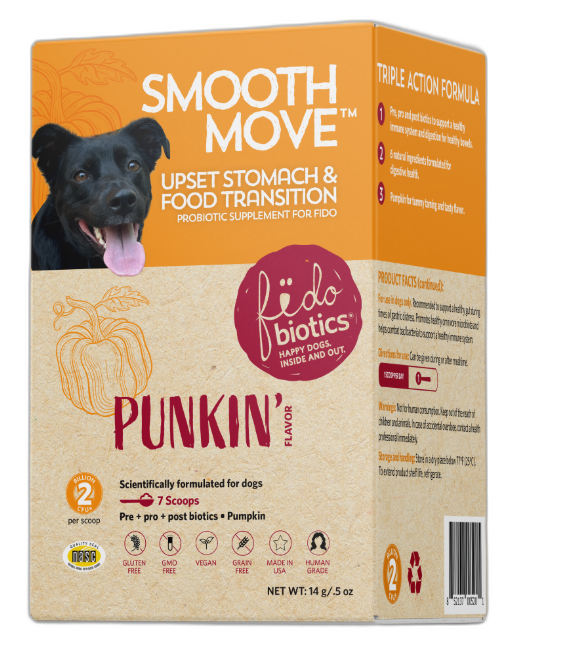
Fidobiotics Probiotic Transition Digestive Supplements
Fidobiotics
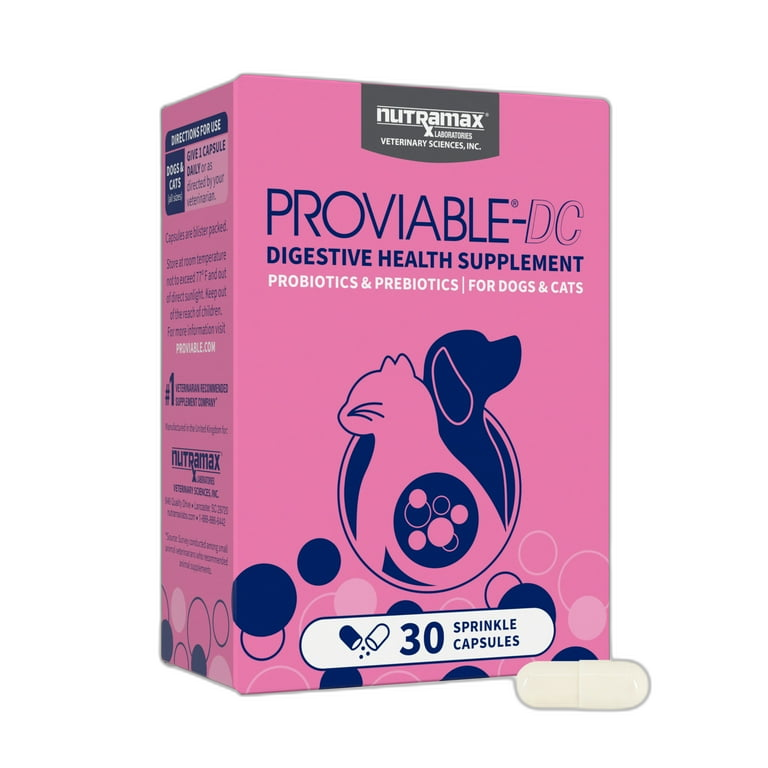
Nutramax Proviable-DC Digestive Health Supplement for Dogs & Cats
Nutramax Laboratories
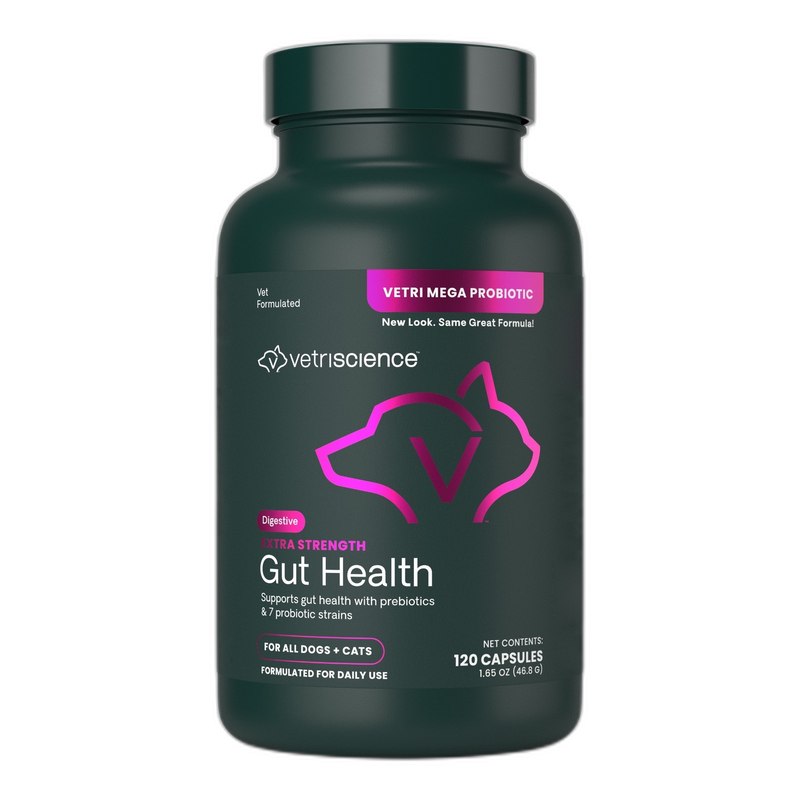
Under the Weather Ready Balance Probiotic for Dogs
Under the Weather
PetArmor Pro Advanced Probiotic for Dogs
PetArmor
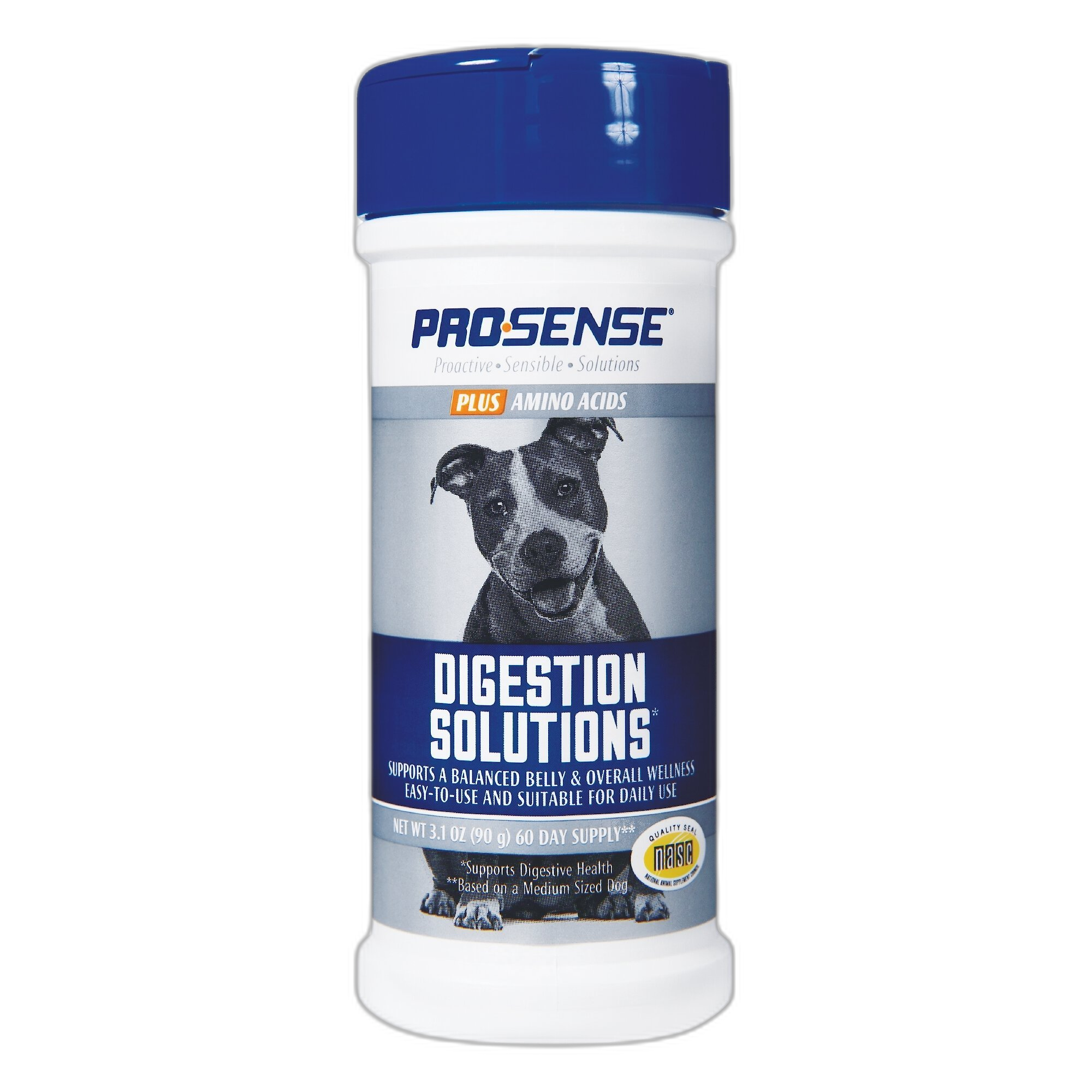
Pro-Sense Dog Probiotic Solutions
Pro-Sense
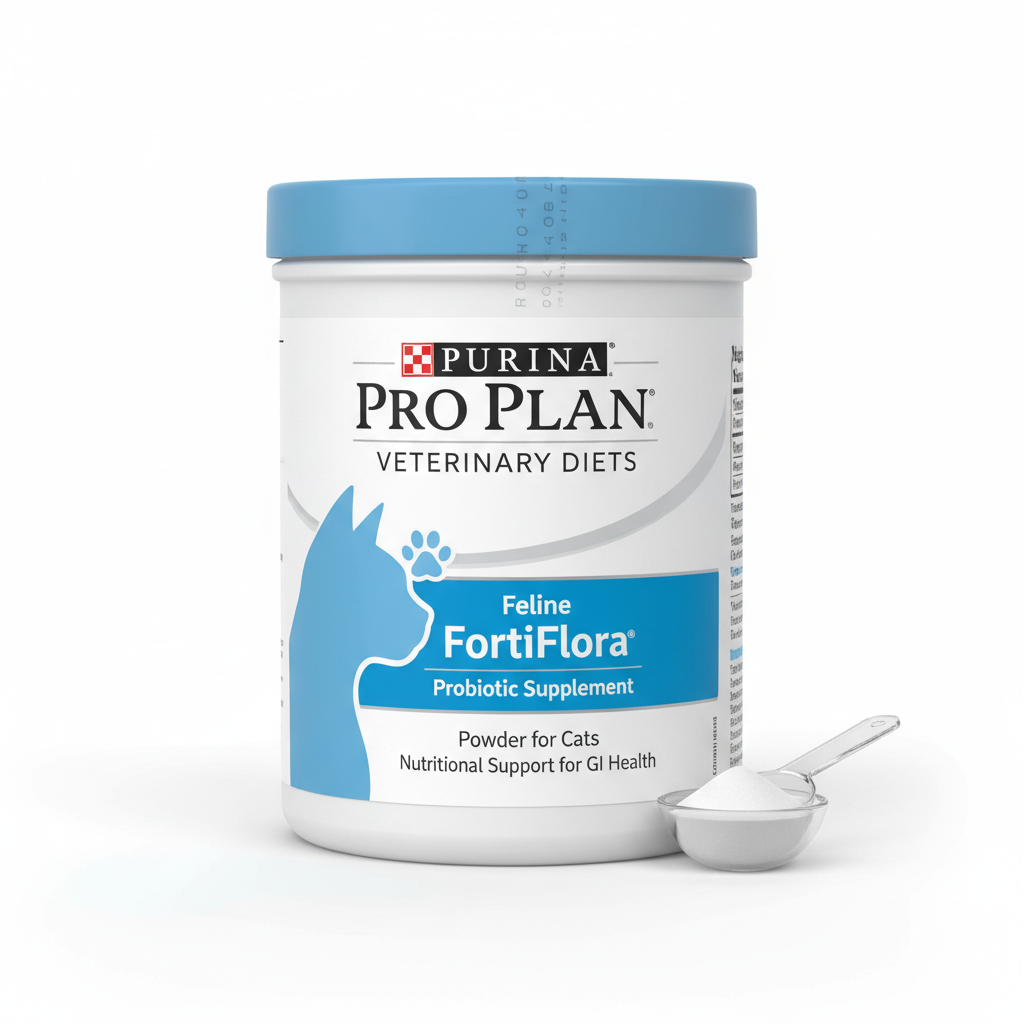
Daily Probiotic for Cats
Purina Pro Plan Veterinary Diets
Nutramax Proviable-KP Paste for Dogs & Cats
Nutramax Laboratories
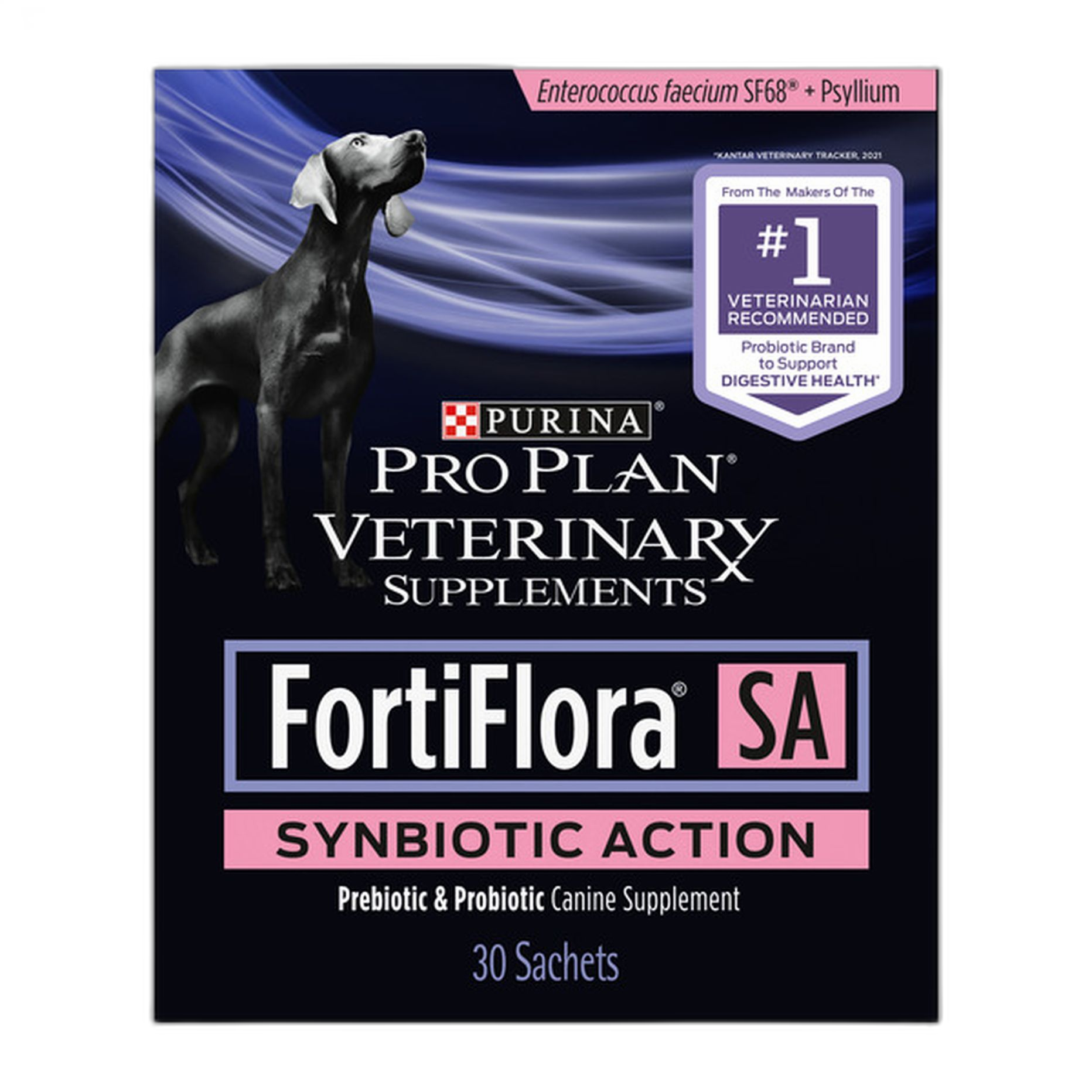
Vetoquinol Pro-Pectalin Anti-Diarrheal Gel for Dogs
Vetoquinol