Bifidobacterium bifidum
probiotic
Bifidobacterium bifidum is a species of beneficial bacteria naturally found in the gastrointestinal tracts of many mammals, including dogs and cats. As a probiotic, its inclusion in pet supplements aims to support gut health, aid digestion, and potentially influence overall well-being. Understanding its role, the supporting veterinary research, appropriate dosing, and how to select a quality supplement is essential for pet owners considering its use.
The Role of Bifidobacterium bifidum in Pet Gut Health
The digestive tract of a dog or cat hosts a complex community of microorganisms, collectively known as the gut microbiome. This ecosystem plays a critical role in nutrient absorption, immune system modulation, and the production of essential vitamins. When this balance is disrupted, often by factors like stress, diet changes, antibiotic use, or illness, it can lead to digestive upset, skin issues, and other health problems.
Bifidobacterium bifidum contributes to a healthy gut environment in several ways. It helps ferment indigestible fibers, producing short-chain fatty acids (SCFAs) like acetate, propionate, and butyrate. These SCFAs serve as an energy source for colon cells, help maintain gut barrier integrity, and possess anti-inflammatory properties. B. Bifidum also competes with harmful bacteria for resources and attachment sites, potentially inhibiting their growth. Furthermore, it may contribute to immune system development and function, a significant portion of which resides in the gut.
For pets, a robust population of beneficial bacteria, including B. Bifidum, can translate to more consistent stool quality, better nutrient utilization from their food, and a stronger defense against pathogens. For instance, a dog recovering from a course of antibiotics might experience temporary dysbiosis (an imbalance in gut bacteria); supplementing with a probiotic like B. Bifidum could help re-establish a healthy microbial balance more quickly. However, it's important to recognize that B. Bifidum is just one component of a diverse microbiome, and its efficacy is often enhanced when part of a multi-strain probiotic blend.
Probiotic Support for Dog's Bowel Health and Digestion
Digestive issues are common in dogs, ranging from occasional loose stools and gas to chronic conditions like inflammatory bowel disease (IBD). Probiotic supplementation, including formulations containing Bifidobacterium bifidum, is frequently explored as a supportive measure. The goal is to introduce live beneficial microorganisms that can temporarily colonize the gut, modulate the existing microbiota, and exert direct effects on the host.
In the context of bowel health, B. Bifidum can contribute to more regular and well-formed stools by improving the overall efficiency of digestion and absorption. For dogs prone to occasional diarrhea due to stress or dietary indiscretion, a B. Bifidum supplement might help shorten the duration of the episode and reduce its severity. The benefits extend beyond simply firming up stool; a healthier gut microbiome can also reduce gas production and discomfort.
However, it's crucial to manage expectations. While probiotics can be highly beneficial for many dogs, they are not a cure-all. For chronic or severe digestive conditions, probiotics should be used as part of a comprehensive treatment plan developed in consultation with a veterinarian. The effectiveness of a B. Bifidum supplement can depend on the underlying cause of the digestive issue, the dog's individual microbiome, and the quality and viability of the probiotic product itself. For example, a dog with severe food allergies might see limited improvement from probiotics alone if the primary allergen is still present in their diet.
Microbiota and Probiotics in Canine and Feline Welfare: Veterinary Insights
Veterinary research into the canine and feline microbiome has expanded significantly, revealing its profound impact on health beyond just digestion. Studies have explored the role of specific probiotic strains, including Bifidobacterium bifidum, in managing various conditions and enhancing overall welfare.
One area of focus is the immune system. A significant portion of the body's immune cells resides in the gut, interacting constantly with the resident microbiota. Probiotics like B. Bifidum are believed to modulate this gut-associated lymphoid tissue (GALT), potentially leading to a more balanced immune response. This could be relevant for pets with allergies or those needing immune support.
Research often compares the effects of single-strain probiotics versus multi-strain formulations. While B. Bifidum has demonstrated benefits in isolation, many veterinary professionals advocate for multi-strain products. The rationale is that a diverse blend of beneficial bacteria, each with slightly different metabolic activities and niches within the gut, might offer a more comprehensive and on the complex microbiome. For instance, some strains might excel at producing certain short-chain fatty acids, while others are better at competing with specific pathogens.
Veterinary studies also emphasize the importance of strain-specific effects. Not all Bifidobacterium bifidum strains are identical, and the benefits observed with one specific strain may not necessarily translate to another. This highlights the need for probiotic products that specify the exact strains used and ideally have some scientific backing for those particular strains in pets. Without this specificity, claims about efficacy are harder to substantiate. The ongoing research helps to identify which strains are most effective for particular conditions in dogs and cats, guiding product development and veterinary recommendations.
Extra Strength Gut Health for Dogs & Cats: What to Look For in a Bifidobacterium bifidum Supplement
When considering a Bifidobacterium bifidum supplement for your pet, navigating the array of available products can be challenging. An "extra strength" label might suggest higher efficacy, but it's crucial to look beyond marketing terms and evaluate the product based on scientific principles and quality indicators.
Key factors to consider include:
Strain Specificity: As mentioned, the specific strain matters. Look for products that list the full strain name (e.g., Bifidobacterium bifidum* BI-07 or ATCC 29521), not just the species. Reputable manufacturers will often use well-researched strains.
- Colony Forming Units (CFUs): This indicates the number of live, active microorganisms per dose. For dogs, effective doses typically range from billions of CFUs (e.g., 1-10 billion or more) per serving. The CFU count should be guaranteed at the time of expiration, not just at the time of manufacture, as probiotic viability decreases over time.
- Viability and Stability: Probiotics are live organisms that are sensitive to heat, moisture, and stomach acid. Look for products that use encapsulation or other technologies to protect the bacteria. Some products require refrigeration, while others are shelf-stable. Understand the storage requirements.
- Prebiotics: Many effective probiotic supplements also include prebiotics (e.g., FOS, inulin). These are non-digestible fibers that act as food for beneficial bacteria, helping them to grow and thrive in the gut.
- Absence of Unnecessary Fillers/Allergens: Choose products free from artificial colors, flavors, preservatives, and common pet allergens if your pet has sensitivities.
- Third-Party Testing: Reputable brands often undergo third-party testing to verify the purity, potency, and absence of contaminants in their products. This adds an extra layer of assurance.
- Formulation (Powder, Chew, Capsule): Consider which format your pet will most readily accept. Powders can be sprinkled on food, chews are often palatable, and capsules can sometimes be hidden in treats or opened and mixed with food.
Comparison of Probiotic Supplement Features
| Feature | Ideal for B. Bifidum Supplement | Why it Matters |
|---|---|---|
| Strain Designation | Full strain (e.g., B. Bifidum CNCM I-2618) | Efficacy is strain-specific; ensures research-backed benefits. |
| CFU Count | Billions (e.g., 5-10+ Billion) | Sufficient number of live bacteria to exert an effect; guaranteed at expiration. |
| Prebiotic Inclusion | Yes (e.g., FOS, Inulin) | Provides nourishment for probiotics, enhancing their survival and growth. |
| Protective Technology | Encapsulation, freeze-dried | Protects live bacteria from stomach acid, bile, and environmental factors, ensuring they reach the gut alive. |
| Allergen-Free | Yes, if pet has sensitivities | Prevents adverse reactions; common allergens include corn, soy, dairy, wheat. |
| Third-Party Certification | Yes | Independent verification of product purity, potency, and quality claims. |
| Storage Requirements | Clearly stated (refrigerated/shelf-stable) | Ensures viability of live cultures; improper storage renders product ineffective. |
| Dosage Instructions | Clear, weight-based | Proper dosing is crucial for efficacy and safety; consult packaging and vet. |
Bifidobacterium bifidum in Dog Food
The inclusion of Bifidobacterium bifidum directly into dog food has become more common as pet food manufacturers recognize the interest in gut health. This can be a convenient way to provide daily probiotic support without adding a separate supplement. However, there are specific considerations when relying on dog food as the primary source of B. Bifidum.
The main challenge with probiotics in kibble or canned food is their survival during processing and storage. The high heat used in extrusion (for kibble) can destroy live bacteria. Even in air-dried or freeze-dried raw foods, the stability of probiotics over the product's shelf life can be an issue. Moisture, oxygen, and temperature fluctuations in storage and transport can significantly reduce the number of viable organisms.
When evaluating dog food that claims to contain Bifidobacterium bifidum, look for:
Post-processing Addition: Ideally, probiotics should be added after* the cooking process to ensure maximum viability. Some manufacturers spray probiotics onto kibble after extrusion.
- Guaranteed Analysis for Probiotics: A reputable brand will list a guaranteed minimum number of CFUs per serving at the time of expiration, not just at the time of manufacture. If the food doesn't specify CFU counts or guarantees them only at manufacturing, the actual amount of live bacteria your pet receives could be negligible.
- Shelf Stability Claims: Some pet foods utilize specific probiotic strains known for their stability or employ protective technologies to help them survive.
While dog food with added B. Bifidum can contribute to gut health, it might not provide the concentrated, targeted dose that a dedicated supplement offers, especially for pets with existing digestive issues. For therapeutic purposes or when a higher, guaranteed dose is needed, a separate Bifidobacterium bifidum supplement is often a more reliable option. For healthy dogs on a maintenance plan, a high-quality food with guaranteed probiotics might suffice.
Ingredient Spotlight: Our 8-Strain Probiotic Blend
Many pet probiotic products, particularly those aiming for "extra strength" gut health, feature multi-strain blends rather than a single species like Bifidobacterium bifidum. The rationale behind an 8-strain blend, for example, is to offer a broader spectrum of beneficial effects and to populate different niches within the gastrointestinal tract.
A typical multi-strain blend might include:
Bifidobacterium bifidum:* Known for its role in fermenting carbohydrates, producing SCFAs, and immune modulation. Lactobacillus acidophilus:* A well-researched strain often found in the small intestine, it can help with lactose digestion and inhibit pathogen growth. Lactobacillus plantarum:* Known for its resilience, ability to survive stomach acid, and production of antimicrobial substances. Lactobacillus rhamnosus:* Often studied for its immune-modulating properties and potential benefits for diarrhea. Bifidobacterium animalis (subsp. Lactis):* A robust strain frequently included for general digestive and immune support. Enterococcus faecium:* A common probiotic in veterinary medicine, used to support gut health and immune function. Bacillus coagulans:* A spore-forming probiotic, meaning it's highly stable and resistant to heat and stomach acid, making it good for survival. Streptococcus thermophilus: Often used in conjunction with Lactobacillus* species, contributing to lactic acid production.
The advantage of such a blend is the potential for synergistic action. Different strains might work together to create a more favorable gut environment than any single strain could achieve alone. For instance, some strains might produce compounds that another strain can utilize, or they might collectively outcompete a wider range of pathogens.
When evaluating a multi-strain blend, the same principles apply as for single-strain products: look for guaranteed CFUs, specific strain designations, and evidence of stability. A blend should ideally be formulated with strains that have demonstrated benefits for pets and are compatible with each other. The total CFU count should reflect the combined potency of all strains. For example, an 8-strain blend with a total of 10 billion CFUs might mean each strain contributes a certain proportion to that total, ensuring a therapeutic amount of each.
The choice between a single-strain Bifidobacterium bifidum supplement and a multi-strain blend often depends on the specific health goal. For targeted support where B. Bifidum has shown particular efficacy, a single-strain product might be appropriate. For general gut health maintenance or broader digestive support, a well-formulated multi-strain blend is often preferred by veterinarians due to its comprehensive approach to microbiome balance.
FAQ
Is Bifidobacterium bifidum safe for dogs?
Yes, Bifidobacterium bifidum is generally considered safe for dogs. It is a natural inhabitant of the canine gut microbiome. As with any supplement, some dogs might experience mild, temporary digestive upset (like gas or loose stools) when first introduced, which usually resolves as their system adjusts. Always start with a lower dose and monitor your pet. If your dog has a compromised immune system or a serious underlying health condition, consult your veterinarian before starting any new supplement.
What is a silent killer for dogs?
The term "silent killer" for dogs typically refers to diseases or conditions that show few or no obvious symptoms in their early stages but can be fatal if left untreated. Examples include certain types of cancer, kidney disease, heartworm disease, and some liver conditions. These are not related to Bifidobacterium bifidum or probiotics. Regular veterinary check-ups are crucial for early detection and intervention for such conditions.
What probiotics are good for tirzepatide?
Tirzepatide is a medication used to treat type 2 diabetes in humans and is not typically prescribed for dogs. If you are asking about probiotics for a human taking tirzepatide, this is outside the scope of veterinary advice. For human health questions, consult a medical doctor or pharmacist. If this question is a misunderstanding and refers to a pet medication, please clarify.
Conclusion
Bifidobacterium bifidum serves as a valuable component in supporting the gut health and overall well-being of dogs and cats. Its role in nutrient fermentation, immune modulation, and competitive exclusion of pathogens makes it a beneficial addition to a pet's diet, either through fortified foods or dedicated supplements. When considering a Bifidobacterium bifidum supplement, prioritizing products with specific strain designations, guaranteed CFU counts at expiration, and protective technologies is crucial for ensuring efficacy. While some dog foods incorporate Bifidobacterium bifidum, a dedicated supplement often provides a more reliable and concentrated dose, especially for pets with specific digestive challenges. Ultimately, consulting with a veterinarian can help determine the most appropriate probiotic strategy for your individual pet's needs.
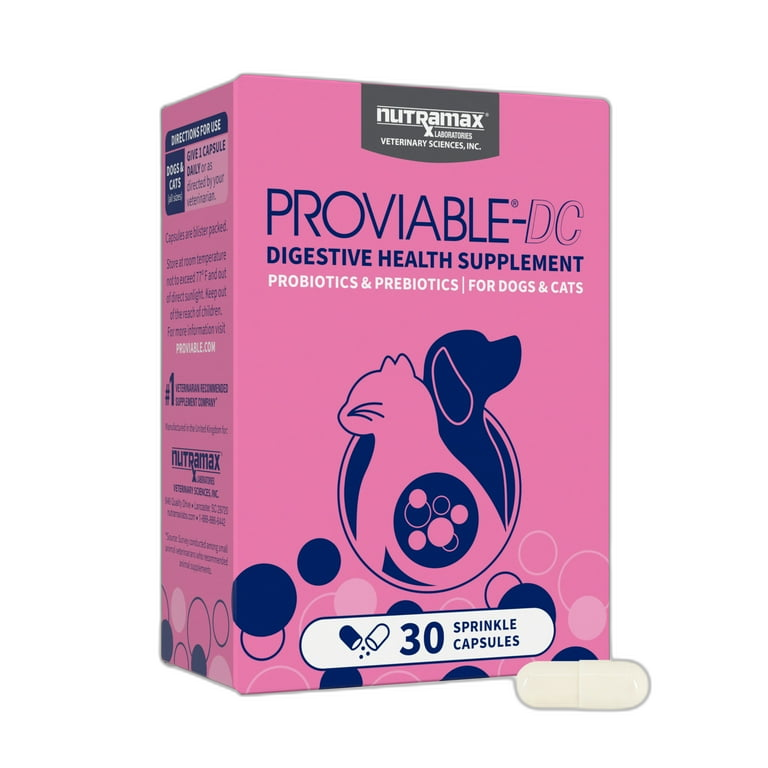
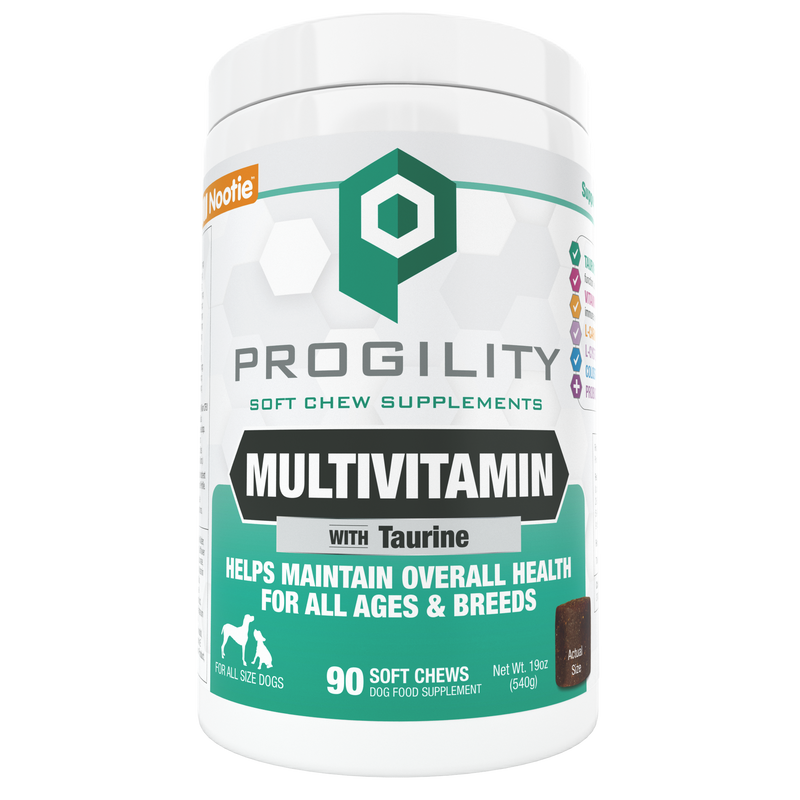
Products Containing Bifidobacterium bifidum
Top-rated supplements featuring this ingredient, ranked by our PSI+ score.