Multi-Strain Probiotic Blend (7 strains)
probiotic
A multi-strain probiotic blend (7 strains) for dogs and other pets refers to a supplement containing seven different types of beneficial microorganisms intended to support gut health. The rationale behind using multiple strains, rather than a single one, is to provide a broader spectrum of microbial activity, potentially addressing various aspects of the digestive system and overall well-being. This approach aims to mimic the natural diversity found in a healthy gut microbiome. Understanding the veterinary research supporting these blends, appropriate dosing, and key factors to consider when choosing a product can help pet owners make informed decisions.
The Foundation of Multi-Strain Probiotics for Pets
The concept of using a multi-strain probiotic blend (7 strains) for dogs and cats stems from the complexity of the gut microbiome. This intricate ecosystem consists of trillions of bacteria, fungi, and other microorganisms that play crucial roles in digestion, nutrient absorption, immune function, and even mood regulation. When this balance is disrupted – by factors like stress, diet changes, antibiotic use, or illness – pets can experience a range of issues, from digestive upset to a compromised immune system.
A multi-strain blend aims to reintroduce or bolster a diverse population of beneficial microbes. Each strain can have slightly different properties and preferences within the gut environment. For example, some might excel at producing short-chain fatty acids (SCFAs), which nourish gut cells, while others might be more effective at competing with harmful bacteria or modulating the immune system. Providing a mix of strains is thought to increase the likelihood of establishing a robust and resilient microbial community.
Veterinary research in this area often focuses on identifying specific strains that demonstrate efficacy in pets for conditions like diarrhea, irritable bowel syndrome (IBS), or even anxiety. While the idea of a "perfect" seven-strain blend is still evolving, many commercial products, such as those from the Proviable line, have undergone clinical studies to validate their effectiveness for various pet health concerns.
Practical Implications and Trade-offs
Choosing a multi-strain probiotic blend (7 strains) for dogs involves considering several factors beyond just the number of strains. The quality of the strains, their viability, and the overall formulation are often more critical than simply having seven specific strains.
Viability: Probiotics are live organisms. They must survive manufacturing, storage, and the harsh acidic environment of the stomach to reach the intestines where they can exert their effects. Look for products that guarantee a certain number of colony-forming units (CFUs) at the time of expiration*, not just at the time of manufacture. Strain Specificity: While a multi-strain approach is generally good, the specific strains included matter. Some strains, like Lactobacillus acidophilus, Bifidobacterium animalis, or Enterococcus faecium*, are well-researched in veterinary medicine for their benefits in dogs.
- Prebiotics: Many multi-strain blends also include prebiotics, which are non-digestible fibers that feed beneficial bacteria. This synergistic approach, known as a synbiotic, can enhance the effectiveness of the probiotic strains.
- Formulation: Probiotics come in various forms: capsules, powders, chews. The best form depends on your pet's preferences and ease of administration. Some capsules can be opened and sprinkled on food, while chews offer a treat-like delivery.
The main trade-off is often cost versus perceived benefit. While a higher number of strains could be beneficial, an expensive product with seven poorly chosen or non-viable strains might be less effective than a more affordable one with fewer, but well-researched and viable, strains.
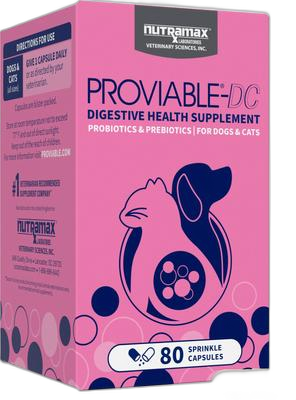
NUTRAMAX PROVIABLE Digestive Health Supplement and Similar Products
When discussing multi-strain probiotic blends (7 strains) for dogs, products like Nutramax Proviable frequently come up. Proviable is a well-known brand in veterinary circles, often recommended for acute and chronic gastrointestinal issues. Its formulations typically contain multiple beneficial microorganisms, often including Enterococcus faecium and Bifidobacterium bifidum, among others, coupled with prebiotics.
The core idea behind products like Proviable is to provide a targeted intervention for pets experiencing digestive distress. For instance, if a dog develops diarrhea after a course of antibiotics, the antibiotic has likely disrupted the natural balance of gut flora. A multi-strain probiotic can help re-establish this balance, potentially shortening the duration of symptoms and preventing recurrence.
Practical Implications and Edge Cases
Products like Proviable are often available in both a paste (for immediate, higher-dose support during acute episodes) and a capsule or chew form (for daily maintenance). This dual-approach offers flexibility for veterinarians and pet owners.
- Acute Use: For sudden onset diarrhea, stress-induced colitis, or during/after antibiotic therapy, a higher, more concentrated dose (often seen in paste formulations) can be beneficial for rapid rebalancing.
- Chronic Use: For pets with ongoing sensitive stomachs, mild food intolerances, or to support overall immune health, a daily maintenance dose in capsule or chew form is usually recommended.
- Edge Cases: While generally safe, some pets might experience mild gas or bloating when first starting a probiotic. This is often temporary as the gut adjusts. In rare cases, an immune-compromised pet might react negatively to new bacteria, though this is uncommon with veterinary-specific strains. Always consult a vet if concerns arise.
Using concrete examples, consider a scenario where a dog undergoes surgery and is prescribed antibiotics. The veterinarian might recommend a multi-strain probiotic like Proviable to mitigate the common side effect of antibiotic-associated diarrhea. Another example could be a cat prone to stress-induced vomiting during travel; a daily probiotic leading up to and during the trip might help stabilize their digestive system.
Nutramax Proviable Probiotics for Dogs Daily Digestive Support
Focusing specifically on daily digestive support, Nutramax Proviable offers products designed for long-term use. These typically come in capsule or sprinkle powder forms, making them easy to incorporate into a pet's daily routine. The objective here is not just to address acute issues but to maintain a healthy and balanced gut microbiome consistently.
Daily multi-strain probiotic blend (7 strains) for dogs can be particularly beneficial for:
- Pets with chronic digestive sensitivities: Dogs that frequently experience loose stools, mild constipation, or excessive gas.
- Senior pets: As pets age, their gut microbiome can shift, and digestive efficiency may decline. Probiotics can help support nutrient absorption.
- Pets with mild allergies or skin issues: A healthy gut is strongly linked to a healthy immune system and can sometimes improve skin and coat conditions.
- Pets on consistent medications: Some medications, even non-antibiotics, can impact gut flora.
- Pets experiencing routine stress: Boarding, changes in routine, or new household members can all stress a pet's digestive system.
Practical Implications and Considerations for Daily Use
When selecting a daily multi-strain probiotic blend (7 strains) for dogs, consistency is key. If the product is not palatable or easy to administer, compliance will suffer.
- Palatability: Chews are often preferred by pets, but powders or capsules that can be mixed into food are also effective if the pet doesn't detect them.
- Storage: Many probiotics require refrigeration to maintain viability. Always check the label. Shelf-stable options exist, but verify their efficacy claims.
- Cost-Effectiveness: Daily supplementation can become an ongoing expense. Compare the cost per dose and the CFU count to ensure good value.
- Integration with Diet: Probiotics work best when paired with a balanced, high-quality diet. They are not a substitute for proper nutrition.
For a dog with mild, recurring digestive upset, a daily probiotic can be a . Instead of sporadic bouts of diarrhea, the dog might develop more consistent, healthy stools. This isn't a quick fix, but rather a long-term strategy to foster a robust gut environment, potentially reducing veterinary visits for minor GI issues.
9 Best Probiotics for Dogs in 2025, Recommended By Vets
When veterinarians recommend probiotics for dogs, their choices are typically driven by a combination of scientific evidence, product quality, and clinical experience. While specific brands and formulations can vary, the underlying principles often point to multi-strain blends with proven viability and efficacy. The "best" probiotic isn't a one-size-fits-all answer, but rather depends on the individual dog's needs and the specific health concern being addressed.
Common criteria vets consider when recommending a multi-strain probiotic blend (7 strains) for dogs:
Practical Implications of Veterinary Recommendations
A veterinarian's recommendation for a multi-strain probiotic blend (7 strains) for dogs is usually tailored. For example:
For puppies with stress diarrhea: A vet might suggest a product with Enterococcus faecium* to help stabilize the gut during stressful periods like adoption or vaccination. For senior dogs with declining digestive health: A blend with Bifidobacterium* species might be recommended to support aging digestive systems and immune function.
- For dogs recovering from pancreatitis: A low-fat, highly digestible diet combined with a multi-strain probiotic might be part of the recovery protocol to aid gut healing.
It's important to remember that not all probiotics are created equal. Human probiotics, while generally not harmful to dogs, are formulated for the human gut microbiome and may not contain the strains most beneficial or effective for canines. Therefore, prioritizing veterinary-specific products is often a wise choice.
The Impact of a Multi-Strain Probiotic Supplementation on Dogs
The impact of multi-strain probiotic supplementation on dogs extends beyond just digestive health. The gut-brain axis, the gut-skin axis, and the gut-immune axis are all areas where a balanced microbiome can exert significant influence.
Digestive Health: This is the most direct and widely recognized benefit. Multi-strain probiotics can help normalize stool consistency, reduce gas, alleviate symptoms of inflammatory bowel disease (IBD) or irritable bowel syndrome (IBS), and aid recovery from acute gastroenteritis. By competing with pathogenic bacteria and producing beneficial compounds, they create a healthier environment for digestion and nutrient absorption.
Immune System Modulation: A significant portion of the immune system resides in the gut. By promoting a healthy balance of gut flora, multi-strain probiotics can help regulate immune responses. This can translate to better resistance against infections and potentially reduced severity of allergic reactions. For instance, some research suggests certain probiotic strains can reduce the incidence of respiratory infections in dogs.
Behavioral and Mood Support: Emerging research in humans and animals points to a connection between gut health and mental well-being. The gut produces many neurotransmitters, and a healthy microbiome can influence their production and signaling. While not a cure for behavioral issues, a multi-strain probiotic blend (7 strains) for dogs might contribute to a calmer demeanor, especially in pets prone to stress-related digestive upset.
Skin and Coat Health: Inflammatory conditions in the gut can manifest as problems on the skin. By reducing systemic inflammation and supporting immune function, multi-strain probiotics can sometimes improve conditions like atopic dermatitis or dry, flaky skin.
Practical Implications: Measuring Impact and Expectations
When starting a multi-strain probiotic blend (7 strains) for dogs, it's important for pet owners to have realistic expectations and observe changes systematically.
- Timeline: Benefits are usually not immediate. It can take several weeks to a few months of consistent supplementation to see noticeable improvements, especially for chronic conditions.
- Observation: Keep a journal of your dog's stool consistency, energy levels, appetite, and any other symptoms you are trying to address. This helps track progress.
- : Probiotics are a supplement, not a standalone treatment. They work best when combined with a high-quality diet, appropriate veterinary care, and a low-stress environment.
- Potential for No Change: Not every pet will show dramatic improvements. Some dogs already have a robust microbiome and may not benefit significantly from supplementation, or their issues might stem from causes not addressed by probiotics.
For example, a dog with chronic loose stools due to IBD might not be "cured" by a probiotic, but the frequency and severity of episodes might decrease, and their quality of life could improve significantly. In another case, a dog prone to ear infections might see fewer occurrences if their gut health and overall immune system are bolstered by consistent probiotic use.
Multi-Strain Probiotic Comparison Table
To help illustrate the differences and commonalities among multi-strain probiotic blends (7 strains) for dogs, here's a comparison table focusing on key characteristics. Please note that specific product formulations can change, so always refer to the most current product label.
| Feature | Proviable-Forte (Acute Care) | Proviable-DC (Daily Care) | Generic 7-Strain Chew | Premium Vet-Grade Powder (Example) |
|---|---|---|---|---|
| Number of Strains | 7 (often) | 7 (often) | Varies, often 7 | Varies, often 5-10 |
| Total CFUs (per dose) | High (e.g., 5 billion) | Moderate (e.g., 500 million) | Moderate-Low (e.g., 200 million) | High (e.g., 10 billion) |
| Formulation | Paste + Capsules | Capsules (or sprinkles) | Chew | Powder |
| Includes Prebiotic | Yes (FOS) | Yes (FOS) | Often | Often |
| Target Use | Acute GI upset, antibiotic support | Daily maintenance, chronic issues | General wellness | Targeted support, chronic conditions |
| Storage | Room Temp (paste), Fridge (caps) | Room Temp/Fridge (check label) | Room Temp | Fridge (often) |
| Palatability | Easy (paste), Variable (caps) | Variable | High | Variable |
| Typical Cost | Higher (per course) | Moderate (per month) | Lower-Moderate | Higher |
| Veterinary Research | Strong | Strong | Variable | Strong (for specific strains) |
This table highlights that while the number of strains might be similar, the intended use, CFU count, and overall formulation can differ significantly. A product like Proviable-Forte is designed for aggressive intervention, while a daily chew is for ongoing wellness.
FAQ
Which probiotic strain is most effective for dogs?
There isn't a single "most effective" probiotic strain for all dogs, as effectiveness can depend on the specific health issue being addressed. However, several strains have strong veterinary research backing for canine gut health. These include:
Enterococcus faecium* SF68: Widely studied for its ability to improve stool quality and reduce diarrhea, particularly in acute cases and during antibiotic use. Bifidobacterium animalis* (various subspecies): Known for supporting immune function and improving gut barrier integrity. Lactobacillus acidophilus, Lactobacillus plantarum, Lactobacillus rhamnosus: These Lactobacillus* species are common in multi-strain blends and contribute to a healthy gut environment, often by producing lactic acid that inhibits harmful bacteria.
A multi-strain probiotic blend (7 strains) for dogs often includes a combination of these and other beneficial bacteria to provide a broader range of effects and increase the likelihood of positive outcomes.
What are the signs that your dog needs probiotics?
Your dog might benefit from a multi-strain probiotic blend (7 strains) if they exhibit any of the following signs:
- Frequent digestive upset: Recurrent diarrhea, constipation, excessive gas, or bloating.
- Loose or inconsistent stools: Stools that are often soft, watery, or irregular.
- Recent antibiotic use: Antibiotics can disrupt the gut microbiome, leading to digestive issues.
- Stressful situations: Boarding, moving, travel, or changes in routine can impact gut health.
- Chronic bad breath: Sometimes linked to an imbalance in the gut.
- Skin or coat issues: Unexplained itching, dry skin, or dull coat can sometimes be related to gut health.
- Weakened immune system: Frequent infections or slow recovery from illness.
- Picky eating or reduced appetite: While many factors contribute to this, gut discomfort can play a role.
- Older age: Digestive efficiency can decrease with age.
If you observe these signs, it's always best to consult your veterinarian to rule out underlying medical conditions before starting any supplement.
Will a probiotic help a dog with acid reflux?
Probiotics, particularly a multi-strain probiotic blend (7 strains) for dogs, may offer some support for dogs with acid reflux, though they are generally not a standalone cure. Acid reflux, or gastroesophageal reflux disease (GERD), involves stomach acid flowing back into the esophagus, causing irritation.
Here's how probiotics might help:
- Improved Digestion: By promoting a healthier gut microbiome, probiotics can enhance overall digestion and nutrient absorption, potentially reducing the likelihood of undigested food fermenting and contributing to gas or pressure that can exacerbate reflux.
- Gut Motility: Some probiotic strains can influence gut motility, helping food move through the digestive tract more efficiently, which might reduce the chances of reflux.
- Inflammation Reduction: Probiotics can help reduce inflammation in the gut lining. Chronic inflammation can contribute to digestive issues, including those that might worsen reflux.
- Immune Modulation: A healthy gut microbiome can positively influence the immune system, which can be beneficial if reflux is linked to underlying inflammatory conditions.
However, acid reflux can have various causes, including dietary sensitivities, structural abnormalities, or other medical conditions. Probiotics should be considered a supportive measure and used in conjunction with veterinary advice, which might include dietary changes, antacids, or other medications as needed. They are unlikely to resolve severe or chronic acid reflux on their own.
Conclusion
Multi-strain probiotic blends (7 strains) for dogs represent a targeted approach to supporting pet health, primarily through the optimization of gut flora. Veterinary research continues to shed light on the specific benefits of various strains for conditions ranging from acute digestive upset to long-term immune and even behavioral support. When selecting a product, factors such as the viability of the strains, the total CFU count, the inclusion of prebiotics, and overall product quality are paramount. While brands like Nutramax Proviable offer well-researched options, the "best" choice is ultimately one made in consultation with a veterinarian, tailored to the individual needs and health profile of your pet. Consistent and appropriate dosing, combined with a to pet care, can help unlock the full potential of these beneficial supplements.
Products Containing Multi-Strain Probiotic Blend (7 strains)
Top-rated supplements featuring this ingredient, ranked by our PSI+ score.