FOS (Prebiotic)
prebiotic
Fructooligosaccharides (FOS) are a type of prebiotic fiber that can support the gut health of pets, particularly dogs and cats. As a prebiotic, FOS serves as a food source for beneficial bacteria residing in the gastrointestinal tract, contributing to a balanced gut microbiome. Understanding how FOS works, its researched benefits, appropriate dosing, and what to consider when choosing a supplement is key for pet owners exploring this addition to their pet's diet.
What is FOS and How Does it Work?
FOS, or fructooligosaccharides, are short-chain carbohydrates made up of fructose units. They are naturally found in various plants such as chicory root, Jerusalem artichoke, onions, garlic, and bananas. When consumed, FOS passes undigested through the upper digestive tract, reaching the large intestine. Here, it selectively ferments, meaning it is preferentially utilized by specific beneficial gut bacteria, such as Bifidobacterium and Lactobacillus species.
This selective fermentation process has several implications:
- Nourishment for Beneficial Bacteria: By providing a readily available food source, FOS encourages the growth and activity of these "good" bacteria. A higher population of beneficial bacteria can help suppress the growth of potentially harmful bacteria, contributing to a healthier microbial balance.
- Production of Short-Chain Fatty Acids (SCFAs): The fermentation of FOS by gut bacteria produces SCFAs, primarily acetate, propionate, and butyrate. Butyrate, in particular, is a crucial energy source for the cells lining the colon, supporting gut barrier integrity and overall digestive function.
- Improved Digestion and Nutrient Absorption: A balanced gut microbiome can contribute to more efficient digestion and potentially enhance the absorption of certain minerals, though this area requires more direct research in pets.
- Immune System Modulation: The gut microbiome plays a significant role in the immune system. By fostering a healthy microbial environment, FOS may indirectly support immune function in pets.
The practical implication for pet owners is that FOS is not a direct digestive aid in the way enzymes are. Instead, it works indirectly by shaping the gut environment to favor beneficial microbes, which then contribute to digestive health. It's a long-term support strategy rather than an immediate fix for acute issues.
Fructooligosaccharides for Dogs: Benefits and Potential Considerations
Research into FOS for dogs has explored its role in various aspects of canine health. The primary focus remains on gut health and its downstream effects.
Researched Benefits:
Microbiome Modulation: Studies have consistently shown that FOS supplementation can increase the populations of beneficial bacteria like Bifidobacterium and Lactobacillus* in the canine gut, while potentially reducing less desirable bacterial groups. This shift towards a more favorable microbial balance is a cornerstone of FOS's benefit.
- Stool Quality Improvement: For dogs experiencing soft stools or mild digestive upset, FOS has been observed to improve stool consistency. This is often attributed to the fermentation process and the impact on overall gut motility and water absorption.
- Support During Stress or Dietary Changes: Periods of stress (e.g., boarding, travel) or dietary transitions can disrupt a dog's gut microbiome. FOS may help stabilize the gut environment during these times, potentially mitigating digestive upset.
- Immune System Support: While not a direct immune booster, a healthy gut microbiome is intrinsically linked to the immune system. By promoting gut health, FOS indirectly contributes to a robust immune response.
Potential Side Effects and Considerations:
While generally considered safe, FOS can cause mild gastrointestinal upset, especially when introduced too quickly or at high doses. These side effects are typically transient and include:
- Gas/Flatulence: This is the most common side effect, resulting from the fermentation process in the gut.
- Bloating: Similar to gas, bloating can occur due to increased gas production.
- Diarrhea or Loose Stools: In some cases, particularly with higher doses, FOS can draw water into the colon, leading to softer stools or diarrhea.
To minimize these effects, it's generally recommended to introduce FOS gradually over several days to a week, starting with a lower dose and slowly increasing to the recommended amount. Dogs with sensitive stomachs or pre-existing gastrointestinal conditions might be more prone to these side effects and should be monitored closely.
It's important to differentiate FOS from other fibers. While all prebiotics are fibers, not all fibers are prebiotics. FOS is specifically fermented by beneficial bacteria, whereas other fibers might have different effects on gut transit time or bulk.
Prebiotic FOS & MOS: A Common Combination
Often, FOS is discussed alongside or combined with Mannanoligosaccharides (MOS). Both are prebiotics, but they work through slightly different mechanisms.
FOS (Fructooligosaccharides): As discussed, FOS directly feeds beneficial bacteria like Bifidobacterium and Lactobacillus*, promoting their growth. MOS (Mannanoligosaccharides): MOS, derived from yeast cell walls, is believed to work primarily by binding to certain pathogenic bacteria (like Salmonella and E. Coli*) in the gut, preventing them from adhering to the intestinal lining and facilitating their excretion from the body. MOS may also have some immune-modulating effects.
When combined in a supplement, FOS and MOS offer a complementary approach to gut health: FOS nourishes beneficial bacteria, while MOS helps to manage potentially harmful ones. This dual action can create a more balanced and resilient gut environment.
Practical Implications of FOS & MOS Combination:
For pet owners, a supplement containing both FOS and MOS might offer broader support for gut health, addressing both the "good bacteria" and the "bad bacteria" aspects more comprehensively. However, the specific needs of an individual pet should guide the choice. For a pet primarily needing to boost beneficial flora, FOS alone might suffice. For pets prone to bacterial imbalances or those needing additional immune support, the FOS/MOS combination could be more advantageous.
the efficacy of these combinations can depend on the specific strains of bacteria present in an individual pet's gut, their diet, and overall health status. There isn't a one-size-fits-all solution, and observing your pet's response is crucial.
Veterinary Strength Gut Health for Dogs & Cats
The term "veterinary strength" often implies a higher concentration of active ingredients, specific formulations backed by research, or products only available through veterinarians. FOS and other prebiotics, "veterinary strength" products typically aim for:
- Precise Dosing: Clear, research-informed dosing guidelines appropriate for various pet sizes and conditions.
- Quality Control: Stringent manufacturing processes to ensure purity, potency, and absence of contaminants.
Targeted Formulas: Often combined with other beneficial ingredients like probiotics (Saccharomyces boulardii, Lactobacillus* strains), digestive enzymes, or specific vitamins to address a broader range of gut health issues.
What to Look For in a "Veterinary Strength" FOS Supplement:
Example: FOS in Combination with Saccharomyces boulardii
Several products, such as "S. Boulardii + FOS Powder," exemplify a common veterinary approach. Saccharomyces boulardii is a beneficial yeast frequently used as a probiotic in pets, particularly for managing diarrhea and supporting gut health during antibiotic use.
S. Boulardii*: This probiotic yeast helps maintain the balance of gut flora, supports the gut barrier, and has anti-inflammatory properties. It is often more resilient to stomach acid and antibiotics compared to bacterial probiotics. FOS: By providing a food source for beneficial bacteria (including potentially supporting the existing bacterial flora alongside the S. Boulardii*), FOS complements the probiotic action.
This combination can be particularly useful for pets with:
- Chronic or acute diarrhea.
- Digestive upset due to stress or dietary changes.
- During or after antibiotic therapy (where probiotics can help replenish beneficial bacteria).
- General gut health maintenance.
The rationale behind combining them is to create a more robust and resilient gut ecosystem. The S. Boulardii acts directly to help balance the microbiome, while FOS provides sustained nourishment for the existing beneficial bacterial populations.
Influence of Dietary Protein and Fructooligosaccharides: Research Insights
Beyond simply adding FOS as a supplement, the overall diet plays a crucial role in gut health. Research, including studies like those published in PMC, investigates how dietary components interact with prebiotics like FOS.
One area of research explores the interplay between dietary protein levels and FOS. High protein diets, particularly those with poorly digestible protein sources, can sometimes lead to an increase in protein fermentation in the large intestine. This process can produce potentially harmful metabolites.
- Protein Fermentation: When protein is not fully digested in the small intestine, it reaches the large intestine where it can be fermented by bacteria. This fermentation can produce compounds like ammonia, indoles, and phenols, which can be detrimental to gut health in high concentrations.
- FOS and Protein Fermentation: Some studies suggest that the inclusion of FOS in the diet, especially in conjunction with appropriate protein levels, can help modulate this process. By promoting the growth of beneficial bacteria that primarily ferment carbohydrates (like FOS), FOS can potentially shift the fermentation balance away from protein, reducing the production of undesirable metabolites. This is because beneficial bacteria outcompete protein-fermenting bacteria for substrates.
Key Takeaways from Such Research:
- : FOS is most effective when considered within the context of a balanced and appropriate diet for the pet. It's not a magic bullet that can counteract the effects of a poor diet.
- Dietary Protein Quality Matters: The type and digestibility of protein in a pet's food are essential. High-quality, digestible protein sources are less likely to lead to excessive protein fermentation.
- Synergy: FOS works synergistically with other dietary components to create a healthy gut environment. It's part of a larger picture of nutritional support.
- Individual Variation: Responses can vary between individual animals based on their unique microbiome, genetics, and overall health.
This research underscores that while FOS is a beneficial tool, it should be integrated into a comprehensive approach to pet nutrition and health, rather than being viewed in isolation.
Dosing FOS for Pets: General Guidelines and Veterinary Consultation
Determining the correct dosage of FOS for dogs and cats is crucial for efficacy and to minimize potential side effects. There isn't a single universal dose, as it can depend on the pet's size, individual sensitivity, and the specific product formulation.
General Dosing Principles:
- Start Low, Go Slow: Always begin with a lower dose than recommended and gradually increase it over several days to a week. This allows the pet's gut microbiome to adapt and helps identify any sensitivities.
- Follow Product Instructions: Reputable FOS supplements will provide dosing guidelines based on body weight. Adhere to these instructions unless otherwise advised by a veterinarian.
- Monitor Your Pet: Observe your pet for any signs of digestive upset (increased gas, bloating, diarrhea) during the introduction phase and throughout supplementation. If side effects occur, reduce the dose or temporarily discontinue use.
Typical Dosing Ranges (General Estimate):
While product-specific instructions are paramount, here are some general ranges for FOS, often expressed in milligrams (mg) per day:
| Pet Weight Category | FOS Daily Dose (Estimate) | Notes |
|---|---|---|
| Small Dogs (<20 lbs) | 100 - 500 mg | Start at the lower end, especially for very small or sensitive dogs. |
| Medium Dogs (20-50 lbs) | 500 - 1500 mg | Gradually increase as tolerated. |
| Large Dogs (>50 lbs) | 1000 - 3000 mg | Some large breeds may tolerate up to 4000 mg, but always with caution. |
| Cats | 100 - 500 mg | Cats are generally more sensitive; start with very small amounts. |
Important Considerations:
- Concentration Varies: The amount of FOS per scoop or capsule differs significantly between products. Always check the label.
- Combination Products: If the FOS is part of a multi-ingredient supplement (e.g., with probiotics), the overall dosing might be influenced by the other components.
- Veterinary Guidance is Key: For pets with underlying health conditions, chronic digestive issues, or those on other medications, consulting a veterinarian before starting FOS supplementation is essential. They can provide tailored advice and help rule out other causes of digestive problems.
- Duration of Use: FOS is generally safe for long-term use, but periodic re-evaluation of its necessity and dosage with your vet can be beneficial.
Overdosing on FOS typically results in increased gastrointestinal discomfort (gas, bloating, diarrhea) rather than severe toxicity. However, persistent digestive upset can lead to dehydration or discomfort, so careful dosing is always recommended.
What to Look For in a FOS (Prebiotic) Supplement for Pets
Choosing a FOS supplement for your pet requires careful consideration to ensure safety and efficacy. Not all supplements are created equal, and quality can vary significantly.
Key Factors to Evaluate:
- Guaranteed Analysis: The label should clearly state the amount of FOS per serving (e.g., mg per scoop/capsule).
- Source of FOS: Look for FOS derived from natural sources like chicory root.
- Other Ingredients: Examine the full ingredient list for fillers, artificial colors, flavors, or preservatives that your pet might be sensitive to.
- Quality Control: Choose brands known for rigorous quality control standards. Look for certifications like those from the National Animal Supplement Council (NASC), which indicates adherence to quality, testing, and labeling guidelines.
- Veterinary Involvement: Brands that consult with or are formulated by veterinary professionals often have a stronger scientific basis.
- Powder: Often allows for more flexible dosing and can be easily mixed into food.
- Chews: Can be convenient, but watch out for palatability issues and added ingredients.
- Capsules: Good for precise dosing, but some pets may resist taking them.
Combination with Probiotics: Many effective supplements combine FOS with specific probiotic strains (Saccharomyces boulardii, Lactobacillus, Bifidobacterium*) for . This "synbiotic" approach can be more comprehensive.
- If your pet has known allergies (e.g., to specific proteins, grains), ensure the supplement is free from these ingredients.
- While cost is a factor, prioritize quality and efficacy over the cheapest option. A higher-quality supplement may be more effective and safer in the long run.
- Proper storage (e.g., refrigeration, cool dry place) is essential to maintain the potency of prebiotics and any co-formulated probiotics.
Questions to Ask When Choosing:
- Is this product specifically formulated for pets?
- Does it have clear dosing instructions for my pet's weight?
- Are there any third-party certifications or quality assurance statements?
- What is the source of the FOS, and is it free from common allergens?
- Does my veterinarian recommend this particular brand or type of supplement?
By evaluating these factors, pet owners can make informed decisions about selecting a FOS supplement that best suits their pet's needs and contributes positively to their digestive health.
FAQ
What does FOS do for dogs?
FOS (Fructooligosaccharides) acts as a prebiotic, meaning it serves as a food source for beneficial bacteria (like Bifidobacterium and Lactobacillus) in a dog's gut. By nourishing these "good" bacteria, FOS helps promote a balanced gut microbiome, which can lead to improved digestion, better stool quality, and indirect support for the immune system.
What is the one meat to never feed a dog?
There isn't one single meat that should never be fed to a dog, as many meats are safe and nutritious when prepared properly. However, raw or undercooked pork is often cited as a meat to avoid due to the potential risk of containing the parasite Trichinella spiralis (which causes trichinosis) and Aujeszky's disease virus (pseudorabies), which is fatal to dogs. While less common in modern farming, cooking pork thoroughly eliminates these risks. Generally, any meat that is spoiled, heavily processed with high sodium/additives, or contains small, cooked bones (which can splinter) should also be avoided.
What are the side effects of FOS prebiotics?
The most common side effects of FOS prebiotics in pets are mild gastrointestinal disturbances, particularly when introduced too quickly or at high doses. These include:
- Increased gas/flatulence
- Bloating
- Mild diarrhea or loose stools
These effects are generally temporary and often resolve by reducing the dose or introducing FOS more gradually. If severe or persistent side effects occur, discontinue use and consult a veterinarian.
Conclusion
FOS (fructooligosaccharides) represents a valuable tool in supporting the digestive health of dogs and cats by acting as a prebiotic that nourishes beneficial gut bacteria. Veterinary research consistently points to its ability to modulate the gut microbiome, improve stool quality, and offer general support for digestive and immune function. When considering FOS for a pet, the key lies in understanding its mechanism—as a feeder of beneficial microbes rather than a direct digestive aid—and approaching its use with care.
Pet owners should prioritize high-quality, transparently labeled supplements, adhere to veterinary-recommended dosing guidelines, and introduce FOS gradually to minimize potential gastrointestinal upset. While generally safe, monitoring a pet's response and consulting with a veterinarian, especially for those with pre-existing conditions or sensitive stomachs, remains crucial. Ultimately, FOS can be a beneficial component of a to pet wellness, working best when integrated into a balanced diet and overall health strategy.
Products Containing FOS (Prebiotic)
Top-rated supplements featuring this ingredient, ranked by our PSI+ score.
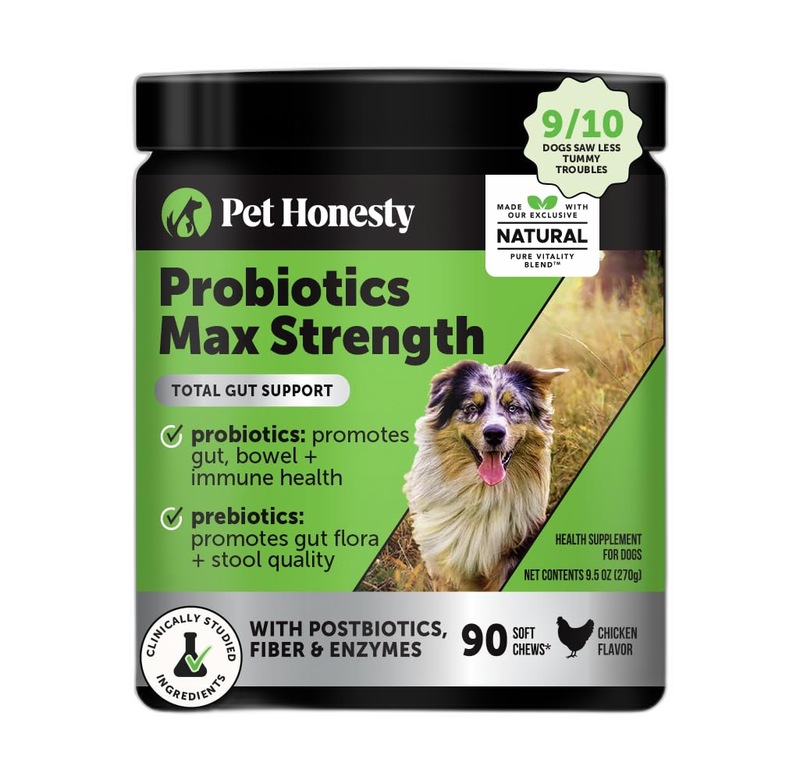
PetHonesty Digestive Probiotics MAX Strength for Dogs
PetHonesty
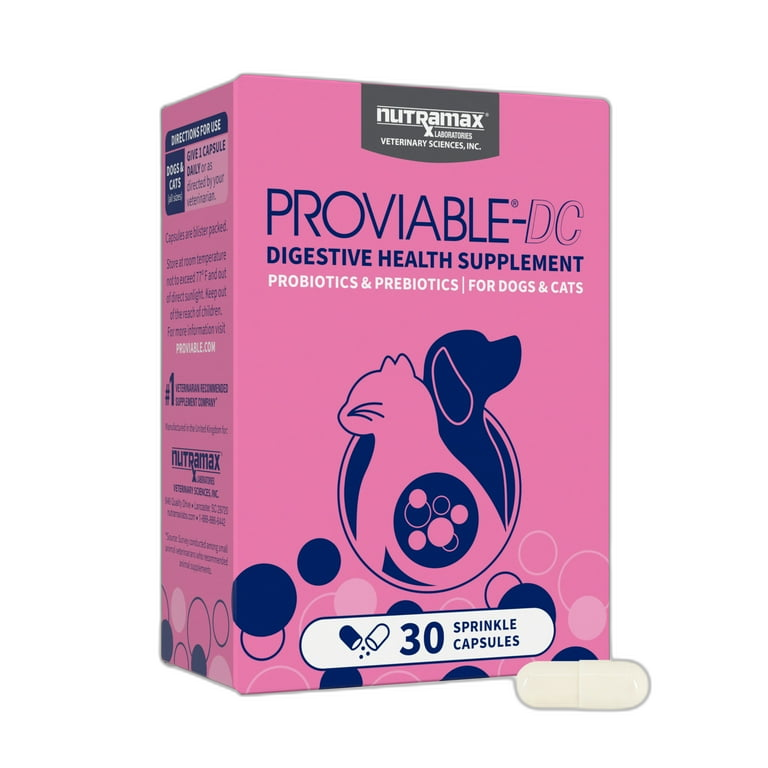
Nutramax Proviable-DC Digestive Health Supplement for Dogs & Cats
Nutramax Laboratories
Nutramax Proviable-DC Digestive Health Supplement for Dogs and Cats
Nutramax
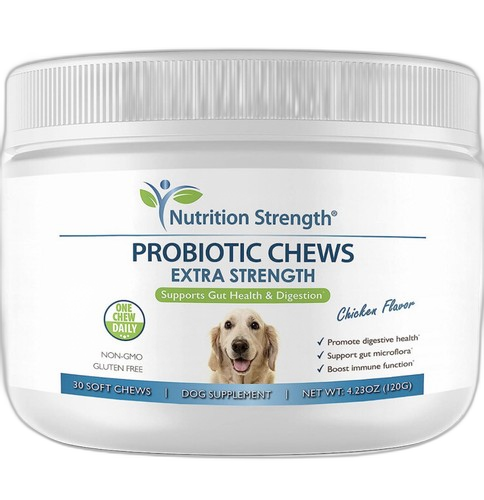
Nutrition Strength Probiotics for Dogs
Nutrition Strength