Prebiotic Fiber
prebiotic
Prebiotic fiber is increasingly recognized in veterinary medicine, especially as research into the gut microbiome advances. These non-digestible fibers specifically encourage the growth and activity of beneficial bacteria already present in a pet's digestive system. Unlike probiotics, which introduce live microorganisms, prebiotics essentially act as "food" for these good bacteria, helping them flourish and potentially outcompete harmful populations. This article explores the science, applications, and considerations for using prebiotic fiber in pet diets.
What Are Prebiotics for Dogs?
Prebiotics are a specialized subset of dietary fiber. Not all fiber is prebiotic; to qualify, a fiber must resist digestion in the upper gastrointestinal tract, be fermented by beneficial gut bacteria, and selectively stimulate the growth and activity of these beneficial bacteria. For dogs, common prebiotics include fructans (like inulin and fructooligosaccharides, or FOS), galactooligosaccharides (GOS), and mannanoligosaccharides (MOS).
When a dog consumes a prebiotic fiber, it travels undigested to the large intestine. There, resident beneficial bacteria, such as Bifidobacterium and Lactobacillus species, ferment the prebiotic. This fermentation process produces short-chain fatty acids (SCFAs) like butyrate, acetate, and propionate. These SCFAs are crucial for gut health; they provide energy for colon cells, help maintain the integrity of the gut barrier, and possess anti-inflammatory properties.
The practical implications of this process are varied. A healthy gut microbiome, supported by prebiotics, can contribute to improved stool quality, enhanced nutrient absorption, and a stronger immune system. For instance, a dog with occasional loose stools might benefit from prebiotics that help balance the gut flora. However, it's not a universal solution for all digestive issues. Dogs with severe gastrointestinal diseases may require a more targeted approach, and in some cases, excessive prebiotic intake can lead to gas or discomfort, particularly if introduced too quickly or at high doses. The goal is to support the existing beneficial bacteria, not to overwhelm the system.
Consider a scenario where a dog has recently finished a course of antibiotics. Antibiotics, while necessary, can disrupt the gut microbiome by killing off beneficial bacteria alongside the harmful ones. Introducing a prebiotic fiber supplement in such a case could help re-establish a healthy bacterial balance by providing a preferential food source for the surviving good bacteria, aiding in their recovery and proliferation.
FortiFlora PRO Synbiotic Action Canine Health Supplement
FortiFlora PRO Synbiotic Action is a product that combines both prebiotics and probiotics, making it a "synbiotic" supplement. Its core idea is to deliver live beneficial bacteria (probiotics) along with a food source (prebiotics) to help those bacteria establish and thrive in the gut. For dogs, this particular formulation typically includes Enterococcus faecium SF68, a well-researched probiotic strain, and a proprietary blend of prebiotics.
The practical implications are that by supplying both components, the supplement aims for a more robust and sustained impact on gut health compared to using either element in isolation. The probiotic component helps to populate the gut with beneficial microbes, while the prebiotic component ensures these microbes have the necessary fuel to grow and multiply. This can be particularly useful for dogs experiencing stress-related digestive upset, dietary changes, or those recovering from illness or antibiotic treatment.
However, trade-offs exist. As a combined product, it might not offer the highest dose of a specific prebiotic type if that's the primary target. Also, the effectiveness can vary depending on the individual dog's existing microbiome and the specific digestive challenge. For instance, a dog with a severe fiber deficiency might benefit more from a dedicated fiber supplement, while one needing a strong probiotic boost might need a product with a higher CFU count of live bacteria.
A concrete example: A dog that frequently experiences diarrhea due to anxiety during travel might benefit from FortiFlora PRO. The probiotic component could help stabilize the gut flora under stress, and the prebiotic would support this stabilization, potentially leading to firmer stools and reduced digestive upset. The convenience of a single product providing both elements can be appealing for pet owners.
6 Natural Prebiotics For Dogs: Why Probiotics Aren't Enough!
The assertion that probiotics aren't enough highlights an important distinction: without the right environment and food source, even the best probiotic strains might struggle to establish themselves long-term. Natural prebiotics derived from whole foods can play a crucial role in creating a hospitable environment for beneficial gut bacteria.
Here are six natural sources of prebiotics for dogs:
The practical implications are that incorporating these foods into a dog's diet can naturally support gut flora without always needing a commercial supplement. The trade-off is often consistency and precise dosing. It's harder to measure the exact prebiotic content from whole foods compared to a standardized supplement. Also, some dogs might not tolerate certain foods well, leading to digestive upset if introduced too quickly or in large quantities.
For example, if you have a dog with a generally robust digestive system but you want to proactively support their gut health, adding a small amount of cooked, pureed chicory root or a few dandelion greens to their meal a few times a week could be a gentle way to provide prebiotic support. However, for a dog with a sensitive stomach or ongoing digestive issues, a commercial prebiotic fiber supplement might offer more predictable results and easier dosage control.
Proviable Fiber Powder for Dogs and Cats
Proviable Fiber Powder is another example of a synbiotic supplement, specifically designed for both dogs and cats. The product typically contains a multi-strain probiotic blend along with a prebiotic fiber, often FOS (fructooligosaccharides). Its primary aim is to support gastrointestinal health, particularly during times of stress, dietary changes, or antibiotic therapy.
The core idea behind Proviable Fiber is similar to other synbiotics: provide beneficial live bacteria and the fuel they need to thrive. The inclusion of FOS as a prebiotic is significant because FOS is a well-researched prebiotic that selectively promotes the growth of beneficial Bifidobacterium and Lactobacillus species without significantly feeding potentially harmful bacteria. This selective fermentation is a hallmark of effective prebiotics.
Practical implications include its use in managing acute or chronic diarrhea, improving stool consistency, and helping to maintain a balanced gut microbiome. Because it's a powder, it can be easily mixed into wet or dry food, making administration straightforward for most pets.
A key trade-off is that while FOS is an excellent prebiotic, it's just one type. Some pets might benefit from a broader spectrum of prebiotics. Also, as with any supplement, some animals may experience mild gas or bloating, especially when first introduced. It's crucial to follow the dosing instructions carefully and introduce it gradually.
Consider a cat that frequently experiences hairball-related constipation. While not solely a prebiotic issue, supporting overall gut motility and health with a product like Proviable Fiber could be beneficial. The prebiotic component helps maintain a healthy bacterial balance which, in turn, supports normal digestive function and potentially aids in the passage of hair through the digestive tract. Similarly, a dog prone to stress colitis during boarding might respond well to Proviable Fiber, helping to stabilize their gut flora during a stressful period.
A Novel Prebiotic Fibre Blend Supports the Gastrointestinal ...
Veterinary research into "novel prebiotic fiber blends" signifies a move beyond single-ingredient prebiotics towards more complex formulations. The underlying principle is that different types of prebiotics can support different beneficial bacterial populations or offer complementary benefits. A blend might combine, for instance, FOS, MOS, and perhaps some psyllium or beet pulp, each contributing distinct fermentable properties.
The core idea is to create a more comprehensive and resilient gut environment. By providing a variety of fermentable fibers, a novel blend aims to nourish a broader spectrum of beneficial gut bacteria, leading to a more diverse and stable microbiome. This diversity is often linked to better overall gut health and resilience against dysbiosis (an imbalance in gut flora).
Practical implications often revolve around addressing more complex or persistent digestive issues. For dogs with chronic enteropathies or those requiring long-term gut support, a multi-component prebiotic blend might offer advantages over a single-source prebiotic. The idea is to target multiple pathways of gut health improvement.
However, the trade-off can be complexity in understanding which specific components are most beneficial for an individual pet. Also, proprietary blends often don't disclose the exact ratios or types of every fiber, making it harder to assess their precise impact. It also requires more rigorous research to demonstrate the of the blend compared to individual components.
For example, a study might investigate a blend combining inulin (which targets Bifidobacterium) with MOS (which can modulate immune responses and help bind pathogens). Such a blend could be particularly beneficial for a dog with recurrent digestive upset and a potentially compromised immune system, offering both direct gut support and broader immune modulation. The research in this area often focuses on demonstrating improved stool quality, reduced inflammatory markers, and enhanced immune function in the study subjects.
Prebiotics for dogs: What are they and how can they help your ...
This prompt broadly covers the essential questions pet owners have about prebiotics for dogs. We've established that prebiotics are non-digestible fibers that selectively feed beneficial gut bacteria. Now, let's consolidate how they can help.
How Prebiotics Help Dogs:
- Improved Digestion and Nutrient Absorption: By fostering a healthy balance of gut bacteria, prebiotics aid in the breakdown of food and the absorption of vital nutrients. A well-functioning microbiome contributes to a more efficient digestive process.
- Enhanced Stool Quality: A common benefit observed with prebiotic supplementation is improved stool consistency. Prebiotics can help firm up loose stools or soften hard stools, leading to more regular and healthy bowel movements. This is particularly relevant for dogs with occasional constipation or diarrhea.
- Stronger Immune System: A significant portion of the immune system resides in the gut. A healthy gut microbiome, supported by prebiotics, contributes to a robust immune response. The short-chain fatty acids produced during prebiotic fermentation have immunomodulatory effects, helping the body defend against pathogens.
- Reduced Inflammation: SCFAs, especially butyrate, are known for their anti-inflammatory properties. By promoting SCFA production, prebiotics can help reduce inflammation within the gut lining, which is beneficial for dogs with inflammatory bowel conditions or general gut sensitivity.
- Behavioral Impact: Emerging research suggests a gut-brain axis, where gut health can influence mood and behavior. While more studies are needed in dogs, a balanced microbiome might indirectly contribute to overall well-being and potentially reduce anxiety or stress-related behaviors.
- Support During Stress: Events like boarding, travel, or changes in routine can stress a dog's digestive system. Prebiotics can help maintain gut stability during these periods, reducing the likelihood of digestive upset.
What to Look For in a Prebiotic Supplement:
When considering a prebiotic fiber supplement for your dog, look for:
- Specific Prebiotic Types: Ingredients like FOS (fructooligosaccharides), GOS (galactooligosaccharides), MOS (mannanoligosaccharides), inulin, or chicory root extract are good indicators.
- Veterinary Approval/Formulation: Products formulated by veterinary nutritionists or backed by clinical research are generally more reliable.
- Clear Dosing Instructions: Reputable products will provide clear, weight-based dosing guidelines.
- Purity and Quality: Choose products free from unnecessary fillers, artificial colors, or preservatives.
- No Harmful Ingredients: Ensure the supplement doesn't contain ingredients known to be toxic to dogs (e.g., xylitol).
Dosing Considerations:
Dosing prebiotic fiber for dogs is not a one-size-fits-all approach. It depends on the specific prebiotic type, the concentration in the product, and the individual dog's size and sensitivity.
- Start Low, Go Slow: Always begin with a lower dose than recommended and gradually increase it over several days or a week. This allows the dog's digestive system to adjust and minimizes the risk of gas, bloating, or diarrhea.
- Follow Product Instructions: Adhere strictly to the manufacturer's dosing guidelines, which are usually based on pet weight.
- Consult Your Veterinarian: Before introducing any new supplement, especially for pets with existing health conditions or those on medication, consult your veterinarian. They can provide tailored advice and help identify the most appropriate prebiotic and dosage for your dog's specific needs.
- Observe Your Pet: Monitor your dog closely for any changes in stool quality, appetite, or comfort level. If adverse effects occur, reduce the dose or discontinue use and consult your vet.
For most common prebiotics like FOS or inulin, typical maintenance doses in dogs might range from 1 to 5 grams per day, but this can vary significantly. For instance, a small dog might only need 0.5-1 gram, while a large dog might tolerate 3-5 grams. The key is gradual introduction.
Prebiotic Fiber Comparison Table for Dogs
| Prebiotic Type | Primary Source(s) | Key Benefits | Potential Trade-offs | Common Use Cases |
|---|---|---|---|---|
| Fructooligosaccharides (FOS) | Chicory root, Jerusalem artichoke, bananas | Selectively feeds Bifidobacterium, improves mineral absorption, aids digestion | Can cause gas/bloating if over-dosed or introduced too quickly | General gut health, post-antibiotic support, mild digestive upset |
| Inulin | Chicory root, dandelion greens, asparagus | Similar to FOS, strong Bifidobacterium promoter, can improve stool consistency | Higher risk of gas/bloating at higher doses | Chronic constipation, supporting gut flora, immune modulation |
| Mannanoligosaccharides (MOS) | Yeast cell walls | Binds to pathogens preventing attachment, modulates immune response, supports gut | Less direct fermentation for SCFA production | Immune support, managing intestinal pathogens, puppies/kittens with developing guts |
| Galactooligosaccharides (GOS) | Lactose-derived | Feeds Bifidobacterium and Lactobacillus, supports gut barrier function | Less common in pet supplements, potential for dairy sensitivity | Infant formula (human), emerging in pet health for balanced microbiome support |
| Resistant Starch | Green bananas, cooked/cooled potatoes, oats | Produces butyrate (energy for colon cells), supports gut barrier, diverse fermentation | Can be energy-dense, may cause gas if too much is added | Supporting colon health, long-term gut maintenance, energy source for gut cells |
This table offers a snapshot, but the world of prebiotics is complex, with ongoing research revealing new insights into their specific effects on canine and feline microbiomes.
Frequently Asked Questions
Is prebiotic fiber good for dogs?
Yes, prebiotic fiber can be very good for dogs. It helps to nourish and selectively stimulate the growth of beneficial bacteria in their gut. This can lead to improved digestion, better stool quality, enhanced nutrient absorption, and a stronger immune system. However, it's important to introduce prebiotics gradually and in appropriate doses to avoid potential side effects like gas or discomfort.
What is the best prebiotic for a dog?
There isn't a single "best" prebiotic for every dog, as the ideal choice can depend on individual needs, existing health conditions, and the specific goals of supplementation. Commonly recommended and well-researched prebiotics for dogs include fructooligosaccharides (FOS) and inulin, often derived from chicory root. Mannanoligosaccharides (MOS) are also beneficial for immune modulation. For some dogs, a blend of different prebiotics might offer a more comprehensive approach. Consulting with a veterinarian can help determine the most suitable prebiotic for your dog.
What is the one meat to never feed a dog?
While not directly related to prebiotics, the question of what meat to never feed a dog is important for overall pet health. The most commonly cited meat to strictly avoid feeding dogs is raw or undercooked pork. While some raw feeding advocates might disagree, raw pork can carry the risk of trichinosis (a parasitic infection) and Aujeszky's disease (pseudorabies virus), which is often fatal to dogs. While commercial pork is generally safer than wild pork, cooking pork thoroughly eliminates these risks. Beyond pork, any meat that is spoiled, heavily seasoned, or contains bones that can splinter should also be avoided.
Conclusion
Prebiotic fiber represents a valuable tool in supporting the digestive health of dogs and cats. By providing essential nourishment for beneficial gut bacteria, prebiotics contribute to a balanced microbiome, which in turn impacts digestion, immunity, and overall well-being. Whether sourced from natural foods or commercial supplements, understanding the specific types of prebiotics, their intended effects, and proper dosing is crucial. For pet owners seeking to proactively support their pet's gut health or address mild digestive issues, exploring prebiotic fiber options, always in consultation with a veterinarian, can be a beneficial next step. The goal is to foster a thriving internal ecosystem, leading to a healthier, happier pet.
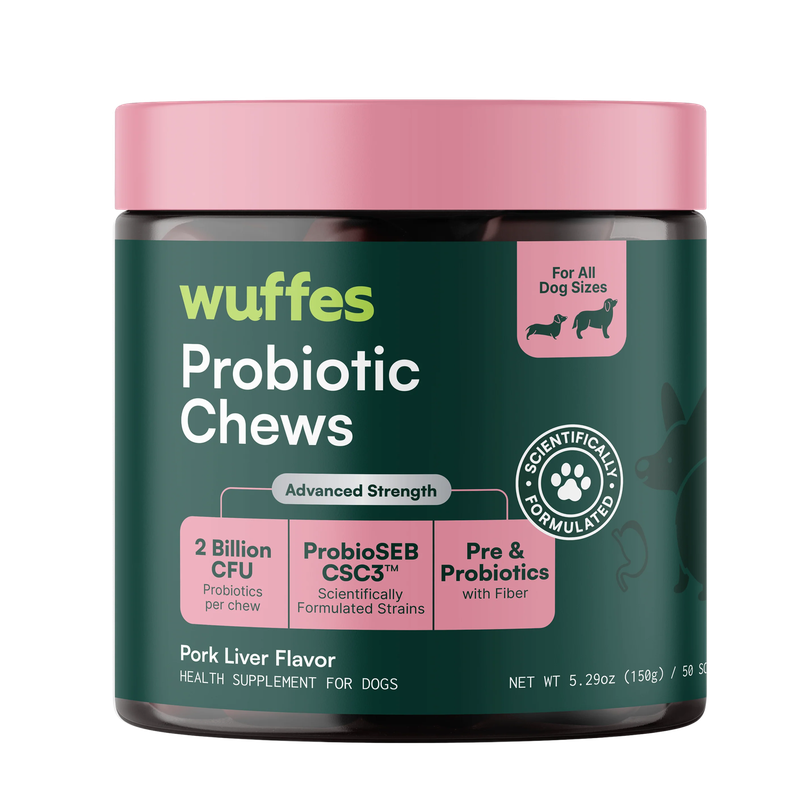
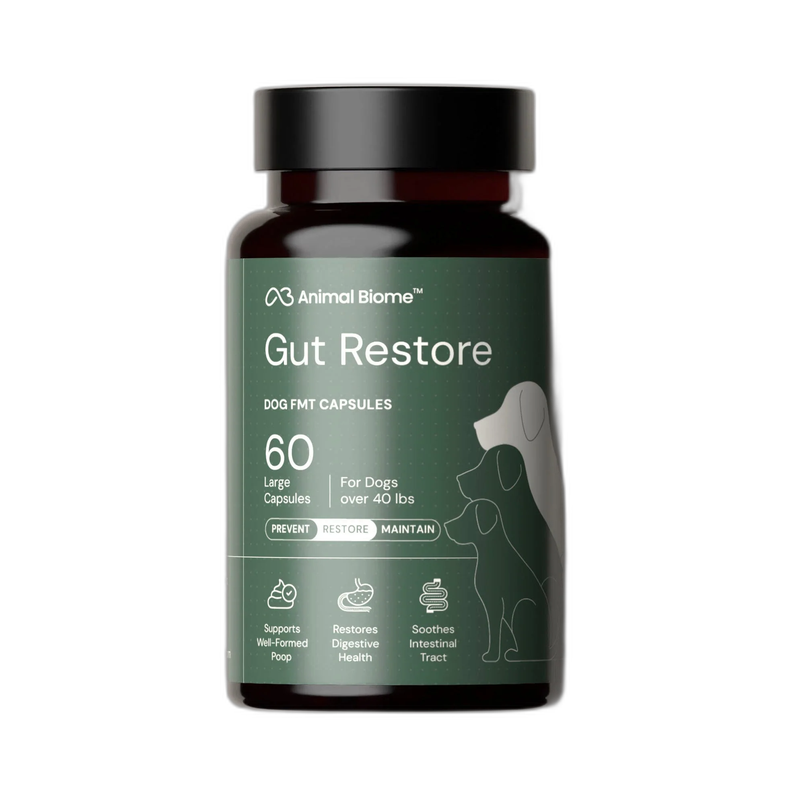
Products Containing Prebiotic Fiber
Top-rated supplements featuring this ingredient, ranked by our PSI+ score.