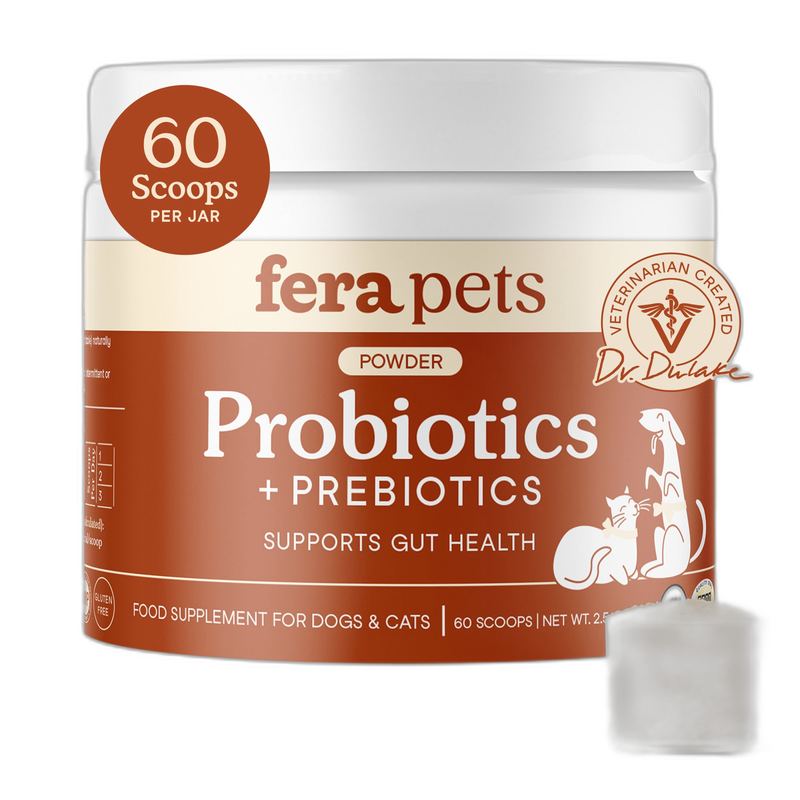
Organic Inulin (Prebiotic)
prebiotic
For many pet owners, understanding the nuances of their animal's diet and supplement regimen can feel complex. This guide focuses on organic inulin, a type of prebiotic, and its role in dog and cat supplements. We'll explore what organic inulin is, how it functions in a pet's digestive system, and what current research suggests about its safety and benefits, offering a practical, evidence-based perspective for those considering this ingredient.
Inulin For Dogs: Everything You Need to Know
Inulin is a naturally occurring polysaccharide, a type of carbohydrate, found in a wide variety of plants. As a prebiotic, it's not digested in the upper gastrointestinal tract of dogs or cats. Instead, it travels to the colon where it selectively ferments, providing nourishment for beneficial gut bacteria, such as Bifidobacteria and Lactobacilli. This process helps to promote a balanced and diverse gut microbiome, which is crucial for overall digestive health and immune function.
When we talk about "organic inulin," it simply means the source plants were grown and processed according to organic farming standards. This often translates to cultivation without synthetic pesticides, herbicides, or genetically modified organisms (GMOs). For pet owners concerned about ingredient sourcing and purity, organic certification can offer an additional layer of reassurance.
The practical implications of including organic inulin (prebiotic) for dogs in their diet primarily revolve around digestive support. For instance, a dog experiencing mild, occasional digestive upset, such as inconsistent stool quality, might benefit from a prebiotic like inulin. It's not a cure-all for severe gastrointestinal diseases but rather a tool to support a healthy gut environment. Anecdotal reports often highlight improved stool consistency and reduced flatulence in pets receiving appropriate prebiotic supplementation.
However, there are trade-offs to consider when introducing inulin. While beneficial for many dogs, some, particularly those with sensitive digestive systems, might initially experience mild gas or bloating. This is usually temporary and often resolves as their gut microbiome adjusts. Starting with a very small dose and gradually increasing it can help mitigate these initial reactions. Dogs with diagnosed conditions like Small Intestinal Bacterial Overgrowth (SIBO) might require careful veterinary guidance, as increased fermentation in the colon could potentially exacerbate symptoms depending on the specific bacterial imbalances present.
Consider a scenario where a healthy, adult Labrador Retriever occasionally experiences loose stools after a stressful event, like boarding. Introducing a small, consistent dose of organic inulin (prebiotic) for dogs in their daily food could help fortify their gut microbiome, making it more resilient to such stressors. This isn't about treating an acute issue, but rather building a stronger foundation for digestive health.
KOS Organic Inulin Powder, Unflavored & Unsweetened ... For organic inulin (prebiotic) for dogs
Product-specific examples, like KOS Organic Inulin Powder, highlight several key aspects relevant to pet owners considering organic inulin (prebiotic) supplements. Such products are typically unflavored and unsweetened, making them easier to integrate into a pet's existing diet without adding undesirable ingredients or artificial flavors. This is particularly important for pets with finicky appetites or specific dietary restrictions.
The core idea here is the versatility and purity of a standalone organic inulin powder. Unlike a multi-ingredient supplement, a pure inulin powder allows pet owners to control the exact dosage and avoid other ingredients that their pet might not need or tolerate. This is especially useful for pets with known sensitivities or allergies to common supplement additives.
Practical implications include the ease of administration. A powder can be mixed directly into wet food, sprinkled over kibble (perhaps moistened slightly to help it adhere), or even mixed with a small amount of water or broth. The "unflavored" aspect is critical; dogs and cats often detect artificial flavors or strong odors, which can lead to refusal. An unsweetened product also aligns with the understanding that added sugars are generally detrimental to pet health.
A trade-off with standalone powders compared to chews or pre-mixed foods is the responsibility for accurate dosing. Pet owners must measure the powder carefully, often using small measuring spoons provided with the product or a kitchen scale for precision. Overdosing, especially initially, can lead to the aforementioned digestive upset.
For example, a cat owner whose feline friend has chronic, mild constipation might find a pure organic inulin powder a suitable option. Cats can be notoriously particular about new tastes or textures. An unflavored powder, introduced gradually, might be more readily accepted than a flavored chew or a new type of food. The owner can start with a tiny pinch and slowly increase it over days or weeks, monitoring for any changes in stool consistency or behavior.
Organic Inulin in Dog Food for organic inulin (prebiotic) for dogs
The inclusion of organic inulin directly in dog food represents a more integrated approach to providing prebiotic support. Many premium and "gut-health focused" pet food brands now incorporate prebiotics like inulin into their formulations. The core idea is to provide continuous, low-level prebiotic support as part of a complete and balanced diet, rather than relying on separate supplementation.
The practical implications of inulin in dog food are convenience and consistency. Pet owners don't need to remember to add an extra supplement; the prebiotic is already part of every meal. This can be particularly beneficial for busy individuals or those who prefer a simpler feeding routine. Furthermore, food manufacturers typically formulate these diets with appropriate inulin levels, aiming for a consistent benefit without causing digestive upset.
However, there are trade-offs to consider. When inulin is already in dog food, pet owners have less control over the precise dosage. If a dog shows digestive sensitivity to inulin, or if a vet suggests a specific prebiotic dose for a health issue, changing foods or adding a separate supplement might be necessary to adjust levels. It also becomes harder to pinpoint inulin's effects when a dog's food contains many other "beneficial" ingredients.
An edge case might be a dog with a highly specialized diet due to allergies or other health conditions. If their prescribed therapeutic diet does not contain inulin, adding a separate organic inulin (prebiotic) for dogs supplement would be more appropriate than trying to find an inulin-fortified version of their specific prescription food.
Consider a scenario where a large breed puppy is transitioning from puppy food to adult food. Many puppy foods contain prebiotics to support a developing gut microbiome. If the chosen adult food also includes organic inulin, it can provide a smoother transition and continued digestive support, potentially reducing the likelihood of gastrointestinal upset during this dietary change. This approach leverages the consistent intake of inulin to maintain gut health proactively.
Inulin in Dog Diets: Is It Safe and Beneficial? - Boosie Pet Foods for organic inulin (prebiotic) for dogs
The safety and benefits of inulin in dog diets are central concerns for pet owners. Current research and veterinary consensus generally support the use of inulin as a safe and beneficial prebiotic for dogs when administered appropriately.
The core idea here is that inulin's primary benefit stems from its selective fermentation by beneficial gut bacteria. This fermentation produces short-chain fatty acids (SCFAs) like acetate, propionate, and butyrate. Butyrate, in particular, is a crucial energy source for colonocytes (cells lining the colon) and plays a significant role in maintaining gut barrier integrity and reducing inflammation. A healthier gut barrier can prevent toxins and pathogens from entering the bloodstream, contributing to overall health.
Regarding safety, studies have shown that inulin is well-tolerated by most dogs within recommended dosage ranges. The primary side effects, when they occur, are typically mild and dose-dependent, including gas, bloating, and loose stools. These usually arise from introducing too much too quickly or from individual sensitivity. The "organic" aspect further enhances safety perceptions for some owners by implying a reduced exposure to synthetic chemicals.
Beneficial effects extend beyond just improved stool quality. A balanced gut microbiome, supported by prebiotics like inulin, is increasingly linked to:
- Enhanced nutrient absorption: A healthy gut can more efficiently absorb vitamins, minerals, and other essential nutrients.
- Immune system modulation: A significant portion of the immune system resides in the gut. A healthy microbiome helps train and regulate immune responses.
- Reduced inflammation: SCFAs, especially butyrate, have anti-inflammatory properties that can benefit the gut lining and potentially systemic health.
- Weight management: Some research in humans suggests prebiotics can influence satiety hormones, an area still being explored in pets.
Trade-offs involve managing expectations. Inulin is a supportive ingredient, not a standalone treatment for severe diseases. For instance, a dog with inflammatory bowel disease (IBD) might benefit from inulin as part of a broader veterinary treatment plan, but inulin alone won't cure IBD. Similarly, while it can help with mild constipation, it's not a substitute for addressing underlying causes of severe or chronic constipation.
A concrete example of its benefit could be an older dog with a less robust digestive system. As pets age, their gut microbiome can shift, sometimes becoming less diverse. Supplementing with organic inulin (prebiotic) for dogs could help maintain a healthier microbial balance, potentially leading to better digestion, improved nutrient uptake, and a more resilient immune system as they age.
Petfood Applications of Inulin and Oligofructose for organic inulin (prebiotic) for dogs
Delving deeper into pet food applications, inulin often appears alongside or in combination with fructooligosaccharides (FOS) and other oligofructose derivatives. While all are prebiotics, they differ slightly in their chain length and fermentation characteristics.
The core idea here is that pet food manufacturers often use a combination of prebiotics to achieve a more diverse and sustained fermentation effect throughout the colon. Inulin, being a longer-chain fructan, ferments more slowly and reaches the distal (further) parts of the colon, while FOS, with shorter chains, ferments more quickly in the proximal (closer) colon. This provides a broader range of beneficial bacteria with nourishment.
Practical applications in pet food are diverse. Beyond supporting general gut health, inulin and oligofructose are also used for:
- Palatability enhancement: While primarily functional, some studies suggest that certain prebiotics can subtly enhance the palatability of pet foods.
- Texture modification: In some formulations, these fibers can contribute to the texture of kibble or wet food.
- Stool quality improvement: This remains a primary driver, aiming for well-formed, consistent stools that are easier to clean up.
Trade-offs arise when these ingredients are used primarily for their functional properties without clear communication to the consumer. A pet food might boast "added prebiotics" but contain minimal amounts, or the type and quantity might not be optimal for a specific pet's needs. This is where researching specific brands and their ingredient levels becomes important.
An edge case involves pets with very specific dietary needs, such as those requiring low-FODMAP (Fermentable Oligo-, Di-, Mono-saccharides And Polyols) diets. While inulin is a FODMAP, for most healthy pets, its inclusion is beneficial. However, for a pet with a diagnosed condition that benefits from a low-FODMAP approach, inulin-containing foods or supplements would need to be avoided or used with caution under veterinary guidance.
Consider a scenario where a commercial pet food advertises "digestive support" and lists organic inulin (prebiotic) for dogs among its ingredients. This suggests a targeted approach to gut health. For a pet owner seeking a convenient way to provide ongoing prebiotic benefits, such a food could be a suitable choice, especially if their pet thrives on that particular formulation and shows no signs of digestive intolerance.
Prebiotics for dogs: What are they and how can they help your ... For organic inulin (prebiotic) for dogs
To fully understand organic inulin (prebiotic) for dogs, it’s helpful to place it within the broader category of prebiotics. Prebiotics are non-digestible food ingredients that selectively stimulate the growth and/or activity of a limited number of beneficial bacteria in the colon, thereby improving host health. This definition highlights key characteristics: non-digestible, selective, and beneficial to the host.
The core idea is that prebiotics are distinct from probiotics. Probiotics are live microorganisms that, when administered in adequate amounts, confer a health benefit on the host. Prebiotics, on the other hand, are the "food" that helps these beneficial microbes (and the ones already present in the gut) to flourish. Think of probiotics as planting beneficial seeds, and prebiotics as fertilizing the soil.
How can prebiotics, including organic inulin, help your dog or cat?
Practical implications for pet owners involve recognizing the signs of an unbalanced gut, such as chronic soft stools, excessive gas, or recurrent anal gland issues. While not every issue points to a prebiotic deficiency, these can be indicators that gut support might be beneficial.
A trade-off is that not all prebiotics are created equal, and not all pets respond the same way. While inulin is a well-researched and common prebiotic, others include FOS, MOS (mannan-oligosaccharides), and GOS (galactooligosaccharides). A pet that doesn't seem to respond to inulin might benefit from a different type of prebiotic or a combination. The "organic" designation for inulin speaks to the sourcing and processing standards, which some owners prioritize for perceived purity and environmental reasons.
Consider a rescue cat with a history of stress-induced diarrhea. After veterinary assessment rules out underlying medical conditions, incorporating organic inulin (prebiotic) for dogs into their diet could be a supportive measure. By strengthening their gut microbiome, it might help their digestive system cope better with stress, leading to more consistent stool quality and improved overall comfort.
Comparative Overview: Inulin in Pet Products
To summarize the various ways organic inulin (prebiotic) can be offered to pets, here's a comparative table:
| Feature | Standalone Organic Inulin Powder (e.g., KOS) | Dog Food with Organic Inulin | Multi-Ingredient Probiotic/Prebiotic Supplement |
|---|---|---|---|
| Control over Dosage | High (owner measures) | Low (fixed in food) | Moderate (fixed in supplement, but adjustable) |
| Ingredient Purity | Very High (often 100% inulin) | Varies (part of larger formula) | Varies (contains other active/inactive ingredients) |
| Ease of Administration | Moderate (requires mixing/measuring) | High (part of regular meal) | High (chew, capsule, or powder) |
| Cost | Generally lower per serving of pure inulin | Incorporated into food cost | Varies, often higher per dose due to other ingredients |
| Target Use Case | Precise dosing, sensitive pets, specific needs | General gut maintenance | Comprehensive gut support, specific issues |
| Potential Drawbacks | Initial measuring effort, potential for initial gas/bloating if overdosed | Less flexibility, harder to isolate effects | May contain unnecessary ingredients, higher cost |
This table illustrates that the "best" option for delivering organic inulin (prebiotic) for dogs or cats depends heavily on individual pet needs, owner preferences, and specific health goals.
FAQ
What is a good natural prebiotic for dogs?
Several natural prebiotics are beneficial for dogs. Organic inulin, derived from sources like chicory root, Jerusalem artichoke, or agave, is a well-regarded option. Other natural sources include FOS (fructooligosaccharides), found in foods like bananas, asparagus, and onions (though onions are toxic to dogs, so direct feeding is not recommended; it's the isolated FOS that's used). MOS (mannan-oligosaccharides) derived from yeast cell walls, and GOS (galactooligosaccharides) from legumes, are also used. For a direct supplement, organic inulin powder is a common and effective choice.
What is the one meat to never feed a dog?
While the question is outside the immediate scope of prebiotics, it's important for overall pet health. There isn't one universal "never feed" meat for all dogs, as individual sensitivities vary. However, highly processed meats, especially those high in sodium, nitrates, or artificial additives (like some deli meats, hot dogs, or bacon), should be avoided or given only in very small, infrequent amounts. Raw pork is also sometimes cautioned against due to potential parasitic risks (e.g., Trichinella), though modern farming practices have reduced this concern. Always ensure meat is cooked thoroughly, unseasoned, and free of bones that can splinter.
Is inulin a good prebiotic for dogs?
Yes, inulin is generally considered a good prebiotic for dogs. It functions by selectively feeding beneficial gut bacteria, leading to the production of short-chain fatty acids (SCFAs) that support gut health, immune function, and nutrient absorption. When introduced gradually and in appropriate dosages, organic inulin (prebiotic) for dogs can contribute to improved stool quality, reduced digestive upset, and a more balanced gut microbiome. As with any supplement, consulting with a veterinarian is advisable, especially for pets with pre-existing health conditions.
Conclusion
Organic inulin (prebiotic) stands out as a valuable tool for supporting the digestive and overall health of dogs and cats. By acting as a nutrient source for beneficial gut bacteria, it contributes to a balanced microbiome, which in turn can lead to improved stool quality, enhanced immunity, and better nutrient absorption. Whether integrated into pet food, offered as a standalone powder, or part of a multi-ingredient supplement, the "organic" designation provides an additional layer of assurance for many conscientious pet owners. While generally safe and beneficial, gradual introduction and appropriate dosing are key to avoiding initial digestive upset. For pet owners seeking to proactively support their animal's gut health, organic inulin represents a well-researched and accessible option worth considering, ideally in consultation with a veterinarian to tailor the approach to their pet's specific needs.
Products Containing Organic Inulin (Prebiotic)
Top-rated supplements featuring this ingredient, ranked by our PSI+ score.