Fructooligosaccharides (FOS)
prebiotic
Fructooligosaccharides (FOS) are a type of carbohydrate, specifically a prebiotic fiber, that can influence the gut health of pets, including dogs and cats. As a supplement, FOS is primarily used to support the beneficial bacteria within the digestive tract, aiming to improve overall gut function and nutrient absorption. Understanding how FOS works, its appropriate dosage, and its potential effects is crucial for pet owners considering this addition to their animal's diet. This guide explores the practical application of FOS in pet supplements, examining its benefits, potential considerations, and how it compares to other digestive aids.
Fructooligosaccharides for Dogs: Benefits and Considerations
FOS is a non-digestible carbohydrate. This means that unlike other sugars, it isn't broken down by the digestive enzymes in a dog's stomach or small intestine. Instead, it passes largely intact into the large intestine, where it becomes a food source for beneficial gut bacteria, primarily Bifidobacteria and Lactobacilli. This process is known as a prebiotic effect.
The primary benefit of FOS for dogs stems from this selective feeding of beneficial bacteria. When these good bacteria thrive, they can:
- Improve Digestion: A balanced gut microbiome contributes to more efficient digestion and nutrient absorption. This can manifest as firmer stools and reduced instances of digestive upset like diarrhea or constipation.
- Enhance Immune Function: A significant portion of the immune system resides in the gut. By promoting a healthy bacterial balance, FOS may indirectly support a dog's immune response.
- Produce Short-Chain Fatty Acids (SCFAs): As beneficial bacteria ferment FOS, they produce SCFAs like butyrate, propionate, and acetate. These SCFAs serve as an energy source for the cells lining the colon, contributing to gut barrier integrity and overall colon health. Butyrate, in particular, is vital for colon cell function.
- Potentially Reduce Pathogenic Bacteria: By fostering the growth of beneficial bacteria, FOS can create an environment that is less hospitable to harmful bacteria, potentially reducing their numbers.
However, the use of FOS isn't without considerations. While generally well-tolerated, some dogs, particularly when starting FOS or receiving higher doses, might experience mild gastrointestinal upset. This can include:
- Gas (Flatulence): The fermentation process in the large intestine naturally produces gas. An increase in FOS can lead to more gas.
- Bloating: Similar to gas, bloating can occur as a result of increased fermentation.
- Loose Stools or Diarrhea: While FOS can help with diarrhea in some cases, an excessive amount can overstimulate the gut, leading to loose stools.
It's important to introduce FOS gradually and observe the dog's response. For instance, a dog prone to sensitive digestion might react more noticeably than one with a robust digestive system. The source of FOS can also play a role; some commercial dog foods or supplements might use different FOS concentrations or combinations with other fibers.
Fructooligosaccharides For Dogs: What A Vet Wants You to Know
Veterinarians often approach FOS as a tool to support gut health, particularly in specific scenarios. They would emphasize that FOS is a prebiotic, not a probiotic. While probiotics introduce live beneficial bacteria, prebiotics like FOS feed the existing beneficial bacteria. Both can be valuable, but their mechanisms differ.
A veterinarian's perspective would typically include:
- Targeted Use: FOS is often recommended for dogs experiencing mild, chronic digestive issues, recovering from antibiotic treatment (which can disrupt gut flora), or those with generally sensitive stomachs. It's not usually a first-line treatment for acute, severe digestive problems, which require a different diagnostic and therapeutic approach.
- Dosage Precision: Vets stress the importance of correct dosage based on the dog's weight and individual sensitivity. Overdosing can lead to the side effects mentioned previously. They might advise starting with a very low dose and slowly increasing it over several days or weeks.
- Product Quality: Not all FOS supplements are created equal. Veterinarians would likely recommend reputable brands that provide clear labeling of FOS concentration and purity. They might also suggest products that combine FOS with other beneficial ingredients, such as probiotics or digestive enzymes, if the dog's condition warrants it.
- : FOS is rarely seen as a standalone solution. A vet would likely consider a dog's entire diet, lifestyle, and underlying health conditions when recommending FOS. For example, a diet rich in highly digestible protein and appropriate fiber, combined with FOS, might be more effective than FOS alone.
- Monitoring and Adjustment: Regular observation of the dog's stool quality, energy levels, and overall demeanor is crucial. If digestive upset occurs, the vet would advise reducing the dose or temporarily stopping the supplement. If no improvement is seen after a reasonable period, they would explore other causes for the digestive issues.
- Avoiding Misinformation: Vets would want pet owners to understand that FOS is a supplement to support gut health, not a cure-all for all digestive ailments. Serious conditions like inflammatory bowel disease (IBD), pancreatic insufficiency, or severe food allergies require veterinary diagnosis and specific treatment protocols. Using FOS in these cases without veterinary guidance could delay appropriate care.
For example, a vet might suggest FOS for a senior dog whose digestion has become less efficient, or for a dog that frequently develops soft stools after stress, such as boarding. They would likely advise against giving FOS to a dog with a suspected bacterial overgrowth, as feeding any bacteria, even beneficial ones, could exacerbate the issue without proper diagnosis.
Influence of Dietary Protein and Fructooligosaccharides
The interaction between dietary protein and FOS is an area of ongoing research, particularly in animal nutrition. The type and amount of protein in a dog's diet can influence the gut microbiome, and FOS can, in turn, modulate these effects.
When dogs consume protein, some of it, particularly if it's poorly digestible or in excess, can reach the large intestine. There, it can be fermented by certain bacteria, sometimes producing potentially harmful byproducts like ammonia, indoles, and phenols. These compounds can contribute to unpleasant stool odor and potentially negatively impact gut health.
The role of FOS in this context is to:
- Shift Fermentation: By providing a readily fermentable carbohydrate source, FOS encourages beneficial bacteria to preferentially use FOS for energy rather than fermenting protein. This can reduce the production of undesirable protein fermentation byproducts.
- Improve Protein Digestion (Indirectly): A healthier gut microbiome, supported by FOS, can contribute to a more efficient digestive system overall. While FOS doesn't directly break down protein, its positive impact on the gut environment can indirectly support better nutrient utilization, including protein.
- Reduce Ammonia Production: Studies have suggested that FOS can help reduce ammonia concentrations in the gut. Ammonia is a toxic byproduct of protein metabolism that can be absorbed into the bloodstream. By reducing its production, FOS may contribute to overall health.
Consider a dog on a high-protein diet. If that dog also has a tendency towards loose stools or strong-smelling feces, adding FOS might help mitigate some of these issues by promoting a more balanced fermentation profile in the gut. The FOS essentially provides an alternative, beneficial energy source for the gut bacteria, diverting them from breaking down undigested protein in potentially less healthy ways.
However, it's not a simple equation. The quality of the protein matters significantly. Highly digestible protein sources are less likely to reach the large intestine undigested in large quantities. Therefore, while FOS can be beneficial, it doesn't compensate for a diet composed of low-quality, poorly digestible proteins. It works best in conjunction with a well-balanced diet.
Prebiotic FOS & MOS
When discussing prebiotics for pets, Fructooligosaccharides (FOS) often appear alongside Mannanoligosaccharides (MOS). While both are prebiotics, they function differently and offer distinct benefits. Understanding these differences helps in choosing the most appropriate supplement.
Fructooligosaccharides (FOS): As discussed, FOS is a chain of fructose units that selectively feeds beneficial bacteria like Bifidobacteria and Lactobacilli in the large intestine. Its primary action is to promote the growth of these specific bacteria, thereby improving the overall balance of the gut microbiome and leading to benefits such as improved digestion, nutrient absorption, and immune support.
Mannanoligosaccharides (MOS): MOS, derived from the cell walls of yeast (typically Saccharomyces cerevisiae), also acts as a prebiotic, but its mechanism of action is different. Instead of primarily feeding beneficial bacteria, MOS is thought to:
Bind to Pathogens: MOS has specific binding sites that can attach to the fimbriae (hair-like structures) of certain pathogenic bacteria, such as Salmonella and E. Coli*. By binding to these bacteria, MOS can prevent them from adhering to the intestinal wall, allowing them to be flushed out of the digestive system with feces.
- Modulate Immune Response: MOS is also believed to have immunomodulatory effects, potentially stimulating the gut-associated lymphoid tissue (GALT), which is a crucial part of the immune system.
Key Differences and Comparison:
| Feature | Fructooligosaccharides (FOS) | Mannanoligosaccharides (MOS) |
|---|---|---|
| Primary Mechanism | Feeds specific beneficial bacteria (e.g., Bifidobacteria) | Binds to pathogenic bacteria; immunomodulatory |
| Target Bacteria | Bifidobacteria, Lactobacilli | Pathogenic bacteria (e.g., Salmonella, E. Coli) |
| Source | Chicory root, Jerusalem artichoke, onions, bananas, etc. | Yeast cell walls (Saccharomyces cerevisiae) |
| Main Benefit | Promotes beneficial flora growth, improves digestion | Reduces pathogen adhesion, immune support |
| Usage Scenario | General gut health, improving stool quality, post-antibiotics | Reducing pathogen load, supporting immune system during stress or exposure |
Practical Implications:
- FOS for General Maintenance: If the goal is to simply support a healthy, balanced gut microbiome and improve general digestive function, FOS is often a suitable choice.
- MOS for Pathogen Control/Immune Support: If a pet is frequently exposed to environments where pathogens might be present (e.g., kennels, dog parks, raw feeding), or has a history of bacterial imbalances, MOS might offer more targeted support.
- Combined Approach: Many pet supplements combine FOS and MOS, aiming to leverage the distinct benefits of both. This "multi-prebiotic" approach can offer comprehensive gut support by both feeding beneficial bacteria and helping to manage potentially harmful ones.
For example, a dog recovering from a bout of diarrhea where a bacterial imbalance was suspected might benefit from a combination of FOS (to rebuild beneficial flora) and MOS (to help clear any remaining pathogens). A healthy dog receiving FOS alone might see improvements in stool consistency and overall vitality.
Fructooligosaccharides (FOS) Supplement Dosage and Safety for Pets
Determining the appropriate dosage of fructooligosaccharides (FOS) for pets, particularly dogs and cats, requires careful consideration. There isn't a universally fixed dose, as individual responses can vary based on factors such as:
- Pet Size and Weight: Larger animals generally require more FOS than smaller ones.
- Individual Sensitivity: Some pets are more prone to digestive upset with FOS than others.
- Current Health Status: A pet with an already compromised gut might need a slower introduction and lower initial dose.
- Concentration of FOS in the Product: Supplements vary in the percentage of FOS they contain.
General Dosage Guidelines (Approximate):
While specific recommendations should come from a veterinarian or the supplement manufacturer's instructions, a common starting point for FOS for dogs is often around 1 to 4 grams per day for medium to large dogs (around 25-75 lbs), and proportionately less for smaller dogs and cats.
- Small Dogs (under 20 lbs) and Cats: 0.5 to 1 gram per day
- Medium Dogs (20-50 lbs): 1 to 2 grams per day
- Large Dogs (50-100 lbs): 2 to 4 grams per day
- Giant Breeds (over 100 lbs): 4 to 6 grams per day
Key Considerations for Dosage and Administration:
Safety of FOS for Pets:
FOS is generally considered safe for healthy dogs and cats when administered at appropriate doses. It has a long history of use in both human and animal nutrition.
- Potential Side Effects: As mentioned, the most common side effects are mild gastrointestinal upset, including gas, bloating, and temporary loose stools. These are usually dose-dependent and resolve with a reduction in dosage.
- Allergies: While rare, an individual pet could theoretically have an allergy or sensitivity to FOS or the plant source it's derived from. Discontinue use if allergic reactions (e.g., hives, severe itching, vomiting) occur.
- Underlying Health Conditions: Pets with pre-existing severe gastrointestinal diseases (e.g., severe IBD, exocrine pancreatic insufficiency, small intestinal bacterial overgrowth (SIBO)) should only receive FOS under veterinary guidance. In some cases, FOS might not be suitable or could even worsen certain conditions. For instance, in SIBO, feeding any fermentable carbohydrate can inadvertently feed the overgrown bacteria in the small intestine, potentially exacerbating symptoms.
- Drug Interactions: There are no widely reported significant drug interactions with FOS. However, if your pet is on medication, especially for digestive issues, it's always prudent to consult your vet before adding any new supplement.
For example, a cat owner might start with 0.25 grams of FOS mixed into wet food daily. If the cat shows no adverse effects after three days, they might increase to 0.5 grams, and then to 1 gram over the next week, observing for firmer stools and improved appetite. If at any point the cat develops diarrhea, the owner would revert to the last well-tolerated dose.
Fructooligosaccharides in Dog Food
Many commercial dog foods, particularly those marketed for digestive health, sensitive stomachs, or overall wellness, include fructooligosaccharides (FOS) as an ingredient. Its inclusion is part of a broader trend in pet food formulation to support gut health through prebiotics and probiotics.
Why is FOS included in dog food?
- Enhance Digestibility: By promoting a healthy gut microbiome, FOS can indirectly contribute to better overall digestion and nutrient absorption from the food itself.
- Improve Stool Quality: A balanced gut often leads to more consistent, well-formed stools, which is a desirable outcome for pet owners.
- Support Immune System: Given the strong link between gut health and immunity, FOS is included to provide foundational support for the dog's immune defenses.
- Marketing and Consumer Demand: As awareness of gut health grows among pet owners, including ingredients like FOS can make a product more appealing.
How to identify FOS in dog food:
FOS will typically be listed in the ingredient panel. Common ways it might appear include:
- "Fructooligosaccharides"
- "FOS"
- "Chicory Root Extract" (Chicory root is a primary natural source of FOS)
- "Dried Chicory Root"
- "Jerusalem Artichoke" (another natural source)
Considerations for FOS in Dog Food vs. Supplements:
There are practical differences between consuming FOS as an ingredient in dog food versus administering it as a standalone supplement:
| Feature | FOS in Dog Food | FOS as a Supplement |
|---|---|---|
| Dosage Control | Fixed by the food manufacturer; difficult to adjust | Highly adjustable; can be tailored to individual pet needs |
| Consistency | Guaranteed with every meal the food is fed | Requires owner consistency in administration |
| Concentration | Generally lower and less concentrated | Often higher and more potent |
| Targeted Use | General gut health for the average dog | Addressing specific digestive issues, post-antibiotics, etc. |
| Cost | Integrated into the overall food cost | Additional cost for the supplement |
| Ingredient Purity | Varies by food brand; can be part of a larger blend | Often higher purity, clearly labeled concentration |
Practical Implications:
- For General Wellness: If your dog is healthy and on a commercial diet that already contains FOS, this might be sufficient for general gut health maintenance. You might not need an additional FOS supplement.
- For Specific Issues: If your dog has specific or persistent digestive problems, or is undergoing a period of stress (like antibiotic treatment), the amount of FOS in their regular food might not be enough. In such cases, a targeted FOS supplement, with adjustable dosing, could be more effective under veterinary guidance.
- Ingredient Synergies: Dog foods with FOS often contain other beneficial ingredients like probiotics, other fibers, or digestive enzymes. The combined effect of these ingredients can be more impactful than FOS alone.
For example, a dog owner whose pet frequently experiences mild constipation might start by switching to a dog food that lists chicory root or FOS high on its ingredient list. If that doesn't fully resolve the issue, they might then consider adding a separate FOS supplement, starting with a low dose and gradually increasing it while observing stool consistency.
FAQ
Are fructooligosaccharides safe for dogs?
Yes, fructooligosaccharides (FOS) are generally considered safe for dogs and cats when administered at appropriate dosages. They are naturally found in many fruits and vegetables and are a common ingredient in pet foods and supplements. The most common "side effects" are mild and dose-dependent, such as gas, bloating, or loose stools, which usually resolve by reducing the amount given. However, pets with specific pre-existing gastrointestinal conditions should only receive FOS under veterinary supervision.
What does FOS do for dogs?
Fructooligosaccharides (FOS) act as a prebiotic in dogs. This means they are a non-digestible fiber that selectively feeds beneficial bacteria (like Bifidobacteria and Lactobacilli) in the dog's large intestine. By promoting the growth of these "good" bacteria, FOS helps to:
- Improve overall digestion and nutrient absorption.
- Support a balanced and healthy gut microbiome.
- Enhance the dog's immune system, as a significant part of immunity is gut-related.
- Contribute to firmer, more consistent stools.
- Potentially reduce the population of harmful bacteria in the gut.
Conclusion
Fructooligosaccharides (FOS) represent a valuable tool in supporting the digestive health of pets, particularly dogs and cats. As a prebiotic, FOS works by selectively nourishing beneficial gut bacteria, leading to a cascade of positive effects on digestion, nutrient absorption, and immune function. While generally safe and well-tolerated, successful integration of FOS into a pet's diet hinges on careful attention to dosage, gradual introduction, and monitoring of individual responses.
For pet owners considering FOS, the primary takeaway is to understand its role as a supportive agent for gut flora, rather than a standalone cure for all digestive ailments. Whether sourced from commercial dog foods or administered as a targeted supplement, FOS can contribute to a healthier gut environment. However, consulting with a veterinarian is always advisable, especially for pets with pre-existing conditions or persistent digestive issues, to ensure FOS is appropriate and to determine the most effective approach for their individual needs.
Products Containing Fructooligosaccharides (FOS)
Top-rated supplements featuring this ingredient, ranked by our PSI+ score.
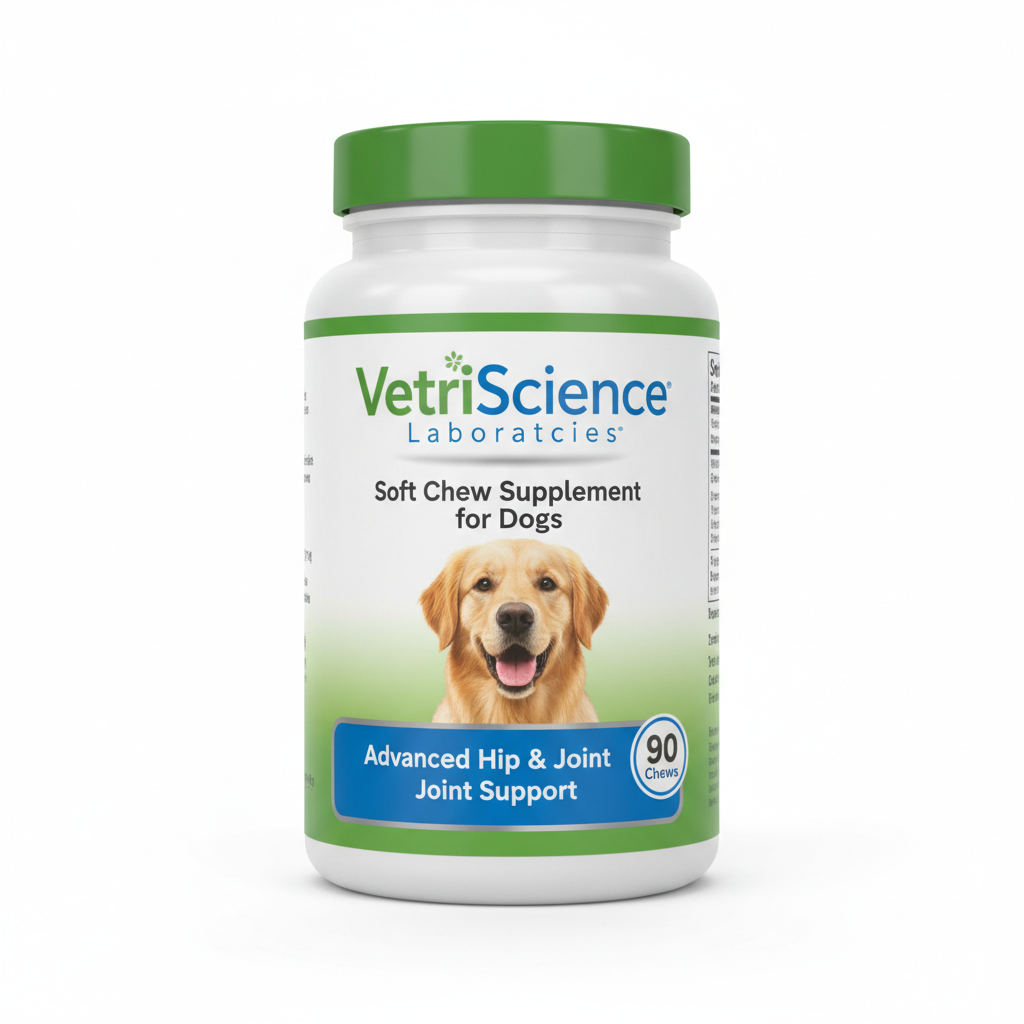
Probiotic Everyday for Dogs
VetriScience Laboratories
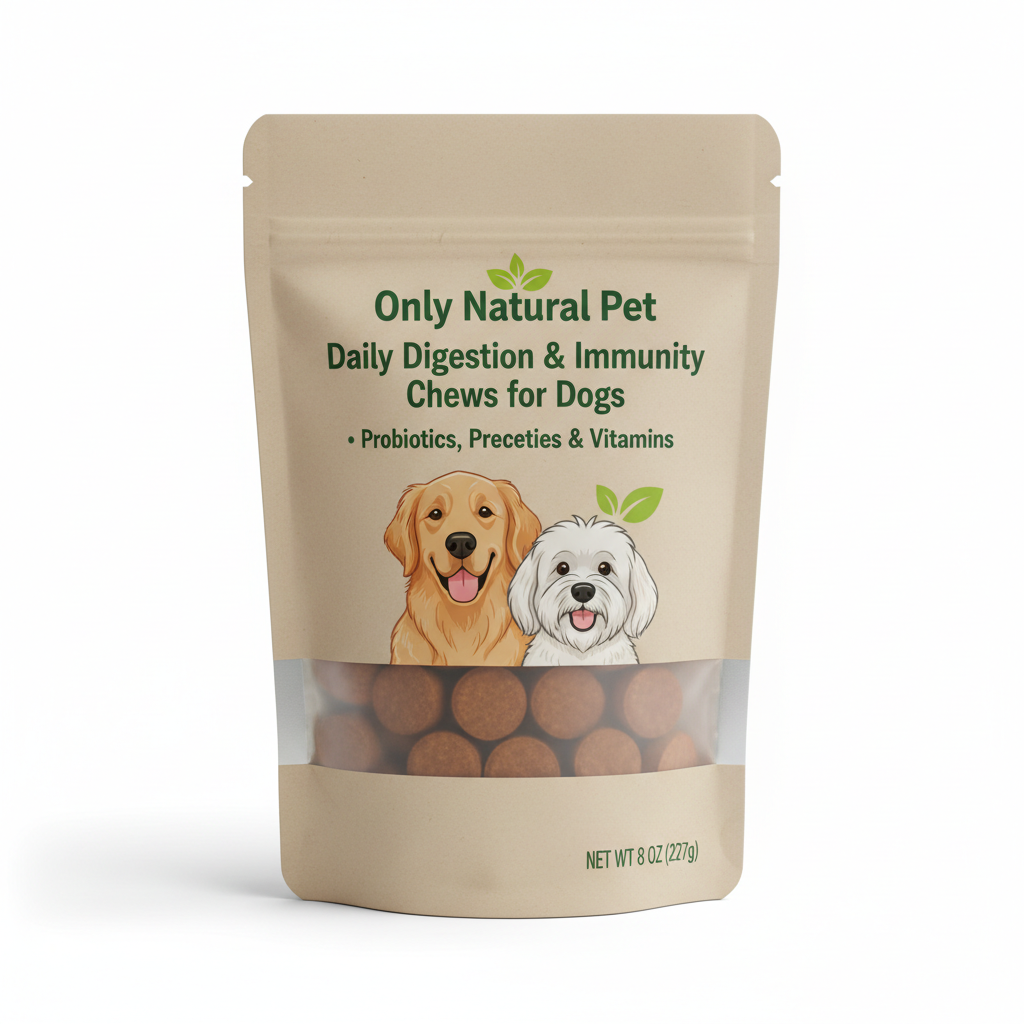
Only Natural Pet Daily Digestion & Immunity Chews for Dogs - Probiotics, Prebiotics & Vitamins
Only Natural Pet
Nutramax Proviable Digestive Health Supplement for Cats and Dogs
Nutramax Laboratories
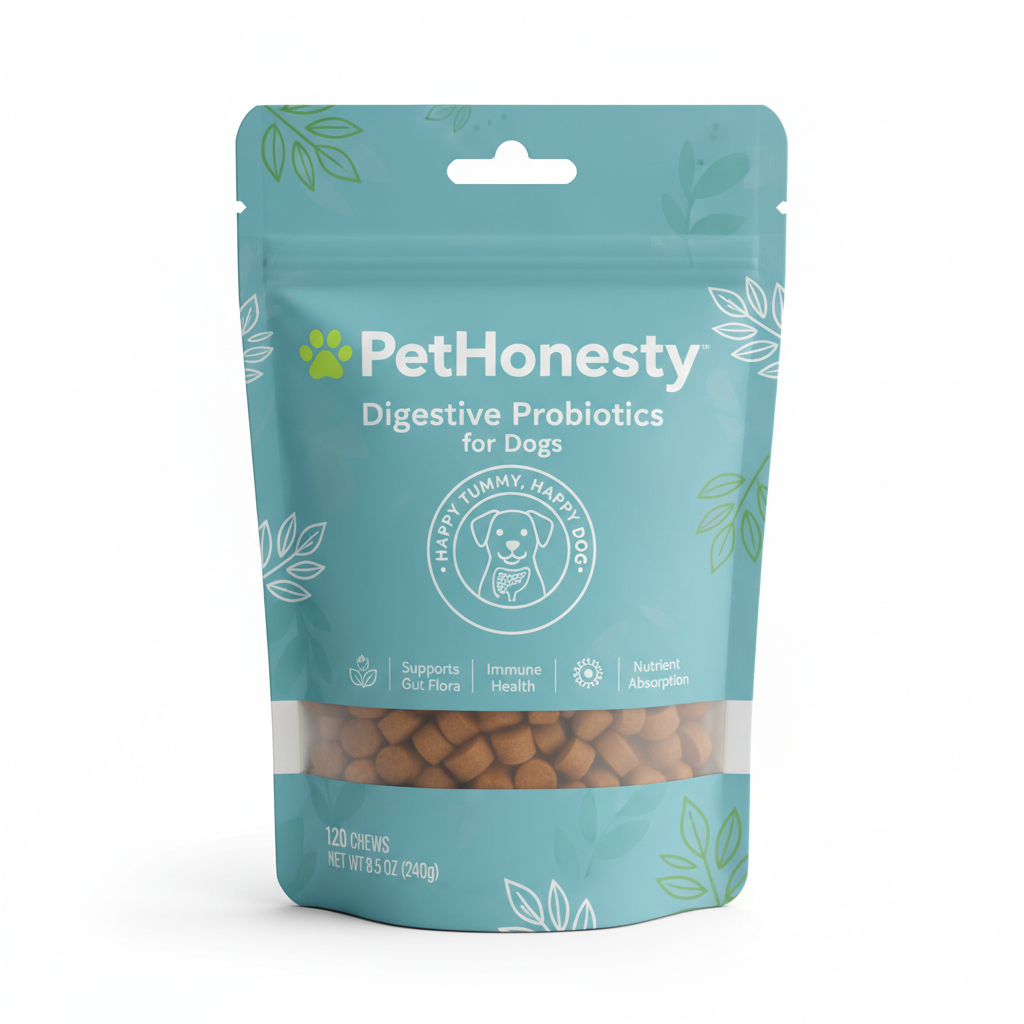
PetHonesty Digestive Probiotics for Dogs
PetHonesty
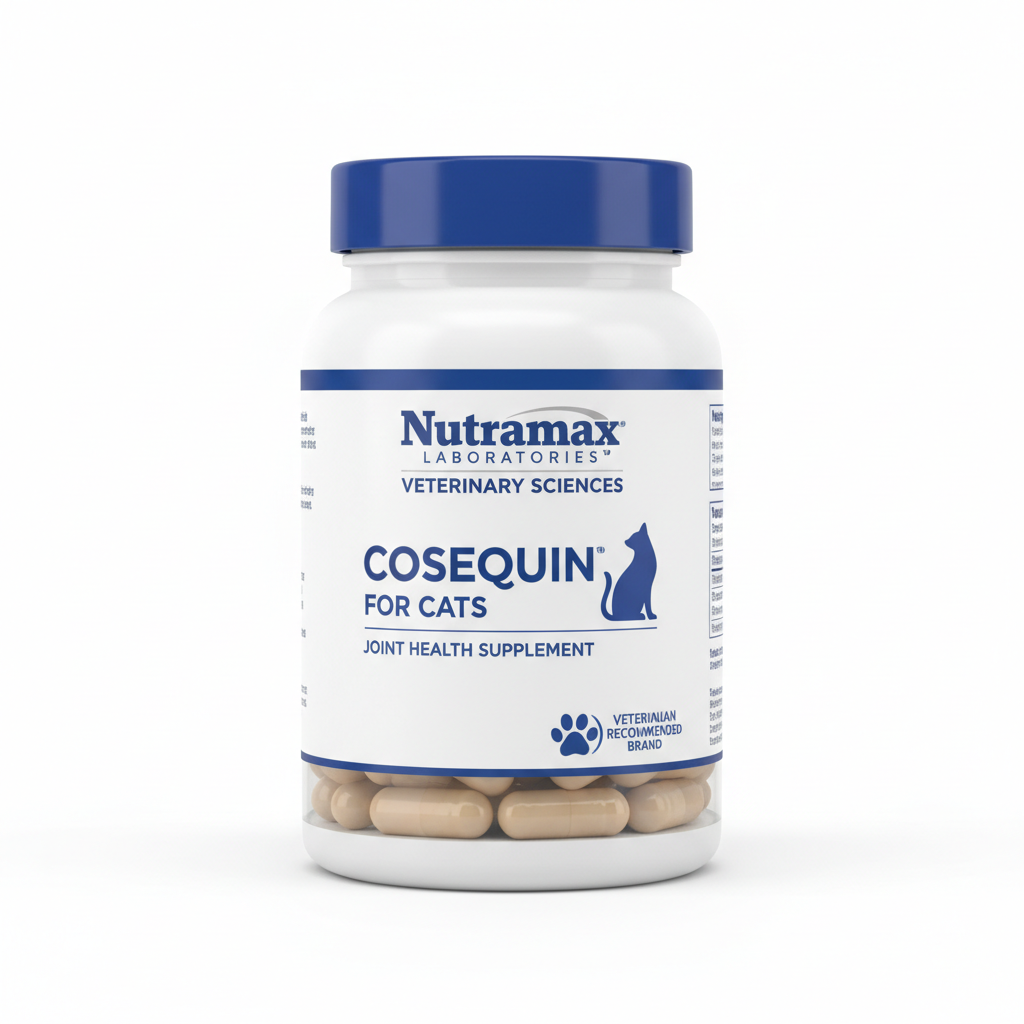
Digestive Support for Cats
Nutramax Laboratories Veterinary Sciences
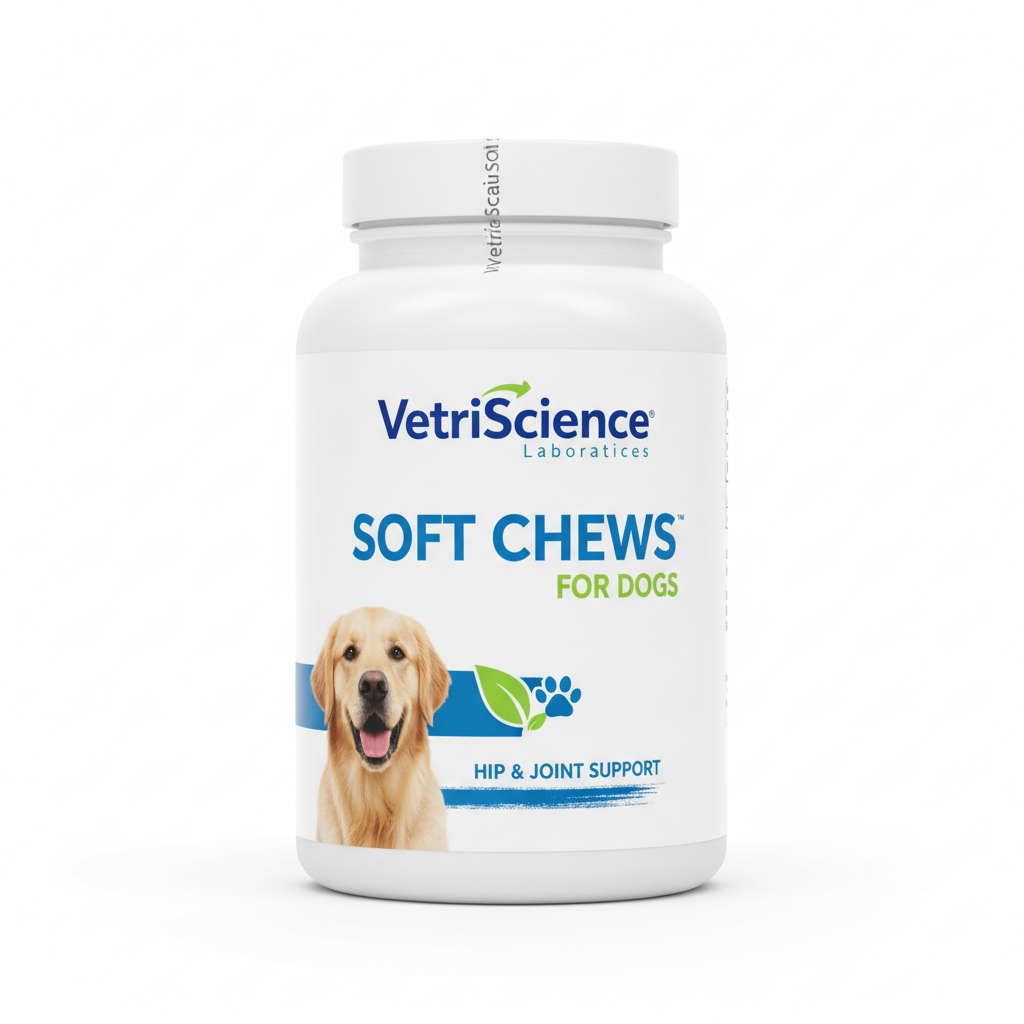
VetriScience Laboratories - Vetri-Probiotic BD
VetriScience Laboratories
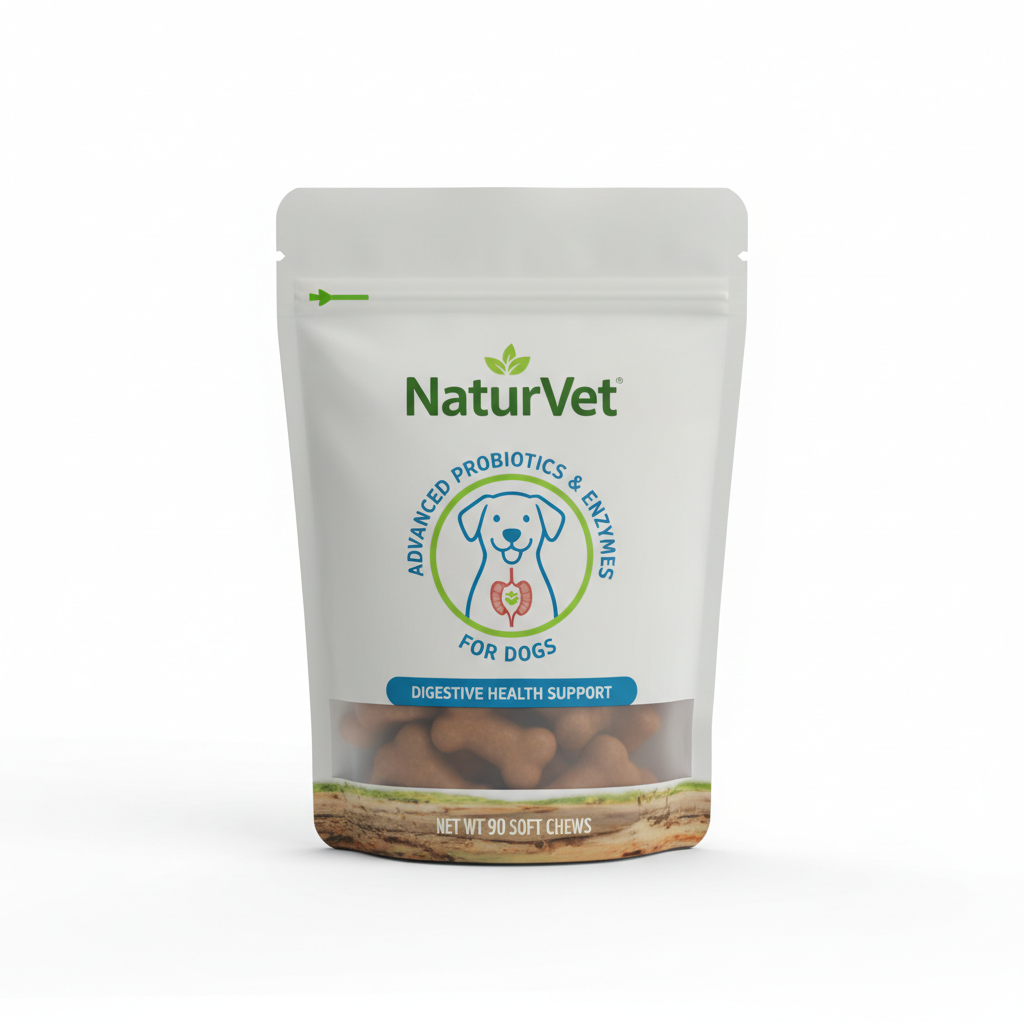
NaturVet Advanced Probiotics & Enzymes for Dogs
NaturVet
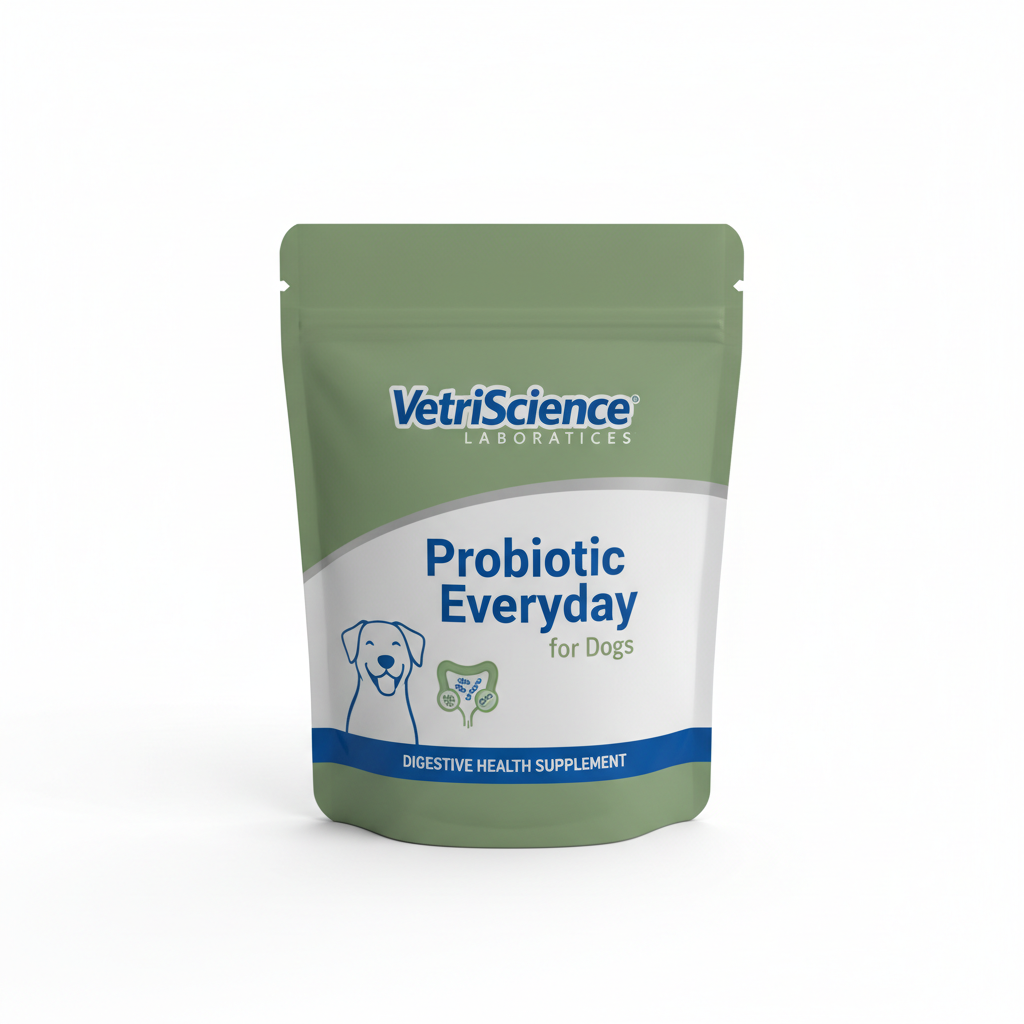
VetriScience Laboratories - Probiotic Everyday for Dogs
VetriScience