Ginkgo Biloba
cognitive support
Ginkgo biloba, an herbal supplement derived from the Ginkgo tree, has long been studied for its potential effects on cognitive function and circulation in humans. Its use in veterinary medicine, particularly for senior pets, has gained attention as pet owners seek ways to support their aging companions. This guide explores the potential benefits, appropriate dosages, and important safety considerations when considering ginkgo biloba for dogs and cats.
Understanding Ginkgo Biloba for Pets
Ginkgo biloba is an ancient tree species, and extracts from its fan-shaped leaves have been used for centuries in traditional medicine. The primary active compounds in ginkgo extracts are flavonoids and terpenoids. These compounds are believed to contribute to ginkgo's observed effects, which include antioxidant properties, improved blood circulation, and potential neuroprotective qualities.
For pets, particularly aging dogs and cats, the interest in ginkgo biloba often stems from its potential to address aspects of cognitive decline, often referred to as Canine Cognitive Dysfunction (CCD) or Feline Cognitive Dysfunction (FCD). These conditions mirror aspects of dementia in humans, leading to disorientation, altered sleep-wake cycles, changes in social interaction, and house-soiling.
The theoretical basis for using ginkgo biloba in pets with cognitive issues involves its ability to enhance cerebral blood flow, delivering more oxygen and nutrients to the brain. Additionally, its antioxidant properties may help protect brain cells from damage caused by free radicals, which are implicated in the aging process.
Potential Benefits of Ginkgo Biloba for Dogs and Cats
While research specifically on ginkgo biloba in pets is not as extensive as human studies, anecdotal reports and some veterinary observations suggest several potential benefits, particularly for older animals.
- Cognitive Support: This is the most frequently cited benefit. For senior dogs and cats exhibiting signs of cognitive decline (e.g., confusion, staring blankly, reduced responsiveness, altered sleep patterns, house-soiling), ginkgo biloba may help improve memory, learning, and overall awareness. It's thought to do this by improving blood flow to the brain and offering neuroprotective effects.
- Improved Circulation: Ginkgo may help dilate blood vessels, leading to better blood flow throughout the body, including to the brain and extremities. This could be beneficial for pets with age-related circulatory issues.
- Antioxidant Properties: The flavonoids in ginkgo act as antioxidants, helping to neutralize free radicals that can damage cells. This cellular protection is vital for overall health and may play a role in slowing down age-related degeneration.
- Support for Sensory Function: Some believe that improved circulation to the eyes and ears could potentially support compromised vision or hearing in older pets, though direct evidence for this specific benefit is limited.
- Mood and Behavior: By potentially improving brain function, ginkgo might also contribute to a more stable mood and reduced anxiety in some cognitively impaired pets, although this is often a secondary effect of improved overall cognitive clarity.
It's important to understand that ginkgo biloba is not a cure for cognitive dysfunction or other age-related diseases. Instead, it is considered a supportive supplement that may help manage symptoms and improve quality of life for some pets.
Dosage Guidelines for Ginkgo Biloba in Pets
Determining an appropriate dosage of ginkgo biloba for dogs and cats requires careful consideration and, ideally, veterinary consultation. There isn't a universally accepted, standardized dosage for pets, as research is still evolving. Dosages often vary based on the pet's size, the specific condition being addressed, and the concentration of the ginkgo extract.
Most veterinary recommendations for ginkgo biloba extract (standardized to contain 24-27% ginkgo flavone glycosides and 6% terpene lactones, similar to human supplements) typically fall within these ranges:
- For Dogs: 10-20 mg per 10 pounds (approximately 4.5 kg) of body weight, given once or twice daily.
- For Cats: 10-20 mg total per cat, given once or twice daily, depending on their weight.
Example Dosage Scenarios:
| Pet Type | Weight (approx.) | Suggested Daily Dose Range (Standardized Extract) |
|---|---|---|
| Small Dog | 10 lbs (4.5 kg) | 10-20 mg |
| Medium Dog | 30 lbs (13.6 kg) | 30-60 mg |
| Large Dog | 60 lbs (27.2 kg) | 60-120 mg |
| Cat | 8-12 lbs (3.6-5.4 kg) | 10-20 mg |
Key Dosage Considerations:
Safety and Potential Side Effects
While ginkgo biloba is generally considered relatively safe, especially at recommended dosages, it's not without potential risks, particularly for pets with certain health conditions or those on specific medications.
Potential Side Effects:
- Gastrointestinal Upset: The most common side effects are mild and include vomiting, diarrhea, and nausea. Giving the supplement with food may help mitigate these issues.
- Bleeding Risk: Ginkgo biloba has anti-platelet effects, meaning it can thin the blood and increase the risk of bleeding. This is a significant concern, especially for pets undergoing surgery, those with clotting disorders, or those taking other blood-thinning medications.
- Allergic Reactions: Though rare, some pets may exhibit allergic reactions, such as skin rashes or difficulty breathing.
- Seizures: There have been isolated reports of seizures in animals given ginkgo biloba, particularly with unpurified ginkgo seeds or leaves, which contain ginkgotoxin. Reputable standardized extracts are processed to remove this neurotoxin, but caution is still warranted in pets with a history of seizures.
Important Safety Considerations:
- Drug Interactions:
- Anticoagulants/Anti-platelet Drugs: Do NOT combine ginkgo with medications like aspirin, NSAIDs (e.g., carprofen, meloxicam), clopidogrel, or warfarin, as this significantly increases the risk of bleeding.
- Seizure Medications: Use with extreme caution, if at all, in pets on anti-seizure medications.
- Diuretics: Ginkgo may interact with certain diuretics.
- Insulin: There's some indication ginkgo might affect blood sugar levels, which is a concern for diabetic pets.
- Pre-existing Conditions:
- Bleeding Disorders: Absolutely contraindicated in pets with known bleeding disorders.
- Seizure Disorders: Avoid or use with extreme caution and under strict veterinary supervision.
- Diabetes: Monitor blood sugar closely if used in diabetic pets.
- Surgery: Discontinue ginkgo biloba at least 1-2 weeks before any planned surgery or dental procedure due to the bleeding risk.
- Pregnancy and Lactation: The safety of ginkgo biloba in pregnant or lactating animals has not been established and should be avoided.
- Quality of Supplement: Always choose a high-quality, standardized ginkgo biloba extract from a reputable manufacturer. Avoid products made from raw ginkgo leaves or seeds, which can contain toxic compounds.
Choosing a Ginkgo Biloba Supplement for Your Pet
The market offers various ginkgo biloba supplements, and selecting the right one for your pet requires attention to detail.
Key Factors to Consider:
- Standardized Extract: Look for products that clearly state they contain a "standardized extract" with a specific percentage of ginkgo flavone glycosides (usually 24-27%) and terpene lactones (usually 6%). This ensures a consistent and effective concentration of active compounds.
- Formulation: Ginkgo biloba supplements for pets come in various forms:
- Liquid Tinctures: Often alcohol-free, these can be easy to administer by dropping directly into the mouth or mixing with food.
- Capsules/Tablets: These can be given whole, hidden in a treat, or opened and sprinkled on food.
- Chews/Treats: Some pet-specific cognitive support chews may include ginkgo biloba as one of several active ingredients.
- Purity and Quality: Choose brands that adhere to good manufacturing practices (GMP) and ideally have third-party testing to confirm purity and potency. Avoid products with excessive fillers, artificial colors, or flavors.
- Pet-Specific vs. Human Products: While some human-grade ginkgo supplements might be suitable, pet-specific formulations often consider palatability and appropriate lower dosages for animals. If using a human product, ensure it contains no xylitol or other pet-toxic ingredients.
- Combination Products: Many cognitive support supplements for pets combine ginkgo biloba with other ingredients like SAM-e, phosphatidylserine, omega-3 fatty acids, or antioxidants. Discuss with your vet whether a single-ingredient ginkgo or a combination product is best for your pet's needs.
Comparison of Supplement Types (General)
| Feature | Single Herb Ginkgo Biloba (e.g., tinctures, capsules) | Cognitive Support Chews/Combination Products |
|---|---|---|
| Control over dose | High. Can precisely adjust mg per serving. | Moderate. Dose fixed per chew; may be harder to fine-tune. |
| Ingredient focus | Pure ginkgo biloba extract. | Ginkgo is one of several ingredients (e.g., omega-3s, SAM-e). |
| Administration | Can be liquid (easy to mix) or pill (may require concealment). | Often palatable, designed to be given as a treat. |
| Targeted use | Specifically for ginkgo's benefits; good for trials. | Broad cognitive support; may address multiple pathways. |
| Cost | Varies; can be more cost-effective for pure ginkgo. | Often higher due to multiple ingredients and palatability. |
| Veterinary input | Essential for dosage and interactions. | Still essential, especially if other supplements are being given. |
Ginkgo Biloba for Pets - Natural Support for Dog Dementia
Cognitive dysfunction in senior dogs (and cats) is a progressive condition that can significantly impact their quality of life and the human-animal bond. Symptoms can include:
- Disorientation: Getting lost in familiar places, staring at walls, going to the wrong side of a door.
- Changes in Social Interaction: Less interaction with family members, increased irritability, or becoming withdrawn.
- Sleep-Wake Cycle Disturbances: Pacing at night, increased daytime sleepiness.
- House-Soiling: Forgetting house-training rules, having accidents indoors.
- Activity Level Changes: Decreased desire to play, explore, or respond to commands.
- Anxiety: Increased panting, restlessness, or fearfulness.
Ginkgo biloba is considered a natural supportive measure for these symptoms. Its proposed mechanism of action—improving cerebral blood flow and providing antioxidant protection—aims to mitigate the neuronal damage and functional decline associated with aging brains.
While ginkgo may not halt the progression of dementia, many pet owners and some veterinarians report improvements in alertness, awareness, and reduction of anxiety-related behaviors in pets receiving the supplement. It's often used as part of a multi-modal approach that includes environmental enrichment, brain-stimulating activities, a balanced diet, and sometimes prescription medications specifically designed for cognitive dysfunction.
The decision to use ginkgo biloba for a pet with suspected cognitive dysfunction should always be made in consultation with a veterinarian. They can help differentiate cognitive decline from other medical conditions that might present with similar symptoms (e.g., pain, thyroid issues, kidney disease, brain tumors), ensuring your pet receives the most appropriate care.
Frequently Asked Questions
Can I give ginkgo biloba to my dog?
Yes, under veterinary guidance, ginkgo biloba can be given to dogs. It is most commonly considered for senior dogs exhibiting signs of cognitive decline, but it's crucial to consult with your veterinarian first to determine if it's appropriate for your specific dog, considering their health status and any other medications they may be taking.
What words do dogs hear best?
Dogs generally respond well to short, clear, single-syllable words and commands. They are more attuned to the tone and inflection of your voice than the specific words themselves. Words with hard consonants and sharp sounds tend to cut through background noise better. Examples include "sit," "stay," "come," "no," "good," and their name. Consistency in using specific words for commands is more important than the words themselves.
What is the strongest natural anti-inflammatory for dogs?
There isn't a single "strongest" natural anti-inflammatory for dogs, as effectiveness can vary by individual and condition. However, some commonly used natural anti-inflammatories include:
- Omega-3 Fatty Acids (EPA and DHA): Found in fish oil, these are widely recognized for their anti-inflammatory properties and are often recommended for joint health, skin conditions, and overall well-being.
- Turmeric/Curcumin: Curcumin, the active compound in turmeric, has potent anti-inflammatory and antioxidant effects. It's often used in conjunction with a bioavailability enhancer like piperine (black pepper extract).
- Boswellia Serrata: An herbal extract that may help reduce inflammation and pain, particularly in joints.
- Green-Lipped Mussel: Contains a unique combination of omega-3s, glycosaminoglycans, and antioxidants that support joint health and reduce inflammation.
Always discuss natural anti-inflammatories with your veterinarian, as they can interact with medications or be inappropriate for certain health conditions.
Conclusion
Ginkgo biloba offers a potential supportive role in managing age-related cognitive decline and improving circulation in senior dogs and cats. Its antioxidant properties and ability to enhance cerebral blood flow are the primary mechanisms thought to contribute to its benefits. However, its use requires careful consideration of dosage, potential side effects, and important drug interactions, particularly its blood-thinning effects.
Before introducing ginkgo biloba or any new supplement to your pet's regimen, a thorough consultation with your veterinarian is essential. They can help assess your pet's overall health, rule out other conditions, and guide you in making an informed decision about whether ginkgo biloba is a suitable and safe option for your beloved companion.
Products Containing Ginkgo Biloba
Top-rated supplements featuring this ingredient, ranked by our PSI+ score.
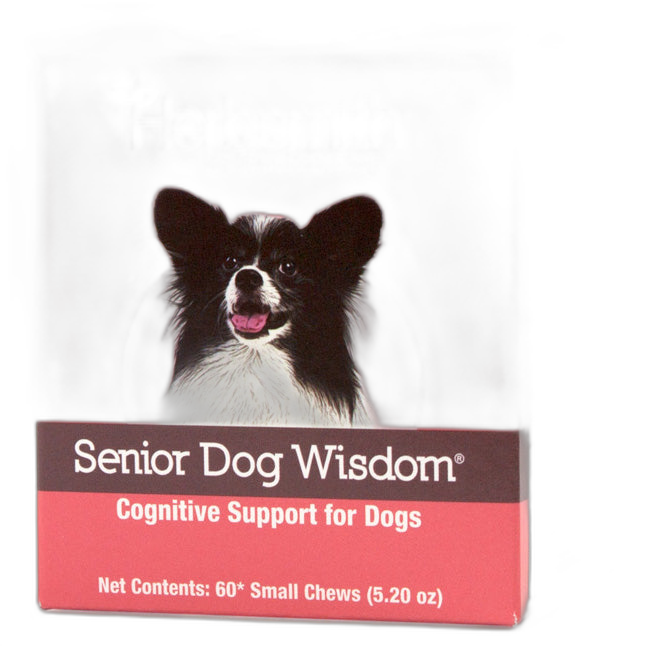
Herbsmith Senior Dog Wisdom Cognitive Support Soft Chews Dog Supplement
Herbsmith
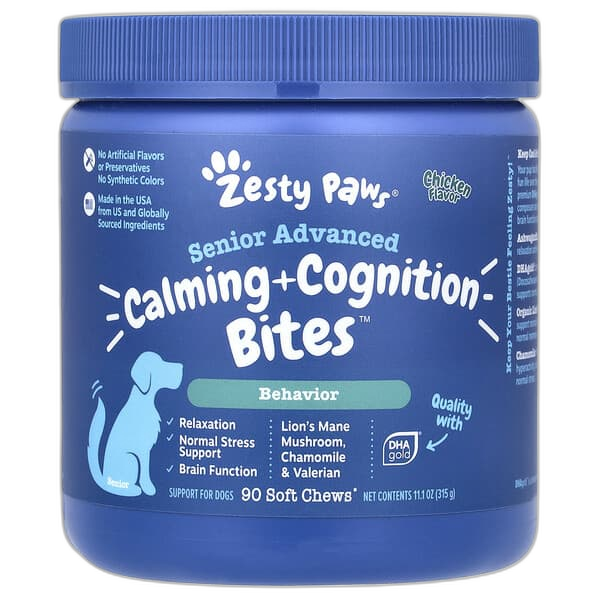
Zesty Paws Senior Advanced Calming + Cognition Bites Chicken Flavor Soft Chews Composure Supplement
Zesty Paws
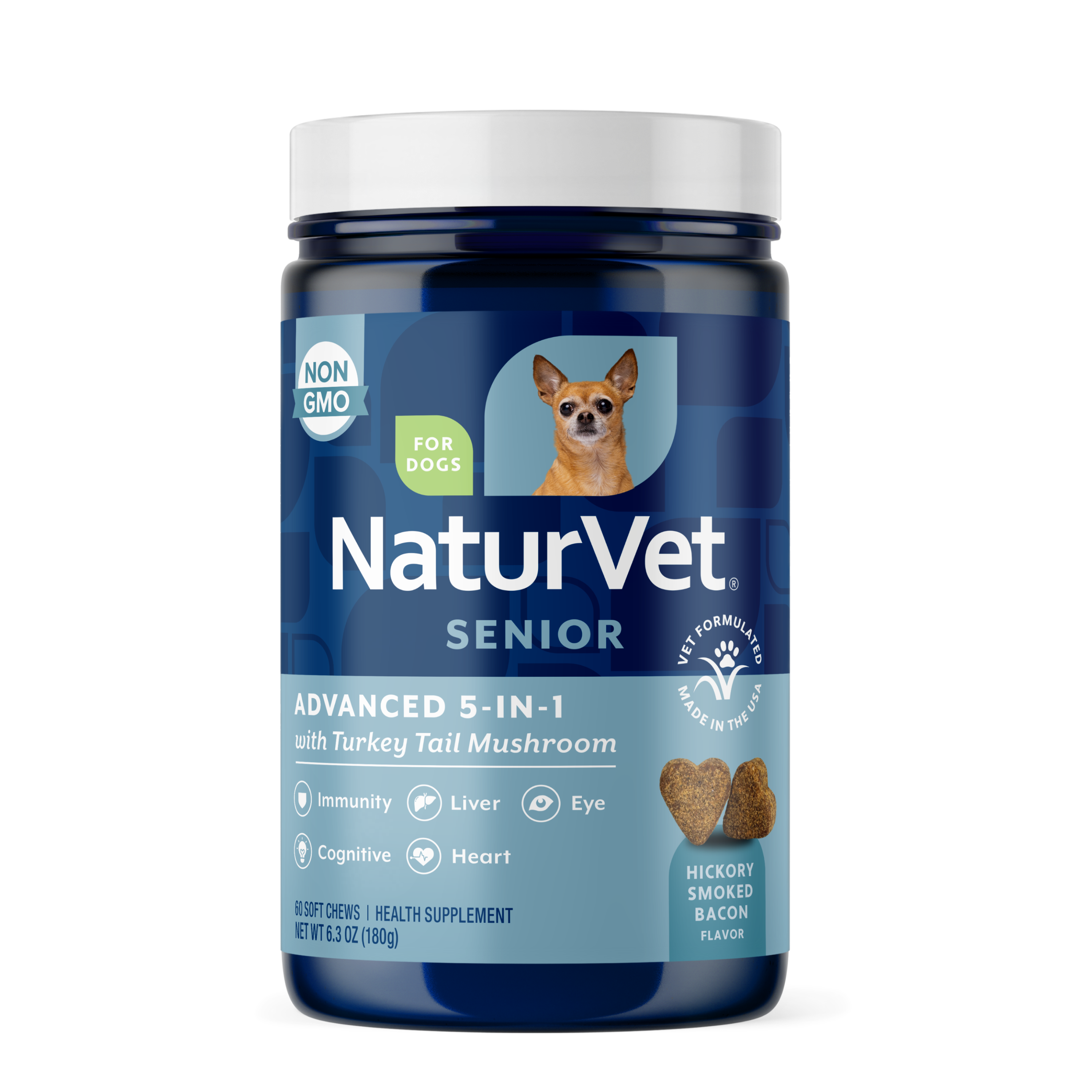
NaturVet Senior Advanced 5-in-1 Support Turkey Tail Mushroom, Ginko Biloba, Coenzyme Q10 & Lutein
NaturVet
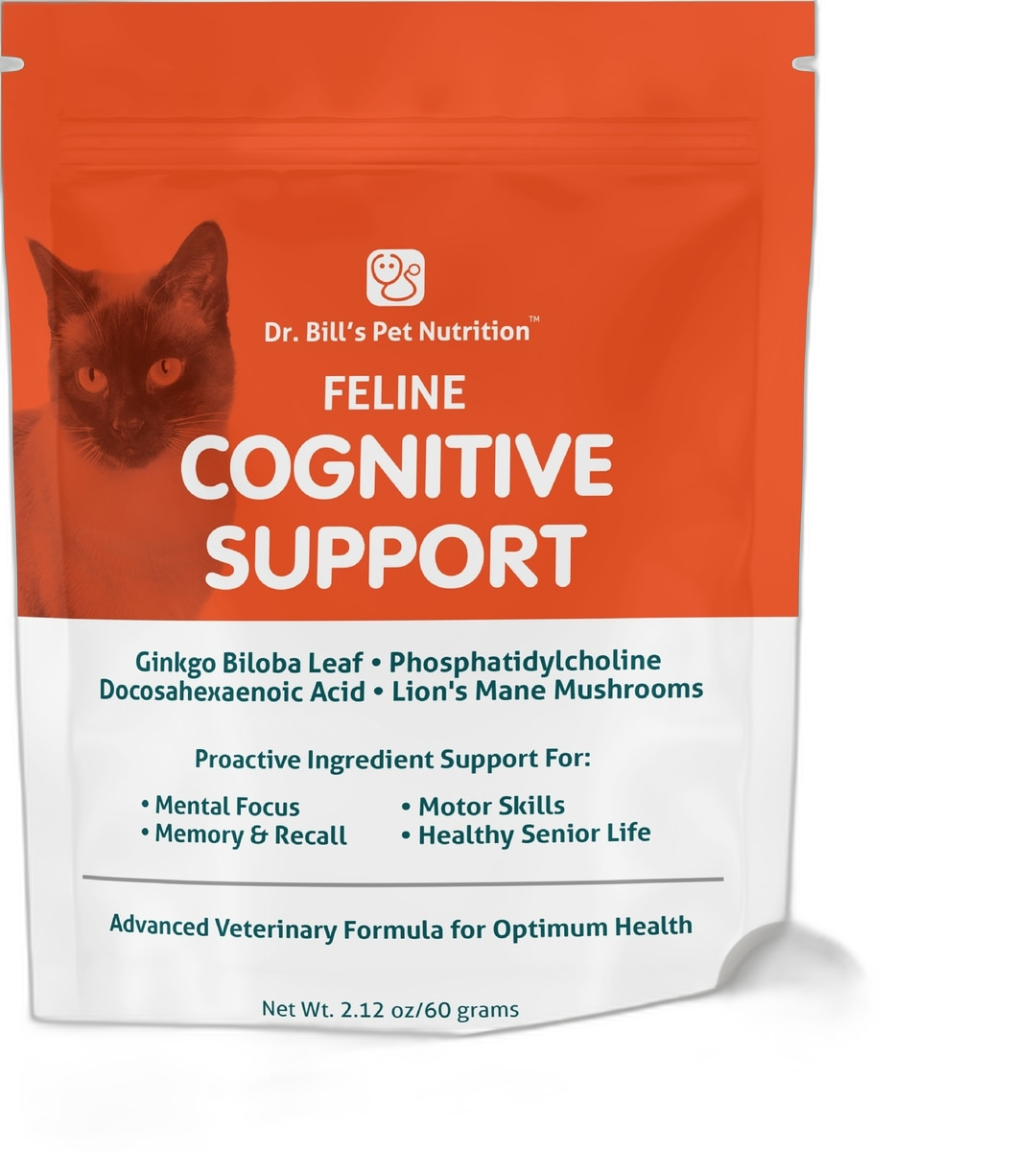
Dr. Bill's Pet Nutrition Feline Cognitive Support Cat Supplement Powder
Dr. Bill's Pet Nutrition
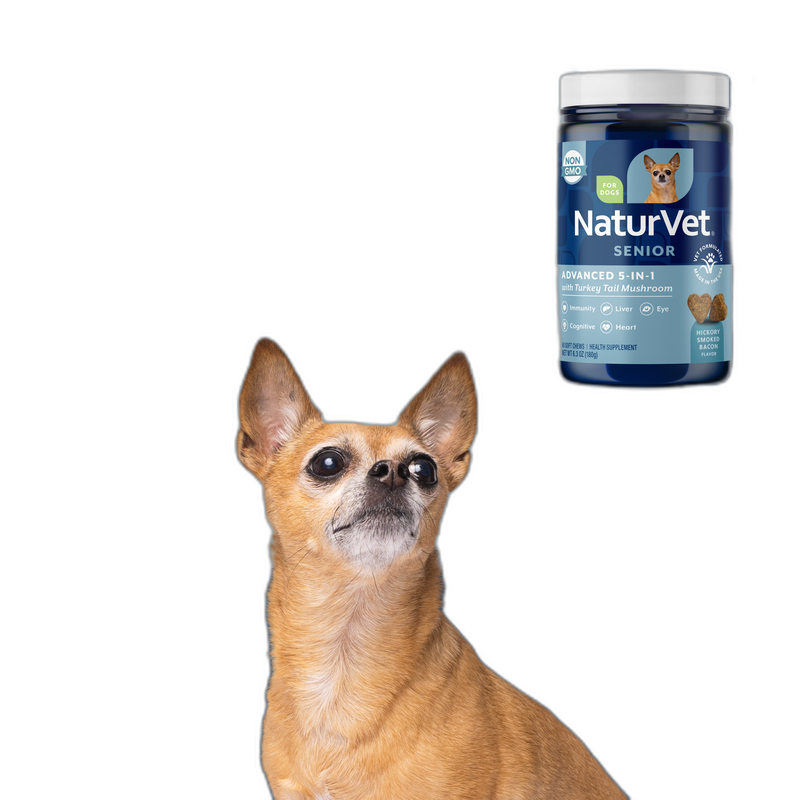
Senior Gold Cognitive Support for Aging Dogs
NaturVet
Senilife Cognitive Support Supplement for Senior Dogs
Ceva