Lemon Balm
calming
Lemon balm (Melissa officinalis) is an herb gaining attention for its potential calming properties in both humans and animals. For dog owners exploring natural approaches to their pet's well-being, understanding how lemon balm might fit into a supplement regimen is key. This guide explores the uses, appropriate dosages, and current understanding of lemon balm's efficacy and safety for dogs and other pets.
Ways to Use Lemon Balm on Dogs
Incorporating lemon balm for dogs can take several forms, depending on the desired effect and the individual dog's preferences. It's not a one-size-fits-all solution, and the method of administration can influence its effectiveness.
One common way is through herbal tinctures. These are concentrated liquid extracts, typically made by steeping lemon balm in alcohol or vegetable glycerin. Tinctures offer precise dosing and are often easily absorbed. For dogs, alcohol-based tinctures are generally avoided due to the alcohol content; glycerin-based alternatives are preferable. This method is suitable for dogs who readily accept drops mixed into food or a treat.
Another approach involves dried lemon balm leaves. These can be steeped to make an herbal tea, which can then be cooled and added to a dog's water bowl or food. Some owners might also sprinkle a small amount of dried, powdered lemon balm directly onto food, though palatability can be an issue. This method is less concentrated than a tincture and might be better suited for mild, ongoing support rather than acute situations.
Capsules or tablets containing lemon balm extract are also available, often formulated for pets. These provide a standardized dose, which can be convenient. However, some dogs are resistant to taking pills, requiring creative methods like hiding them in food or pill pockets.
For topical applications, especially for minor skin irritations, a diluted lemon balm hydrosol or a very weak tea can be used as a compress. While lemon balm has some antiseptic properties, this application is less common for systemic calming effects and should be used with caution to ensure the dog doesn't ingest too much.
When considering any of these methods, the trade-offs involve convenience, absorption rates, and the dog's acceptance. Tinctures offer good absorption and precise dosing but require careful selection of a pet-safe product. Dried herbs are more versatile but less concentrated. Capsules are convenient for dosing but can be challenging to administer. Always start with a small amount to observe your dog's reaction, regardless of the chosen method.
Pucker Up: The Sweet Benefits of Lemon Balm for Your Dog
The primary benefit often associated with lemon balm for dogs, and pets in general, revolves around its calming properties. This herb contains compounds like rosmarinic acid, triterpenes, and eugenol, which are believed to interact with the body's GABA (gamma-aminobutyric acid) system. GABA is a neurotransmitter that helps regulate nerve excitability, and by influencing it, lemon balm may help reduce feelings of anxiety and promote relaxation.
For dogs, this can translate into several practical scenarios:
- Situational Anxiety: Dogs experiencing stress during thunderstorms, fireworks, car rides, or vet visits might benefit from lemon balm. Administering it before an anticipated stressful event could help temper their reaction. For example, a dog prone to shaking and hiding during a storm might show a milder response after receiving a suitable dose.
- Mild Behavioral Issues: Persistent barking, destructive chewing, or pacing that stems from underlying anxiety could potentially be alleviated. It's important to differentiate between true anxiety and behavioral problems that require training or addressing other root causes. Lemon balm is a support, not a cure for behavioral issues.
- Sleep Support: For restless dogs who struggle to settle down, especially at night, the mild sedative effects of lemon balm might encourage more restful sleep. This could be particularly relevant for senior dogs or those with discomfort that disrupts their sleep patterns.
- Digestive Upset: Traditionally, lemon balm has been used to soothe digestive issues. Its antispasmodic properties might help with mild gastrointestinal discomfort, such as gas or bloating, especially if stress-related.
While these benefits are promising, it's crucial to manage expectations. Lemon balm is not a strong sedative or a replacement for veterinary intervention for severe anxiety or medical conditions. Its effects are typically mild and cumulative, meaning consistent use over time might yield better results than a single dose. It's best viewed as a supportive herb to complement other management strategies, such as positive reinforcement training, environmental enrichment, and addressing any underlying health issues. It's also important to note that individual responses vary significantly; what works for one dog might not work for another.
Lemon Balm - Toxic and Non-toxic Plants
When considering any herbal supplement for pets, the first and most critical question is safety. Regarding lemon balm (Melissa officinalis), it is generally considered non-toxic for dogs when used appropriately and in moderation. This distinction is vital, as many common garden plants are indeed toxic to pets.
The American Society for the Prevention of Cruelty to Animals (ASPCA) lists lemon balm as non-toxic to dogs, cats, and horses. This means that accidental ingestion of a small amount of the plant is unlikely to cause severe poisoning. However, "non-toxic" does not equate to "no side effects." Any substance, even water, can cause adverse reactions if consumed in excessive quantities or by a sensitive individual.
Potential mild side effects from lemon balm, especially with higher doses, might include:
- Digestive upset: Vomiting, diarrhea, or loose stools, particularly if the dog is sensitive or if a large amount is ingested.
- Drowsiness: While often a desired effect for calming, excessive drowsiness could indicate too high a dose.
It's important to differentiate lemon balm from other plants that share similar names or appearances but are toxic. For instance, some plants are colloquially referred to as "balm" but are not Melissa officinalis. Always confirm the botanical name to ensure you're using the correct, safe herb.
When growing lemon balm in your garden, while it's generally safe, monitoring your dog's access is still a good practice. Some dogs might over-consume plants if given unrestricted access, potentially leading to the mild digestive issues mentioned above.
For pet owners exploring herbal remedies, a comparison of common herbs often considered for pets is useful:
| Herb | Common Use (Pets) | Toxicity (Dogs) | Key Considerations |
|---|---|---|---|
| Lemon Balm | Calming, anxiety, digestion | Non-toxic | Mild effects, may cause GI upset in large doses. |
| Chamomile | Calming, anti-inflammatory | Non-toxic (mild) | Can cause vomiting/diarrhea in large amounts. Use German Chamomile (Matricaria recutita). |
| Valerian Root | Sedative, anxiety | Non-toxic | Stronger sedative effect than lemon balm. Some dogs may become agitated instead of calm. |
| Lavender | Calming (aromatherapy) | Toxic (ingestion) | Essential oil is toxic if ingested. Hydrosol or dried herb for scent is generally safer, but use with caution. |
| Passionflower | Calming, anxiety | Non-toxic | Often combined with other calming herbs. |
| St. John's Wort | Mood support | Toxic | Can cause photosensitivity and interact with many medications. Generally not recommended for pets without vet guidance. |
This table highlights that even among non-toxic herbs, there can be nuances in effects and potential side effects. Always consult with a veterinarian knowledgeable in herbal medicine before introducing any new supplement, especially if your dog has existing health conditions or is on medication.
Lemon Balm: Nature's Remedy for Anxiety in Pets
Lemon balm's potential as a natural remedy for anxiety in pets stems from its traditional use and the presence of specific compounds within the plant. As mentioned, its interaction with the GABA system is believed to be central to its calming effects. This mechanism is similar to how some prescription anti-anxiety medications work, though lemon balm's effect is generally much milder and without the same level of side effects.
For pets, anxiety can manifest in various ways:
- Separation Anxiety: Destructive behavior, excessive vocalization, or house-soiling when left alone.
- Noise Phobias: Fear responses to thunderstorms, fireworks, or loud noises.
- Travel Anxiety: Vomiting, drooling, restlessness, or fear during car rides.
- Generalized Anxiety: Constant restlessness, excessive vigilance, or inappropriate elimination without a clear trigger.
- Social Anxiety: Fear or aggression towards other animals or people.
Lemon balm is best suited for mild to moderate anxiety or as a supportive measure in conjunction with behavioral modification for more severe cases. For example, a dog with mild travel anxiety might benefit from a dose of lemon balm an hour before a car journey, potentially reducing drooling and restlessness. For a dog with severe separation anxiety, lemon balm alone is unlikely to resolve the issue but could be part of a broader plan that includes professional training and environmental adjustments.
Lemon balm isn't a traditional sedative that will "knock out" an anxious pet. Instead, it works to reduce over-stimulation and encourage a sense of calm. Its effects are often subtle and may take time to become noticeable, with owners potentially observing their pet becoming less reactive, more settled, or recovering more quickly from stressful situations.
When considering lemon balm for anxiety, factors like the pet's size, temperament, and the severity of their anxiety play a role in determining the appropriate approach. It's an option for those seeking a gentle, natural alternative or adjunct to conventional treatments, but it requires patience and careful observation of the pet's response.
Lemon Balm Melissa officinalis Tincture — Rita Hogan Dog ...
Rita Hogan, a well-known canine herbalist, often discusses the use of Melissa officinalis (lemon balm) tincture for dogs. Her approach, and that of many experienced herbalists, emphasizes specific considerations when using tinctures for pets.
Key considerations for Lemon Balm Tinctures:
- Glycerin-Based Tinctures: As previously noted, alcohol-based tinctures are generally avoided for pets. Glycerin, a sweet, clear liquid, is often used as a solvent instead of alcohol to extract the beneficial compounds from the herb. This makes the tincture palatable and safe for canine consumption.
- Dosage Precision: Tinctures allow for precise dosing drop by drop. This is crucial for pets, as their metabolism and sensitivity to herbs can vary greatly from humans. A herbalist like Rita Hogan would typically provide dosage guidelines based on the dog's weight and the specific condition being addressed.
- Quality and Sourcing: The efficacy of a tincture heavily relies on the quality of the raw herb and the extraction process. Reputable suppliers and herbalists prioritize organic, sustainably sourced lemon balm to ensure potency and avoid contaminants.
- : Herbalists like Hogan rarely recommend a single herb in isolation for complex issues like anxiety. Instead, lemon balm tinctures are often part of a broader holistic plan that might include other calming herbs (e.g., chamomile, passionflower), dietary adjustments, environmental enrichment, and behavioral modification techniques.
- Individualized Treatment: What works for one dog may not work for another. An herbalist would typically recommend starting with a low dose and gradually increasing it while observing the dog's response. This individualized approach is central to effective herbal medicine.
For instance, Rita Hogan might suggest a few drops of a glycerin-based lemon balm tincture for a small dog experiencing mild car sickness, administered 30 minutes before travel. For a larger dog with more persistent anxiety, a slightly higher, consistent daily dose might be recommended, potentially combined with other herbs or strategies.
The expertise of a canine herbalist offers guidance on:
- Correct identification of the plant and its appropriate form.
- Safe and effective dosing tailored to the individual animal.
- Potential interactions with other medications or health conditions.
- Monitoring for efficacy and adverse reactions.
Relying on formulations and advice from those experienced in canine herbalism can help pet owners navigate the nuances of using lemon balm tinctures safely and effectively.
Lemon Balm Phytosome (RELISSA®) for Lemon Balm for Dogs
Beyond traditional tinctures and dried herbs, advanced formulations like Lemon Balm Phytosome, often seen under brand names such as RELISSA®, represent a newer approach to enhancing the bioavailability and efficacy of herbal compounds.
What is a Phytosome?
A phytosome is a patented technology that complexes herbal extracts with phospholipids, typically from soy or sunflower lecithin. This process creates a lipid-soluble complex that is believed to improve the absorption of the active compounds across the gut lining into the bloodstream. Many beneficial compounds in herbs, like the rosmarinic acid in lemon balm, are water-soluble and can have poor absorption rates when consumed in traditional forms.
How does Lemon Balm Phytosome work?
By complexing lemon balm extract with phospholipids, the phytosome essentially "packages" the active compounds in a way that mimics the body's own cell membranes. This enhanced absorption means:
- Increased Bioavailability: More of the active compounds reach the bloodstream, potentially leading to a stronger or more consistent effect at lower doses compared to standard extracts.
- Improved Efficacy: With better absorption, the calming effects of lemon balm might be more pronounced or reliable for managing anxiety and stress in pets.
- Reduced Dosage: Due to higher bioavailability, a smaller dose of a phytosome-bound extract might achieve the same or better results than a larger dose of a standard extract. This can be beneficial for palatability and cost.
Implications for Lemon Balm for Dogs:
For pet owners, a Lemon Balm Phytosome product like RELISSA® could offer a more potent and efficient way to administer lemon balm for calming purposes. This is particularly relevant for:
- Dogs with stubborn anxiety: Where traditional lemon balm forms might not have provided sufficient relief.
- Owners seeking a more reliable effect: The consistent absorption could lead to more predictable outcomes.
- Ease of administration: Potentially smaller doses mean less product to administer, which can be helpful for picky eaters.
However, these advanced formulations typically come with a higher cost. It's also important to ensure that any phytosome product intended for pets is specifically formulated and tested for animal use, and that the manufacturer provides clear dosing guidelines. As with any new supplement, introduce it gradually and monitor your pet for any changes in behavior or health. The use of phytosomes represents an ongoing evolution in herbal medicine, aiming to bridge the gap between traditional wisdom and modern scientific understanding of absorption and delivery.
Is lemon balm safe for dogs?
Yes, lemon balm (Melissa officinalis) is generally considered safe for dogs when used in appropriate dosages. The ASPCA lists it as non-toxic. However, "safe" doesn't mean without potential mild side effects, especially with excessive amounts, such as digestive upset (vomiting, diarrhea) or drowsiness. Always use pet-specific formulations or consult a vet or canine herbalist for guidance.
Can dogs hear you?
Yes, dogs can hear you. Their hearing range is significantly broader than humans, allowing them to detect higher frequencies and sounds from much greater distances. They can distinguish between human voices and often recognize specific words or tones associated with commands or actions.
What words do dogs hear best?
Dogs tend to hear short, distinct words with strong consonants best. Words that are consistently paired with an action or outcome are also more readily learned. Examples include "sit," "stay," "come," "down," and their own name. The tone of voice and consistency in use are often more important than the specific word itself for a dog's comprehension.
Conclusion
Lemon balm for dogs offers a gentle, natural option for supporting calm and addressing mild anxiety or stress. From simple dried herbs to advanced phytosome formulations, various methods exist for administration, each with its own considerations for efficacy, dosage, and convenience. While generally regarded as safe, careful attention to sourcing, proper dosing, and observation of your pet's individual response remains paramount. For those exploring natural approaches to pet well-being, lemon balm can be a valuable addition, particularly when integrated into a comprehensive care plan guided by veterinary advice.
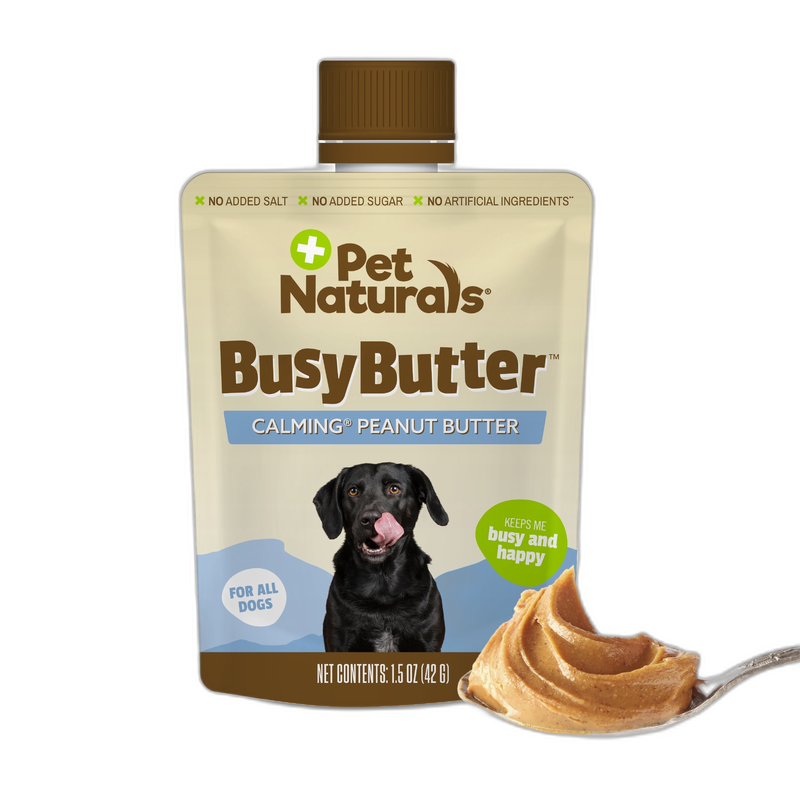
Products Containing Lemon Balm
Top-rated supplements featuring this ingredient, ranked by our PSI+ score.