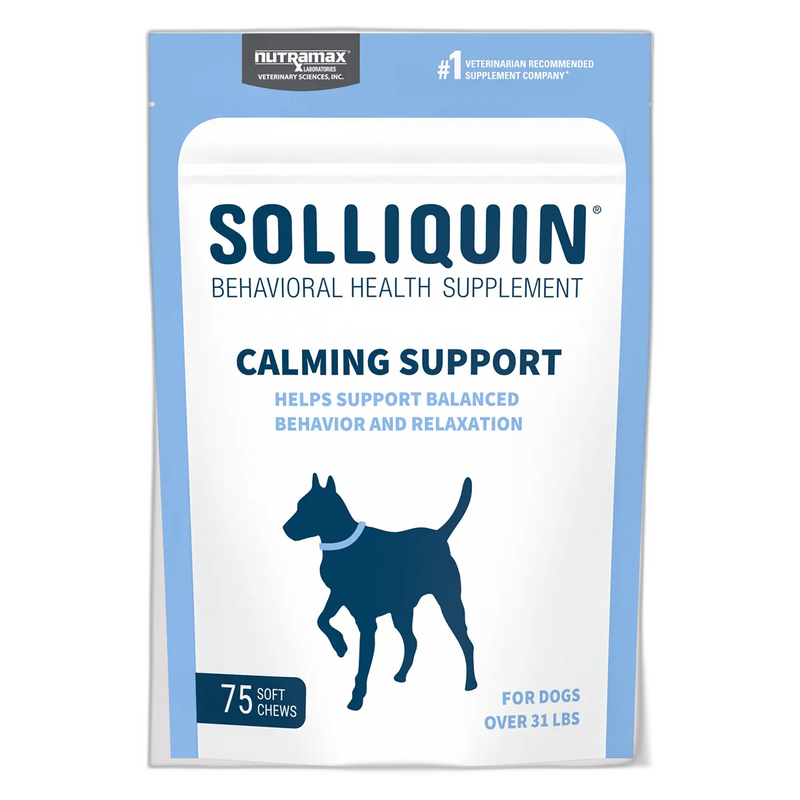
Whey Protein Concentrate (Lactium)
calming
Whey protein concentrate, particularly the hydrolyzed casein peptide known as Lactium, has emerged as a topic of interest for pet owners seeking natural ways to support their animals' well-being. This guide explores the use, appropriate dosage, and demonstrated efficacy of whey protein concentrate (Lactium) for dogs and other pets, offering insights into its potential benefits for anxiety, stress, and overall health.
Understanding Whey Protein Concentrate (Lactium) for Dogs
When discussing "whey protein concentrate (Lactium) for dogs," it's important to differentiate between general whey protein and the specific peptide, Lactium. Whey protein concentrate, broadly speaking, is a byproduct of cheese production. It's rich in amino acids and can be a beneficial dietary supplement for pets, especially for muscle maintenance, recovery, and overall protein intake. However, Lactium is a specific bioactive peptide derived from milk casein, not whey. While both originate from milk, their primary functions and mechanisms of action differ significantly.
Lactium, also known as alpha-casozepine, is a hydrolyzed milk protein that has been studied for its anxiolytic (anxiety-reducing) properties. It acts on gamma-aminobutyric acid (GABA) receptors in the brain, similar to some anti-anxiety medications, but without the sedative side effects often associated with pharmaceuticals. For dogs, this means a potential calming effect without impairing alertness or motor function.
The practical implication for pet owners is that while general whey protein concentrate can contribute to a dog's nutritional needs, if the goal is to address stress or anxiety, products specifically containing Lactium are what to look for. Not all whey protein concentrates contain Lactium, and not all calming supplements containing Lactium are labeled as "whey protein concentrate." This distinction is crucial for effective supplementation.
For example, a dog recovering from surgery might benefit from a general whey protein concentrate for muscle repair and immune support. In contrast, a dog exhibiting fear during thunderstorms or experiencing separation anxiety would be a candidate for a supplement containing Lactium. The trade-off is often cost and specificity: general whey protein is widely available and less expensive, while Lactium-specific products are typically more targeted and can carry a higher price point.
Lactium®: Recognized Benefits for Dogs and Cats
Lactium® is a patented ingredient, a specific milk protein hydrolysate containing the active decapeptide alpha-casozepine. Its recognized benefits primarily revolve around its calming properties, making it a popular choice for managing various forms of stress and anxiety in pets.
The mechanism by which Lactium works is thought to involve its affinity for GABA-A receptors in the brain. GABA is a primary inhibitory neurotransmitter, meaning it helps to calm nerve activity. By interacting with these receptors, Lactium can promote a sense of relaxation and reduce the physiological and behavioral manifestations of stress. This action is distinct from general nutritional support offered by other protein sources.
For dogs, Lactium has shown promise in reducing stress-related behaviors such as:
- Separation anxiety: Excessive barking, destructive chewing, inappropriate urination/defecation when left alone.
- Fear of loud noises: Thunderstorms, fireworks.
- Travel anxiety: Vomiting, panting, whining during car rides.
- Vet visits or grooming: Resistance, aggression, trembling.
- Changes in routine or environment: Moving to a new home, introduction of new pets or people.
Similarly, cats can experience stress from many of the same triggers, in addition to inter-cat aggression, litter box aversion, or over-grooming. Lactium has been explored as a supportive measure in these scenarios, helping to mitigate nervous system responses.
A concrete example illustrates this: a dog that typically paces and whines uncontrollably during a thunderstorm might, with regular Lactium supplementation, exhibit less intense pacing, reduced vocalization, and a greater ability to settle. It's not a sedative in the traditional sense; rather, it aims to help the animal cope more effectively with stressors. The efficacy can vary between individual animals, and it’s important to understand that Lactium is a supportive aid, not a cure for underlying behavioral issues that may require professional intervention.
The “Whey” Forward for Your Dog's Gut Health
While Lactium's primary role is calming, general whey protein concentrate can play a significant role in a dog's overall health, including gut health. This is where the broader definition of "whey protein concentrate" becomes relevant beyond its specific Lactium component.
Whey protein is a complete protein, meaning it contains all essential amino acids necessary for a dog's diet. These amino acids are vital for muscle repair, immune function, and the production of enzymes and hormones. For gut health, the benefits are multifaceted:
Consider a dog with a sensitive stomach or recovering from a gastrointestinal upset. Introducing a high-quality, easily digestible whey protein concentrate (without added sugars, artificial flavors, or unnecessary fillers) could support the healing process of the gut lining and provide essential nutrients without overburdening the digestive system. However, it's crucial to distinguish this from the specific calming effects of Lactium. If a dog's gut issues are stress-related, Lactium might indirectly help by reducing the stress, which in turn can alleviate stress-induced digestive upset. But for direct gut health support, the nutritional profile of the broader whey protein concentrate is the key.
FAQ Pet Health: Addressing Common Questions
Many pet owners have questions about incorporating new supplements into their pets' routines. Here, we address some common queries related to whey protein concentrate (Lactium) for dogs and other pets.
Can dogs consume whey protein?
Yes, generally, dogs can consume whey protein. Whey protein is a digestible source of essential amino acids, beneficial for muscle development, repair, and overall health. However, like any new food or supplement, it should be introduced gradually.
Key considerations:
- Lactose Content: While whey protein concentrate typically has a lower lactose content than whole milk, some dogs are lactose intolerant. High-quality whey protein isolates have even less lactose. If your dog shows signs of digestive upset (diarrhea, gas) after consuming whey, it might be due to residual lactose.
- Ingredients: Always check the ingredient list. Many human-grade whey protein supplements contain artificial sweeteners (like xylitol, which is toxic to dogs), flavors, or other additives that are unsuitable or harmful for pets. Opt for plain, unsweetened, and unflavored whey protein if using a human product, or better yet, a pet-specific formulation.
- Purpose: Determine why you're giving whey protein. If it's for general protein supplementation, a good quality pet food might already provide sufficient protein. If it's for specific needs like muscle building or recovery, consult your veterinarian.
Does Lactium have side effects?
Lactium is generally considered safe and well-tolerated in dogs and cats, with a low incidence of reported side effects. Studies and anecdotal evidence suggest that adverse reactions are rare.
Potential, though uncommon, side effects might include:
- Mild Digestive Upset: In sensitive individuals, any new dietary component can potentially cause mild gastrointestinal disturbances like soft stools or gas.
- Allergic Reactions: Although rare, an animal could theoretically have an allergy to milk proteins, even in hydrolyzed form. Signs would include itching, hives, or more severe reactions.
Lactium is notable for not causing sedation or drowsiness, which distinguishes it from many pharmaceutical anxiolytics. It aims to reduce anxiety without altering the animal's personality or activity level. If concerns arise or if your pet exhibits any unusual symptoms after starting Lactium, discontinue use and consult your veterinarian.
Is Lactium natural?
Yes, Lactium is considered a natural product. It is derived from milk casein through a process of enzymatic hydrolysis, which breaks down the larger milk proteins into smaller, bioactive peptides. This process mimics natural digestion. It is not synthesized chemically but rather extracted and purified from a natural food source (milk). Its natural origin is often a key appeal for pet owners seeking alternatives to synthetic medications for anxiety management.
Stress Support: Ingredia Health and the Role of Lactium
Ingredia Health is a company that developed and patented Lactium, marketing it as a natural ingredient for stress management. Their research and development have focused on understanding the specific bioactive properties of alpha-casozepine. This ties directly into the broader discussion of stress support for pets.
Stress in pets can manifest in numerous ways, from subtle behavioral changes to pronounced physical symptoms. Chronic stress can negatively impact an animal's immune system, digestion, and overall quality of life. Traditional approaches to managing pet stress often involve behavioral modification techniques, environmental enrichment, and sometimes, pharmaceutical interventions. Lactium offers a complementary or alternative approach, particularly for situations where pharmaceutical use might be overkill or undesired.
The role of Lactium as a stress support ingredient, as highlighted by companies like Ingredia Health, is to provide a gentle, non-sedating way to help pets cope with stressors. It's not about masking the stress but supporting the animal's natural ability to regulate its nervous system response.
Consider a cat that becomes highly agitated during car rides, leading to excessive vocalization and even inappropriate urination. Regular administration of Lactium prior to travel could help modulate its stress response, making the journey less traumatic for both the cat and the owner. This is distinct from giving a sedative that simply knocks the cat out. The goal with Lactium is to help the cat remain more composed and less reactive to the stressful stimulus.
It's important to remember that while Lactium can be a valuable tool, it's often most effective when integrated into a comprehensive stress management plan that may also include positive reinforcement training, environmental adjustments, and consistent routines.
Compose - Calming Liquid for Dogs & Cats: A Product Example
To illustrate the practical application of Lactium, let's look at an example product like "Compose - Calming Liquid for Dogs & Cats." While specific product formulations vary, many calming supplements designed for pets incorporate Lactium as a primary active ingredient.
Products like Compose typically aim to:
- Reduce Anxiety: Target generalized anxiety, situational fears (e.g., fireworks, vet visits), and separation anxiety.
- Promote Relaxation: Encourage a calmer demeanor without causing drowsiness or lethargy.
- Improve Coping Mechanisms: Help pets better manage stressful events rather than react intensely.
A calming liquid format offers several advantages:
- Ease of Administration: Liquids can be easily mixed into food or administered directly, which can be particularly useful for finicky eaters or pets that refuse pills.
- Flexible Dosing: Liquids often allow for more precise dosage adjustments based on the pet's weight and the severity of their anxiety.
When evaluating a product like Compose or similar Lactium-based supplements, pet owners should consider:
- Active Ingredient Concentration: How much Lactium (alpha-casozepine) is in each dose? This is crucial for ensuring effective dosing.
- Other Ingredients: Are there other calming ingredients (e.g., L-tryptophan, thiamine, chamomile) that might work synergistically, or are there inactive ingredients that could be problematic?
- Manufacturer Reputation: Is the product from a reputable company with transparent sourcing and quality control?
- Targeted Use: Is the product specifically formulated for the type of anxiety or stress your pet experiences?
For instance, if a cat consistently hides under the bed during social gatherings, a product like Compose, administered an hour or two before guests arrive, might help the cat feel more comfortable and potentially join the family, or at least remain less distressed in its hiding spot. The efficacy will depend on individual pet sensitivity, the severity of the stressor, and consistent, appropriate dosing.
Comparison of Calming Approaches for Pets
| Approach | Primary Mechanism | Pros | Cons | Best For |
|---|---|---|---|---|
| Lactium (Alpha-casozepine) | Interacts with GABA-A receptors, promoting relaxation | Natural, non-sedating, low side effects, maintains alertness | May not be strong enough for severe anxiety, can be more expensive, not immediate effect | Mild to moderate anxiety, situational stress, long-term support |
| L-Tryptophan | Precursor to serotonin, a mood-regulating neurotransmitter | Natural, generally safe, available in food sources | Can cause drowsiness in high doses, effect can be subtle, requires consistent intake | General anxiety, sleep disturbances, aggression |
| Pheromone Diffusers/Sprays | Mimics natural calming pheromones | Species-specific, no ingestion required, non-sedating | Can be costly, only effective for some animals, limited to specific areas/situations | Separation anxiety, territorial marking, multi-pet households, travel |
| Behavioral Modification | Changes learned responses to stimuli | Addresses root cause, long-lasting results, no medication required | Requires time, consistency, and professional guidance, can be slow | All types of anxiety, especially fear-based or learned behaviors |
| Prescription Medications | Various (e.g., SSRIs, benzodiazepines) | Highly effective for severe anxiety, fast-acting (some) | Potential for side effects (sedation, GI upset), requires vet oversight, can be costly, drug interactions | Severe anxiety, phobias, aggression, when other methods fail, short-term crisis |
Conclusion
Whey protein concentrate, specifically the bioactive peptide Lactium (alpha-casozepine), offers a natural and gentle approach to managing stress and anxiety in dogs and cats. While general whey protein concentrate provides valuable nutritional support for muscle and gut health, Lactium stands out for its targeted calming effects without sedation. Understanding this distinction is key for pet owners seeking appropriate supplementation.
Lactium's mechanism of action, involving GABA-A receptors, supports a more relaxed state, making it a viable option for various stress-related behaviors, from separation anxiety to fear of loud noises. Its natural origin and low incidence of side effects make it an appealing choice for those looking for non-pharmaceutical interventions.
For pet owners considering Lactium, it's crucial to select products specifically formulated for pets, pay close attention to dosage, and consult with a veterinarian to ensure it's the right choice for their animal's specific needs and to rule out underlying medical conditions. While Lactium can be a powerful tool, it often works best as part of a to pet well-being, complementing behavioral strategies and a supportive home environment.
Products Containing Whey Protein Concentrate (Lactium)
Top-rated supplements featuring this ingredient, ranked by our PSI+ score.