Passionflower
calming
Many pet owners seek natural ways to support their animal companions' well-being. Among the various botanical options, passionflower (specifically Passiflora incarnata) has garnered attention for its potential calming properties. This article explores the current understanding of passionflower for dogs and other pets, examining scientific insights, practical considerations for use, and important safety information.
Understanding Passionflower's Calming Potential
Passionflower, a perennial vine native to the southeastern United States and Central and South America, has a long history of traditional use as a mild sedative and anxiolytic in human folk medicine. Its potential benefits for pets stem from its chemical constituents, primarily flavonoids and alkaloids.
The primary mechanism often attributed to passionflower's calming effect involves its interaction with the gamma-aminobutyric acid (GABA) system in the brain. GABA is a major inhibitory neurotransmitter, meaning it helps to calm nerve activity. Compounds in passionflower, such as chrysin and apigenin, are thought to enhance GABA's effects, leading to a reduction in neural excitability and, consequently, a calming sensation. This is a similar mechanism to how some anti-anxiety medications work, though typically with a much milder effect.
For dogs, this translates to potential support for various stress-related behaviors. These might include general nervousness, anxiety during thunderstorms or fireworks, car travel stress, or separation-related distress. It's important to differentiate between occasional situational stress and chronic, severe anxiety, which often requires a more comprehensive veterinary approach.
While the exact pharmacological pathways are still being fully elucidated, the general understanding is that passionflower acts as a mild nervine, helping to soothe the nervous system without causing significant sedation in most cases. This makes it an appealing option for owners looking for a gentle, non-pharmaceutical aid.
Is Passionflower Safe for Dogs? Benefits, Risks, and Tips
When considering any supplement for pets, safety is paramount. Passionflower is generally considered to have a good safety profile when used appropriately, but "safe" doesn't mean "without considerations."
Potential Benefits for Dogs
- Mild Anxiolytic: As discussed, passionflower may help reduce mild to moderate anxiety and nervousness. This could manifest as less pacing, whining, or destructive behavior in stressful situations.
- Sleep Support: For dogs whose anxiety disrupts their sleep, passionflower's calming properties might contribute to more restful periods.
- Situational Stress Relief: It can be particularly useful for predictable stressful events like vet visits, grooming appointments, or short-term changes in routine.
- Complementary Therapy: It may be used in conjunction with behavioral modification techniques or other therapies, under veterinary guidance, to amplify calming efforts.
Potential Risks and Side Effects
While generally mild, some dogs might experience side effects:
- Drowsiness/Sedation: Although typically mild, some dogs might become more lethargic than desired, especially at higher doses.
- Gastrointestinal Upset: Nausea, vomiting, or diarrhea are possible, though uncommon. This often resolves by reducing the dose or discontinuing use.
- Allergic Reactions: As with any plant-based product, an allergic reaction is a possibility, though rare. Symptoms might include itching, swelling, or difficulty breathing.
- Drug Interactions: Passionflower can potentially interact with other medications, particularly sedatives, anxiolytics, or drugs metabolized by the liver. Always consult a veterinarian if your dog is on other medications.
- Contraindications: It's generally not recommended for pregnant or lactating animals due to a lack of specific research in these populations. Animals with specific liver or kidney conditions might also require caution.
Tips for Safe Use
Passionflower for Dogs as a Natural and Safe Calming Aid
The appeal of passionflower as a natural calming aid lies in its gentle action compared to some pharmaceutical options. Many owners prefer to explore botanical solutions first, especially for mild or intermittent stressors.
When Might Passionflower Be Considered?
- Noise Phobias: Thunderstorms, fireworks, construction noise.
- Travel Anxiety: Car rides, plane travel (though often more complex).
- Separation-Related Behaviors (Mild): For dogs who exhibit minor distress when left alone, not severe panic.
- Vet Visits/Grooming: To help reduce stress during these necessary but often unwelcome events.
- Adaptation to New Environments: Moving to a new home, introduction to a new pet.
- General Nervousness: Dogs who are easily startled or generally a bit skittish.
What "Natural and Safe" Means in Practice
"Natural" doesn't automatically mean "harmless." Poison ivy is natural, but not safe. "Safe" is relative and dependent on correct use, appropriate dosage, and a full understanding of the individual animal's health. For passionflower, its safety profile is generally favorable, but it's not a substitute for professional veterinary diagnosis or treatment.
The goal with passionflower is usually to take the "edge off" anxiety, making a dog more receptive to training, less reactive to triggers, or simply more comfortable during a stressful period. It's rarely expected to completely eliminate intense fear or aggression.
Efficacy of Nutraceutical Supplements Containing Passiflora
The term "nutraceutical" refers to a food or food component that provides health benefits beyond basic nutrition. Many passionflower products for pets fall into this category, often combining Passiflora incarnata with other calming ingredients.
What the Research Says (and Doesn't Say)
While human studies on passionflower for anxiety are more prevalent and generally show positive, albeit mild, effects, specific veterinary research on Passiflora incarnata in dogs is less extensive.
A 2020 study published in the Journal of Veterinary Behavior titled "Efficacy of nutraceutical supplements containing Passiflora incarnata in reducing anxiety in dogs" (or similar studies) would be highly relevant here. If such a study confirms positive outcomes, it would lend significant weight to the use of passionflower.
However, many existing studies on pet calming supplements often involve multi-ingredient formulations. This makes it challenging to isolate the exact contribution of passionflower versus other components like L-theanine, valerian, or chamomile. When a supplement contains several active ingredients, it's difficult to pinpoint which one (or which combination) is responsible for any observed effects.
Key Considerations for Efficacy
- Individual Variation: Just like people, dogs respond differently to supplements. What works well for one dog might have little effect on another.
- Quality of Supplement: The concentration and standardization of active compounds in passionflower can vary widely between products. A high-quality extract from a reputable manufacturer is more likely to be effective.
- Formulation: Passionflower can be found in various forms: tinctures, capsules, chews, or powders. The delivery method might influence absorption and palatability.
- Severity of Condition: As noted, passionflower is best suited for mild to moderate anxiety. For severe cases, its efficacy as a standalone treatment is likely limited.
- : The most effective anxiety management strategies for dogs often combine supplements with environmental modifications, consistent training, and behavioral therapy. Relying solely on a supplement without addressing underlying issues may lead to disappointing results.
The Role of Veterinary Research
Ongoing veterinary research is crucial to establish definitive dosing guidelines, confirm efficacy for specific conditions in dogs, and identify any long-term safety concerns. Pet owners should look for supplements that reference clinical trials, even if those trials are preliminary or involve multi-ingredient formulas. Transparency from manufacturers regarding their research and ingredient sourcing is a good indicator of reliability.
Passionflower for Dogs: Natural Anxiety Relief
For many pet owners, the appeal of passionflower lies in its potential to offer natural anxiety relief without the side effects sometimes associated with prescription medications. It represents a middle ground for dogs experiencing stress that isn't severe enough for pharmaceuticals but still significantly impacts their quality of life.
Understanding "Natural" Relief
"Natural" in this context refers to compounds derived from plants, rather than synthetically produced drugs. The relief offered by passionflower is generally subtle. It aims to modulate the nervous system gently, promoting a sense of calm rather than inducing heavy sedation. This can be beneficial for maintaining cognitive function while reducing anxiety. For example, a dog might still be aware of a thunderstorm, but their panic response is lessened, allowing them to cope more effectively.
What to Look For in a Passionflower Supplement for Dogs
Choosing the right supplement is critical. Here's a comparison table to help navigate options:
| Feature | What to Look For | What to Avoid |
|---|---|---|
| Ingredient List | Clearly states Passiflora incarnata (not just "passionflower"). Lists all active and inactive ingredients. Identifies the form (e.g., extract, powder). | Vague "proprietary blends" without specific ingredient amounts. Products listing only "passionflower" without species. Artificial colors, flavors, or excessive fillers. |
| Standardization | Standardized extracts are preferable, meaning a guaranteed percentage of active compounds (e.g., 2% flavonoids). This ensures consistent potency. | Products without any indication of standardization. This makes it impossible to know the actual amount of active ingredients. |
| Dosage Instructions | Clear, weight-based dosing guidelines for dogs. Specifies frequency (e.g., once daily, as needed). | Generic "one size fits all" dosing. Instructions that are difficult to understand or require complex calculations. |
| Formulation | Palatable forms (chews, liquids) that dogs readily accept. Easy to administer. | Forms that are difficult to disguise or require force-feeding. Powders that clump or don't mix well. |
| Third-Party Testing | Evidence of third-party lab testing for purity, potency, and absence of contaminants (heavy metals, pesticides, microbes). Look for seals of approval or certificates of analysis. | Manufacturers who make claims without offering proof of testing. Products with no mention of quality control or testing. |
| Manufacturer Reputation | Established brands with a history of producing pet supplements. Positive reviews (balanced, not just hype). Transparency about sourcing and manufacturing processes. | New, unknown brands with limited information. Brands with numerous complaints about product quality or safety. Manufacturers making unsubstantiated medical claims. |
| Additional Ingredients | Thoughtfully combined ingredients that complement passionflower (e.g., L-theanine, valerian, chamomile) if a multi-ingredient product. Ensure these are also safe for dogs. | Filler ingredients or multiple active ingredients without clear rationale. Ingredients that have known contraindications with passionflower or your dog's other medications. |
Practical Considerations for Administration
- Timing: For situational anxiety, administer passionflower about 30-60 minutes before the anticipated stressful event, as it needs time to be absorbed. For general nervousness, it might be given daily.
- Consistency: For ongoing anxiety, consistent daily administration might be more effective than intermittent use, though always follow product instructions and veterinary advice.
- Observation: Keep a journal of your dog's behavior before and after starting the supplement. Note any changes, positive or negative, to discuss with your vet.
Frequently Asked Questions
Is passionflower safe for dogs?
Yes, Passiflora incarnata is generally considered safe for dogs when used appropriately and under veterinary guidance. However, potential side effects like mild drowsiness or gastrointestinal upset can occur, and it's not recommended for pregnant or lactating animals or those on certain medications without veterinary consultation.
Do dogs have a favorite person?
While not directly related to passionflower, dogs often do form stronger bonds with one particular person in a household. This can be due to who provides the most care, positive reinforcement, training, or simply a personality match. This "favorite person" might be the one they seek out most for comfort or interaction.
What do vets recommend for calming dogs?
Veterinarians recommend a multi-faceted approach to calming dogs. This often includes:
- Behavioral Modification: Training and conditioning to help dogs cope with stressors.
- Environmental Management: Reducing exposure to triggers, creating safe spaces.
- Pheromones: Such as DAP (Dog Appeasing Pheromone) diffusers or collars.
- Supplements: Including L-theanine, alpha-casozepine, or botanicals like passionflower or valerian.
- Prescription Medications: For severe anxiety, anti-anxiety drugs may be prescribed.
- Exercise and Mental Stimulation: Crucial for overall well-being and reducing excess energy that can manifest as anxiety.
A vet will assess the individual dog's situation to create a tailored calming plan.
Conclusion
Passionflower holds promise as a natural, gentle aid for dogs experiencing mild to moderate anxiety and situational stress. While more targeted veterinary research would be beneficial, its traditional use and general safety profile make it an option worth exploring for many pet owners. However, its effective and safe use hinges on responsible sourcing, careful dosing, and, most importantly, close consultation with a veterinarian. It should be seen as one tool in a broader strategy to support a dog's emotional well-being, rather than a standalone solution for complex behavioral issues.
Products Containing Passionflower
Top-rated supplements featuring this ingredient, ranked by our PSI+ score.
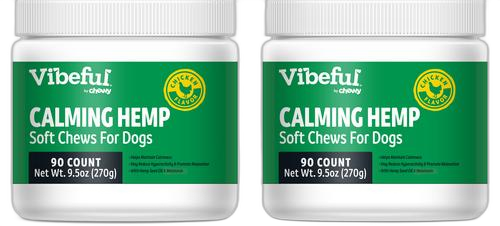
Vibeful Calming Hemp Chicken Flavored Soft Chews Calming Supplement for Dogs
Vibeful
Particular Paws Calming Treats for Dogs
Particular Paws
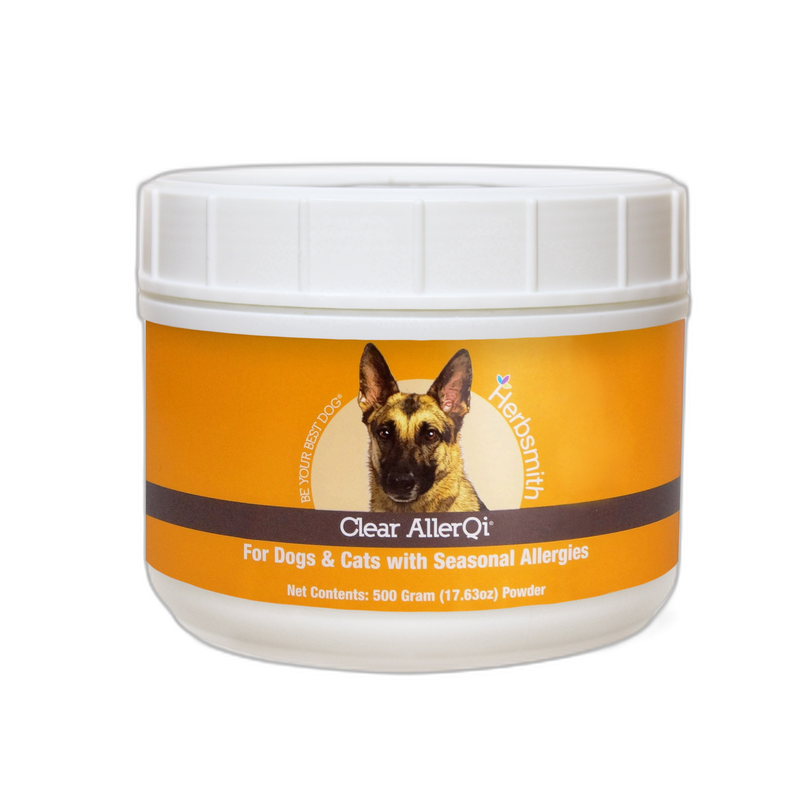
Rx Vitamins for Pets NutriCalm for Dogs
Rx Vitamins for Pets
Honest Paws Calm Soft Chews for Dogs
Honest Paws
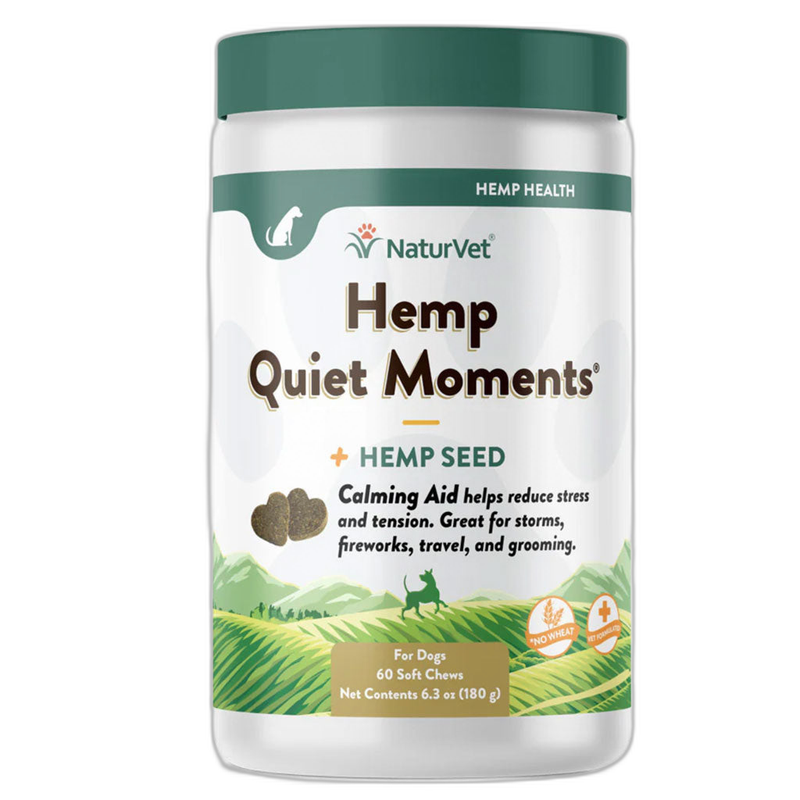
NaturVet Hemp Quiet Moments Calming Aid Plus Hemp Seed
NaturVet
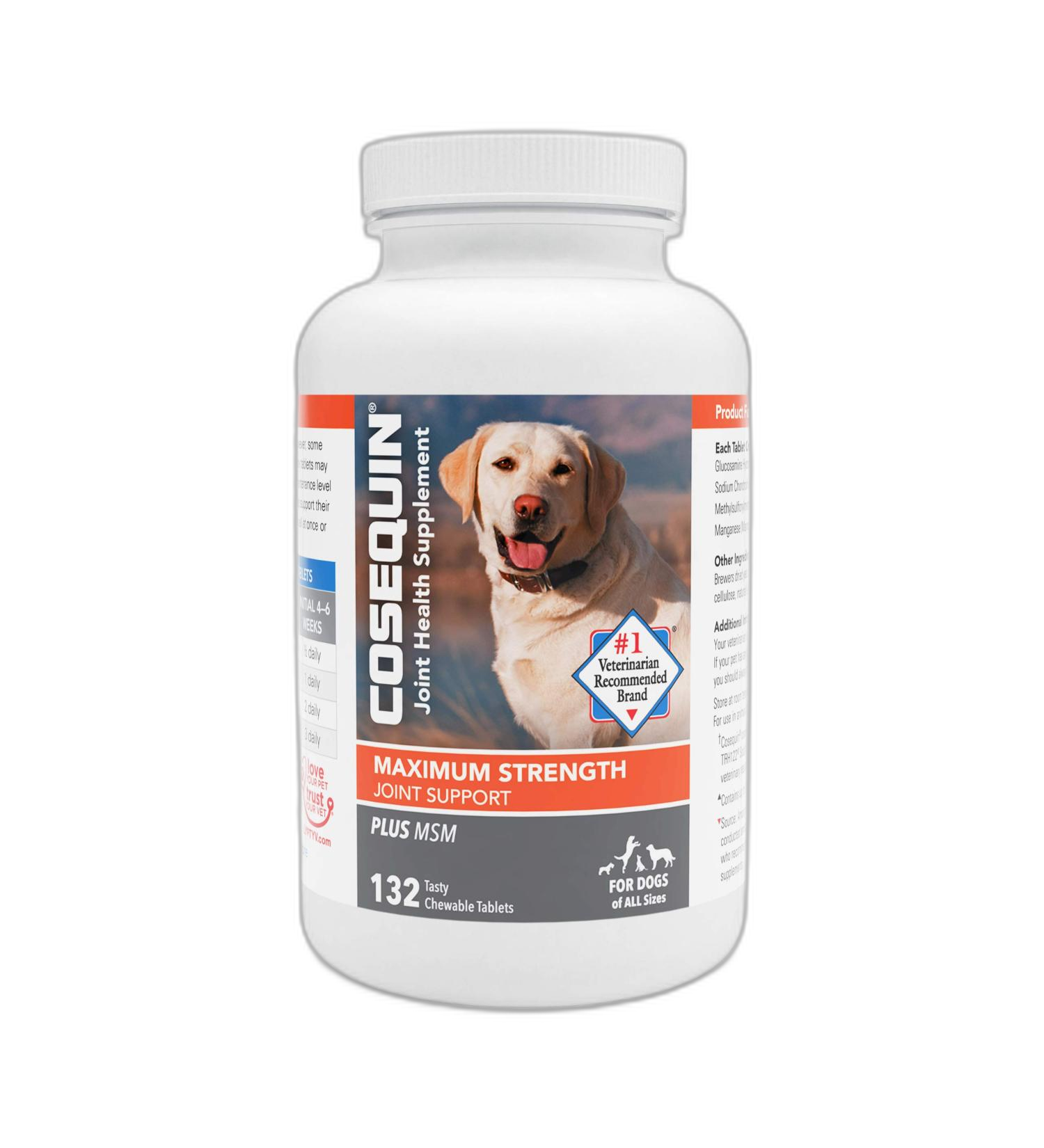
Herbsmith July Third Calming Aid for Dogs
Herbsmith