MSM
joint support
Methylsulfonylmethane, commonly known as MSM, is a naturally occurring sulfur compound gaining attention as a dietary supplement for both humans and animals. For pet owners, understanding MSM's potential role in their dog's or cat's health, particularly concerning joint issues and inflammation, is crucial. This guide explores what MSM is, its purported benefits, considerations for dosage, and important safety aspects for canine and feline companions.
What is Methylsulfonylmethane (MSM)?
MSM is an organic sulfur-containing compound. Sulfur is a fundamental building block for healthy bones, joints, cartilage, collagen, and connective tissues. It plays a role in numerous bodily functions, including enzyme activity, hormone balance, and immune system health. While sulfur is present in various foods, including some fruits, vegetables, and meats, cooking and processing can often diminish its content.
For dogs and cats, the interest in MSM primarily revolves around its potential anti-inflammatory and pain-reducing properties. It's not a drug but rather a nutritional supplement that aims to support the body's natural healing processes. The sulfur supplied by MSM is thought to be utilized by the body in the synthesis of glycosaminoglycans, such as chondroitin sulfate and hyaluronic acid, which are vital components of cartilage and joint fluid.
For example, consider an older dog with stiff joints. Their body's natural sulfur levels might be lower, or their demand for sulfur in joint repair might be higher. Supplementing with MSM aims to provide readily available sulfur to support the integrity and function of these tissues, potentially leading to improved comfort and mobility. It's a foundational approach, working with the body's biochemistry rather than masking symptoms.
The Pros & Cons of MSM for Dogs and Cats
Like any supplement, MSM comes with a range of potential advantages and disadvantages that pet owners should consider. Understanding these can help in making informed decisions about its inclusion in a pet's health regimen.
Potential Benefits (Pros)
The primary appeal of MSM for pets lies in its purported ability to support joint health and manage inflammation.
- Anti-inflammatory Properties: MSM is believed to inhibit certain inflammatory pathways in the body. This can be particularly beneficial for pets suffering from conditions like osteoarthritis, where chronic inflammation contributes to pain and joint degradation. By reducing inflammation, MSM may help alleviate discomfort and improve mobility.
- Pain Relief: Beyond inflammation reduction, some anecdotal evidence and preliminary studies suggest MSM can directly help with pain management. This is often linked to its anti-inflammatory effects, but some theories also propose a direct analgesic effect by reducing nerve impulse transmission in pain pathways.
- Cartilage Protection: Sulfur is critical for maintaining the structure and integrity of cartilage. By providing a bioavailable source of sulfur, MSM may support the repair and maintenance of connective tissues, potentially slowing down cartilage degeneration in conditions like arthritis.
- Improved Mobility: As a consequence of reduced pain and inflammation, and improved joint health, pets often exhibit better mobility. This can manifest as easier rising from a resting position, more comfortable walking, or a greater willingness to engage in play.
- Antioxidant Effects: MSM may act as an antioxidant, helping to neutralize free radicals that can cause cellular damage and contribute to inflammation and aging processes.
- Allergy Symptom Reduction: Some users report that MSM can help reduce symptoms of environmental allergies in pets, possibly by blocking histamine receptors or reducing inflammatory responses to allergens. This is less studied in pets but is a reported benefit in humans.
- Skin and Coat Health: Sulfur is also important for keratin production, a key protein in skin, hair, and nails. Some pet owners observe improvements in coat luster and skin health with MSM supplementation.
Potential Drawbacks (Cons)
While generally considered safe, there are some considerations and potential downsides to MSM supplementation.
- Lack of Extensive Veterinary Research: While human studies exist, large-scale, peer-reviewed veterinary studies specifically on MSM for dogs and cats are not as abundant as for some prescription medications. Much of the evidence is anecdotal or based on extrapolation from human research.
- Gastrointestinal Upset: The most commonly reported side effect, though rare and usually mild, is gastrointestinal upset. This can include nausea, diarrhea, or gas, especially when starting a high dose too quickly.
- Individual Variability: Not all pets respond to MSM in the same way. Some may show significant improvement, while others may show little to no change. It's not a guaranteed solution for every pet.
- Masking Underlying Conditions: While MSM can relieve symptoms, it doesn't address the root cause of certain conditions. Relying solely on MSM without a proper veterinary diagnosis could delay treatment for more serious underlying issues.
- Quality Control in Supplements: The supplement market is less regulated than pharmaceuticals. The quality and purity of MSM products can vary, and some may contain fillers or contaminants. Choosing a reputable brand is essential.
- Cost: Consistent supplementation can become an ongoing expense, especially for larger dogs requiring higher doses.
- Interactions with Medications: While MSM is generally well-tolerated, there's always a theoretical risk of interaction with certain medications, especially blood thinners, due to its potential anti-inflammatory effects. Always consult a vet if your pet is on other medications.
Here's a quick comparison:
| Feature | MSM for Pets (Pros) | MSM for Pets (Cons) |
|---|---|---|
| Primary Benefit | Joint support, pain relief, anti-inflammatory | Limited large-scale veterinary research |
| Side Effects | Generally mild (GI upset), rare | Potential for mild GI upset (diarrhea, gas, nausea) |
| Mechanism | Provides sulfur for cartilage, reduces inflammation | Does not cure underlying conditions; manages symptoms |
| Availability | Widely available in various forms (powder, chew, liquid) | Quality varies; need to select reputable brands |
| Cost | Relatively affordable compared to some prescription drugs | Ongoing expense, especially for large pets |
| Interaction | Generally safe with most supplements | Theoretical risk with blood thinners; consult vet for polypharmacy |
Dog Supplements with MSM (Methylsulfonylmethane)
The market for pet supplements, particularly those targeting joint health, is extensive. MSM is a common ingredient in many of these formulations, often combined with other compounds like glucosamine and chondroitin. When selecting an MSM supplement for your dog, several factors warrant consideration.
Firstly, formulation matters. MSM is available in various forms:
- Powders: Often the most cost-effective, powders can be mixed directly into food. This allows for precise dosage adjustments, which can be beneficial for titration or for pets of varying sizes.
- Chewable Tablets/Soft Chews: These are often palatable and can be given as treats, simplifying administration for many dogs. However, the precise dosage per chew might be less flexible than with powders.
- Liquids: Some pets prefer liquid supplements, which can also be mixed into food or given directly.
Secondly, ingredient synergy is a key aspect. Many joint supplements combine MSM with other beneficial compounds:
- Glucosamine: This amino sugar is a precursor for glycosaminoglycans, which are major components of cartilage. It's thought to help repair and rebuild cartilage.
- Chondroitin Sulfate: Another glycosaminoglycan, chondroitin is believed to help maintain cartilage elasticity and inhibit enzymes that break down cartilage.
- Omega-3 Fatty Acids (e.g., EPA, DHA): Known for their potent anti-inflammatory properties, omega-3s can complement MSM's effects, particularly in managing chronic inflammation.
- Hyaluronic Acid (HA): A component of synovial fluid, HA helps lubricate joints and absorb shock.
- Vitamin C: An antioxidant that also plays a role in collagen synthesis, which is crucial for connective tissue health.
When evaluating a product, look for third-party testing or certifications. Since the supplement industry is not as strictly regulated as pharmaceuticals, independent verification of purity, potency, and absence of contaminants provides an extra layer of assurance. Statements like "veterinarian formulated" or "made in a GMP-certified facility" can also be indicators of quality, though they don't replace third-party testing.
Finally, consider the source of MSM. While most MSM is synthetically produced to ensure purity, some brands might highlight specific sourcing or purification processes. The key is to ensure the product contains pure MSM without unnecessary fillers or artificial additives.
An example of a practical scenario: A pet owner with a large breed dog developing early signs of hip dysplasia might opt for a powdered MSM supplement to easily adjust the dose as the dog grows and to combine it with a glucosamine/chondroitin powder for comprehensive joint support. For a smaller, older cat with early arthritis, a palatable soft chew might be a better option to ensure consistent intake.
Dasuquin® With MSM Soft Chews for Dogs and Cats
Dasuquin is a prominent brand in the pet joint supplement market, and its formulations often include MSM. Specifically, Dasuquin® With MSM Soft Chews are popular among pet owners and veterinarians alike. Understanding this specific product can serve as a detailed example of a multi-ingredient joint supplement.
Dasuquin's core formulation typically includes FCHG49® Glucosamine Hydrochloride, TRH122® Sodium Chondroitin Sulfate, and NMX1000® Avocado/Soybean Unsaponifiables (ASU). The "With MSM" version adds Methylsulfonylmethane to this blend. These ingredients are chosen for their on joint health:
- Glucosamine and Chondroitin: As discussed, these are fundamental building blocks for cartilage and help maintain its structure and function. The specific, proprietary forms used by Dasuquin are often highlighted for their purity and bioavailability.
- ASU (Avocado/Soybean Unsaponifiables): This plant-based extract is believed to support cartilage health and may help protect against cartilage breakdown, potentially enhancing the effects of glucosamine and chondroitin.
- MSM: Included for its anti-inflammatory and pain-relieving properties, and its role as a sulfur source for connective tissue maintenance.
The "Soft Chew" format is designed for palatability and ease of administration. Many dogs and cats will readily consume these chews, treating them as a snack. This can significantly improve owner compliance compared to trying to administer pills or powders to finicky pets.
Practical Implications and Considerations:
- Target Audience: Dasuquin with MSM is typically recommended for dogs and cats experiencing signs of joint discomfort due to aging, injury, or conditions like osteoarthritis. It's also often used as a preventative measure in breeds predisposed to joint problems.
- Dosage: The dosage for Dasuquin chews is usually weight-dependent, with specific recommendations provided on the packaging for an "initial loading period" (typically 4-6 weeks) followed by a "maintenance period." It's crucial to follow these guidelines or your veterinarian's specific instructions.
- Cost: As a premium, branded product, Dasuquin can be more expensive than generic MSM supplements. However, many pet owners feel the comprehensive formulation and ease of administration justify the cost.
- Effectiveness: Pet owners often report positive outcomes, including improved mobility and reduced signs of pain, after consistent use. However, individual results can vary, and it may take several weeks to observe noticeable changes due to the nature of cartilage repair and inflammation reduction.
- Veterinary Consultation: Given its comprehensive nature and the potential for a significant investment, discussing Dasuquin with your veterinarian before starting supplementation is advisable. They can help determine if it's the right choice for your pet's specific condition and overall health profile.
For instance, a veterinarian might recommend Dasuquin with MSM for a Labrador Retriever with mild hip arthritis, starting with the loading dose for a month, then transitioning to the maintenance dose. They might also suggest combining it with other therapies, such as controlled exercise or anti-inflammatory drugs, depending on the severity of the condition.
Understanding Methylsulfonylmethane (MSM) and Its Role in Pet Health
Delving deeper into how MSM functions at a physiological level helps clarify its potential impact on pet health. MSM is not merely a pain reliever; it's thought to contribute to the body's structural and functional integrity in several ways.
The Sulfur Connection
Sulfur is the third most abundant mineral in the body and is critical for life. It's a key component of amino acids like methionine and cysteine, which are essential for protein synthesis. These proteins, in turn, form the building blocks of virtually all cells and tissues, including:
- Collagen: The primary structural protein in connective tissues, skin, bones, and tendons.
- Keratin: The main protein in hair, nails, and the outer layer of skin.
- Elastin: A protein that provides elasticity to tissues like skin and blood vessels.
MSM provides a readily bioavailable form of organic sulfur. When pets consume MSM, this sulfur can be incorporated into these vital proteins and compounds. For example, in joint cartilage, sulfur is needed to form glycosaminoglycans (GAGs) like chondroitin sulfate and keratan sulfate. These GAGs are responsible for the osmotic properties of cartilage, allowing it to absorb water and act as a shock absorber. Without adequate sulfur, the integrity and function of cartilage can be compromised.
Anti-inflammatory Mechanisms
The anti-inflammatory effects of MSM are believed to stem from several pathways:
- Inhibition of NF-κB: Some research suggests MSM can inhibit the activation of nuclear factor-kappa B (NF-κB), a protein complex that controls DNA transcription, cytokine production, and cell survival. NF-κB plays a crucial role in regulating the immune response and inflammatory processes. By inhibiting it, MSM may reduce the production of pro-inflammatory cytokines.
- Reduction of Prostaglandins and Leukotrienes: These are lipid compounds that act as signaling molecules involved in inflammation and pain. MSM may help modulate their synthesis, thereby reducing inflammatory responses.
- Antioxidant Activity: MSM can enhance the body's production of glutathione, a powerful endogenous antioxidant. By reducing oxidative stress, MSM can indirectly mitigate inflammation, as free radicals contribute to inflammatory cascades.
- Permeability of Cell Membranes: It's hypothesized that MSM may improve the permeability of cell membranes, allowing for better nutrient uptake and waste removal, which can contribute to overall cellular health and reduce localized inflammation.
Pain Management
The pain-relieving effects of MSM are generally considered secondary to its anti-inflammatory actions. By reducing inflammation, swelling, and oxidative stress in tissues, the sources of pain are diminished. There's also a theory that MSM might have a direct analgesic effect by inhibiting nerve impulses that transmit pain signals, though this mechanism is less firmly established in animal models.
Not a Cure, but a Support
It's important to frame MSM not as a cure for conditions like arthritis, but as a supportive supplement. It aims to provide the body with essential building blocks and modulate inflammatory responses, thereby improving the quality of life for pets suffering from joint issues or other inflammatory conditions. The goal is to enhance the body's natural ability to maintain and repair tissues, leading to reduced discomfort and improved function over time.
For instance, a dog with chronic elbow arthritis might benefit from MSM by experiencing less daily stiffness and pain, allowing them to walk further or play more comfortably. This doesn't mean the arthritis is gone, but the symptoms are managed more effectively through nutritional support.
MethylSulfonylMethane For Dogs and Cats: Practical Application
Implementing MSM supplementation for your dog or cat involves careful consideration of dosage, product selection, and monitoring for effects.
Dosage Guidelines
Determining the correct MSM dosage for dogs and cats is crucial. There isn't a universally accepted official veterinary dosage, but general guidelines are often derived from human studies and veterinary experience. Always consult with your veterinarian before starting any new supplement, especially to confirm the appropriate dose for your specific pet's weight, age, and health condition.
General Guidelines (Approximate):
- Dogs: Doses typically range from 50 to 100 mg per 10 pounds of body weight per day.
- For a small dog (e.g., 10-20 lbs): 100-200 mg/day
- For a medium dog (e.g., 30-50 lbs): 300-500 mg/day
- For a large dog (e.g., 60-100 lbs): 600-1000 mg/day
- For a giant dog (e.g., 100+ lbs): 1000-2000 mg/day
- Cats: Doses are significantly lower, typically ranging from 50 to 100 mg per day, regardless of exact weight, though some sources suggest up to 200 mg for larger cats. Start with the lowest effective dose.
Important Dosage Considerations:
Safety Guide
MSM is generally considered safe for most pets when administered correctly. However, a responsible approach to supplementation involves understanding potential risks and precautions.
Potential Side Effects:
- Gastrointestinal Upset: The most common side effect, though infrequent, includes mild diarrhea, gas, or nausea. This often occurs when starting with too high a dose or increasing the dose too quickly. Reducing the dose or splitting it can often alleviate these symptoms.
- Allergic Reactions: While rare, any supplement can potentially cause an allergic reaction. Watch for signs like itching, hives, swelling, or difficulty breathing (seek immediate veterinary attention if these occur).
- Fatigue or Lethargy: Some anecdotal reports mention temporary lethargy upon starting MSM, though this is not well-documented.
Precautions and Warnings:
- Veterinary Consultation is Paramount: Before starting MSM, especially if your pet has pre-existing conditions, is on other medications, or is pregnant/nursing, consult your veterinarian. They can help rule out underlying conditions and ensure MSM is appropriate.
- Interactions with Medications: While MSM is generally well-tolerated, there's a theoretical concern about its interaction with blood-thinning medications due to its anti-inflammatory properties. Always inform your vet about all supplements your pet is receiving.
- Quality of Product: Choose reputable brands that are transparent about their sourcing, manufacturing processes, and provide third-party testing results. Avoid human-grade supplements unless specifically advised by your vet, as concentrations or inactive ingredients might not be suitable for pets.
- Not a Substitute for Veterinary Care: MSM is a supplement, not a drug or a cure. It should not replace proper veterinary diagnosis and treatment for serious conditions. If your pet's condition worsens or does not improve, seek veterinary attention.
- Storage: Store MSM supplements according to the manufacturer's instructions, typically in a cool, dry place, away from direct sunlight and out of reach of pets and children.
Example Scenario: A pet owner notices their 8-year-old cat is jumping less and seems stiff. After a vet visit confirms early arthritis, the vet might suggest starting MSM. The owner chooses a liquid pet-specific MSM product. They begin with 25mg mixed into the cat's wet food once a day for a few days, then increase to 50mg twice a day. They monitor the cat for any changes in appetite or stool consistency and observe for improvements in mobility over the next 3-4 weeks.
Frequently Asked Questions
What does MSM do to dogs?
MSM provides bioavailable sulfur, a crucial mineral for building and maintaining healthy connective tissues like cartilage, ligaments, and tendons. In dogs, it's primarily used to help reduce inflammation, alleviate pain associated with conditions like osteoarthritis, and support overall joint health and mobility. It's thought to work by modulating inflammatory pathways and supplying essential building blocks for joint repair.
What is the downside of MSM?
The main downsides of MSM for dogs are typically mild and infrequent. The most common side effect is gastrointestinal upset, such as diarrhea, gas, or nausea, especially if introduced too quickly or at too high a dose. There's also a lack of extensive, large-scale veterinary research compared to some prescription medications, meaning much of the evidence is anecdotal or extrapolated from human studies. Lastly, the quality of supplements can vary, requiring careful selection of reputable brands.
How much is too much MSM for dogs?
While MSM has a relatively wide safety margin, "too much" can lead to adverse effects, primarily gastrointestinal upset. There isn't a precise toxic dose universally established, but exceeding the recommended dosage range (typically 50-100 mg per 10 pounds of body weight per day, divided) significantly increases the risk of side effects. Always start with a low dose, gradually increase, and consult your veterinarian for specific dosage guidance based on your dog's individual needs and health status. Overdosing could also potentially mask underlying conditions or interact with other medications.
Conclusion
MSM offers a promising avenue for supporting joint health and managing inflammation in dogs and cats. As a source of organic sulfur, it contributes to the structural integrity of connective tissues and may help mitigate pain and improve mobility. While generally considered safe, responsible supplementation requires careful attention to product quality, appropriate dosage, and a thorough understanding of its potential benefits and limitations. Always engage with your veterinarian to determine if MSM is a suitable addition to your pet's health regimen, ensuring it aligns with their specific needs and overall health plan.
Products Containing MSM
Top-rated supplements featuring this ingredient, ranked by our PSI+ score.
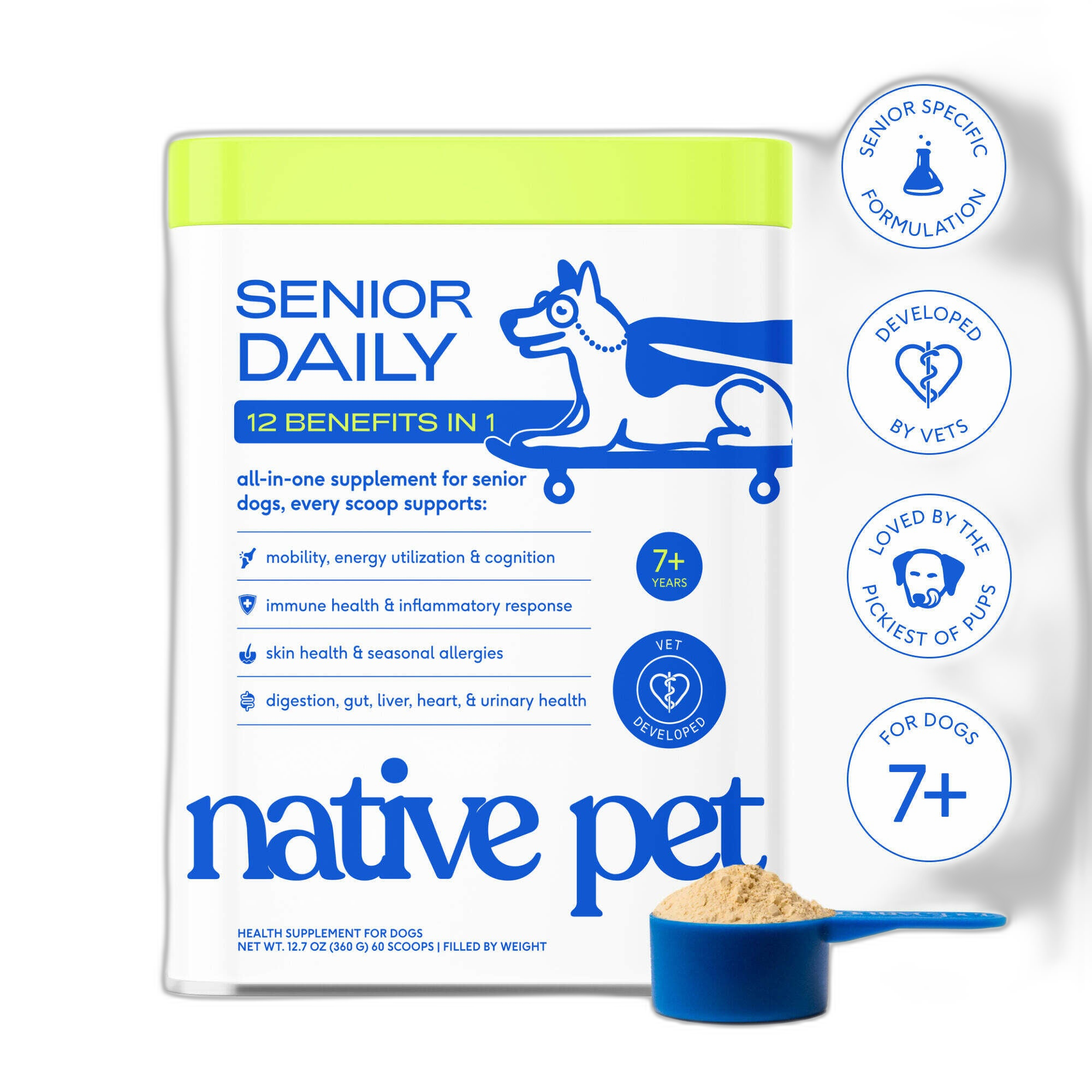
Native Pet Senior Daily Powder 12-in-1 Supplement for Senior Dogs
Native Pet
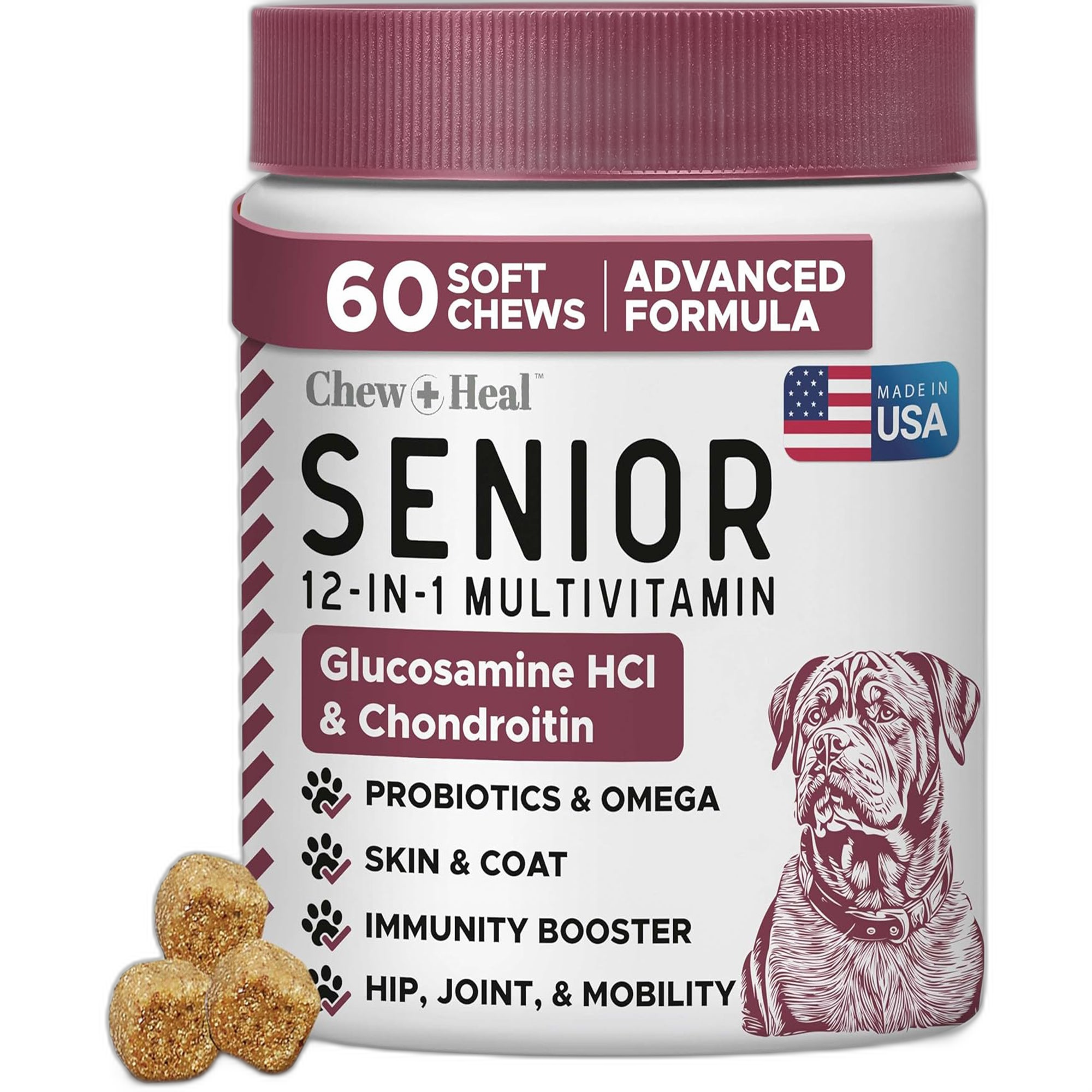
Chew + Heal Senior 12-In-1 Advanced Multivitamin Soft Chews Supplement for Senior Dogs
Chew + Heal
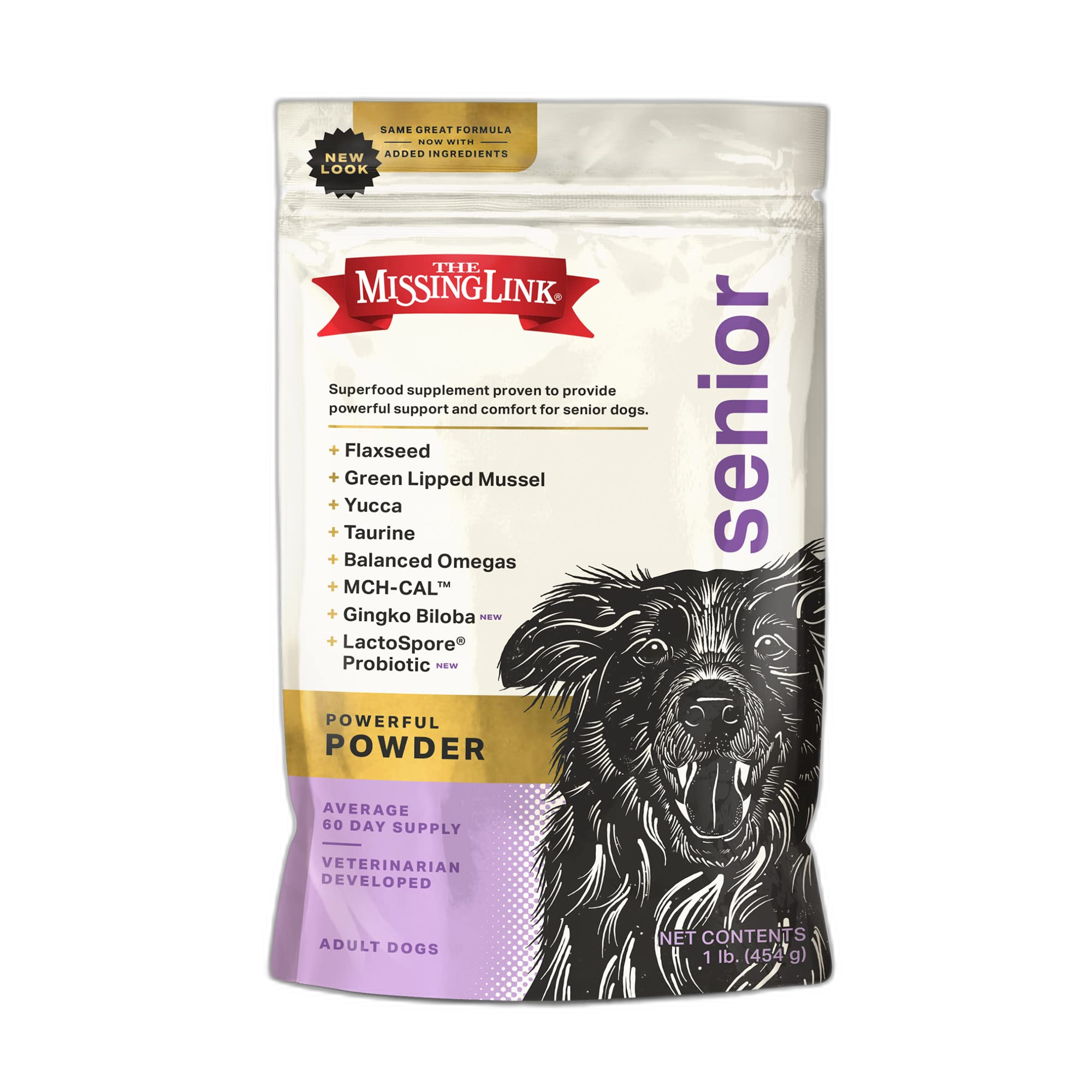
The Missing Link Ultimate Canine Senior Health Formula Dog Supplement
The Missing Link
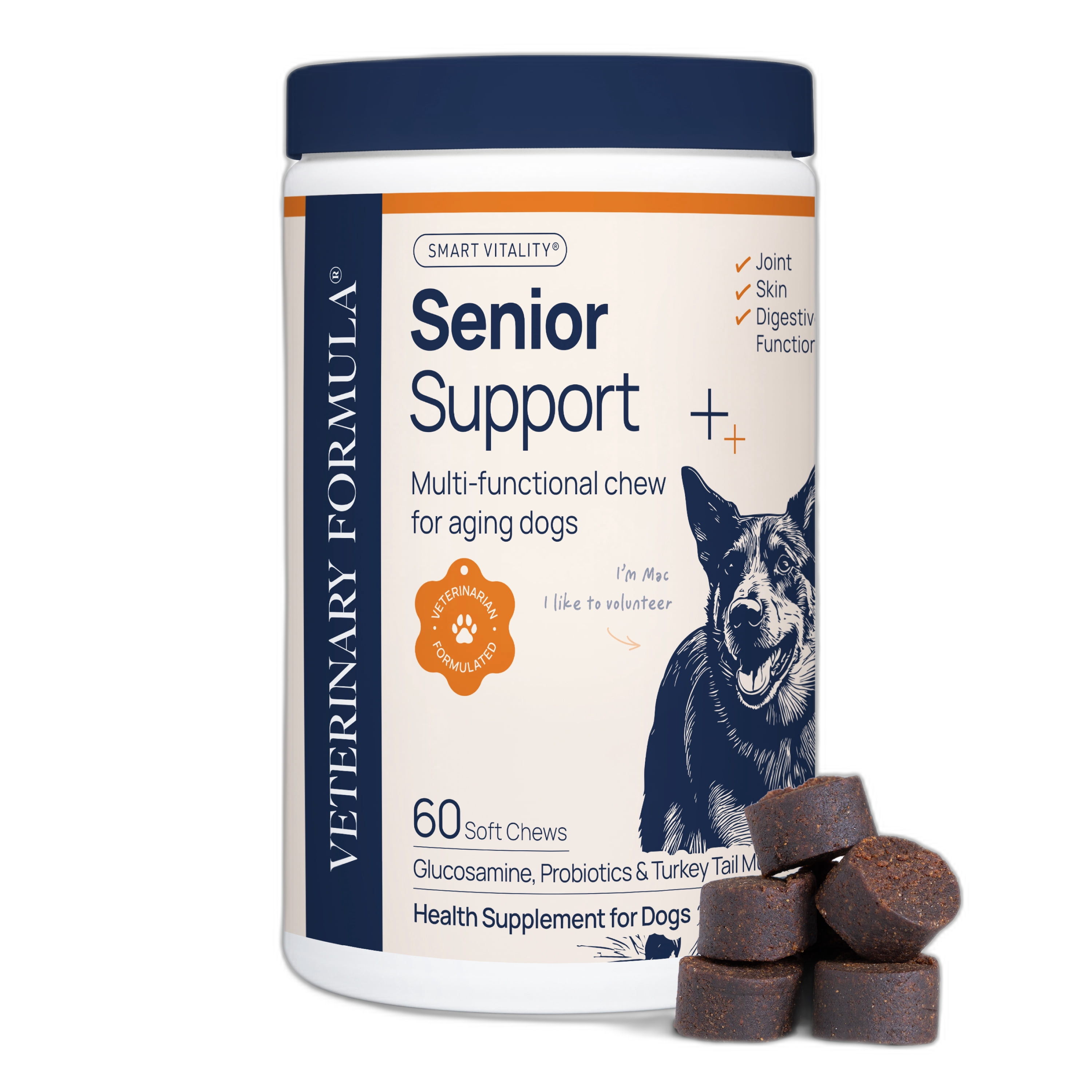
Veterinary Formula Smart Vitality Senior Support Pork Flavored Soft Chew Supplement for Senior Dogs
Veterinary Formula

40 in 1 Dog Vitamins and Supplements Chewable
40 in 1
Natural Target Dog & Cat Multivitamin Complete Supplement
Natural Target
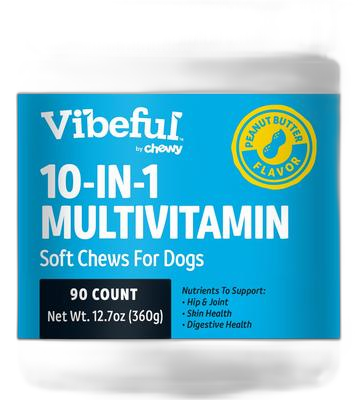
Vibeful 10-in-1 Multivitamin Bites Peanut Butter Flavored Soft Chews Supplement for Dogs
Vibeful

Ark Naturals Gray Muzzle Old Bones Happy Joint Soft Chew Joint Supplement for Senior Dogs
Ark Naturals