Nettle Seed
kidney support
Nettle seed, derived from the Urtica dioica plant, has gained attention as a potential supplement for pets, particularly dogs and cats, due to its purported benefits in supporting kidney function and overall well-being. This guide explores the use of nettle seed for pets, covering its potential applications, appropriate dosages, and considerations for its efficacy and safety.
Nettle Seed for Pets
Nettle seed for dogs and other pets refers specifically to the dried seeds of the stinging nettle plant, Urtica dioica. While the leaves of the nettle plant are widely recognized for their diuretic and anti-inflammatory properties, the seeds offer a distinct set of compounds, including fatty acids, lignans, and plant sterols. These components are thought to contribute to its potential efficacy in supporting renal health and providing a general tonic effect.
The use of nettle seed in pets often stems from a holistic or integrative veterinary approach, where natural remedies are explored to complement conventional treatments or support health proactively. For instance, in cases of aging dogs or those with early signs of kidney stress, nettle seed might be considered as part of a broader nutritional strategy. It's not a substitute for veterinary care, especially in acute or advanced conditions, but rather a supportive agent.
One practical implication of using nettle seed is its availability. It can be found in various forms, including whole dried seeds, tinctures, or encapsulated powders. The choice of form often depends on the pet's palatability preferences and the owner's ease of administration. For example, some owners find sprinkling whole seeds over food more convenient, while others prefer the precise dosing offered by tinctures. Edge cases might involve pets with known plant allergies or those on multiple medications, where potential interactions need careful consideration by a veterinarian.
Nettle Seed Urtica dioica Tincture — Rita Hogan Dog ...
Rita Hogan, a recognized figure in canine herbalism, often discusses the application of Urtica dioica tincture for dogs, particularly emphasizing its potential for kidney support. A tincture is an herbal extract made by soaking plant material in alcohol or a glycerin solution. This process extracts the beneficial compounds, making them more concentrated and bioavailable.
For dogs, tinctures offer a few advantages. They are typically easy to administer, often by adding drops directly to food or water. The liquid form can also be absorbed relatively quickly. However, the alcohol content in traditional tinctures is a point of consideration for some pet owners. While the amount of alcohol in a typical dose is usually minimal and quickly metabolized, glycerin-based tinctures are often preferred for pets to avoid any alcohol exposure.
Hogan's approach often highlights the adaptogenic qualities of nettle seed, suggesting it can help the body adapt to stressors and maintain balance. In the context of canine kidney health, this might mean supporting the kidneys' natural filtration processes and potentially reducing inflammation, though specific mechanisms are still under investigation. A scenario where a tincture might be particularly useful is for an older dog showing subtle signs of kidney decline, such as increased thirst or occasional incontinence, where a gentle, long-term supportive measure is sought. The trade-off, as with any herbal supplement, is the need for consistent administration over time to observe potential benefits, and the understanding that results can vary significantly between individual animals.
Is Stinging Nettle Good for Dogs?
The question of whether stinging nettle is good for dogs requires a distinction between the different parts of the plant and their preparation. The fresh, stinging leaves of Urtica dioica contain histamine and other compounds that can cause skin irritation or an upset stomach if ingested raw. However, once dried, cooked, or processed into a tincture or seed form, these stinging compounds are typically neutralized, making the plant safe for consumption.
When considering "stinging nettle" for dogs, the focus usually shifts to its dried leaves or, more specifically, the seeds. The potential benefits attributed to nettle in dogs include:
- Kidney Support: Nettle, particularly its seeds, is often cited for its potential to support kidney function. It's believed to act as a mild diuretic, helping the body eliminate waste, and may possess renoprotective properties.
- Anti-inflammatory Properties: Compounds in nettle may help reduce inflammation, which can be beneficial for conditions like arthritis or allergic reactions.
- Nutrient Rich: Nettle leaves are a good source of vitamins (A, C, K, B vitamins), minerals (iron, calcium, magnesium), and antioxidants. While the seeds have a different nutritional profile, they also contribute valuable micronutrients.
- Allergy Support: Some anecdotal evidence suggests nettle may help mitigate seasonal allergy symptoms in dogs due to its antihistamine-like effects when processed.
However, it's important to recognize that these potential benefits mainly stem from traditional use and initial research, not from comprehensive veterinary clinical trials focused specifically on dogs. For instance, while nettle seed might offer supportive properties for a dog with chronic kidney disease (CKD), it should never be used as a substitute for prescribed medications or a veterinarian's treatment plan. Ultimately, whether nettle is beneficial for a dog largely depends on the specific health condition, correct preparation, and professional veterinary guidance.
Animal Essentials Nettle Herbal Extract for Dogs & Cats
Products like Animal Essentials Nettle Herbal Extract are examples of commercially available nettle supplements formulated specifically for pets. These products typically use a glycerin base instead of alcohol, making them palatable and safe for both dogs and cats. The extract usually comprises the leaves, and sometimes the seeds, of the nettle plant.
The core idea behind such extracts is to provide the beneficial compounds of nettle in a standardized, easy-to-administer form. Manufacturers aim to ensure consistency in potency, which can be a challenge with raw herbal materials. For instance, a pet owner might choose such an extract to support a cat with feline lower urinary tract disease (FLUTD), where mild diuretic and anti-inflammatory support could be beneficial.
Practical implications include understanding the concentration of the extract and corresponding dosage instructions provided by the manufacturer. These products often come with clear guidelines based on the pet's weight. Trade-offs involve the cost – commercially prepared extracts are generally more expensive than buying dried herbs or seeds – and the fact that the specific blend of compounds might differ from a homemade preparation. An edge case might be a very sensitive pet that reacts to even small amounts of new ingredients; in such situations, introducing any new supplement gradually and observing for adverse reactions is important. The convenience of a pre-formulated product often outweighs these considerations for many pet owners seeking a reliable option.
Grasp the Nettle and Explore How it Can Help Kidney ...
The phrase "grasp the nettle" metaphorically implies confronting a difficult or unpleasant task directly. In the context of pet health, it refers to embracing natural remedies like nettle to address conditions, particularly those related to kidney health, which can be complex and challenging.
Nettle seed's potential role in kidney support for dogs and cats centers on several proposed mechanisms:
- Diuretic Action: Nettle is considered a mild diuretic, meaning it can help increase urine production. This might aid in flushing toxins from the kidneys and reducing fluid retention.
- Anti-inflammatory Effects: Kidney conditions often involve inflammation. Nettle's anti-inflammatory compounds could help mitigate this, potentially reducing damage to kidney tissues.
- Antioxidant Properties: The seeds contain antioxidants that can combat oxidative stress, which plays a role in the progression of many chronic diseases, including kidney disease.
- Nutrient Support: The rich nutrient profile of nettle can provide general support to an animal's system, which is especially important for pets with chronic conditions that may affect nutrient absorption or utilization.
Consider a scenario where an older dog has been diagnosed with early-stage chronic kidney disease (CKD). While dietary changes and conventional medications are primary, a veterinarian might suggest nettle seed as an adjunctive therapy. The goal wouldn't be to cure the CKD, but to potentially slow its progression, improve the dog's comfort, and support overall kidney function. This approach requires careful monitoring of blood and urine parameters by a vet to assess the supplement's impact and make necessary adjustments. The trade-off is that while natural remedies can be beneficial, their effects are often subtle and cumulative, not immediate or curative, particularly in advanced disease states.
The Many Benefits of Adding Nettles to Your Dog's Diet
Beyond specific kidney support, incorporating nettles (leaves or seeds, properly prepared) into a dog's diet is often promoted for a range of general health benefits. These benefits stem from the plant's rich nutritional and phytochemical composition.
Here's a breakdown of potential advantages:
- Rich in Nutrients: Nettle leaves are packed with vitamins (A, C, K, B vitamins), minerals (iron, calcium, magnesium, potassium), and chlorophyll. The seeds also contribute valuable fatty acids and lignans. These nutrients support various bodily functions, from bone health to immune response.
- Supports Joint Health: Due to its anti-inflammatory properties, nettle is sometimes used to support dogs with joint stiffness or arthritis. It may help reduce pain and improve mobility.
- Promotes Healthy Skin and Coat: The vitamins and minerals in nettle can contribute to a lustrous coat and healthy skin. Its anti-inflammatory effects might also benefit dogs with certain skin conditions or allergies.
- Boosts Immune System: The array of vitamins, minerals, and antioxidants in nettle can help strengthen the immune system, making a dog more resilient to illness.
- Aids Digestion: Nettle can act as a gentle digestive aid, potentially easing mild digestive upset and promoting a healthy gut environment.
- Detoxification Support: As a mild diuretic, nettle can assist the body's natural detoxification processes, helping to flush out waste products.
For example, a dog owner looking to enhance their otherwise healthy dog's diet might sprinkle a small amount of dried nettle leaf powder or nettle seeds over their food a few times a week. This could be part of a preventative wellness strategy, rather than addressing a specific ailment. However, it's important to remember that while nettle offers a array of nutrients, it should supplement, not replace, a balanced and complete diet. Over-supplementation can lead to imbalances, so moderation and veterinary consultation are key.
Nettle Seed Dosage for Dogs and Cats
Determining the correct nettle seed dosage for dogs and cats is crucial, as too little may be ineffective and too much could lead to adverse effects. There is no universally established veterinary dosage, as it can vary based on the pet's size, age, health condition, and the specific form of nettle seed being used (whole seeds, powder, tincture). General guidelines are often extrapolated from traditional herbal practices and anecdotal reports.
General Guidelines (Consult a Veterinarian Before Use):
| Pet Weight (Approx.) | Whole Nettle Seeds (Daily) | Nettle Seed Powder (Daily) | Nettle Seed Tincture (Daily) |
|---|---|---|---|
| Small Dog/Cat (up to 10 kg) | 1/8 to 1/4 teaspoon | 1/8 to 1/4 teaspoon | 1-3 drops |
| Medium Dog (11-25 kg) | 1/4 to 1/2 teaspoon | 1/4 to 1/2 teaspoon | 3-6 drops |
| Large Dog (26-45 kg) | 1/2 to 1 teaspoon | 1/2 to 1 teaspoon | 6-10 drops |
| Giant Dog (over 45 kg) | 1 to 2 teaspoons | 1 to 2 teaspoons | 10-15 drops |
- Important Considerations:
- Start Low, Go Slow: Always begin with the lowest recommended dose and gradually increase over several days while monitoring your pet for any adverse reactions.
- Formulation Specifics: If using a commercial product, strictly follow the manufacturer's dosing instructions, as concentrations can vary significantly.
- Individual Variation: Every pet is different. Factors like metabolism, sensitivity, and underlying health conditions can influence how they respond to supplements.
- Consult a Veterinarian: Before introducing nettle seed or any new supplement, especially for pets with existing health issues or those on medication, consult with a holistic or integrative veterinarian. They can provide personalized dosage recommendations and check for potential interactions.
- Duration: Nettle seed is often used for long-term supportive care, but periodic breaks may be recommended by a vet.
For example, a 20 kg dog with early signs of kidney decline might start with 1/4 teaspoon of nettle seed powder mixed into their food daily for a week, then slowly increase to 1/2 teaspoon if well-tolerated and no adverse effects are observed. A cat, being generally more sensitive, would require a much smaller dose, starting with just a drop or a tiny pinch. Monitoring urine output, thirst levels, and general demeanor can help assess efficacy and tolerance.
Nettle Seed Safety for Pets
While generally considered safe when properly prepared and administered, nettle seed safety for pets is not absolute and requires careful consideration. The primary concerns revolve around proper identification, preparation, potential side effects, and interactions with medications.
Proper Identification: Ensure the nettle plant or seeds are correctly identified as Urtica dioica*. Misidentification could lead to administering a toxic plant.
- Preparation: As mentioned, fresh stinging nettle leaves can cause irritation. Only use dried, cooked, or processed nettle leaves or dried nettle seeds.
- Side Effects: Though rare, potential side effects in pets can include:
- Gastrointestinal Upset: Vomiting, diarrhea, or loss of appetite, especially if the dose is too high or introduced too quickly.
- Allergic Reactions: Hives, swelling, or difficulty breathing, though uncommon.
- Increased Urination: Due to its diuretic properties, which is often the desired effect but could lead to increased thirst.
- Drug Interactions: Nettle seed may interact with certain medications:
- Diuretics: Could potentiate the effects of prescribed diuretics, leading to excessive fluid loss or electrolyte imbalance.
- Blood Pressure Medications: Might lower blood pressure, potentially enhancing the effects of antihypertensive drugs.
- Blood Thinners: Nettle contains Vitamin K, which plays a role in blood clotting. While the amount in typical doses is unlikely to cause issues, caution is advised for pets on anticoagulant medications.
- Diabetes Medications: Some studies suggest nettle may affect blood sugar levels, so pets on insulin or oral hypoglycemics should be monitored closely.
- Contraindications: Nettle seed may not be suitable for all pets. For example, pets with severe heart conditions, advanced kidney disease where fluid balance is critically managed, or those with known plant allergies should avoid it unless specifically recommended and monitored by a vet. Pregnant or lactating animals should also avoid nettle seed due to a lack of safety data.
Always source nettle seed from reputable suppliers to ensure purity and quality. If you observe any unusual symptoms after administering nettle seed, discontinue use and contact your veterinarian immediately.
Kidney Support for Dogs and Renal Health in Cats
Kidney health is a critical aspect of pet well-being, as these organs play a vital role in filtering waste products from the blood, maintaining electrolyte balance, and producing hormones. When kidney function declines, it can lead to a cascade of health issues. Nettle seed is often explored as a complementary therapy for kidney support in dogs and renal health in cats, particularly in managing chronic conditions.
How Nettle Seed May Support Renal Function:
- Diuretic Action: By gently increasing urine output, nettle seed may help the kidneys flush out metabolic waste products and excess fluids, potentially easing the burden on compromised kidneys. This is particularly relevant in conditions where toxin buildup is a concern.
- Anti-inflammatory Effects: Chronic inflammation is often a component of kidney disease. The anti-inflammatory compounds in nettle seeds could help reduce inflammation within the kidney tissues, potentially preserving function.
- Antioxidant Protection: Oxidative stress contributes to kidney damage. Nettle seeds, rich in antioxidants, may help neutralize free radicals and protect kidney cells from damage.
- Nutrient Provision: While not a primary source of macronutrients, the vitamins and minerals in nettle can offer general systemic support, which is beneficial for pets with chronic illnesses that may impact nutrient absorption.
Comparison: Nettle Seed vs. Conventional Kidney Support
| Feature | Nettle Seed (Supportive) | Conventional Veterinary Treatments (Primary) |
|---|---|---|
| Primary Goal | Complementary support, symptom management, general wellness | Disease management, slowing progression, addressing specific issues |
| Mechanism | Diuretic, anti-inflammatory, antioxidant, nutritional | Pharmaceutical agents (e.g., ACE inhibitors, phosphate binders), fluid therapy, specialized diets |
| Efficacy Basis | Traditional use, anecdotal reports, preliminary studies | Extensive clinical trials, evidence-based medicine |
| Speed of Effect | Gradual, cumulative | Can be rapid (e.g., IV fluids) or gradual (e.g., diet changes) |
| Side Effects | Generally mild, GI upset, allergic reactions (rare) | Can be more significant, specific to medication |
| Monitoring | Observation of pet, vet check-ups | Regular bloodwork, urinalysis, blood pressure monitoring |
| Cost | Varies, generally lower than long-term medication | Can be significant, especially for ongoing care and medications |
| Veterinary Role | Consultation for safe integration | Essential for diagnosis, treatment plan, and ongoing management |
Nettle seed for dogs and cats supports kidney health; it isn't a cure for kidney disease. Pets with diagnosed kidney conditions require a comprehensive treatment plan from their veterinarian, which typically includes specialized prescription diets, medications, and fluid therapy. If your vet deems it appropriate, nettle seed can be incorporated into a to enhance well-being and potentially support kidney function. Regular veterinary monitoring is always recommended to ensure the pet's condition remains stable and that the supplement doesn't cause adverse effects or interact negatively with other treatments.
FAQ
Is nettle seed good for dogs?
Nettle seed is generally considered beneficial for dogs when properly prepared and administered, particularly for its potential to support kidney health, reduce inflammation, and provide a range of nutrients. However, it should always be used under veterinary guidance and is not a substitute for conventional medical treatment.
How much nettle to give a dog?
The appropriate dosage of nettle seed for a dog varies based on the dog's weight, the form of nettle (whole seeds, powder, tincture), and individual health status. It's crucial to start with a low dose and gradually increase while monitoring your dog. Always consult with a veterinarian for personalized dosage recommendations, especially if your dog has existing health conditions or is on other medications.
What are the side effects of nettles for dogs?
When given in appropriate doses, side effects of nettle seed for dogs are generally mild and rare. Potential side effects can include gastrointestinal upset (vomiting, diarrhea), or, very rarely, allergic reactions. Fresh, unprocessed stinging nettle leaves can cause skin irritation or mouth discomfort due to their stinging hairs, but these compounds are neutralized in dried or processed forms. Always monitor your pet closely after introducing any new supplement.
Conclusion
Nettle seed offers a compelling natural option for pet owners seeking to support their dogs' and cats' health, particularly concerning kidney function and overall vitality. Its traditional use and emerging understanding of its rich phytochemical profile suggest potential benefits in a complementary role. However, as with any supplement, its efficacy and safety are intertwined with responsible use, accurate dosing, and, most importantly, professional veterinary guidance. Before introducing nettle seed or any new supplement into your pet's regimen, a thorough discussion with a veterinarian is essential to ensure it aligns with their individual health needs and existing treatments.
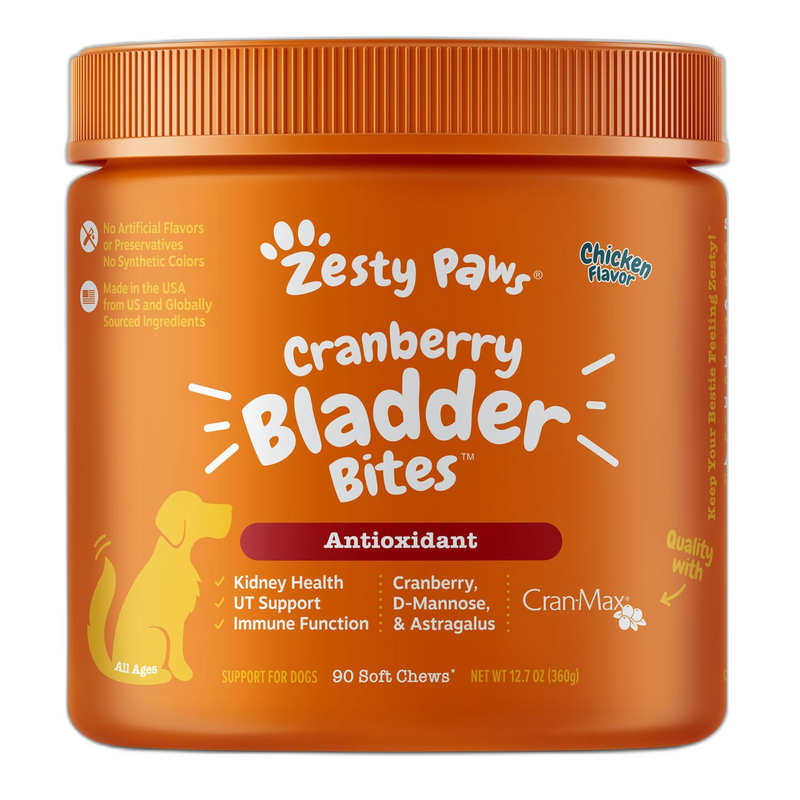
Products Containing Nettle Seed
Top-rated supplements featuring this ingredient, ranked by our PSI+ score.