Cranberry Extract
urinary health
Effective Dose Range (dog)
Min Effective
5 mg/kg body weight (standardized extract)
Optimal Low
10 mg/kg body weight (standardized extract)
Optimal High
20 mg/kg body weight (standardized extract)
Upper Limit
40 mg/kg body weight (standardized extract)
Research Evidence
Safety Data
Safe for most dogs. May acidify urine — use caution with calcium oxalate stone formers. Ensure product is free of added sugars. Not a substitute for antibiotics in active UTI.
Mechanism of Action
A-type proanthocyanidins prevent E. coli fimbriae from adhering to uroepithelial cells. Antioxidant polyphenols reduce oxidative stress in urinary tissue. May modulate gut microbiome composition.
Many pet owners explore natural remedies for their companions' health, and cranberry extract for dogs is a common topic, particularly concerning urinary tract health. This guide examines the utility of cranberry extract as a supplement for dogs and cats, discussing its proposed benefits, how it works, appropriate dosages, and safety considerations. The goal is to provide a comprehensive understanding for those considering this supplement for their pets.
Cranberry for Dogs: Understanding the Basics
Cranberry extract for dogs is primarily associated with supporting urinary tract health. The active compounds in cranberries, particularly proanthocyanidins (PACs), are thought to prevent certain types of bacteria, specifically Escherichia coli (E. Coli), from adhering to the walls of the urinary bladder. This non-adherence is key to how cranberries are believed to help prevent urinary tract infections (UTIs).
When bacteria like E. Coli attach to the bladder lining, they can multiply and cause an infection. By interfering with this attachment, PACs theoretically reduce the likelihood of bacteria establishing themselves. It's important to note that cranberry extract is generally considered a preventative measure or a supportive supplement, not a treatment for an active, established UTI. If a dog or cat already has a UTI, veterinary medical intervention, often involving antibiotics, is typically necessary.
Practical implications of using cranberry extract include its potential role in managing recurrent UTIs in pets. For instance, a dog prone to frequent UTIs might benefit from a daily cranberry supplement to reduce the frequency of episodes. However, it's not a substitute for diagnosing the underlying cause of recurrent UTIs, which could range from anatomical abnormalities to bladder stones or systemic diseases. A veterinarian would need to investigate these possibilities.
Cranberry: A Promising Natural Product for Animal Health
The interest in cranberry as a natural product for animal health stems from its long-standing use in human medicine for urinary tract issues. The perceived benefits for pets largely mirror those for humans: primarily, the prevention of bacterial adhesion in the urinary tract.
Research into cranberry extract's efficacy in animals is ongoing and, at times, inconsistent. Some studies in veterinary medicine suggest a positive effect, showing a reduction in bacterial presence in the urine of animals supplemented with cranberry extract. Other studies have found less conclusive results. This variability can be due to many factors, including the type of cranberry extract used, the concentration of active PACs, the duration of supplementation, and the specific health conditions of the animals studied.
Trade-offs exist with any supplement. While generally considered safe, relying solely on cranberry extract to manage serious urinary conditions can delay appropriate veterinary treatment. For example, if a pet owner misinterprets signs of an active UTI (like frequent urination, straining, or blood in the urine) as something that cranberry extract can cure, they might postpone a vet visit, allowing the infection to worsen.
Consider a scenario: A cat, historically prone to idiopathic cystitis (a non-bacterial bladder inflammation), might show symptoms similar to a UTI. While cranberry extract might offer some general urinary support, it wouldn't address the specific inflammatory processes of idiopathic cystitis. In such a case, a multi-modal approach with specific dietary changes and anti-inflammatory medications prescribed by a vet would be more effective.
Crananidin: A Specific Cranberry-Based Supplement
Crananidin is a specific brand of cranberry-based supplement often recommended by veterinarians for urinary health in dogs. It's produced by Nutramax Laboratories, a company known for its veterinary supplements. Products like Crananidin typically standardize their cranberry extract to contain a certain amount of PACs. This standardization is crucial because not all cranberry products are created equal; the therapeutic effect is believed to be linked directly to the PAC content.
The practical implications of choosing a standardized product like Crananidin are that pet owners have a better assurance of consistent potency. Generic cranberry supplements, especially those marketed for human use, may not specify PAC content or may contain other ingredients that aren't suitable or tested for pets.
When considering Crananidin or similar veterinary-specific cranberry supplements, pet owners should always consult their veterinarian. The vet can help determine if such a supplement is appropriate for the pet's specific condition, considering their medical history, other medications, and overall health. For example, a dog with a history of calcium oxalate bladder stones might benefit from different dietary or supplemental interventions than a dog with recurrent bacterial UTIs.
The edge case here would be a pet with a known allergy to cranberries or other ingredients in the supplement. While rare, such reactions could occur. Another consideration is palatability; some pets might refuse to eat tablets or chewables, requiring alternative forms of administration or different products.
Effects of Cranberry Extract on Prevention of Urinary Tract Infections
The primary proposed effect of cranberry extract is its role in preventing urinary tract infections, particularly those caused by E. Coli. The mechanism, as mentioned, involves proanthocyanidins (PACs) inhibiting bacterial adhesion to the bladder wall. This is a preventative action, not a bactericidal (bacteria-killing) one.
For cranberry extract to be effective as a preventative, it needs to be administered consistently. Its effects are not immediate; rather, they rely on maintaining a consistent level of PACs in the urinary tract to discourage bacterial attachment. This means it's usually given as a daily supplement.
A key distinction to make is between prevention and treatment. If a dog shows symptoms of an active UTI, such as frequent urination, straining, crying out during urination, or blood in the urine, cranberry extract alone is insufficient. These symptoms require immediate veterinary attention, as an untreated UTI can ascend to the kidneys, leading to more severe health problems. A veterinarian will typically perform a urinalysis and potentially a urine culture to identify the bacteria and prescribe appropriate antibiotics.
Consider a scenario where a female dog has recurrent UTIs. After a full veterinary workup rules out anatomical issues or bladder stones, and the infections are consistently bacterial (E. Coli), a veterinarian might suggest adding cranberry extract to her regimen after the current infection is cleared. This would be an attempt to reduce the frequency of future infections, not to treat the existing one.
Understanding Cranberry Supplements: A Guide for Dog Owners
cranberry supplements for dogs requires understanding a few key aspects. Not all cranberry products are created equal, and factors like form, concentration, and additional ingredients matter.
Types of Cranberry Products:
- Whole Cranberry: While dogs can eat small amounts of fresh or frozen cranberries, the concentration of PACs is generally much lower than in extract form.
- Cranberry Juice: Commercial cranberry juice often contains high levels of sugar, which is detrimental to pet health and can even exacerbate some conditions. It's generally not recommended for pets.
- Cranberry Extract Supplements: These are typically concentrated forms, often standardized for PAC content. They come in various forms like capsules, chewable tablets, or liquid drops.
Key Considerations for Dog Owners:
Dosage Considerations: While specific dosages vary by product and pet size, a general guideline often focuses on the PAC content. Many veterinary supplements aim for a daily dose of 20-40 mg of PACs for an average-sized dog, scaled up or down for larger or smaller pets. However, always follow the specific dosing instructions provided by the manufacturer of the chosen supplement and your veterinarian's advice. Overdosing, while generally not life-threatening with cranberry, could lead to gastrointestinal upset.
| Factor | Human Cranberry Juice | Human Cranberry Capsules (Generic) | Veterinary Cranberry Supplement (e.g., Crananidin) |
|---|---|---|---|
| Sugar Content | High, often added sugars | Variable, usually low | Generally low to none |
| PAC Content | Variable, often low | Variable, may not be specified | Standardized, specified per dose |
| Other Ingredients | Artificial flavors, sweeteners | Fillers, sometimes xylitol | Pet-safe ingredients, flavorings |
| Palatability | Not usually palatable for pets | May be difficult to administer | Often flavored for pet acceptance |
| Target Audience | Humans | Humans | Dogs and cats |
| Recommendation | Not recommended for pets | Use with extreme caution/vet advice | Recommended, with vet approval |
This table highlights why choosing a veterinary-specific product is generally the safer and more effective approach for pets.
Crananidin from Nutramaxlabs - Give your Dog the Berry Best
Crananidin, as a product from Nutramax Laboratories, exemplifies a veterinary-focused approach to cranberry supplementation. Nutramax is recognized in the veterinary community for its research and quality control, particularly with products like Dasuquin and Cosequin for joint health. This reputation extends to their urinary support products, including Crananidin.
The "berry best" tagline points to the company's confidence in the product's quality and the specific benefits of cranberry extract. For pet owners, choosing a brand like Nutramax often provides a degree of assurance regarding:
- Purity and Potency: Products are typically manufactured under stricter controls, aiming for consistent levels of active ingredients.
- Safety: Ingredients are selected with pet safety in mind, avoiding common toxins or allergens found in human products.
- Research: Companies like Nutramax often invest in research and development specific to veterinary applications, leading to formulations optimized for animal physiology.
When a veterinarian recommends a product like Crananidin, it's often based on their clinical experience and trust in the brand's reputation and product efficacy. For example, a dog with a history of struvite crystals (a type of bladder stone) might benefit from a multi-faceted approach including diet modification and a urinary supplement like Crananidin to help maintain general bladder health and prevent secondary bacterial infections, which can sometimes accompany stone formation.
Even with a reputable brand like Nutramaxlabs, remember that supplements aren't miracle cures; they're supportive tools. If your pet's urinary issues persist or worsen despite supplementation, prompt veterinary re-evaluation is essential to prevent the progression of potentially serious conditions that may require more aggressive treatment.
FAQ
Is cranberry extract safe for dogs?
Yes, cranberry extract is generally considered safe for dogs when given in appropriate doses and in formulations intended for pets. However, it's crucial to use products specifically designed for animals, as human cranberry products (especially juices) can contain high levels of sugar or artificial sweeteners like xylitol, which is toxic to dogs. Always consult your veterinarian before starting any new supplement for your pet.
What is the fastest way to cure a dog's UTI?
The fastest way to cure a dog's UTI is typically through veterinary intervention, which often involves prescription antibiotics. If you suspect your dog has a UTI (symptoms include frequent urination, straining, crying during urination, or blood in the urine), you should contact your veterinarian immediately. They will perform tests, such as a urinalysis and potentially a urine culture, to diagnose the infection and prescribe the most effective treatment. Cranberry extract is a preventative measure, not a cure for an active infection.
How much cranberry extract can I give my dog for UTI?
Cranberry extract is not used to treat or "cure" an active UTI. Instead, it's typically used as a supportive supplement for urinary tract health, often to help prevent recurrent UTIs. The appropriate dosage of cranberry extract for a dog depends on the specific product (as PAC content varies) and the dog's weight. It's essential to follow the manufacturer's dosing instructions on veterinary-specific cranberry supplements and, most importantly, to consult your veterinarian. They can provide guidance on the correct dosage for your pet's individual needs and health status.
Conclusion
Cranberry extract for dogs and cats offers a promising avenue for supporting urinary tract health, primarily by helping to prevent bacterial adhesion to the bladder wall. Its utility lies predominantly in prevention and support rather than as a treatment for active infections. Pet owners considering cranberry supplements should prioritize veterinary-specific products, pay attention to PAC content, and always consult their veterinarian to ensure appropriate use, dosage, and to rule out more serious underlying conditions. While generally safe, informed decisions and professional guidance remain paramount for your pet's well-being.
Products Containing Cranberry Extract
Top-rated supplements featuring this ingredient, ranked by our PSI+ score.
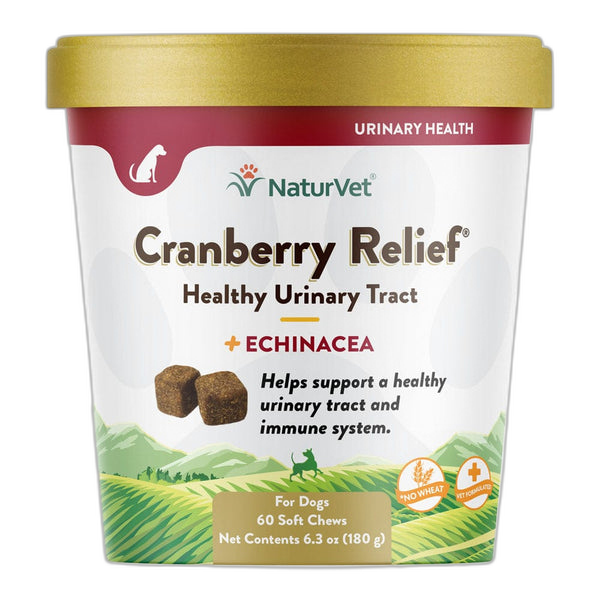
NaturVet Cranberry Relief Plus Echinacea Soft Chews for Dogs
NaturVet
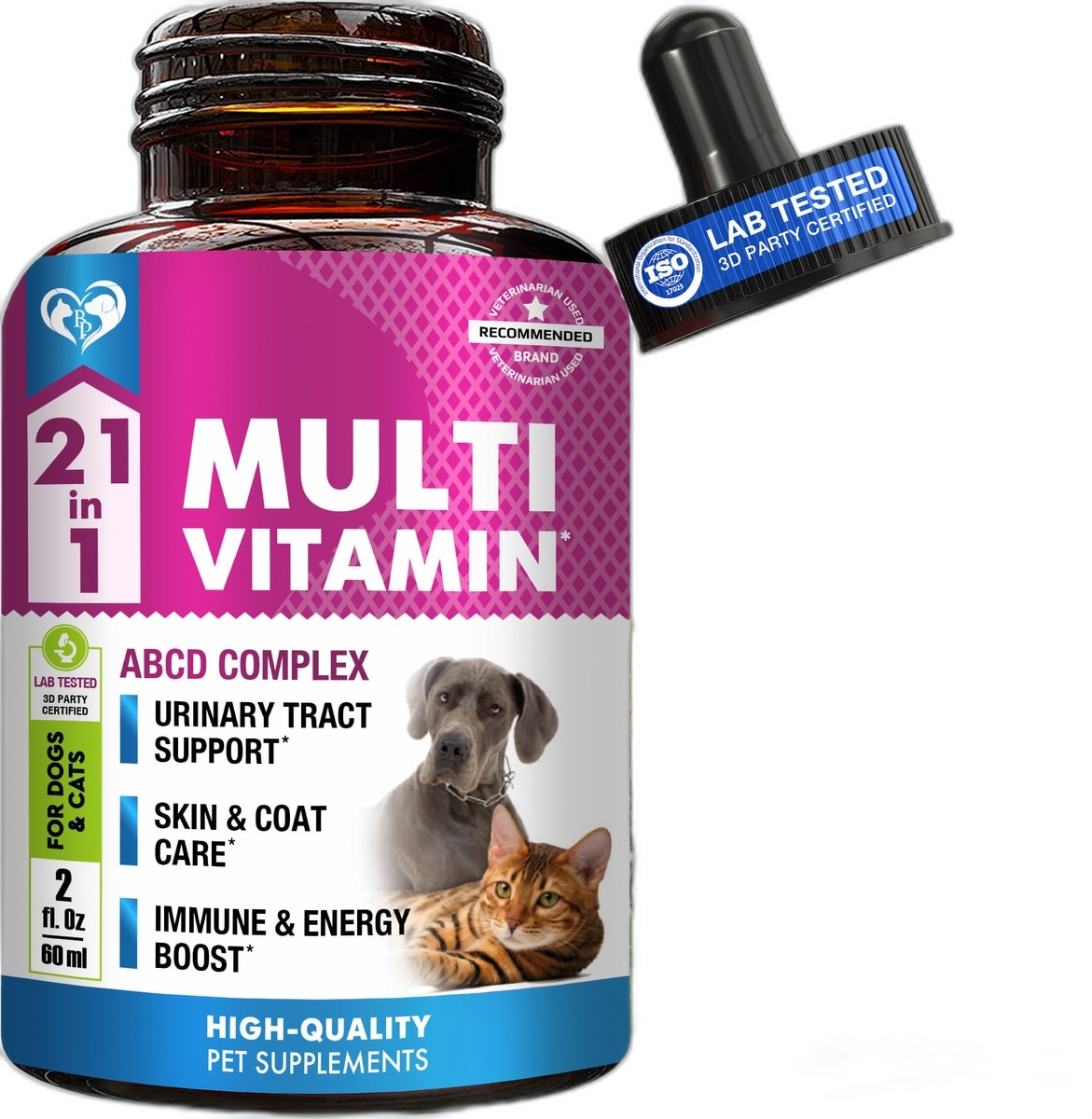
Beloved Pets 21-in-1 Multivitamin Liquid with Glucosamine & Cranberry
Beloved Pets
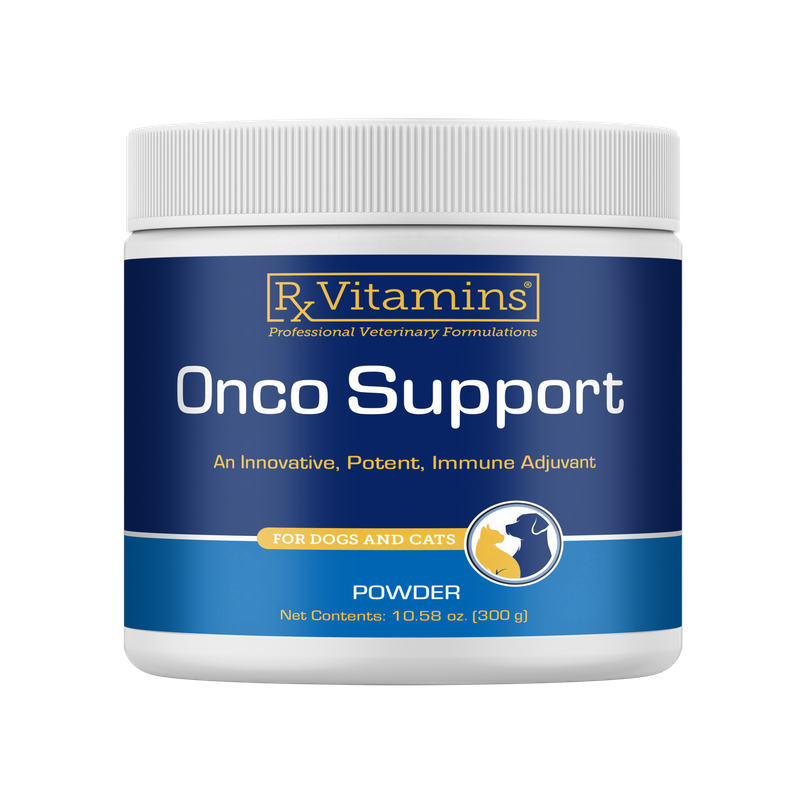
PetHonesty Gut Health Probiotics for Cats
PetHonesty
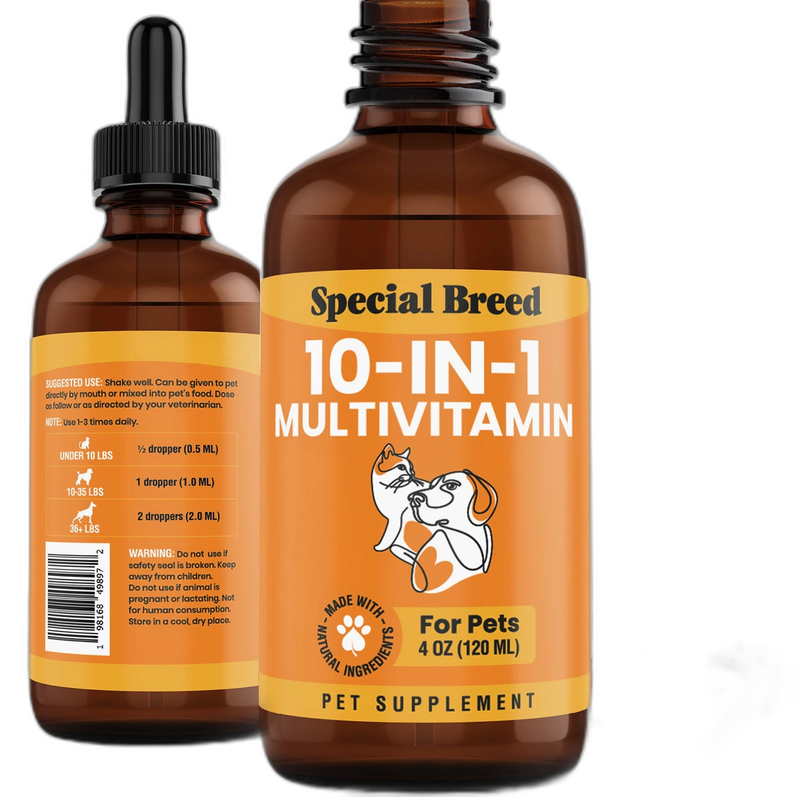
Special Breed Co: 10-in-1 Liquid Multivitamin for Dogs
Special Breed Co