Organic Kelp
mineral source
Many pet owners are exploring natural supplements to enhance their companions' health. Among these, organic kelp for dogs and cats has gained attention as a source of bioavailable minerals and trace elements. This guide examines the role of organic kelp in pet supplements, detailing its potential benefits, considerations for use, and how to approach its integration into your pet's diet. We'll explore what organic kelp offers beyond general nutritional support, focusing on evidence-based insights rather than anecdotal claims.
Understanding Organic Kelp for Dogs
Organic kelp, specifically certain species of brown seaweed like Ascophyllum nodosum (often called Norwegian kelp) and Laminaria digitata, is a marine plant recognized for its dense nutritional profile. When we discuss "organic kelp for dogs," we're referring to kelp harvested from unpolluted waters and processed without synthetic chemicals or pesticides, adhering to organic certification standards.
The appeal of organic kelp as a supplement for dogs stems from its natural concentration of various nutrients. These include a wide spectrum of minerals such as iodine, calcium, magnesium, and potassium, as well as trace elements like zinc, copper, manganese, and selenium. Unlike synthetic mineral supplements, the nutrients in kelp are bound within organic compounds, which some believe makes them more bioavailable – meaning the body can absorb and utilize them more efficiently.
Consider a scenario where a dog shows signs of dull coat, dry skin, or brittle nails. While these can be symptoms of various underlying issues, sometimes they point to dietary deficiencies in essential minerals or fatty acids. Organic kelp, with its comprehensive mineral profile, might be considered as a dietary adjunct in such cases. However, it's crucial to rule out serious medical conditions with a veterinarian before relying solely on supplements.
The "organic" designation is important for pet owners concerned about contaminants. Kelp, like all sea vegetables, can absorb substances from its environment. Organic certification aims to ensure the kelp is sourced from clean waters and processed to minimize heavy metals or other pollutants. This distinction is particularly relevant for a long-term supplement for a beloved pet.
Organic Kelp for Dogs & Cats - Supports Overall Health
The broad spectrum of nutrients found in organic kelp contributes to several aspects of a pet's overall health. While no single supplement is a magic bullet, the combined effect of these elements can support various bodily functions.
One prominent area is thyroid health. Kelp is a rich natural source of iodine, a critical component for the production of thyroid hormones. These hormones regulate metabolism, energy levels, and the health of skin and coat. For pets with suboptimal thyroid function, particularly those with subclinical hypothyroidism or those needing general thyroid support, a controlled intake of iodine from organic kelp might be beneficial. However, too much iodine can be as problematic as too little, potentially exacerbating existing thyroid conditions or inducing new ones. This highlights the importance of precise dosage and veterinary consultation.
Beyond thyroid function, the diverse mineral content of kelp supports other physiological processes:
- Skin and Coat Health: Minerals like zinc, copper, and iodine play roles in maintaining healthy skin, promoting hair growth, and improving coat luster. Anecdotal reports from pet owners often cite improvements in their pets' coats after introducing kelp.
- Dental Health: Some proponents suggest that the enzymes in kelp can help reduce plaque and tartar buildup. While not a substitute for regular dental care, certain compounds in kelp, like fucoidans, may have properties that inhibit bacterial growth in the mouth.
- Immune System Support: Trace minerals and antioxidants present in kelp contribute to a robust immune system. Antioxidants help combat oxidative stress, which can weaken immune responses.
- Digestive Health: The fiber content in kelp, including prebiotics, can support a healthy gut microbiome, potentially aiding digestion and nutrient absorption.
For example, a cat with recurring skin issues might benefit from the added zinc and iodine that organic kelp provides, assuming a veterinarian has ruled out allergies or parasitic infestations. Similarly, an older dog showing signs of reduced energy could potentially see some metabolic support from balanced iodine intake, though this should always be part of a broader veterinary assessment. The key is to view organic kelp as a supportive supplement, not a primary treatment for diagnosed conditions.
Selecting Organic Norwegian Kelp Supplements
When choosing an organic kelp supplement for your dog or cat, understanding the source and processing methods is crucial. Norwegian kelp, primarily Ascophyllum nodosum, is frequently referenced due to its specific nutritional profile and sustainability practices in its harvesting regions. Brands like Dogzymes and Life Line Pet Nutrition often feature this specific type of kelp.
Ascophyllum nodosum is known for its relatively stable iodine content compared to some other kelp species, making it easier to dose consistently. The "organic" certification further assures that the kelp has been harvested from clean, unpolluted waters, free from heavy metals and other contaminants, and processed without synthetic additives. Kelp, being a bioaccumulator, can absorb substances from its marine environment.
When evaluating products, consider the following:
Source and Species: Look for clear labeling indicating the species (e.g., Ascophyllum nodosum*) and the geographical origin (e.g., Norwegian coast). Reputable brands are transparent about this.
- Organic Certification: Verify the organic certification. This typically means third-party auditing ensures adherence to organic standards from harvest to packaging.
- Processing: Cold-processing methods are often preferred as they help retain the heat-sensitive nutrients and enzymes in the kelp.
- Purity and Testing: Some manufacturers provide certificates of analysis (COA) for their products, detailing nutrient levels and verifying the absence of heavy metals, pesticides, and other contaminants. This offers an additional layer of assurance regarding the product's safety and quality.
For a pet owner comparing two different organic kelp powders, one might be sourced from the Atlantic coast of Canada and another from Norway. Both could be excellent, but checking for a COA that confirms low heavy metal levels and consistent iodine content would be a deciding factor, especially if the pet has a sensitive system or a pre-existing health condition.
Life Line Pet Nutrition Organic Ocean Kelp
Life Line Pet Nutrition's Organic Ocean Kelp is an example of a product that emphasizes its organic sourcing and specific species of kelp. Products like this typically highlight their use of Ascophyllum nodosum or similar high-quality kelp species, emphasizing the benefits derived from its comprehensive nutrient profile.
When a brand specifies "Ocean Kelp," it generally implies a commitment to wild-harvested, natural sources. The "organic" label, as discussed, provides assurance about the purity and environmental impact of the product. These products are often presented as a broad-spectrum mineral supplement, supporting various aspects of pet health.
Key considerations for products like Life Line Pet Nutrition's kelp would include:
- Nutrient Density: While kelp is inherently nutrient-dense, specific species and harvesting locations can influence the exact mineral ratios. Reputable brands often provide typical analyses.
- Ease of Use: Most kelp supplements come in a powdered form, making them easy to mix into wet or dry food.
- Palatability: While kelp has a distinct oceanic aroma, most pets tolerate it well when mixed with their regular meals. Some brands may offer flavored versions, though this can introduce additional, potentially unnecessary, ingredients.
Imagine a pet owner with two dogs: one a picky eater, the other less so. For the picky eater, the palatability of the kelp powder becomes a primary concern. A brand that offers a fine, easily dissolvable powder with a less intense aroma might be preferred. For the less finicky dog, the primary focus would shift to the nutritional content and purity.
Kelp for Dogs: Health Benefits, Dosage, and Potential Risks
Integrating organic kelp into a pet's diet involves understanding its benefits, determining appropriate dosages, and being aware of potential risks.
Health Benefits
The benefits of organic kelp for dogs and cats largely stem from its rich nutritional composition:
- Thyroid Function: As a primary source of natural iodine, kelp supports healthy thyroid hormone production, crucial for metabolic regulation.
- Skin and Coat: The array of minerals (zinc, copper, iodine) promotes healthy skin, reduces dryness, and enhances coat shine and pigmentation.
- Dental Health: Some studies suggest certain compounds in kelp can inhibit plaque formation and reduce tartar buildup, contributing to better oral hygiene.
- Immune Support: Antioxidants and trace minerals bolster the immune system, helping pets resist illness.
- Digestive Aid: Fiber content can act as a prebiotic, supporting beneficial gut bacteria and improving digestion.
- Joint Health: While not a primary joint supplement, some trace minerals contribute to overall connective tissue health.
Dosage Guidelines
Determining the correct organic kelp dosage for dogs and cats is critical due to its high iodine content. Over-supplementation of iodine can lead to thyroid dysfunction (hyperthyroidism or hypothyroidism). General guidelines often suggest:
- Small Dogs/Cats (up to 20 lbs): Approximately 1/8 to 1/4 teaspoon per day.
- Medium Dogs (20-50 lbs): Approximately 1/4 to 1/2 teaspoon per day.
- Large Dogs (50-90 lbs): Approximately 1/2 to 1 teaspoon per day.
- Giant Breeds (over 90 lbs): Up to 1.5 teaspoons per day.
These are general guidelines. Always follow the specific instructions on the product label and consult with your veterinarian before introducing any new supplement, especially if your pet has pre-existing health conditions or is on medication.
Potential Risks and Side Effects
While generally safe when used appropriately, there are potential risks associated with kelp supplementation:
- Iodine Overdose/Thyroid Issues: The most significant risk. Excessive iodine can disrupt thyroid function, leading to symptoms like weight loss, increased thirst, hyperactivity (hyperthyroidism), or lethargy, weight gain, and hair loss (hypothyroidism). Pets with pre-existing thyroid conditions are particularly vulnerable.
- Heavy Metal Contamination: Kelp can absorb heavy metals (e.g., lead, arsenic, cadmium) from its environment. Choosing organic, tested products from reputable sources minimizes this risk.
- Digestive Upset: In some sensitive pets, large doses can cause mild digestive upset, such as diarrhea or vomiting. Start with a small dose and gradually increase.
- Drug Interactions: Kelp may interact with certain medications, particularly those affecting thyroid function or blood clotting.
- Allergies: Although rare, some pets may have an allergic reaction to seaweed.
A practical example: A veterinarian might recommend a specific iodine intake for a dog with mild, non-clinical thyroid sluggishness. The owner would then need to calculate the kelp dosage based on the product's stated iodine content per serving, ensuring it aligns with the vet's recommendation and doesn't exceed safe limits. This emphasizes the need for precise information and professional guidance.
Kelp and Iodine for Dogs and Cats
The relationship between kelp and iodine is central to its use as a pet supplement. Iodine is an essential trace element, meaning the body cannot produce it and must obtain it through diet. Its primary role is in the synthesis of thyroid hormones, triiodothyronine (T3) and thyroxine (T4), which are vital for regulating metabolism, growth, and development.
For dogs and cats, a balanced intake of iodine is crucial. Both deficiency and excess can lead to thyroid dysfunction.
Iodine Deficiency
Iodine deficiency can result in hypothyroidism, where the thyroid gland doesn't produce enough hormones. Symptoms in pets can include:
- Lethargy and weight gain
- Dull, dry coat and hair loss
- Cold intolerance
- Reproductive issues
- Weakness
Many commercial pet foods are fortified with iodine, but homemade diets or certain raw food diets might lack sufficient amounts if not carefully balanced. In such cases, organic kelp can be a natural way to supplement iodine.
Iodine Excess
Conversely, excessive iodine intake can also cause problems. It can lead to hyperthyroidism, where the thyroid produces too many hormones, or it can paradoxically suppress thyroid function, leading to hypothyroidism in susceptible individuals. Symptoms of iodine excess or hyperthyroidism include:
- Weight loss despite increased appetite
- Increased thirst and urination
- Restlessness and hyperactivity
- Vomiting and diarrhea
- Increased heart rate
This delicate balance underscores why the source and consistency of iodine in a kelp supplement are so important. Wild-harvested kelp can have variable iodine levels depending on species, season, and location. Processed kelp, especially from reputable organic sources, is often standardized to provide a more consistent iodine content, which is safer for pet supplementation.
A comparison of iodine content across different kelp species and supplement forms is helpful:
| Kelp Species / Form | Typical Iodine Content (µg/g) | Notes |
|---|---|---|
| Ascophyllum nodosum | 500 - 1500 | Commonly used in pet supplements, relatively stable iodine. |
| Laminaria digitata | 1000 - 5000 | Can have higher, more variable iodine content; requires careful dosing. |
| Undaria pinnatifida | 100 - 1000 | Wakame, often consumed by humans; moderate iodine. |
| Kelp Supplement (Standard) | Manufacturer Specific | Reputable brands test and state iodine content per serving; crucial for accurate dosing. |
Note: These are approximate values and can vary significantly based on harvesting location, season, and processing.
For a pet owner, this table highlights the importance of checking the iodine content listed on the supplement's packaging, rather than assuming all kelp is the same. If a product doesn't specify iodine content, it's difficult to dose safely and should be approached with caution.
FAQ
Is organic kelp good for dogs?
Yes, organic kelp can be beneficial for dogs due to its rich content of minerals and trace elements, particularly iodine, which supports thyroid function, metabolism, and skin and coat health. It also provides other nutrients like calcium, magnesium, and various antioxidants. However, it's crucial to use it in appropriate dosages and under veterinary guidance, especially for pets with pre-existing conditions.
What are the side effects of kelp for dogs?
The primary side effect concern with kelp for dogs is related to its iodine content. Excessive iodine can lead to thyroid dysfunction (either hyperthyroidism or hypothyroidism). Other potential, though less common, side effects include digestive upset (diarrhea, vomiting) if given in large doses, or potential heavy metal contamination if the kelp is not sourced and processed responsibly. Allergic reactions are rare.
Can I take kelp if I have hyperthyroidism?
No, if you have hyperthyroidism, you should generally avoid kelp and other iodine-rich supplements. Hyperthyroidism is a condition caused by an overactive thyroid gland, which produces too much thyroid hormone. Since iodine is a key component of thyroid hormones, consuming additional iodine from kelp can exacerbate the condition or interfere with prescribed treatments. Always consult your doctor before taking any new supplement, especially if you have a pre-existing medical condition. This article focuses on pets, but the principle of careful iodine intake applies to humans too.
Conclusion
Organic kelp offers a natural, nutrient-dense supplement option for dog and cat owners seeking to support their pets' overall health. Its rich profile of bioavailable minerals, particularly iodine, can contribute to healthy thyroid function, improved skin and coat condition, and potentially aid in dental and immune system support.
However, the key to safe and effective supplementation lies in careful selection and precise dosing. Prioritizing organic, sustainably sourced kelp from reputable brands that provide clear iodine content information and purity testing is essential. Always consult with your veterinarian before introducing organic kelp into your pet's diet, especially if they have any existing health conditions or are on medication. With informed choices and professional guidance, organic kelp can be a valuable addition to a balanced pet wellness regimen.
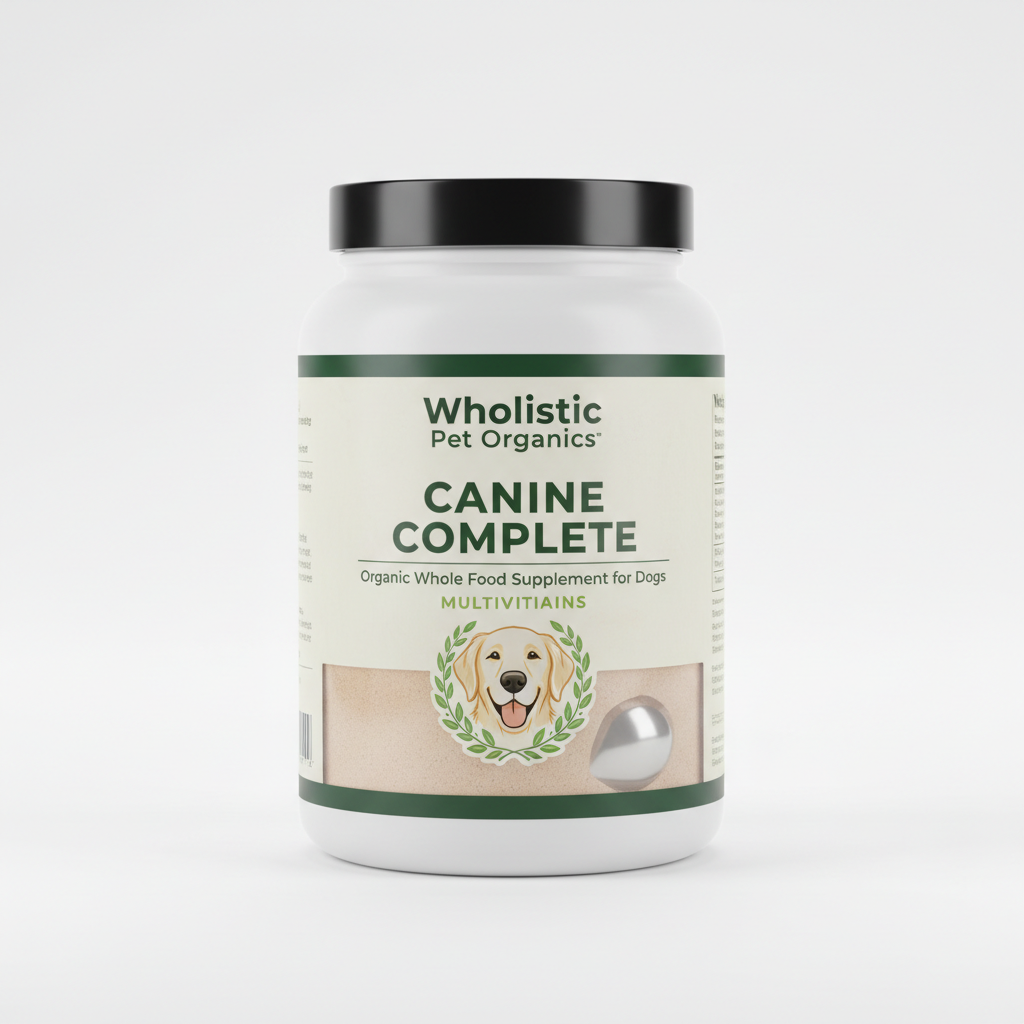
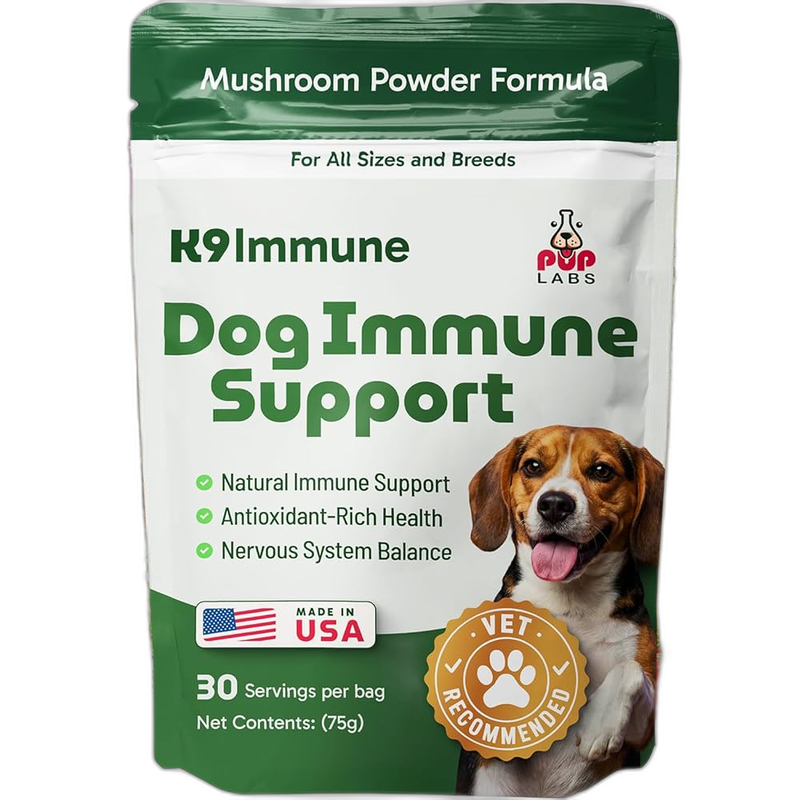
Products Containing Organic Kelp
Top-rated supplements featuring this ingredient, ranked by our PSI+ score.