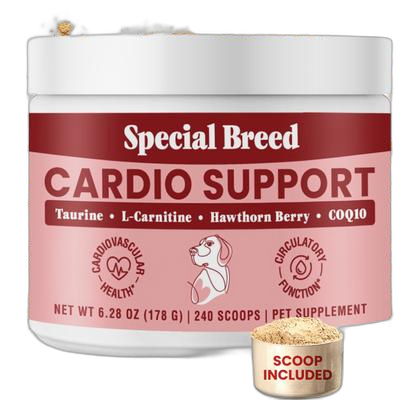
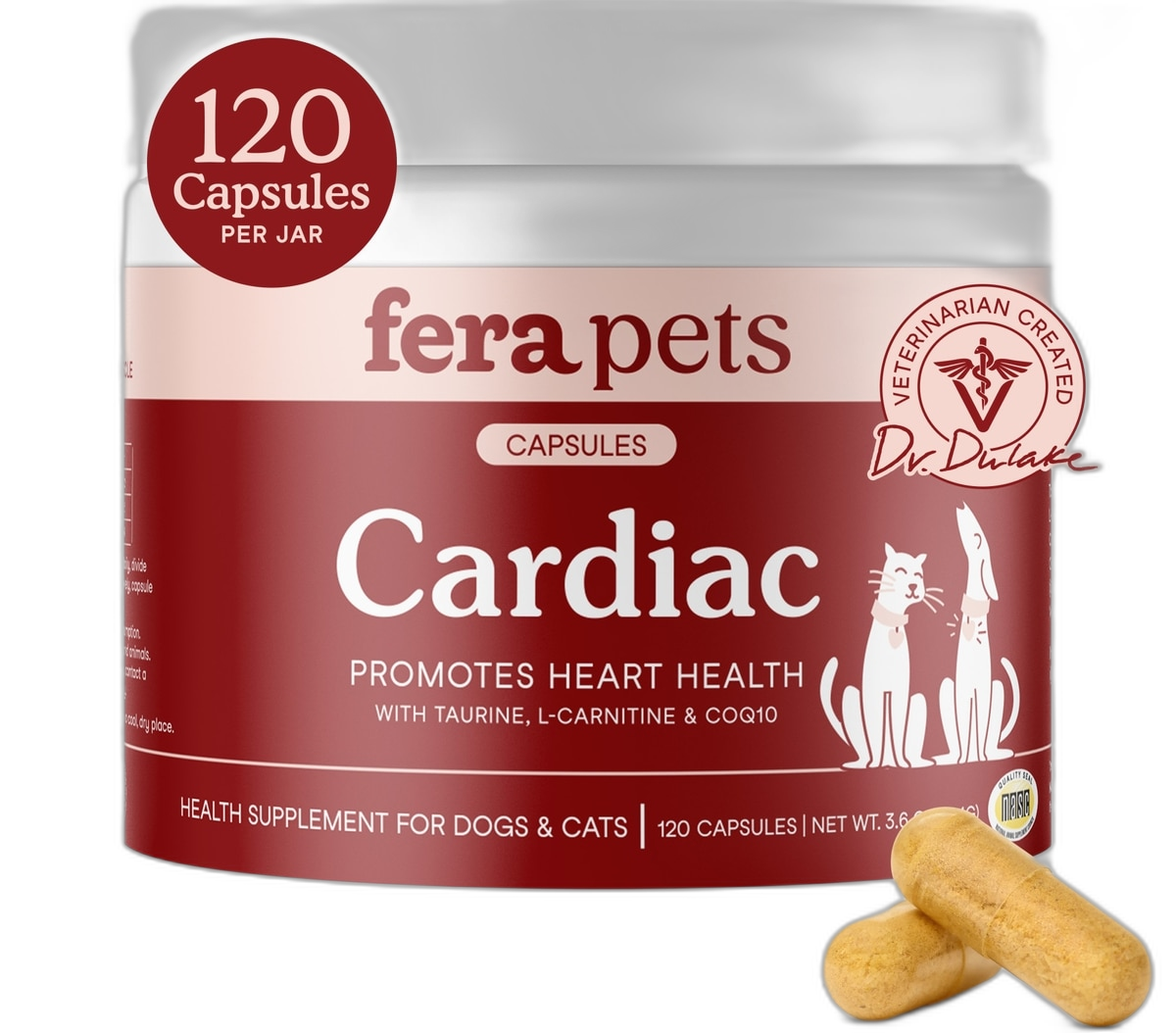
Organic Hawthorn Berry
heart support
For pet owners exploring natural health options, the idea of using botanical remedies for their companions often arises. Among these, organic hawthorn berry for dogs and cats has gained attention, particularly for its potential role in supporting cardiovascular health. This guide aims to provide an evidence-based overview of hawthorn berry, its purported benefits, considerations for use in pets, and practical implications for owners.
Hawthorn (Crataegus species) is a genus of shrubs and trees whose berries, leaves, and flowers have been utilized for centuries in traditional medicine, primarily for heart-related conditions. The "organic" designation indicates that the plant material has been grown and processed according to organic farming standards, which generally means without synthetic pesticides, herbicides, or genetically modified organisms. When considering hawthorn berry for pets, understanding both its traditional uses and any available scientific insights is crucial.
Understanding Animal Essentials Hawthorn Berry for Dogs & Cats
When a product is specifically marketed as "Animal Essentials Hawthorn Berry for Dogs & Cats," it typically signifies a formulation designed with pet-specific dosages and palatability in mind. These products aim to offer the potential benefits of hawthorn in a form suitable for companion animals.
The core idea behind such supplements is to provide a concentrated source of the active compounds found in hawthorn, primarily flavonoids and proanthocyanidins. These compounds are thought to contribute to hawthorn's reported effects on the cardiovascular system. For dogs and cats, this often translates to supporting overall heart function, particularly in older animals or those with pre-existing, non-severe cardiac conditions.
A practical implication of using a pet-specific product like Animal Essentials is that the manufacturer has likely considered the appropriate concentration and purity for animal consumption. This can be a trade-off compared to sourcing human-grade hawthorn, as pet products often undergo different regulatory scrutiny. Owners should look for transparency regarding sourcing, testing, and ingredient quality. For example, a reputable brand will specify whether the product uses berries, leaves, or flowers, and the concentration of active compounds if standardized.
Consider a scenario where an elderly dog, diagnosed with early-stage age-related heart changes, is recommended by their veterinarian to try a cardiac support supplement. An organic hawthorn berry product formulated for pets might be suggested as part of a broader management plan, alongside conventional veterinary care. The expectation would not be a cure, but rather a supportive measure to potentially improve heart efficiency and quality of life. Owners should always discuss such additions with their vet, especially if their pet is already on medication, to avoid potential interactions.
Hawthorn Berry Herbal Tonic: Supporting Cardiovascular Health
Herbal tonics, including those featuring hawthorn berry, are liquid preparations often designed for easy administration and absorption. A "Hawthorn Berry Herbal Tonic | Supports Cardiovascular..." product typically implies a more bioavailable form of the herb, potentially allowing for quicker uptake into the pet's system.
The plain language explanation for such a tonic is that it provides a gentle, ongoing support for the heart and circulatory system. Hawthorn is believed to act as a "cardiotonic," meaning it can help improve the heart's pumping ability, dilate blood vessels, and protect against oxidative damage. These actions collectively aim to enhance heart function without necessarily increasing heart rate or oxygen demand, which can be beneficial for an aging heart.
One practical implication of a tonic is its ease of dosing, especially for pets that are reluctant to consume pills or chews. The liquid form allows for precise measurement and can often be added directly to food or water. However, the concentration of active ingredients can vary significantly between brands. A trade-off might be the presence of carrier liquids like alcohol in some human-grade tinctures, which are generally unsuitable for pets. Opting for glycerin-based or alcohol-free pet-specific tonics is crucial.
For instance, a cat owner whose feline friend has been diagnosed with mild hypertrophic cardiomyopathy (HCM) might explore a hawthorn tonic as an adjunctive therapy. While HCM is a serious condition requiring strict veterinary management, a vet might approve a small, carefully monitored dose of a pet-safe hawthorn tonic to complement prescribed medications, with the goal of supporting heart muscle health and reducing strain. The tonic won't reverse the disease, but it might contribute to the animal's comfort and cardiovascular resilience.
Hawthorn for Organic Hawthorn Berry for Dogs
Focusing solely on "Hawthorn for organic hawthorn berry for dogs" emphasizes the plant itself and its specific application for canine health. This broad term encompasses various forms, from dried berries to extracts, all derived from the organically grown plant.
The core idea is that hawthorn, regardless of its specific preparation, contains beneficial compounds that can impact a dog's heart. These compounds, primarily flavonoids like hyperoside and vitexin, along with oligomeric proanthocyanidins (OPCs), are thought to be responsible for its therapeutic effects. These effects include improving coronary blood flow, reducing peripheral vascular resistance, and offering antioxidant protection to heart cells. The "organic" aspect ensures that the dog is not exposed to synthetic chemical residues often found in conventionally grown plants.
A practical implication is the need for careful selection of the hawthorn product. Not all hawthorn is created equal. The part of the plant used (berries, leaves, flowers), the extraction method, and the standardization of active compounds can all influence efficacy. For example, some research suggests that extracts containing both the leaves and flowers may be more potent than berry-only preparations. A trade-off is that while organic hawthorn is generally preferred for purity, it might be more expensive or harder to find in standardized forms specifically for pets.
Consider a large breed dog, such as a Doberman Pinscher, which is predisposed to dilated cardiomyopathy (DCM). While hawthorn is not a primary treatment for DCM, a veterinarian might suggest an organic hawthorn supplement as part of a holistic preventative or early-stage supportive regimen, especially if there's a family history of the condition. The aim would be to support myocardial health and potentially delay the onset or progression of symptoms, always under close veterinary supervision and alongside regular cardiac screenings.
Hawthorn Berry For Dogs: Benefits And Uses
Delving into "Hawthorn Berry For Dogs: Benefits And Uses" allows for a direct examination of why this herb is considered for canine health. The primary benefits revolve around its effects on the heart and circulatory system.
In plain language, hawthorn berry is often used to help a dog's heart work more efficiently. It may improve the strength of heart muscle contractions, allowing the heart to pump more blood with less effort. It can also help dilate blood vessels, which reduces the workload on the heart and improves blood flow throughout the body, including to the heart itself. Furthermore, its antioxidant properties can protect heart cells from damage caused by free radicals. These combined actions make it a popular choice for supporting aging hearts or those under mild strain.
Practical applications include its use in geriatric dogs showing signs of mild heart weakness, such as reduced stamina or occasional coughing that is linked to cardiac issues. It's also considered for dogs with mild forms of certain cardiac conditions, often as an adjunct to conventional medication. A key trade-off is that hawthorn acts gently and gradually; it is not a fast-acting drug for acute cardiac crises. Its benefits are typically seen over weeks or months of consistent use.
For example, a senior Labrador Retriever who is starting to slow down and show signs of mild exercise intolerance might benefit from a hawthorn supplement. If a vet rules out other serious conditions and confirms mild age-related cardiac changes, hawthorn could be introduced. The goal would be to help the dog maintain better energy levels and cardiovascular comfort during daily activities, without expecting it to reverse the aging process.
5 Heart-Healthy Benefits of Hawthorn Berries for Pets
When discussing "5 Heart-Healthy Benefits of Hawthorn Berries for Pets," we can enumerate the specific positive impacts this herb is believed to have on canine and feline cardiovascular systems. These benefits stem from the complex interplay of hawthorn's active compounds.
Here are five commonly cited heart-healthy benefits:
The practical implication is that these benefits collectively contribute to a more robust and resilient cardiovascular system for pets. However, it's critical to understand that these benefits are generally observed in mild to moderate conditions or as preventative support. Hawthorn is not a substitute for veterinary diagnosis and treatment of serious heart disease. A trade-off is that while these benefits sound promising, the scientific evidence in pets is not as extensive as in human studies, and individual responses can vary.
Consider a scenario where a cat has been diagnosed with a heart murmur, but is currently asymptomatic. A veterinarian might suggest a hawthorn supplement to provide supportive care, aiming to leverage its antioxidant and mild cardiotonic effects to maintain heart health and potentially slow progression, while closely monitoring the murmur's status.
Dosage and Safety Considerations for Organic Hawthorn Berry in Pets
Determining the correct "organic hawthorn berry dosage dogs" and ensuring "organic hawthorn berry safety pets" are paramount for any pet owner considering this supplement. Unlike pharmaceuticals, herbal dosages are not always standardized and can vary significantly based on the product's concentration, the specific part of the plant used, and the individual pet's size, condition, and sensitivity.
General Dosage Guidelines (Always Consult Your Vet)
It's crucial to emphasize that the following are general guidelines only and do not replace specific veterinary advice. The appropriate dose will depend heavily on the concentration of the product and the individual pet.
| Pet Weight (Approx.) | Hawthorn Berry Tincture (Alcohol-Free) | Dried Hawthorn Berry Powder |
|---|---|---|
| Small Dog/Cat (up to 15 lbs) | 0.25 - 0.5 ml, 1-2 times daily | 50 - 100 mg, 1-2 times daily |
| Medium Dog (15-40 lbs) | 0.5 - 1 ml, 1-2 times daily | 100 - 200 mg, 1-2 times daily |
| Large Dog (40-80 lbs) | 1 - 2 ml, 1-2 times daily | 200 - 400 mg, 1-2 times daily |
| Giant Dog (over 80 lbs) | 2 - 3 ml, 1-2 times daily | 400 - 600 mg, 1-2 times daily |
These are rough estimates. Always follow the specific product's instructions or, ideally, your veterinarian's recommendation.
Safety and Potential Side Effects
Hawthorn is generally considered safe for pets when used appropriately, particularly at recommended dosages. However, like any supplement, it's not without potential considerations:
- Mild Gastrointestinal Upset: Some pets may experience mild nausea, vomiting, or diarrhea, especially when first starting the supplement or if the dose is too high. Starting with a lower dose and gradually increasing can help mitigate this.
- Interactions with Medications: This is the most critical safety concern. Hawthorn can interact with certain cardiac medications, including:
- Cardiac Glycosides (e.g., Digoxin): Hawthorn may potentiate the effects of these drugs, potentially leading to toxicity.
- Antihypertensives: Hawthorn can lower blood pressure, and combining it with blood pressure medications might cause an excessive drop in blood pressure.
- Beta-blockers and Calcium Channel Blockers: Similar to antihypertensives, hawthorn could potentially enhance the effects of these drugs.
- Antiarrhythmic Drugs: While hawthorn may support rhythm in mild cases, its interaction with prescribed antiarrhythmics is not well-studied and could be unpredictable.
- Sedation: Rarely, some pets may exhibit mild sedation.
- Allergic Reactions: As with any natural product, an individual pet could have an allergic reaction, though this is uncommon.
Practical Implications for Owners
- Veterinary Consultation is Non-Negotiable: Before starting any hawthorn supplement, especially if your pet is on other medications or has a diagnosed heart condition, consult your veterinarian. They can advise on appropriate dosage, potential interactions, and whether hawthorn is suitable for your pet's specific health status.
- Choose Pet-Specific Products: Opt for organic hawthorn berry supplements formulated specifically for dogs and cats. These are typically devoid of harmful additives, alcohol, or concentrations unsuitable for pets.
- Start Low, Go Slow: Introduce the supplement gradually to monitor for any adverse reactions.
- Monitor Your Pet: Observe your pet closely for any changes in behavior, appetite, energy levels, or other signs that might indicate a negative reaction or an interaction with existing medications.
- Patience is Key: Hawthorn's effects are typically gradual. Do not expect immediate changes. Consistent, long-term use is usually required to observe potential benefits.
The trade-off for the potential benefits of hawthorn is the absolute necessity of careful monitoring and professional guidance. Self-dosing or ignoring potential drug interactions can be dangerous.
Conclusion
Organic hawthorn berry offers a natural avenue for supporting cardiovascular health in dogs and cats, primarily through its potential to improve heart muscle function, enhance blood flow, and provide antioxidant protection. While historical use and some scientific studies support these benefits, particularly for mild to moderate cardiac conditions or as a preventative measure, it's crucial to approach its use with an evidence-based perspective.
This topic is most relevant for pet owners whose animals are aging, have early signs of cardiac weakness, or are under a veterinarian's care for a non-severe heart condition where adjunctive therapies are being considered. The "organic" aspect adds a layer of assurance regarding purity and cultivation practices, appealing to those seeking natural and clean supplements for their pets.
What to consider next involves a direct conversation with your veterinarian. They can help determine if organic hawthorn berry is appropriate for your pet's specific health needs, advise on suitable dosages, and monitor for any potential interactions with existing medications. While hawthorn can be a valuable tool in a to pet heart health, it is a supportive supplement, not a cure, and should always be integrated thoughtfully into a comprehensive veterinary care plan.
Products Containing Organic Hawthorn Berry
Top-rated supplements featuring this ingredient, ranked by our PSI+ score.