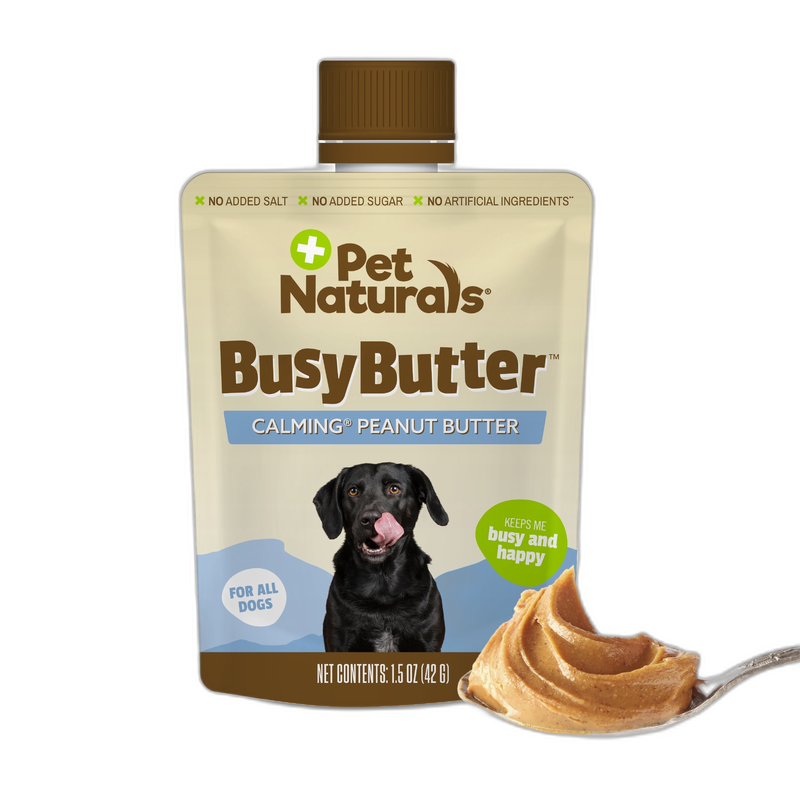
Peanut Butter
base
Peanut butter, a staple in many human diets, frequently appears in discussions about pet treats and supplements. Its appeal for pets is undeniable: most dogs, and even some cats, find its taste and texture highly palatable. This palatability makes it an attractive ingredient for pet owners looking to administer medication, mask less appealing supplement flavors, or simply offer a high-value reward. However, its inclusion in pet supplements, or as a standalone treat, requires careful consideration of its nutritional profile, potential risks, and appropriate formulations.
This guide explores the role of peanut butter in pet diets and supplements, focusing on evidence-based considerations for dog and cat owners. We'll examine safety concerns, appropriate types, and how it functions as a base ingredient or delivery system in commercial pet products.
Safe Peanut Butter for Dogs: A Guide to Choosing the Right Product
The primary concern when selecting peanut butter for dogs centers on ingredients. Not all peanut butter is created equal, and certain components found in human-grade products can be highly toxic to canines.
The most critical ingredient to avoid is xylitol. Xylitol is an artificial sweetener commonly used in sugar-free products, including some peanut butter brands. In dogs, even small amounts of xylitol can cause a rapid and severe drop in blood sugar (hypoglycemia), leading to seizures, liver failure, and even death. It's crucial to read ingredient labels carefully and confirm the absence of xylitol before offering any peanut butter to a dog.
Beyond xylitol, other ingredients warrant attention:
- Sugar and Salts: While not acutely toxic like xylitol, excessive sugar and salt intake can contribute to long-term health issues in dogs. High sugar content can lead to weight gain, dental problems, and potentially worsen conditions like diabetes. High sodium can be problematic for dogs with heart or kidney conditions. Opt for unsweetened, unsalted, or low-sodium varieties.
- Other Additives: Some human peanut butter contains hydrogenated oils, corn syrup, or other artificial flavors and preservatives. While not immediately dangerous, these offer no nutritional benefit to pets and can contribute to digestive upset or allergies in sensitive animals.
The ideal peanut butter for dogs is 100% natural, unsalted, and unsweetened, containing only peanuts. Many brands now offer specific "dog-safe" peanut butter products, which explicitly state they are xylitol-free and often have reduced sodium and sugar. These can be a convenient choice, but label scrutiny remains paramount.
For example, a common scenario involves a pet owner wanting to give their dog a small amount of peanut butter to help administer a pill. In this case, choosing a natural, xylitol-free option is not just a recommendation but a necessity. Ignoring this could turn a simple act of care into a veterinary emergency.
What peanut butter do you give your dog? : r/puppy101 for peanut butter for dogs
Discussions on pet owner forums, like r/puppy101, frequently highlight the practical challenges and common choices regarding peanut butter for dogs. These conversations often reveal a strong preference for specific brands and types based on shared experiences and advice.
The consensus among informed pet owners generally aligns with veterinary recommendations: stick to natural, unsalted, and xylitol-free options. Brands like Smucker's Natural (creamy or crunchy, as long as it's just peanuts and salt, or just peanuts), or specific pet-focused brands, are commonly mentioned. The "just peanuts" rule is a frequent refrain.
Practical implications extend beyond ingredient lists to consistency and storage. Many owners prefer creamy peanut butter for stuffing toys (like Kongs) or administering medication due to its smoother texture. Crunchy varieties can pose a choking hazard for some smaller dogs or those who gulp their food.
Trade-offs often involve cost and availability. "Dog-specific" peanut butters can sometimes be more expensive than human-grade natural options. Owners weigh the convenience and explicit "dog-safe" labeling against the cost and the ability to find a suitable human-grade alternative. Some owners even make their own peanut butter from roasted peanuts to ensure complete control over ingredients.
Edge cases might include dogs with peanut allergies (though less common than in humans) or those with sensitive stomachs who may react to even plain peanut butter. For these pets, alternative treat options or supplement bases are necessary. The discussion also frequently touches on moderation, emphasizing that even safe peanut butter is calorie-dense and should be given sparingly as a treat, not a meal replacement.
Buddy Budder for peanut butter for dogs
"Buddy Budder" represents a category of peanut butter specifically formulated for dogs. These products typically differentiate themselves from human-grade options by emphasizing their safety and often incorporating additional pet-beneficial ingredients.
The core idea behind products like Buddy Budder is to provide a tasty, safe, and sometimes functional treat or supplement vehicle. Manufacturers explicitly exclude xylitol and often reduce or eliminate added sugars and salts. This addresses the primary safety concerns associated with human peanut butter.
Beyond safety, these specialized formulations often include:
- Added Vitamins and Minerals: Some Buddy Budder-type products might be fortified with vitamins (e.g., Vitamin E, B vitamins) or minerals (e.g., zinc) to offer a nutritional boost.
- Probiotics: To support digestive health, certain brands incorporate beneficial bacteria.
- Omega Fatty Acids: Ingredients like flaxseed oil or fish oil might be added for skin and coat health.
- Hemp or CBD: A growing trend includes hemp-derived compounds for calming or joint support, though the efficacy and regulation of these in pet products are still evolving.
The practical implications for pet owners are straightforward: these products offer a convenient, pre-vetted option that removes much of the guesswork regarding ingredient safety. They are often marketed for specific uses, such as training treats, enrichment (e.g., stuffing toys), or as a palatable way to administer other supplements or medications.
However, trade-offs exist. Specialized pet peanut butters are generally more expensive than plain human-grade natural peanut butter. Owners also need to scrutinize the additional ingredients. While many additions are beneficial, some pets might have allergies or sensitivities to specific herbs or supplements. For instance, a dog with a fish allergy would need to avoid a peanut butter fortified with fish oil.
Concrete examples of their use include a dog owner using a calming Buddy Budder in a chew toy before a stressful event like a veterinary visit or a thunderstorm, or a trainer using a high-value, easy-to-dispense product during complex training sessions.
Premium Peanut Butter for Dogs - Bark'n Butter (2 Pack)
"Bark'n Butter" exemplifies the premium end of the dog-specific peanut butter market. These products often focus on high-quality ingredients, specific health benefits, and attractive packaging, sometimes offered in multi-packs for convenience or value.
The core idea behind premium dog peanut butters is to offer more than just a safe treat. They position themselves as functional foods or supplement delivery systems. For example, a brand like Bark'n Butter might emphasize:
- Human-Grade Ingredients: Highlighting that the peanuts and other components meet human consumption standards.
- Specific Health Benefits: Beyond basic nutrition, they may claim benefits for joint health (e.g., glucosamine, chondroitin), skin and coat (e.g., omega-3s), or digestion (e.g., probiotics, prebiotics).
- No Fillers or Artificial Ingredients: A commitment to a clean label, free from corn, soy, wheat, or artificial colors/flavors.
- Palatability: Formulated to be exceptionally appealing to dogs, ensuring easy administration of other compounds.
Practical implications for owners include the ability to easily provide targeted supplements without the struggle of pills or less palatable powders. For instance, an owner with an older dog experiencing joint stiffness might choose a premium peanut butter fortified with joint support ingredients, making daily supplementation a treat rather than a chore. The "2-pack" or multi-pack offering often aims to provide better value or ensure a continuous supply for regular use.
Trade-offs here primarily involve cost. Premium formulations naturally come with a higher price tag. Owners must assess whether the added benefits justify the expense compared to administering separate supplements or using a simpler, plain peanut butter.
An edge case could be a dog on a highly restricted diet due to severe allergies or medical conditions. Even premium dog peanut butters, with their added ingredients, might introduce allergens or compounds that interfere with specific medical protocols. In such situations, consultation with a veterinarian or a veterinary nutritionist is essential. The marketing of "premium" also doesn't negate the need for ingredient label review for any specific sensitivities your pet may have.
What kind or brand of peanut butter is good for dogs? for peanut butter for dogs
Determining the "best" kind or brand of peanut butter for dogs boils down to a few key criteria, primarily safety, ingredient quality, and suitability for the individual pet. This question frequently arises because of the vast array of human peanut butter products and the emergence of specialized pet options.
The foundational principle is xylitol-free. This is non-negotiable. Any peanut butter containing xylitol is immediately unsafe for dogs.
Beyond xylitol, the general guidelines for "good" peanut butter for dogs include:
Comparison of Peanut Butter Types for Dogs
To clarify the choices, here's a comparison table:
| Feature/Type | Human Regular (e.g., Jif, Skippy) | Human Natural (e.g., Smucker's Natural, Laura Scudder's) | Dog-Specific (e.g., Poochie Butter, Buddy Budder, Bark'n Butter) |
|---|---|---|---|
| Xylitol Risk | HIGH (check labels) | LOW (but always check) | VERY LOW (explicitly xylitol-free) |
| Added Sugar | Often High | Low to None | Low to None |
| Added Salt | Often High | Low to None | Low to None |
| Hydrogenated Oils | Common | Less Common | Rare to None |
| Other Additives | Common (e.g., corn syrup) | Rare | Can contain beneficial additives (probiotics, omegas) |
| Cost | Low to Moderate | Moderate | Moderate to High |
| Primary Benefit | Palatability (if safe) | Simplicity, Safety | Safety, targeted nutrition, convenience |
| Best Use Case | Occasional treat (if safe) | Everyday treat, pill administration, toy stuffing | Functional treat, supplement delivery, enrichment |
Specific Brands:
- Human Natural: Brands like Smucker's Natural (ingredients: peanuts, salt, or just peanuts), Teddie Peanut Butter (ingredients: peanuts, salt), and Santa Cruz Organic (ingredients: organic roasted peanuts) are frequently cited as safe options, provided the ingredient list is verified.
- Dog-Specific: Many smaller brands cater to the pet market. Examples include Poochie Butter, Buddy Budder, and Bark'n Butter. These are generally a safe bet as they are formulated with dogs in mind. However, even with these, it's good practice to glance at the ingredient list, especially if your dog has specific allergies or dietary restrictions to the added supplements.
The practical implication is that while many human natural peanut butters are suitable, dog-specific products offer an extra layer of assurance against accidental xylitol exposure and may provide additional benefits. The trade-off is often price. An edge case would be pets with pancreatitis or a history of it, where even safe peanut butter, due to its fat content, might be contraindicated. For these pets, even a small amount could trigger an issue, necessitating complete avoidance.
Peanut Butter For Dogs - Free Shipping
The availability of "peanut butter for dogs" with incentives like "free shipping" points to the growing market and consumer demand for specialized pet products. This trend reflects both convenience and the increasing awareness among pet owners about ingredient safety.
The core idea here is accessibility and value. Companies offering free shipping on pet-specific peanut butter aim to make it easier for owners to purchase products that meet their pet's dietary needs without incurring additional costs. This is particularly relevant for niche products that might not be readily available in all local grocery stores or pet shops.
From a formulation perspective, these products align with the safety guidelines discussed: xylitol-free, often natural, and sometimes fortified with pet-specific supplements. The "free shipping" aspect is a marketing strategy designed to remove a common barrier to online purchases.
Practical implications for pet owners are primarily economic and logistical. Free shipping can make a slightly more expensive pet-specific peanut butter more competitive with human-grade options, especially if an owner is buying in bulk or combining it with other pet supplies. It also saves time and effort compared to searching multiple physical stores for the right product.
Trade-offs might include minimum purchase requirements to qualify for free shipping, potentially leading owners to buy more than they initially intended. Also, relying on online purchases means a wait time for delivery, which isn't ideal if you run out unexpectedly.
An example scenario involves an owner who regularly uses peanut butter to stuff enrichment toys for their dog. Ordering a multi-pack of their preferred dog-safe peanut butter online with free shipping can be a cost-effective and convenient way to maintain their supply, ensuring their dog always has a safe and engaging treat. This contrasts with a last-minute trip to a store where suitable options might be limited or more expensive.
The Role of Peanut Butter as a Supplement Base and Delivery System
Beyond a simple treat, peanut butter's palatability and texture make it an excellent base ingredient and delivery system for pet supplements.
As a Supplement Base
When peanut butter is incorporated directly into a supplement formulation, it serves several purposes:
- Palatability Enhancer: This is its primary role. Many beneficial supplements (e.g., probiotics, joint support, vitamins) can have an unappealing taste or odor. Mixing them into a peanut butter base masks these undesirable qualities, making the supplement more readily accepted by pets.
- Binder/Carrier: The sticky, semi-solid nature of peanut butter helps bind powdered supplements, creating a more manageable form (e.g., a chewable treat or a paste). This improves consistency and ensures the pet consumes the full dose.
- Nutrient Contribution: While not its main purpose in a supplement, peanut butter does offer some protein, healthy fats, and vitamins (like Vitamin E and B vitamins), contributing to the overall nutritional profile.
As a Delivery System
Pet owners frequently use plain, safe peanut butter as a DIY delivery system for medications or supplements.
- Pill Hiding: A small dollop of peanut butter can completely encapsulate a pill, making it easy for a dog to swallow without detecting the medication. This is often more effective than "pill pockets" for finicky eaters.
- Powdered Supplement Mixer: Powders can be mixed into peanut butter and then smeared on a lick mat, offered on a spoon, or stuffed into a toy. This ensures the pet consumes the entire dose, especially for long-term supplements.
- Flavor Masking: For liquid medications, mixing them into a small amount of peanut butter can effectively mask bitter tastes, improving compliance.
Formulation Considerations for Pet Supplements
When peanut butter is used in commercial pet supplement formulations, manufacturers must consider:
- Stability: Ensuring the active supplement ingredients remain stable and potent when mixed with peanut butter over time.
- Dosage Accuracy: Achieving a consistent distribution of the supplement within the peanut butter matrix so that each serving delivers the correct dosage.
- Calorie Density: Peanut butter is calorie-dense. Supplement formulators must balance palatability and efficacy with the overall caloric intake, especially for pets on weight management plans.
- Allergen Control: While less common than in humans, peanut allergies can occur in dogs. Manufacturers may need to offer alternative, peanut-free options or clearly label products.
For example, a joint supplement chew might use peanut butter as a primary base to make glucosamine and chondroitin palatable. The formulation would need to ensure the correct amount of active ingredients is present in each chew, and that the chew remains stable on the shelf. Similarly, a probiotic paste might use peanut butter to deliver beneficial bacteria in an easy-to-administer form, masking the probiotics' natural taste.
The use of peanut butter in these contexts is a testament to its effectiveness as a tool for pet wellness, provided the foundational safety principles (xylitol-free, natural ingredients) are consistently applied.
Conclusion
Peanut butter holds a unique and often beneficial place in the diets of many dogs and, to a lesser extent, cats. Its undeniable palatability makes it an invaluable tool for pet owners, whether as a high-value treat, an enrichment aid, or a crucial delivery system for medications and supplements. However, its use is not without important caveats.
The paramount concern remains the absolute avoidance of xylitol, a common artificial sweetener in human peanut butter that is highly toxic to dogs. Beyond this, prioritizing natural, unsalted, and unsweetened varieties minimizes risks associated with excessive sugar, sodium, and unnecessary additives. While human-grade natural peanut butters can be safe choices, the growing market of dog-specific peanut butters offers convenience and often additional targeted health benefits, albeit at a potentially higher cost.
Ultimately, informed decision-making, careful label reading, and moderation are key. For pet owners seeking to incorporate peanut butter into their pet's routine or use it as a vehicle for supplements, selecting the right product ensures that this popular spread remains a safe and enjoyable part of their pet's life. Always consult with your veterinarian if you have concerns about your pet's dietary needs or specific health conditions.
FAQ
Which peanut butters are safe for dogs?
The safest peanut butters for dogs are those that are 100% natural, unsalted, unsweetened, and explicitly xylitol-free. Look for ingredient lists that contain only peanuts, or peanuts and a small amount of salt. Many brands now offer "dog-safe" peanut butter products which are formulated specifically to meet these criteria. Always double-check the label for xylitol.
What words do dogs hear best?
Dogs generally respond best to short, distinct words, especially those with hard consonants or varied pitches. They process tone and body language more than specific vocabulary. Words like "sit," "stay," "come," "fetch," "no," and their own name are often learned quickly. Consistency in tone and command is more important than the specific word itself.
What annoys dogs the most?
While individual dogs vary, common annoyances for dogs include:
- Loud, sudden noises: Thunder, fireworks, vacuum cleaners.
- Being stared at: This can be perceived as a challenge or threat.
- Unwanted touching: Hugging, patting on the head, or being disturbed while sleeping or eating.
- Lack of routine or predictability: Dogs thrive on routine.
- Being alone for long periods: Many dogs experience separation anxiety.
- Lack of exercise or mental stimulation: This can lead to boredom and destructive behavior.
- Strong smells: Some perfumes, cleaning products, or essential oils can be irritating.
Products Containing Peanut Butter
Top-rated supplements featuring this ingredient, ranked by our PSI+ score.