L-Theanine
calming
Effective Dose Range (dog)
Min Effective
2 mg/kg body weight
Optimal Low
2 mg/kg body weight
Optimal High
5 mg/kg body weight
Upper Limit
10 mg/kg body weight
Research Evidence
Safety Data
Very safe with no sedative effects. Does not impair cognitive function. Can be used daily or situationally. No known drug interactions in pets.
Mechanism of Action
Crosses blood-brain barrier and increases alpha brain wave activity. Modulates GABA, serotonin, and dopamine neurotransmitter levels. Reduces cortisol response to stress.
L-theanine, an amino acid primarily found in green tea leaves, has gained attention as a potential calming agent for both humans and pets. For dog and cat owners observing signs of stress or anxiety in their companions, understanding how L-theanine works, its evidence base, and practical considerations is essential. This guide explores the role of L-theanine in pet supplements, distinguishing between anecdotal reports and available scientific insight to help owners make informed decisions.
What is L-Theanine and How Does it Work for Pets?
L-theanine is a non-protein amino acid known for its ability to cross the blood-brain barrier. Once there, it's believed to influence brain chemistry in several ways:
- Increasing Alpha Brain Waves: L-theanine is thought to promote the generation of alpha brain waves, which are associated with a state of relaxed alertness, without causing drowsiness.
- Modulating Neurotransmitters: It may influence levels of neurotransmitters such as GABA (gamma-aminobutyric acid), serotonin, and dopamine. GABA is a primary inhibitory neurotransmitter, meaning it helps to calm nerve activity. Serotonin and dopamine are associated with mood regulation.
- Reducing Stress Hormones: Some research suggests L-theanine might help reduce physiological markers of stress, such as cortisol levels.
For pets, particularly dogs and cats exhibiting anxiety, these mechanisms theoretically translate into a reduction in stress-related behaviors. This could manifest as less barking, pacing, destructive behavior, or hiding in response to triggers like thunderstorms, fireworks, car rides, or separation from owners.
It’s important to distinguish L-theanine from sedatives. L-theanine is generally considered an anxiolytic (anxiety-reducing) agent, not a sedative. This means it aims to promote a calmer state of mind rather than simply making the animal drowsy.
ANXITANE® (L-Theanine) Chewable Tablets
One of the most recognized veterinary products containing L-theanine is ANXITANE® Chewable Tablets. This product is specifically formulated for dogs and cats to help manage anxiety and promote relaxation.
ANXITANE® is often recommended by veterinarians for various situations where pets experience stress:
- Environmental Stressors: Loud noises (fireworks, thunderstorms), travel, veterinary visits, grooming appointments.
- Behavioral Issues: Separation anxiety, destructive behaviors linked to stress, inappropriate urination/defecation due to anxiety.
- Social Stress: Adjusting to new pets or people, fear of strangers.
The tablets are palatable and designed to be given directly or mixed with food. The manufacturer provides specific dosing guidelines based on the pet's weight, and it's generally advised to administer the tablets well in advance of a known stressful event or as part of a daily regimen for ongoing anxiety.
Practical Implications: ANXITANE® represents a readily available and veterinarian-supported option for L-theanine supplementation. Its palatability can be a significant advantage for owners whose pets are resistant to taking pills. However, like any supplement, it's not a magic bullet. For severe anxiety or complex behavioral issues, L-theanine products like ANXITANE® are often most effective when used as part of a broader behavioral modification plan, potentially alongside other therapies or medications prescribed by a veterinarian or veterinary behaviorist.
Trade-offs: While generally considered safe, the cost can add up, particularly for larger dogs requiring higher doses or long-term use. Owners should also manage expectations; while many pets show improvement, some may not respond significantly, or their anxiety may require a multi-modal approach.
L-Theanine for Dogs
The use of L-theanine for dogs often stems from observations in humans regarding its calming effects. Dogs experience anxiety in various forms, from generalized anxiety to specific phobias (e.g., noise phobia) and separation anxiety. The appeal of L-theanine lies in its potential to offer a natural, non-sedating approach to managing these issues.
When considering L-theanine for dogs, several factors come into play:
- Source and Purity: Not all L-theanine supplements are created equal. Pet owners should look for products from reputable manufacturers that ideally have third-party testing for purity and potency.
- Formulation: L-theanine is available in various forms for dogs, including chewable tablets, soft chews, powders, and liquids. The best form depends on the dog's preferences and ease of administration.
- Dosage: Appropriate dosage is crucial. While general guidelines exist (often based on weight), individual responses can vary. Starting with a lower dose and gradually increasing it under veterinary guidance is a common approach.
Concrete Examples: A dog owner whose pet panics during thunderstorms might administer L-theanine an hour or two before an anticipated storm. For a dog with ongoing separation anxiety, daily supplementation might be considered. In both cases, the goal is to reduce the dog's perceived stress and physiological response, making them more amenable to training or simply more comfortable in their environment.
Edge Cases: For dogs with underlying medical conditions, particularly liver or kidney issues, or those on other medications, veterinary consultation is paramount before introducing L-theanine. While interactions are generally considered rare, caution is always warranted.
L-Theanine for Cats: Nervous System Calming for Feline Companions
Cats, despite their often stoic demeanor, can also suffer from stress and anxiety. Common feline stressors include changes in routine, new pets or people, inadequate resources (litter boxes, scratching posts), inter-cat aggression, and travel. L-theanine can be a consideration for managing these situations in cats.
The mechanisms of action are presumed to be similar to those in dogs, promoting alpha wave activity and modulating neurotransmitters to induce a calmer state. For cats, L-theanine might help:
- Reduce inappropriate urination or defecation linked to stress.
- Lessen excessive vocalization or aggression.
- Ease fear-based behaviors like hiding or reluctance to interact.
- Support adaptation to new environments or changes.
Practical Considerations for Cats:
- Administration: Cats can be notoriously finicky. Palatable chewable tablets or liquid formulations that can be mixed into wet food are often the most successful. Some brands offer smaller doses specifically for cats.
- Observing Effects: Changes in feline behavior can be subtle. Owners should observe for reductions in specific stress behaviors, increased relaxation, or improved coping mechanisms over time.
- : As with dogs, L-theanine is best used as part of a comprehensive strategy that addresses the root causes of feline anxiety, such as environmental enrichment, consistent routine, and appropriate social interactions.
Comparison Table: L-Theanine for Dogs vs. Cats
| Feature | L-Theanine for Dogs | L-Theanine for Cats |
|---|---|---|
| Common Stressors | Noise phobias, separation anxiety, travel, vet visits | Changes in environment, inter-cat aggression, travel, vet visits, resource guarding |
| Behavioral Impact | Reduced barking, pacing, destructive chewing, fear | Reduced inappropriate elimination, vocalization, hiding, aggression |
| Dosage | Typically higher, weight-dependent, wider range of products | Typically lower, weight-dependent, often specific feline formulations |
| Administration | Chewables, soft chews, liquid, powder | Palatable chewables, liquid (often mixed with food) |
| Response Time | Variable, from 30-60 minutes for acute stress to weeks for chronic issues | Variable, can be subtle, may take consistent use for chronic issues |
| Veterinary Advice | Always recommended, especially for chronic or severe anxiety | Always recommended, especially for chronic or severe anxiety or behavioral changes |
My dog is no longer barking at every dog we see! L-Theanine in Real-World Scenarios
Anecdotal reports from pet owners often highlight the direct impact of L-theanine on specific problematic behaviors. The statement, "My dog is no longer barking at every dog we see!" encapsulates a common scenario where L-theanine might provide a noticeable benefit.
Scenario: Leash Reactivity Many dogs exhibit leash reactivity, barking or lunging at other dogs (or people, or cars) while on a leash. This is often rooted in fear, frustration, or over-excitement. For these dogs, L-theanine can potentially lower their baseline anxiety or arousal levels.
- Before L-theanine: The dog might be highly reactive, immediately tensing up and barking at the sight of another dog, making walks stressful for both dog and owner.
- With L-theanine: An owner might report that their dog is still aware of other dogs but reacts with less intensity. Instead of an immediate bark-and-lunge, the dog might offer a soft whine, look at the owner, or even just observe. This reduced reactivity creates a crucial window for behavioral modification training. It doesn't eliminate the behavior, but it can lower the "threshold" for reactivity, making the dog more receptive to training cues.
Practical Considerations:
- Not a Replacement for Training: It's crucial to understand that L-theanine facilitates training; it doesn't replace it. If the underlying cause of barking is fear or lack of socialization, addressing these through positive reinforcement training is still necessary.
- Consistency: For chronic issues like reactivity, consistent daily use of L-theanine, as advised by a veterinarian, is often more effective than sporadic dosing.
- Patience: Behavioral changes take time. Owners should not expect an immediate "cure" but rather a gradual softening of reactions and an increased ability to cope.
These real-world examples underscore the supplementary nature of L-theanine. It's a tool that can make a difference for many pets, helping to shift them from an over-reactive state to one where they can learn and adapt more effectively.
An Open-Label Prospective Study of the Use of L-Theanine... What the Research Says
While anecdotal reports are compelling, scientific studies provide a more objective basis for understanding the efficacy of L-theanine. An "open-label prospective study" means that both the researchers and the participants (pet owners) know that the active ingredient (L-theanine) is being administered, and the study tracks outcomes over time.
One such study, often referenced in discussions about L-theanine for pets, investigated its effects on stress-related behaviors. While specific study details can vary, general findings from research into L-theanine for dogs and cats often indicate:
- Reduction in Anxiety Behaviors: Studies have shown a significant decrease in various anxiety-related behaviors, such as inappropriate urination, marking, excessive vocalization, pacing, and destructive behaviors in pets receiving L-theanine compared to a baseline or control group.
- Improved Coping Mechanisms: Pets on L-theanine may appear more relaxed, less agitated, and better able to cope with stressful situations.
- Good Tolerance: L-theanine is generally well-tolerated, with a low incidence of side effects reported in studies.
Clarifying Implications:
- Evidence of Efficacy: These studies provide evidence that L-theanine can be an effective intervention for managing stress and anxiety in some pets. They move beyond mere speculation to demonstrate measurable improvements.
- Limitations of Open-Label Studies: It's important to note that open-label studies can be subject to placebo effects, where the owners' expectations might influence their observations. Double-blind, placebo-controlled studies (where neither researchers nor participants know who is receiving the active ingredient) are considered the gold standard for clinical research, as they minimize bias. However, even open-label studies contribute valuable data, especially when demonstrating a consistent pattern of improvement.
- Individual Variation: Research often highlights that not all animals respond equally. Factors like the type and severity of anxiety, individual metabolism, and other concurrent treatments can influence outcomes.
Key Takeaway from Research: While more extensive, double-blind research is always beneficial, existing studies generally support the use of L-theanine as a safe and potentially effective aid for reducing stress and anxiety in dogs and cats. It offers a pharmacological approach that is distinct from traditional sedatives or stronger anxiolytic medications.
Ingredient Spotlight: L-Theanine – Beyond the Hype
Stepping back from specific products and studies, it's useful to look at L-theanine as a standalone ingredient. Its appeal in the pet supplement market is multifaceted, but understanding its core characteristics helps to ground expectations.
What makes L-Theanine stand out?
- Natural Origin: Derived from green tea, it carries a perception of being "natural" compared to synthetic medications. This resonates with many pet owners seeking gentler alternatives.
- Non-Drowsy Calming: Unlike many sedatives, L-theanine is not typically associated with drowsiness or lethargy. The goal is a state of calm alertness, allowing pets to function normally but with reduced anxiety.
- Generally Good Safety Profile: L-theanine has a long history of use in human supplements with few reported side effects. This translates to a relatively high safety perception for pets, particularly when used within recommended dosages.
- Synergistic Potential: L-theanine is often combined with other calming ingredients in pet supplements, such as B vitamins, calming herbs (chamomile, valerian), or probiotics, to potentially enhance its effects.
Considerations and Nuances:
- Quality Control: The "natural" label can sometimes be misleading. The quality and purity of L-theanine can vary significantly between manufacturers. Contaminants or inconsistent concentrations are potential concerns in unregulated markets. Choosing products from reputable brands that adhere to good manufacturing practices (GMP) and conduct third-party testing is critical.
- Formulation Matters: The bioavailability of L-theanine (how well it's absorbed and utilized by the body) can be influenced by the supplement's formulation. Some forms might be more readily absorbed than others.
- Not a Cure-All: While beneficial, L-theanine is rarely a sole solution for deep-seated behavioral problems. It's often most effective as part of a multi-pronged approach that includes behavioral training, environmental modifications, and sometimes, prescription medications under veterinary supervision. For instance, a dog with severe separation anxiety might benefit from L-theanine to take the edge off, but still require a comprehensive desensitization and counter-conditioning program.
Understanding L-theanine as an ingredient allows owners to critically evaluate supplements and discussions surrounding its use. It's a valuable tool in the toolbox for managing pet anxiety, but its effectiveness is maximized when used thoughtfully and in conjunction with professional veterinary advice.
FAQ
Can you give your dog L-theanine?
Yes, L-theanine is commonly given to dogs and is found in many veterinary-specific supplements designed for canine anxiety and stress. It's generally considered safe when administered according to recommended dosages, but always consult your veterinarian before starting any new supplement, especially if your dog has existing health conditions or is on other medications.
What are the negative side effects of L-theanine?
L-theanine is generally well-tolerated in pets, and significant negative side effects are rare. When they do occur, they are typically mild and might include:
- Digestive Upset: Some pets may experience mild gastrointestinal issues like vomiting or diarrhea, especially when first starting the supplement or if the dose is too high.
- Lethargy: While L-theanine is not generally sedating, a small percentage of pets might appear slightly more subdued or lethargic, particularly at higher doses.
- Allergic Reactions: As with any substance, a pet could have an individual allergic reaction, though this is uncommon.
If you observe any concerning side effects, discontinue use and contact your veterinarian immediately.
What is the 3-3-3 rule for dog anxiety?
The "3-3-3 rule" is a guideline that describes the typical adjustment period for a newly adopted dog, particularly those from shelters or rescue environments. It's not a rule specifically for anxiety treatment, but rather a general timeline for integration and coping:
- 3 Days: In the first three days, a new dog is often overwhelmed, scared, and unsure of its new surroundings. They may be withdrawn, not eat, or exhibit signs of fear. They are still processing the major changes in their life.
- 3 Weeks: After about three weeks, the dog starts to settle in. They begin to understand the routine, feel safer, and their true personality starts to emerge. Some anxiety may lessen as they feel more secure.
- 3 Months: By three months, the dog should be fully comfortable in their new home. They trust their new family, understand the rules, and feel like a true part of the household. Any remaining anxiety or behavioral issues would likely be more indicative of their baseline temperament or specific triggers.
While not a direct treatment for anxiety, understanding the 3-3-3 rule helps owners manage expectations and provide a supportive environment for their new pet, which can indirectly reduce stress. For dogs with persistent anxiety beyond this period, L-theanine or other interventions might be considered.
Conclusion
L-theanine presents a promising option for pet owners seeking to support their dogs and cats through periods of stress or chronic anxiety. Its mechanism of promoting relaxed alertness without sedation, coupled with a generally favorable safety profile, makes it an attractive ingredient in calming supplements. While not a standalone cure for all behavioral issues, available research and numerous anecdotal reports suggest that L-theanine can be an effective component of a comprehensive anxiety management plan. For curious readers seeking trustworthy information, the key takeaway is to approach L-theanine supplementation thoughtfully: consult with a veterinarian, choose high-quality products, and integrate it as part of a broader strategy that addresses your pet's individual needs and environmental factors.
Products Containing L-Theanine
Top-rated supplements featuring this ingredient, ranked by our PSI+ score.

Zesty Paws Calming Bites for Dogs - Stress & Anxiety Relief
Zesty Paws
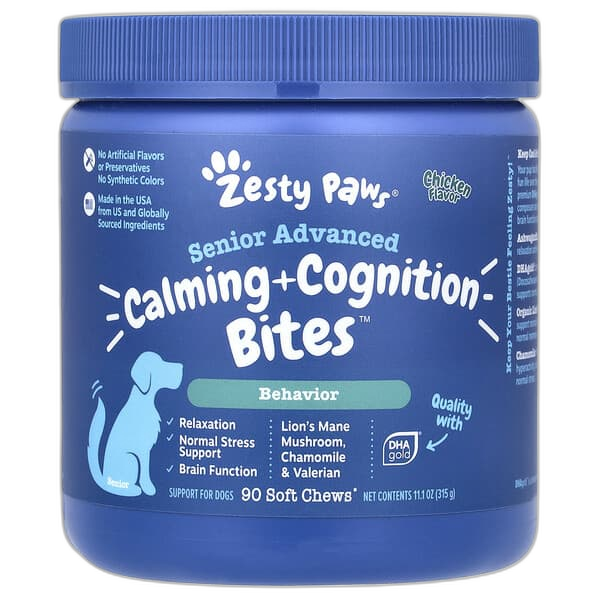
Zesty Paws Senior Advanced Calming + Cognition Bites Chicken Flavor Soft Chews Composure Supplement
Zesty Paws

PetHonesty Hemp Calming Chews for Dogs
PetHonesty

Pet Naturals BusyButter Easy Squeeze Calming Peanut Butter
Pet Naturals
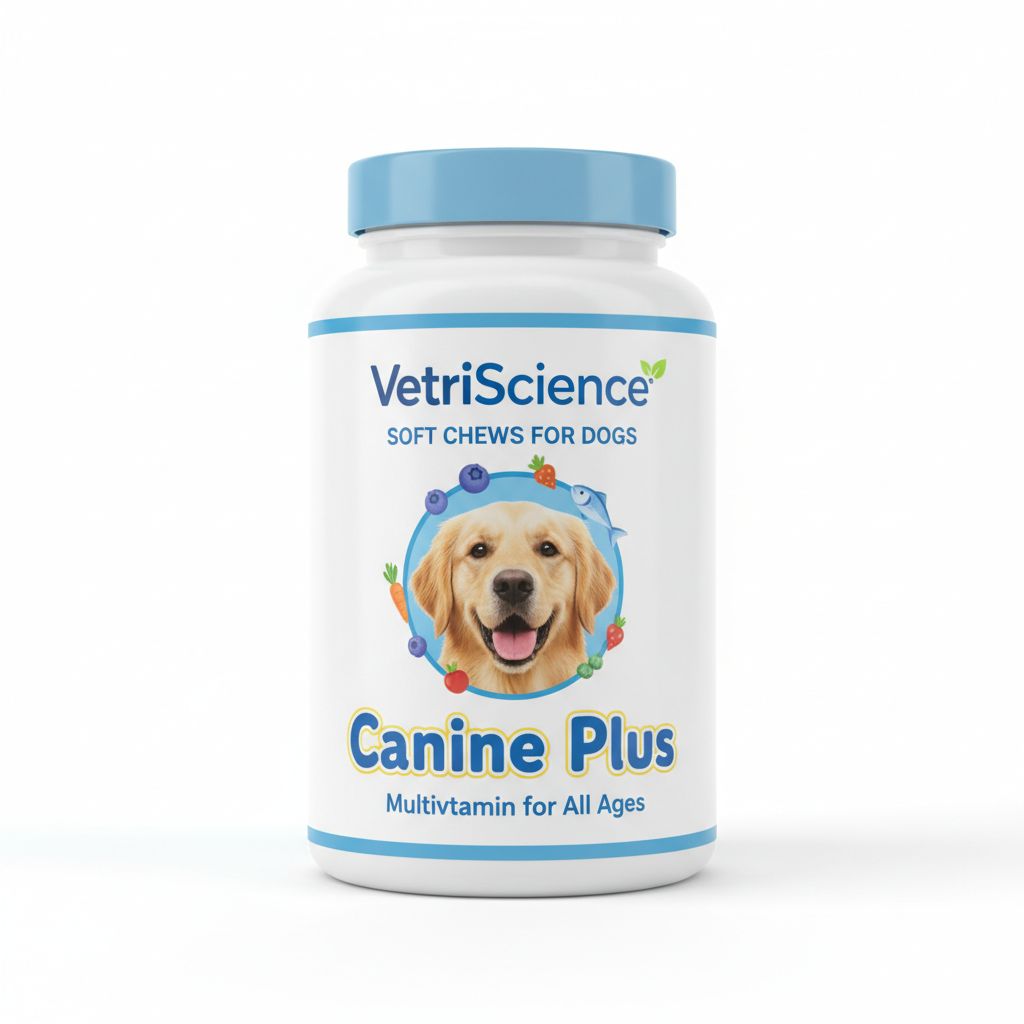
VetriScience Composure Calming Chews
VetriScience

GoodGood Calming Chews for Dogs
GoodGood
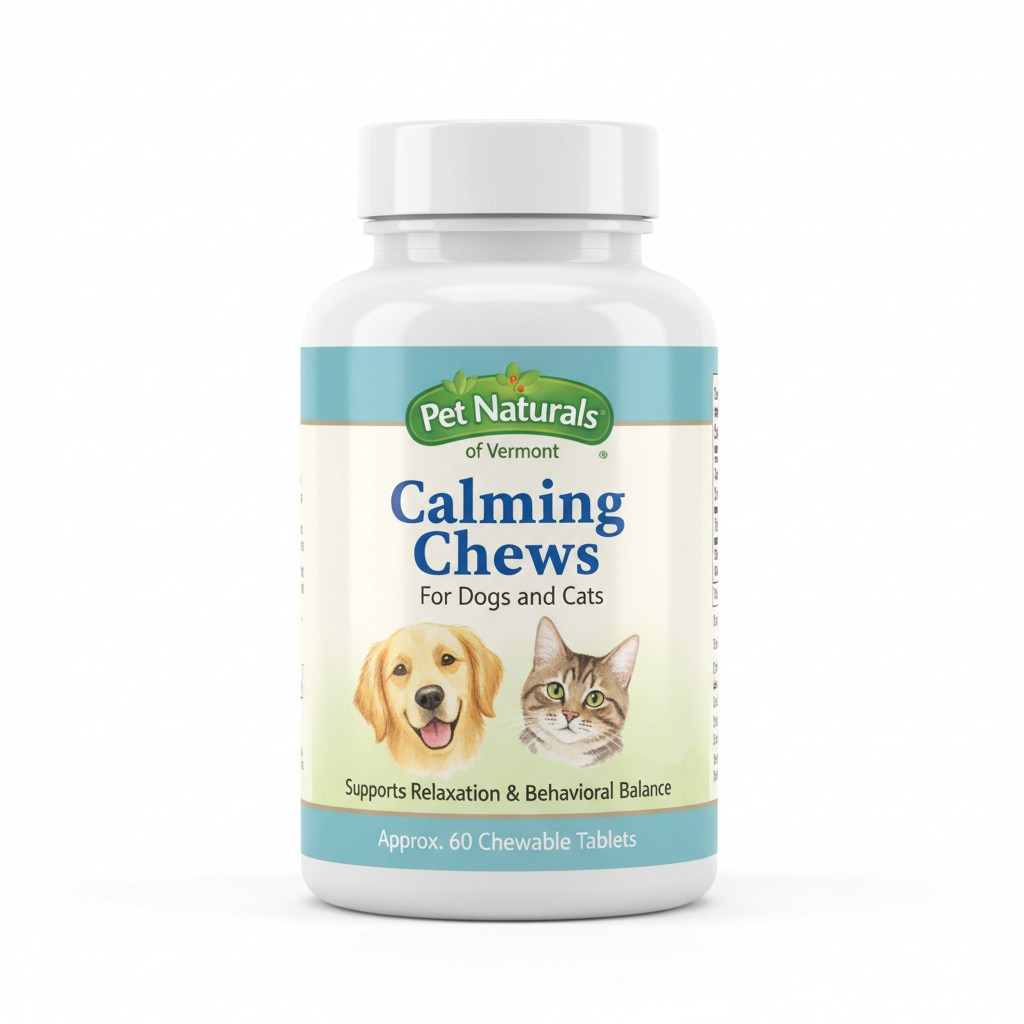
Pet Naturals of Vermont Calming Chews for Dogs and Cats
Pet Naturals
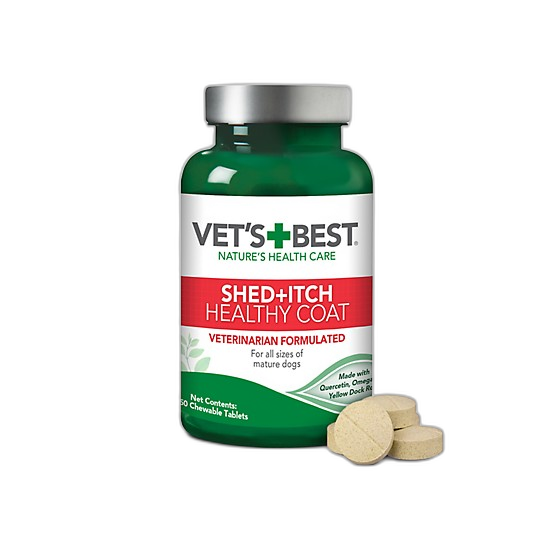
Native Pet Calming Chews for Dogs
Native Pet