Quercetin
antioxidant
Quercetin is a naturally occurring plant pigment, a type of flavonoid, found in many fruits, vegetables, and grains. For pets, particularly dogs and cats, it's often discussed in the context of its potential to support various aspects of their health. This guide explores what quercetin is, its potential benefits for companion animals, considerations for dosage, and important safety information.
Quercetin as a Bioflavonoid for Pets
Quercetin is a bioflavonoid, a compound known for its antioxidant properties. In plants, flavonoids help protect against environmental stressors. When consumed by animals, including dogs and cats, these properties are thought to extend to cellular protection within the body. Specifically, quercetin is often highlighted for its ability to scavenge free radicals, which are unstable molecules that can cause cellular damage.
The interest in quercetin for dogs stems from its presence in many healthy human foods, such as apples, berries, and broccoli, and the growing understanding of its biological activities. For pets, it's typically introduced as a supplement rather than relying on dietary intake alone, as the concentrations in whole foods might not be sufficient to achieve a therapeutic effect. The practical implication is that while a balanced diet is crucial, specific health goals might warrant supplementation under veterinary guidance.
Consider a dog experiencing seasonal environmental sensitivities. While diet plays a role in overall health, adding a targeted supplement like quercetin, after consulting a veterinarian, could be part of a broader strategy to support their comfort. It's not a standalone cure but rather a tool that can complement other approaches. The trade-off often lies in ensuring the supplement is high-quality and correctly dosed, as generic claims without proper formulation might yield little benefit.
Answering Common Questions About Quercetin for Pets
When considering a new supplement for a pet, questions naturally arise about its function, efficacy, and how it fits into their overall health plan. Quercetin is no exception. Understanding its mechanisms and potential applications helps pet owners make informed decisions.
One common question revolves around why quercetin is considered beneficial. Its primary action is its antioxidant capacity. Oxidative stress, caused by an imbalance between free radicals and antioxidants, can contribute to various health issues over time. By acting as an antioxidant, quercetin helps neutralize these free radicals, potentially reducing their damaging effects on cells and tissues. This cellular protection is fundamental to maintaining general health and can be particularly relevant for aging pets or those facing environmental challenges.
Another aspect often discussed is quercetin's role in supporting the body's natural response to environmental irritants. It's thought to influence certain pathways involved in the body's histamine response. Histamine is a compound released by the immune system in response to perceived threats, and while essential, an overactive response can lead to discomfort. Quercetin is believed to help modulate this response, though it's important to understand this is a supportive role, not a direct antihistamine action like pharmaceutical drugs.
For instance, a cat with occasional skin irritations might benefit from quercetin as part of a comprehensive approach that also addresses diet, environmental factors, and veterinary prescribed treatments. The key is to view quercetin as a complementary agent, not a replacement for professional veterinary care. Its efficacy can vary depending on the individual pet, the specific condition, and the quality of the supplement.
Quercetin: Often Called "Nature's Benadryl"
Quercetin is often called "Nature's Benadryl" because of its perceived ability to help manage the body's response to environmental irritants. However, it's important to distinguish between this natural compound and a pharmaceutical drug. Benadryl (diphenhydramine) directly blocks histamine receptors. Quercetin, on the other hand, influences histamine pathways through different, more indirect mechanisms.
Quercetin's involvement in the histamine response is thought to be multifaceted. It may help stabilize mast cells, which are immune cells that release histamine and other inflammatory mediators. By potentially reducing the release of these compounds, quercetin could help mitigate the body's overreaction to common environmental triggers. This indirect action is why it's often described as supportive rather than a direct blocker.
For a dog that experiences seasonal itching or sneezing due to environmental factors, quercetin might be considered as a long-term supportive supplement. Unlike an immediate-acting drug, quercetin's effects, if any, are typically more gradual and cumulative. It's not intended for acute, severe reactions. For example, if a dog has a sudden, intense allergic reaction, veterinary intervention is necessary, and quercetin would not be an appropriate first-line treatment.
The comparison to Benadryl is useful for conceptual understanding but should not imply identical mechanisms or potency. Pet owners should always consult their veterinarian before introducing quercetin, especially if their pet is already on other medications, to ensure there are no contraindications or potential interactions.
Quercetin for Dogs and Cats: A Natural Approach to Comfort
Both dogs and cats can potentially benefit from quercetin, particularly concerning their comfort and well-being in the face of environmental challenges. Its role as a natural bioflavonoid makes it an attractive option for pet owners seeking complementary therapies.
For dogs, common applications include supporting skin health, especially when environmental factors lead to itching or irritation. It can also be considered for maintaining respiratory comfort during seasonal changes. For example, a dog that frequently licks its paws or rubs its face during certain times of the year might be experiencing mild environmental sensitivities. Quercetin could be part of a multi-pronged approach to help manage these symptoms.
Cats, too, can experience similar issues, though their expressions might differ. They might exhibit excessive grooming, skin lesions, or respiratory congestion. Quercetin can be a consideration for them as well. However, cats often have unique metabolic pathways, and their tolerance for certain compounds can differ from dogs. Therefore, precise dosing and careful monitoring under veterinary supervision are even more critical for felines.
When considering quercetin for either species, it's important to recognize that "natural" doesn't automatically mean "without risk." While generally considered safe, individual sensitivities can exist. A cat with a sensitive stomach might react differently to a quercetin supplement than a robust dog. Starting with a low dose and observing the pet's response is a sensible approach, always in consultation with a veterinarian.
Is Quercetin Good for Dogs? Benefits, Safety & Research
The question of whether quercetin is "good" for dogs is often nuanced. Its potential benefits are rooted in its antioxidant and mast cell stabilizing properties. However, robust, large-scale clinical trials specifically on quercetin in companion animals are not as extensive as those for human applications. Much of the understanding for pets is extrapolated from human studies and anecdotal evidence, alongside smaller animal studies.
Potential Benefits of Quercetin for Dogs and Cats
The primary benefits attributed to quercetin for pets revolve around its impact on cellular health and the body's response to environmental factors.
- Antioxidant Support: As a potent antioxidant, quercetin helps combat oxidative stress by neutralizing free radicals. This can contribute to overall cellular health and potentially slow down age-related cellular damage, making it a consideration for aging dogs and cats.
- Support for Environmental Sensitivities: Quercetin is believed to help stabilize mast cells, thereby influencing the release of histamine. This can be beneficial for pets experiencing mild environmental irritations, such as seasonal itching, sneezing, or skin discomfort. It's a supportive measure rather than a treatment for acute conditions.
- Inflammatory Response Modulation: Beyond histamine, quercetin is thought to modulate other pathways involved in the body's inflammatory response. While not an anti-inflammatory drug, its influence on these pathways could contribute to general comfort.
- Cardiovascular Health (Indirect): Some research in humans suggests a link between quercetin and cardiovascular health, primarily through its antioxidant effects and potential to support healthy blood vessel function. While not a primary use for pets, these systemic benefits could indirectly contribute to overall well-being.
- Cellular Health and Longevity: By protecting cells from oxidative damage, quercetin may play a role in promoting cellular longevity and overall vitality, particularly relevant for senior pets.
Safety Considerations and Potential Side Effects
Quercetin is generally considered safe for most dogs and cats when administered at appropriate dosages. However, like any supplement, it's not without potential considerations.
- Gastrointestinal Upset: The most commonly reported side effects are mild gastrointestinal disturbances, such as vomiting or diarrhea. This is often dose-dependent and can sometimes be mitigated by giving the supplement with food or reducing the dose.
- Interactions with Medications: Quercetin can potentially interact with certain medications, including blood thinners, some antibiotics, and drugs metabolized by the liver. It's crucial to inform your veterinarian about all supplements and medications your pet is receiving to avoid adverse interactions.
- Kidney Issues: In some human studies, very high doses of quercetin have been associated with kidney issues. While this is less documented in pets, it's another reason to adhere strictly to recommended dosages and consult a veterinarian, especially if your pet has pre-existing kidney conditions.
- Purity and Quality of Supplements: The market for pet supplements is not as strictly regulated as prescription medications. The quality and purity of quercetin supplements can vary significantly. Choosing a reputable brand that provides third-party testing for purity and potency is important.
- Pregnancy and Lactation: The safety of quercetin in pregnant or lactating animals has not been extensively studied. It's generally advised to avoid supplementation during these periods unless specifically recommended by a veterinarian.
Research Landscape
While anecdotal reports and some preliminary studies suggest benefits, the scientific literature on quercetin specifically for dogs and cats is still developing. Most studies on its mechanisms and effects are conducted in vitro (cell cultures) or in laboratory animals, or humans. Extrapolating these findings directly to companion animals requires caution.
Veterinarians often rely on a combination of scientific understanding, clinical experience, and individual patient response when recommending supplements like quercetin. It's not a magic bullet, but rather a tool that can be integrated into a holistic health plan under professional guidance.
Quercetin Dosage for Dogs and Cats
Determining the correct dosage of quercetin for dogs and cats is critical for both efficacy and safety. There isn't a single, universally accepted dosage, as recommendations can vary based on the pet's size, condition, and the specific formulation of the supplement. Always consult with your veterinarian for personalized dosage advice.
However, a common general guideline for dogs often cited is approximately 5-10 mg of quercetin per pound of body weight, given twice daily. For cats, the dosage is typically lower due to their smaller size and different metabolism. A general guideline for cats might be closer to 25-50 mg total per day.
Many quercetin supplements for pets are formulated with bromelain, an enzyme derived from pineapples. Bromelain is often included because it is thought to enhance the absorption and bioavailability of quercetin, and it also possesses its own properties that may support the body's natural inflammatory response. When a supplement contains both, the dosage might be adjusted to account for the combined effect.
Example Dosage Considerations (Illustrative, not prescriptive):
| Pet Weight (approx.) | Dog Quercetin Dose (approx.) | Cat Quercetin Dose (approx.) | Notes |
|---|---|---|---|
| 5 lbs (2.3 kg) | 25 - 50 mg twice daily | 25 mg once daily | Start low, monitor response. |
| 10 lbs (4.5 kg) | 50 - 100 mg twice daily | 25 - 50 mg once daily | Always with veterinary approval. |
| 25 lbs (11.3 kg) | 125 - 250 mg twice daily | Not applicable | Consider combination products. |
| 50 lbs (22.7 kg) | 250 - 500 mg twice daily | Not applicable | Ensure adequate water intake. |
| 100 lbs (45.4 kg) | 500 - 1000 mg twice daily | Not applicable | Split doses for better absorption. |
Important Dosage Notes:
- Start Low: When introducing any new supplement, it's often advisable to start with the lower end of the recommended range and gradually increase if needed, while carefully monitoring your pet for any adverse reactions.
- With Food: Giving quercetin with food can help minimize potential gastrointestinal upset.
- Consistency: For potential benefits related to environmental sensitivities or cellular health, consistent daily administration over several weeks or months is typically required. It's not an immediate-acting compound.
- Formulation: Pay close attention to the concentration of quercetin in the specific product you choose. Labels can be confusing, with some listing the total amount of a blend rather than the pure quercetin content.
- Veterinary Guidance is Paramount: This table provides general information. Your veterinarian is the best resource for tailoring a dosage specific to your pet's individual health needs, existing conditions, and other medications.
FAQ
Is it safe to give a dog quercetin?
Quercetin is generally considered safe for dogs when given at appropriate dosages and under veterinary guidance. The most common side effects are mild gastrointestinal upset, such as vomiting or diarrhea. However, it's crucial to consult a veterinarian before starting any new supplement, especially if your dog has underlying health conditions or is taking other medications, as interactions are possible.
What are the negative side effects of quercetin?
The most frequently reported negative side effects of quercetin in pets are mild gastrointestinal issues, including vomiting, diarrhea, or upset stomach. These are often dose-dependent and may be minimized by administering the supplement with food. In rare cases, allergic reactions could occur. Quercetin may also interact with certain medications, such as blood thinners or some antibiotics. High doses, particularly in human studies, have been linked to kidney issues, emphasizing the importance of correct dosing.
How long does it take for quercetin to work in dogs?
Quercetin is not an immediate-acting supplement. Its potential benefits, particularly for supporting environmental sensitivities or cellular health, are typically observed over time with consistent use. It may take several weeks to a few months of daily administration to notice any discernible effects. For acute issues, it is not an appropriate rapid-response treatment. Individual response times can vary depending on the dog's condition, metabolism, and the specific issue being addressed.
Conclusion
Quercetin presents a compelling natural option for pet owners looking to support their dogs' and cats' cellular health and modulate their response to environmental irritants. Its antioxidant properties and potential to influence histamine release position it as a complementary supplement rather than a standalone cure. While anecdotal evidence and some research suggest benefits, the key to successful and safe supplementation lies in careful consideration of dosage, product quality, and, most importantly, professional veterinary guidance. For curious pet owners seeking trustworthy information, understanding quercetin's mechanisms and limitations allows for informed discussions with their veterinarian about integrating this bioflavonoid into their pet's health regimen.
Products Containing Quercetin
Top-rated supplements featuring this ingredient, ranked by our PSI+ score.
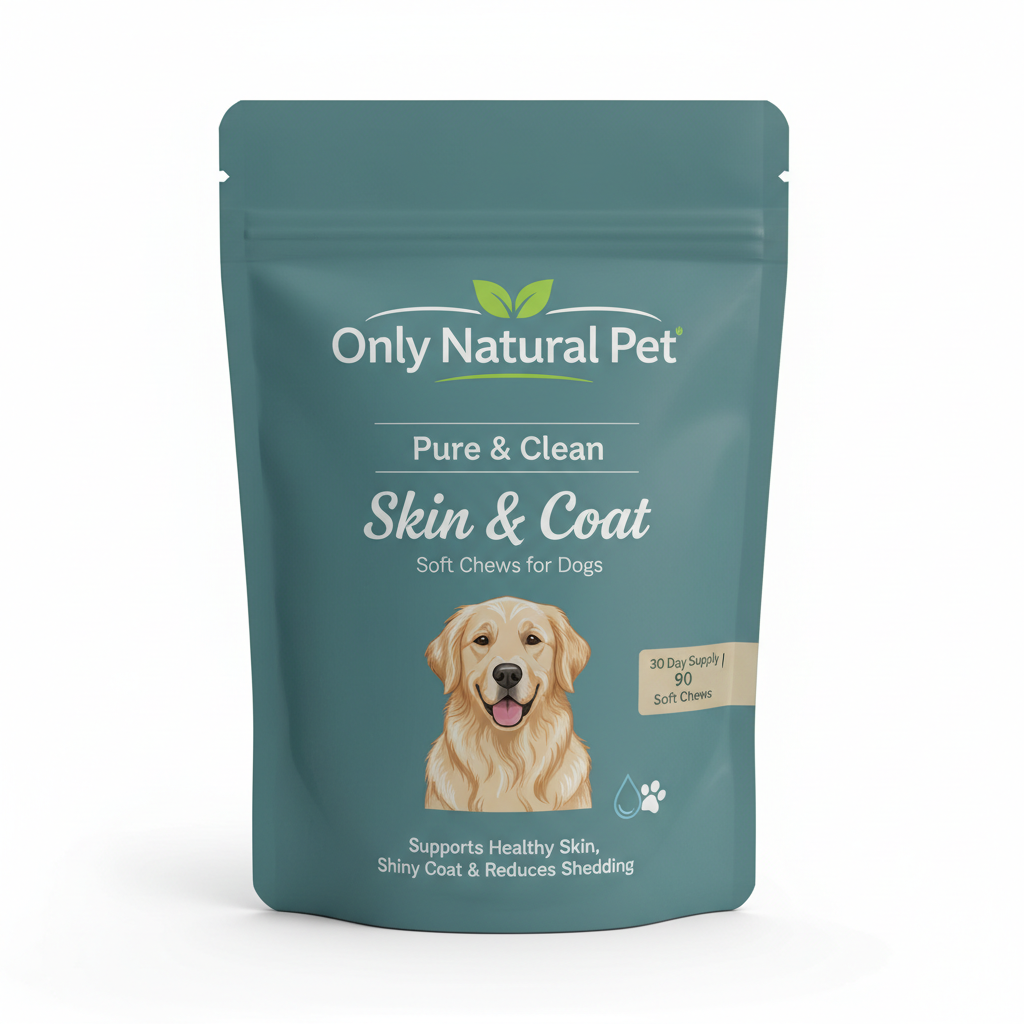
Only Natural Pet Pure & Clean Skin & Coat Soft Chews for Dogs
Only Natural Pet
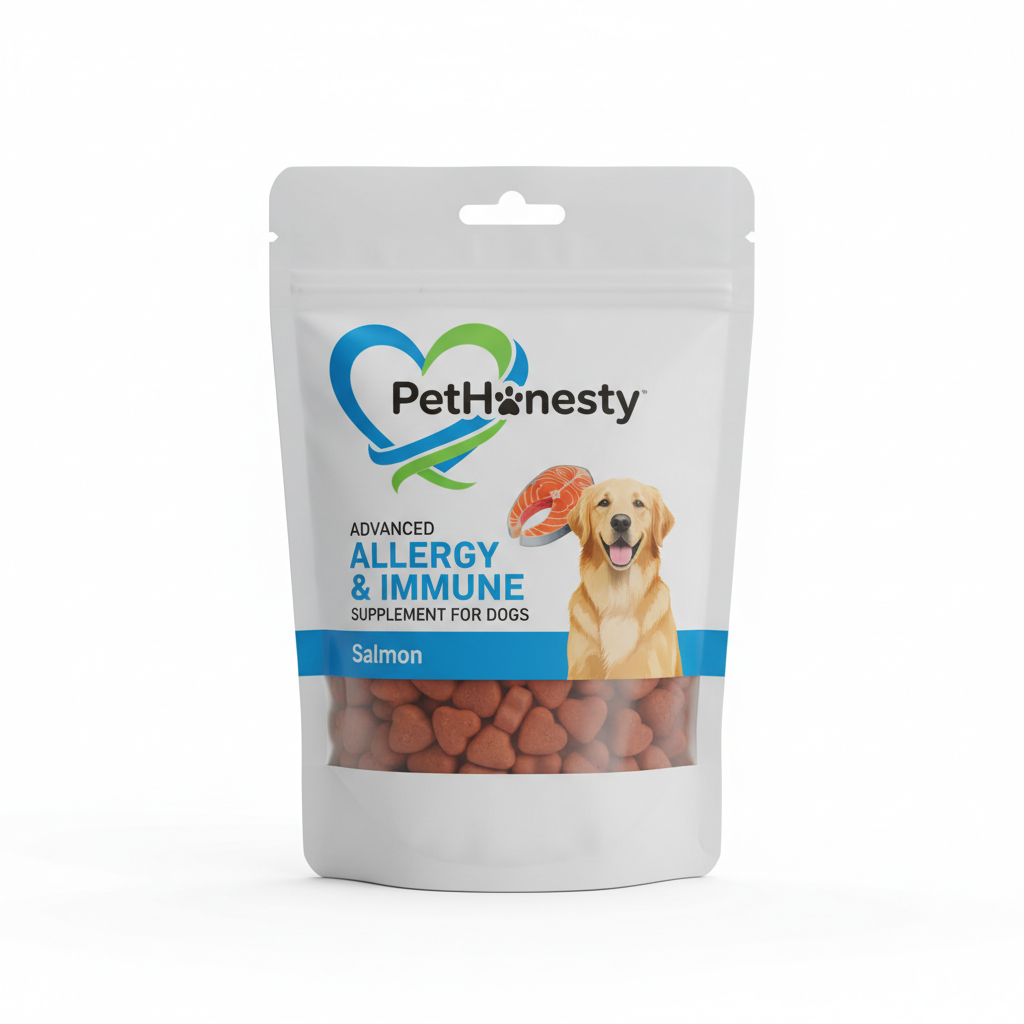
PetHonesty Advanced Allergy & Immune Supplement for Dogs - Salmon
PetHonesty
iHeartDogs Allergy & Itch Relief Chews for Dogs
iHeartDogs
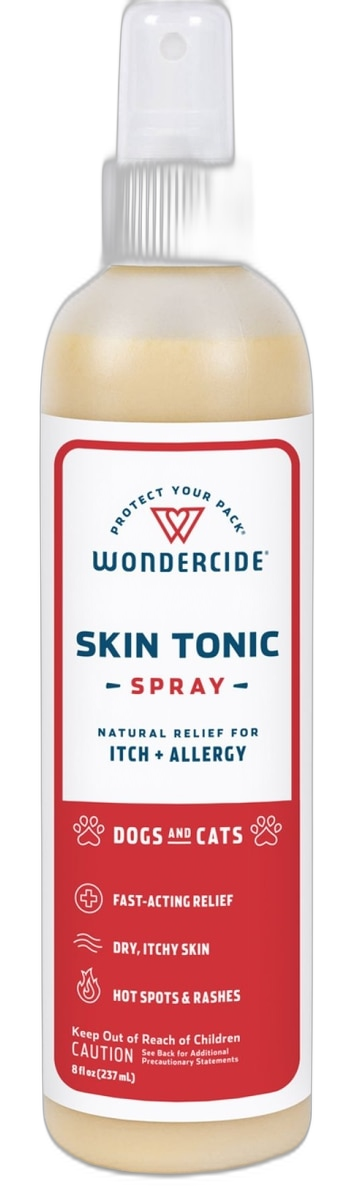
Wondercide Immune & Allergy Support
Wondercide
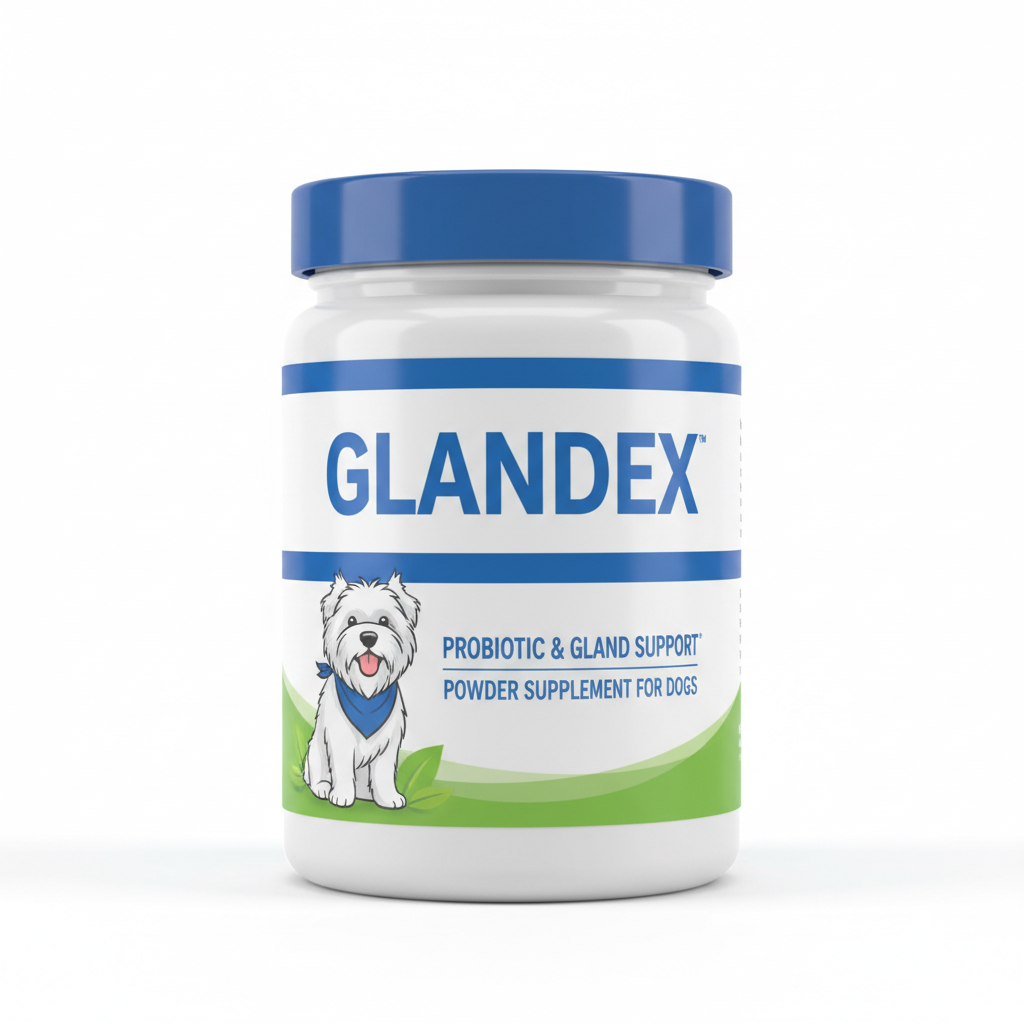
Glandex Anal Gland Support with Probiotics for Dogs
Glandex
PetHonesty Allergy Support Chews with Probiotics
PetHonesty
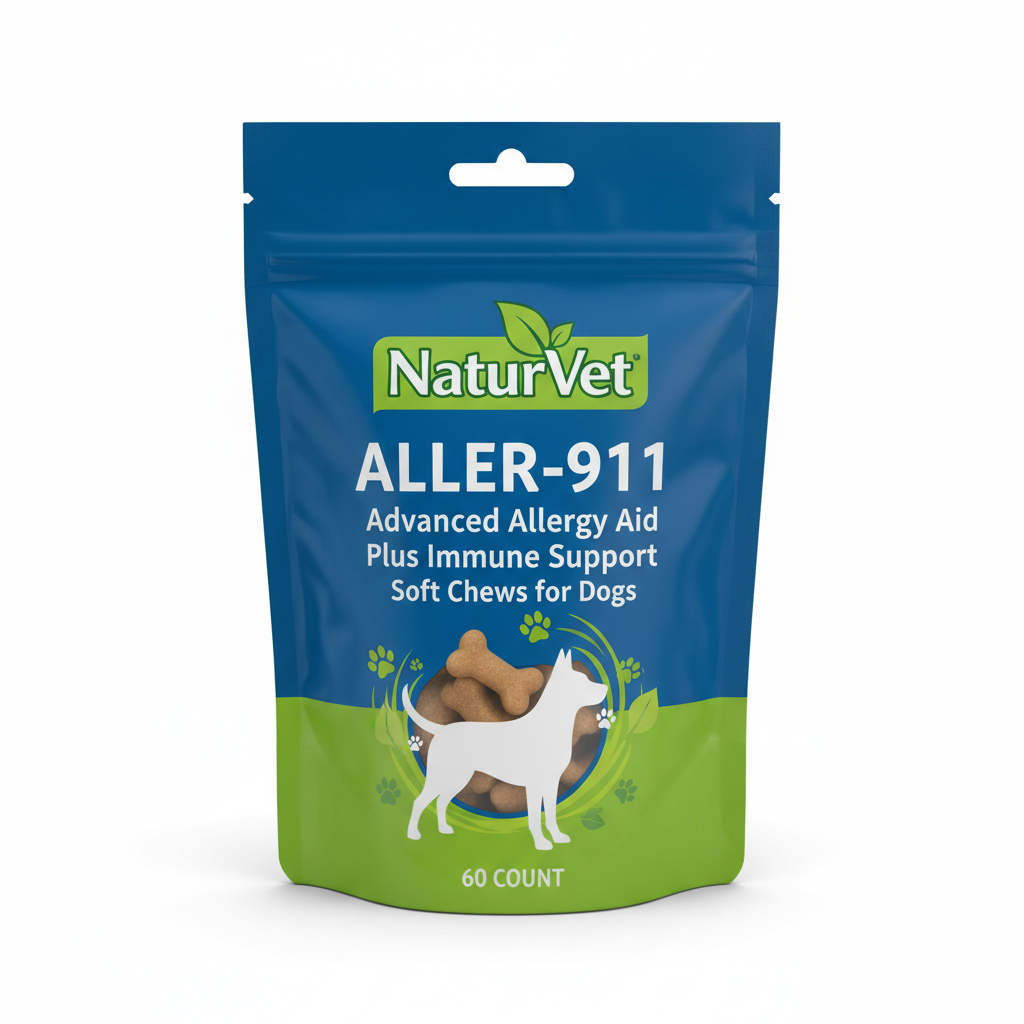
NaturVet Aller-911 Advanced Allergy Aid Plus Immune Support Soft Chews for Dogs, 60 Count
NaturVet
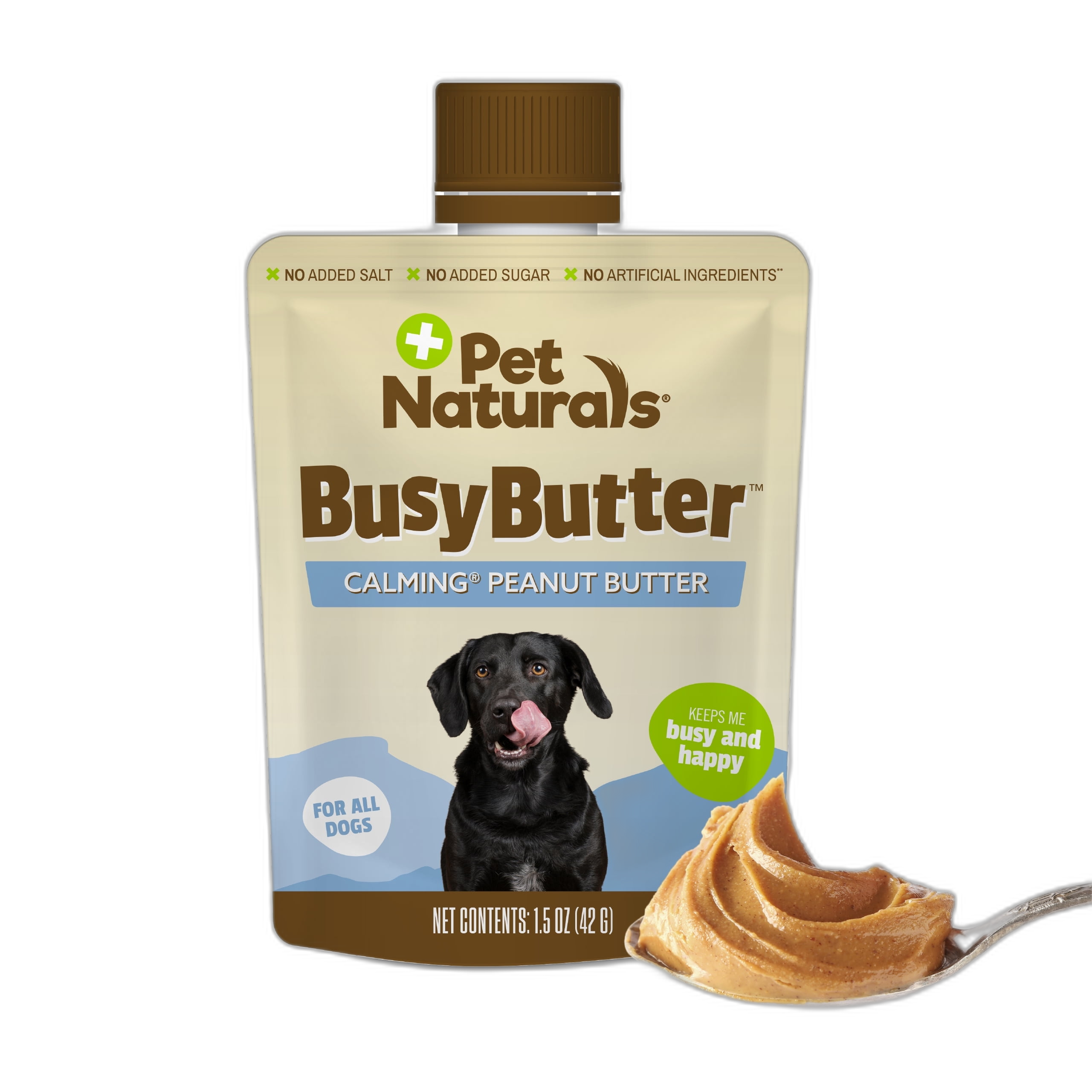
Vet's Best Seasonal Allergy Support for Dogs
Vet's Best