SAMe (S-Adenosylmethionine)
liver support
Effective Dose Range (dog)
Min Effective
10 mg/kg body weight
Optimal Low
10 mg/kg body weight
Optimal High
20 mg/kg body weight
Upper Limit
40 mg/kg body weight
Research Evidence
Safety Data
Must be given on empty stomach for proper absorption. Enteric-coated tablets preferred. May cause mild GI upset. Avoid with serotonergic drugs.
Mechanism of Action
Principal methyl donor in hepatocyte metabolism. Precursor to glutathione (master antioxidant). Supports phospholipid methylation maintaining cell membrane fluidity.
S-Adenosylmethionine, or SAMe (pronounced "sam-E"), is a molecule found naturally in the body that's essential for many cellular functions. In veterinary practice, SAMe is recognized as a supplement, mainly for its potential to support liver health and cognitive function in pets, particularly dogs and cats. This article explains the veterinary research on SAMe, discuss appropriate dosing, and help pet owners choose a SAMe supplement.
S-Adenosyl-Methionine (SAMe) in a Broad Context
SAMe is a derivative of the amino acid methionine and adenosine triphosphate (ATP). Its primary biological function revolves around three key metabolic pathways: transmethylation, transsulfuration, and aminopropylation. These pathways are critical for the synthesis, activation, and breakdown of hormones, neurotransmitters, nucleic acids, and cell membranes. Essentially, SAMe acts as a methyl donor, facilitating methylation reactions that are vital for cellular function and detoxification.
When considering SAMe for dogs, its role extends beyond basic cellular processes to more specific therapeutic applications. For instance, in liver disease, SAMe helps in the production of glutathione, a powerful antioxidant that protects liver cells from damage and aids in detoxification. In cases of cognitive decline, SAMe is thought to influence neurotransmitter synthesis and membrane fluidity, potentially supporting brain health. It's not a panacea, but rather a supportive agent that can complement other treatments. The practical implication is that SAMe is often used as part of a multi-modal approach to managing certain conditions, rather than as a standalone cure. For example, a dog with chronic liver disease might receive SAMe alongside dietary changes and other medications prescribed by a veterinarian. The effectiveness of SAMe can vary depending on the underlying condition and individual pet response.
SAMe Liver Health for Dogs
The liver is a vital organ responsible for detoxification, metabolism, and the production of essential proteins. When the liver is compromised, its ability to perform these functions diminishes, leading to various health issues. This is where SAMe often comes into play for dogs.
In the context of liver health, SAMe's primary mechanism of action is its role in the transsulfuration pathway, which leads to the synthesis of glutathione. Glutathione is often referred to as the body's "master antioxidant" because it directly neutralizes free radicals, detoxifies harmful compounds, and regenerates other antioxidants like Vitamin C and E. In dogs with liver disease, oxidative stress is a significant factor contributing to cellular damage and inflammation. By boosting glutathione levels, SAMe helps protect hepatocyte (liver cell) membranes from oxidative injury and supports the liver's natural detoxification processes.
Consider a scenario where a dog is diagnosed with chronic hepatitis. The inflammation and damage to liver cells can lead to a decrease in glutathione production. Supplementing with SAMe can help replenish these depleted glutathione stores, thereby mitigating further damage and potentially improving liver function. It's not about curing the hepatitis, but rather providing the liver with the tools it needs to repair itself and function more effectively. This supportive role is crucial because the liver has a remarkable capacity for regeneration, and SAMe can facilitate this process. However, it's important to understand that SAMe is not a substitute for addressing the root cause of liver disease, such as managing infections or discontinuing hepatotoxic medications. Its use should always be under veterinary guidance, as part of a comprehensive treatment plan.
SAMe and Silybin for Dogs
While SAMe can be effective on its own for liver support, it is often combined with other hepatoprotective agents, most notably silybin. Silybin is the primary active component of silymarin, an extract derived from the milk thistle plant. The combination of SAMe and silybin is frequently found in veterinary liver support supplements, and for good reason.
Silybin works through different mechanisms than SAMe, offering a complementary approach to liver health. Silybin is known for its antioxidant properties, direct anti-inflammatory effects, and ability to stabilize liver cell membranes. It also promotes the regeneration of liver cells and inhibits the production of leukotrienes, which are inflammatory mediators. When SAMe and silybin are administered together, their combined actions can provide a more robust level of liver protection and support.
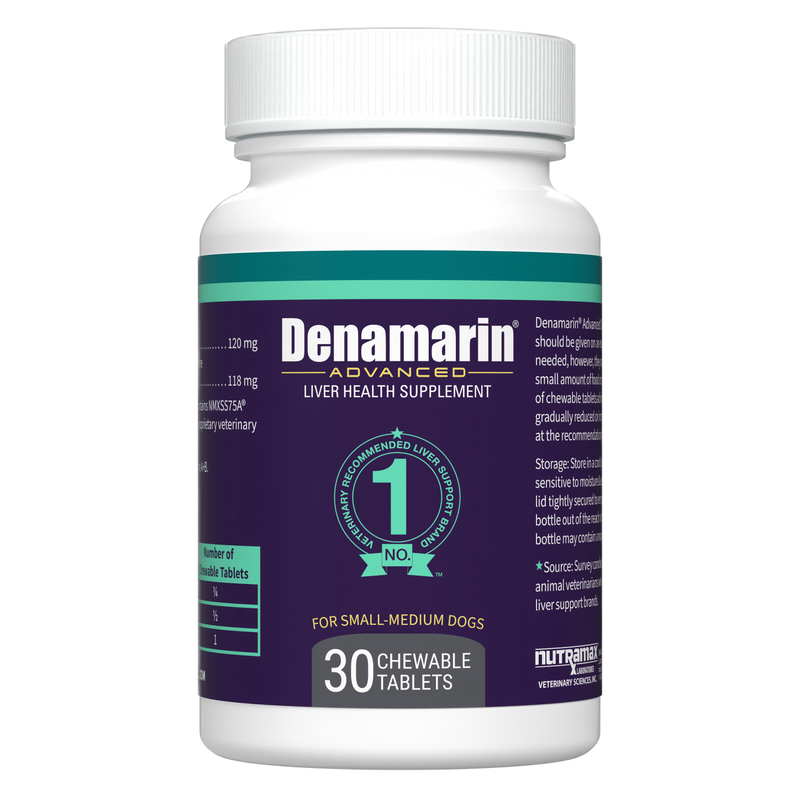
For instance, SAMe helps increase the production of glutathione within liver cells, while silybin helps protect those cells from damage and promotes their repair. Imagine a leaky boat: SAMe helps pump out the water (detoxification and antioxidant support), while silybin helps patch the holes and strengthen the hull (cell protection and regeneration). A common example is the commercially available product Denamarin, which combines SAMe and silybin. Veterinarians frequently prescribe such combination products for dogs with various liver conditions, from acute liver injury to chronic liver disease. The rationale is that the of these two compounds can offer superior benefits compared to either one used alone. However, the exact ratio and dosage of each component in combination products are important, and it's essential to follow veterinary recommendations.
What Can SAM-e Do for Dogs?
SAMe's applications in canine health extend beyond just liver support, though that remains its most prominent use. Its influence on methylation pathways allows it to impact various physiological systems.
Beyond its crucial role in liver health, SAMe has also been investigated for its potential to support cognitive function in aging dogs. As dogs age, they can experience cognitive decline, often manifesting as Canine Cognitive Dysfunction (CCD), similar to Alzheimer's disease in humans. Symptoms can include disorientation, altered social interactions, changes in sleep-wake cycles, and house soiling. SAMe is believed to help by influencing the synthesis of neurotransmitters like dopamine and serotonin, which play a role in mood and cognition. It may also improve membrane fluidity in brain cells, potentially enhancing neuronal communication. While not a cure for CCD, some studies suggest that SAMe can help slow the progression of symptoms and improve the quality of life for affected dogs.
Additionally, there's some preliminary research suggesting SAMe might have benefits for joint health, particularly in cases of osteoarthritis. This is theorized to be due to its role in the synthesis of proteoglycans, which are essential components of cartilage. While not as extensively studied as its liver and cognitive applications, it points to the broad biological impact of SAMe.
To illustrate, consider an older dog showing signs of confusion, staring blankly, or having accidents indoors. A veterinarian might recommend a trial of SAMe as part of a multi-faceted approach that could also include dietary changes and environmental enrichment. The goal is to support brain health and potentially alleviate some of the behavioral symptoms associated with CCD. Similarly, for a dog with elevated liver enzymes detected during a routine blood panel, SAMe might be prescribed to help protect the liver cells and improve function, even before overt clinical signs of liver disease appear. The versatility of SAMe stems from its fundamental role in cellular biochemistry, making it a candidate for supporting various body systems.
S-Adenosylmethionine (SAMe, Denosyl, Vetri-SAMe, Zentonil)
When discussing SAMe for pets, it's important to recognize that the active ingredient, S-Adenosylmethionine, is available under various brand names. These brand names often represent different formulations, dosages, and sometimes, combinations with other ingredients like silybin. Understanding these distinctions is crucial for pet owners to make informed decisions in consultation with their veterinarian.
Common veterinary-specific SAMe products include:
- Denosyl: This is one of the most widely recognized veterinary SAMe products. It contains SAMe as its sole active ingredient. Denosyl is manufactured by Nutramax Laboratories, a company well-known for its veterinary supplements. It's typically enteric-coated to protect the SAMe from stomach acid, which is vital for its absorption.
- Vetri-SAMe: Another popular brand, Vetri-SAMe, is produced by VetriScience Laboratories. Similar to Denosyl, it focuses on SAMe as the primary component for liver and cognitive support. These products also often feature protective coatings to ensure the SAMe reaches the small intestine for optimal absorption.
- Zentonil: This brand, from Vetoquinol, also provides SAMe, sometimes in combination with other ingredients like silybin (e.g., Zentonil Advanced). Like other veterinary SAMe products, it emphasizes bioavailability and stability.
The key takeaway here is that while the active component is the same (S-Adenosylmethionine), the specific formulation, enteric coating, and presence of other synergistic ingredients (like silybin in products like Denamarin, which combines SAMe and silybin) can vary significantly between brands. For instance, a veterinarian might recommend Denosyl for a dog needing pure SAMe support, whereas for a dog with more advanced liver disease, they might suggest Denamarin (SAMe + silybin) for enhanced efficacy.
Comparison of Common Veterinary SAMe Products (Example)
| Feature | Denosyl (SAMe only) | Denamarin (SAMe + Silybin) | Vetri-SAMe (SAMe only) |
|---|---|---|---|
| Active Ingredients | S-Adenosylmethionine (SAMe) | S-Adenosylmethionine (SAMe), Silybin | S-Adenosylmethionine (SAMe) |
| Primary Use | Liver support, Cognitive support | Enhanced liver support (due to silybin's added benefits) | Liver support, Cognitive support |
| Formulation | Enteric-coated tablets | Enteric-coated tablets | Enteric-coated tablets |
| Manufacturer | Nutramax Laboratories | Nutramax Laboratories | VetriScience Laboratories |
| Consideration | Good for pure SAMe benefits, potentially lower cost | Ideal for more comprehensive liver support, often higher cost | Similar to Denosyl, brand preference may play a role |
| Availability | Widely available through veterinarians and retailers | Widely available through veterinarians and retailers | Widely available through veterinarians and retailers |
This table highlights that while the core ingredient is consistent, the choice of product often depends on the specific needs of the pet as determined by a veterinarian. It's not just about getting "SAMe," but getting the right SAMe product for the situation.
SAM-e for Dogs: Dosing and Safety Considerations
Administering SAMe to dogs requires careful attention to dosing and an understanding of safety considerations. Unlike many over-the-counter human supplements, veterinary SAMe products are specifically formulated and dosed for animals, and their use should always be guided by a veterinarian.
Dosing Guidelines
The optimal dosage of SAMe for dogs varies depending on several factors:
- Weight of the Dog: Dosing is typically calculated on a milligram per kilogram (mg/kg) or milligram per pound (mg/lb) basis.
- Condition Being Treated: Liver support often requires different dosages than cognitive support.
- Severity of the Condition: More severe cases might initially warrant higher doses.
- Individual Response: Some dogs may respond better to certain dosages than others.
A commonly cited starting dose for SAMe in dogs for liver support is around 18-20 mg/kg of body weight per day. However, this is a general guideline, and veterinarians may adjust this. For example, a 10 kg (22 lb) dog might receive approximately 180-200 mg of SAMe daily.
Important Dosing Considerations:
- Empty Stomach Administration: SAMe is best absorbed when given on an empty stomach, typically at least one hour before feeding or two hours after. Food can interfere with its absorption and reduce its effectiveness.
- Enteric Coating: Most veterinary SAMe products are enteric-coated. This coating protects the SAMe from degradation by stomach acid, allowing it to reach the small intestine where it can be absorbed. It is crucial not to crush or break these tablets, as doing so would destroy the enteric coating and render the supplement largely ineffective.
- Consistency: For optimal results, SAMe should be administered consistently as prescribed by the veterinarian.
Safety and Side Effects
SAMe is generally considered safe for dogs when used appropriately. Side effects are uncommon and usually mild if they occur.
- Gastrointestinal Upset: The most frequently reported side effect is mild gastrointestinal upset, such as vomiting or diarrhea. This is often transient and can sometimes be mitigated by giving the supplement with a small amount of food, though this may compromise absorption.
- Lack of Appetite: Rarely, some dogs may experience a temporary decrease in appetite.
- Drug Interactions: While SAMe has a good safety profile, it's essential to inform your veterinarian about all other medications and supplements your dog is taking. This is particularly important for drugs that affect serotonin levels, such as certain antidepressants (SSRIs), as SAMe can also influence neurotransmitter metabolism.
- Not for All Conditions: SAMe is not appropriate for all conditions. For instance, in rare cases of severe liver failure with hepatic encephalopathy, its use might need careful consideration as methionine metabolism can be altered.
- Human SAMe Products: As discussed in the FAQ, human SAMe supplements are generally not recommended for pets due to differences in formulation, dosing, and potential inactive ingredients that may be harmful to animals.
decision to use SAMe and the specific dosing regimen should always be made in consultation with a veterinarian who can assess the individual pet's health status, diagnose the underlying condition, and monitor the response to treatment. Self-dosing can be ineffective or, in rare cases, harmful.
FAQ
Can dogs take human SAM-E?
It is generally not recommended for dogs to take human SAMe supplements. There are several reasons for this:
Always consult with your veterinarian before giving any human supplement to your dog. They can recommend a veterinary-specific SAMe product that is safe and appropriately dosed.
What is the one meat to never feed a dog?
While the question is broad and could refer to several types of meat under specific circumstances (e.g., raw pork due to potential parasites, heavily processed deli meats due to sodium content), if we're looking for a single, definitive "never feed" answer in terms of inherent toxicity, there isn't one specific meat that is universally toxic to dogs in the same way that chocolate or xylitol are.
However, a very strong caution is advised for cooked bones, especially poultry bones, which splinter easily and can cause internal damage, choking, or blockages. While not the "meat" itself, the bone attached to meat is a common and dangerous component.
If we consider meat preparations, highly processed meats like bacon, ham, or heavily seasoned deli meats are best avoided due to their high salt content, nitrates, and other additives, which can be detrimental to a dog's health over time. Raw meat can also pose risks of bacterial contamination (e.g., Salmonella, E. Coli) and parasitic infections if not handled or sourced properly.
Therefore, while no single meat is inherently toxic like certain plants or chemicals, the preparation or components of meat (like cooked bones) can be very dangerous. Always err on the side of caution and consult your vet regarding your dog's diet.
What does adenosylmethionine do for dogs?
S-Adenosylmethionine (SAMe), or adenosylmethionine, performs several crucial functions in dogs:
In essence, SAMe provides foundational biochemical support that helps the body's cells, particularly those in the liver and brain, function optimally, protect themselves from damage, and facilitate repair.
Conclusion
SAMe (S-Adenosylmethionine) stands as a valuable supplement in veterinary medicine, primarily recognized for its supportive role in canine liver health and cognitive function. Its ability to boost glutathione production and influence vital methylation pathways makes it a powerful cellular ally. While generally safe and well-tolerated, the nuanced aspects of dosing, formulation (especially the enteric coating), and potential interactions necessitate close collaboration with a veterinarian. Pet owners seeking to support their dog's liver or cognitive health should prioritize veterinary-specific SAMe products and adhere strictly to professional guidance, recognizing that SAMe acts as a supportive therapy within a broader treatment plan, rather than a standalone cure.
Products Containing SAMe (S-Adenosylmethionine)
Top-rated supplements featuring this ingredient, ranked by our PSI+ score.