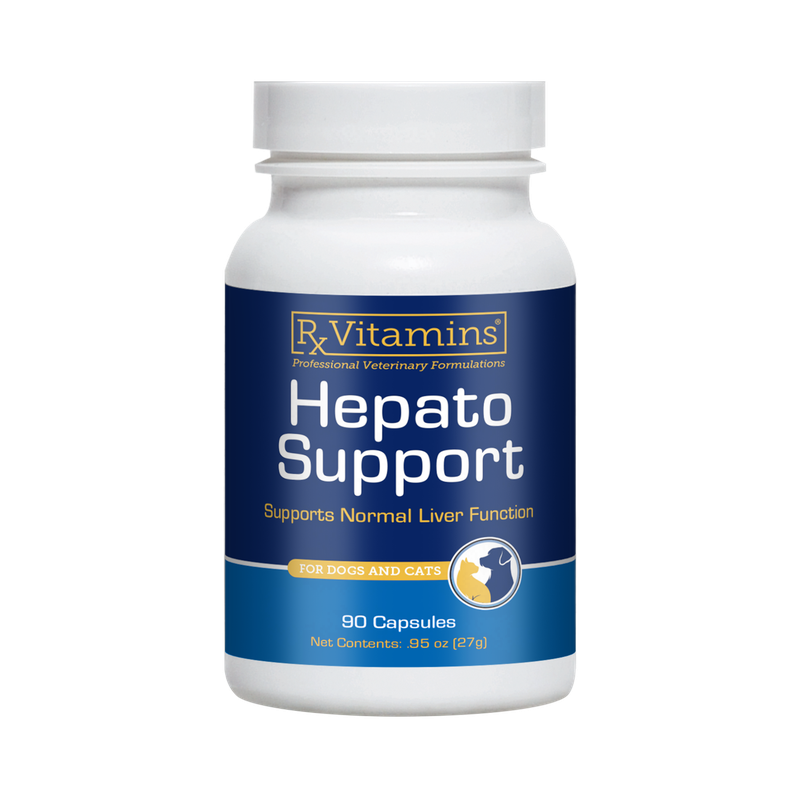
SAMe (S-Adenosyl Methionine)
liver support
S-Adenosyl Methionine, commonly known as SAMe (pronounced "sam-ee"), is a naturally occurring compound found in the body. It plays a crucial role in numerous biochemical reactions, particularly those related to liver function, neurotransmitter synthesis, and joint health. In the context of pet supplements, SAMe is often recommended by veterinarians for dogs and cats, primarily for its potential benefits in supporting liver health, cognitive function, and mitigating certain inflammatory processes. Understanding how SAMe works, its applications, and its limitations is key for pet owners considering this supplement for their companions.
S-Adenosyl-Methionine (SAMe) for Dogs: An Overview
SAMe is involved in three major biochemical pathways: transmethylation, transsulfuration, and aminopropylation. These pathways are fundamental for maintaining cell structure, producing antioxidants like glutathione, and synthesizing various compounds essential for neurological function.
For dogs, the primary interest in SAMe stems from its role in liver metabolism. The liver is central to detoxification, nutrient processing, and the production of vital proteins. When liver function is compromised, these processes can falter, leading to a range of health issues. SAMe supports liver cells by aiding in the production of glutathione, a powerful antioxidant that protects liver cells from damage and assists in detoxification. It also helps maintain cell membrane fluidity, which is important for the proper functioning of liver cells.
Beyond the liver, SAMe's involvement in neurotransmitter synthesis—like dopamine and serotonin—has led to its investigation for cognitive support, particularly in older dogs. Its anti-inflammatory properties may also contribute to joint health, though this is a less common primary use in veterinary medicine compared to its liver and cognitive applications.
It's important to recognize that SAMe is not a cure-all. Its efficacy is most documented as a supportive therapy, often alongside other treatments prescribed by a veterinarian. Its primary value lies in bolstering the body's natural processes, rather than directly combating diseases. Pet owners considering SAMe should always consult their veterinarian to determine if it's an appropriate addition to their pet's health regimen and to discuss potential interactions with other medications.
SAMe Liver Health for Dogs
The liver is a resilient organ, but it can be susceptible to damage from toxins, infections, medications, and various diseases. When liver cells are stressed or injured, they can lose their ability to function optimally, leading to a cascade of health problems. This is where SAMe's role in supporting liver health becomes particularly relevant for dogs.
One of SAMe's most significant contributions to liver health is its role as a precursor to glutathione. Glutathione is often called the "master antioxidant" because of its critical function in neutralizing harmful free radicals and detoxifying various substances in the liver. In dogs with liver disease, glutathione levels can be depleted, making the liver more vulnerable to further damage. By providing the body with SAMe, it can help replenish glutathione stores, thereby enhancing the liver's protective and detoxifying capabilities.
Furthermore, SAMe contributes to the methylation process, which is vital for maintaining the integrity and fluidity of cell membranes, including those of liver cells. Healthy cell membranes are essential for nutrient transport, waste removal, and overall cellular communication. In conditions where liver cells are struggling, SAMe can help support their structural and functional integrity.
Consider a scenario where a dog is undergoing treatment for a liver condition, such as chronic hepatitis or bile duct obstruction. While specific medications address the underlying cause, SAMe might be recommended as an adjunct therapy to help protect the remaining healthy liver tissue, support regeneration, and improve the liver's overall capacity to process and detoxify. It's not a replacement for antibiotics, anti-inflammatories, or other prescribed treatments but rather a complementary support that can improve outcomes.
However, the effectiveness of SAMe can vary depending on the specific liver condition and its severity. In acute, severe liver failure, its impact might be limited compared to its benefits in chronic, less severe conditions or as a preventative measure for dogs at risk. A veterinarian will assess the dog's specific liver enzymes, overall health, and the nature of the liver issue to determine if SAMe is likely to be beneficial.
SAMe and Silybin for Dogs – A Combined Approach
While SAMe is a powerful liver support compound on its own, it is frequently combined with silybin (also known as silymarin), an extract from the milk thistle plant. This combination is common in many commercial liver support supplements for pets, and for good reason: silybin offers complementary mechanisms of action that can enhance overall liver protection.
Silybin, the active component of milk thistle, is renowned for its antioxidant and anti-inflammatory properties. It helps stabilize liver cell membranes, preventing toxins from entering the cells, and stimulates protein synthesis, which can aid in the regeneration of damaged liver cells. Like SAMe, silybin also contributes to increasing glutathione levels in the liver. However, silybin works through different biochemical pathways than SAMe, making their combined use potentially more effective than either compound alone.
When SAMe and silybin are administered together, they provide a multi-faceted approach to liver support. SAMe focuses on glutathione synthesis, methylation, and membrane fluidity, while silybin adds another layer of antioxidant defense, anti-inflammatory action, and regenerative stimulus. This is why many veterinary liver support products, such as Denamarin, incorporate both ingredients.
For example, a dog with an elevated liver enzyme panel, perhaps due to age-related changes, exposure to certain medications, or early-stage liver disease, might benefit significantly from a supplement containing both SAMe and silybin. The SAMe helps the liver cells better cope with oxidative stress and maintain their structure, while the silybin helps protect them from further damage and encourages repair.
The practical implications of using a combined supplement often involve improved convenience for pet owners, as they only need to administer one product. However, it's crucial to ensure the doses of both SAMe and silybin are appropriate for the dog's weight and condition, as determined by a veterinarian. Not all combined supplements are created equal in terms of ingredient quality, bioavailability, or optimal ratios.
What Can SAMe Do for Dogs? Beyond Liver Support
While SAMe is most recognized for its role in liver health, its biochemical versatility means it can offer benefits in other areas for dogs. These include cognitive support, particularly in older animals, and potential anti-inflammatory effects that may assist with joint comfort.
Cognitive Support
As dogs age, they can experience cognitive decline, often referred to as Canine Cognitive Dysfunction (CCD). Symptoms can range from disorientation and altered sleep-wake cycles to reduced interaction and house-soiling. SAMe's involvement in the synthesis of neurotransmitters like dopamine, serotonin, and norepinephrine makes it a candidate for supporting brain health. These neurotransmitters are crucial for mood regulation, memory, and overall cognitive function.
By facilitating optimal neurotransmitter levels and supporting the methylation processes essential for neuronal health, SAMe may help to slow the progression of cognitive decline and improve certain behavioral symptoms associated with CCD. Anecdotal reports and some studies suggest that dogs receiving SAMe may show improvements in activity levels, alertness, and interaction.
For instance, an elderly dog exhibiting signs of confusion, staring blankly, or having difficulty navigating familiar spaces might be prescribed SAMe as part of a comprehensive management plan for CCD. While not a cure, it can be a valuable component in improving the dog's quality of life.
Joint Health
SAMe also plays a role in the synthesis of cartilage components, such as proteoglycans. This has led to its investigation as a potential aid for joint health, particularly in cases of osteoarthritis. By supporting the building blocks of cartilage, SAMe might contribute to maintaining joint integrity and reducing inflammation.
However, it's generally considered a secondary or complementary agent for joint support in dogs, often used alongside more established treatments like glucosamine, chondroitin, or NSAIDs. Its anti-inflammatory effects are thought to be more subtle compared to dedicated anti-inflammatory drugs.
Other Potential Applications
Some research has explored SAMe's potential in managing certain mood disorders in humans, and this has led to questions about its applicability in anxious or phobic dogs. However, robust veterinary evidence for this specific application is less established than for liver or cognitive support. Similarly, its general antioxidant properties could theoretically benefit overall cellular health, but this is a broad benefit rather than a targeted treatment.
It's crucial for pet owners to understand that while SAMe has multiple biochemical roles, its most significant and well-documented benefits in veterinary medicine are for liver health and, to a lesser extent, cognitive function. Any application beyond these primary areas should be discussed thoroughly with a veterinarian, who can weigh the potential benefits against the current scientific evidence and the pet's individual needs.
Compounded SAMe vs. Commercial Products
When considering SAMe for a pet, owners might encounter options for compounded SAMe or commercially available products. Understanding the differences between these can help in making an informed decision with veterinary guidance.
Commercial SAMe Supplements
Commercial SAMe supplements for pets, such as Denamarin, Vetri-SAMe, or Zentonil, are typically manufactured by pharmaceutical companies or reputable supplement brands. These products undergo standardized manufacturing processes, often including quality control checks to ensure the purity, potency, and stability of the SAMe.
A key aspect of commercial SAMe products is their formulation. SAMe is inherently unstable and can degrade quickly when exposed to moisture, heat, or light. Commercial products are usually enteric-coated or packaged in blister packs to protect the compound from stomach acid and environmental factors, ensuring it reaches the small intestine where it can be absorbed effectively. This enteric coating is crucial for bioavailability.
Compounded SAMe
Compounded SAMe refers to a preparation made by a compounding pharmacy, often specifically tailored to a veterinarian's prescription for a particular pet. This might involve custom dosages, different forms (e.g., liquid, flavored chew), or combinations with other ingredients not found in standard commercial products.
The primary advantage of compounding is customization. If a commercial product isn't available in the exact dosage needed, or if a pet has allergies to certain inactive ingredients, a compounded version can be formulated to meet those specific requirements.
However, compounded SAMe carries certain considerations:
- Stability: Ensuring the stability of SAMe in a compounded form can be challenging. Unless carefully formulated and packaged, compounded SAMe might degrade more quickly than commercially prepared, enteric-coated versions, leading to reduced efficacy.
- Quality Control: While reputable compounding pharmacies adhere to strict quality standards, the oversight and batch testing might not be as extensive as for large-scale commercial manufacturers.
- Cost: Compounded medications can sometimes be more expensive than commercial alternatives, depending on the ingredients and complexity of the formulation.
Comparison Table: Commercial vs. Compounded SAMe
| Feature | Commercial SAMe Supplements | Compounded SAMe |
|---|---|---|
| Formulation | Standardized, often enteric-coated tablets/capsules in blister packs. | Custom forms (liquids, flavored chews) or specific dosages. |
| Stability | Generally high due to protective coatings and packaging. | Variable; depends heavily on compounding pharmacy's expertise and formulation. |
| Quality Control | Extensive, often subject to pharmaceutical industry standards and batch testing. | Adheres to compounding pharmacy standards, may be less extensive than commercial. |
| Customization | Limited to available dosages and product types. | Highly customizable for specific pet needs (allergies, exact dosage). |
| Cost | Varies by brand and dosage; generally competitive. | Can be higher due to customization and smaller batch production. |
| Bioavailability | Designed for optimal absorption in the small intestine. | Can be compromised if stability is not adequately maintained. |
The decision between commercial and compounded SAMe should be made in consultation with a veterinarian. For most cases, a high-quality commercial product with proven stability and bioavailability will be the preferred choice. Compounding might be considered for specific situations where a commercial product is unsuitable or unavailable.
Evaluation of the Influence of S-Adenosylmethionine
The scientific community has extensively evaluated the influence of SAMe in both human and veterinary medicine. For dogs and cats, studies have primarily focused on its impact on liver disease and, to a lesser extent, cognitive function.
Liver Disease Studies
Numerous studies have investigated SAMe's role in various forms of canine and feline liver disease. These include conditions such as chronic hepatitis, liver injury induced by certain medications (e.g., corticosteroids, anticonvulsants), and age-related liver changes.
- Mechanism of Action: Research confirms that SAMe significantly increases hepatic (liver) glutathione levels in animals. This is a critical finding, as glutathione depletion is a hallmark of many liver diseases, and its replenishment helps protect liver cells from oxidative damage.
- Clinical Outcomes: Studies have shown that supplementation with SAMe can lead to improvements in liver enzyme levels (e.g., ALT, ALP), which are indicators of liver health. In some cases, improvements in clinical signs associated with liver disease, such as lethargy or poor appetite, have also been observed.
- Specific Conditions: For instance, in dogs with steroid-induced hepatopathy, SAMe has been shown to help mitigate liver damage. In cats with hepatic lipidosis (fatty liver disease), SAMe has been used as a supportive therapy to improve liver function and aid recovery.
It's important to note that while many studies demonstrate positive effects, SAMe is generally viewed as a supportive agent rather than a standalone cure. Its efficacy is often enhanced when used in conjunction with other prescribed treatments for the underlying liver condition.
Cognitive Function Studies
Research into SAMe's effects on canine cognitive function has also yielded promising results, though perhaps not as extensively as liver studies.
- Neurotransmitter Support: Investigations confirm SAMe's role in methylation pathways that are essential for the synthesis of neurotransmitters critical for brain function. This provides a biochemical basis for its potential cognitive benefits.
- Behavioral Improvements: Some studies and clinical observations suggest that SAMe can lead to improvements in symptoms of Canine Cognitive Dysfunction (CCD), such as disorientation, altered social interactions, and changes in sleep patterns. These improvements are often subtle and may take several weeks to become apparent.
Safety and Side Effects
The evaluation of SAMe also includes its safety profile. Generally, SAMe is considered safe for dogs and cats when administered at appropriate dosages.
- Low Toxicity: Studies indicate a low incidence of adverse effects. The most commonly reported side effects, though rare, include mild gastrointestinal upset (vomiting, diarrhea) and sometimes decreased appetite. These are usually transient and can often be mitigated by administering the supplement with food or adjusting the dosage.
- Drug Interactions: While SAMe is generally well-tolerated, it's crucial to consider potential interactions with other medications. For example, SAMe can theoretically interact with certain antidepressants or anti-anxiety medications (e.g., SSRIs, MAOIs) due to its influence on neurotransmitter levels, potentially leading to serotonin syndrome. Therefore, veterinary supervision is paramount, especially if the pet is on other medications.
In summary, the evaluation of SAMe's influence in veterinary medicine supports its use as a beneficial supplement for liver health and, to a lesser extent, cognitive function in dogs and cats. Its safety profile is favorable, but its administration should always be guided by a veterinarian to ensure appropriate dosage, monitor for side effects, and manage potential drug interactions.
Frequently Asked Questions
Can I give my dog human SAMe?
It is generally not recommended to give your dog human SAMe supplements without explicit veterinary guidance. There are several reasons for this:
- Dosage: Human SAMe dosages are formulated for human body weight and metabolism, which are significantly different from dogs. Giving a dog a human dose could be too high or too low, leading to ineffective treatment or potential side effects.
- Formulation: Human SAMe products may contain inactive ingredients, fillers, or flavorings that are unsuitable or even harmful to dogs. Additionally, the enteric coating on human pills might be different or less effective for canine digestion.
- Stability: While both human and veterinary SAMe products are often enteric-coated for stability, the specific formulation and packaging can vary. Veterinary-specific products are designed with the unique needs of pets in mind.
- Veterinary Products: There are several high-quality SAMe supplements specifically formulated and dosed for dogs and cats, developed with their physiology and common health issues in mind. These are generally the safest and most effective choice.
Always consult your veterinarian before administering any human medication or supplement to your pet.
What is the one meat to never feed a dog?
While not directly related to SAMe, this is a common concern for pet owners. There isn't one single "meat" to never feed a dog in the sense of a common muscle meat like chicken, beef, or pork. However, there are specific animal products and preparations that should be avoided:
- Cooked Bones: Cooked bones (from any animal) are brittle and can splinter, posing a choking hazard or causing internal damage (perforations, obstructions) to a dog's digestive tract. Raw bones can be given with caution and supervision, but cooked bones should always be avoided.
- Highly Processed Meats: Deli meats, bacon, sausages, and other highly processed meats are typically high in salt, unhealthy fats, and preservatives, which are detrimental to a dog's health and can lead to pancreatitis or other issues.
- Meat with Excess Fat: While some fat is necessary, excessive fat trimmings can lead to pancreatitis, a serious and painful inflammation of the pancreas.
- Meat Containing Harmful Ingredients: Any meat prepared with onions, garlic, chives, or excessive spices should be avoided, as these ingredients are toxic to dogs.
In general, plain, cooked, lean meats (chicken, turkey, beef, lamb) without any seasonings or bones are safe and often beneficial for dogs in moderation.
Is SAM-e the SAM-e as Denamarin?
No, SAMe (S-Adenosyl Methionine) is not the "same" as Denamarin, but SAMe is a key ingredient in Denamarin.
Denamarin is a specific brand of veterinary liver support supplement. It contains two primary active ingredients:
So, while Denamarin contains SAMe, it's a combination product. Many veterinarians recommend Denamarin because it offers the of both SAMe and silybin, which together can provide comprehensive liver support. If a veterinarian prescribes SAMe, they might be referring to Denamarin or another commercial product that contains SAMe, or even a compounded SAMe-only preparation, depending on the specific needs of the pet.
Conclusion
SAMe (S-Adenosyl Methionine) stands as a well-researched and often-recommended supplement in veterinary medicine, primarily for its robust support of liver function in both dogs and cats. Its ability to boost glutathione production, maintain cell membrane integrity, and participate in critical methylation pathways makes it a valuable adjunctive therapy for various liver conditions. Beyond the liver, SAMe shows promise in supporting cognitive function in aging pets and may offer some benefit for joint health, although these applications are generally considered secondary to its hepatoprotective role.
Pet owners considering SAMe for their companions should always consult with a veterinarian. This ensures that SAMe is appropriate for the pet's specific health condition, that the correct dosage is administered, and that potential interactions with other medications are managed. While commercial products often offer superior stability and bioavailability due to their specialized formulations, compounded options exist for unique needs. Understanding SAMe's mechanisms and limitations allows for informed decisions, ultimately contributing to the well-being of our animal companions.
Products Containing SAMe (S-Adenosyl Methionine)
Top-rated supplements featuring this ingredient, ranked by our PSI+ score.