Selenium
mineral
Selenium is an essential trace mineral that plays a vital role in the health of both dogs and cats. While required in very small amounts, its impact on various bodily functions is significant, ranging from immune system support to thyroid hormone metabolism. Understanding selenium's benefits, appropriate dosage, and potential safety concerns is crucial for pet owners considering supplementation or evaluating their pet's diet. This article explores the nuances of selenium for dogs and cats, offering insights into its function, the implications of deficiency and toxicity, and practical considerations for pet owners.
The Role of Selenium in Canine and Feline Health
Selenium is not just another mineral; it's a critical component of selenoproteins, which are enzymes involved in a wide array of biological processes. These processes are fundamental to maintaining overall health and preventing certain conditions in dogs and cats.
Antioxidant Defense
One of selenium's primary functions is its role as an antioxidant. It works in conjunction with vitamin E to protect cells from damage caused by free radicals. Free radicals are unstable molecules that can lead to oxidative stress, contributing to aging, inflammation, and various diseases, including certain cancers and cardiovascular issues. By neutralizing these free radicals, selenium helps preserve cell integrity, particularly in muscle tissue, the liver, and the immune system.
Thyroid Gland Function
The thyroid gland, responsible for regulating metabolism, relies heavily on selenium. Selenium is necessary for the conversion of thyroid hormones into their active forms. A deficiency can impair thyroid function, potentially leading to hypothyroidism, a condition where the body doesn't produce enough thyroid hormones. Symptoms of hypothyroidism in dogs can include lethargy, weight gain, hair loss, and cold intolerance. While less common, cats can also experience thyroid issues, though hyperthyroidism is more prevalent.
Immune System Support
A robust immune system is essential for fighting off infections and diseases. Selenium contributes to immune health by supporting the production and activity of immune cells. It helps the body mount an effective response to pathogens, making it a key player in disease prevention and recovery.
Reproductive Health
For breeding animals, adequate selenium levels are important for reproductive success. In males, selenium influences sperm quality and motility. In females, it plays a role in fertility and can impact the health of developing offspring.
Muscle and Bone Health
While not as directly involved as calcium or phosphorus, selenium contributes to the overall health of muscle tissue. Deficiencies can sometimes manifest as muscle weakness or degeneration. Indirectly, by supporting metabolic processes, it contributes to the body's ability to maintain healthy bone structure.
Selenium and Dogs: A Systematic Review
Research into selenium's impact on canine health has grown, with systematic reviews consolidating findings from various studies. These reviews highlight the broad scope of selenium's influence, from its role in preventing specific diseases to its general importance in maintaining physiological balance.
For instance, studies have explored the link between selenium status and conditions like canine dilated cardiomyopathy, a heart condition. While not a standalone cure, adequate selenium levels are often considered a supportive factor in maintaining heart muscle health. Similarly, research often investigates selenium's potential in complementing cancer therapies, given its antioxidant properties.
It's important to differentiate between naturally occurring selenium in food and supplemental forms. The bioavailability and efficacy can vary depending on the chemical form of selenium (e.g., selenomethionine, sodium selenite). Whole food sources, such as certain meats and grains, provide selenium in organic forms that are generally well-utilized by the body.
Vitamin E and Selenium: A Synergistic Relationship
Vitamin E and selenium are often discussed together due to their synergistic relationship, particularly in their roles as antioxidants. They work in tandem to protect cell membranes from oxidative damage. Vitamin E, a fat-soluble vitamin, directly scavenges free radicals within lipid environments (like cell membranes). Selenium, as part of glutathione peroxidase enzymes, handles free radicals in the aqueous (water-based) parts of cells.
This partnership is so crucial that a deficiency in one can sometimes exacerbate the effects of a deficiency in the other. For example, a severe vitamin E deficiency might make an animal more susceptible to oxidative stress even if selenium levels are adequate, and vice versa. This is why many pet supplements designed for antioxidant support or muscle health often include both vitamin E and selenium.
Practical Implications: When considering supplementation, especially for conditions related to oxidative stress or muscle health, a balanced approach that includes both vitamin E and selenium, often in a specific ratio, might be more effective than supplementing with either nutrient alone. However, always consult with a veterinarian before introducing any new supplements.
Selenium for Dogs: Dosage Considerations
Determining the correct selenium dosage for dogs is critical, as both deficiency and toxicity can have serious consequences. The appropriate amount depends on several factors, including the dog's age, weight, activity level, health status, and the selenium content of their regular diet.
The Association of American Feed Control Officials (AAFCO) provides guidelines for minimum and maximum nutrient levels in commercial pet foods. For selenium, the AAFCO minimum for adult dog food is 0.11 mg/kg of dry matter, and the maximum is 2 mg/kg of dry matter. These guidelines help ensure that commercial diets provide adequate, but not excessive, amounts of selenium.
Typical Dosage Ranges
When considering a selenium supplement, particularly for therapeutic purposes, veterinary guidance is essential. General recommendations for supplemental selenium for dogs often fall within a narrow range, typically around 0.001 to 0.002 mg per pound of body weight per day, but this can vary significantly based on the specific condition being addressed and the veterinarian's assessment.
| Dog Weight (lbs) | Approximate Daily Selenium Range (mg) |
|---|---|
| 10 | 0.01 - 0.02 |
| 25 | 0.025 - 0.05 |
| 50 | 0.05 - 0.1 |
| 75 | 0.075 - 0.15 |
| 100 | 0.1 - 0.2 |
Note: These are illustrative ranges for discussion and should not be used for self-dosing. Actual dosages must be determined by a veterinarian.
Sources of Selenium
Selenium can be found in various forms:
- Organic Selenium: Often found in yeast-based supplements (e.g., selenium yeast) or naturally in grains and protein sources. It's generally considered more bioavailable and less toxic than inorganic forms.
- Inorganic Selenium: Such as sodium selenite or sodium selenate. These are commonly used in commercial pet foods due to their stability and cost-effectiveness.
The form of selenium matters because it affects how the body absorbs and utilizes the mineral. Organic forms are often preferred for supplementation due to their better absorption and lower risk of toxicity at slightly higher doses.
Selenium, a Crucial Element in Pet Food Formulation
The inclusion of selenium in commercial pet food is not arbitrary; it's a carefully calculated decision based on nutritional science and regulatory guidelines. Pet food manufacturers aim to provide a balanced diet that meets all essential nutrient requirements, including trace minerals like selenium, without causing deficiencies or toxicities.
The source of selenium in pet food often comes from ingredients like meat, fish, and certain grains. However, because the selenium content of these ingredients can vary depending on soil conditions where they were grown or the animal was raised, manufacturers often fortify pet foods with supplemental selenium, typically in the form of sodium selenite or selenium yeast, to ensure consistent levels.
Trade-offs in Formulation:
- Cost vs. Bioavailability: Inorganic forms like sodium selenite are generally cheaper, making them a common choice. However, organic forms like selenium yeast offer better bioavailability, meaning the body can absorb and utilize them more efficiently. Some premium pet foods opt for organic selenium sources.
- Stability: Selenium compounds can degrade over time, especially when exposed to heat, light, or oxygen. Manufacturers choose forms that remain stable throughout the food's shelf life to ensure the pet receives the intended amount.
- Regulatory Compliance: All pet foods must adhere to AAFCO guidelines for selenium levels. This ensures a baseline of safety and nutritional adequacy.
For pet owners, understanding that commercial pet foods are generally formulated to meet selenium requirements means that for most healthy pets, additional supplementation is often unnecessary unless specifically recommended by a veterinarian. Over-supplementation, particularly when feeding a selenium-fortified diet and adding more selenium, can lead to toxicity.
Effects of Diet Supplementation with Sodium Selenite and Other Forms
Supplementing a pet's diet with selenium, whether through sodium selenite or organic forms, is a decision that requires careful consideration. While beneficial in cases of deficiency or specific health conditions, it carries risks if not managed properly.
Sodium Selenite vs. Organic Selenium
Sodium selenite is an inorganic salt of selenium. It's an effective source of selenium, but it has a narrower margin of safety compared to organic forms. This means that the difference between a beneficial dose and a toxic dose is smaller.
Organic selenium, typically in the form of selenium yeast, where selenium is incorporated into amino acids like selenomethionine, is often touted for its higher bioavailability and lower toxicity risk. The body can store selenomethionine, making it a more stable source that can be mobilized when needed.
Practical Implications: If supplementation is deemed necessary, organic forms like selenium yeast might be a safer choice, especially if there's a concern about long-term use or potential for slight over-dosing. However, the choice of form should always be made in consultation with a veterinarian.
When is Supplementation Considered?
Supplementation is typically considered in situations such as:
- Diagnosed Deficiency: Blood tests can reveal selenium deficiency, prompting veterinary recommendation for supplementation.
- Specific Health Conditions: Some conditions, like certain muscle disorders or immune compromises, might benefit from targeted selenium supplementation under veterinary supervision.
- Homemade Diets: Pets on homemade diets are particularly susceptible to mineral deficiencies if the diet is not meticulously balanced by a veterinary nutritionist. In such cases, selenium supplementation might be part of a broader mineral and vitamin regimen.
- Geographic Factors: In regions where soil is selenium-deficient, locally grown feed ingredients might also be low in selenium, potentially affecting animals consuming those products.
Risks of Over-Supplementation (Selenium Toxicity)
Selenium toxicity, also known as selenosis, is a serious concern. While trace amounts are essential, excessive intake can be harmful.
Acute Toxicity: Results from a single, very large dose. Symptoms can include:
- Vomiting and diarrhea
- Lethargy
- Muscle tremors
- Difficulty breathing
- Garlic-like odor on breath (due to selenium excretion)
- In severe cases, death
Chronic Toxicity: Occurs over time due to consistently high intake. Symptoms are often more subtle and can include:
- Hair loss or poor coat quality
- Nail abnormalities
- Lameness or hoof problems (more common in livestock, but can manifest as joint pain in pets)
- Weight loss
- Liver damage
- Neurological signs
The "safe" upper limit for selenium in dogs is generally considered to be around 2 mg/kg of dry matter in food, though toxicity can occur at lower levels depending on the form of selenium and individual sensitivity. This reinforces the importance of precise dosing and veterinary oversight.
Frequently Asked Questions
What does selenium do to dogs?
Selenium is a vital trace mineral for dogs that plays several critical roles. It acts as a powerful antioxidant, protecting cells from damage caused by free radicals, thus supporting cellular health and potentially reducing the risk of chronic diseases. It's essential for the proper functioning of the thyroid gland, aiding in the conversion of thyroid hormones that regulate metabolism. Additionally, selenium supports a healthy immune system, enhances reproductive health, and contributes to overall muscle function.
What are 6 signs of selenium deficiency?
Selenium deficiency in dogs can manifest in various ways, though symptoms can be subtle and overlap with other conditions. Six potential signs include:
It's important to note that these signs are not exclusive to selenium deficiency, and a veterinary diagnosis, often involving blood tests, is necessary to confirm a deficiency.
What words do dogs hear best?
While not directly related to selenium, this is a common question about dogs. Dogs generally respond best to short, distinct words with sharp consonants. They also pick up on tone of voice and body language more than the specific words themselves. Examples of words dogs often respond well to include "sit," "stay," "come," "fetch," and their names. They tend to hear higher-pitched sounds better than lower ones. Consistency in using commands and positive reinforcement are more critical than the exact words chosen.
Conclusion
Selenium is an indispensable trace mineral for the health and well-being of dogs and cats, playing crucial roles in antioxidant defense, thyroid function, immune system strength, and reproductive health. While commercial pet foods are generally formulated to provide adequate selenium, specific situations such as homemade diets, diagnosed deficiencies, or certain health conditions may warrant supplementation.
However, the narrow margin between beneficial and toxic doses of selenium necessitates extreme caution. Pet owners should never attempt to self-diagnose or self-treat with selenium supplements. Any decision regarding selenium supplementation must be made in close consultation with a veterinarian, who can assess a pet's individual needs, recommend appropriate testing, and determine a safe and effective dosage if necessary. Understanding the nuances of selenium's impact and the potential risks of improper supplementation is key to ensuring the long-term health of our beloved canine and feline companions.
Products Containing Selenium
Top-rated supplements featuring this ingredient, ranked by our PSI+ score.
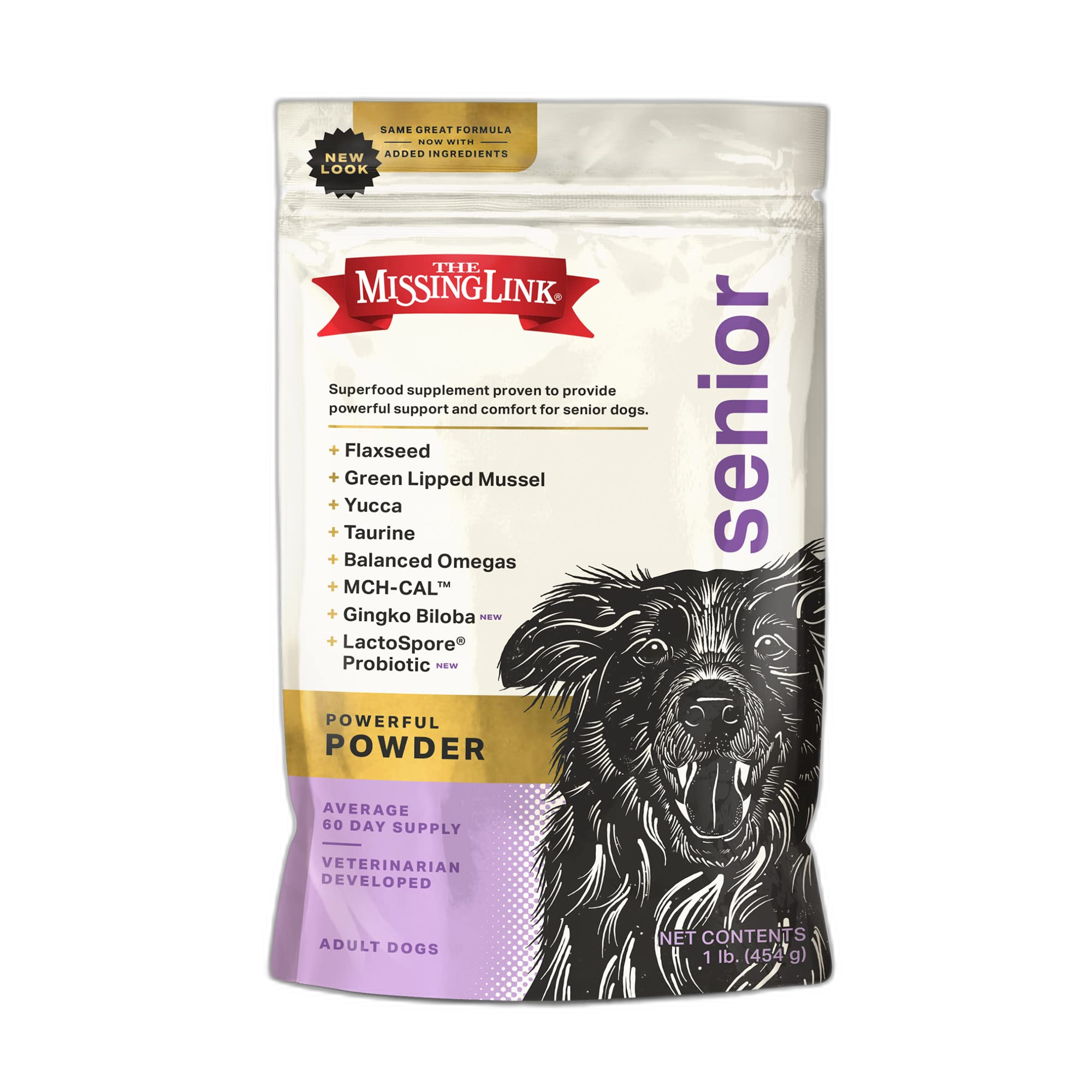
The Missing Link Ultimate Canine Senior Health Formula Dog Supplement
The Missing Link
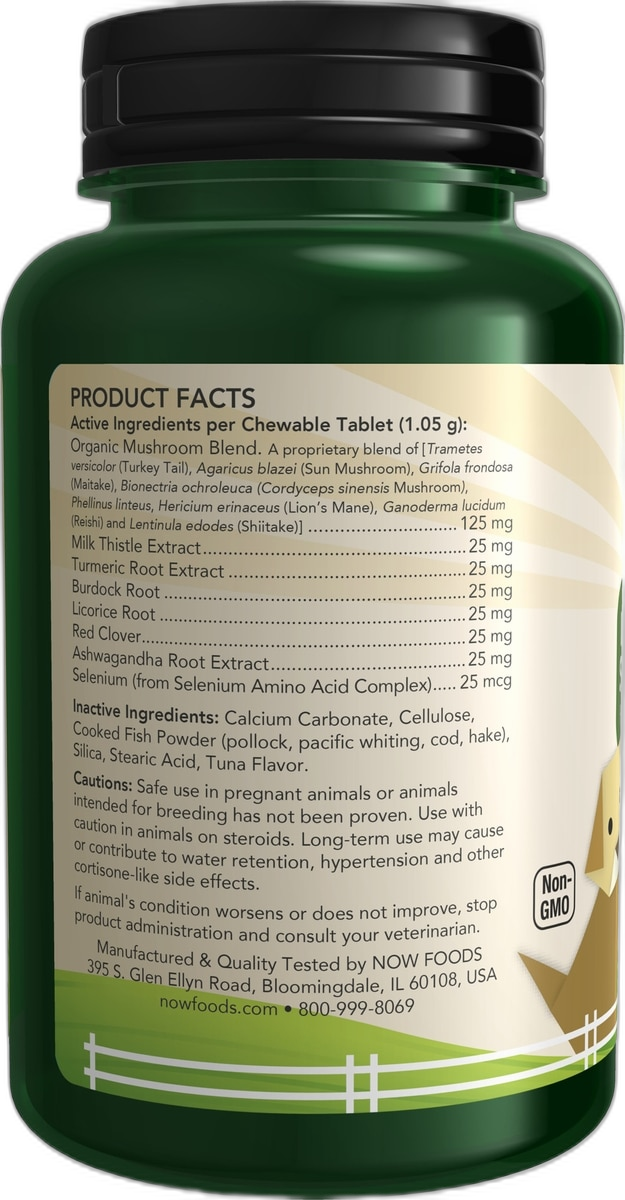
NOW Pets Immune Support Dog & Cat Supplement
NOW Pets
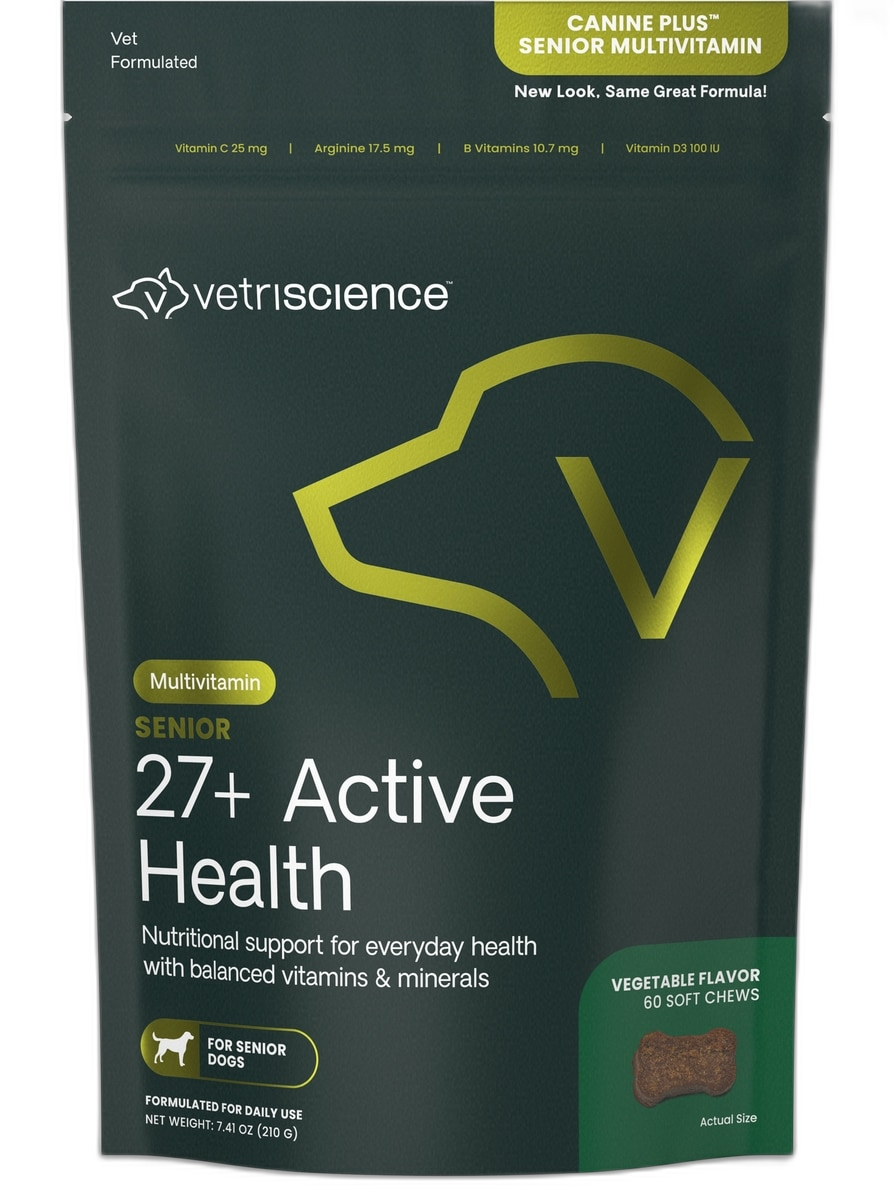
VetriScience Canine Plus Senior 27+ Active Health Veggie Flavored Soft Chews Multivitamin for Senior Dogs
VetriScience
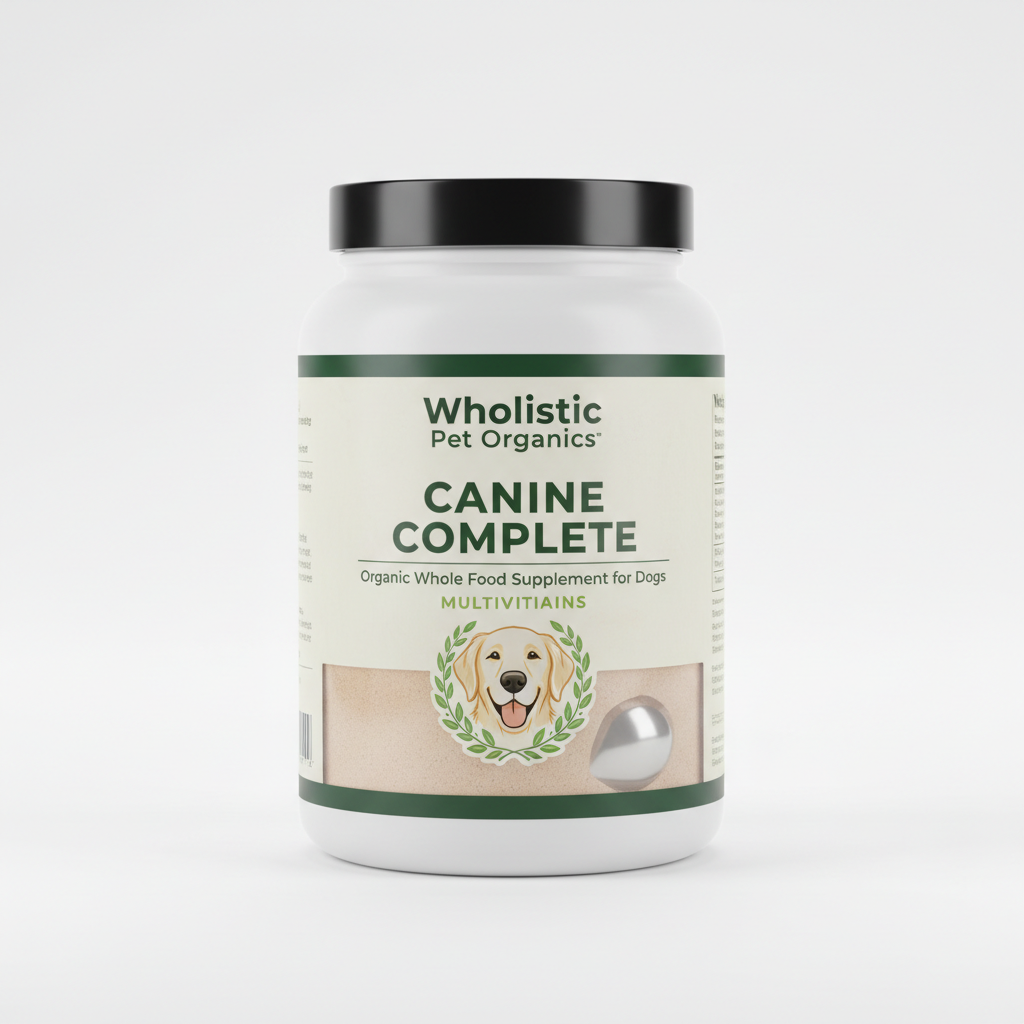
Wholistic Pet Organics Canine Complete - Organic Whole Food Supplement for Dogs
Wholistic Pet Organics
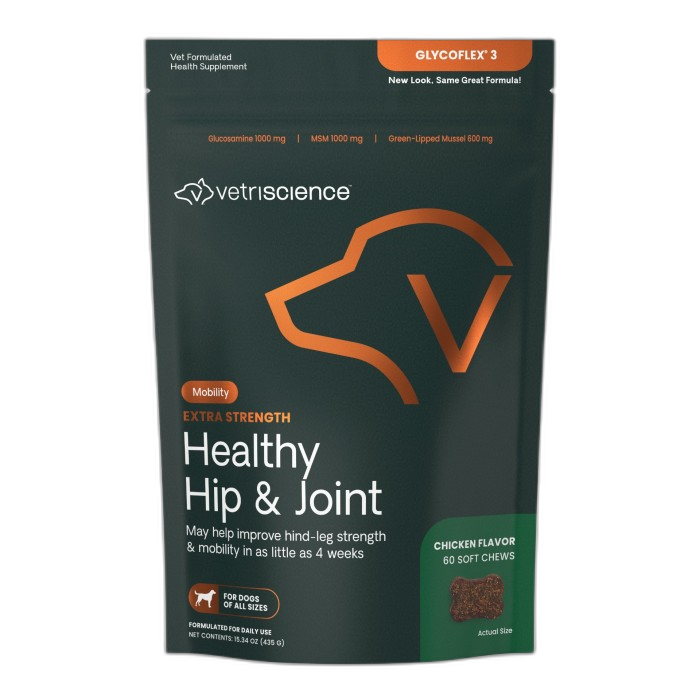
VetriScience GlycoFlex 3 Extra Strength Healthy Hip & Joint Chicken-Flavored Chews with Glucosamine & Green-Lipped Mussel Supplement for Dogs
VetriScience
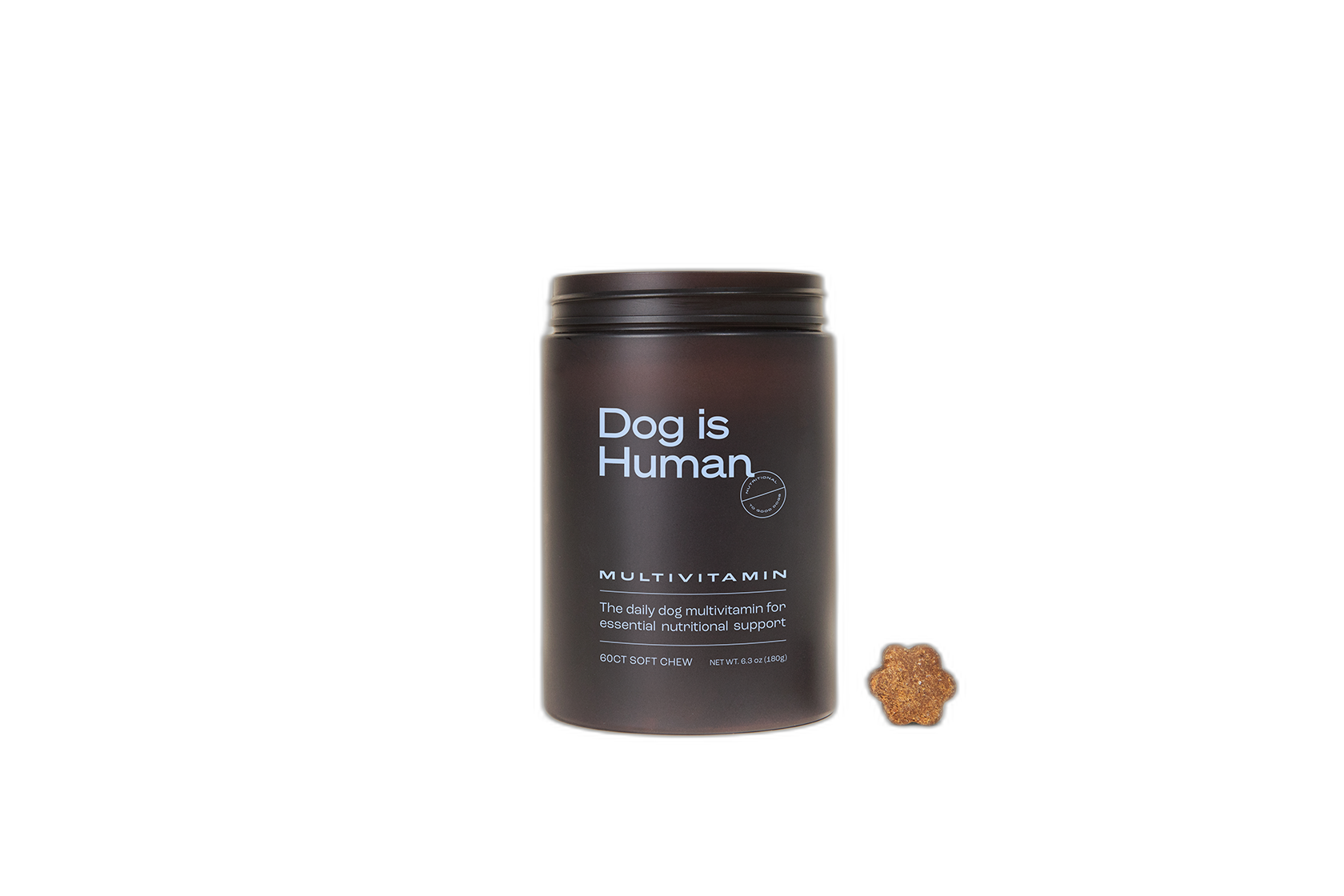
Dog Is Human Multivitamin Soft Chews
DOG IS HUMAN
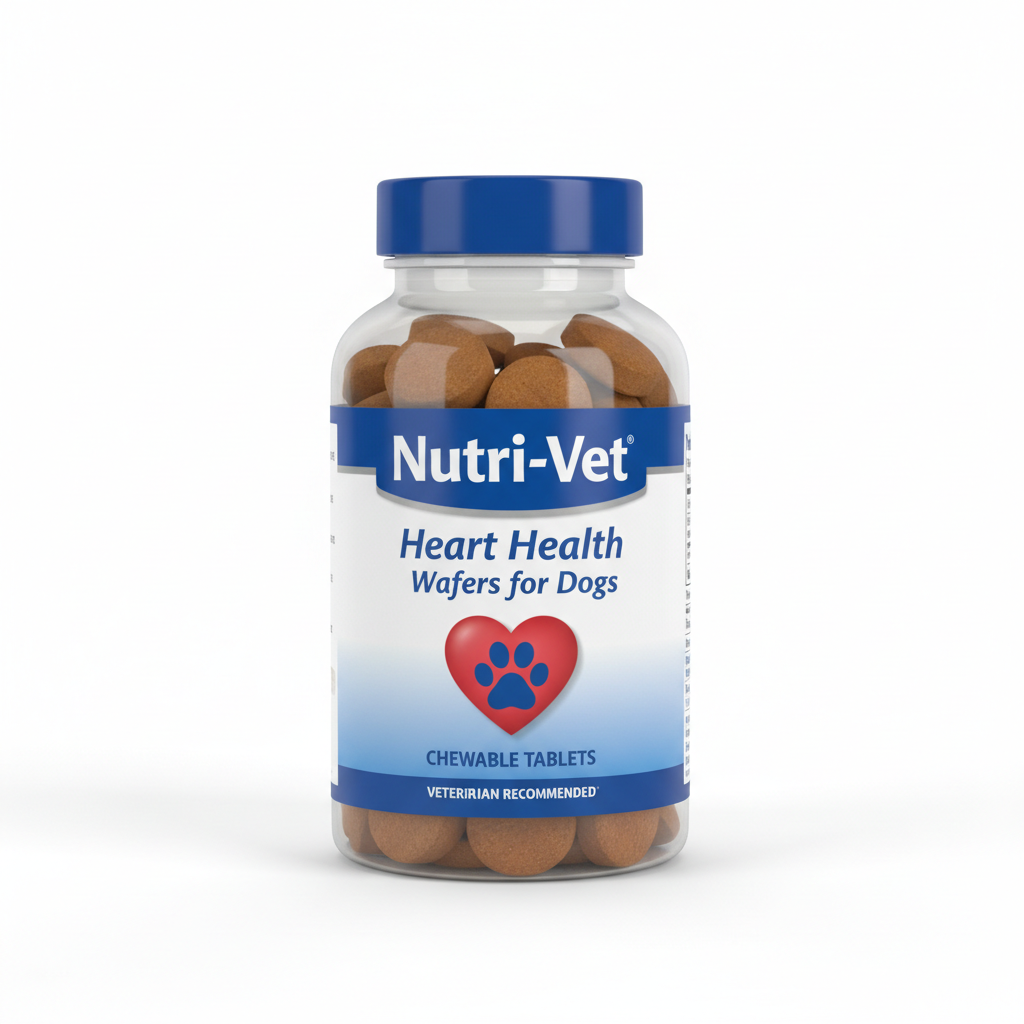
Nutri-Vet Heart Health Wafers for Dogs
Nutri-Vet

Rx Vitamins for Pets Rx Essentials for Dogs
Rx Vitamins for Pets