Zinc
mineral
Effective Dose Range (dog)
Min Effective
1 mg/kg body weight
Optimal Low
2 mg/kg body weight
Optimal High
5 mg/kg body weight
Upper Limit
10 mg/kg body weight
Research Evidence
Safety Data
Excess zinc can cause copper deficiency and hemolytic anemia. Zinc pennies are a common toxicity source. Organic forms (zinc methionine) have better bioavailability.
Mechanism of Action
Cofactor for over 300 enzymes including those in DNA synthesis and cell division. Essential for keratinocyte proliferation and differentiation. Supports T-cell maturation and natural killer cell activity.
Zinc is an essential trace mineral crucial for numerous biological functions in dogs, impacting everything from immune response to skin health. While vital, the appropriate dosage and form of zinc for dogs can be complex, varying by breed, diet, and specific health conditions. This article explores the role of zinc in canine health, drawing on veterinary research to discuss its benefits, potential deficiencies, and the considerations for supplementation.
Zinc in Dog Nutrition, Health, and Disease: A Review
Zinc's role in canine physiology is extensive, acting as a cofactor for over 300 enzymes. These enzymes are involved in metabolism, DNA synthesis, protein synthesis, and antioxidant defense. Consequently, adequate zinc levels are fundamental for a dog's overall health and well-being.
One of the primary implications of zinc's widespread enzymatic involvement is its impact on the immune system. Zinc contributes to the development and function of immune cells, meaning a deficiency can compromise a dog's ability to fight off infections. Beyond immunity, zinc is critical for maintaining healthy skin and coat, proper wound healing, and normal growth and development, particularly in puppies. It also plays a part in thyroid function and reproductive health.
The trade-offs associated with zinc arise from its delicate balance. Too little zinc leads to deficiency, while too much can cause toxicity. This narrow therapeutic window necessitates careful consideration of a dog's diet and any potential supplements. For instance, diets high in phytates (found in plant-based ingredients like soy and some grains) can bind to zinc, reducing its bioavailability. This doesn't mean these ingredients are inherently bad, but rather that the overall dietary formulation needs to account for such interactions to ensure sufficient zinc absorption. Similarly, certain breeds have genetic predispositions to zinc malabsorption, making them more susceptible to deficiency even on a seemingly adequate diet. Concrete examples include Northern breeds like Alaskan Malamutes and Siberian Huskies, which often require higher zinc levels or more bioavailable forms due to inherited metabolic differences.
Zinc-Responsive Dermatosis in Dogs
Zinc-responsive dermatosis (ZRD) is a well-documented condition in dogs characterized by skin lesions that improve significantly with zinc supplementation. This condition primarily affects certain breeds, highlighting a genetic component in zinc metabolism.
The core idea behind ZRD is that affected dogs either cannot absorb enough zinc from their diet or cannot utilize the absorbed zinc efficiently at a cellular level. This leads to a functional zinc deficiency, even if the dietary intake appears standard. The skin, being a rapidly regenerating tissue, often shows the most prominent signs of this deficiency. Common symptoms include crusting, scaling, hair loss, and erythema (redness) around the eyes, mouth, ears, and pressure points like elbows and hocks. These lesions can be itchy and painful, sometimes leading to secondary bacterial or yeast infections.
Practical implications for ZRD involve accurate diagnosis and appropriate intervention. Diagnosis typically relies on clinical signs, breed predisposition, and a positive response to zinc supplementation. Blood tests for zinc levels can be inconsistent, as serum zinc doesn't always reflect tissue levels. Therefore, a therapeutic trial with zinc is often the most reliable diagnostic tool.
Trade-offs in treating ZRD include finding the right balance of zinc. Initial high doses might be necessary to resolve acute symptoms, followed by a maintenance dose. Long-term supplementation is usually required for affected dogs, which means ongoing monitoring for signs of both deficiency and toxicity. For example, a Siberian Husky presenting with symmetrical crusting around the muzzle and eyes, unresponsive to antibiotics or corticosteroids, might be a prime candidate for ZRD. A veterinarian would likely initiate a trial with a specific zinc supplement, such as zinc sulfate or zinc methionine, at a higher-than-maintenance dose for several weeks, then gradually reduce it as symptoms improve. Owners need to understand that this is often a lifelong management strategy rather than a temporary fix.
Zinc For Dogs
Beyond specific deficiencies like ZRD, zinc contributes to general canine health across various systems. Its fundamental role in cellular processes means it impacts everything from a puppy's development to an older dog's immune resilience.
Broadly, zinc supports:
- Immune Function: Essential for the development and activity of T-lymphocytes and natural killer cells, which are critical for fighting off pathogens.
- Skin and Coat Health: Promotes cell division and differentiation in the skin, contributing to a healthy skin barrier and hair growth.
- Wound Healing: Involved in collagen synthesis and inflammatory response, accelerating tissue repair.
- Reproductive Health: Necessary for sperm production and ovarian function.
- Bone and Joint Health: Plays a role in bone mineralization and cartilage integrity.
- Antioxidant Defense: A component of superoxide dismutase, an enzyme that protects cells from oxidative damage.
The implications for dog owners are that a well-balanced diet should, in theory, provide sufficient zinc. Commercial dog foods formulated to AAFCO (Association of American Feed Control Officials) standards are generally considered nutritionally complete and balanced, including adequate trace minerals like zinc. However, individual variations, genetic predispositions, and certain health conditions can disrupt this balance.
Edge cases where zinc supplementation might be considered, even without overt deficiency, include dogs with chronic inflammatory conditions, older dogs with compromised immune systems, or those on highly restricted or homemade diets that are not carefully balanced by a veterinary nutritionist. For example, a senior dog recovering from surgery might benefit from temporary zinc support to aid wound healing and boost immunity, provided it's under veterinary guidance. Conversely, a healthy adult dog on a premium commercial kibble is unlikely to need additional zinc, and over-supplementation could be detrimental. It's not about giving "more is better," but rather ensuring optimal levels.
How to Treat and Prevent Zinc Deficiency in Dogs
Treating and preventing zinc deficiency in dogs involves a multi-faceted approach, focusing on diet, supplementation, and addressing underlying conditions.
The core idea is to restore and maintain adequate zinc levels in the body to support all essential physiological functions. For treatment, a veterinarian will typically prescribe a specific zinc supplement, often in a highly bioavailable form, at a therapeutic dose. Prevention, on the other hand, centers around ensuring a balanced diet and monitoring for early signs of deficiency, especially in at-risk breeds.
Practical implications for treatment involve selecting the right form and dose of zinc. Common forms include zinc sulfate, zinc gluconate, and zinc methionine. Zinc methionine is often preferred due to its higher bioavailability and lower incidence of gastrointestinal upset compared to inorganic forms like zinc sulfate. The initial therapeutic dose for a deficient dog can be significantly higher than the maintenance dose, sometimes 2-5 mg of elemental zinc per kilogram of body weight per day, divided into two doses. This high dose is typically continued until clinical signs resolve, which can take several weeks to months.
For prevention, ensuring a high-quality, balanced commercial diet is the first step. If feeding a homemade diet, it is crucial to consult with a veterinary nutritionist to ensure it meets all nutrient requirements, including trace minerals. Avoid feeding excessive amounts of ingredients known to inhibit zinc absorption, such as high levels of calcium or phytates. For breeds predisposed to ZRD, prophylactic zinc supplementation at a lower, maintenance dose might be recommended by a veterinarian, particularly if they have a history of mild symptoms or if their diet is not adequately addressing their unique needs. An example of prevention might be a breeder of Alaskan Malamutes who proactively supplements their breeding stock and puppies with a low dose of zinc methionine, under veterinary guidance, to minimize the risk of ZRD developing.
It Takes 2 2 Treat Medical and Nutritional Management of...
When discussing the medical and nutritional management of conditions related to zinc, it's crucial to recognize the interconnectedness of various bodily systems and dietary components. This concept, often encapsulated by the phrase "it takes two to treat," emphasizes that successful outcomes rarely stem from a single intervention but rather from a combining medical treatment with appropriate nutritional support.
For zinc-related issues, this means that simply giving a zinc supplement might not be enough if other factors are at play. For instance, a dog with severe ZRD might also have secondary bacterial skin infections. In this scenario, medical treatment with antibiotics or antifungals would be necessary alongside zinc supplementation to fully resolve the dermatological issues. The zinc addresses the underlying deficiency, while the medication tackles the opportunistic infections that exploit the compromised skin barrier.
The practical implications extend to understanding potential nutrient interactions. For example, high levels of calcium in the diet can interfere with zinc absorption. If a dog is receiving calcium supplements for bone health, this needs to be balanced with their zinc intake to avoid inadvertently causing a functional zinc deficiency. Similarly, copper and iron can compete with zinc for absorption pathways. While these interactions are typically balanced in commercial pet foods, they become a significant consideration with raw or homemade diets, or when multiple individual supplements are being given.
Consider a scenario where a dog presents with chronic diarrhea and poor coat quality. While zinc deficiency could be a factor, it might also be linked to an underlying gastrointestinal disease that impairs nutrient absorption. In this case, "it takes two to treat" would involve not just zinc supplementation, but also diagnosing and managing the primary GI condition, perhaps through a specialized diet or medication to improve gut health, thereby enhancing overall nutrient uptake, including zinc. This integrated approach ensures that the root cause is addressed, leading to more sustainable and effective results.
Zinc Poisoning in Pets
While essential in appropriate amounts, excessive zinc intake can be highly toxic to dogs, leading to serious health complications, including red blood cell damage, kidney failure, and liver damage. Zinc poisoning is a critical concern, often resulting from accidental ingestion rather than dietary over-supplementation.
The core idea is that zinc, like many trace minerals, has a narrow margin of safety. While required for life, concentrations above physiological needs can overwhelm the body's detoxification mechanisms. The mechanism of toxicity involves free zinc ions causing oxidative damage to red blood cells, leading to hemolytic anemia. It can also cause direct damage to the gastrointestinal tract, kidneys, and liver.
Practical implications for pet owners are paramount regarding prevention. Common sources of zinc poisoning include:
- Pennies: Especially those minted after 1982, which are primarily zinc. Even a single penny can be toxic to a small dog.
- Zinc-containing ointments/creams: Diaper rash creams (e.g., Desitin) or sunscreens containing zinc oxide.
- Nuts and bolts: Galvanized hardware contains zinc.
- Batteries: Especially alkaline batteries, which can leak corrosive material and contain zinc.
- Some dietary supplements: Human zinc supplements, if ingested in large quantities.
- Poker chips: Some brands contain zinc.
The trade-offs are clear: while zinc is beneficial in the right dose, vigilance is required to prevent accidental ingestion of concentrated sources. Symptoms of zinc poisoning can include vomiting, diarrhea, lethargy, anorexia, abdominal pain, jaundice (yellowing of skin/gums), dark urine (due to red blood cell breakdown), and pale mucous membranes. If any of these signs are observed and zinc ingestion is suspected, immediate veterinary attention is crucial.
Treatment for zinc poisoning involves removing the source of zinc, inducing vomiting if ingestion was recent and safe to do so, gastric lavage, and supportive care such as intravenous fluids, blood transfusions for severe anemia, and medications to protect organs. Chelation therapy, using agents that bind to zinc and facilitate its excretion, may also be employed. Prognosis depends heavily on the amount of zinc ingested and the speed of intervention. For example, a small terrier who ingests five post-1982 pennies needs immediate veterinary care. Delaying treatment even for a few hours can lead to irreversible organ damage.
Comparison of Zinc Forms and Considerations
When considering a zinc supplement for dogs, understanding the different forms available and their characteristics is important. Not all zinc supplements are created equal in terms of bioavailability, potential for gastrointestinal upset, and cost.
| Zinc Form | Description | Bioavailability | Potential GI Upset | Common Use Cases |
|---|---|---|---|---|
| Zinc Sulfate | Inorganic salt, readily available, often less expensive. | Moderate | Higher | Traditional ZRD treatment, general supplementation. |
| Zinc Gluconate | Organic salt, often found in human supplements, better tolerated than sulfate. | Good | Moderate | General supplementation, less severe deficiencies. |
| Zinc Methionine | Chelated form (zinc bound to an amino acid), highly absorbable. | Excellent | Lower | ZRD, long-term maintenance, sensitive stomachs. |
| Zinc Picolinate | Chelated form, also good absorption. | Excellent | Lower | Similar to zinc methionine, less common in pet products. |
| Zinc Oxide | Primarily topical, poor oral absorption. | Poor | Low | Topical creams, not for oral supplementation. |
Practical Implications: For severe zinc deficiencies, such as ZRD, veterinarians often start with highly bioavailable forms like zinc methionine or zinc gluconate to ensure rapid absorption and efficacy. Zinc sulfate, while effective, can sometimes cause nausea or vomiting, especially at higher doses, and may need to be given with food to mitigate this.
Trade-offs: The primary trade-off often lies between cost and bioavailability. Less expensive forms like zinc sulfate might be suitable for some dogs, but if gastrointestinal upset occurs or if the deficiency is stubborn, a switch to a more bioavailable and generally better-tolerated chelated form like zinc methionine might be necessary, despite the higher cost. Always consult with a veterinarian to determine the most appropriate form and dosage for your dog's specific needs and health status. Self-prescribing can lead to ineffective treatment or, worse, toxicity.
FAQ
What is a good source of zinc for dogs?
For dogs, good dietary sources of zinc include red meat (especially beef and lamb), poultry (dark meat), fish, and organ meats like liver. Eggs also contain zinc. High-quality commercial dog foods are formulated to provide adequate zinc from these sources, often supplemented with forms like zinc proteinate or zinc sulfate to ensure nutritional completeness. For dogs with specific needs or deficiencies, a veterinarian may recommend a targeted zinc supplement.
What are signs of zinc deficiency in dogs?
Signs of zinc deficiency in dogs can vary but often manifest as skin problems (dermatitis). These include crusting, scaling, hair loss (alopecia), and redness (erythema) around the eyes, mouth, ears, and pressure points like elbows and hocks. Other symptoms can include poor growth, lethargy, immune system compromise (leading to recurrent infections), and reproductive issues. In severe cases, appetite loss and diarrhea may occur. Breeds like Alaskan Malamutes, Siberian Huskies, and Bull Terriers are predisposed to a genetic form of zinc deficiency called zinc-responsive dermatosis.
Does zinc help with folliculitis?
Zinc can indirectly help with folliculitis, particularly if the folliculitis is a secondary condition stemming from a primary zinc deficiency or compromised skin barrier. Folliculitis, which is inflammation of the hair follicles, can be caused by bacterial or fungal infections. Since zinc is crucial for maintaining a healthy immune system and skin integrity, a deficiency can make a dog more susceptible to these infections. By addressing a zinc deficiency, the skin's health and immune response improve, potentially reducing the incidence and severity of secondary folliculitis. However, zinc is not a direct treatment for the infection itself, and any underlying bacterial or fungal causes of folliculitis would still require specific antimicrobial therapy.
Conclusion
Zinc is an indispensable trace mineral for canine health, influencing a vast array of physiological processes from immune function and skin integrity to growth and metabolism. While commercial dog foods generally provide sufficient zinc, individual variations, breed predispositions, and certain health conditions can lead to deficiencies requiring careful veterinary assessment. The delicate balance between adequate intake and potential toxicity underscores the importance of professional guidance when considering zinc supplementation. For dog owners, understanding the signs of deficiency, the risks of poisoning, and the various forms of zinc available can help ensure their companions receive the appropriate nutritional support for a healthy life.
Products Containing Zinc
Top-rated supplements featuring this ingredient, ranked by our PSI+ score.
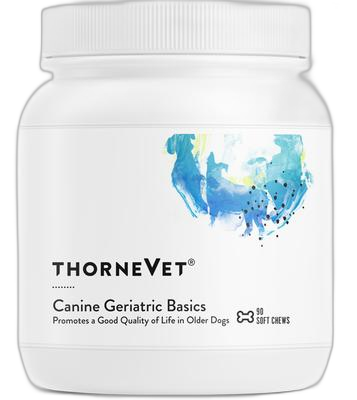
ThorneVET Canine Geriatric Basics Chew Supplement for Senior Dogs
ThorneVet
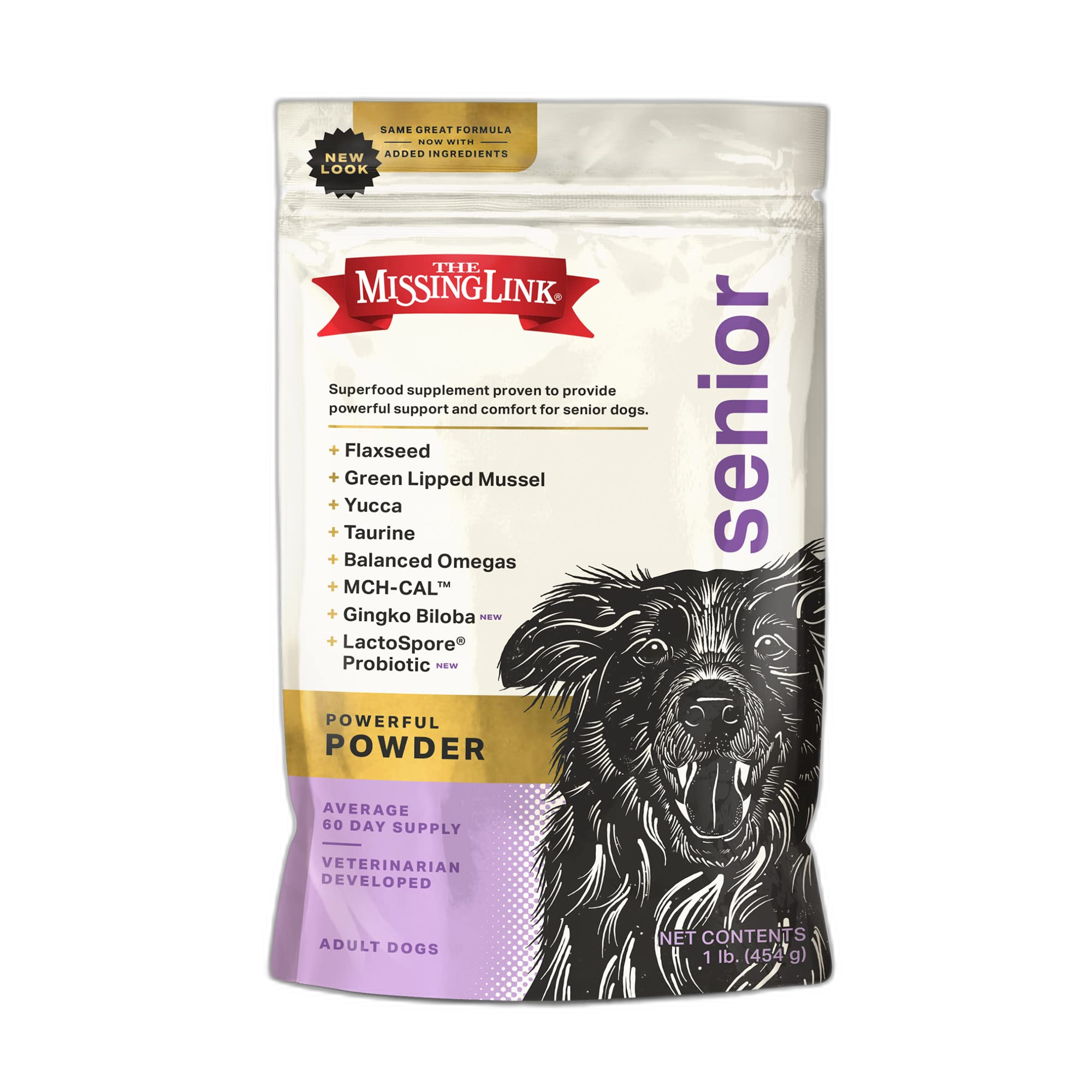
The Missing Link Ultimate Canine Senior Health Formula Dog Supplement
The Missing Link
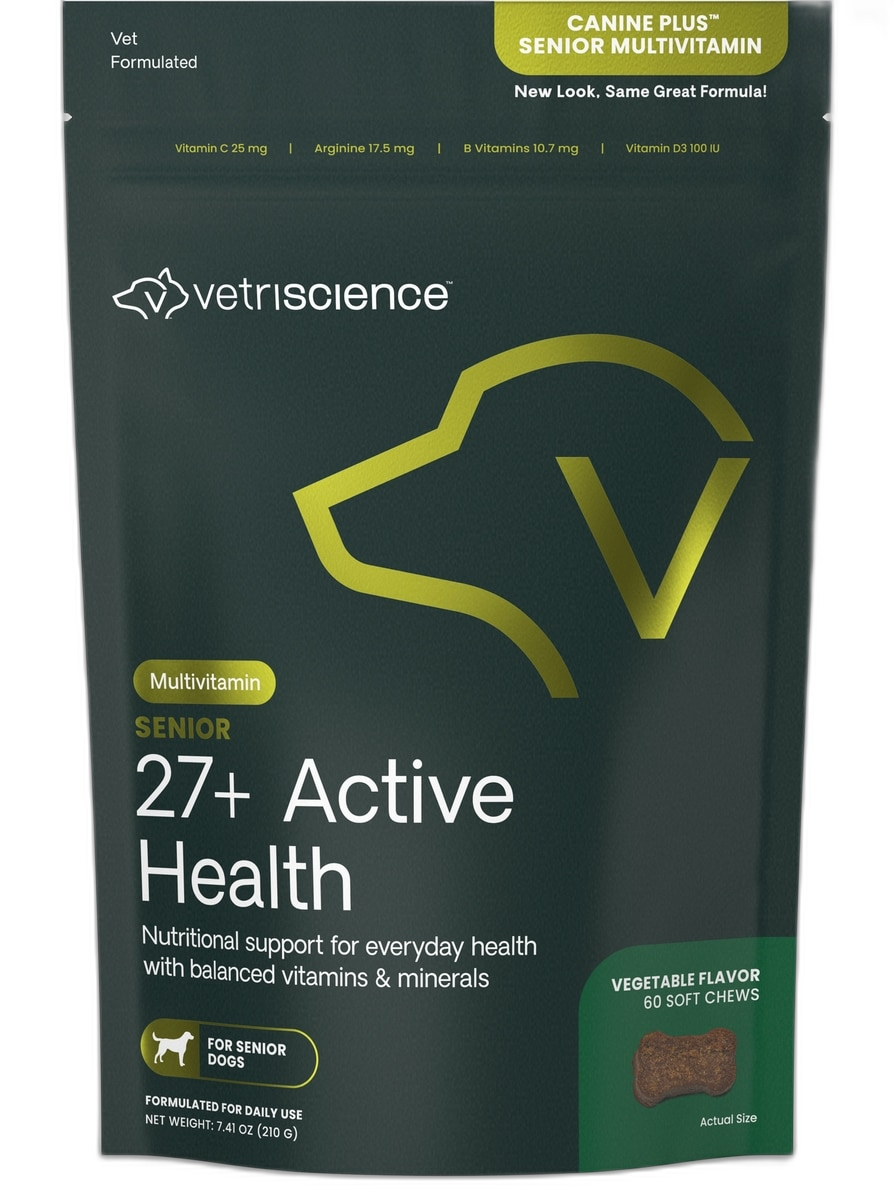
VetriScience Canine Plus Senior 27+ Active Health Veggie Flavored Soft Chews Multivitamin for Senior Dogs
VetriScience
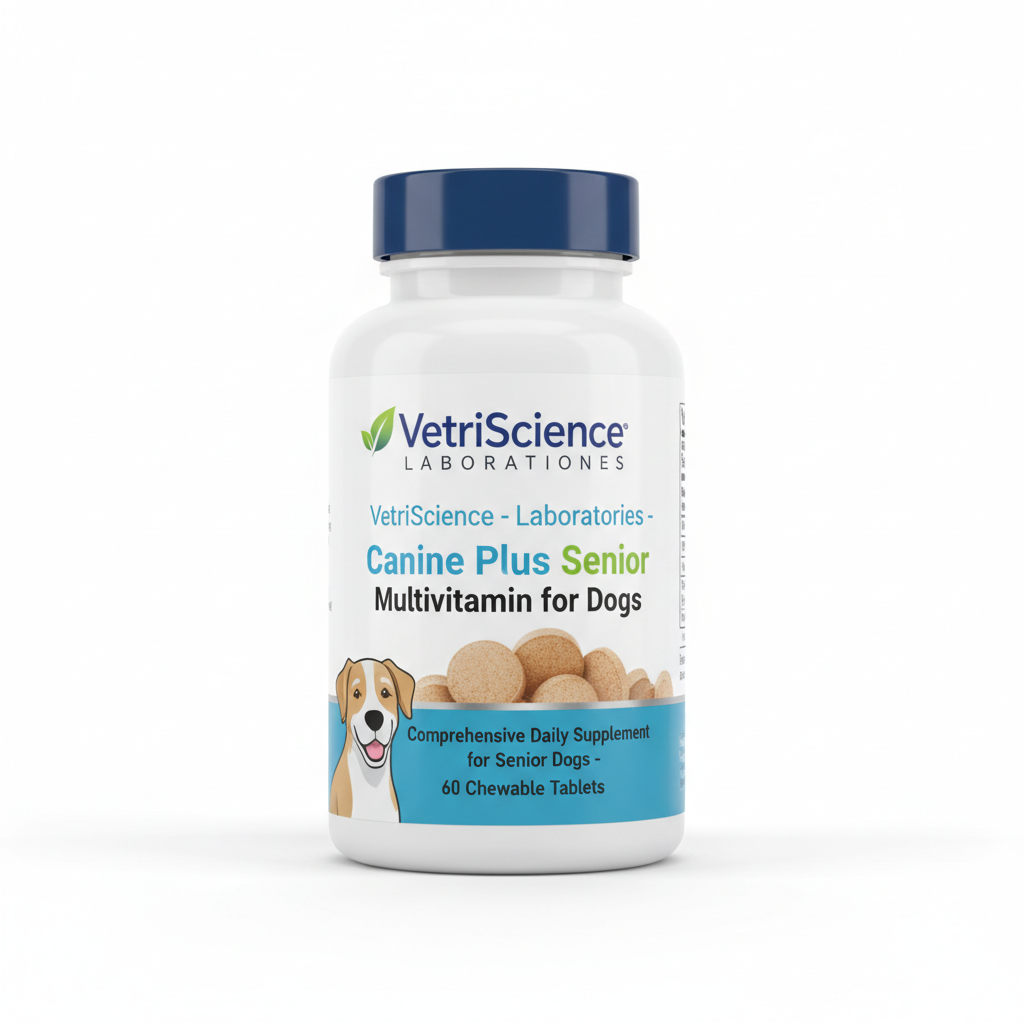
VetriScience Laboratories - Canine Plus Senior Multivitamin for Dogs - Comprehensive Daily Supplement for Senior Dogs - 60 Chewable Tablets
VetriScience
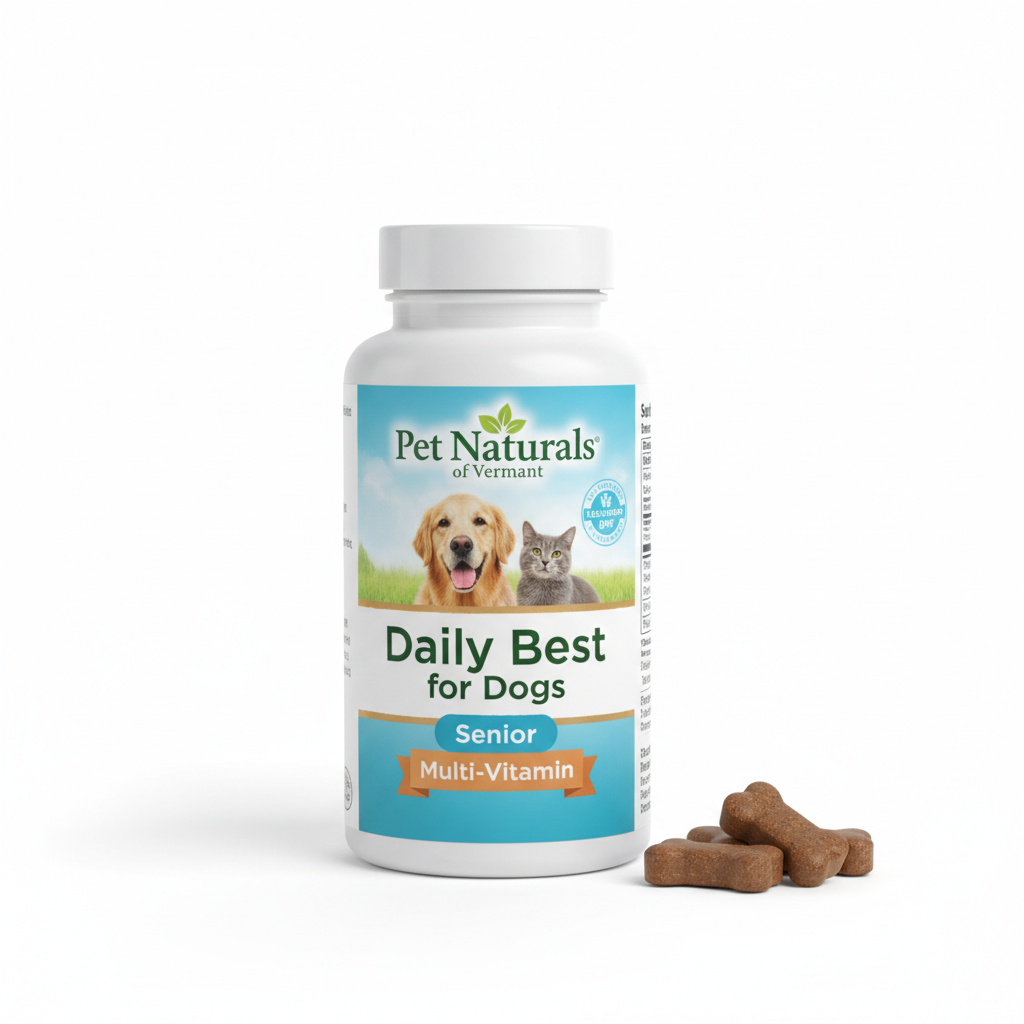
Pet Naturals of Vermont Daily Best for Dogs - Senior Multi-Vitamin
Pet Naturals
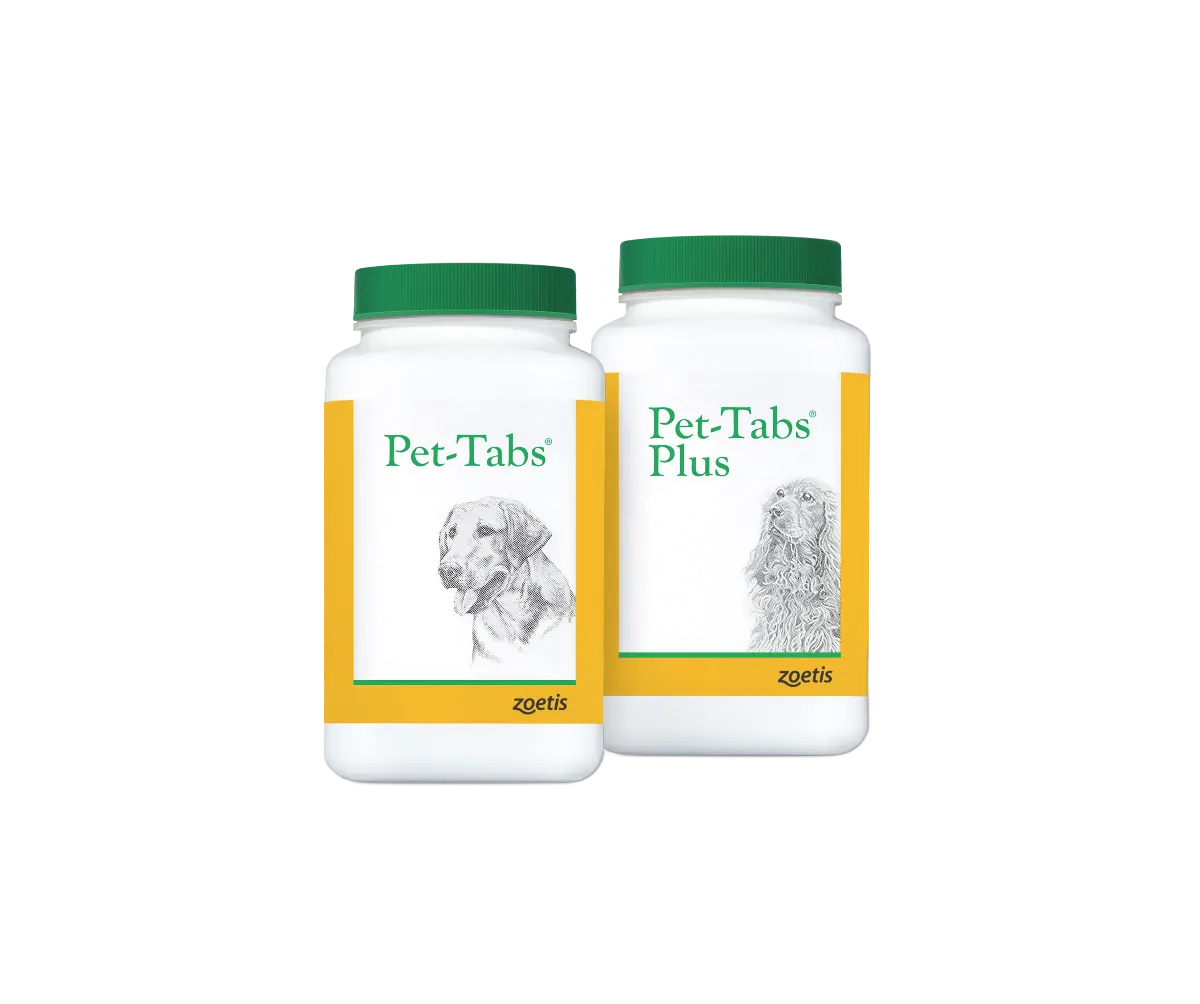
Pet-Tabs Vitamin-Mineral Dog Supplement
Pet-Tabs
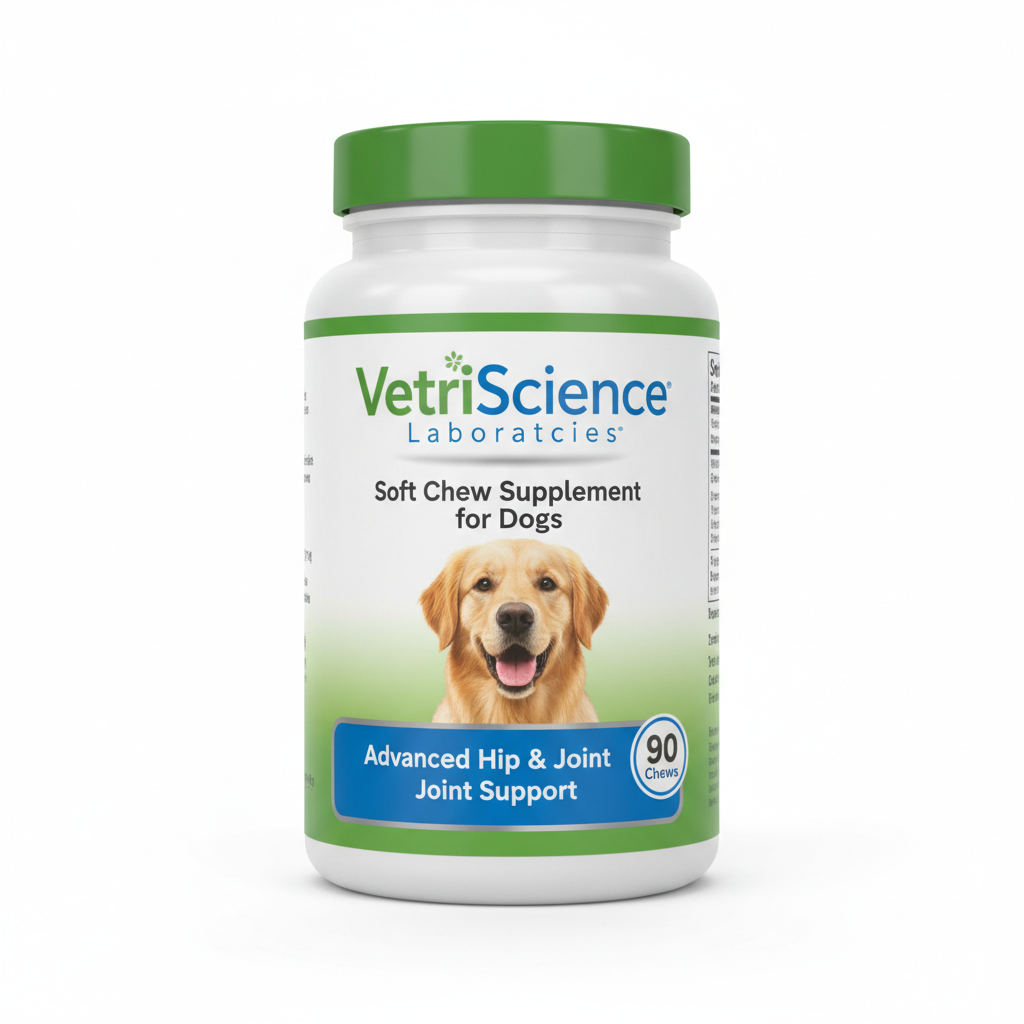
Probiotic Everyday for Dogs
VetriScience Laboratories
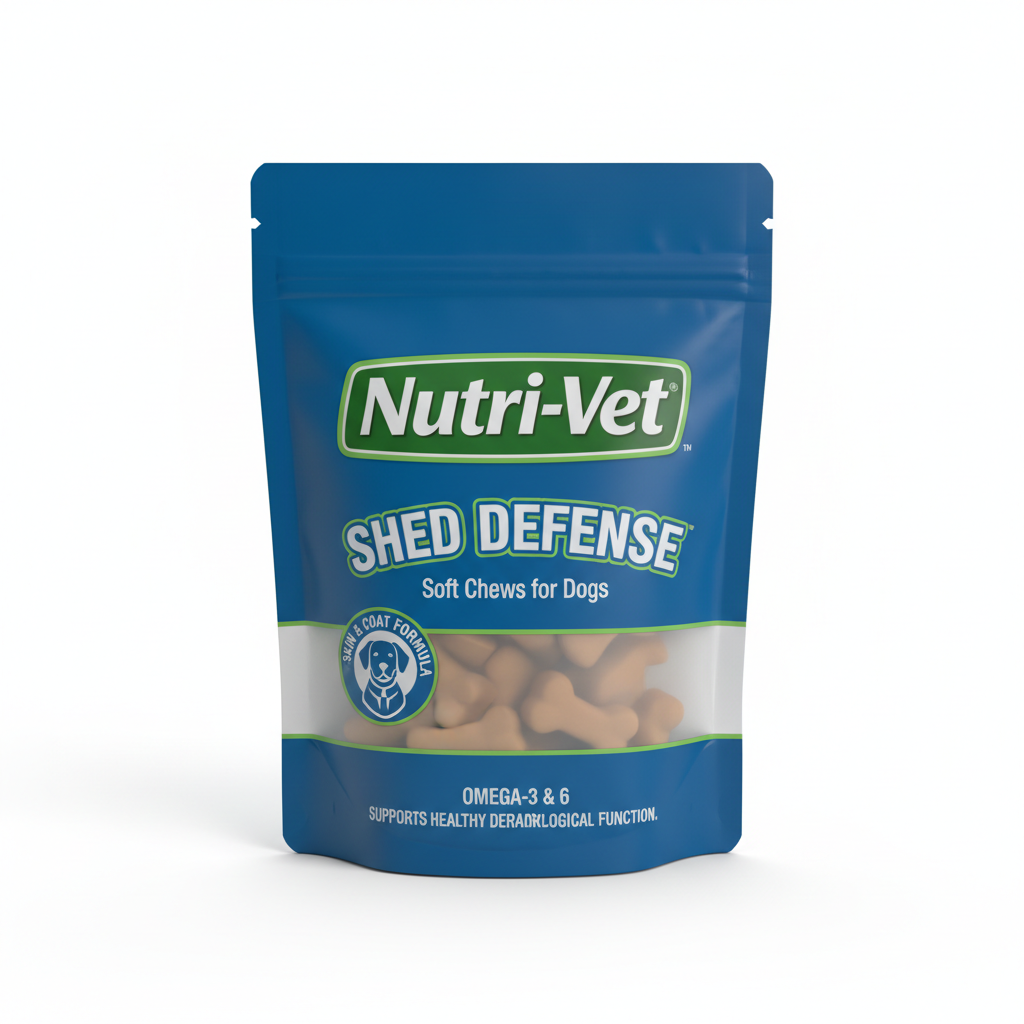
Nutri-Vet Shed Defense Soft Chews for Dogs
Nutri-Vet