12-Strain Probiotic Blend
probiotic
A 12-strain probiotic blend for dogs and cats is a supplement that contains twelve distinct beneficial bacterial strains, all aimed at supporting gut health. The primary reason for using a multi-strain approach, rather than a single strain, is to offer broader microbial support, potentially addressing diverse aspects of the gut microbiome. This guide will delve into these blends, their potential benefits, safety considerations, and key factors for pet owners to consider.
The gut microbiome—the community of microorganisms living in the digestive tract—plays a critical role in digestion, nutrient absorption, immune function, and even mood regulation in both dogs and cats. Imbalances in this microbial community, known as dysbiosis, can contribute to various health issues, including digestive upset, skin problems, and weakened immunity. Probiotics are live microorganisms that, when administered in adequate amounts, confer a health benefit on the host. A 12-strain probiotic blend aims to introduce a diverse group of these beneficial bacteria to help restore or maintain a healthy balance.
Understanding the "Blend" in 12-Strain Probiotic Supplements
The term "12-strain probiotic blend" specifically indicates the inclusion of twelve distinct types of probiotic bacteria. These strains are typically chosen for their known benefits, their ability to survive the digestive tract, and their synergistic potential. While the exact combination of strains can vary between products, common genera often include Lactobacillus, Bifidobacterium, and sometimes Enterococcus or Bacillus. Each strain may have unique properties, such as producing specific enzymes, competing with pathogenic bacteria, or modulating the immune system.
For example, Lactobacillus acidophilus is frequently included for its role in producing lactic acid, which can inhibit the growth of harmful bacteria. Bifidobacterium animalis has been studied for its potential to improve stool quality and reduce gastrointestinal upset. The idea behind a multi-strain blend is that different strains might colonize different parts of the digestive tract or offer complementary benefits, leading to a more robust and comprehensive effect than a single strain could provide.
However, more strains do not automatically equate to better efficacy. The specific combination, the viability of the strains, and the total colony-forming units (CFUs) are all crucial factors. A supplement with a high CFU count of well-researched, compatible strains is generally preferred over one that simply boasts a large number of strains without evidence of their individual or combined effectiveness.
Key Considerations for a 12-Strain Probiotic Blend Supplement
When evaluating a 12-strain probiotic blend supplement, several factors warrant attention. These include the specific strains listed, the total CFU count, the presence of prebiotics, and the product's stability.
Strain Diversity and Specificity
While a 12-strain blend suggests diversity, it's important to look beyond just the number. Are the strains well-documented for pet health? Some common and well-researched strains for pets include:
- Lactobacillus acidophilus: Aids digestion and may help manage diarrhea.
- Lactobacillus plantarum: Supports gut barrier function and immune response.
- Lactobacillus rhamnosus: Known for immune modulation and anti-inflammatory properties.
- Bifidobacterium animalis (subsp. Lactis): Often used for improving stool consistency and reducing GI upset.
- Bifidobacterium longum: May help with stress-related digestive issues.
- Enterococcus faecium: A common probiotic in veterinary medicine, often used for acute diarrhea.
A reputable 12-strain probiotic blend for dogs or cats will clearly list all the strains included, along with their full scientific names.
Colony-Forming Units (CFUs)
CFUs indicate the number of viable bacterial cells in a dose. A higher CFU count generally means more live bacteria are delivered to the gut. For most pet probiotics, a range of 1 billion to 10 billion CFUs per dose is common, though some may offer higher. The optimal CFU count can depend on the specific strains and the pet's condition. The label should specify the CFU count at the time of manufacturing and ideally at the time of expiration to ensure potency.
Prebiotics
Many effective probiotic supplements, especially multi-strain blends, also include prebiotics. Prebiotics are non-digestible food ingredients that selectively stimulate the growth and activity of beneficial bacteria already in the gut, as well as the probiotic strains being introduced. Common prebiotics include FOS (fructooligosaccharides), inulin, and GOS (galactooligosaccharides). The combination of probiotics and prebiotics is often called a "synbiotic" and can enhance the overall effectiveness of the supplement.
Stability and Delivery
Probiotic bacteria are living organisms and are susceptible to heat, moisture, and stomach acid. A quality 12-strain probiotic blend for dogs or cats should be formulated to ensure the strains survive the manufacturing process, storage, and passage through the acidic stomach to reach the intestines where they can exert their effects. Look for products that specify stability (e.g., "guaranteed CFUs through expiration"), proper packaging (e.g., opaque, airtight containers), and storage recommendations (e.g., refrigeration may be necessary for some formulations, though many modern blends are shelf-stable).
Safety and Dosage for a 12-Strain Probiotic Blend for Dogs and Cats
Generally, probiotics are considered safe for pets. Side effects are rare and usually mild, such as temporary gas or bloating, as the gut adjusts to the new microbial balance. However, certain considerations are important.
Safety Profile
- Immuno-compromised pets: Pets with severely compromised immune systems should only receive probiotics under veterinary guidance, as there's a theoretical, albeit rare, risk of bacteremia (bacteria entering the bloodstream).
- Allergies: Always check the ingredient list for potential allergens specific to your pet (e.g., dairy, soy, specific proteins).
- Quality Control: Choose reputable brands that adhere to good manufacturing practices (GMP) and conduct third-party testing to ensure product purity and potency.
Dosage Guidelines
The appropriate dosage for a 12-strain probiotic blend for dogs or cats depends on several factors:
- Pet's Weight: Most supplements provide dosage instructions based on the pet's size or weight. It's crucial to follow these guidelines.
- Product Concentration: The CFU count per dose varies significantly between products. Always refer to the specific product's instructions.
- Reason for Use: The dosage might differ for maintenance of general gut health versus addressing acute digestive issues (e.g., diarrhea associated with antibiotics). A veterinarian may recommend higher doses for therapeutic purposes.
- Veterinary Consultation: It's always best to consult with a veterinarian before starting any new supplement, especially if your pet has underlying health conditions or is on other medications. They can provide tailored advice on the appropriate 12-strain probiotic blend dosage for dogs or cats.
Comparing Common 12-Strain Probiotic Blends for Pets
When reviewing product titles like those found in typical search results, it's clear that many brands offer 12-strain probiotic options. While a direct comparison of specific brand formulations without detailed ingredient lists and third-party data is speculative, we can analyze the common claims and features.
PROACTIVE PAWS Primitive Probiotics for Dogs – ... For 12-strain probiotic blend for dogs
This type of product typically emphasizes a "primitive" or "ancestral" approach, suggesting a blend of strains that might have been naturally present in the diet of wild canids. The implication is often a focus on strains that are robust and well-adapted to the canine digestive system. Such products often highlight:
- Strain Selection: A diverse range, possibly including soil-based organisms (SBOs) or strains found in fermented foods.
- Natural Ingredients: Often paired with prebiotics derived from natural sources.
- Target Audience: Owners seeking a holistic or "species-appropriate" approach to their dog's health.
- Practical Implications: These blends might be particularly beneficial for dogs on raw or home-cooked diets, or those with sensitivities to common probiotic carriers like dairy. The trade-off might be slightly higher cost or specific storage requirements depending on the strains.
BOOPS PETS Probiotic 30 Billion CFU with 12 Strains ... For 12-strain probiotic blend for dogs
This description highlights a high CFU count (30 Billion CFU) alongside the 12-strain blend. A higher CFU count can be advantageous, especially for pets with significant gut dysbiosis or those undergoing stress (e.g., travel, boarding, antibiotic treatment).
- High Potency: The 30 Billion CFU suggests a potent formulation, aiming for a significant impact on gut flora.
- Targeted Use: Often marketed for comprehensive gut support, immune health, and even allergy relief.
Trade-offs: While high CFU can be beneficial, it's crucial that these CFUs are viable* and that the strains are appropriate. Sometimes, an excessively high CFU count of poorly chosen strains can be less effective than a moderate count of well-researched ones. Pet owners should still scrutinize the strain list and look for stability guarantees.
Dogs & Cats Omega-3 Probiotic Chews ... - Nature Target for 12-strain probiotic blend for dogs
This product combines a 12-strain probiotic blend with Omega-3 fatty acids, often presented in a chewable format. This "combination supplement" approach aims to provide multiple benefits in a single product.
- Combined Benefits: Omega-3s (EPA and DHA) are known for their anti-inflammatory properties, supporting skin, coat, joint, and cognitive health. Combining them with probiotics targets both internal gut health and systemic inflammation.
- Convenience: Chews are often palatable and easy to administer, which can be a significant factor for owners with finicky pets.
- Practical Implications: While convenient, ensure that both the probiotic strains and the Omega-3s are present in therapeutically relevant amounts. Sometimes, combined products might have lower concentrations of individual active ingredients compared to single-purpose supplements. Also, consider the stability of probiotics when formulated into a chew, especially if not properly protected.
Fidobiotics Good Guts for Big Mutts Probiotic for Dogs, 12 ... For 12-strain probiotic blend for dogs
This product title suggests a focus on larger dog breeds ("Big Mutts"), implying a dosage or formulation specifically tailored for bigger animals.
- Dosage Tailoring: Larger dogs often require higher dosages of supplements. This product likely provides a higher CFU count per serving or a larger serving size to accommodate their body mass.
- Strain Selection: While the "12 strains" would still be beneficial across sizes, the emphasis on "Big Mutts" might imply a formulation designed to tackle the specific gut challenges sometimes seen in larger breeds, such as bloat sensitivity or joint issues that can be indirectly linked to inflammation.
- Considerations: Owners of smaller dogs would need to adjust the dosage accordingly, or choose a product specifically formulated for their size.
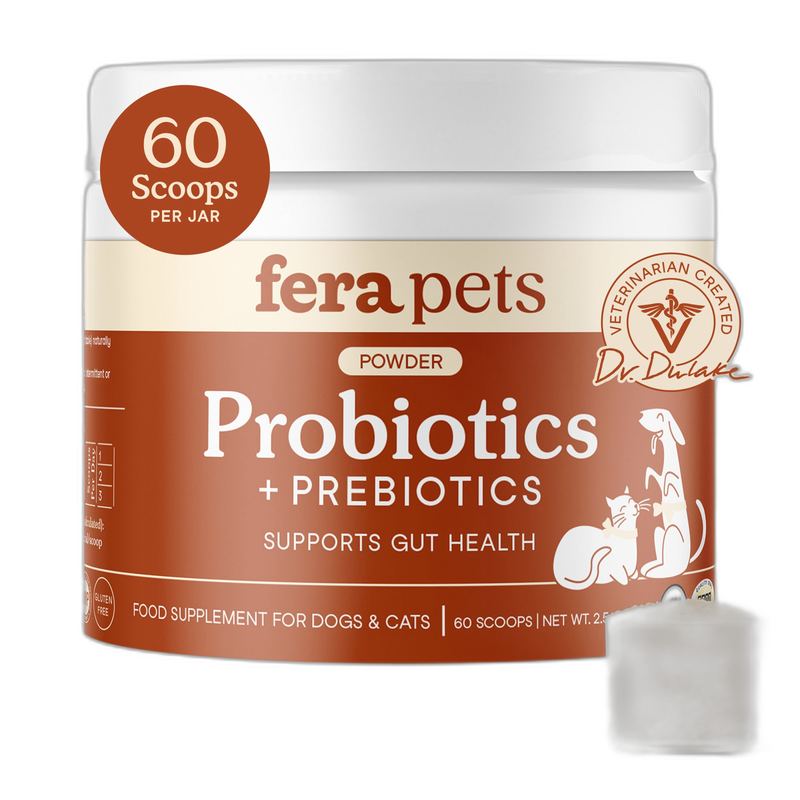
Fera Pets Organic 12-Strain Probiotic with Prebiotics, Vet ... For 12-strain probiotic blend for dogs
This title highlights several key attributes: "Organic," "12-Strain Probiotic with Prebiotics," and "Vet Recommended."
- Organic Certification: Appeals to owners seeking products free from pesticides, synthetic fertilizers, and GMOs. This speaks to the overall quality and sourcing of ingredients.
- Synbiotic Effect: The inclusion of prebiotics alongside the 12 strains indicates a synbiotic approach, aiming to enhance the growth and activity of the probiotics.
- Veterinary Endorsement: "Vet Recommended" suggests that the product has undergone some level of professional scrutiny, though the extent of this can vary. It often implies a formulation based on scientific research and clinical relevance.
- Trade-offs: Organic products can sometimes be more expensive. The "vet recommended" claim is strong, but pet owners should still inquire about the specific strains and CFUs.
Dog Probiotic Supplement Designed to Support Digestive ... For 12-strain probiotic blend for dogs
This is a more generic description but still points to the primary function of a 12-strain probiotic blend for dogs: digestive support.
- Core Function: Reinforces that the product's main goal is to improve digestive health, which can manifest as better stool quality, reduced gas, or less frequent upset.
- General Purpose: Likely a good option for general maintenance or mild digestive issues.
- What to Look For: With a generic description, it becomes even more vital to delve into the product's label for specific strains, CFU counts, and quality assurances. This type of product might serve as a baseline for comparison against more specialized or combined formulations.
Decision Table: Choosing a 12-Strain Probiotic Blend for Your Pet
| Feature/Consideration | General Maintenance | Digestive Upset (Mild) | Post-Antibiotic/Severe Dysbiosis | Multi-Benefit (e.g., skin/joints) | Holistic/Sensitive Pets |
|---|---|---|---|---|---|
| CFU Count (per dose) | 1-5 Billion | 5-10 Billion | 10-30+ Billion | 5-10 Billion | 1-5 Billion |
| Strain Diversity | Good (6-12 strains) | Good (8-12 strains) | High (10-12+ strains) | Good (8-12 strains) | High (10-12+ strains) |
| Specific Strains | L. Acidophilus, B. Animalis | E. Faecium, L. Rhamnosus | L. Plantarum, B. Longum (diverse) | L. Plantarum (immune) | SBOs, specific Lactobacillus |
| Prebiotics Included? | Recommended | Recommended | Highly Recommended | Recommended | Highly Recommended |
| Formulation Type | Powder, Chew, Capsule | Powder, Capsule | Powder, Capsule | Chew (with Omega-3) | Powder, Capsule |
| "Organic" Claim | Nice-to-have | Less critical | Less critical | Nice-to-have | Highly valued |
| "Vet Recommended" | Good indicator | Strong indicator | Strong indicator | Good indicator | Good indicator |
| Cost Consideration | Moderate | Moderate to High | High | Moderate to High | Moderate to High |
This table provides a generalized framework. It's crucial to remember that individual pet needs vary, and veterinary advice is always paramount.
FAQ: Your Questions About 12-Strain Probiotic Blends Answered
Which probiotic strain is most effective for dogs?
There isn't a single "most effective" probiotic strain for dogs, as efficacy depends on the specific health issue being addressed. Different strains have different functions. For general digestive health, Lactobacillus acidophilus, Bifidobacterium animalis, and Enterococcus faecium are commonly used and well-researched. For specific issues like diarrhea, Enterococcus faecium SF68 has shown good results. A 12-strain probiotic blend for dogs aims to offer a broader range of benefits by combining multiple beneficial strains, which can be more effective for overall gut health than a single strain.
What probiotics are good for tirzepatide?
Tirzepatide is a medication for humans used to manage type 2 diabetes and obesity. It's not typically prescribed for pets. If you're asking about probiotics for a human taking tirzepatide, that falls outside the scope of pet health. For pets, probiotics are used for their gut health benefits, not in conjunction with human-specific medications like tirzepatide.
Which probiotic is best for SIBO?
Small Intestinal Bacterial Overgrowth (SIBO) in pets is a complex condition where there's an excessive amount of bacteria in the small intestine. The approach to SIBO in pets can be challenging, and probiotics are often used cautiously, or specific strains are chosen. Some research suggests that certain Lactobacillus and Bifidobacterium strains might be helpful in managing dysbiosis associated with SIBO, but it's not a direct treatment. The "best" probiotic for SIBO in pets would be determined by a veterinarian, often in conjunction with other treatments like dietary changes or antibiotics. A 12-strain probiotic blend for dogs could be considered, but the specific strains and their effects on SIBO would need careful evaluation by a vet. Overuse of certain probiotic strains could potentially exacerbate SIBO in some cases.
Conclusion
A 12-strain probiotic blend for dogs and cats offers a comprehensive approach to supporting their gut microbiome and overall health. By providing a diverse array of beneficial bacteria, these supplements aim to improve digestion, boost immune function, and potentially alleviate various health issues stemming from gut dysbiosis. When selecting a supplement, pet owners should prioritize products that clearly list their strains, guarantee CFU counts, and ideally include prebiotics. Always consult with a veterinarian to determine the most appropriate 12-strain probiotic blend, dosage, and duration of use for your specific pet's needs. While generally safe, monitoring your pet for any adverse reactions is prudent.
Products Containing 12-Strain Probiotic Blend
Top-rated supplements featuring this ingredient, ranked by our PSI+ score.