Probiotic Blend
probiotic
A probiotic blend for dogs is a dietary supplement containing a combination of live microorganisms intended to support the balance of beneficial bacteria in a dog's gut. These blends typically include various strains of bacteria and sometimes yeasts, chosen for their potential to aid digestion, enhance nutrient absorption, and support immune function. Understanding the appropriate use, dosage, and potential efficacy of these supplements is key for pet owners considering them for their canine companions.
The Role of Natural Dog Probiotics Blend Soft Chews
Natural dog probiotics blend soft chews offer a palatable and convenient delivery method for beneficial microorganisms. Unlike powders or capsules that might be mixed into food, soft chews are often treated as a treat, which can simplify administration, especially for picky eaters. The "natural" aspect in their description typically refers to the sourcing of ingredients, aiming for whole-food components and avoiding artificial colors, flavors, or preservatives.
The core idea behind these chews is to introduce a diverse range of live bacteria into the dog's digestive tract. A healthy canine gut microbiome is rich in various bacterial species that work synergistically. When this balance is disrupted – perhaps due to stress, dietary changes, antibiotic use, or illness – a dog might experience digestive upset, including diarrhea, constipation, or excessive gas. A probiotic blend in a soft chew format can help repopulate the gut with beneficial microbes, potentially alleviating these symptoms and supporting overall gut health.
Consider a scenario where a dog has recently finished a course of antibiotics. Antibiotics, while necessary for treating bacterial infections, often indiscriminately kill both harmful and beneficial bacteria in the gut. Introducing a probiotic blend afterward can help restore the natural microbial balance more quickly. Similarly, dogs prone to stress-induced digestive issues, such as those that experience anxiety during travel or boarding, might benefit from a daily probiotic chew to maintain gut stability. The palatability of soft chews also means less stress for both the dog and owner during administration, making consistent supplementation more achievable. However, it's important to note that not all soft chews are created equal; ingredient quality, the number of colony-forming units (CFUs), and the specific strains included can vary significantly between products.
Best Dog Probiotic Supplements
Identifying the "best" dog probiotic supplement depends heavily on the individual dog's needs, health status, and specific issues. There isn't a single universally superior product, as efficacy can be strain-specific and condition-dependent. However, several factors generally contribute to a high-quality probiotic blend supplement.
Firstly, a good supplement will clearly list the specific bacterial strains included and their quantities, typically measured in Colony Forming Units (CFUs). A higher CFU count doesn't automatically mean better, but a sufficient number (often in the billions) is generally recommended for therapeutic effects. Look for established strains like Lactobacillus acidophilus, Bifidobacterium animalis, Enterococcus faecium, and Bacillus coagulans, as these have been more extensively studied in canine health.
Secondly, the formulation matters. Some probiotics are microencapsulated or spore-forming, which helps them survive the harsh acidic environment of the stomach and reach the intestines intact. Without such protection, many live bacteria can be destroyed before they can colonize the gut.
Thirdly, consider the presence of prebiotics. Prebiotics are non-digestible fibers that act as food for probiotic bacteria, encouraging their growth and activity in the gut. Common prebiotics include fructooligosaccharides (FOS) and inulin. A blend that includes both probiotics and prebiotics is often referred to as a "synbiotic" and can offer enhanced benefits.
Finally, the reputation of the manufacturer, third-party testing for purity and potency, and veterinary recommendations are all important considerations. A supplement from a reputable brand that undergoes rigorous quality control is more likely to deliver on its claims.
For instance, a dog with chronic diarrhea might benefit from a probiotic blend with a high concentration of Enterococcus faecium due to its documented efficacy in supporting stool consistency. In contrast, a dog recovering from an illness might benefit from a broader spectrum blend to support overall immune function. The "best" choice is therefore a tailored one, ideally made in consultation with a veterinarian.
Probiotics for Dogs: The Fundamentals
Probiotics for dogs function similarly to those for humans, by introducing beneficial microorganisms to the gastrointestinal tract. The primary goal is to maintain or restore the delicate balance of the gut microbiome, which is a complex ecosystem of bacteria, fungi, and other microbes. This balance is crucial not only for digestion but also for immune system regulation, nutrient synthesis, and even mood and behavior.
When a dog's gut microbiome is out of balance, a condition known as dysbiosis, it can manifest in various ways. Digestive symptoms like chronic diarrhea, constipation, vomiting, or excessive gas are common indicators. Beyond the obvious digestive issues, dysbiosis has been linked to other health problems, including skin allergies, poor coat quality, autoimmune conditions, and even behavioral changes.
The specific strains of bacteria and yeasts included in probiotic supplements target different aspects of gut health. For example:
Lactobacillus* species: Commonly found in dairy products, these strains are known for producing lactic acid, which can help inhibit the growth of harmful bacteria and support digestive function. Bifidobacterium* species: These are among the first colonizers of the gut in puppies and play a vital role in immune development and nutrient absorption. Enterococcus faecium: Often used in veterinary probiotics, this strain has shown effectiveness in managing acute and chronic diarrhea. Bacillus coagulans: A spore-forming bacterium that is highly stable and resistant to stomach acid, allowing it to reach the intestines intact and produce lactic acid. Saccharomyces boulardii: A beneficial yeast, rather than bacteria, known for its ability to help manage antibiotic-associated diarrhea and other forms of digestive upset.
The practical implications of using probiotics extend to various scenarios. For dogs with sensitive stomachs, a daily probiotic can help stabilize digestion. For senior dogs, whose digestive efficiency might decline with age, probiotics can aid in nutrient absorption. For dogs under stress, maintaining a healthy gut microbiome can potentially mitigate some of the physiological impacts of stress. However, it's crucial to remember that probiotics are not a cure-all. They are a supportive therapy and should be used as part of a to pet health, alongside appropriate diet and veterinary care.
9 Best Probiotics for Dogs in 2025, Recommended By Vets
While specific product recommendations can change rapidly and are best obtained from a veterinarian familiar with your dog's history, the criteria used by vets to identify "best" probiotics remain consistent. These criteria often mirror the factors discussed previously: specific strains, CFU count, quality control, and the inclusion of prebiotics.
When veterinarians recommend probiotics, they often consider the following:
Instead of listing specific brands (which can become outdated), let's consider types of products and scenarios where they might be recommended:
| Product Type/Feature | Ideal Scenario | Key Considerations |
|---|---|---|
| Broad-Spectrum Powder | General gut health, post-antibiotic recovery, picky eaters | Versatile, can be mixed with food, often includes multiple strains and prebiotics. CFU count is crucial. |
| Soft Chews | Daily maintenance, treat-motivated dogs, travel anxiety | Palatable, easy to administer, good for consistent long-term use. Check sugar content and artificial additives. |
| Capsules (enteric-coated) | Targeted delivery, specific health concerns, higher CFU needs | Protects bacteria from stomach acid, but some dogs may resist taking pills. Can be opened and sprinkled if needed. |
| Freeze-Dried Formulas | Maximum potency, sensitive dogs, travel-friendly | Often contain higher CFU counts and remain viable longer. Requires rehydration or mixing with moist food. |
| Specific Strain Focus | Chronic diarrhea (E. Faecium), allergies (L. Rhamnosus), etc. | Veterinarian guidance is essential to match strain to specific condition. |
| Synbiotic Formulas | Enhanced digestive support, long-term gut health | Combination of probiotics and prebiotics for . Look for FOS or inulin. |
A veterinarian might recommend a specific brand like Purina FortiFlora for acute diarrhea due to its well-researched Enterococcus faecium strain, or perhaps a broader blend from a company like VetriScience or Zesty Paws for general wellness and immune support. The key is the consultation process to align the product with the pet's unique needs.
The Power of Probiotics
The "power" of probiotics lies in their ability to influence the host's physiology through various mechanisms. It's not just about adding "good bacteria"; it's about shifting the entire gut ecosystem towards a healthier state. This shift can have far-reaching effects beyond the digestive tract.
One primary mechanism is competitive exclusion. Probiotic bacteria compete with pathogenic (harmful) bacteria for nutrients and attachment sites on the intestinal lining. By occupying these spaces, they can prevent harmful bacteria from colonizing and proliferating.
Another crucial function is the production of beneficial compounds. Probiotic bacteria ferment dietary fibers that the dog cannot digest. This fermentation produces short-chain fatty acids (SCFAs) like butyrate, propionate, and acetate. SCFAs are vital energy sources for intestinal cells, help maintain the integrity of the gut barrier, and have anti-inflammatory properties. Butyrate, in particular, is critical for colon health.
Probiotics also play a significant role in immune modulation. A large portion of the immune system resides in the gut. Probiotic bacteria interact with immune cells, influencing their development and activity. This can lead to a more balanced immune response, potentially reducing the severity of allergies or inflammatory conditions. For example, some strains can increase the production of IgA, an antibody that protects mucosal surfaces.
Furthermore, certain probiotic strains can aid in nutrient absorption by breaking down complex carbohydrates and assisting in the synthesis of vitamins, such as B vitamins and Vitamin K.
Consider a dog experiencing chronic skin issues, which can sometimes be linked to an imbalanced gut microbiome. While not a direct treatment for skin conditions, a consistent probiotic regimen might support the immune system and reduce systemic inflammation, potentially leading to an improvement in skin health over time. Similarly, dogs with mild food sensitivities might find some relief as probiotics help strengthen the gut barrier, reducing the likelihood of undigested food particles triggering an immune response. The power of probiotics lies in their multifaceted impact on overall health, working from the inside out.
Balance - Probiotic for Active Sporting Dogs
Active and sporting dogs have unique physiological demands, and their gut health can significantly impact performance and recovery. A probiotic blend specifically formulated for active sporting dogs often considers these elevated needs. These dogs experience higher levels of physical stress, which can directly impact gut integrity and microbial balance.
Intense exercise can lead to "leaky gut syndrome" (increased intestinal permeability), where the gut lining becomes more permeable, allowing toxins and undigested food particles to enter the bloodstream, potentially triggering inflammation and impacting recovery. Probiotics can help reinforce the gut barrier, reducing this permeability.
Furthermore, the higher energy demands of sporting dogs mean their digestive systems are working harder to extract nutrients from their food. Probiotics can enhance digestion and nutrient absorption, ensuring these dogs get the most out of their high-performance diets. They can also help manage digestive upset that might occur due to changes in diet (e.g., during competition season), travel stress, or exposure to different environments.
A probiotic blend for active sporting dogs might feature:
- Higher CFU counts: To address the greater physiological stress and potentially more significant gut disruptions.
- Specific strains for immune support: To help combat exercise-induced immunosuppression.
- Strains known for anti-inflammatory properties: To aid in recovery and reduce muscle soreness.
- Prebiotics: To fuel the beneficial bacteria and support overall gut health during periods of high demand.
- Additional functional ingredients: Sometimes, these blends might include ingredients like digestive enzymes, antioxidants, or joint support components to address the holistic needs of an athletic canine.
For example, a working dog competing in agility trials might experience stress-related diarrhea on competition days. A targeted probiotic blend could help stabilize their gut, allowing them to perform optimally. Similarly, a hunting dog on a demanding multi-day trip could benefit from probiotics to ensure efficient nutrient uptake from their food and support their immune system against environmental challenges. The emphasis for these specialized blends is on resilience, recovery, and consistent digestive function under demanding conditions.
FAQ
Is probiotic blend good for dogs?
Yes, a probiotic blend can be beneficial for dogs. It can help support digestive health, improve nutrient absorption, strengthen the immune system, and potentially alleviate symptoms of gut dysbiosis such as diarrhea, constipation, and excessive gas. The specific benefits depend on the strains included and the individual dog's needs.
Which probiotic is best for sibo?
Small Intestinal Bacterial Overgrowth (SIBO) in dogs is a complex condition that requires veterinary diagnosis and management. There isn't a single "best" probiotic for SIBO. Some research suggests that certain Lactobacillus and Bifidobacterium strains, or even Saccharomyces boulardii, might be helpful in conjunction with other treatments. However, indiscriminate probiotic use in SIBO could potentially worsen symptoms in some cases. Always consult with a veterinarian for diagnosis and a tailored treatment plan, which may or may not include specific probiotics.
Should you take probiotics with GLP-1?
This question typically refers to human GLP-1 receptor agonists (medications like Ozempic or Wegovy) used for diabetes or weight management. For dogs, there isn't a common veterinary application of GLP-1 agonists in the same context. If a dog is on any medication, including those that might affect metabolism or digestion, it is crucial to discuss the introduction of any supplement, including probiotics, with a veterinarian to understand potential interactions and ensure safety.
Conclusion
Probiotic blends for dogs offer a promising avenue for supporting canine health, primarily through their influence on the gut microbiome. From aiding digestion and nutrient absorption to modulating the immune system, the benefits can be wide-ranging. However, the efficacy of these supplements is not uniform across all products or all dogs. Understanding factors like specific bacterial strains, CFU counts, delivery methods, and the inclusion of prebiotics is crucial for making informed choices. Ultimately, while probiotics can be a valuable addition to a dog's wellness routine, they are best utilized under the guidance of a veterinarian who can assess individual needs, recommend appropriate products, and establish correct dosages, ensuring the best possible outcome for your pet's health.
Products Containing Probiotic Blend
Top-rated supplements featuring this ingredient, ranked by our PSI+ score.

WellyTails Dog Rx Immunity Supplement
WellyTails
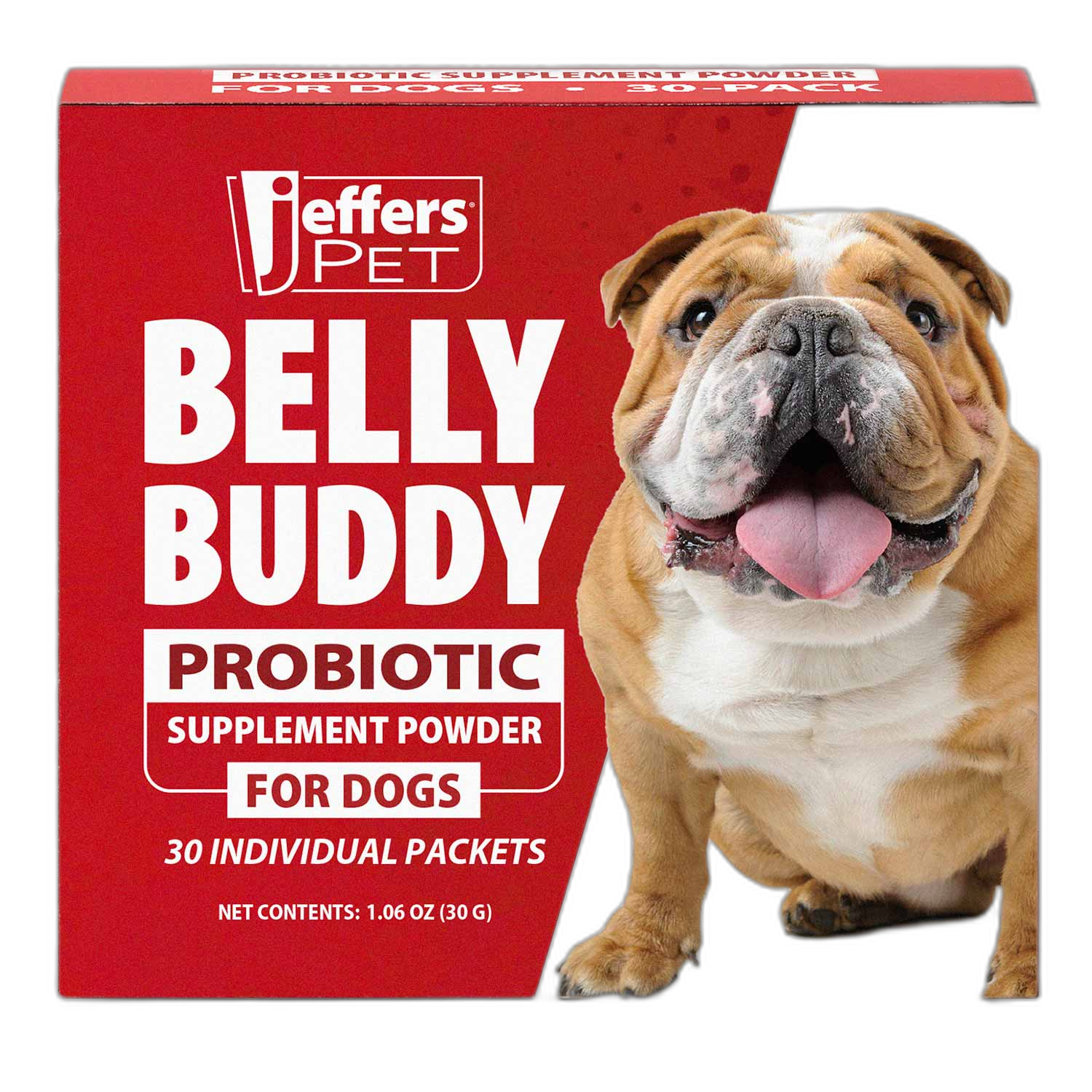
Jeffers Belly Buddy Probiotic Packets Digestive Aid Powder Supplement
Jeffers
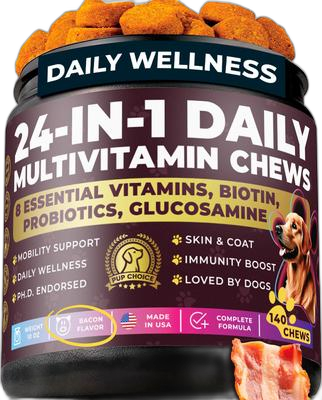
Pup Choice with Probiotics & Glucosamine, Bacon Flavor Soft & Chewy Multivitamin
Pup Choice
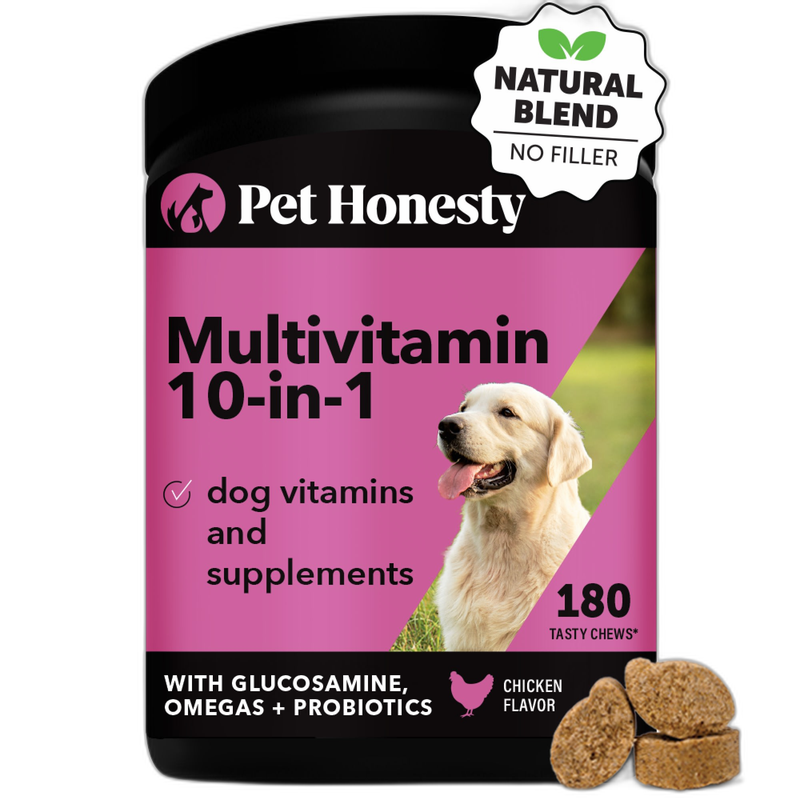
PetHonesty 10-for-1 Multivitamin with Glucosamine
PetHonesty
PetHonesty Advanced Multivitamin for Cats
PetHonesty
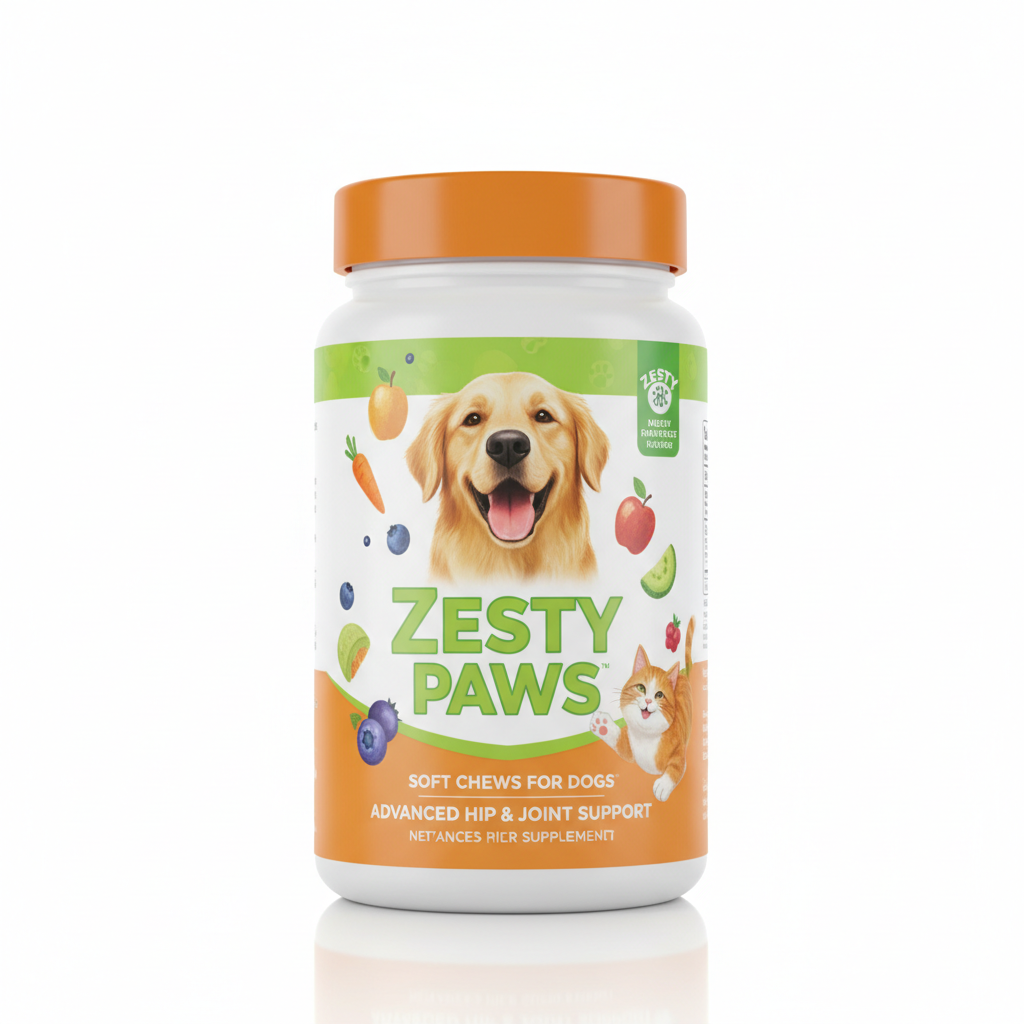
Senior Vitality & Longevity Supplement
Zesty Paws
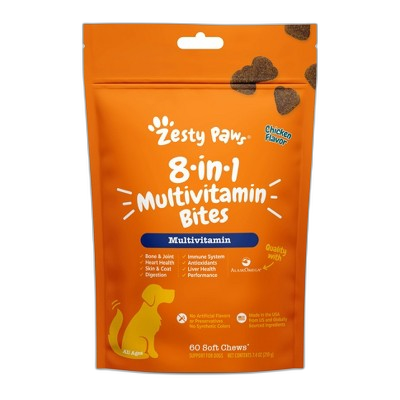
Zesty Paws Core Elements 8-in-1 Bites Multivitamin for Dogs
Zesty Paws
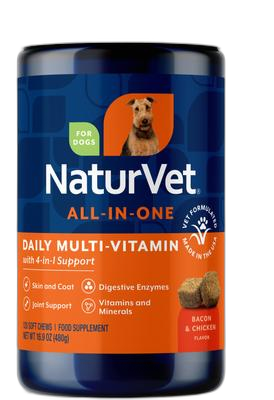
NaturVet All-in-One 4-IN-1 Support for Dogs
NaturVet