AlaskOmega Fish Oil
fatty acid
Many pet owners are exploring omega-3 fatty acid supplements for their animals, and AlaskOmega fish oil for dogs is a name that frequently comes up. This article will examine what AlaskOmega is, its potential benefits for pets based on veterinary research, appropriate dosing considerations, and key factors to look for when selecting a supplement. Understanding these aspects can help pet owners make informed decisions about incorporating an omega-3 source into their pet's diet.
AlaskOmega refers to a specific brand of highly concentrated omega-3 fatty acids sourced from wild Alaskan Pollock. These fish are typically caught in the Bering Sea, an area recognized for its sustainable fishing practices. The appeal of AlaskOmega for pets, particularly dogs, lies in its high levels of eicosapentaenoic acid (EPA) and docosahexaenoic acid (DHA), the primary beneficial omega-3s. Unlike plant-based omega-3s, which often contain alpha-linolenic acid (ALA) that pets struggle to convert efficiently, marine-sourced EPA and DHA are directly bioavailable.
Veterinary research into omega-3 supplementation for pets has explored a range of potential health benefits. These often center around their anti-inflammatory properties. Conditions such as osteoarthritis, skin allergies, and certain cardiac issues have been areas of interest. The precise mechanisms involve the modulation of inflammatory pathways, helping to reduce the production of pro-inflammatory mediators. For pet owners considering an AlaskOmega fish oil supplement, understanding these foundational aspects is crucial for evaluating product claims and ensuring safe, effective use.
ALASKA NATURALS PET PRODUCTS for alaskomega fish oil for dogs
Alaska Naturals Pet Products is a brand that frequently features AlaskOmega in its formulations, specifically targeting the pet market. Their approach often emphasizes the wild-caught, sustainable sourcing of their fish oil, aligning with the AlaskOmega standard. For pet owners, this translates to a product that is generally perceived as high-quality due to its origin and processing.
When considering an Alaska Naturals product with AlaskOmega fish oil for dogs, the primary benefit is the direct supply of EPA and DHA. These fatty acids are integral for various physiological functions in canines. For instance, EPA is well-regarded for its anti-inflammatory effects, which can be beneficial for dogs suffering from joint pain due to arthritis or experiencing itchy skin conditions. DHA, on the other hand, plays a critical role in brain and vision development, particularly in puppies, and can support cognitive function in older dogs.
Trade-offs to consider with such products often involve the concentration and the form of the oil. Some Alaska Naturals products might offer a blend, while others focus purely on AlaskOmega. It's important to check the guaranteed analysis on the label, specifically looking for the amounts of EPA and DHA per serving. A higher concentration means a smaller volume of oil is needed to achieve the desired therapeutic dose, which can be more convenient for administration and potentially reduce the risk of gastrointestinal upset in sensitive dogs. Edge cases might include dogs with very specific dietary restrictions or those already on multiple supplements, where an unflavored, pure oil form might be preferable to avoid additional ingredients. For example, a dog with a poultry allergy would need to ensure any added flavorings or ingredients are not derived from poultry.
Wild Alaskan Omega-3 Blend Pollock + Salmon Oil for alaskomega fish oil for dogs
Many products marketed as "Wild Alaskan Omega-3 Blend Pollock + Salmon Oil" aim to combine the benefits of both fish sources. While AlaskOmega specifically refers to oil from wild Alaskan Pollock, some brands choose to blend this with salmon oil to offer a broader spectrum of fatty acids or a different flavor profile. The core idea remains the provision of EPA and DHA, but the inclusion of salmon oil can introduce other beneficial compounds, albeit in smaller quantities, and potentially alter the taste, which can be a factor for picky eaters.
The key connection to alaskomega fish oil for dogs here is that many of these blends still utilize AlaskOmega as a primary component for their Pollock oil content. The blend aims to leverage the high EPA/DHA concentration from Pollock while potentially adding nuances from salmon oil. Salmon oil is also a rich source of omega-3s, and some believe the combination offers a more "whole food" approach, although the specific benefits beyond EPA and DHA from the blend are often less scientifically established than those of the individual fatty acids.
Practical implications for pet owners include evaluating the specific ratios of Pollock to salmon oil, and more importantly, the guaranteed levels of EPA and DHA. A blend might have a lower overall concentration of these key omega-3s per volume compared to a pure AlaskOmega Pollock oil, requiring a larger dose. Trade-offs can include a potentially stronger "fishy" odor or taste, which some dogs might love and others might resist. Edge cases include dogs with sensitivities to salmon or those requiring very precise levels of EPA/DHA for specific medical conditions, where a pure, highly concentrated AlaskOmega product might offer more control over dosing. For example, a dog undergoing treatment for severe inflammatory bowel disease might benefit more from a single-source, high-potency EPA/DHA oil to ensure accurate therapeutic dosing without additional variables from other fish types.
WellFURst Wild Alaska Omega-3 Fish Oil Skin & Coat ... For alaskomega fish oil for dogs
Products like "WellFURst Wild Alaska Omega-3 Fish Oil Skin & Coat" specifically highlight the benefits of AlaskOmega fish oil for improving dermal health in dogs. This focus is directly tied to the well-documented anti-inflammatory properties of EPA and DHA. Skin conditions in dogs, such as allergies, excessive shedding, and dry, flaky skin, often have an inflammatory component. By reducing this inflammation, omega-3s can help alleviate itching, redness, and improve the overall integrity of the skin barrier.
The connection to alaskomega fish oil for dogs is evident in the emphasis on "Wild Alaska Omega-3," which implies the use of high-quality, sustainably sourced marine oils, often including AlaskOmega. The primary mechanism for skin and coat improvement involves EPA's ability to interfere with the production of inflammatory eicosanoids, which are molecules that contribute to allergic reactions and skin irritation. DHA also plays a supporting role in maintaining healthy cell membranes, contributing to a strong skin barrier and a lustrous coat.
Pet owners considering a skin and coat supplement should know that results aren't immediate. It generally takes several weeks to months of consistent use to see significant improvements in skin health and coat quality. Dosage is critical: too little may show no benefit, while too much can cause gastrointestinal upset. A key consideration is the cost versus the concentration of EPA and DHA in "skin and coat" formulas. These products are marketed for specific benefits, but it's the EPA and DHA content that delivers the results. Comparing the cost per milligram of these active ingredients across different brands, including those not explicitly labeled "skin and coat," can be very helpful. For instance, a dog with chronic atopic dermatitis might benefit more from a higher EPA concentration than a general blend, even if the general blend claims skin benefits.
DogBone Wild Alaskan Omega-3 Fish Oil + Free Travel Bowl for alaskomega fish oil for dogs
"DogBone Wild Alaskan Omega-3 Fish Oil" represents a common marketing approach where the primary product, AlaskOmega fish oil for dogs, is bundled with an accessory, such as a free travel bowl. While the bowl itself is a practical add-on, the core of the offering remains the fish oil and its benefits. The "Wild Alaskan Omega-3" descriptor again points to the probable inclusion of AlaskOmega, emphasizing its origin and quality.
The connection here is less about a unique product formulation and more about the value proposition for the consumer. The AlaskOmega fish oil itself provides the standard benefits of EPA and DHA: support for joint health, cardiovascular function, cognitive development, and skin and coat condition. The travel bowl serves as an incentive or convenience item, not directly related to the efficacy of the supplement itself.
Practical implications center on evaluating the fish oil product independently of the accompanying item. Pet owners should still scrutinize the label for EPA and DHA content, purity certifications, and recommended dosage. Trade-offs might involve the price point; sometimes, bundled products can be slightly more expensive than buying the oil alone, or the quality of the accessory might be subpar. The main point is not to let the perceived value of the free item overshadow the critical assessment of the primary supplement. For example, if a pet owner is primarily concerned with finding a high-quality AlaskOmega supplement for a dog with severe arthritis, the inclusion of a travel bowl should not be the deciding factor over a product with a higher, guaranteed EPA concentration and third-party testing for contaminants.
Wild Alaskan Fish Oil for alaskomega fish oil for dogs
The term "Wild Alaskan Fish Oil" is a broad category that often encompasses AlaskOmega fish oil for dogs, but it's important to understand the nuances. While AlaskOmega specifically denotes a high-quality, sustainably sourced Pollock oil, "Wild Alaskan Fish Oil" could originate from various species caught in Alaskan waters, including salmon, pollock, or a blend. The common thread is the geographical origin and the "wild-caught" claim, which generally suggests a cleaner, more natural source compared to farmed fish.
The core idea is to provide marine-derived omega-3 fatty acids. When a product specifies "Wild Alaskan Fish Oil," it's often leveraging the positive associations with Alaska's pristine environment and sustainable fisheries. If the product explicitly mentions AlaskOmega, it narrows down the source to Pollock and typically implies a higher concentration of EPA and DHA due to the specific processing AlaskOmega undergoes. If it only states "Wild Alaskan Fish Oil," the pet owner needs to investigate further to determine the specific fish source and the actual EPA/DHA levels.
Clarifying practical implications involves checking the product's ingredient list and guaranteed analysis carefully. Not all "Wild Alaskan Fish Oil" products are created equal in terms of EPA and DHA concentration. Some might be primarily salmon oil, which, while beneficial, might have different EPA/DHA ratios compared to AlaskOmega Pollock oil. Trade-offs include the potential for variability in nutrient profiles and consistency across different brands using the generic "Wild Alaskan Fish Oil" label. Without the specific AlaskOmega designation, there might be less assurance regarding the processing standards for concentration and purity. For instance, a dog requiring a very high dose of EPA for a specific medical condition would benefit from a product that clearly states high EPA content from AlaskOmega, rather than a generic "Wild Alaskan Fish Oil" that might have lower, unspecified levels.
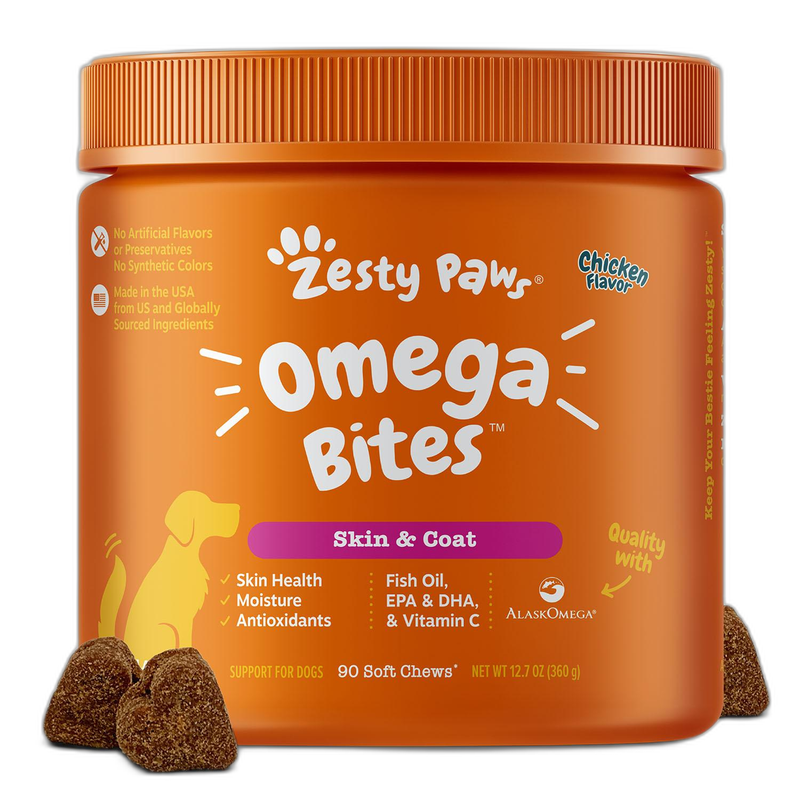
Delicious AlaskOmega Fish Oil Chew Treats for Dogs - 90 Count ... For alaskomega fish oil for dogs
"Delicious AlaskOmega Fish Oil Chew Treats" offer an alternative to liquid oil supplements, catering to dogs who are finicky about liquid additions to their food or whose owners prefer the convenience of a treat. The key here is that the beneficial AlaskOmega fish oil for dogs is incorporated into a palatable chew, making administration easier and more enjoyable for the pet.
The core idea is to maintain the benefits of AlaskOmega (EPA and DHA) while enhancing compliance through a treat format. These treats are designed to be palatable, often flavored to mask the fish oil taste, which can be a significant advantage for owners struggling to administer liquid forms. The AlaskOmega source ensures the inclusion of high-quality marine omega-3s, supporting joint health, skin and coat, and cognitive function.
Practical implications include understanding the dosage per chew. Treats often contain lower concentrations of EPA and DHA compared to liquid oils, meaning a dog might need multiple chews to reach a therapeutic dose. This can lead to higher costs per day and potentially introduce additional calories or ingredients that might not be suitable for all dogs (e.g., those on weight management diets or with specific food sensitivities). Trade-offs involve convenience versus precise dosing and ingredient control. While convenient, the fixed dosage per treat might not allow for the fine-tuning often possible with liquid oils. Edge cases include dogs with severe allergies to common treat ingredients like grains, poultry, or beef, where finding a suitable chew might be challenging. For example, a senior dog with mobility issues and a sensitive stomach might find liquid AlaskOmega oil easier to digest and allow for more precise dosage adjustments than a chew treat, even if the treat is more appealing.
Comparison of AlaskOmega Fish Oil Products for Dogs
When selecting an AlaskOmega fish oil supplement for a dog, the choice often comes down to the form factor, concentration, and any additional ingredients. Here's a comparison to help navigate common offerings:
| Feature | Liquid AlaskOmega Oil (e.g., pure AlaskOmega) | Blended Liquid Oil (e.g., Pollock + Salmon) | Chew Treats (e.g., Delicious AlaskOmega Chews) |
|---|---|---|---|
| Primary Benefit | High concentration of EPA/DHA, precise dosing | Broader spectrum, potentially different flavor | Palatability, ease of administration |
| EPA/DHA Conc. | Typically highest per serving | Moderate to high, depends on blend | Generally lower per unit (chew) |
| Dosing Control | Excellent, can adjust drops/ml precisely | Good, but concentration varies | Limited, fixed per chew |
| Palatability | Varies, can be mixed with food | Varies, some dogs prefer | High, designed to be appealing |
| Cost Efficiency | Often best per mg of EPA/DHA | Good, but depends on specific blend | Can be higher per mg of EPA/DHA |
| Additional Ing. | Minimal, usually just fish oil, antioxidants | Other fish oils, antioxidants | Fillers, flavors, binders, calories |
| Suitability | Most dogs, especially those needing high doses | Most dogs, good for general health | Picky eaters, owners preferring convenience |
| Shelf Stability | Good, especially with refrigeration | Good, especially with refrigeration | Moderate, can dry out if not sealed properly |
Veterinary Research on Omega-3s for Pets
Veterinary research has consistently highlighted the therapeutic potential of omega-3 fatty acids, particularly EPA and DHA, for a variety of conditions in dogs and cats.
Osteoarthritis: Numerous studies have demonstrated that omega-3 supplementation can help reduce inflammation associated with osteoarthritis, leading to improved mobility and reduced pain. EPA acts by modulating the production of inflammatory mediators, thus helping to slow the progression of cartilage degradation.
Dermatological Conditions: For dogs with allergic dermatitis, omega-3s can significantly improve skin and coat health. They help reduce pruritus (itching), erythema (redness), and improve the skin barrier function. This is particularly relevant for conditions like atopic dermatitis.
Cardiovascular Health: In some cardiac diseases, especially certain forms of heart failure, omega-3s have shown benefits in reducing inflammation, improving appetite, and potentially mitigating cardiac cachexia (muscle wasting).
Cognitive Function: DHA is a critical component of brain cell membranes. Supplementation with DHA, particularly in puppies, has been linked to improved cognitive development, learning abilities, and retinal function. In older dogs, omega-3s may help support cognitive function and potentially slow age-related cognitive decline.
Renal Disease: Emerging research suggests omega-3s may have a protective effect on kidney function in some chronic kidney disease cases, primarily through their anti-inflammatory and anti-fibrotic properties.
Cancer Support: While not a cure, omega-3s are sometimes used as an adjunctive therapy in cancer patients. They may help reduce inflammation, improve appetite, and support the immune system.
It's important to note that while research is promising, the efficacy and optimal dosage can vary depending on the specific condition, the individual animal, and the quality of the supplement. Always consult with a veterinarian to determine if omega-3 supplementation is appropriate for your pet and to establish a safe and effective dosing regimen.
Dosing AlaskOmega Fish Oil for Dogs
Determining the correct AlaskOmega fish oil dosage for dogs is crucial for both efficacy and safety. There isn't a single universal dose, as it depends on the dog's weight, the specific condition being addressed, and the concentration of EPA and DHA in the chosen supplement.
Veterinarians generally provide dosing recommendations based on the combined amount of EPA and DHA. A common starting point for general health and wellness for dogs is often around 75-100 mg of combined EPA and DHA per 10 pounds of body weight per day. For therapeutic purposes, such as managing osteoarthritis or severe allergies, the dose might be significantly higher, sometimes ranging from 150-300 mg of combined EPA and DHA per 10 pounds of body weight per day, or even higher in specific cases under veterinary supervision.
Example Dosing Calculation: Let's say you have a 40-pound dog and your AlaskOmega fish oil supplement contains 500 mg of EPA and 300 mg of DHA per teaspoon (total 800 mg EPA+DHA per teaspoon).
- For general wellness (100 mg/10 lbs):
- 40 lbs / 10 lbs = 4 units
4 units 100 mg EPA+DHA/unit = 400 mg EPA+DHA per day
- Since 1 teaspoon has 800 mg, you would give 0.5 teaspoons per day.
- For therapeutic use (200 mg/10 lbs, as an example):
- 40 lbs / 10 lbs = 4 units
4 units 200 mg EPA+DHA/unit = 800 mg EPA+DHA per day
- Since 1 teaspoon has 800 mg, you would give 1 teaspoon per day.
It's essential to always start with a lower dose and gradually increase it over a few weeks to allow the dog's digestive system to adjust. High doses introduced too quickly can sometimes lead to gastrointestinal upset, such as diarrhea or vomiting.
What to Look For in AlaskOmega Fish Oil for Pets
When selecting an AlaskOmega fish oil supplement for dogs or cats, several factors contribute to a product's quality, safety, and efficacy:
- Antioxidants: Look for natural antioxidants like vitamin E (tocopherols) added to the oil to help prevent rancidity.
- Packaging: Dark, opaque bottles protect the oil from light.
- Smell: A fresh fish oil should smell mildly fishy, not strongly rancid.
- Storage: Store in a cool, dark place, and ideally refrigerate after opening.
- Triglyceride Form: Fish oil naturally occurs in triglyceride form. While ethyl ester forms can be highly concentrated, the natural triglyceride form is generally considered to be more bioavailable and better absorbed by pets.
- Flavoring: Unflavored oils are versatile, while flavored options (e.g., salmon, chicken) can improve palatability for some dogs. Be mindful of potential allergens in flavorings.
By carefully considering these factors, pet owners can choose an AlaskOmega fish oil supplement that is safe, effective, and provides the intended health benefits for their dogs or cats.
FAQ
Is it okay to give dogs human fish oil capsules?
Generally, it is not recommended to give dogs human fish oil capsules without veterinary guidance. While the omega-3s themselves are similar, human supplements often contain different concentrations of EPA and DHA, and may include additional ingredients like flavorings, coatings, or other vitamins (e.g., Vitamin D in higher amounts than safe for dogs) that could be harmful or unnecessary for pets. Moreover, the dosage in human capsules is typically designed for human body weight, making it difficult to accurately dose for a dog, especially smaller breeds. Pet-specific supplements are formulated with appropriate concentrations and ingredients for canine physiology.
What is the best brand of fish oil for dogs?
There isn't a single "best" brand, as the ideal choice depends on individual pet needs, budget, and specific health concerns. However, top-tier brands for AlaskOmega fish oil for dogs generally share common characteristics:
- High EPA and DHA Concentration: Clearly listed on the label.
- Third-Party Testing: Certifications for purity (heavy metals, PCBs) and potency (IFOS, USP verification).
- Sustainable Sourcing: Often from wild-caught Alaskan Pollock (like AlaskOmega) or salmon, with MSC certification.
- Triglyceride Form: For better bioavailability.
- Antioxidants: Such as vitamin E, to prevent rancidity.
- Proper Packaging: Dark, opaque bottles.
Reputable brands often include Nordic Naturals, AlaskOmega-branded products themselves (sold by various distributors), and some veterinary-specific lines. Always consult your veterinarian for a personalized recommendation.
Does fish oil reduce cortisol?
While fish oil is primarily known for its anti-inflammatory properties, research on its direct effect in reducing cortisol levels (the "stress hormone") in dogs is less definitive and more complex. Some studies in humans and animals suggest that omega-3 fatty acids might play a role in modulating the stress response and hypothalamic-pituitary-adrenal (HPA) axis activity, which controls cortisol release. This could lead to a modest reduction in cortisol in certain stress-related scenarios or chronic inflammatory conditions. However, fish oil is not typically prescribed as a primary cortisol-reducing agent. Its main benefit in stress or anxiety-related behaviors might come from its overall impact on brain health and inflammatory pathways rather than a direct, significant reduction in cortisol. If you are concerned about your dog's stress levels, consult with your veterinarian for appropriate diagnostic and management strategies.
Conclusion
AlaskOmega fish oil for dogs offers a concentrated source of beneficial omega-3 fatty acids, EPA and DHA, derived from sustainably harvested wild Alaskan Pollock. Veterinary research supports the use of these fatty acids for a range of conditions, including joint health, skin and coat issues, cognitive function, and cardiovascular support. When selecting an AlaskOmega fish oil supplement, critical factors to consider include the guaranteed levels of EPA and DHA, third-party purity testing, the form of the oil (triglyceride vs. Ethyl ester), and the presence of antioxidants to ensure freshness. Proper dosing, determined in consultation with a veterinarian and based on the product's concentration and the dog's weight and condition, is essential for achieving therapeutic benefits while minimizing potential side effects. Pet owners seeking to enhance their dog's overall health and manage specific conditions should prioritize high-quality, vet-approved AlaskOmega products.
Products Containing AlaskOmega Fish Oil
Top-rated supplements featuring this ingredient, ranked by our PSI+ score.