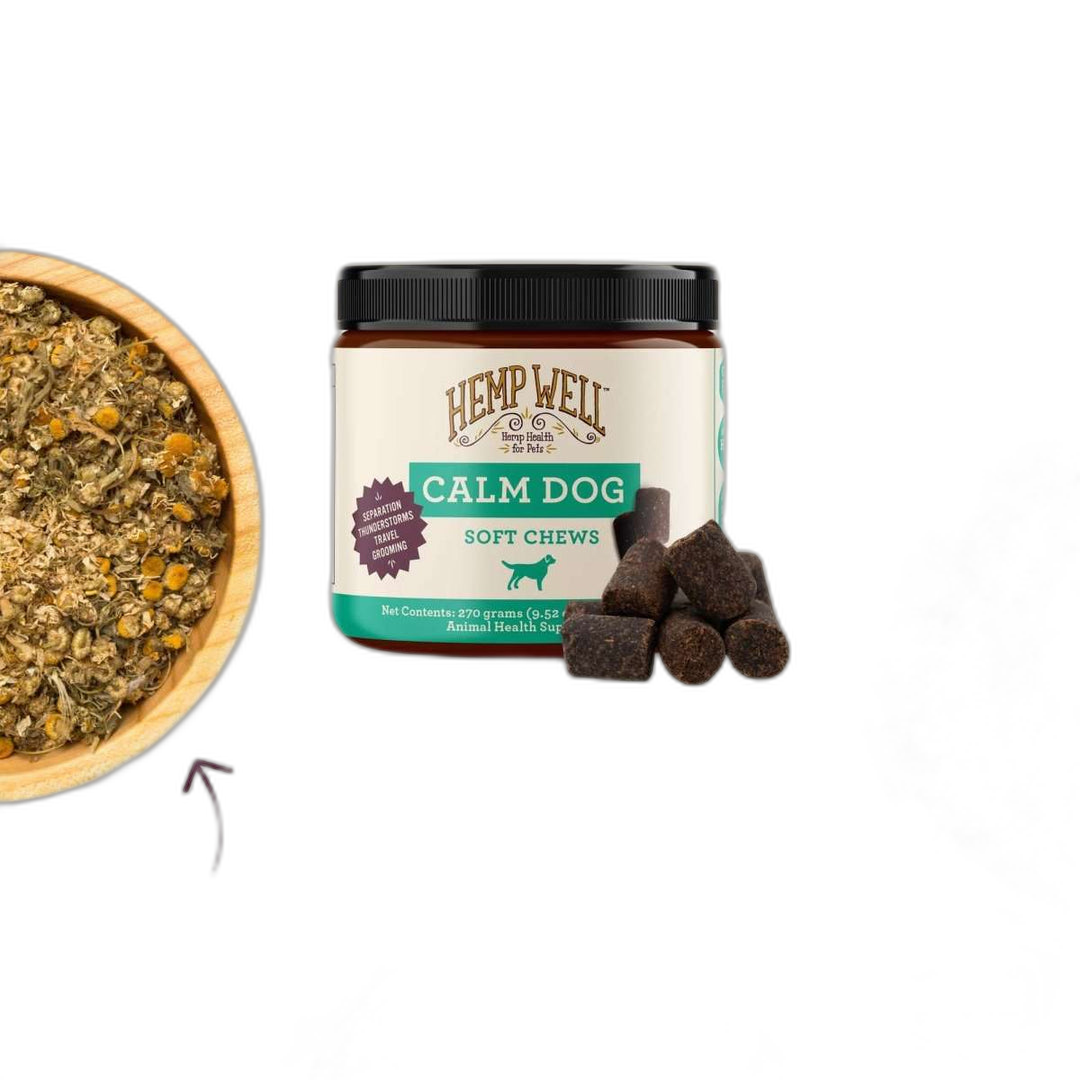
Organic Hemp Seed Oil
fatty acid
Organic hemp seed oil has gained attention as a potential supplement for pets, particularly dogs. This article explores what organic hemp seed oil is, how it differs from other hemp products, its purported benefits, and what current veterinary understanding suggests regarding its use, dosing, and safety. Understanding these aspects is crucial for pet owners considering an organic hemp seed oil supplement for their animals.
Demystifying Hemp Products for Pets
The landscape of hemp-derived products can be confusing. When discussing "hemp oil," it's important to differentiate between hemp seed oil, CBD oil (often called "hemp extract" or "full-spectrum hemp oil"), and other cannabis-derived products. Each has distinct compositions and potential effects.
Hemp seed oil is cold-pressed from the seeds of the Cannabis sativa plant. These seeds contain negligible amounts of cannabinoids like CBD (cannabidiol) or THC (tetrahydrocannabinol). Instead, hemp seed oil is rich in essential fatty acids, particularly omega-3 and omega-6, in a ratio considered beneficial for mammals. It also contains vitamins, minerals, and antioxidants. The "organic" designation means the hemp seeds were grown without synthetic pesticides, herbicides, or fertilizers, and the oil extraction process adheres to organic standards.
CBD oil, on the other hand, is extracted from the flowers, leaves, and stalks of the hemp plant, which are rich in cannabinoids. CBD oil can be full-spectrum (containing various cannabinoids, terpenes, and a trace amount of THC, typically less than 0.3%), broad-spectrum (containing multiple cannabinoids and terpenes but no THC), or an isolate (pure CBD). The primary interest in CBD oil for pets stems from its potential interaction with the endocannabinoid system, which is believed to influence pain, inflammation, anxiety, and other physiological processes.
This article focuses specifically on organic hemp seed oil for dogs and other pets, emphasizing its nutritional profile rather than cannabinoid content.
Hemp Seed Oil vs. CBD Oil for Dogs: Key Differences
Understanding the fundamental distinctions between hemp seed oil and CBD oil is critical for informed pet care decisions. While both originate from the hemp plant, their composition, primary benefits, and regulatory considerations vary significantly.
| Feature | Organic Hemp Seed Oil | CBD Oil (Hemp Extract) |
|---|---|---|
| Source | Seeds of Cannabis sativa | Flowers, leaves, and stalks of Cannabis sativa |
| Cannabinoids | Negligible to none (no CBD, no THC) | Contains CBD, potentially other cannabinoids (e.g., CBG, CBN), and often trace THC (full-spectrum) |
| Primary Benefit | Nutritional support (essential fatty acids, vitamins, minerals) | Potential therapeutic effects via the endocannabinoid system (e.g., pain, anxiety, inflammation) |
| Nutritional Profile | Rich in Omega-3 and Omega-6 fatty acids (ideal ratio), Vitamin E, antioxidants, minerals | May contain some fatty acids, but not the primary focus; terpenes and flavonoids are present |
| Legal Status | Generally considered a food product; widely available | More complex regulatory landscape; availability varies by region and specific product type |
| Cost | Generally less expensive | Typically more expensive due to extraction complexity and cannabinoid content |
| Flavor | Mild, nutty | Can be earthy, sometimes bitter, depending on extraction and carrier oil |
When a product is marketed using terms like "hemp oil," it's essential to scrutinize the ingredient list. A product labeled "hemp seed oil" will primarily consist of fatty acids. A product labeled "full-spectrum hemp extract," "broad-spectrum hemp oil," or "CBD oil" will contain cannabinoids. For pet owners specifically seeking the nutritional benefits of essential fatty acids, organic hemp seed oil is the appropriate choice. If the intent is to address issues like anxiety or chronic pain through cannabinoid action, a CBD oil product would be considered, but this falls outside the scope of this article.
Nutritional Powerhouse: What Organic Hemp Seed Oil Offers Pets
The primary appeal of organic hemp seed oil as an organic hemp seed oil supplement for pets lies in its nutritional composition. It provides a unique blend of components that support overall health, particularly the skin, coat, and immune system.
Essential Fatty Acids (EFAs)
Hemp seed oil is notable for its concentration and balance of polyunsaturated fatty acids (PUFAs), specifically omega-3 and omega-6.
- Omega-3 Fatty Acids: Alpha-linolenic acid (ALA) is a precursor to eicosapentaenoic acid (EPA) and docosahexaenoic acid (DHA), which are critical for brain function, vision, and reducing inflammation. While hemp seed oil contains ALA, the conversion rate to EPA and DHA in dogs and cats can be limited.
- Omega-6 Fatty Acids: Linoleic acid (LA) is also abundant. It's essential for skin barrier function and overall cellular health.
The ratio of omega-6 to omega-3 in hemp seed oil is often cited as being around 3:1, which is considered favorable for mammalian health, including dogs and cats. This contrasts with many modern diets that are often heavily skewed towards omega-6.
Other Beneficial Components
Beyond essential fatty acids, organic hemp seed oil contains:
- Gamma-Linolenic Acid (GLA): A less common omega-6 fatty acid found in hemp, borage, and evening primrose oils. GLA is known for its anti-inflammatory properties and its role in skin health.
- Vitamin E: A potent antioxidant that helps protect cells from oxidative damage.
- Antioxidants: Other compounds like tocopherols and tocotrienols contribute to its antioxidant capacity.
- Minerals: Trace amounts of minerals such as phosphorus, potassium, magnesium, calcium, iron, and zinc.
Comparing Omega Sources: Organic Hemp Seed Oil vs. Fish Oil
When considering an organic hemp seed oil supplement for a pet, it's often compared to other popular omega-3 sources like fish oil pets. Both offer distinct benefits, and the choice depends on the specific nutritional goals.
| Feature | Organic Hemp Seed Oil | Fish Oil (e.g., Salmon, Krill) |
|---|---|---|
| Primary Omega-3 Form | Alpha-linolenic acid (ALA) | Eicosapentaenoic acid (EPA) and Docosahexaenoic acid (DHA) |
| Conversion to EPA/DHA | Requires conversion from ALA; efficiency varies by individual and species | Directly provides EPA and DHA, bypassing conversion |
| Omega-6 Content | High, with a balanced ratio to Omega-3 | Low to negligible |
| Other Key Nutrients | GLA, Vitamin E, antioxidants, minerals | Vitamin A (in some), Vitamin D (in some), Astaxanthin (in krill) |
| Primary Benefit Area | Skin & coat health, general nutritional support, balanced fatty acid intake | Anti-inflammatory effects, joint health, cardiovascular support, cognitive function, vision (due to direct EPA/DHA) |
| Sustainability Concerns | Generally lower environmental impact if sourced responsibly | Concerns exist regarding overfishing and sustainability; choose sustainably certified products |
| Taste/Smell | Mild, nutty, earthy | Distinct "fishy" smell/taste, which some pets dislike |
| Potential Drawbacks | Less effective for direct anti-inflammatory action compared to EPA/DHA | Risk of rancidity if not stored properly; potential for heavy metal contamination if not purified |
For pets needing a comprehensive skin coat supplement, particularly for dry skin, dull coat, or general fatty acid balance, organic hemp seed oil for dogs can be a good choice. If the primary goal is to provide high levels of DHA EPA dogs for conditions like arthritis, heart health, or cognitive decline, a high-quality fish oil supplement might be more directly effective due to its direct supply of these active omega-3 forms. Some pet owners choose to use both, or alternate, depending on their pet's needs and veterinarian's advice.
Veterinary Perspectives: Efficacy and Tolerability
The scientific literature specifically on organic hemp seed oil for dogs, distinct from CBD oil, primarily focuses on its nutritional aspects rather than therapeutic claims for specific conditions. However, the benefits of essential fatty acids, the core component of hemp seed oil, are well-established in veterinary medicine.
Skin and Coat Health
Veterinarians frequently recommend fatty acid supplementation for dermatological issues. The balanced omega-3 and omega-6 profile, particularly the presence of GLA, in hemp seed oil can support:
- Improved Skin Barrier Function: EFAs are integral to the lipid layer of the skin, helping to maintain moisture and protect against environmental irritants.
- Reduced Dryness and Flakiness: Adequate fatty acid intake can alleviate dry, itchy skin.
- Shinier, Healthier Coat: Fatty acids contribute to the natural oils in the fur, resulting in a softer, more lustrous coat.
- Management of Allergic Skin Conditions: While not a cure, the anti-inflammatory properties of GLA and omega-3s can help reduce the severity of itching and inflammation associated with allergies.
Anti-Inflammatory Support
While direct EPA and DHA from fish oil are more potent anti-inflammatory agents, the ALA and GLA in hemp seed oil can also contribute to modulating inflammatory responses. This general support can be beneficial for pets with mild inflammatory conditions, though it's important to manage expectations regarding its potency compared to pharmaceutical interventions or direct EPA/DHA supplementation.
General Health and Well-being
As a source of antioxidants and essential nutrients, an organic hemp seed oil supplement can contribute to overall cellular health and immune system function. A well-nourished animal is generally more resilient to illness and better equipped to maintain optimal health.
Tolerability and Safety
Organic hemp seed oil safety pets is generally considered high due to its lack of cannabinoids. Adverse effects are rare and typically mild, primarily gastrointestinal upset (soft stools, diarrhea) if given in excessive amounts. The "organic" certification further reduces concerns about pesticide residues.
However, it's crucial to ensure the product is indeed pure hemp seed oil and not a mislabeled CBD product. Always verify the certificate of analysis (COA) if available, which should confirm the absence of THC and other cannabinoids in a true hemp seed oil.
Dosing Organic Hemp Seed Oil for Dogs and Cats
Determining the correct organic hemp seed oil dosage dogs and cats is important to ensure efficacy and avoid potential digestive upset. Since hemp seed oil is primarily a nutritional supplement, dosing is generally based on body weight.
General Guidelines
Here are general guidelines for organic hemp seed oil dosage dogs and cats. These are starting points, and it's always best to consult with a veterinarian, especially if your pet has existing health conditions or is on other medications.
| Pet Weight (Approx.) | Dog Dosage (Daily) | Cat Dosage (Daily) |
|---|---|---|
| Up to 10 lbs | 1/4 teaspoon | 1/8 to 1/4 teaspoon |
| 11-25 lbs | 1/2 teaspoon | 1/4 to 1/2 teaspoon |
| 26-50 lbs | 1 teaspoon | Not typically recommended in higher doses; consult vet |
| 51-75 lbs | 1.5 teaspoons | |
| 76+ lbs | 2 teaspoons (or 1 tablespoon for very large dogs) |
Important Considerations for Dosing:
- Start Low, Go Slow: Begin with a smaller dose than recommended for a few days and gradually increase to the full dose. This allows your pet's digestive system to adjust and helps you monitor for any adverse reactions.
- Monitor for GI Upset: The most common side effect of too much oil is soft stool or diarrhea. If this occurs, reduce the dose.
- Administer with Food: Mixing the oil with food can improve palatability and help prevent stomach upset.
- Product Concentration: These guidelines assume a standard cold-pressed hemp seed oil. If a product specifies a different concentration or a unique formulation, follow the manufacturer's instructions or your vet's advice.
- Individual Needs: Factors like age, activity level, existing health conditions, and current diet can influence optimal dosage. A very active dog might benefit from slightly more, while a sedentary or sensitive pet might need less.
How to Administer
Organic hemp seed oil is typically a liquid and can be easily mixed into your pet's wet or dry food. Some pets will even lick it directly from a spoon.
What to Look For When Buying Organic Hemp Seed Oil for Pets
Choosing a high-quality organic hemp seed oil supplement is crucial for ensuring its safety and efficacy. Not all products are created equal.
1. "Organic" Certification
Look for clear labeling indicating USDA Organic certification or an equivalent certification from a reputable organic certifying body. This ensures the hemp was grown without synthetic pesticides, herbicides, or GMOs, and that processing followed organic standards.
2. Cold-Pressed and Unrefined
- Cold-pressed: This extraction method uses mechanical pressure without excessive heat, which helps preserve the delicate fatty acids, vitamins, and antioxidants.
- Unrefined: Unrefined oils retain more of their natural nutrients. Refined oils often undergo processes that remove beneficial compounds.
3. Packaging and Storage
- Dark Bottle: Hemp seed oil is susceptible to oxidation, which can degrade its beneficial compounds and lead to rancidity. Look for oil packaged in a dark, opaque glass bottle (e.g., amber or cobalt blue) to protect it from light.
- Refrigeration: High-quality hemp seed oil should be refrigerated after opening to maintain freshness and extend its shelf life.
4. Third-Party Testing (Certificate of Analysis - COA)
While less critical for pure hemp seed oil than for CBD products, a COA from an independent third-party lab can still provide valuable assurance. For hemp seed oil, a COA might confirm:
- Absence of Pesticides/Heavy Metals: Even organic products can sometimes be contaminated, so testing adds an extra layer of safety.
- Fatty Acid Profile: Confirms the omega-3 and omega-6 content.
- Absence of Cannabinoids (THC/CBD): This is crucial to ensure you are indeed purchasing hemp seed oil and not a mislabeled cannabinoid product.
5. Clear Ingredient List
The only ingredient should be "organic hemp seed oil" or "organic cold-pressed hemp seed oil." Avoid products with unnecessary additives, fillers, or artificial flavors.
6. Reputable Brand
Purchase from companies with a transparent manufacturing process, good customer reviews, and a history of producing quality pet supplements.
Important Considerations and When to Consult Your Vet
While organic hemp seed oil is generally safe, it's not a substitute for veterinary care.
- Existing Health Conditions: If your pet has any pre-existing medical conditions (e.g., pancreatitis, clotting disorders) or is on medication, always consult your veterinarian before introducing any new supplement, including hemp seed oil.
- Allergies: Although rare, some pets might be allergic to hemp products. Watch for signs of an allergic reaction (e.g., itching, swelling, vomiting).
- Drug Interactions: While hemp seed oil itself is unlikely to interact with most medications due to its lack of cannabinoids, discussing all supplements with your vet is a good practice.
- Not a Cure-All: Hemp seed oil is a nutritional supplement. It can support overall health and address certain deficiencies, but it will not cure serious illnesses.
Frequently Asked Questions About Organic Hemp Seed Oil for Dogs
Is organic hemp seed oil good for dogs?
Yes, organic hemp seed oil can be good for dogs as a nutritional supplement. It is rich in essential fatty acids (omega-3 and omega-6 in a balanced ratio), GLA, Vitamin E, and antioxidants. These components support skin and coat health, immune function, and general well-being. It's primarily a source of beneficial nutrients, not a therapeutic agent for specific diseases in the way CBD oil might be.
Does hemp oil help with scars?
Hemp seed oil's rich fatty acid profile, including omega-3s and GLA, can support skin health and regeneration. While it might contribute to keeping skin supple and hydrated, which can potentially aid in the appearance of healing skin over time, there's no direct scientific evidence to suggest it directly "helps with scars" in the sense of making them disappear or significantly altering their texture. For serious scars, veterinary advice is paramount.
Can I give my dog hemp oil every day?
Yes, organic hemp seed oil is generally safe to give to your dog daily as a dietary supplement. It provides ongoing nutritional support. However, it's important to follow recommended dosing guidelines based on your dog's weight and to start with a smaller dose to ensure tolerability. Always monitor your dog for any signs of digestive upset, and consult your veterinarian for personalized advice.
Conclusion
Organic hemp seed oil offers a valuable nutritional supplement for pets, particularly dogs and cats. Its rich profile of essential fatty acids, including a beneficial omega-3 to omega-6 ratio and GLA, along with antioxidants and vitamins, supports healthy skin, a lustrous coat, and overall vitality. Unlike CBD oil, hemp seed oil contains negligible cannabinoids, focusing its benefits on fundamental nutrition.
When selecting an organic hemp seed oil supplement, prioritize products that are USDA certified organic, cold-pressed, unrefined, and packaged in dark bottles to preserve their integrity. Always start with a low dose, gradually increasing it as your pet adjusts, and consult your veterinarian, especially if your pet has existing health conditions or is on other medications. By making informed choices, pet owners can effectively incorporate organic hemp seed oil into their animal's diet to support their long-term health and well-being.
Products Containing Organic Hemp Seed Oil
Top-rated supplements featuring this ingredient, ranked by our PSI+ score.