DHA (Docosahexaenoic Acid)
fatty acid
Docosahexaenoic acid, commonly known as DHA, is an omega-3 fatty acid crucial for various physiological functions in both humans and animals. For pets, particularly dogs and cats, DHA plays a significant role in neurological and visual development, as well as supporting overall health through its anti-inflammatory properties. Understanding DHA's mechanisms, appropriate dosing, and how to select quality supplements is vital for pet owners considering its inclusion in their animal's diet.
Ingredient Spotlight: DHA for Dogs
DHA is one of the primary long-chain polyunsaturated omega-3 fatty acids, alongside eicosapentaenoic acid (EPA). While both are important, DHA is particularly concentrated in the brain and retina, highlighting its specialized roles. Dogs, like humans, cannot efficiently synthesize DHA from its precursor, alpha-linolenic acid (ALA), found in plant-based sources. This means they largely depend on dietary intake. For canines, this typically comes from marine sources such as fish oil.
The practical implications of DHA deficiency can manifest in various ways, particularly in young and aging animals. Puppies lacking adequate DHA may exhibit suboptimal cognitive development, impacting learning and trainability. In older dogs, sufficient DHA intake is associated with maintaining cognitive function and potentially mitigating some age-related decline. The trade-off often involves balancing the benefits of supplementation with the potential for adverse effects if dosages are excessive or the supplement quality is poor. For instance, a high-quality fish oil supplement can offer significant advantages, but a low-quality product might contain contaminants or be prone to oxidation, potentially doing more harm than good.
Consider a scenario where a breeder wants to optimize the cognitive development of their litter. Supplementing the pregnant dam and then the puppies with a DHA-rich formula could lead to improved learning abilities compared to a control group receiving a diet without added DHA. This isn't a guarantee of genius, but rather an optimization of their inherent potential.
The Supplementation of Docosahexaenoic Acid-Concentrated for Dogs
The primary source for concentrated DHA supplementation in pet diets is typically fish oil, derived from cold-water fatty fish such as anchovies, sardines, and mackerel. Algal oil is another source, particularly for those seeking a plant-based alternative or concerned about heavy metals in fish. These oils are rich in both DHA and EPA, though the ratios can vary.
When considering supplementation, the concentration of DHA and EPA is a key factor. A product labeled "fish oil" might contain a relatively low percentage of these active omega-3s, requiring larger doses to achieve therapeutic levels. Conversely, a concentrated fish oil will deliver more DHA and EPA per serving. The form of the omega-3s also matters; triglycerides are generally considered more bioavailable than ethyl esters, though research on this distinction in pets is still evolving.
A common trade-off is often between cost and concentration. A cheaper, less concentrated product might appear more economical upfront but could end up being more expensive in the long run due to the larger volume needed. For example, a 1000 mg fish oil capsule might contain only 180 mg EPA and 120 mg DHA, whereas a concentrated product of the same size could offer 500 mg EPA and 200 mg DHA. Achieving a target of 100 mg DHA for a small dog would require almost a full capsule of the less concentrated oil, but less than half of the concentrated one.
What DHA is and What it Means for Your Pet's Diet
DHA is an essential nutrient, meaning the body cannot produce it in sufficient quantities and must obtain it from external sources. Its significance in pet diets extends beyond brain and vision. DHA contributes to:
- Brain Development and Function: As a major structural component of the brain's gray matter, DHA is critical for neural membrane fluidity and signal transmission. This impacts learning, memory, and overall cognitive function, especially during development and in aging.
- Retinal Health: DHA is highly concentrated in the retina, playing a vital role in photoreceptor function and visual acuity.
- Anti-inflammatory Effects: While EPA is often highlighted for its anti-inflammatory properties, DHA also contributes. It can help modulate inflammatory responses, potentially benefiting pets with conditions like osteoarthritis, allergies, and certain dermatological issues.
- Skin and Coat Health: Along with other omega-3s, DHA supports healthy skin barrier function and can contribute to a lustrous coat by reducing dryness and flakiness.
- Cardiovascular Health: Some research suggests omega-3s, including DHA, may support cardiovascular function, though this area requires more targeted studies in pets.
For a pet's diet, this means ensuring a reliable source of DHA, particularly for puppies, senior dogs, and those with specific health concerns. Commercial pet foods often include fish meal or fish oil, but the amount of active DHA can vary widely and may degrade over time. Owners might consider supplemental DHA, especially if their pet's diet is primarily plant-based or if they are feeding a lower-quality commercial kibble.
Consider a senior dog showing signs of cognitive decline, such as disorientation or altered sleep patterns. While DHA is not a cure, supplementing their diet might help support existing brain function and potentially slow further decline, offering a better quality of life. This is a common scenario where targeted DHA supplementation is often recommended by veterinarians.
Platinum DHA Oil - Omega-3 for Dogs
When exploring DHA supplements, pet owners encounter a range of products, often marketed with terms like "Platinum DHA Oil" or "Omega-3 for Dogs." These names typically suggest a high-quality, often concentrated, fish oil product. The key differentiators usually revolve around purity, concentration, and formulation.
Purity: Reputable manufacturers will provide third-party testing results to confirm their products are free from heavy metals (like mercury), PCBs (polychlorinated biphenyls), and other environmental contaminants. This is crucial for fish oil products, as fish can accumulate these toxins. A certificate of analysis (CoA) should ideally be available upon request.
Concentration: As discussed, the percentage of DHA and EPA per serving is a critical metric. A "Platinum" product would likely boast a higher concentration, meaning less oil is needed to deliver the desired amount of omega-3s.
Formulation: Some premium products may include antioxidants like vitamin E (tocopherols) to prevent the oil from oxidizing, which can reduce its efficacy and create harmful byproducts. The type of omega-3 (triglyceride vs. Ethyl ester) can also be a factor, with triglyceride forms generally preferred for better absorption.
For example, a product labeled "Platinum DHA Oil" might emphasize its molecular distillation process, which purifies the oil and concentrates the omega-3s. It may also highlight its sustainability sourcing practices and offer a specific DHA:EPA ratio tailored for neurological support. In contrast, a generic "fish oil for dogs" might not detail these aspects, leaving the consumer to speculate about its quality and efficacy.
A quick comparison might look like this:
| Feature | Generic Fish Oil | "Platinum DHA Oil" (Example) |
|---|---|---|
| DHA/EPA Content | Variable, often lower (e.g., 18% EPA, 12% DHA) | Higher, often standardized (e.g., 30% EPA, 20% DHA) |
| Purity Testing | Not always disclosed or third-party verified | Often third-party tested, CoA available |
| Antioxidants | May be absent or minimal | Typically includes vitamin E |
| Source | Undisclosed or broad (e.g., "ocean fish") | Specific (e.g., "wild-caught anchovies, sardines") |
| Form | Can be ethyl ester or triglyceride | Often triglyceride for better absorption |
| Price Point | Lower | Higher |
This comparison helps illustrate why a higher-priced "platinum" product might offer better value and safety, especially for long-term supplementation.
DHA for Puppies - Royal Canin Academy
The importance of DHA for puppies cannot be overstated. During the critical stages of neurological development, from gestation through the first few months of life, DHA is integral to the formation and function of the brain and retina. Organizations like Royal Canin Academy, an educational resource for veterinary professionals and pet owners, often emphasize DHA's role in their nutritional guidelines.
Research has consistently shown that puppies whose mothers received DHA supplementation during pregnancy and lactation, and who then continued to receive DHA in their puppy food, demonstrate improved cognitive function. This includes better trainability, memory, and problem-solving skills compared to those on a DHA-deficient diet. These cognitive benefits can have lasting impacts on a dog's behavior and ability to adapt to training throughout its life.
For instance, a study might compare two groups of puppies. One group receives a diet fortified with DHA, while the other receives a standard diet. The DHA-supplemented puppies could show faster acquisition of new commands or better retention of learned tasks in behavioral tests. This isn't about making a puppy "smarter" than its genetic potential, but ensuring it reaches its optimal developmental capacity.
When selecting puppy food or supplements, look for products that specifically state their DHA content. Many premium puppy foods are now fortified with DHA, often derived from fish oil. If supplementing, ensure the product is safe for puppies and follow veterinary guidance on appropriate dosages. Over-supplementation can be detrimental, and the fragile digestive systems of young animals require careful consideration.
Everything You Need To Know About DHA For Dogs
DHA for dogs encompasses a broad range of considerations, from its fundamental biological roles to practical aspects of sourcing and administration.
Key Benefits of DHA for Dogs:
- Cognitive Development and Maintenance: Essential for puppies' brain growth and supporting cognitive function in senior dogs.
- Vision Support: Crucial for retinal health and visual acuity.
- Anti-inflammatory Action: Helps manage inflammation associated with allergies, arthritis, and other conditions.
- Skin and Coat Health: Contributes to a healthy skin barrier and a shiny coat.
- Cardiovascular Support: May play a role in heart health.
Sourcing DHA for Dogs:
The primary dietary sources are cold-water fatty fish and their oils. Algal oil offers a vegetarian alternative, bypassing potential concerns about ocean contaminants in fish. When choosing a supplement, consider:
- Fish Species: Anchovies, sardines, and mackerel are generally preferred due to their lower position in the food chain, which typically means lower accumulation of heavy metals.
- Third-Party Testing: Look for certifications or readily available Certificates of Analysis (CoA) to verify purity and potency.
- Omega-3 Form: Triglyceride forms are often recommended for better absorption.
- Antioxidants: Presence of Vitamin E helps prevent oxidation.
Dosing DHA for Dogs:
Dosing is not a one-size-fits-all scenario and depends on several factors, including the dog's weight, age, health status, and the concentration of DHA in the supplement. General guidelines exist, but veterinary consultation is always recommended.
Typical Therapeutic DHA Dosage Ranges (for reference, consult your vet):
| Dog Weight (approx.) | General Health Support (mg DHA/day) | Anti-Inflammatory/Cognitive Support (mg DHA/day) |
|---|---|---|
| Small (<20 lbs) | 50 - 150 | 100 - 300 |
| Medium (20-50 lbs) | 100 - 300 | 200 - 600 |
| Large (50-90 lbs) | 200 - 500 | 400 - 900 |
| Giant (>90 lbs) | 300 - 600 | 600 - 1200+ |
Note: These are approximations. Always refer to your veterinarian for precise dosing.
It's important to understand the difference between the total amount of fish oil and the amount of active DHA (and EPA). For example, a 1000 mg fish oil capsule might contain only 120 mg of DHA. The dosage should be based on the active DHA content, not the total oil volume.
Potential Side Effects and Safety:
While generally safe, excessive omega-3 supplementation can lead to:
- Gastrointestinal Upset: Diarrhea, vomiting, or loose stools, especially with high doses or poor-quality oils.
- Impaired Blood Clotting: Very high doses might theoretically prolong bleeding times, though this is rare with appropriate veterinary-guided dosing.
- Vitamin E Deficiency: Omega-3 fatty acids can increase the body's need for vitamin E, so good supplements often include it.
- Weight Gain: Fish oil is calorie-dense; factor this into the dog's daily caloric intake.
Always start with a lower dose and gradually increase to the recommended amount to allow the pet's system to adjust.
FAQ
What does DHA do for dogs?
DHA (Docosahexaenoic Acid) is an omega-3 fatty acid crucial for dogs' health. It plays a significant role in the development and function of the brain and eyes, particularly in puppies. For adult and senior dogs, DHA supports cognitive function, helps maintain healthy vision, and contributes to overall well-being through its anti-inflammatory properties, benefiting conditions like arthritis and skin allergies.
What is the one meat to never feed a dog?
While not directly related to DHA, the question about meat dogs should never eat often arises. While a definitive "one meat" is hard to pinpoint as universally toxic, raw or undercooked pork is often highlighted due to the potential for trichinosis (a parasitic infection). Additionally, any meat treated with spices, onions, garlic, or other ingredients toxic to dogs should be avoided. Cooked bones, which can splinter and cause internal damage, should also not be fed.
What is the best vegetable for dogs?
Many vegetables are safe and healthy for dogs in moderation. Good choices include carrots, green beans, peas, and broccoli (in small amounts). These provide vitamins, minerals, and fiber. However, vegetables like onions, garlic, and wild mushrooms are toxic and should never be given to dogs. Always introduce new foods slowly and in small quantities.
Conclusion
DHA is a powerful component in canine nutrition, offering benefits that span from crucial developmental support in puppies to cognitive maintenance and anti-inflammatory effects in older dogs. For pet owners, understanding the nuances of DHA, including its sources, proper dosing, and the importance of supplement quality, is essential. While many commercial pet foods now include DHA, supplemental options provide a way to ensure optimal intake, particularly for animals with specific health needs or dietary restrictions. Always consult with a veterinarian to determine the most appropriate DHA strategy for your individual pet, ensuring safe and effective integration into their health regimen.
Products Containing DHA (Docosahexaenoic Acid)
Top-rated supplements featuring this ingredient, ranked by our PSI+ score.
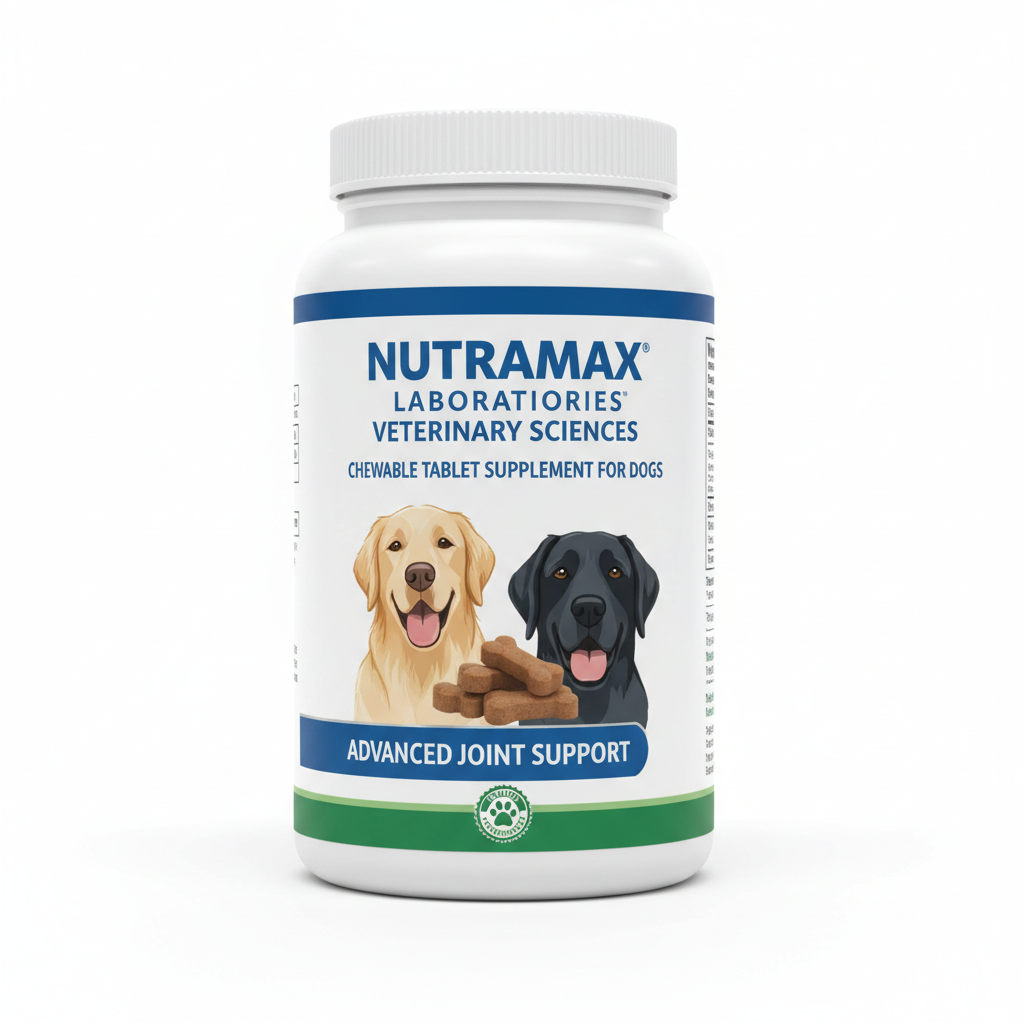
Nutramax Laboratories Veterinary Sciences COSEQUIN Heart Health Chewable Tablets
Nutramax Laboratories Veterinary Sciences
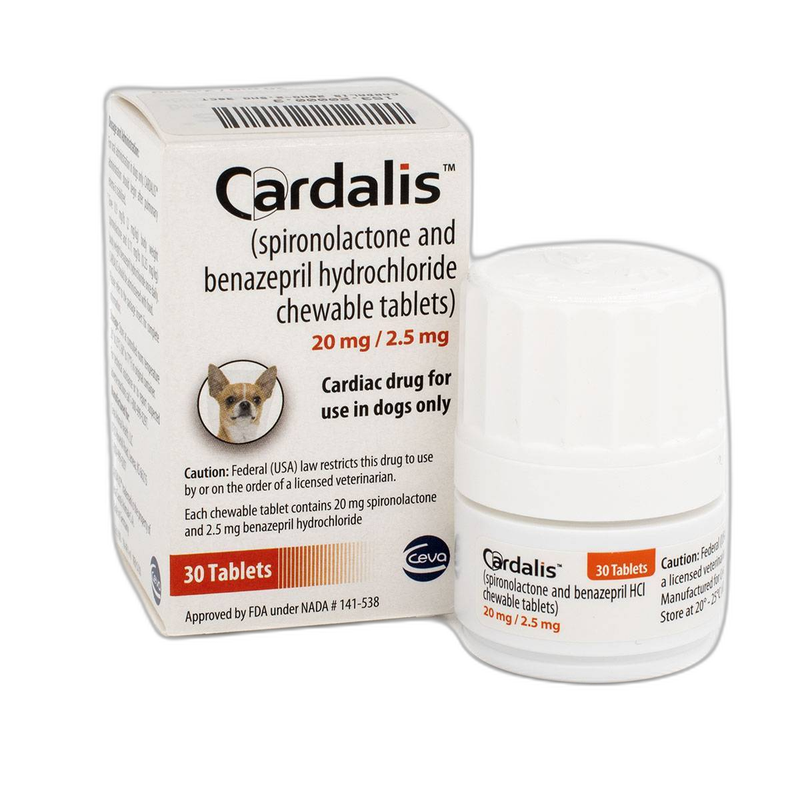
Vetoquinol Cardalis Heart Support Chewable Tablets for Dogs
Vetoquinol
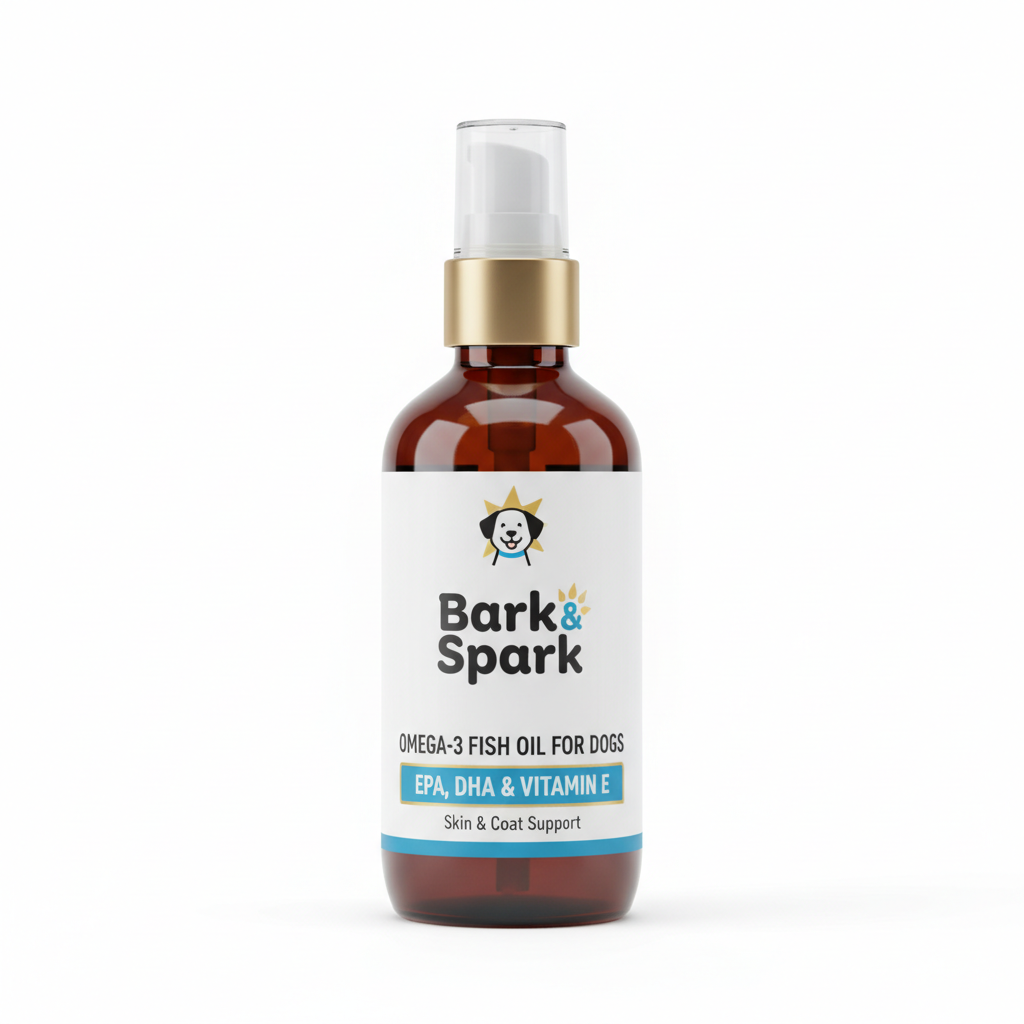
Bark & Spark Omega-3 Fish Oil for Dogs - EPA, DHA & Vitamin E
Bark & Spark
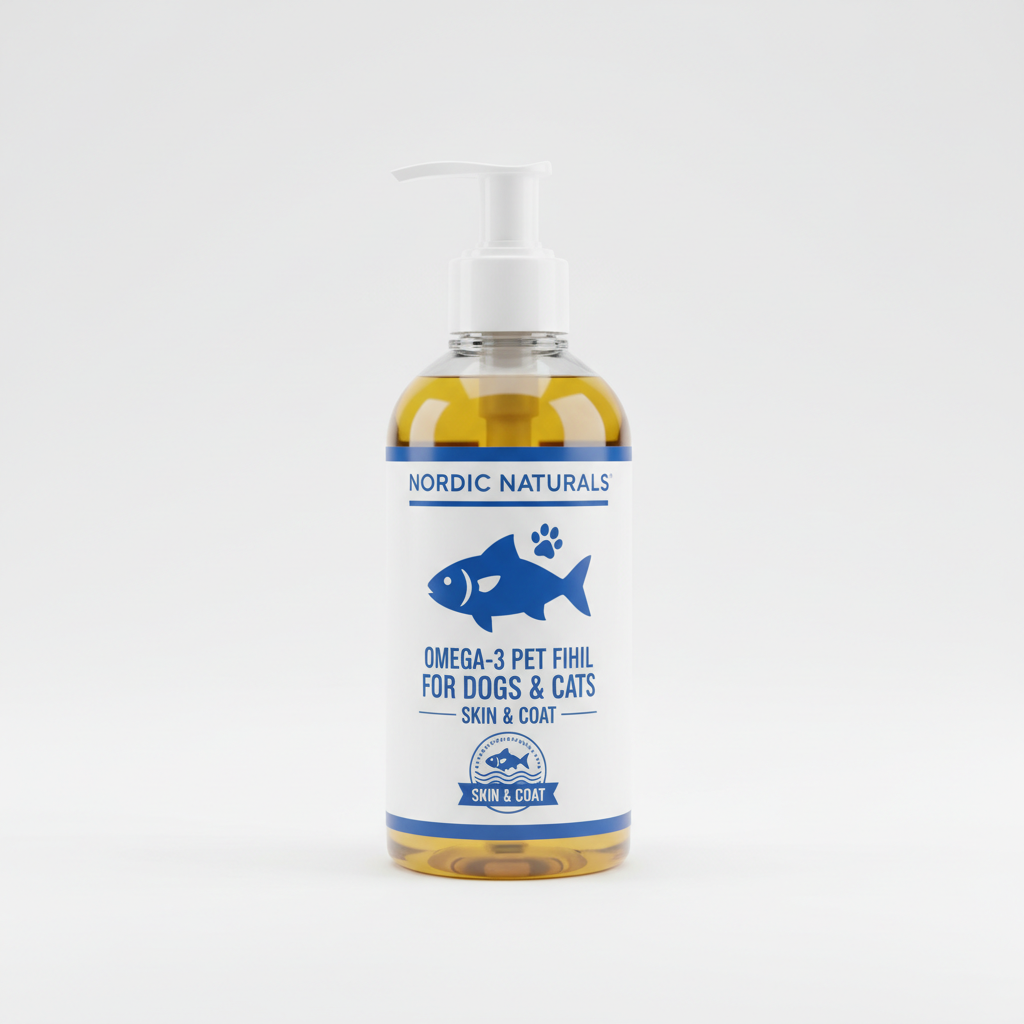
Nordic Naturals Omega-3 Pet Fish Oil for Dogs & Cats
Nordic Naturals
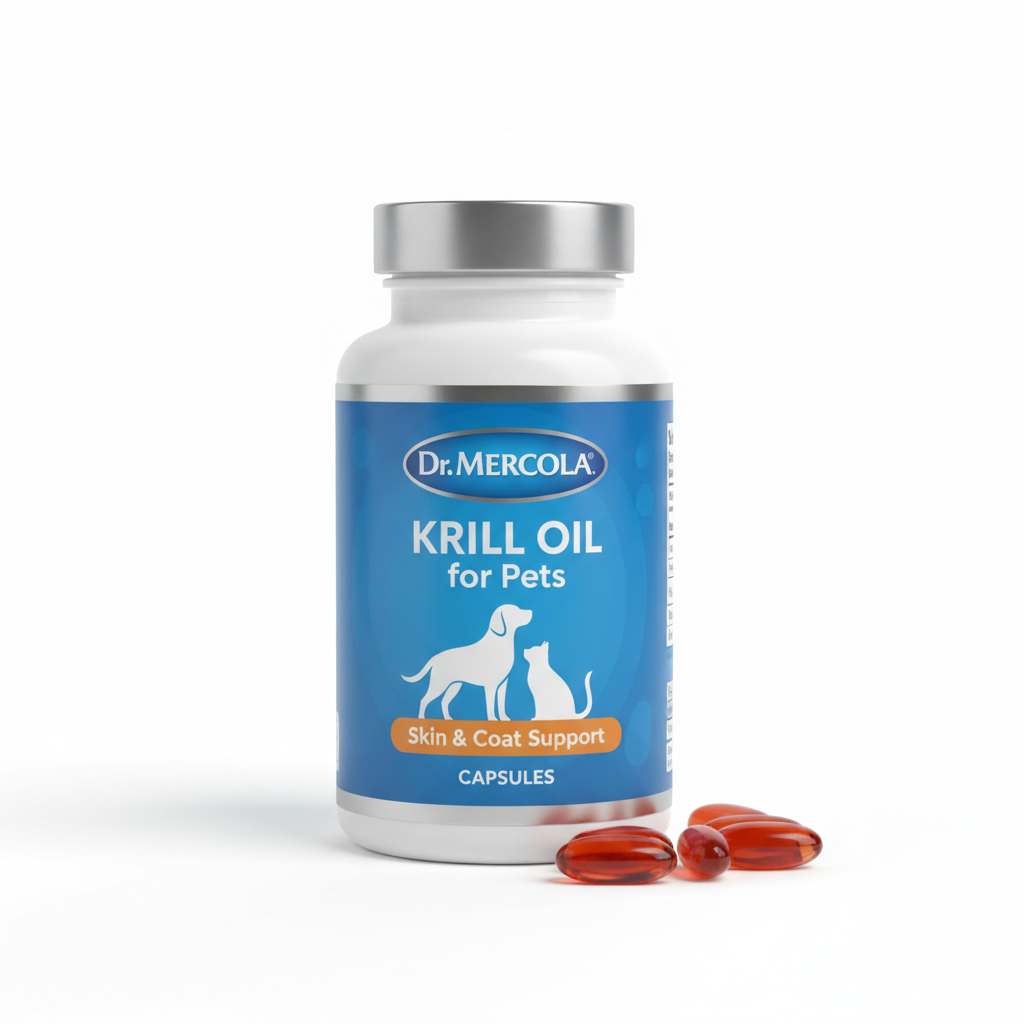
Dr. Mercola Krill Oil for Pets
Dr. Mercola
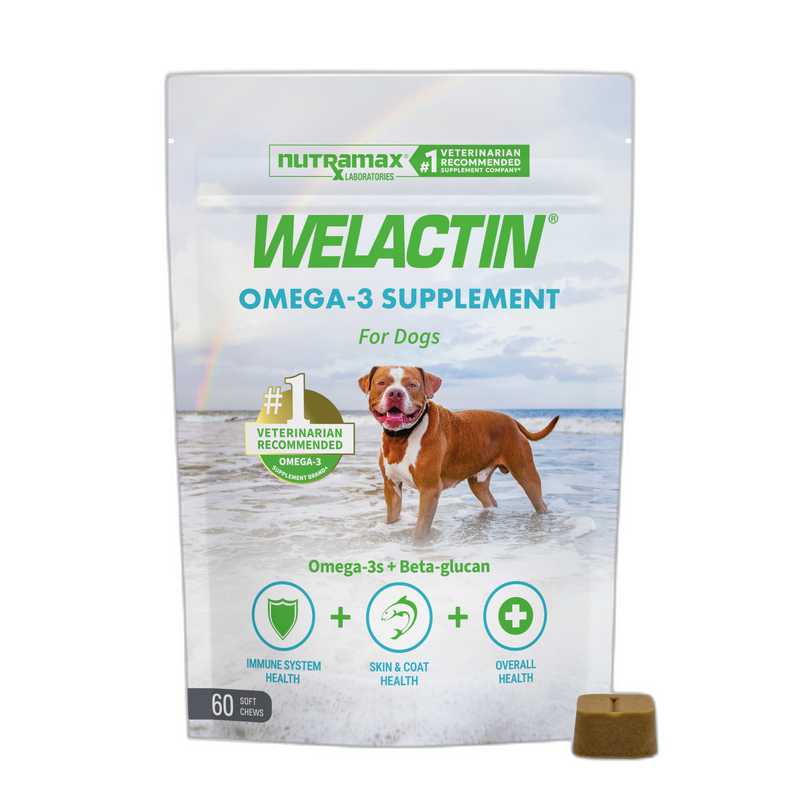
Nutramax Welactin Omega-3 Fish Oil Skin & Coat Supplement
Nutramax Laboratories
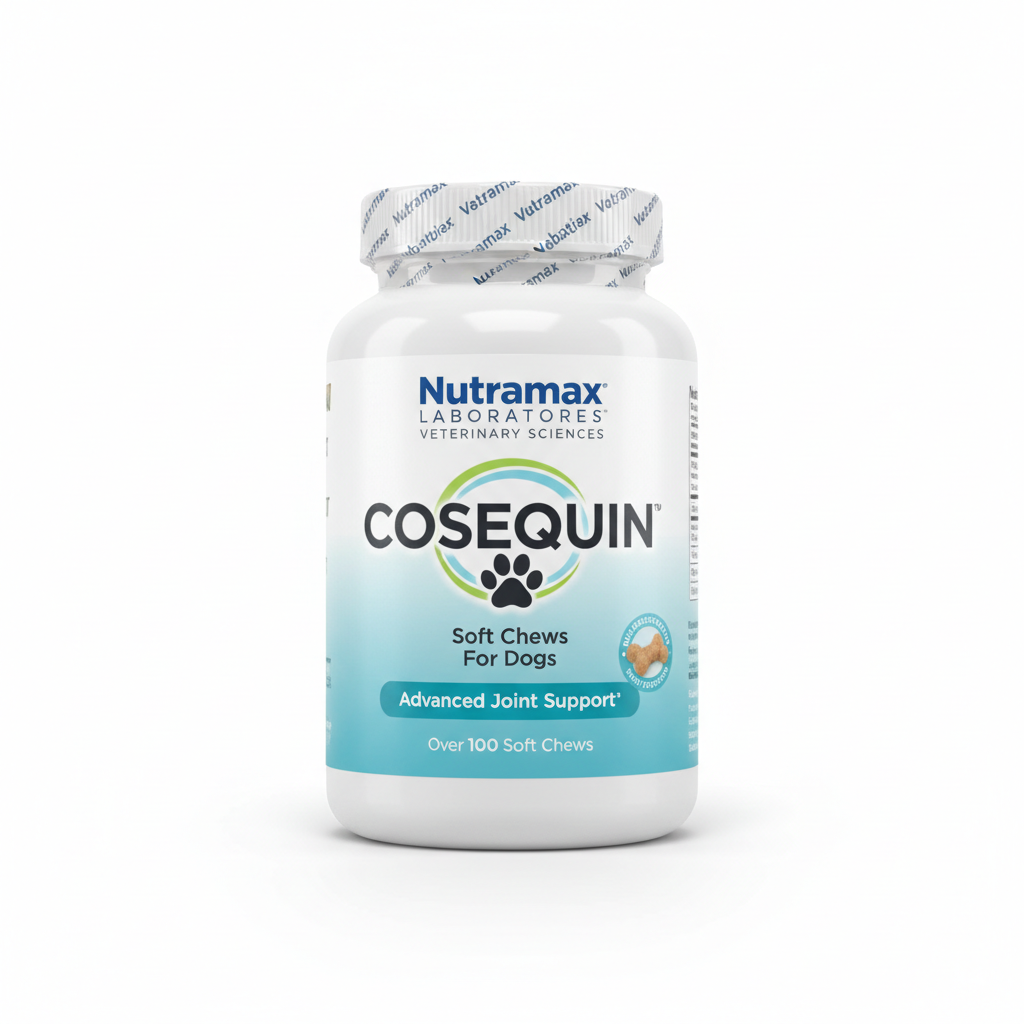
Omega-3 Skin & Coat Chews for Dogs
Nutramax Laboratories Veterinary Sciences
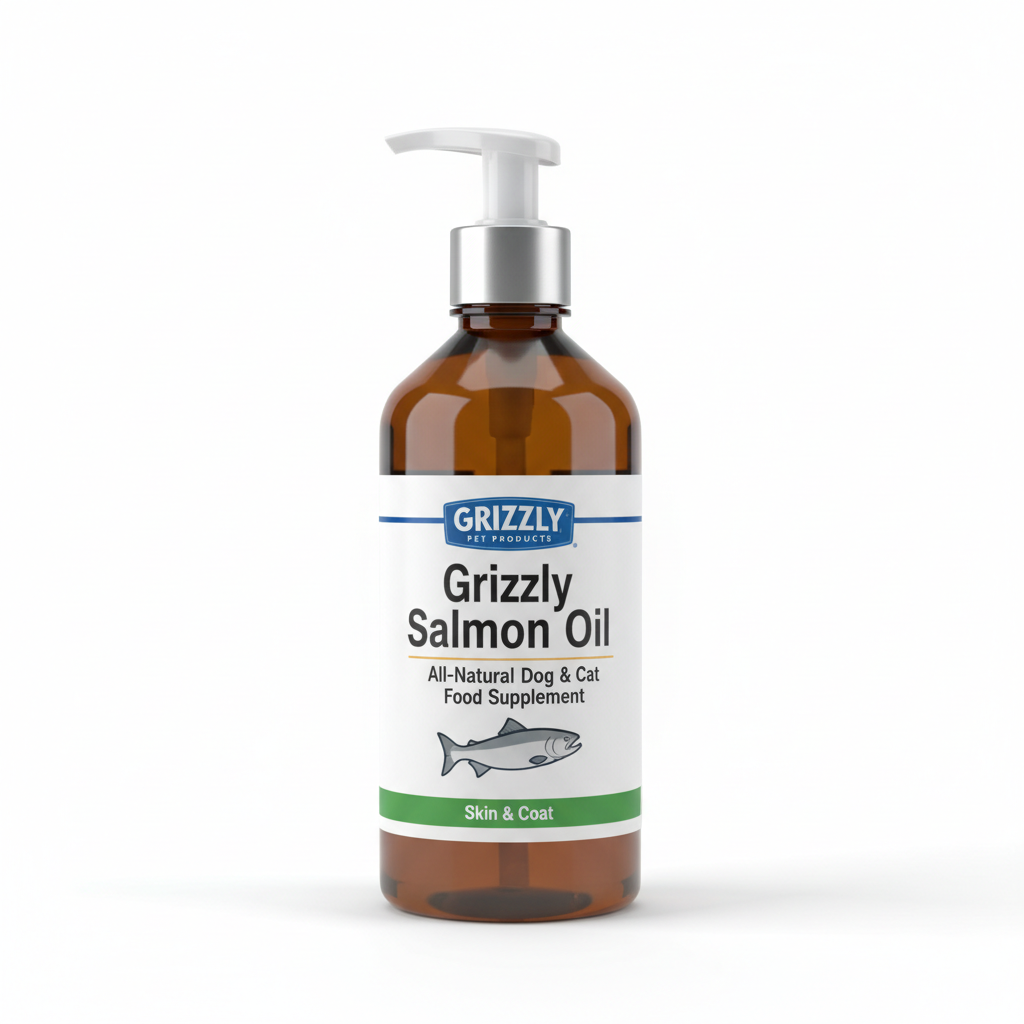
Grizzly Salmon Oil All-Natural Dog & Cat Food Supplement
Grizzly Pet Products