Fish Oil (Anchovy, Sardine)
fatty acid
Fish oil, particularly from small, oily fish like anchovies and sardines, has become a popular supplement for pets, especially dogs and cats. This interest stems from the high concentration of omega-3 fatty acids, specifically Eicosapentaenoic Acid (EPA) and Docosahexaenoic Acid (DHA), which are recognized for their potential health benefits. Understanding the science behind these benefits, appropriate dosing, and how to select a quality product is crucial for pet owners considering this type of fish oil (anchovy, sardine) supplement.
The Core of Fish Oil: Omega-3 Fatty Acids
At its heart, the appeal of fish oil (anchovy, sardine) for dogs and cats lies in its rich content of omega-3 polyunsaturated fatty acids. These are considered "essential" because the body cannot produce them in sufficient quantities and must obtain them from the diet. While alpha-linolenic acid (ALA) is another omega-3 found in plant sources, EPA and DHA, primarily from marine sources, are the forms most readily utilized by animals for their biological effects.
Veterinary research has explored omega-3s for various conditions. For instance, studies have investigated their role in managing inflammatory conditions like osteoarthritis, skin allergies, and certain kidney diseases. They are also considered beneficial for cognitive function, particularly in aging pets, and for supporting cardiovascular health. The anti-inflammatory properties of EPA are often highlighted, as it can help modulate the body's inflammatory responses. DHA, on the other hand, is a critical structural component of cell membranes, especially in the brain and retina, making it important for developing puppies and kittens, and for maintaining neurological health throughout life.
The practical implications for pet owners are that supplementing with a high-quality fish oil (anchovy, sardine) supplement could offer support for a range of health concerns. However, it's not a magic bullet. For example, while it may help reduce inflammation associated with arthritis, it won't cure the underlying joint damage. Similarly, for skin conditions, it can improve coat quality and reduce itching, but often works best as part of a broader treatment plan.
Why Anchovies and Sardines?
When considering fish oil (anchovy, sardine) for dogs, the source of the fish oil matters. Anchovies and sardines are small, short-lived fish typically found lower on the food chain. This characteristic is important because it generally means they accumulate fewer environmental toxins, such as mercury and PCBs (polychlorinated biphenyls), compared to larger, longer-lived predatory fish like tuna or salmon. This makes oil derived from anchovies and sardines a preferred choice for many pet owners and veterinarians due to its cleaner profile.
The trade-off is that the yield of oil from these smaller fish might be less per fish, but this is managed through efficient harvesting and processing. The oil itself is typically potent in EPA and DHA, offering a concentrated dose of these beneficial fatty acids. When selecting a product, the processing method is also key. Cold-pressed or molecularly distilled oils are often preferred as these methods help preserve the delicate omega-3s and remove impurities without using harsh chemicals.
For instance, a product specifically labeled "Iceland Pure Unscented Sardine/Anchovy Oil" indicates a focus on sourcing from cleaner waters and an effort to make the oil palatable by removing strong odors, which can be a deciding factor for picky eaters. The "unscented" aspect doesn't mean it has no smell at all, but rather that it's been processed to minimize the natural fishy odor that some pets (and owners) might find off-putting.
Pharmaceutical Grade & Unscented: What It Means for Pet Owners
The term "pharmaceutical grade" in the context of a sardine anchovy oil supplement for pets suggests that the product meets certain purity and quality standards. While there isn't a universally recognized "pharmaceutical grade" certification for pet supplements in the same way there is for human pharmaceuticals, the term is generally used by manufacturers to indicate a higher level of scrutiny in sourcing, processing, and testing.
This typically means the oil has undergone rigorous testing for heavy metals (like mercury, lead, arsenic, and cadmium), PCBs, dioxins, and other environmental contaminants. It also implies that the EPA and DHA content is accurately measured and consistent from batch to batch. For pet owners, this translates to greater confidence in the safety and efficacy of the product. An example would be "Sardine Anchovy Oil Pharmaceutical Grade & Unscented." Such a product aims to provide a clean, potent, and palatable source of omega-3s.
The "unscented" aspect, as mentioned, is primarily about making the supplement more appealing. While some pets readily consume strongly fish-scented products, others may be more resistant. An unscented option can therefore improve compliance, ensuring the pet receives the intended dose. However, it's important to note that even "unscented" fish oil will still have a faint, natural fish aroma. The goal is to make it less overpowering, not entirely odorless.
The practical implication for pet owners is that investing in a pharmaceutical-grade product, even if slightly more expensive, can offer peace of mind regarding potential contaminants and ensure the pet is actually getting the advertised levels of beneficial omega-3s, rather than just a generic oil with unknown purity.
The Specifics of Iceland Pure Unscented Sardine-Anchovy Oil
When a product is specifically named, such as "Iceland Pure Unscented Sardine-Anchovy Oil," it often highlights particular brand commitments and product features. "Iceland Pure" suggests sourcing from the pristine waters around Iceland, known for their cold temperatures and relatively low pollution, which aligns with the desire for cleaner fish oil. The "unscented" part, again, points to palatability.
The brand's reputation and transparency regarding their sourcing and testing procedures are important considerations for pet owners. A reputable company will often provide certificates of analysis (COAs) upon request, detailing the levels of EPA and DHA, as well as testing results for contaminants. This transparency is a key indicator of a quality fish oil (anchovy, sardine) supplement.
For pet owners, understanding the product's origin helps in assessing its potential purity. For example, if the company specifies the exact species of anchovies and sardines used (e.g., Engraulis encrasicolus for European anchovy, Sardina pilchardus for European sardine), and their fishing grounds, it adds another layer of confidence. The packaging type (e.g., dark, opaque bottles with air-tight pumps) is also important to prevent oxidation, which can degrade the omega-3s and make the oil less effective and potentially harmful.
Sardines for Fish Oil? Community Insights from r/DogAdvice
Online forums like r/DogAdvice often provide a platform for pet owners to share experiences and ask questions, such as "Sardines for fish oil?" While these discussions offer anecdotal insights and personal testimonials, they are not a substitute for veterinary advice or scientific research. However, they can highlight common concerns and practical approaches.
Discussions often revolve around feeding whole sardines versus sardine oil. Some owners prefer feeding whole, canned sardines (packed in water, not oil or sauces, and with no added salt) as a natural source of omega-3s, as well as other nutrients like calcium and Vitamin D. This approach offers the benefit of whole food, but also presents challenges: consistent dosing of EPA/DHA is harder to achieve, and some pets may not tolerate the bones or texture. The risk of unwanted additives (salt, spices) in human-grade canned sardines is also a concern.
On the other hand, many forum participants advocate for refined fish oil (anchovy, sardine) supplement due to its concentrated form, precise dosing, and removal of contaminants. The convenience of adding a liquid oil to food is also a factor. The trade-offs involve the cost of specialized pet supplements versus cheaper human-grade options, and the debate over "natural" whole food versus processed supplements.
A common theme is the importance of consulting a veterinarian. While owners share what has worked for their pets, a vet can offer tailored advice based on the pet's specific health needs, existing conditions, and diet. They can also help determine the appropriate sardine) dosage dogs need, which varies significantly based on weight and health goals.
Seafood Special: Fish Oils To Add To Fido's Diet
The broader category of "Seafood Special: Fish Oils To Add To Fido's Diet" encompasses various types of fish oil, including those from anchovies and sardines. This highlights the general trend of incorporating marine-derived omega-3s into pet diets for their widespread benefits. Beyond the specific sourcing, understanding the general principles of fish oil pets is important.
Benefits often cited include:
- Skin and Coat Health: Omega-3s can reduce dryness, flakiness, and itching, leading to a shinier, healthier coat. This is often one of the first noticeable improvements.
- Joint Health: Their anti-inflammatory properties can help reduce pain and stiffness associated with osteoarthritis, improving mobility, particularly in older dogs.
- Heart Health: Omega-3s may support cardiovascular function by helping to maintain healthy blood pressure and reduce triglyceride levels.
- Cognitive Function: DHA is vital for brain development in puppies and for maintaining cognitive health in senior dogs, potentially slowing age-related cognitive decline.
- Immune System Support: They can modulate immune responses, potentially benefiting pets with autoimmune conditions or allergies.
However, alongside these benefits, there are considerations. Overdosing can lead to adverse effects like diarrhea, weight gain (due to high-calorie oil), or interference with blood clotting. Therefore, precise sardine) dosage dogs is critical. Furthermore, not all fish oils are created equal. The concentration of EPA and DHA varies significantly between products, making it essential to read labels carefully. Some products may be diluted with less beneficial oils or contain lower concentrations of the active ingredients.
Alternative to Whole Oily Fish for Pets
While feeding whole oily fish like sardines or mackerel can be a source of omega-3s, there are several reasons why a fish oil (anchovy, sardine) supplement is often a preferred "Alternative to whole oily fish for pets."
| Feature | Whole Oily Fish (e.g., Canned Sardines) | Fish Oil Supplement (Anchovy/Sardine) |
|---|---|---|
| EPA/DHA Dose | Variable, difficult to measure precisely | Concentrated, precise, and consistent per serving |
| Contaminants | Present in whole fish, though lower in small fish; bones, scales | Tested and filtered for heavy metals, PCBs, dioxins; no bones |
| Additives | Often contains salt, oils (soy, vegetable), spices (if human-grade) | Pure oil, no unwanted additives (if high quality) |
| Palatability | Some pets love it, some refuse bones/texture | Generally well-accepted, especially "unscented" varieties |
| Convenience | Requires careful selection (water-packed, no salt); messy | Easy to dispense, less mess |
| Storage | Canned goods have shelf life; opened cans need refrigeration | Liquid oil needs refrigeration after opening; susceptible to oxidation |
| Nutrients | Omega-3s, calcium, Vitamin D, other trace minerals | Primarily EPA/DHA; some brands add Vitamin E as an antioxidant |
| Cost | Generally lower per serving of fish, but not per EPA/DHA unit | Can be higher upfront, but cost-effective for targeted EPA/DHA delivery |
The primary advantage of a high-quality fish oil (anchovy, sardine) supplement is the ability to deliver a precise and concentrated dose of EPA and DHA without the concerns of contaminants or unwanted additives found in many human-grade canned fish products. This precision is especially important for therapeutic dosing, where specific levels of omega-3s are needed to address a health condition.
For example, a pet with severe allergies or advanced osteoarthritis might require a higher therapeutic dose of EPA, which would be challenging to achieve consistently and safely through whole fish feeding without also providing excessive calories or other nutrients. The supplement allows for targeted intervention.
Another practical benefit is the reduced risk of digestive upset. While whole fish can be a healthy treat, introducing too much too quickly can lead to diarrhea or vomiting, especially in sensitive pets. A controlled dose of purified oil is often better tolerated.
Dosing Considerations for Fish Oil (Anchovy, Sardine) for Dogs and Cats
Determining the correct sardine) dosage dogs or cats need is crucial. There's no single universal dose, as it depends on the pet's weight, the specific health condition being addressed, and the concentration of EPA and DHA in the chosen supplement. Always consult with a veterinarian before starting any new supplement, especially one with potential therapeutic effects like fish oil.
General Guidelines (always vet-approved):
- Maintenance/General Health: For healthy pets, a common guideline might be around 10-20 mg combined EPA/DHA per pound of body weight per day.
- Therapeutic Doses: For conditions like arthritis, allergies, or kidney disease, doses can range from 30-60 mg combined EPA/DHA per pound of body weight per day, or even higher for specific conditions under veterinary supervision.
Example Dosing Calculation (Hypothetical)
Let's say your 50 lb dog needs a therapeutic dose of 40 mg combined EPA/DHA per pound per day. Total daily EPA/DHA needed = 50 lbs * 40 mg/lb = 2000 mg combined EPA/DHA.
If your fish oil (anchovy, sardine) supplement states it contains 800 mg EPA and 500 mg DHA per teaspoon (total 1300 mg combined EPA/DHA per teaspoon): You would need approximately 1.5 teaspoons per day (2000 mg / 1300 mg/tsp ≈ 1.54 tsp).
This example highlights why reading the label for EPA/DHA content, not just "total fish oil," is crucial. Different brands and products have varying concentrations.
For fatty acids cats, dosing is similar but scaled for their smaller size. Cats also have a slightly different metabolism of fatty acids, but EPA and DHA from fish oil are still beneficial.
What to Look For in a Quality Fish Oil Supplement
Choosing a fish oil (anchovy, sardine) supplement can feel overwhelming given the array of options. Here's a checklist of key features:
- Source: Look for products derived from small, cold-water fish like anchovies and sardines, as these are typically lower in contaminants.
- Purity & Testing: The product should be molecularly distilled or cold-pressed to remove heavy metals (mercury, lead), PCBs, and dioxins. Look for third-party testing certifications (e.g., IFOS, GOED, or similar independent lab analysis) that verify purity and potency. Reputable brands will often make these results available.
- EPA & DHA Concentration: Don't just look at the total fish oil content. Focus on the actual milligrams of EPA and DHA per serving. Higher concentrations mean you can give less oil for the same therapeutic effect.
- Form: Liquid oils are generally easier to dose accurately and mix into food. Capsules are an option for some pets but can be harder to administer or adjust doses.
- Freshness & Stability: Omega-3s are prone to oxidation, which can render them ineffective or even harmful.
- Look for opaque, airtight packaging (dark bottles, pump dispensers).
- Check for added antioxidants like Vitamin E (tocopherols) to protect the oil.
- Note the expiration date and storage instructions (usually refrigeration after opening).
- Avoid products with a strong, rancid fish smell. A mild fish smell is normal, but a strong, "off" odor indicates oxidation.
- "Unscented" or Palatability: While not directly related to efficacy, an unscented or low-odor product can significantly improve pet acceptance.
- Veterinary Recommended: While not a guarantee, products frequently recommended by veterinarians often have a track record of quality and safety.
- No Unnecessary Additives: Avoid oils with added flavors, colors, or preservatives that aren't necessary or could be allergens.
By paying attention to these details, pet owners can make an informed choice when selecting a skin coat supplement or a general health supplement containing DHA EPA dogs and cats need.
FAQ
Is anchovy and sardine oil good for dogs?
Yes, anchovy and sardine oil are generally considered good for dogs due to their high concentration of omega-3 fatty acids, specifically EPA and DHA. These fatty acids support various aspects of health, including skin and coat condition, joint mobility, heart health, and cognitive function. They are often preferred sources because anchovies and sardines are small, short-lived fish, meaning they tend to accumulate fewer environmental toxins like mercury compared to larger fish.
Is fish oil from anchovies and sardines good for you?
Yes, fish oil from anchovies and sardines is good for humans as well, for similar reasons it's beneficial for pets. The EPA and DHA omega-3s are linked to heart health, brain function, eye health, and anti-inflammatory effects in people. As with pet supplements, human supplements from these sources are often favored for their lower potential for heavy metal contamination.
Should you take fish oil with a statin?
If you are taking statins or any other medication, you should consult your doctor before starting fish oil supplements. While generally considered safe, there can be interactions or specific considerations based on your individual health profile. For example, high doses of fish oil can have a mild blood-thinning effect, which might need to be monitored if you are also on blood thinners, including some statins. Your doctor can provide personalized advice.
Conclusion
Choosing a fish oil (anchovy, sardine) for dogs or cats involves more than simply grabbing the first bottle off the shelf. Understanding the role of EPA and DHA, the benefits of sourcing from smaller fish, and the importance of purity and proper dosing are all essential. While anecdotal evidence from communities like r/DogAdvice can offer insights, veterinary guidance remains paramount for tailoring the right supplement and dose to your pet's individual needs. By focusing on quality, transparency, and professional advice, pet owners can confidently incorporate this valuable omega-3 for dogs or fatty acids cats supplement into their pet's regimen, supporting their overall health and well-being.
Products Containing Fish Oil (Anchovy, Sardine)
Top-rated supplements featuring this ingredient, ranked by our PSI+ score.
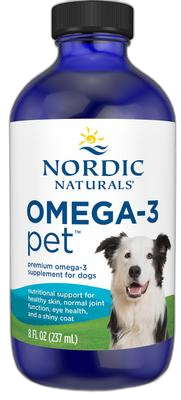
Nordic Naturals Omega-3 Pet Liquid for Dogs
Nordic Naturals
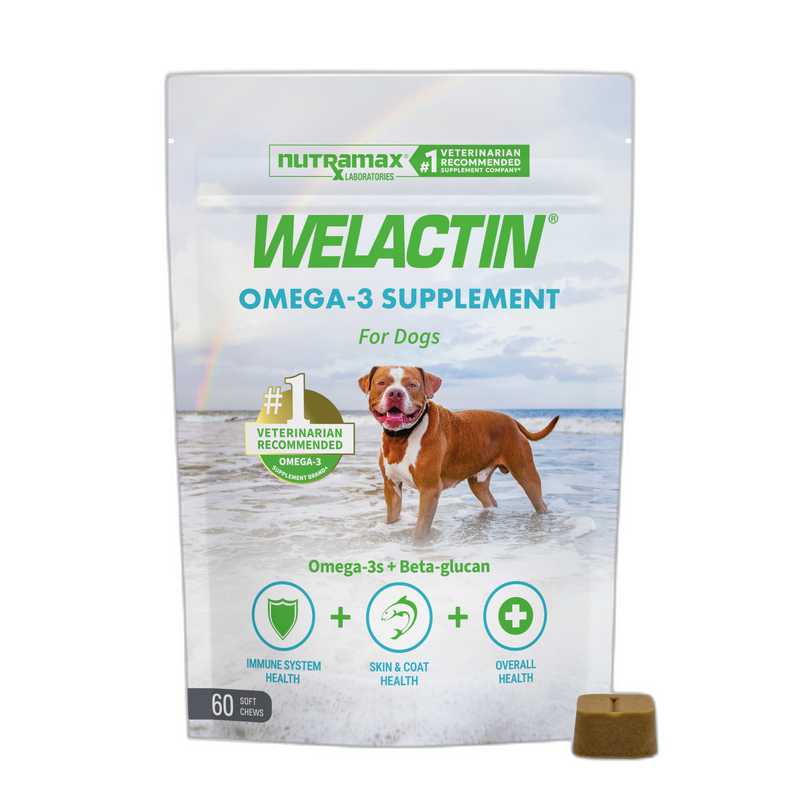
Nutramax Welactin Omega-3 Fish Oil Skin & Coat Supplement
Nutramax Laboratories
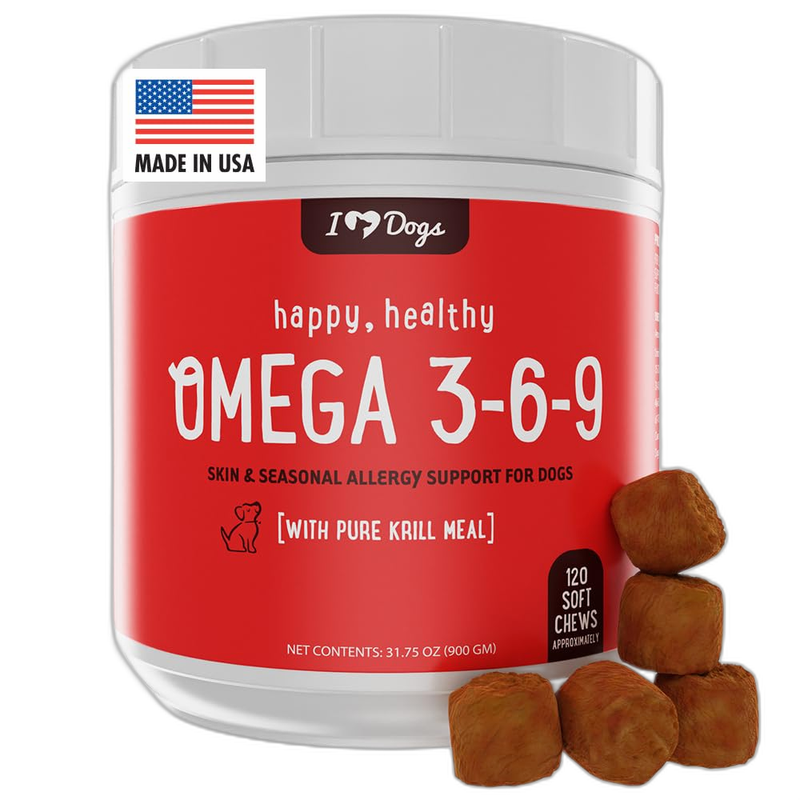
iHeartDogs Omega 3-6-9 Select Grain Free Skin & Coat Chews
iHeartDogs
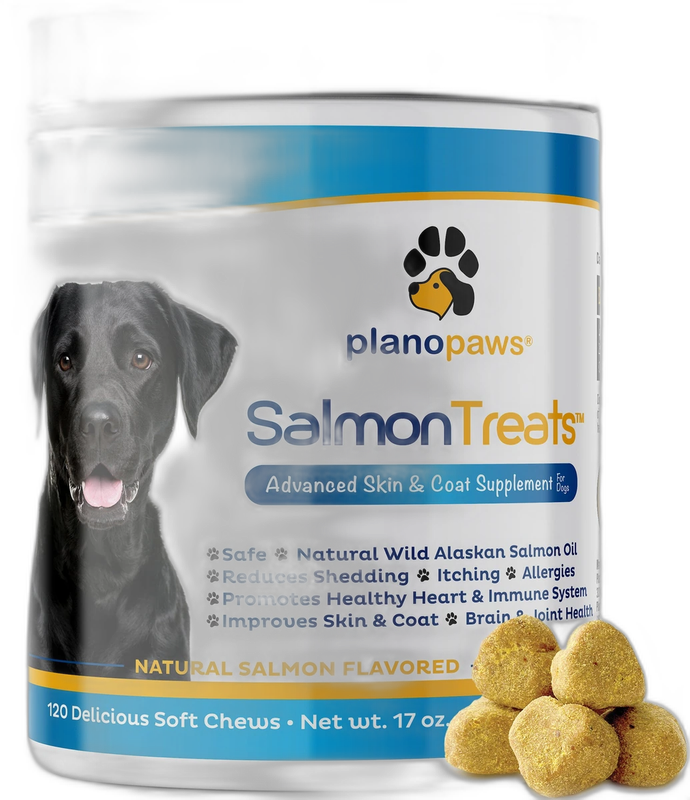
Plano Paws Omega 3 for Dogs - Allergy & Itch Relief Chews
Plano Paws