BC30 (Bacillus coagulans GBI-30)
probiotic
Pet owners are increasingly looking for effective ways to support their companions' health, particularly their digestive well-being. Probiotics, beneficial microorganisms, have emerged as a key area of interest for their role in maintaining a balanced gut microbiome. Bacillus coagulans GBI-30, or BC30, is a specific probiotic strain that has garnered attention due to its unique properties and expanding research. This guide will explore BC30, its specific benefits for dogs and cats, how it compares to other probiotics, and important considerations for pet owners choosing a BC30 supplement.
What is BC30 (Bacillus coagulans GBI-30)?
BC30 (Bacillus coagulans GBI-30, 6086) is a specific, well-researched strain of probiotic bacteria. Unlike many common probiotic strains, which are lactic acid bacteria, Bacillus coagulans is a spore-forming bacterium. This characteristic is crucial for its survival and efficacy.
When Bacillus coagulans is in its spore form, it is protected by a tough outer layer, making it highly resistant to harsh environmental conditions such as stomach acid, bile salts, and high temperatures. This resilience means that a significant number of BC30 spores can survive the journey through the digestive tract to reach the intestines alive, where they can germinate and exert their beneficial effects. Many other probiotic strains, particularly those that are not spore-forming, can be significantly degraded by stomach acid before they even reach the lower gastrointestinal tract, diminishing their potential benefits.
For dogs and cats, this robust nature of BC30 is particularly advantageous. Pet diets, particularly kibble, undergo processing that can destroy less stable probiotics if added directly. Furthermore, the digestive systems of dogs and cats, while adapted for various foods, still present challenges for probiotic survival. The ability of BC30 to withstand these conditions makes it a promising ingredient in pet supplements aimed at supporting gut health.
The Probiotic Advantage: Why BC30 Stands Out
The term "probiotic" broadly refers to live microorganisms that, when administered in adequate amounts, confer a health benefit on the host. However, not all probiotics are created equal, and their effectiveness can vary significantly based on the strain, formulation, and ability to survive the digestive process.
BC30 offers a distinct advantage primarily due to its spore-forming nature. This characteristic addresses a common challenge in probiotic supplementation: viability. Many traditional probiotics, such as Lactobacillus and Bifidobacterium species, are sensitive to heat, moisture, and stomach acid. This can lead to a substantial loss of live bacteria before they reach the colon, where they are intended to function.
Consider a scenario where a pet owner gives their dog a probiotic chew. If that chew has been sitting on a shelf for months or goes through the dog's stomach, a sensitive probiotic might not survive. BC30, in its spore form, remains dormant and stable until it encounters the favorable conditions of the small intestine. Once there, it germinates and begins to multiply, contributing to the gut microbiome.
This stability also has practical implications for manufacturing and storage of BC30 (Bacillus coagulans GBI-30) supplements. It allows BC30 to be incorporated into a wider range of pet products, including baked treats, dry kibble, and various supplements, without significant loss of potency over time or during processing. This contrasts with many other probiotics that require refrigeration or specialized encapsulation to maintain their viability.
Another key aspect of the "probiotic advantage" of BC30 is its ability to produce lactic acid. While it's a Bacillus species, not a Lactobacillus, it still contributes to an acidic environment in the gut, which can inhibit the growth of undesirable bacteria and support the growth of beneficial ones. This dual action – survival and metabolic activity – makes BC30 a compelling choice for supporting the gut health of dogs and cats.
Bacillus Coagulans: Essential Probiotic Benefits for Dogs
Research into BC30 (Bacillus coagulans GBI-30) for dogs has focused on its potential to support digestive health and immune function. A healthy gut microbiome is integral to overall well-being, influencing everything from nutrient absorption to immune response.
One of the primary benefits observed in dogs receiving BC30 is improved digestive comfort. This can manifest as:
- Reduced incidence of diarrhea: Studies have indicated that BC30 can help firm up stools and reduce the frequency of loose stools, particularly in dogs experiencing stress-induced digestive upset or changes in diet.
- Improved stool quality: Owners often report better formed and more consistent stools, which is a direct indicator of healthy digestion.
- Enhanced nutrient absorption: A balanced gut microbiome, supported by probiotics like BC30, can contribute to more efficient breakdown and absorption of nutrients from food. This means dogs might get more out of their meals, potentially leading to better coat condition, energy levels, and overall vitality.
- Support for immune function: A significant portion of the immune system resides in the gut. By promoting a healthy balance of gut bacteria, BC30 can indirectly support the immune system, helping dogs better resist common ailments. This is particularly relevant for dogs in stressful environments, such as shelters or boarding kennels, or those undergoing dietary changes.
For example, a dog experiencing mild, intermittent digestive upset might benefit from a daily BC30 supplement. Instead of resorting to more drastic measures, introducing a stable probiotic like BC30 could help rebalance their gut flora and alleviate symptoms. Similarly, senior dogs, who often have a less robust digestive system, might find relief and improved comfort with regular BC30 supplementation.
It's important to note that while BC30 is generally well-tolerated, individual responses can vary. As with any supplement, observing your dog for changes and consulting with a veterinarian is recommended, especially for dogs with pre-existing health conditions.
BC30 Probiotic: Homeostasis and Gut Microbiome Support for Cats
While much of the research on BC30 (Bacillus coagulans GBI-30) has historically focused on dogs and humans, its benefits extend to cats as well. Cats, like dogs, rely on a balanced gut microbiome for optimal health. Their digestive systems are finely tuned, and disruptions can lead to various issues.
For cats, BC30 can play a role in:
- Maintaining digestive regularity: Cats can be prone to constipation or occasional loose stools. BC30 may help regulate bowel movements, contributing to a more consistent and healthy digestive rhythm.
- Addressing stress-related digestive upset: Cats are sensitive creatures, and stress from changes in environment, new pets, or even loud noises can manifest as digestive issues. Supporting their gut microbiome with BC30 might help them cope better with these stressors by promoting gut homeostasis.
- Supporting overall gut health: A healthy microbiome in cats is linked to better nutrient utilization and a stronger immune response. For cats with sensitive stomachs or those prone to hairballs that can impact digestion, BC30 could offer supportive benefits.
- Palatability and ease of administration: Given its stability, BC30 can be incorporated into palatable treats or powders that are easier to administer to finicky felines, a common challenge for cat owners.
Consider a cat that frequently experiences mild vomiting or loose stools, despite a consistent diet. While a veterinary check-up is essential to rule out underlying medical conditions, if the issue is attributed to general gut sensitivity, a BC30 (Bacillus coagulans GBI-30) supplement could be a consideration. By helping to balance the gut flora, it might reduce the frequency or severity of these episodes.
The stability of BC30 is particularly beneficial for cats, as many traditional probiotics might not survive the manufacturing process of cat food or treats. This ensures that the beneficial bacteria reach the cat's digestive system alive and ready to work.
PSIX-16 Effects of Bacillus coagulans GBI-30, 6086 on Dogs: Research Insights
The specific strain designation GBI-30, 6086 refers to the patented strain of Bacillus coagulans that is BC30. Research, including studies like "PSIX-16 Effects of Bacillus coagulans GBI-30, 6086 on..." (often referring to specific scientific abstracts or presentations), has aimed to provide evidence for its efficacy in canine health. These studies are crucial for understanding the specific mechanisms and outcomes of BC30 supplementation.
While specific study details can be highly technical, the general findings often highlight several key areas:
- Immune modulation: Some research suggests that BC30 can influence the immune system, potentially by interacting with immune cells in the gut. This isn't about boosting the immune system indiscriminately, but rather supporting a balanced and appropriate immune response. For instance, a study might look at specific immune markers in the blood or gut tissue of dogs supplemented with BC30 compared to a control group.
- Digestive enzyme activity: A healthy gut microbiome can influence the activity of digestive enzymes. BC30 may contribute to an environment where these enzymes function more optimally, leading to better digestion and nutrient absorption.
- Microbiome composition changes: Studies often analyze changes in the diversity and composition of the gut microbiome. While BC30 itself is a transient organism (it doesn't permanently colonize the gut), its presence can create an environment that encourages the growth of other beneficial bacteria and discourages pathogenic ones. This shift towards a more balanced microbiome is a primary goal of probiotic supplementation.
- Clinical symptom improvement: The most direct and observable effects often involve improvements in clinical signs of digestive distress, such as diarrhea, flatulence, or poor stool quality. Researchers use standardized scoring systems for stool consistency and frequency to objectively measure these improvements.
For example, a typical study might involve two groups of dogs: one receiving a placebo and the other receiving a BC30 (Bacillus coagulans GBI-30) supplement for a defined period. Researchers would then collect and analyze stool samples, blood samples, and observe clinical signs to determine any statistically significant differences between the groups. Such studies help establish the efficacy and safety profile of BC30 for dogs.
It's important for pet owners to look for products that reference specific studies or use well-documented strains like BC30, as this indicates a commitment to evidence-based formulation. While the full scientific papers can be complex, summaries or information provided by reputable supplement manufacturers often highlight these findings in an accessible way.
Understanding BC30 (Bacillus coagulans GBI-30) Supplementation for Pets
When considering a BC30 (Bacillus coagulans GBI-30) supplement for your dog or cat, several factors come into play, including dosage, safety, and how to choose a quality product.
BC30 (Bacillus coagulans GBI-30) Dosage for Dogs and Cats
Determining the correct BC30 (Bacillus coagulans GBI-30) dosage for dogs and cats is crucial for efficacy. Unlike some medications where dosage is strictly weight-dependent, probiotic dosages are typically expressed in Colony Forming Units (CFU). CFU represents the number of viable bacterial cells in a serving.
For BC30, common dosages in pet supplements range from 500 million (5 x 10^8) to 2 billion (2 x 10^9) CFU per day. The specific dosage can vary based on:
- Pet size: Larger dogs may require a higher CFU count than smaller dogs or cats.
- Specific health concern: A pet experiencing acute digestive upset might initially benefit from a higher dose compared to a pet on a maintenance regimen for general gut health.
- Product formulation: Some products combine BC30 with other probiotic strains or prebiotics, which might influence the overall recommended serving.
General Guidelines (always consult product label and your vet):
| Pet Type | Typical Daily BC30 CFU Range | Considerations |
|---|---|---|
| Small Dogs (<20 lbs) | 0.5 - 1 Billion CFU | Start at the lower end; observe response. |
| Medium Dogs (20-50 lbs) | 1 - 1.5 Billion CFU | Common range for general support. |
| Large Dogs (>50 lbs) | 1.5 - 2 Billion CFU | May require higher dose for full effect. |
| Cats | 0.5 - 1 Billion CFU | Cats are often more sensitive; careful introduction. |
It's always best to follow the manufacturer's recommendations on the supplement label for BC30 (Bacillus coagulans GBI-30) dosage. When introducing any new supplement, starting with a lower dose and gradually increasing it can help your pet's system adjust and minimize any potential, albeit rare, digestive upset.
BC30 (Bacillus coagulans GBI-30) Safety for Pets
BC30 (Bacillus coagulans GBI-30) has a strong safety profile in both human and animal studies. It is generally recognized as safe (GRAS) for pets. Side effects are rare and typically mild if they occur, often resolving on their own. These might include:
- Mild gas or bloating: As the gut microbiome adjusts, some pets might experience temporary changes in gas production.
- Changes in stool consistency: This is usually a positive sign of the gut rebalancing, but very rarely, some pets might temporarily have looser stools.
These effects are typically transient and indicate the microbiome is adapting. If any adverse effects persist or are severe, discontinue use and consult your veterinarian.
It's important to differentiate BC30 from other Bacillus strains, as not all are equally studied or suitable for pets. The specific GBI-30, 6086 strain has undergone rigorous testing.
Who should not use Bacillus coagulans?
While generally safe, there are a few considerations:
Immunocompromised pets: Pets with severely compromised immune systems (e.g., due to certain diseases or medications) should only receive probiotics under strict veterinary guidance. While Bacillus coagulans* is considered very safe, any probiotic introduces live bacteria, and caution is warranted in these cases.
- Pets with severe underlying conditions: If your pet has a serious digestive disease or other chronic illness, consult your veterinarian before adding any supplement, including BC30.
- Pets on certain medications: Although interactions are rare, it's always wise to inform your vet about all supplements your pet is taking.
Choosing a BC30 (Bacillus coagulans GBI-30) Supplement
When selecting a BC30 (Bacillus coagulans GBI-30) supplement for dogs or cats, look for these indicators of quality:
- Clear strain identification: The product should explicitly state "Bacillus coagulans GBI-30" or "Bacillus coagulans GBI-30, 6086." This ensures you're getting the researched strain.
Guaranteed CFU count: The label should specify the number of CFUs at the time of expiration*, not just at the time of manufacture. This is a critical indicator of viability.
- Third-party testing: Reputable brands often engage in third-party testing to verify purity, potency, and absence of contaminants.
- Minimal fillers and artificial ingredients: Opt for products with a clean ingredient list, free from unnecessary colors, flavors, or preservatives that might upset your pet's stomach.
- Formulation: BC30 comes in various forms (powders, chews, capsules). Choose a form that is easy to administer to your pet.
- Reputable manufacturer: Select brands known for quality and transparency in their pet supplement lines.
Remember, a probiotic is a living supplement. Proper storage, typically in a cool, dry place away from direct sunlight, is essential to maintain its potency, even for a stable strain like BC30.
Conclusion
BC30 (Bacillus coagulans GBI-30) is a promising probiotic for pet owners looking to support their dog's or cat's digestive and immune health. Unlike many other probiotic strains, its spore-forming nature allows for superior stability and survival through the harsh digestive tract. Research indicates BC30 can promote digestive comfort, improve stool quality, and contribute to a balanced gut microbiome in both dogs and cats.
When considering a BC30 (Bacillus coagulans GBI-30) supplement for dogs or cats, prioritize products that clearly state the GBI-30 strain, guarantee CFU count at expiration, and come from reputable manufacturers. Always consult with your veterinarian before introducing any new supplement, especially for pets with underlying health conditions, to ensure it's the right choice for their individual needs. By making informed decisions, pet owners can effectively utilize BC30 to contribute to their companions' overall well-being.
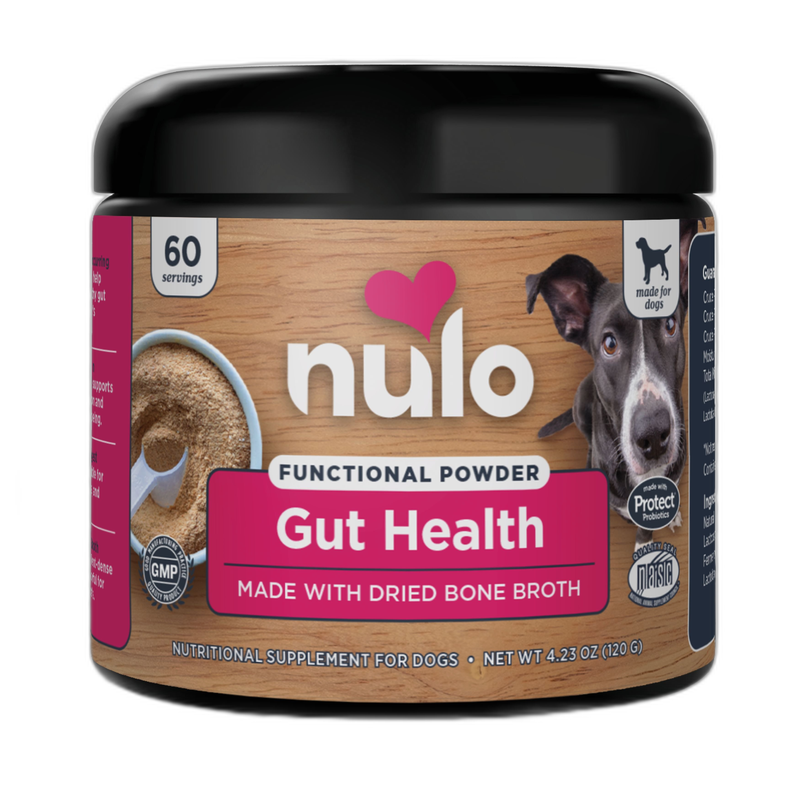
Products Containing BC30 (Bacillus coagulans GBI-30)
Top-rated supplements featuring this ingredient, ranked by our PSI+ score.