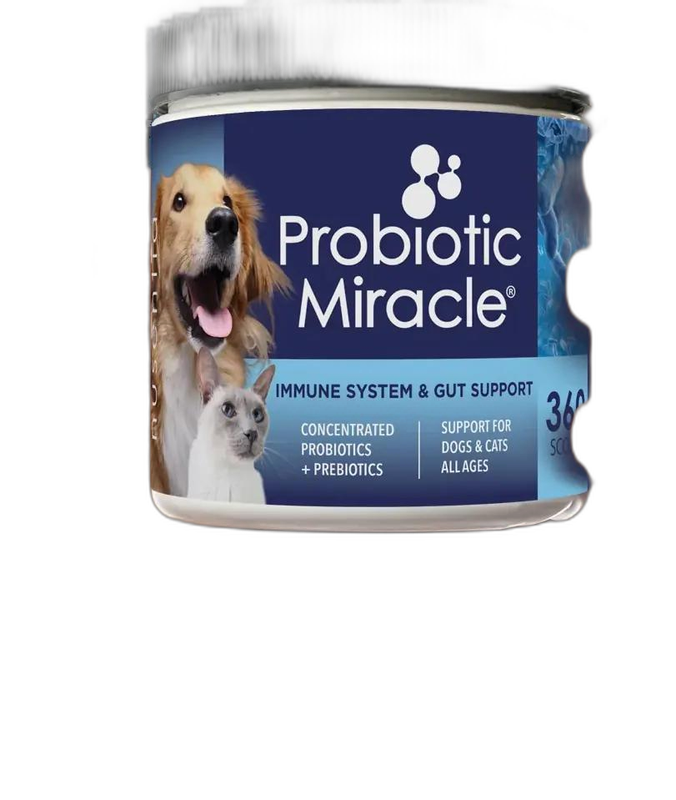
DE111 Bacillus subtilis
probiotic
As pet owners increasingly focus on holistic health, the role of gut health in dogs and cats has gained significant attention. Probiotics, live microorganisms intended to provide health benefits when consumed, are a key component of this focus. Among the many probiotic strains available, Bacillus subtilis DE111 has emerged as a commonly included ingredient in pet supplements. This guide explores what DE111 Bacillus subtilis is, its purported benefits for canine and feline health, and what current evidence suggests, helping pet owners make informed decisions about their pets' digestive and overall well-being.
Understanding DE111 Bacillus subtilis
Bacillus subtilis is a spore-forming bacterium, meaning it can create a protective outer shell that allows it to survive harsh conditions, such as stomach acid. This spore-forming characteristic is often highlighted as an advantage for probiotics, as it suggests a higher likelihood of the live organisms reaching the intestines where they can exert their effects. DE111 is a specific, patented strain of Bacillus subtilis, developed and researched for its potential probiotic properties.
In the context of pet supplements, DE111 is marketed as a strain that supports digestive health, immune function, and nutrient absorption. The idea is that by introducing beneficial bacteria like DE111 into the pet's gut, the balance of the microbiome can be optimized, leading to various health improvements. For dogs and cats, whose digestive systems are integral to their overall health, maintaining a healthy gut microbiome is considered crucial.
The practical implication of a spore-forming probiotic like DE111 is its stability. Many traditional probiotic strains, such as those from the Lactobacillus or Bifidobacterium genera, are more fragile and can be easily destroyed by stomach acid, bile, or even ambient temperatures during storage. DE111's spore form is designed to bypass these barriers, germinate in the small intestine, and then colonize the gut. This inherent robustness can mean a more consistent delivery of live organisms to the gut, potentially increasing its efficacy compared to less stable strains.
It's important to distinguish between Bacillus subtilis as a broad species and DE111 as a specific, well-characterized strain. When evaluating supplements, the inclusion of "DE111" indicates this particular, researched strain, not just any generic Bacillus subtilis.
What's Actually In Your Dog's Probiotics?
When examining probiotic supplements for dogs and cats, understanding the specific ingredients, beyond just the headline probiotic strain, is crucial. A probiotic supplement is more than just its bacterial components; it often includes prebiotics, digestive enzymes, and other functional ingredients. The overall formulation dictates how effectively the probiotic can perform and what integrated benefits it might offer.
Many pet probiotic products, particularly those featuring DE111 Bacillus subtilis for dogs, combine this probiotic with prebiotics. Prebiotics are non-digestible food ingredients that selectively stimulate the growth and activity of beneficial bacteria in the colon. Common prebiotics found in pet supplements include fructooligosaccharides (FOS), inulin, and chicory root. The rationale behind including prebiotics is to create a more hospitable environment for the probiotic bacteria, essentially "feeding" them and helping them establish themselves in the gut. This synergistic approach, often termed a "synbiotic," aims to enhance the overall effectiveness of the supplement for gut health pets.
Another frequent addition to pet probiotic supplements are digestive enzymes. Enzymes such as amylase, protease, and lipase assist in breaking down carbohydrates, proteins, and fats, respectively. For pets with sensitive digestion or conditions that impair nutrient absorption, these enzymes can complement the probiotic's role by ensuring food is properly digested before it reaches the gut microbiome. This can reduce the burden on the digestive system, potentially leading to fewer digestive upsets and better nutrient utilization. For instance, a dog struggling with flatulence or loose stools might benefit from this combination, as improved digestion can alleviate some of these symptoms, while the probiotic works to balance the gut flora.
When evaluating a supplement, pet owners should look beyond simply seeing "DE111" on the label. Consider the following:
- CFU Count: The number of Colony-Forming Units (CFUs) indicates the quantity of live microorganisms in each dose. For DE111, typical effective doses are often in the billions of CFUs.
- Other Probiotic Strains: Some supplements include multiple probiotic strains. While diversity can be beneficial, ensure that each strain is present in a meaningful quantity and that the combination is intended to work synergistically.
- Inactive Ingredients: Be mindful of fillers, artificial colors, flavors, or preservatives, especially for pets with allergies or sensitivities.
- Formulation: Whether it's a chew, powder, or capsule, the form can affect palatability and ease of administration.
For example, a supplement might list DE111 Bacillus subtilis along with Lactobacillus acidophilus and Bifidobacterium animalis, plus FOS and a blend of digestive enzymes. This comprehensive approach aims to address multiple aspects of digestive health – introducing beneficial bacteria, feeding them, and aiding digestion. However, a simpler formulation with just DE111 and a prebiotic might be sufficient for a pet with less complex digestive needs. The trade-off often involves cost and the specific health goals for the pet.
Examining the Gastrointestinal and Immunomodulatory Effects of DE111 Bacillus subtilis
The primary reasons pet owners consider DE111 Bacillus subtilis for dogs and cats are its potential gastrointestinal and immunomodulatory effects. Research into this specific strain suggests several mechanisms by which it may support pet health.
From a gastrointestinal perspective, DE111 is thought to contribute to a balanced gut microbiome. A healthy microbiome is characterized by a diverse population of beneficial bacteria that can outcompete harmful pathogens. Studies, some of which have been conducted on animals, indicate that DE111 can help maintain this balance. For instance, in one study involving dogs, supplementation with DE111 was associated with improved stool quality and a reduction in potentially pathogenic bacteria in the gut. This aligns with the anecdotal reports from pet owners who observe firmer stools and fewer episodes of diarrhea or constipation when their pets are on a DE111 supplement.
The proposed mechanism involves DE111's ability to produce antimicrobial compounds that inhibit the growth of undesirable bacteria, while simultaneously promoting the growth of beneficial ones. It also helps in maintaining the integrity of the gut barrier. A strong gut barrier prevents toxins and undigested food particles from "leaking" into the bloodstream, a phenomenon sometimes referred to as "leaky gut." By supporting this barrier, DE111 may indirectly reduce systemic inflammation and allergic reactions.
Beyond digestion, DE111's immunomodulatory effects are also a key area of interest. The gut is a major component of the immune system, with a significant portion of immune cells residing there. A healthy gut microbiome can influence the development and function of these immune cells. Evidence suggests that DE111 can interact with the host's immune system, potentially enhancing its response to pathogens. For example, some research indicates that DE111 can stimulate the production of certain immune markers, suggesting a role in bolstering the body's natural defenses. This could translate to improved immune resilience in pets, potentially reducing the frequency or severity of infections.
Consider a scenario where a dog frequently experiences mild digestive upsets, such as intermittent soft stools, especially during periods of stress or dietary changes. A DE111 Bacillus subtilis supplement might be introduced to stabilize the gut environment. The expectation would be to see more consistent stool quality and potentially a reduction in the frequency of digestive issues. Similarly, for a cat prone to upper respiratory infections, a DE111 supplement, by supporting gut immunity, might help strengthen its overall immune response, potentially lessening the severity or duration of illness.
It's important to note that while promising, research is ongoing, and individual responses can vary. The efficacy of DE111, like any probiotic, can be influenced by factors such as the pet's diet, overall health status, age, and existing gut microbiome composition. Therefore, while the scientific basis for its gastrointestinal and immunomodulatory effects is strengthening, it should be viewed as a supportive measure rather than a standalone treatment for serious conditions. Consultation with a veterinarian is always advisable, especially for pets with pre-existing health issues.
DE111 Bacillus subtilis Dosage for Dogs and Cats
Determining the appropriate DE111 Bacillus subtilis dosage for dogs and cats is critical for both efficacy and safety. Unlike medications with precise pharmacological doses, probiotic dosages are often expressed in Colony-Forming Units (CFUs), representing the number of live bacteria in a serving.
For DE111 Bacillus subtilis, research and product formulations typically suggest dosages in the range of 1 billion to 5 billion CFUs per day for adult dogs, depending on their size and specific needs. For cats, the dosage is generally lower, often in the range of 0.5 billion to 2 billion CFUs per day. However, it's crucial to always follow the manufacturer's specific recommendations on the supplement label, as formulations can vary.
Several factors influence the ideal dosage:
- Pet Size and Weight: Larger dogs typically require a higher CFU count than smaller dogs or cats.
- Specific Health Concerns: Pets with more pronounced digestive issues, such as chronic diarrhea or severe dysbiosis, might initially benefit from a higher dose, potentially under veterinary guidance. Conversely, for general maintenance or mild support, a lower dose might suffice.
- Product Concentration: Different supplements contain varying amounts of DE111 per scoop, chew, or capsule. Always check the label for the CFU count per serving.
- Formulation: As discussed, some supplements include other probiotic strains or prebiotics, which might influence the overall impact and perceived "strength" of the DE111 component.
For example, a 60-pound Labrador retriever might be recommended 3 billion CFUs of DE111 daily for digestive support, while a 10-pound cat might only need 1 billion CFUs for microbiome support. If a product offers a chew with 2 billion CFUs per chew, the Labrador might get one and a half chews, and the cat half a chew, assuming the product is safe to split and the manufacturer allows it.
Dosage Comparison Table (Illustrative)
| Pet Type | Weight Range (approx.) | Typical DE111 CFU Range (Daily) | Example Product Serving (if 1 billion CFU/unit) |
|---|---|---|---|
| Small Dog | < 20 lbs | 1-2 Billion | 1-2 chews/scoops |
| Medium Dog | 20-50 lbs | 2-3 Billion | 2-3 chews/scoops |
| Large Dog | > 50 lbs | 3-5 Billion | 3-5 chews/scoops |
| Cat | All weights | 0.5-2 Billion | 0.5-2 chews/scoops |
Note: This table provides general guidelines. Always consult the specific product label and your veterinarian.
When introducing a new supplement, some owners opt for a gradual approach, starting with a lower dose and slowly increasing to the recommended amount over several days. This can help the pet's digestive system adjust and minimize any potential, albeit rare, initial digestive upset like mild gas or loose stools.
goal is to provide a consistent and effective dose. Regular administration, typically daily, is often recommended to maintain a stable population of beneficial bacteria in the gut.
Is DE111 Bacillus subtilis Safety for Pets?
The safety profile of DE111 Bacillus subtilis for pets is an important consideration for pet owners. Generally, Bacillus subtilis strains, including DE111, are considered safe for animal consumption, and this is supported by various studies and its widespread use in pet supplements.
One of the key aspects contributing to its safety is its spore-forming nature. As a commensal bacterium, it is naturally found in the environment and in the gut of many animals. It is not generally associated with pathogenicity in healthy animals. The GRAS (Generally Recognized As Safe) designation often applies to specific strains of Bacillus subtilis for human consumption, and this principle often extends to pet applications, though specific pet-focused GRAS status may vary by region and regulatory body.
Studies investigating DE111 in dogs and other animals have typically reported no adverse effects when administered at recommended dosages. For instance, in trials where dogs were given DE111, researchers monitored for any signs of discomfort, changes in appetite, or other negative reactions, and generally found the supplement to be well-tolerated. This suggests that the risk of serious side effects is low.
However, like any dietary change or supplement, some pets might experience mild, temporary digestive upset when first introduced to DE111 Bacillus subtilis. These might include:
- Mild Gas: The introduction of new bacteria can sometimes cause a temporary increase in gas production as the gut microbiome adjusts.
- Loose Stools or Mild Diarrhea: In some sensitive pets, a sudden change can briefly alter stool consistency.
- Constipation: Less common, but some pets might experience temporary constipation.
These reactions are usually self-limiting and tend to resolve within a few days as the pet's system adapts. To minimize these possibilities, introducing the supplement gradually, as mentioned in the dosage section, can be beneficial.
There are specific scenarios where caution or veterinary consultation is particularly important:
- Immunocompromised Pets: Pets with severely compromised immune systems due to illness (e.g., cancer, severe autoimmune disease) or medication (e.g., high-dose corticosteroids) might have different considerations for probiotic use. While probiotics are generally considered safe, any introduction of live microorganisms in such cases should be discussed with a veterinarian.
- Pets with Acute Illness: If a pet is acutely ill with severe vomiting, diarrhea, or other critical symptoms, addressing the underlying condition with veterinary care should take precedence. Probiotics are typically for support and maintenance, not acute treatment.
- Allergies to Other Ingredients: While DE111 itself is unlikely to be an allergen, pet supplements often contain other ingredients (e.g., flavorings, binders, other active ingredients) that a pet might be allergic or sensitive to. Always check the full ingredient list.
In summary, DE111 Bacillus subtilis is considered a safe probiotic strain for most healthy dogs and cats when administered according to recommended guidelines. The risk of significant adverse effects is low, with any minor digestive upsets typically being temporary. When in doubt, or for pets with pre-existing health conditions, consulting a veterinarian before starting any new supplement is always the safest approach.
Should I Give My Dog Probiotics Every Day?
The question of whether to give your dog probiotics daily is common among pet owners. For DE111 Bacillus subtilis for dogs and other probiotic strains, daily administration is often recommended to achieve and maintain their intended benefits.
Probiotics work by introducing beneficial bacteria into the gut, where they can temporarily colonize and interact with the existing microbiome. However, these introduced bacteria typically do not permanently establish themselves in the same way as the pet's native gut flora. This means that for the beneficial effects to persist, a continuous supply of the probiotic organisms is generally required.
Think of it like regularly watering a garden. If you stop watering, the plants might eventually wilt. Similarly, if you stop providing probiotics, the beneficial effects on the gut microbiome might diminish over time as the introduced bacteria are naturally cleared from the system or their populations decline.
Here's why daily supplementation is often advised:
- Maintaining Gut Balance: Consistent daily intake helps sustain a healthy balance of bacteria, preventing the overgrowth of less desirable microbes.
- Ongoing Digestive Support: For pets prone to digestive sensitivities, daily probiotics can provide continuous support, helping to regulate bowel movements and improve nutrient absorption.
- Immune System Modulation: Since a significant portion of the immune system resides in the gut, daily probiotic intake can offer continuous support for immune function.
- Stress and Environmental Factors: Pets are constantly exposed to stressors (e.g., travel, boarding, diet changes, medications like antibiotics) that can disrupt the gut microbiome. Daily probiotics can act as a buffer against these disruptions.
For example, a dog that experiences occasional loose stools when stressed might benefit from daily DE111 to maintain gut resilience. If the probiotic is only given sporadically, its protective effect might not be consistent enough to counteract the stress-induced changes.
There are some specific scenarios where daily use might be particularly beneficial:
- During and After Antibiotic Treatment: Antibiotics, while necessary, can indiscriminately kill both harmful and beneficial gut bacteria. Daily probiotic supplementation during and for several weeks after antibiotic courses can help replenish the beneficial flora.
- Pets with Chronic Digestive Issues: For dogs or cats with ongoing issues like inflammatory bowel disease (IBD) or chronic pancreatitis (managed under veterinary care), daily probiotics can be a part of their long-term management strategy to support gut health and reduce inflammation.
- Senior Pets: Older pets often experience changes in their digestive efficiency and immune function. Daily probiotics can help support these systems as they age.
While daily administration is generally the norm for sustained benefits, it's not typically a rigid requirement for every single day. Missing a day or two occasionally is unlikely to undo all the progress. The key is consistency over the long term. If you have specific concerns about your pet's health or how frequently to administer a probiotic, consulting with your veterinarian is always the best course of action. They can provide tailored advice based on your pet's individual needs and health status.
Zesty Paws Probiotic Bites for Dogs, Bacon Flavor, 160-count
When considering a specific product like "Zesty Paws Probiotic Bites for Dogs, Bacon Flavor, 160-count," it's beneficial to analyze it through the lens of the information discussed regarding DE111 Bacillus subtilis for dogs. This particular product is a popular example of a multi-ingredient pet supplement aiming to support digestive health.
The inclusion of a specific count (160-count) and flavor (Bacon) highlights practical aspects of pet supplementation: palatability and convenience. Many pet owners struggle with administering pills or powders, so a flavored chewable form can significantly improve compliance. The "Bacon Flavor" is designed to make the supplement appealing to dogs, encouraging them to consume it willingly.
When evaluating such a product, several factors come into play:
For a pet owner considering "Zesty Paws Probiotic Bites for Dogs, Bacon Flavor," the decision would involve weighing the convenience of a flavored chew, the multi-strain approach, the combined benefits of probiotics, prebiotics, and enzymes, and the overall cost. For a dog with general digestive sensitivities or one needing daily microbiome support, such a product could be a viable option. However, for a pet with very specific dietary restrictions or severe allergies, a simpler, single-ingredient probiotic might be preferred to minimize potential reactions to flavors or other additives. As always, reviewing the full ingredient list and consulting with a veterinarian is recommended to ensure suitability for an individual pet.
FAQ
What does Bacillus subtilis do for dogs?
Bacillus subtilis, particularly the DE111 strain, is believed to support several aspects of a dog's health. Its primary role as a probiotic is to help maintain a balanced gut microbiome. This can lead to improved digestion, more consistent stool quality, and reduced instances of digestive upset. Additionally, a healthy gut microbiome can positively influence the immune system, potentially enhancing a dog's overall immune response and resilience against pathogens. Some studies also suggest it may help with nutrient absorption.
Is Bacillus subtilis DE111 safe to take?
Yes, Bacillus subtilis DE111 is generally considered safe for pets, including dogs and cats, when administered at recommended dosages. It is a spore-forming bacterium, which contributes to its stability and ability to survive the digestive tract. While most pets tolerate it well, some might experience mild, temporary digestive upset (like gas or loose stools) when first introduced to the supplement. These reactions are usually self-limiting. For pets with compromised immune systems or acute illnesses, or if you have specific concerns, it's always best to consult a veterinarian.
How do you treat SIBO in dogs naturally?
Small Intestinal Bacterial Overgrowth (SIBO) in dogs is a complex condition that typically requires veterinary diagnosis and management. While some natural approaches can support gut health, they are generally not considered standalone treatments for SIBO. A veterinarian might recommend a combination of dietary changes (e.g., a low-fat, highly digestible diet), specific antibiotics to reduce bacterial overgrowth, and sometimes probiotics like DE111 Bacillus subtilis to help restore gut balance after treatment. Other supportive measures might include prebiotics or digestive enzymes, but these should be used under veterinary guidance, as some prebiotics can exacerbate SIBO symptoms. Self-treating SIBO with natural remedies alone is not advised and could delay effective treatment.
Conclusion
The integration of DE111 Bacillus subtilis into pet supplements represents a significant step in supporting canine and feline digestive and immune health. As an evidence-backed, spore-forming probiotic, DE111 offers a robust solution for maintaining a balanced gut microbiome. While research continues to unfold, current findings suggest its potential benefits for improving stool quality, supporting immune function, and generally enhancing gut health in pets.
For pet owners, understanding the specific strain, its optimal dosage, and its safety profile is key to making informed choices. Products containing DE111 often combine it with prebiotics and digestive enzymes, offering a comprehensive approach to gut support. Daily administration is typically recommended to sustain these benefits, helping pets navigate everyday stressors and maintain long-term well-being.
Ultimately, DE111 Bacillus subtilis stands out as a reliable option for those seeking to bolster their pet's digestive health. However, like any supplement, its use should complement a balanced diet and regular veterinary care. For pets with specific health conditions, a veterinarian's guidance is invaluable in determining the most appropriate course of action.
Products Containing DE111 Bacillus subtilis
Top-rated supplements featuring this ingredient, ranked by our PSI+ score.