Lactobacillus acidophilus
probiotic
Lactobacillus acidophilus is a well-known probiotic bacterium frequently featured in supplements for both humans and pets. For dog and cat owners, understanding its role, potential benefits, and limitations in pet health can be complex given the vast array of available products and marketing claims. This guide aims to provide an evidence-based perspective on Lactobacillus acidophilus for dogs and cats, helping owners make informed decisions about their pets' digestive and overall well-being.
The Role of Lactobacillus acidophilus in Pet Gut Health
Lactobacillus acidophilus is a lactic acid-producing bacterium naturally found in the gastrointestinal tracts of many mammals, including dogs and cats. Its primary function as a probiotic involves contributing to a balanced gut microbiome. A healthy microbiome is crucial for digestion, nutrient absorption, immune system function, and even mood regulation in pets.
When a pet's gut microbiome is disrupted – by factors such as stress, dietary changes, antibiotic use, or illness – pathogenic (harmful) bacteria can proliferate. Lactobacillus acidophilus helps to counteract this by:
- Producing Lactic Acid: This lowers the pH of the gut, creating an environment less hospitable to many harmful bacteria.
- Competing for Resources: It competes with pathogens for adhesion sites on the intestinal lining and for available nutrients.
- Modulating Immune Response: Some strains can interact with the gut's immune cells, potentially enhancing local and systemic immunity.
For dogs, specifically, research has explored the application of Lactobacillus acidophilus in various scenarios. For instance, studies have investigated its impact on diarrhea caused by dietary indiscretion or stress. While not a universal cure, its presence can contribute to quicker resolution of mild digestive upsets and help maintain gut integrity. In cats, similar mechanisms are at play, though feline-specific research on L. Acidophilus is less extensive than for dogs. However, the foundational principles of gut microbiology apply across species.
It's important to recognize that while L. Acidophilus is a beneficial bacterium, its effectiveness can be strain-specific. Not all L. Acidophilus strains are identical in their actions or benefits. A supplement containing "Lactobacillus acidophilus" might not deliver the same results as one containing a specific, well-researched strain like Lactobacillus acidophilus NCFM or LA-5, for example. Pet owners should look for supplements that specify the strain used, as this indicates a more targeted product.
Understanding "Extra Strength" Gut Health for Dogs & Cats
The term "extra strength" in pet supplements, often associated with gut health products, typically refers to a higher concentration of probiotic organisms (measured in Colony Forming Units, or CFUs) or a broader spectrum of different probiotic strains. For Lactobacillus acidophilus for dogs and cats, "extra strength" might mean a supplement provides billions, rather than millions, of CFUs per dose, or it combines L. Acidophilus with other beneficial bacteria like Bifidobacterium animalis, Lactobacillus plantarum, or Enterococcus faecium.
While a higher CFU count can be beneficial, it's not always directly proportional to increased efficacy. The survivability of the bacteria through the pet's digestive tract, the specific strains used, and the overall formulation of the supplement are equally, if not more, important. A supplement with a moderate CFU count of a robust, well-studied strain might outperform an "extra strength" product with a high CFU count of less resilient or less effective strains.
For example, a dog experiencing chronic digestive issues might benefit more from a multi-strain probiotic formula that addresses various aspects of gut health, rather than a single-strain L. Acidophilus product, regardless of its "strength." Conversely, for a pet on antibiotics, a high-dose, single-strain L. Acidophilus might be appropriate to help replenish the specific beneficial bacteria being depleted.
When considering an "extra strength" product, pet owners should look beyond the marketing term and examine:
- CFU Count: Is it appropriate for the pet's size and condition?
Strain Diversity: Does it include other beneficial strains alongside L. Acidophilus*?
- Prebiotics: Does it contain prebiotics (e.g., FOS, inulin) that help feed the probiotics?
- Delivery Method: Is it encapsulated, powdered, or chewable? The delivery method can impact bacterial survival.
The Power of Probiotics: Beyond Lactobacillus acidophilus
While Lactobacillus acidophilus is a prominent and beneficial probiotic, it's part of a larger ecosystem of beneficial microorganisms. The "power of probiotics" in pet health often lies in the of multiple strains working together.
Probiotics, in general, are live microorganisms that, when administered in adequate amounts, confer a health benefit on the host. This definition applies to L. Acidophilus and many other bacterial and yeast strains. The benefits can extend beyond digestion to include:
- Immune System Support: A healthy gut microbiome is intimately linked with a robust immune response. Probiotics can help regulate immune cell activity.
- Skin and Coat Health: Imbalances in the gut can sometimes manifest as skin issues. By improving gut health, probiotics may indirectly support skin and coat condition.
- Behavioral Support: Emerging research suggests a gut-brain axis in pets, meaning gut health can influence mood and behavior.
- Reduction of Allergies: Some studies indicate that certain probiotics may help modulate allergic responses in sensitive pets.
Not all probiotics offer the same benefits, nor are all strains or species universally effective. For example, while Lactobacillus acidophilus is generally beneficial for dogs, other strains like Bifidobacterium animalis subspecies lactis (often called B. Lactis) or Enterococcus faecium SF68 also have strong evidence supporting their use for canine digestive health. Similarly, specific Lactobacillus or Bifidobacterium strains have shown promise in managing chronic diarrhea or inflammatory bowel disease in cats.
The "power" truly comes from selecting the right probiotic for the right purpose. A broad-spectrum probiotic with a variety of well-researched strains might offer more comprehensive support than a single-strain product, especially for general wellness or addressing complex issues.
Probiotics for Dogs and Cats: A Comparative Look
While dogs and cats are both carnivores, their digestive systems and microbial compositions have distinct differences. Consequently, while some probiotic strains are beneficial for both, others might have more specific efficacy for one species over the other.
Similarities:
- Basic Digestive Support: Both dogs and cats can benefit from probiotics for issues like diarrhea, constipation, gas, and general gut upset.
- Immune Modulation: Probiotics can help bolster the immune system in both species.
- Stress Response: Probiotics may help mitigate the negative gut effects of stress (e.g., rehoming, vet visits, boarding).
Differences and Considerations:
| Feature | Dogs | Cats |
|---|---|---|
| Dietary Habits | More omnivorous, broader dietary tolerance. | Obligate carnivores, more sensitive to dietary changes. |
| Specific Conditions | Often used for antibiotic-associated diarrhea, stress diarrhea, inflammatory bowel disease (IBD), exocrine pancreatic insufficiency (EPI). | Often used for chronic diarrhea, IBD, hairball management, appetite stimulation in some cases. |
| Preferred Strains | Lactobacillus acidophilus, Enterococcus faecium, Bifidobacterium animalis (specifically lactis), Lactobacillus plantarum, Lactobacillus rhamnosus. | Lactobacillus acidophilus, Enterococcus faecium, Bifidobacterium bifidum, Bifidobacterium animalis. |
| Palatability | Generally easier to administer, often available in palatable chews or powders. | Can be more finicky; powders or flavorless capsules may be preferred. |
For Lactobacillus acidophilus for dogs, its role is well-established in managing acute gastroenteritis and supporting the gut during antibiotic therapy. For cats, L. Acidophilus can also be beneficial, particularly when combined with other feline-specific strains. However, due to cats' often more sensitive digestive systems, a higher emphasis is sometimes placed on multi-strain products designed with feline gut flora in mind.
When selecting a probiotic for either species, prioritize products that:
Specify live, viable organisms and a guaranteed CFU count at the end of shelf life*. List specific strains (e.g., L. Acidophilus LA-5, rather than just L. Acidophilus*).
- Are designed for pets, not humans, as pet-specific strains are often more effective in their respective hosts.
- Have undergone third-party testing for purity and potency.
What's Actually In Your Dog's Probiotics?
The landscape of pet probiotic supplements is diverse, and understanding the ingredients beyond just "probiotics" is crucial. When examining Lactobacillus acidophilus supplements for dogs, several components contribute to their overall efficacy and safety.
Key Components to Look For:
Specific Strain Names: As mentioned, look for specific alphanumeric codes (e.g., L. Acidophilus* DDS-1, NCFM, LA-5). This indicates a specific, often researched, strain.
- CFU Count: The number of Colony Forming Units, indicating the number of live, active bacteria per dose. Higher numbers (billions) are common, but viability is key.
- Viability Guarantee: A reputable manufacturer will guarantee the CFU count at the expiration date, not just at the time of manufacture.
Fructooligosaccharides (FOS), Inulin, Chicory Root: These are non-digestible fibers that act as food for beneficial bacteria, including L. Acidophilus*. They help probiotics colonize and thrive in the gut.
- Mannan-oligosaccharides (MOS): Can also help support gut health and bind to certain harmful bacteria, preventing their adhesion.
- Protease, Amylase, Lipase: These enzymes help break down proteins, carbohydrates, and fats, respectively, aiding in digestion and nutrient absorption. While not probiotics themselves, they often complement probiotic action.
- Postbiotics: These are the beneficial byproducts of probiotic fermentation (e.g., short-chain fatty acids, enzymes). They can offer health benefits even without live bacteria.
- Herbal Extracts: Some supplements include ingredients like slippery elm or ginger for soothing digestive upset.
- Omega-3 Fatty Acids: May be added for anti-inflammatory benefits, which can be helpful in gut health.
What to Be Wary Of:
- Generic "Probiotic Blend": Without specific strain names or CFU counts, it's hard to assess efficacy.
- High Sugar Content: Some palatable chews can contain unnecessary sugars, which are not beneficial for gut health.
- Fillers and Artificial Ingredients: Look for minimal fillers, artificial colors, or preservatives.
- Human Probiotics: While some human strains might be safe, pet-specific formulations are generally preferred. Human probiotics may not survive the different pH levels or transit times of a dog's or cat's digestive system as effectively.
A quality Lactobacillus acidophilus supplement for dogs will clearly list its ingredients, including specific probiotic strains and their CFU counts, and ideally include complementary prebiotics.
Developing Gut-Healthy Strains for Pets: Probiotic Potential and Research
The field of pet probiotics is dynamic, with ongoing research focused on identifying and developing new, highly effective strains specifically for companion animals. The "probiotic potential" of a strain refers to its ability to colonize the gut, survive digestive processes, and exert beneficial effects.
For Lactobacillus acidophilus and other strains, this development involves:
Current Research Directions and Implications for L. Acidophilus for Dogs:
Strain Specificity: Research continues to emphasize that the benefits of probiotics are highly strain-specific. A particular L. Acidophilus* strain might be excellent for one condition (e.g., diarrhea) but less effective for another (e.g., allergies). Combination Therapies: Many studies explore the of combining L. Acidophilus* with other beneficial bacteria or prebiotics to achieve broader and more robust health outcomes.
- Targeted Applications: Scientists are working to identify and develop strains that specifically address common pet health issues, such as anxiety, obesity, or specific skin conditions, recognizing the gut-brain and gut-skin axes.
Understanding Mechanisms: Research aims to unravel the exact mechanisms by which probiotics like L. Acidophilus* exert their effects – whether through direct pathogen inhibition, immune modulation, or metabolic changes.
For pet owners, this ongoing research means that the quality and specificity of probiotic supplements are continually improving. When choosing a product, looking for strains backed by published research (even if the research is on animals) provides a higher degree of confidence in its potential efficacy. The most trustworthy products will refer to studies on their specific strains.
FAQ
Is Lactobacillus acidophilus good for dogs? Yes, Lactobacillus acidophilus is generally considered good for dogs. It's a common probiotic strain that can help support a healthy gut microbiome, aid digestion, and potentially boost immune function. Its benefits are often seen in managing mild digestive upsets, supporting gut health during antibiotic use, and contributing to overall well-being. However, specific strain effectiveness can vary.
What probiotics are good for tirzepatide? Tirzepatide is a medication used for type 2 diabetes and weight management in humans. There is currently no specific scientific evidence or recommendation for particular probiotics to be used in conjunction with tirzepatide in pets. If a pet is on tirzepatide for an off-label use (under veterinary guidance), any probiotic supplementation should be discussed thoroughly with the prescribing veterinarian to avoid potential interactions or contraindications.
What is the most recommended probiotic for dogs? There isn't a single "most recommended" probiotic for all dogs, as the best choice depends on the individual dog's health needs, specific condition, and response. However, several strains are highly regarded and well-researched for canine gut health, including Enterococcus faecium SF68, Bifidobacterium animalis subspecies lactis (often listed as B. Lactis), Lactobacillus acidophilus, Lactobacillus plantarum, and Lactobacillus rhamnosus. Often, multi-strain probiotics or those containing a combination of these well-studied strains are recommended for broader benefits. Always consult with a veterinarian to determine the most appropriate probiotic for your dog.
Conclusion
Lactobacillus acidophilus holds a valuable place pet supplements, offering potential benefits for digestive health and overall well-being in both dogs and cats. While it's a beneficial probiotic, its effectiveness, like all probiotics, is often strain-specific. Pet owners should prioritize supplements that clearly list specific strains, guarantee CFU counts at expiration, and ideally include prebiotics or other complementary ingredients. Understanding the nuances of probiotic science and consulting with a veterinarian are key steps to making informed decisions for your pet's gut health.
Products Containing Lactobacillus acidophilus
Top-rated supplements featuring this ingredient, ranked by our PSI+ score.
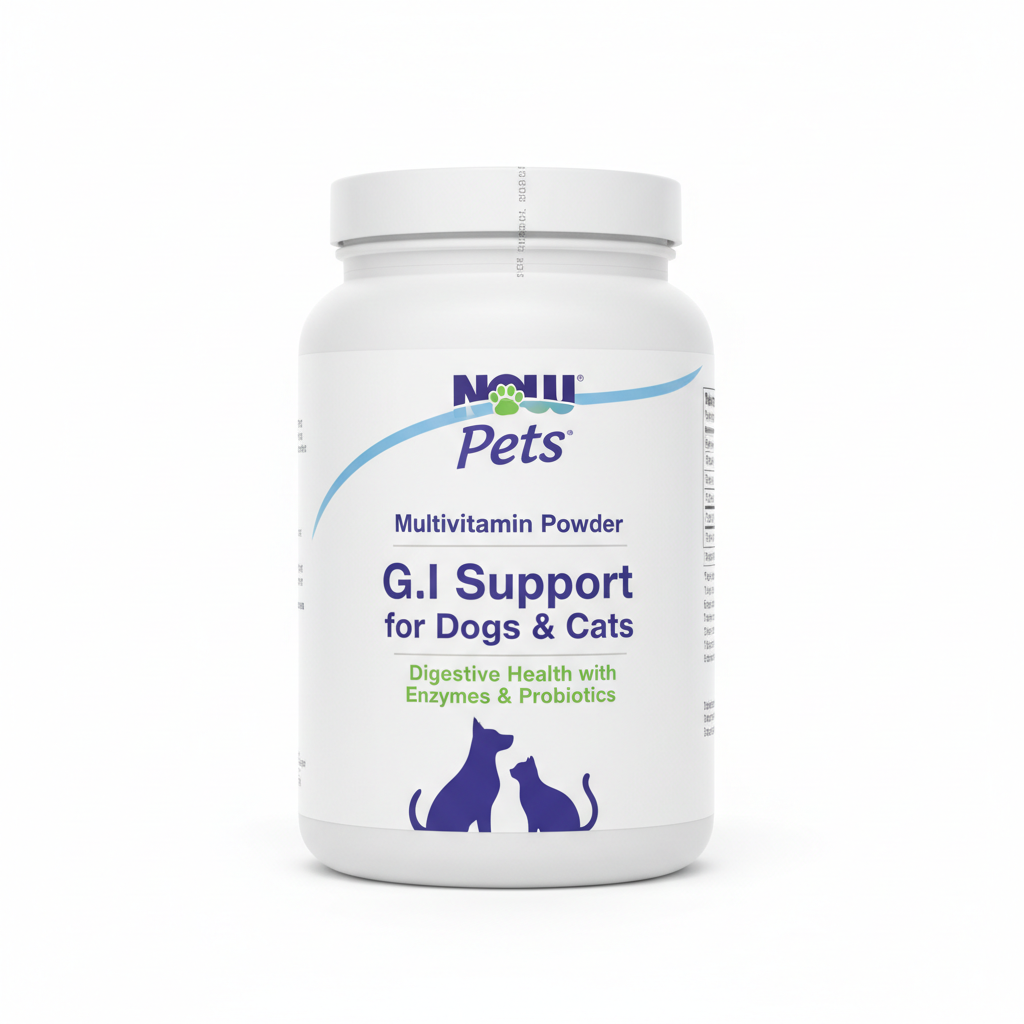
NOW Pets G.I. Support for Dogs & Cats - Digestive Health with Enzymes & Probiotics
NOW Pets
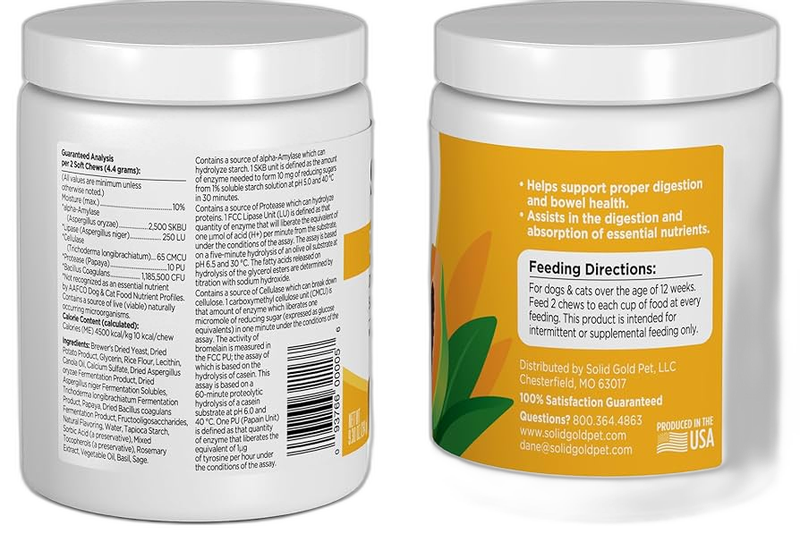
Particular Paws Probiotics for Dogs
Particular Paws
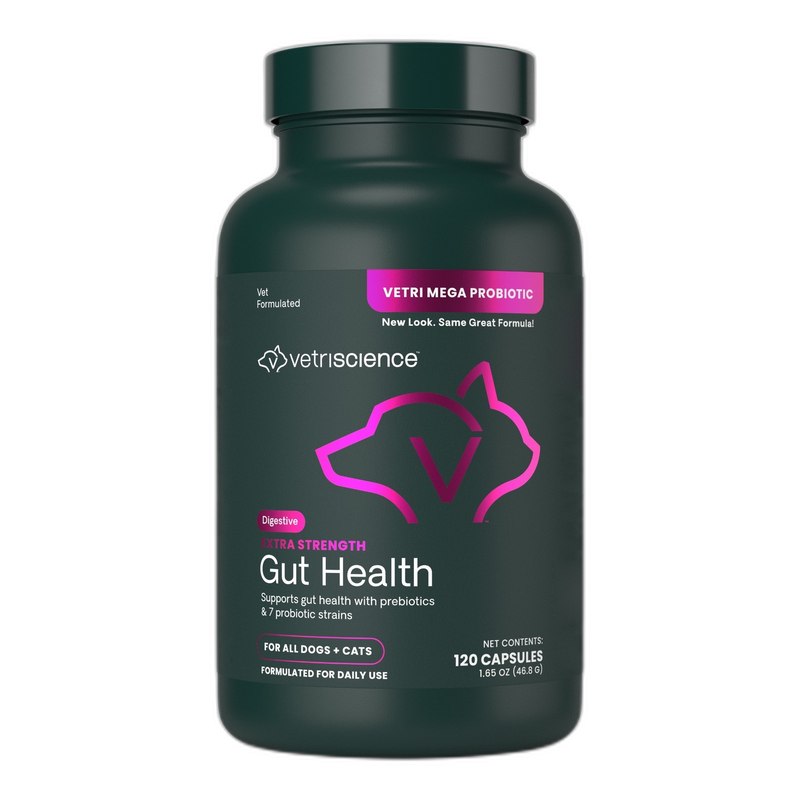
Under the Weather Ready Balance Probiotic for Dogs
Under the Weather
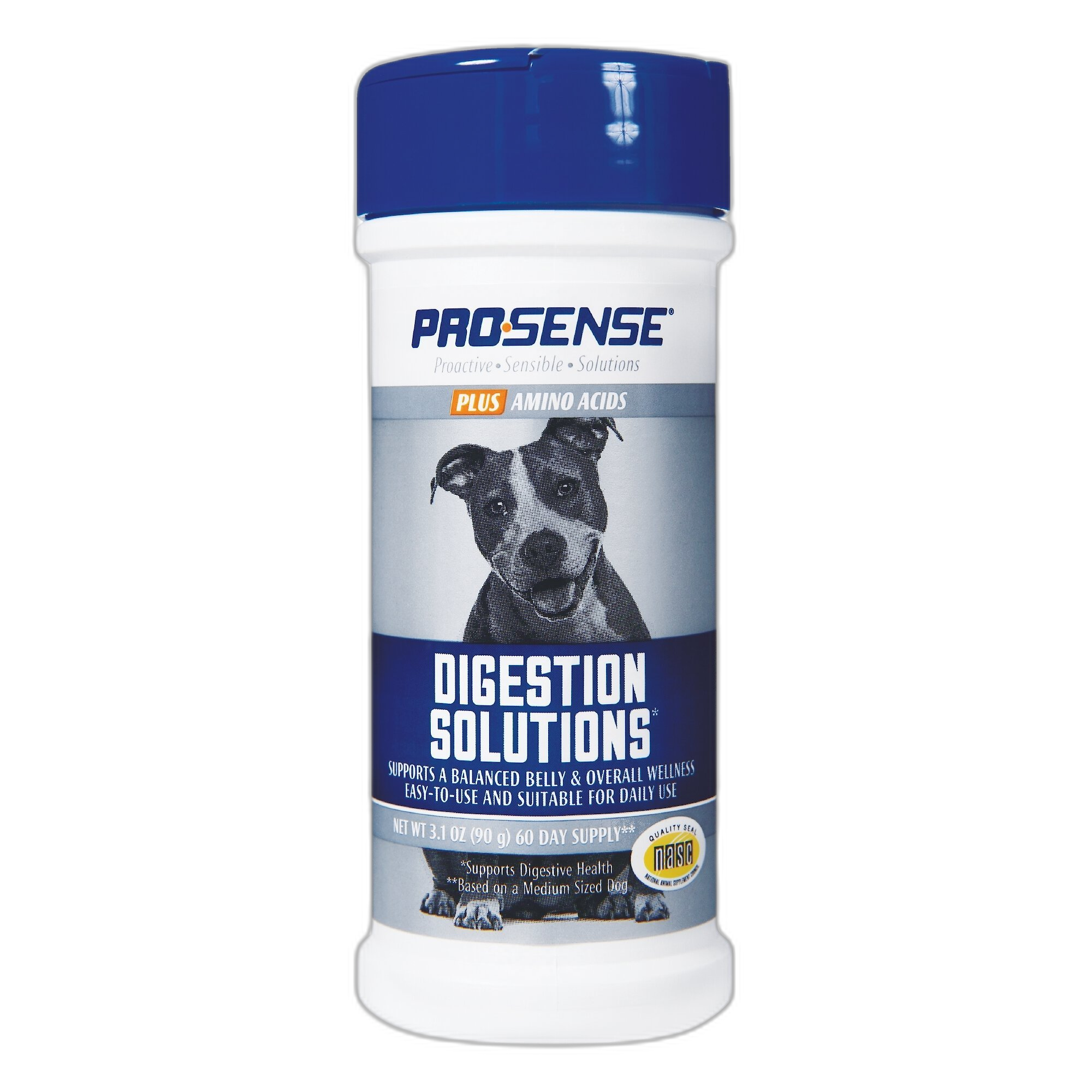
Pro-Sense Dog Probiotic Solutions
Pro-Sense
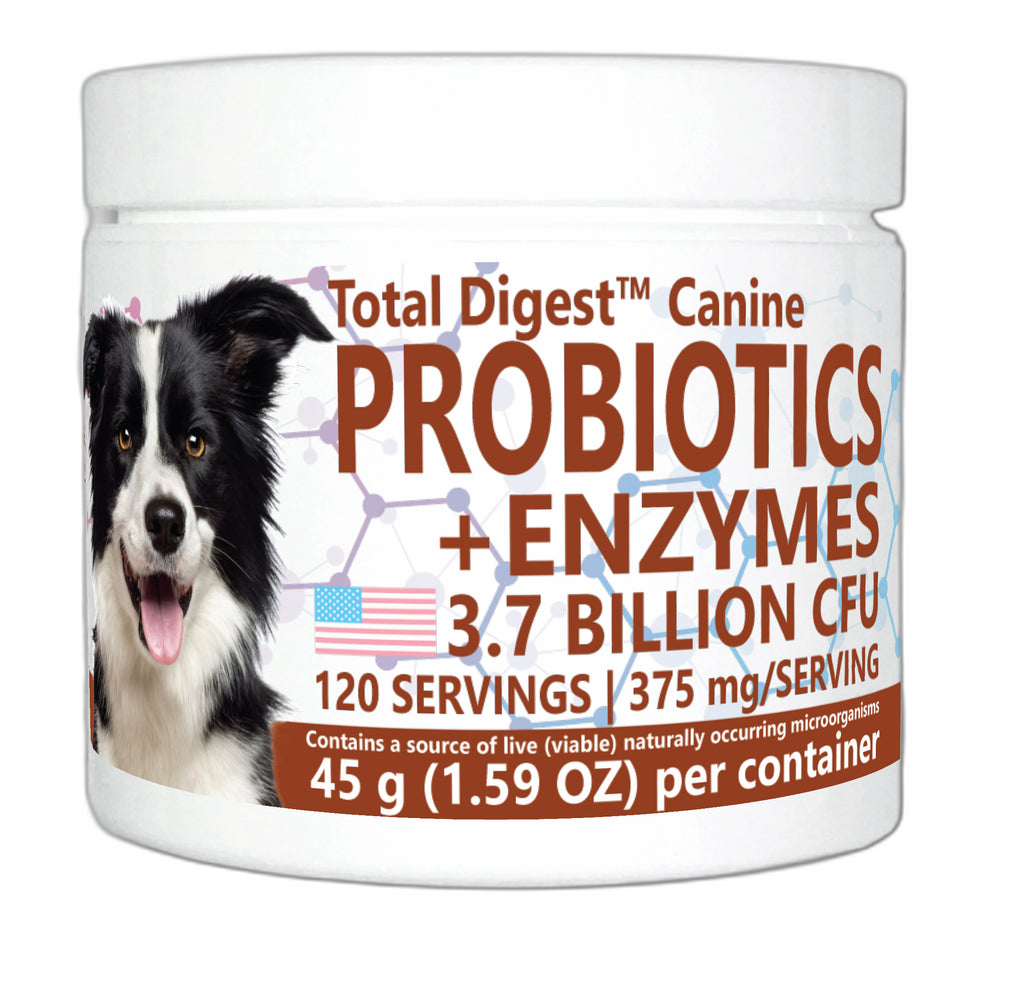
Equa Holistics Total Digest Canine Probiotics & Enzymes
Equa Holistics
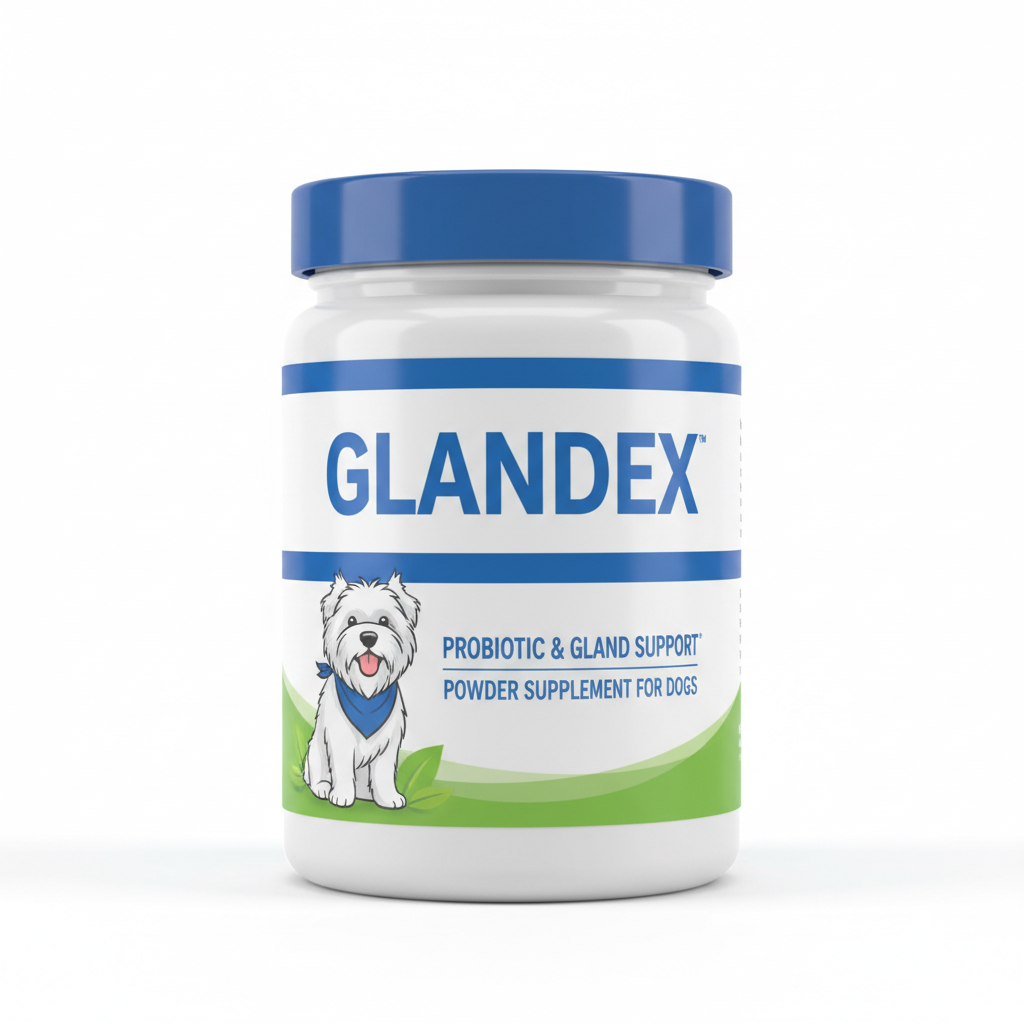
Glandex Anal Gland Support with Probiotics for Dogs
Glandex
Ark Naturals Gentle Digest Probiotics for Dogs & Cats
Ark Naturals
Nutramax Proviable-KP Paste for Dogs & Cats
Nutramax Laboratories