Organic Licorice Root
anti-inflammatory
Licorice root (Glycyrrhiza glabra) has a long history of use in traditional medicine, and its potential benefits for pets, particularly dogs and cats, are gaining attention. Owners often seek natural alternatives to support their companions' health, leading to questions about the safety and efficacy of ingredients like organic licorice root. This guide explores the current understanding of organic licorice root in pet supplements, focusing on its purported benefits, potential risks, and practical considerations for its use. The goal is to provide clear, trustworthy information for those considering this herb for their furry family members.
Licorice Root For Dogs
Organic licorice root is often discussed for its adaptogenic and anti-inflammatory properties in dogs. The primary active compounds are triterpenoid saponins, especially glycyrrhizin (also known as glycyrrhizic acid). Glycyrrhizin is responsible for many of the herb's observed effects, including its sweet taste – up to 50 times sweeter than sugar. However, this compound is also associated with potential side effects, particularly when consumed in large quantities or over extended periods.
When considering organic licorice root for dogs, it's important to distinguish between deglycyrrhizinated licorice (DGL) and whole licorice root. DGL has most of the glycyrrhizin removed, which mitigates some of the risks associated with long-term use, especially those related to electrolyte balance. For general health support or acute, short-term issues, whole licorice root might be considered, but for chronic conditions or sensitive animals, DGL is often preferred due to its reduced potential for adverse effects.
For instance, a dog experiencing mild digestive upset might benefit from a short course of whole licorice root under veterinary guidance. The demulcent properties of licorice can soothe irritated mucous membranes. In contrast, a dog with a chronic inflammatory condition, where long-term supplementation might be contemplated, would likely be better served by a DGL product to minimize risks like altered potassium levels. The "organic" designation primarily refers to the cultivation and processing of the root, ensuring it's free from synthetic pesticides, herbicides, and genetically modified organisms, which aligns with many owners' preferences for natural pet care.
Licorice Herbal Tonic | Supports Liver, Gut & Immune System
The application of organic licorice root in herbal tonics for pets often centers on its multi-system support, particularly for the liver, gut, and immune system. The compounds in licorice root are believed to exert protective effects on liver cells, helping to detoxify and reduce inflammation. For the gut, its demulcent properties can create a soothing barrier, potentially aiding in conditions like gastritis or irritable bowel syndrome by reducing irritation and promoting mucosal integrity.
Regarding immune system support, licorice root is considered an adaptogen, meaning it may help the body adapt to stress and maintain balance. Some research suggests it can modulate immune responses, potentially enhancing the body's ability to fight off pathogens while simultaneously helping to quell overactive immune reactions. This dual action can be valuable for pets with compromised immunity or those prone to inflammatory conditions.
However, the practical implications require careful consideration. For a pet with liver disease, while licorice might offer supportive benefits, it should only be administered under strict veterinary supervision, as its metabolic pathways could interact with existing medications or exacerbate certain conditions. Similarly, for gut issues, a tonic might provide symptomatic relief, but diagnosing the underlying cause of digestive problems is crucial. Using an organic licorice root tonic for immune support might be part of a broader wellness strategy, but it's not a substitute for vaccinations or appropriate medical treatment for infectious diseases. The "tonic" format often implies a liquid extract, which can be easier to administer to some pets and allows for precise dosage adjustments.
Health Benefits Of Licorice For Dogs
The health benefits attributed to organic licorice for dogs are diverse, stemming primarily from its anti-inflammatory, antioxidant, and adaptogenic properties. One of the most frequently cited benefits is its role as a natural anti-inflammatory for dogs. Glycyrrhizin mimics the action of corticosteroids, helping to reduce inflammation throughout the body without the same range of severe side effects associated with synthetic steroids. This can be particularly beneficial for conditions like arthritis, allergies, or inflammatory bowel disease.
Beyond inflammation, licorice root is thought to offer pain relief for pets, often as a secondary effect of its anti-inflammatory action. By reducing swelling and irritation, it can alleviate discomfort associated with various inflammatory conditions. Its demulcent properties also contribute to this by soothing irritated tissues, particularly in the gastrointestinal and respiratory tracts. For instance, a dog with a persistent cough might find relief from the soothing effect of licorice on the throat and airways.
Furthermore, licorice root has been studied for its potential antiviral and antimicrobial effects. While not a standalone treatment for serious infections, it may offer adjunctive support by inhibiting the replication of certain viruses and bacteria. The antioxidant compounds present in organic licorice root also help to neutralize free radicals, which contribute to cellular damage and aging, potentially supporting overall cellular health and vitality in dogs.
Consider a senior dog with mild arthritis. An organic licorice root supplement, particularly a DGL formulation, might be considered to help manage joint pain and inflammation, potentially reducing the need for higher doses of NSAIDs (non-steroidal anti-inflammatory drugs) or as an alternative when NSAIDs are not suitable. Another scenario could be a dog with seasonal allergies and skin irritation; licorice's anti-inflammatory properties might help calm the skin and reduce itching.
Licorice And Dogs
The relationship between licorice and dogs is complex, primarily due to the active compound glycyrrhizin. While it offers potential benefits, its corticosteroid-like effects necessitate careful dosing and monitoring. Glycyrrhizin can affect electrolyte balance, specifically by prompting the kidneys to excrete potassium and retain sodium. This can lead to fluid retention, increased blood pressure, and in severe cases, hypokalemia (low potassium levels). For this reason, long-term use of whole licorice root, especially in high doses, is generally discouraged for dogs.
The trade-offs involved when considering licorice for dogs revolve around balancing potential benefits against these risks. For short-term use (e.g., a few days to a couple of weeks) to address acute issues like a temporary cough or mild digestive upset, whole licorice root might be a reasonable option under veterinary guidance. However, for chronic inflammatory conditions dogs experience, where continuous support is desired, deglycyrrhizinated licorice (DGL) is almost always the safer choice. DGL retains many of the anti-inflammatory and gut-soothing properties of licorice without the significant glycyrrhizin-related risks.
For example, a dog with chronic inflammatory bowel disease (IBD) could potentially benefit from the gut-soothing and anti-inflammatory effects of DGL. In this case, the DGL form mitigates the risk of electrolyte imbalance, allowing for longer-term support. Conversely, giving a dog with pre-existing heart conditions or hypertension a whole licorice root supplement would be ill-advised due to the risk of fluid retention and blood pressure elevation. Always consult a veterinarian to determine the appropriate form and dosage of licorice, especially for pets with underlying health conditions or those on other medications.
Licorice Root: A Multi-Beneficial and Safe Herb for Dogs
Labeling licorice root as a "multi-beneficial and safe herb for dogs" requires nuance. While it certainly offers multiple potential benefits, its safety profile is highly dependent on the form, dosage, and duration of administration. As discussed, the glycyrrhizin content is the key differentiator. Deglycyrrhizinated licorice (DGL) is widely considered safe for long-term use in dogs because the problematic compound is largely removed. Whole licorice root, while beneficial, carries a higher risk profile, making it suitable primarily for short-term, targeted use.
The multi-beneficial aspect stems from its broad range of actions: it's an anti-inflammatory, an adaptogen, a demulcent, an antioxidant, and potentially an antiviral. This makes it applicable to various inflammatory conditions dogs might face, from skin allergies and respiratory issues to gastrointestinal inflammation and joint pain. For example, a dog recovering from kennel cough might benefit from the soothing and anti-inflammatory effects on the respiratory tract, while a dog with chronic skin allergies might experience reduced itching and inflammation.
However, the "safe" aspect is where the distinction becomes critical. An organic licorice root supplement that is not DGL should be approached with caution. Veterinary oversight is essential to determine if whole licorice root is appropriate, considering the dog's overall health, age, and any pre-existing conditions. For instance, a dog already on corticosteroids for an autoimmune condition should not be given whole licorice root without explicit veterinary approval, due to the potential for additive effects on cortisol and electrolytes.
Consider this comparison of licorice forms:
| Feature | Whole Licorice Root (Organic) | Deglycyrrhizinated Licorice (DGL) (Organic) |
|---|---|---|
| Glycyrrhizin Content | High | Very Low to None |
| Primary Actions | Anti-inflammatory, adaptogen, demulcent, antiviral, antioxidant | Anti-inflammatory, demulcent, gut protective, antioxidant |
| Potential Risks | Electrolyte imbalance (low potassium, high sodium), fluid retention, increased blood pressure, adrenal suppression with prolonged high doses | Generally low; rare mild digestive upset |
| Recommended Use | Short-term (days to 2-3 weeks) for acute, mild conditions | Long-term support for chronic inflammatory conditions, gut health |
| Veterinary Guidance | Essential for any use, especially for pre-existing conditions | Recommended for chronic conditions or if other medications are involved |
| Examples | Acute cough, temporary digestive upset | IBD, chronic allergies, joint support, heartburn/reflux |
This table highlights why DGL is often the preferred choice for pet owners seeking the benefits of licorice without the higher risks associated with glycyrrhizin.
Licorice Root for Dogs and Cats
The application of organic licorice root for dogs and cats shares many similarities, but also includes important distinctions due to physiological differences between the species. Both dogs and cats can potentially benefit from licorice's anti-inflammatory, demulcent, and adaptogenic properties. However, cats are generally more sensitive to many compounds due to their unique liver metabolism (e.g., limited glucuronidation pathways), which can affect how they process herbs and medications.
For cats, the dosage of any herbal supplement, including organic licorice root, must be significantly lower than for dogs, and often requires even greater caution. DGL is almost always the recommended form for cats to minimize any potential systemic effects from glycyrrhizin. The primary uses for licorice in cats often revolve around gastrointestinal issues like chronic vomiting, inflammatory bowel disease, or hairball issues, where its demulcent and anti-inflammatory properties can be soothing. It might also be considered for chronic inflammatory conditions, such as feline asthma or stomatitis, but always as an adjunct to conventional veterinary care and under strict supervision.
A practical implication for both species is the method of administration. Licorice root can be unpalatable to some pets, especially cats. Supplements are available in various forms, including powders, tinctures, and capsules. Powders can often be mixed into food, while tinctures might be given directly or diluted. It's crucial to ensure the pet consumes the full dose. For a cat with IBD, a small, taste-neutral DGL powder mixed into a favorite wet food might be an effective way to deliver the supplement. For a dog with seasonal allergies, a DGL capsule hidden in a treat could work.
Regardless of the species, the "organic" aspect of licorice root ensures that the product is free from harmful residues, which is particularly important for animals with sensitive systems or those already dealing with chronic health issues. The goal is to provide beneficial compounds without introducing additional toxins or stressors. Always ensure the product is specifically formulated and dosed for pets, or consult with a veterinarian experienced in herbal medicine for precise guidance.
FAQs
Can dogs have organic licorice root?
Yes, dogs can have organic licorice root, but the form and dosage are critical. Deglycyrrhizinated licorice (DGL) is generally considered safer for long-term use due to the removal of glycyrrhizin, the compound responsible for potential side effects like electrolyte imbalance. Whole organic licorice root can be used for short periods under veterinary guidance, but it carries higher risks, especially with prolonged use or high doses. Always consult a veterinarian before giving any new supplement to your dog.
Can I use niacinamide with licorice?
There is no widespread evidence suggesting a direct negative interaction between niacinamide (a form of Vitamin B3) and licorice root in pets. Niacinamide is often used for its anti-inflammatory properties, particularly in dermatology, and may be part of a multi-modal approach to managing inflammatory conditions. However, when combining any supplements or medications, it's always best to consult your veterinarian. They can assess your pet's individual health status and potential for interactions, ensuring both ingredients are appropriate and safe for concurrent use.
What are the side effects of licorice root for dogs?
The side effects of licorice root for dogs primarily stem from its active compound, glycyrrhizin. These can include:
- Electrolyte imbalance: Glycyrrhizin can cause the body to retain sodium and excrete potassium, leading to low potassium levels (hypokalemia).
- Fluid retention: Due to sodium retention, which can lead to swelling and increased blood pressure.
- Increased blood pressure: A concern for dogs with pre-existing cardiovascular conditions.
- Adrenal suppression: With very high doses or prolonged use, glycyrrhizin can mimic corticosteroid effects, potentially suppressing natural adrenal function.
- Gastrointestinal upset: Less common, but some dogs might experience mild diarrhea or vomiting.
These side effects are largely mitigated when using deglycyrrhizinated licorice (DGL) products, as the glycyrrhizin has been removed. Whole licorice root should only be used short-term and under veterinary supervision, especially for dogs with heart, kidney, or liver conditions, or those on diuretics or corticosteroids.
Conclusion
Organic licorice root offers a range of potential benefits for dogs and cats, primarily due to its anti-inflammatory, demulcent, and adaptogenic properties. It can be a valuable tool for supporting conditions like arthritis, allergies, and gastrointestinal issues. However, its safe and effective use hinges on understanding the critical difference between whole licorice root and deglycyrrhizinated licorice (DGL). DGL is generally preferred for long-term, chronic conditions due to its minimal risk profile, while whole licorice root is typically reserved for short-term, acute situations and always with veterinary oversight. For pet owners seeking natural health support, incorporating organic licorice root into their pet's regimen can be a beneficial choice, provided it's done thoughtfully, in the correct form, and in consultation with a veterinarian experienced in herbal medicine.
Products Containing Organic Licorice Root
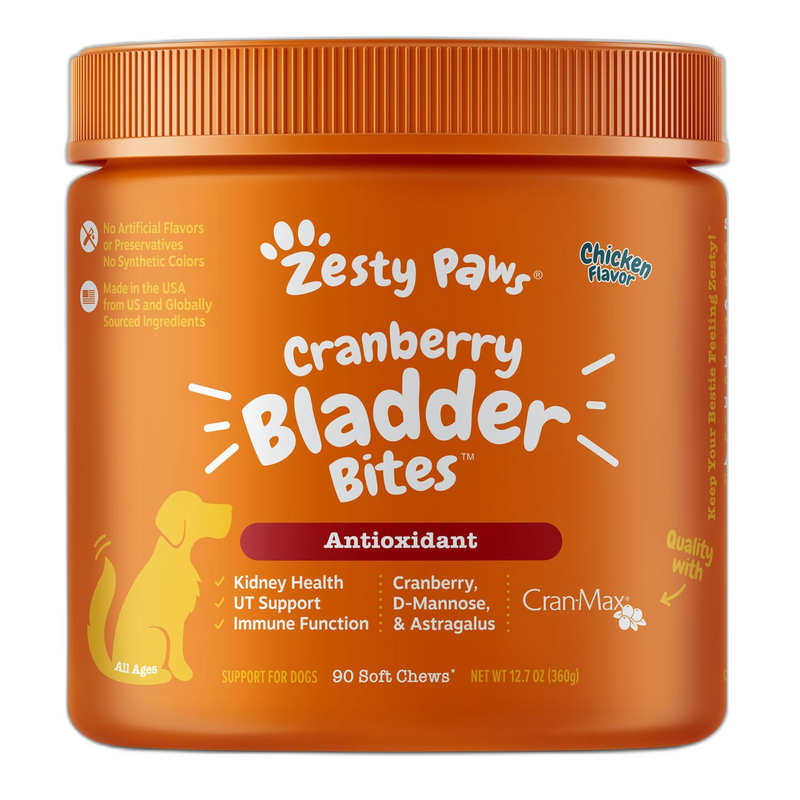
Top-rated supplements featuring this ingredient, ranked by our PSI+ score.