Turmeric Extract
anti-inflammatory
Many pet owners are exploring natural options to support their animal companions' health, and turmeric extract has gained considerable attention for use in dogs and cats. This guide will clarify what current evidence suggests about using turmeric extract in pet supplements, focusing on its potential benefits, limitations, and practical considerations for both species. We'll delve into the science behind its active compounds, discuss appropriate dosages, and address safety concerns, aiming to provide a balanced perspective for those considering this supplement.
Understanding Turmeric and Curcumin for Pets
Turmeric ( _Curcuma longa_ ) is a spice derived from the root of a plant in the ginger family. Its characteristic yellow color comes from a group of compounds called curcuminoids, with curcumin being the most studied and biologically active. When discussing "turmeric extract for dogs" or cats, it's typically these curcuminoids, particularly curcumin, that are the focus.
The interest in curcumin stems from its traditional use in various cultures and preliminary research suggesting anti-inflammatory and antioxidant properties. In pets, these properties are often explored for conditions involving inflammation, such as joint discomfort, certain skin issues, and digestive complaints. However, it's crucial to distinguish between whole turmeric powder, which contains a relatively low percentage of curcuminoids (around 2-5%), and standardized turmeric extracts, which are concentrated to contain a much higher percentage (e.g., 95% curcuminoids). This distinction is vital when considering efficacy and dosage.
Turmeric Curcumin Bites™ for Dogs and Similar Formulations
Many commercial pet supplements offer turmeric in various forms, including "bites" or soft chews. These formulations are designed for palatability and ease of administration. The key consideration with such products is the actual concentration of curcuminoids.
For example, a product marketed as "Turmeric Curcumin Bites™" for dogs typically contains a specific amount of turmeric extract per chew. Pet owners often choose these because they are easy to give, especially to picky eaters. However, the effectiveness hinges on several factors:
- Curcuminoid Concentration: Is the extract standardized to a high percentage of curcuminoids? A chew containing 500mg of whole turmeric powder is very different from one containing 500mg of 95% standardized curcumin extract.
- Bioavailability Enhancers: Curcumin is naturally poorly absorbed by the body. Many reputable pet supplements include bioavailability enhancers like piperine (black pepper extract) or specially formulated delivery systems (e.g., liposomal curcumin, phospholipid complexes) to improve absorption. Without these, much of the ingested curcumin may pass through the digestive system without being utilized.
- Other Ingredients: Examine the full ingredient list for fillers, artificial flavors, and potential allergens that might not be suitable for your pet.
Practical Implications: While convenient, "bites" and chews require careful label reading. A higher price doesn't automatically mean higher quality or efficacy. Compare the amount of actual curcuminoids per serving and check for bioavailability enhancers. If a product simply lists "turmeric powder" without specifying extract concentration or bioavailability support, its therapeutic benefit might be limited.
Turmeric for Dogs | 100% Natural Herbal Supplements
The appeal of "100% natural herbal supplements" for dogs is strong, aligning with a desire for holistic pet care. Turmeric, in its various forms, fits this description. However, the term "natural" doesn't automatically equate to "effective" or "safe" without proper context.
When considering natural turmeric supplements, pet owners encounter several forms:
- Ground Turmeric Powder: This is the same culinary spice found in grocery stores. While natural, its low curcuminoid content means a very large quantity would be needed to achieve a therapeutic dose, making it impractical and potentially leading to digestive upset.
- Turmeric Paste (Golden Paste): A popular DIY option, this involves mixing ground turmeric with water, a healthy oil (like coconut or olive oil), and often black pepper to enhance absorption. While more bioavailable than plain powder, its curcuminoid concentration is still relatively low compared to standardized extracts.
- Standardized Turmeric Extract: This is a concentrated form, specifically processed to contain a high percentage of curcuminoids (e.g., 95%). This is the form most often used in research studies and considered to have the highest therapeutic potential.
Trade-offs and Edge Cases: Choosing between these forms involves trade-offs. Ground turmeric or golden paste might be suitable for general wellness support or very mild, non-specific inflammation, given their lower potency and cost. However, for targeted support of conditions like osteoarthritis or chronic inflammation, a standardized extract with enhanced bioavailability is generally recommended. The "natural" label is less important than the "effective" label in these cases.
For pets with sensitive stomachs, even "natural" turmeric can cause mild digestive upset, especially at higher doses. Always start with a low dose and monitor your pet's reaction.
Turmeric For Dogs: Benefits and Applications
The primary reasons pet owners consider turmeric extract for dogs (and cats) revolve around its purported anti-inflammatory and antioxidant properties. Research in humans and some preliminary studies in animals suggest potential benefits for several conditions:
- Joint Health and Osteoarthritis: This is perhaps the most common application. Inflammation plays a significant role in joint degeneration and pain associated with conditions like osteoarthritis. Curcumin's ability to modulate inflammatory pathways (e.g., inhibiting NF-κB, reducing COX-2 activity) may help reduce discomfort and improve mobility.
- Digestive Health: Turmeric has been traditionally used for digestive issues. In pets, it may help soothe an inflamed gut lining and support healthy digestion, particularly in cases of mild inflammatory bowel disease (IBD) or general gut upset.
- Skin Conditions: Inflammatory skin conditions, allergies, and hot spots can cause discomfort. The anti-inflammatory effects of curcumin might help reduce itching and redness, though it's typically used as an adjunct to primary treatments.
- Antioxidant Support: Curcumin is a potent antioxidant, meaning it can help neutralize free radicals that cause cellular damage. This can contribute to overall cellular health and potentially slow down age-related decline.
- Liver Support: Some research suggests curcumin may have hepatoprotective (liver-protective) effects, potentially aiding in detoxification processes.
Concrete Examples/Scenarios:
- Scenario 1: Senior Dog with Arthritis: An older Labrador retriever with mild to moderate osteoarthritis might benefit from a daily turmeric extract supplement (with enhanced bioavailability) to help manage joint pain and stiffness, potentially reducing the need for higher doses of NSAIDs or as a complementary therapy.
- Scenario 2: Cat with Chronic GI Upset: A cat experiencing intermittent vomiting or diarrhea due to suspected inflammatory bowel disease could be given a small, veterinarian-approved dose of turmeric extract to help reduce gut inflammation, alongside dietary changes and conventional treatments.
- Scenario 3: Dog with Seasonal Allergies: A dog with itchy skin and paw licking during allergy season might see some relief from the anti-inflammatory effects of turmeric, though it's unlikely to be a standalone solution for severe allergies.
It's important to frame these as potential benefits. Turmeric extract is not a cure-all and should not replace veterinary care or prescribed medications. Its role is generally supportive and complementary.
Benefits of Turmeric for Dogs: A Deeper Look at Efficacy
When evaluating the benefits of turmeric for dogs, it's crucial to distinguish between anecdotal reports and scientifically . While many pet owners report positive outcomes, controlled studies, particularly in companion animals, are still emerging.
The efficacy of turmeric extract for dogs largely depends on the specific condition, the quality of the supplement, and the individual pet's response.
Key Mechanisms of Action:
- Anti-inflammatory: Curcumin inhibits several molecular targets involved in inflammation, including NF-κB, COX-2, LOX, and various cytokines. This broad-spectrum anti-inflammatory action is what makes it potentially useful for a range of inflammatory conditions.
- Antioxidant: Curcumin directly scavenges free radicals and also boosts the body's own antioxidant enzymes, offering cellular protection.
- Immunomodulatory: It can influence immune cell function, potentially helping to balance immune responses.
Evidence Levels:
- Strong Anecdotal Evidence: Many owners report improvements in their pets' mobility, comfort, and overall well-being.
- Human Clinical Trials: Extensive research in humans suggests curcumin's efficacy for certain inflammatory conditions, pain management, and antioxidant support. These findings often drive interest in pet applications.
- Veterinary Studies: While fewer, some studies in dogs have shown promising results, particularly for osteoarthritis. For instance, studies have indicated that curcumin, often in combination with other nutraceuticals, can reduce lameness and improve activity levels in arthritic dogs. However, more large-scale, placebo-controlled trials are needed to solidify these findings.
Comparison of Potential Benefits:
| Condition/Benefit | Evidence Level (Pets) | Typical Application | Important Considerations |
|---|---|---|---|
| Joint Pain/Osteoarthritis | Moderate (growing) | Complementary therapy to reduce inflammation and improve mobility. | Requires bioavailable form; not a replacement for NSAIDs in severe cases. |
| Digestive Support | Low to Moderate | Mild IBD, general gut soothing. | Consult vet for chronic GI issues; may not be suitable for all conditions. |
| Antioxidant Support | Moderate (extrapolated) | General wellness, anti-aging, cellular protection. | Benefits are often subtle and long-term; part of a . |
| Skin Inflammation | Low to Moderate (anecdotal) | Adjunct for allergies, hot spots. | Not a primary treatment; address underlying cause of skin issues. |
| Cancer Support | Preliminary (in vitro/animal) | Adjunct therapy, potential chemopreventive. | Never use as sole cancer treatment; always under veterinary oncology guidance. |
Trade-offs: While promising, turmeric extract is not a magic bullet. For serious or acute conditions, conventional veterinary medicine remains the primary approach. Turmeric's benefits are generally observed over time and are often most effective when integrated into a broader management plan.
Turmeric and Curcumin—Health-Promoting Properties in Pet Supplements
Delving deeper into the health-promoting properties of turmeric and its active component, curcumin, in pet supplements reveals the scientific basis for its use. The discussion often centers on how these compounds interact with biological systems to produce their effects.
The "health-promoting properties" refer to the mechanisms by which curcuminoids may support various physiological functions and mitigate disease processes. This isn't just about general wellness; it's about specific molecular interactions.
Bioavailability: The Crucial Factor
A significant challenge with curcumin is its poor bioavailability. When ingested, it is rapidly metabolized and eliminated, meaning very little reaches the bloodstream in its active form. This is why many effective turmeric extract supplements for dogs focus heavily on enhancing bioavailability.
Methods to improve bioavailability include:
- Piperine (Black Pepper Extract): Piperine inhibits enzymes in the liver and intestine that metabolize curcumin, allowing more to enter circulation. This is a common and effective pairing.
- Liposomal Formulations: Curcumin is encapsulated in tiny lipid (fat) bubbles, which protect it from degradation and allow for better absorption through the intestinal wall.
- Phospholipid Complexes (e.g., Meriva®): Curcumin is complexed with phospholipids (like phosphatidylcholine) to form a more absorbable structure.
- Nanoparticle and Micellar Formulations: Advanced technologies create smaller particles or micelles that can be more readily absorbed.
Why this matters: A supplement containing a high dose of curcumin but lacking bioavailability enhancers might be less effective than a lower dose product with a well-researched absorption technology. When comparing "turmeric extract supplement" options, always scrutinize the label for these details.
Dosage and Safety Considerations
Determining the correct "turmeric extract dosage dogs" is complex and varies based on the pet's size, the specific condition being addressed, and most importantly, the concentration and bioavailability of the extract. There is no universally agreed-upon dosage, and veterinary guidance is always recommended.
General Guidelines (to be discussed with a vet):
- Start Low, Go Slow: Begin with a very small dose and gradually increase it over several days to weeks, monitoring for any adverse reactions.
- Standardized Extract (95% Curcuminoids): For a bioavailable extract, a common starting point might be around 50-250 mg total curcuminoids per day for small dogs, 250-500 mg for medium dogs, and 500-1000 mg for large dogs. These are very rough estimates and must be confirmed by a veterinarian.
- Cats: Doses for cats are significantly lower, often in the range of 10-50 mg of bioavailable curcuminoids per day, depending on weight and condition.
Safety Concerns ("turmeric extract safety pets"):
- Digestive Upset: The most common side effect is mild gastrointestinal upset, including diarrhea, constipation, or vomiting, especially at high doses.
- Blood Thinning: Curcumin can have mild blood-thinning effects. This is a concern for pets undergoing surgery, those on anticoagulant medications, or those with bleeding disorders. Discontinue use at least two weeks before any scheduled surgery.
- Gallbladder Issues: Curcumin can stimulate bile production. While generally beneficial, it could be problematic for pets with bile duct obstructions or specific gallbladder diseases.
- Medication Interactions: Turmeric can interact with certain medications, including NSAIDs (potentially enhancing their effects or increasing risk of GI upset), blood thinners, and drugs metabolized by the liver's cytochrome P450 enzymes.
- Kidney Stones: In rare cases, high doses of turmeric (due to oxalate content) have been linked to kidney stone formation in susceptible individuals.
- Liver Enzyme Elevations: While generally considered liver-protective, very high doses could theoretically cause issues in sensitive individuals.
Who should be cautious?
- Pets on blood thinners.
- Pets scheduled for surgery.
- Pets with known gallbladder disease or bile duct obstruction.
- Pets with a history of kidney stones.
- Pregnant or lactating animals (insufficient safety data).
- Pets on multiple medications.
- Pets with pre-existing liver conditions.
Always consult your veterinarian before starting any new supplement, especially if your pet has underlying health conditions or is on medication. They can help determine if turmeric extract is appropriate, suggest a suitable product, and advise on an individualized dosage.
FAQ
Is turmeric extract safe for dogs?
Turmeric extract is generally considered safe for most dogs when given in appropriate, veterinarian-recommended doses and in its bioavailable form. However, potential side effects include mild digestive upset (diarrhea, vomiting), and it can have mild blood-thinning properties. It should be used with caution or avoided in dogs on anticoagulant medications, those with gallbladder issues, or before surgery. Always consult your veterinarian before starting turmeric extract.
Does turmeric cure gastritis?
No, turmeric does not "cure" gastritis. Gastritis is an inflammation of the stomach lining, and while turmeric's anti-inflammatory properties might help soothe the stomach and reduce symptoms in some cases, it is not a standalone cure. It may serve as a complementary therapy but should always be used under veterinary guidance, especially since chronic gastritis often requires specific diagnostic workups and treatments.
Will turmeric help hyperpigmentation?
While turmeric has been explored in human dermatology for its potential to inhibit melanin production and reduce hyperpigmentation, there is limited scientific evidence to support its effectiveness for treating hyperpigmentation in dogs or cats. Pet hyperpigmentation is often a symptom of an underlying condition (like chronic inflammation, allergies, or endocrine disorders), and addressing the root cause is paramount. Turmeric extract is not typically a primary treatment for this condition in pets.
Conclusion
Turmeric extract for dogs and cats holds promise as a natural anti-inflammatory and antioxidant supplement, particularly for conditions like joint discomfort and general wellness support. Its active compound, curcumin, is the key player, but its effectiveness hinges critically on proper formulation to enhance bioavailability. While many pet owners report positive results, it's essential to approach its use with a balanced perspective, recognizing that it is a complementary therapy and not a standalone cure. Always prioritize consultation with your veterinarian to determine if turmeric extract is suitable for your pet, to discuss appropriate dosage, and to ensure it won't interact negatively with existing conditions or medications. Careful selection of a high-quality, bioavailable supplement is crucial to maximize potential benefits and minimize risks.
Products Containing Turmeric Extract
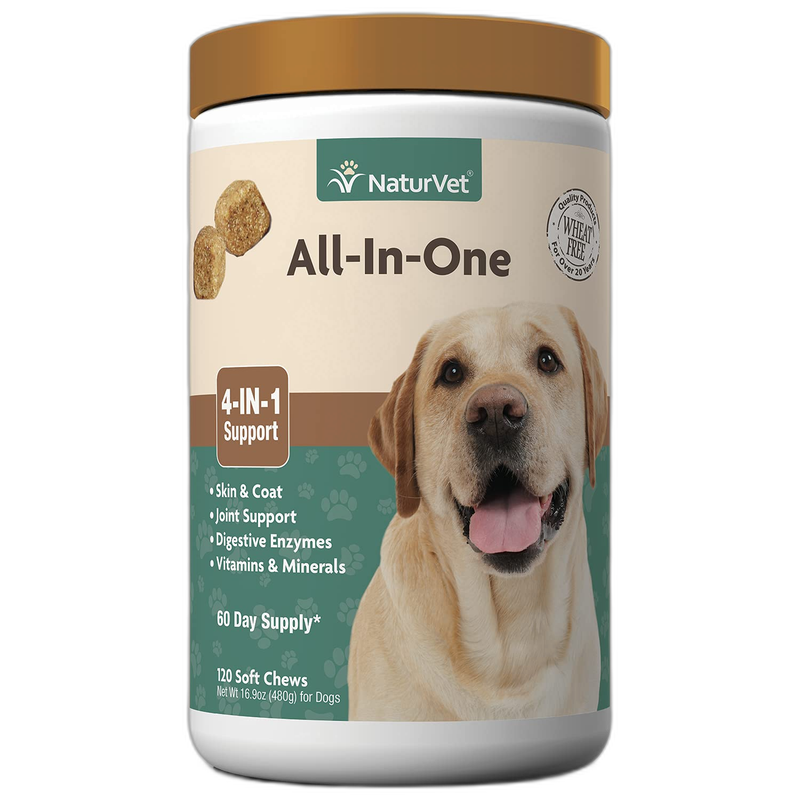
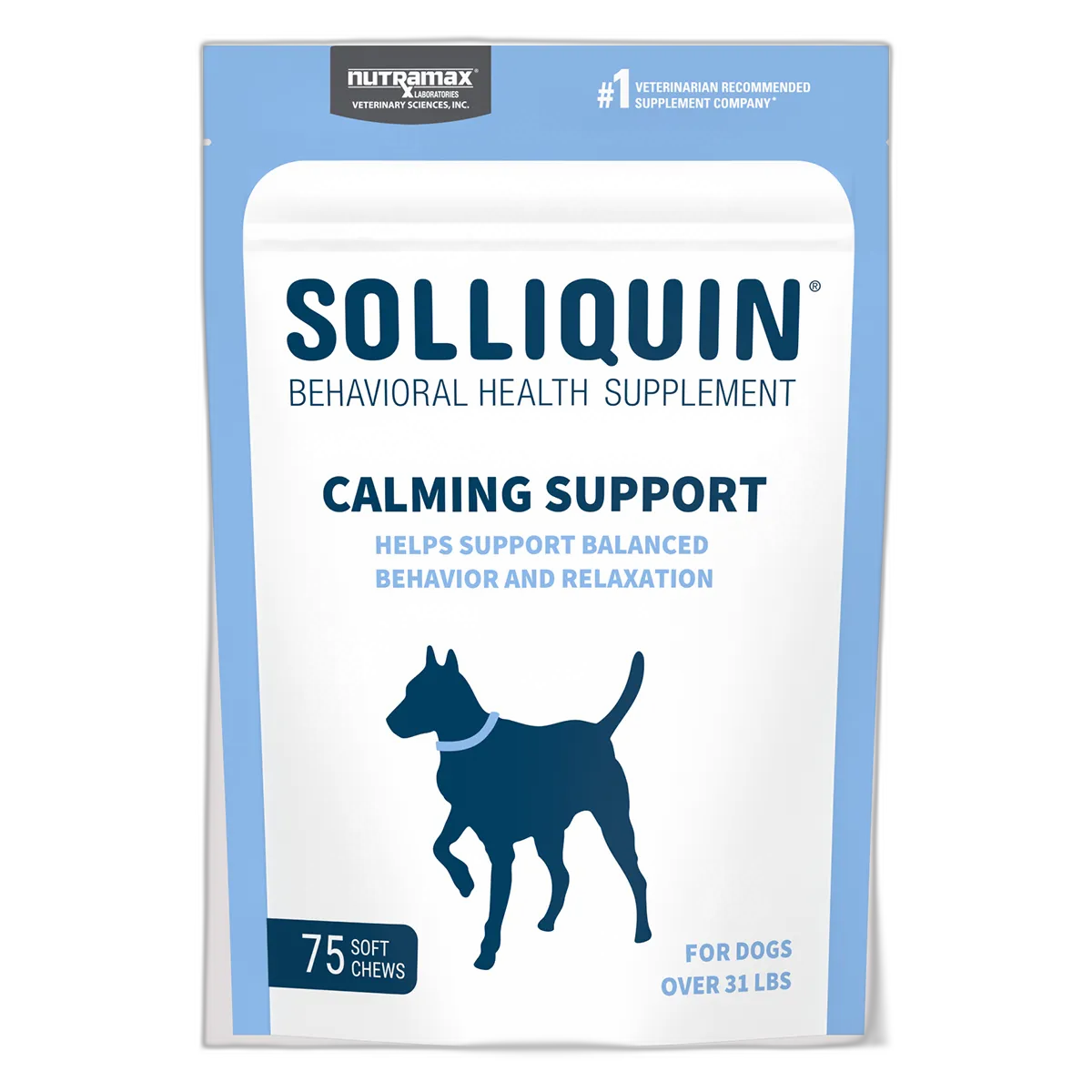
Top-rated supplements featuring this ingredient, ranked by our PSI+ score.