Bromelain
enzyme
Bromelain, an enzyme complex derived from pineapple, has gained attention in both human and veterinary health for its potential therapeutic properties. For dog owners exploring natural supplements, understanding bromelain's role, the available research, and appropriate application is essential. This article delves into the current understanding of bromelain for dogs, covering its purported benefits, safety considerations, and practical advice on choosing and administering supplements.
Bromelain For Dogs
Bromelain is a proteolytic enzyme, meaning it breaks down proteins. This characteristic is central to many of its attributed effects in the body. In dogs, as in humans, its primary applications revolve around managing inflammation, aiding digestion, and supporting tissue healing.
The concept of using enzymes like bromelain in canine health stems from observations of their systemic effects. When ingested, bromelain can be absorbed through the gastrointestinal tract into the bloodstream, allowing it to exert effects beyond just the digestive system. This systemic activity is what makes it interesting for conditions involving inflammation or immune responses, not just issues within the gut itself.
For instance, a dog experiencing joint stiffness might benefit from bromelain's potential anti-inflammatory action. If a dog has difficulty digesting certain proteins, particularly in cases of exocrine pancreatic insufficiency (EPI) or general digestive upset, bromelain could theoretically assist by breaking down these proteins into smaller, more easily absorbable peptides. However, it's crucial to distinguish between anecdotal observations and rigorously tested veterinary research. While human studies suggest benefits, direct, large-scale canine-specific research is still developing.
Practical implications involve understanding that bromelain isn't a standalone cure but rather a potential supportive agent. Its effectiveness can vary greatly depending on the dog's individual condition, the quality and dosage of the supplement, and the underlying cause of the health issue. For example, a dog with severe chronic arthritis will likely require a multi-modal approach to pain management, where bromelain might play a complementary role rather than replacing prescribed medications. Similarly, for digestive issues, a veterinary diagnosis is paramount to rule out serious conditions before considering enzyme supplementation.
Edge cases might include dogs with existing clotting disorders or those on blood-thinning medications, as bromelain can have mild anticoagulant effects. Therefore, always consult a veterinarian before introducing any new supplement, especially in these scenarios.
Unleashing the Power of Bromelain for Canine Dental Health
While often highlighted for its systemic anti-inflammatory properties, bromelain also holds potential, albeit less explored, in canine dental health. The proteolytic nature of bromelain means it can break down proteins, which are components of plaque and tartar buildup on teeth.
The formation of plaque begins with a protein pellicle (a thin film) that adheres to the tooth surface, followed by bacterial colonization. Over time, this plaque mineralizes into tartar. By breaking down some of the protein matrix in plaque, bromelain might theoretically help reduce its accumulation and, consequently, the formation of tartar.
Consider a scenario where a dog is prone to rapid plaque buildup despite regular dental hygiene practices like brushing. A supplement containing bromelain, either applied topically (though challenging for consistent application in dogs) or ingested, could potentially contribute to slowing this process. The mechanism would involve the enzyme acting on the proteins within the oral cavity.
However, it's important to set realistic expectations. Bromelain is unlikely to remove established, hardened tartar; such cases typically require professional veterinary dental cleaning. Its potential role is more in prevention or slowing down the initial stages of plaque formation. Trade-offs include the practical difficulty of ensuring the enzyme remains active and concentrated enough in the oral cavity to have a significant effect before being swallowed. Moreover, the efficacy would depend heavily on the concentration of bromelain and how often it's introduced into the mouth.
Generic claims about "dental power" should be viewed critically. A more accurate perspective is that bromelain might offer a supplementary approach to dental hygiene, working alongside regular brushing, dental chews, and professional cleanings, rather than replacing them. Research specifically on bromelain's direct impact on canine dental plaque and tartar reduction is limited, making it an area where further veterinary studies would be beneficial.
A Supplement with Bromelain, Lentinula edodes, and Quercetin for Bromelain for Dogs
Many canine supplements combine bromelain with other beneficial ingredients, such as Lentinula edodes (Shiitake mushroom) and quercetin. This approach is based on the idea of , where multiple compounds work together to enhance overall benefits.
Lentinula edodes, or Shiitake mushroom, is known for its immunomodulatory properties. It contains beta-glucans, which are complex carbohydrates that can stimulate various aspects of the immune system. When combined with bromelain, the aim is often to provide comprehensive immune support. For a dog with a compromised immune system or one recovering from illness, this combination might offer a broader spectrum of benefits than bromelain alone. The Shiitake could help bolster the dog's natural defenses, while bromelain addresses inflammation.
Quercetin is a flavonoid, a plant pigment known for its antioxidant and anti-inflammatory properties. It is sometimes referred to as "nature's antihistamine" due to its ability to stabilize mast cells and reduce histamine release, which is relevant for dogs with environmental allergies. When bromelain is paired with quercetin, the rationale is that bromelain can enhance the absorption and bioavailability of quercetin, potentially making the latter more effective. This combination is frequently marketed for allergy support in dogs.
Consider a dog with seasonal allergies, exhibiting symptoms like itchy skin and paw licking. A supplement containing bromelain and quercetin might be suggested. The quercetin could help moderate the allergic response, while bromelain's anti-inflammatory action could soothe the associated irritation. The bromelain might also help ensure more of the quercetin is absorbed and utilized by the dog's body.
The practical implication is that multi-ingredient supplements can be more targeted for specific conditions. However, it also means discerning which ingredient is responsible for a particular effect can be challenging. It's crucial to examine the concentrations of each component to ensure they are present in therapeutically relevant amounts. A trade-off is the increased complexity of potential interactions or side effects compared to a single-ingredient supplement. For example, while generally safe, high doses of quercetin could theoretically interact with certain medications. Always discuss such combination supplements with a veterinarian to ensure suitability for your dog's specific health profile.
Bromelain for Bromelain for Dogs
Bromelain's primary benefit for dogs, as indicated by both general scientific understanding and limited veterinary research, revolves around its anti-inflammatory and proteolytic actions.
At its core, bromelain helps manage inflammation by influencing various biochemical pathways. It can modulate cytokine production, reduce prostaglandin synthesis, and inhibit neutrophil migration, all of which are key players in the inflammatory response. This makes it a candidate for supporting dogs with conditions characterized by inflammation.
For instance, a senior dog with osteoarthritis might experience reduced discomfort due to bromelain's anti-inflammatory effects. While it won't rebuild cartilage, it could potentially alleviate some of the pain and stiffness associated with joint inflammation, contributing to improved mobility and quality of life. This is not a replacement for NSAIDs or other veterinary-prescribed treatments but could be a complementary approach.
Another application is in supporting recovery from injuries or surgical procedures. Swelling and bruising are natural consequences of trauma. Bromelain has been shown in human studies to help reduce edema and accelerate the healing process by breaking down proteins associated with swelling and promoting tissue repair. For a dog recovering from a sprain or a minor surgical incision, bromelain might aid in reducing post-operative swelling and discomfort, potentially leading to a faster return to normal activity.
However, the efficacy of bromelain can be influenced by its activity level, which is often measured in Milk Clotting Units (MCU) or Gelatin Digesting Units (GDU). A higher GDU/MCU indicates a more potent enzyme. Practical implications mean that simply seeing "bromelain" on an ingredient list isn't enough; the potency matters. A supplement with a high GDU/MCU count is more likely to exert a therapeutic effect.
A trade-off is that while generally well-tolerated, some dogs might experience mild gastrointestinal upset, such as diarrhea, especially at higher doses. Starting with a lower dose and gradually increasing it while monitoring the dog's response can help mitigate this. Always ensure the bromelain supplement is veterinarian-approved and formulated specifically for pets, as human formulations might contain inactive ingredients unsuitable for dogs.
Bromelain Pineapple Enzyme - Digestive & Anti-Inflammatory Support for Bromelain for Dogs
The dual role of bromelain as both a digestive aid and an anti-inflammatory agent makes it a versatile supplement for dogs. Its identity as a "pineapple enzyme" directly points to its natural origin and its primary function.
As a digestive enzyme, bromelain assists in breaking down proteins in the diet. For dogs with mild digestive sensitivities or those needing support for nutrient absorption, this can be beneficial. Consider a dog that occasionally experiences loose stools or mild indigestion after eating certain protein-rich meals. Adding a bromelain supplement could potentially help their system process these proteins more efficiently, leading to better digestion and firmer stool. This is particularly relevant for dogs that might not produce sufficient digestive enzymes naturally, though severe cases like Exocrine Pancreatic Insufficiency (EPI) require specific veterinary-prescribed enzyme replacement therapies.
Beyond digestion, its anti-inflammatory properties are perhaps its most well-researched attribute. This systemic effect means it can help manage inflammation throughout the body, not just in the gut. This is where the "anti-inflammatory support" aspect comes into play. For example, dogs with chronic low-grade inflammation, perhaps due to aging, environmental factors, or mild allergic reactions, might find relief.
A key practical implication is the timing of administration. For digestive support, bromelain is typically given with meals. For its systemic anti-inflammatory effects, it's often recommended to give it between meals on an empty stomach. This allows the enzyme to be absorbed into the bloodstream before it's primarily used for digesting food, maximizing its systemic bioavailability.
| Application | Administration Timing | Primary Mechanism | Potential Benefit |
|---|---|---|---|
| Digestive Aid | With Meals | Protein breakdown | Improved digestion, nutrient absorption |
| Anti-Inflammatory | Between Meals | Systemic enzyme activity | Reduced swelling, pain relief, immune modulation |
The trade-off here is optimizing for one benefit over another. If a dog needs both, a split dose might be considered, or a product specifically formulated for dual action. It's crucial to observe the dog's response and adjust timing as advised by a veterinarian. The source and purity of the bromelain also matter; look for supplements that clearly state their source and potency to ensure you're getting an effective product.
Is Pineapple Safe for Dogs? For Bromelain for Dogs
The question of whether pineapple is safe for dogs often arises when discussing bromelain, as bromelain is derived from this fruit. The answer is generally yes, in moderation, fresh pineapple can be a safe and healthy treat for most dogs. However, feeding pineapple is not an effective way to deliver therapeutic doses of bromelain.
Fresh pineapple contains vitamins, minerals, and fiber, and a small amount can be a hydrating snack. The bromelain content in raw pineapple is present, but it's not highly concentrated, nor is it in a standardized form suitable for therapeutic purposes. The amount of pineapple a dog would need to consume to get a meaningful dose of bromelain for its anti-inflammatory or digestive benefits would likely be excessive, leading to other issues.
Consider a dog that enjoys small pieces of fresh pineapple as an occasional treat. This is generally fine. The fiber content can aid digestion, and the natural sugars provide a little energy. However, if an owner attempts to use pineapple as a source of bromelain for a specific health concern, such as arthritis, they would quickly run into problems. Feeding too much pineapple could lead to gastrointestinal upset due to its high fiber and sugar content, resulting in diarrhea or stomach pain.
Therefore, the practical implication is that while pineapple is safe in small, occasional quantities, it is not a suitable delivery method for therapeutic bromelain. For targeted health support, a standardized bromelain supplement designed for pets is the appropriate choice. These supplements provide concentrated, measured doses of the enzyme, often with specified activity units (GDU/MCU), which is critical for consistent and predictable effects.
Trade-offs include the risk of overfeeding fruit when attempting to use it therapeutically, versus the cost and commitment of a dedicated supplement. Always ensure any pineapple given to a dog is fresh, peeled, and cut into small, digestible pieces, avoiding the core and spiky skin, which can cause choking or digestive issues. Canned pineapple often contains added sugars or syrups, which are not recommended for dogs.
FAQ
What does bromelain do to dogs?
Bromelain primarily acts as a proteolytic enzyme, meaning it breaks down proteins. In dogs, this translates to two main potential benefits: aiding digestion by helping break down dietary proteins, and exerting systemic anti-inflammatory effects by modulating various inflammatory pathways in the body. It may help reduce swelling, pain, and support tissue healing.
What are the negative side effects of bromelain?
Bromelain is generally well-tolerated by dogs. However, potential side effects, especially at higher doses or in sensitive individuals, can include mild gastrointestinal upset such as nausea, vomiting, or diarrhea. In rare cases, allergic reactions are possible. Due to its mild anticoagulant properties, it should be used with caution in dogs with bleeding disorders or those on blood-thinning medications, and always under veterinary guidance.
How do you say "I love you" in dog speak?
While not directly related to bromelain, "dog speak" for "I love you" often involves a combination of behaviors rather than a single phrase. These can include leaning against you, making soft eye contact (the "whale eye" can mean something else), slow tail wags, bringing you toys, licking, seeking physical proximity, and responding happily to your presence. These are signs of affection and trust.
Conclusion
Bromelain, a proteolytic enzyme derived from pineapple, offers potential benefits for dogs, primarily in areas of anti-inflammatory support and digestive aid. While human research provides a foundation, direct veterinary studies are still expanding. For dog owners considering this supplement, understanding its mechanisms, appropriate dosing, and the importance of veterinary consultation is crucial. Effective use involves selecting high-quality, pet-specific supplements with clearly stated potency, and recognizing that bromelain serves as a complementary support rather than a standalone treatment. Always discuss with your veterinarian to ensure it aligns with your dog's specific health needs and existing medications.
Products Containing Bromelain
Top-rated supplements featuring this ingredient, ranked by our PSI+ score.
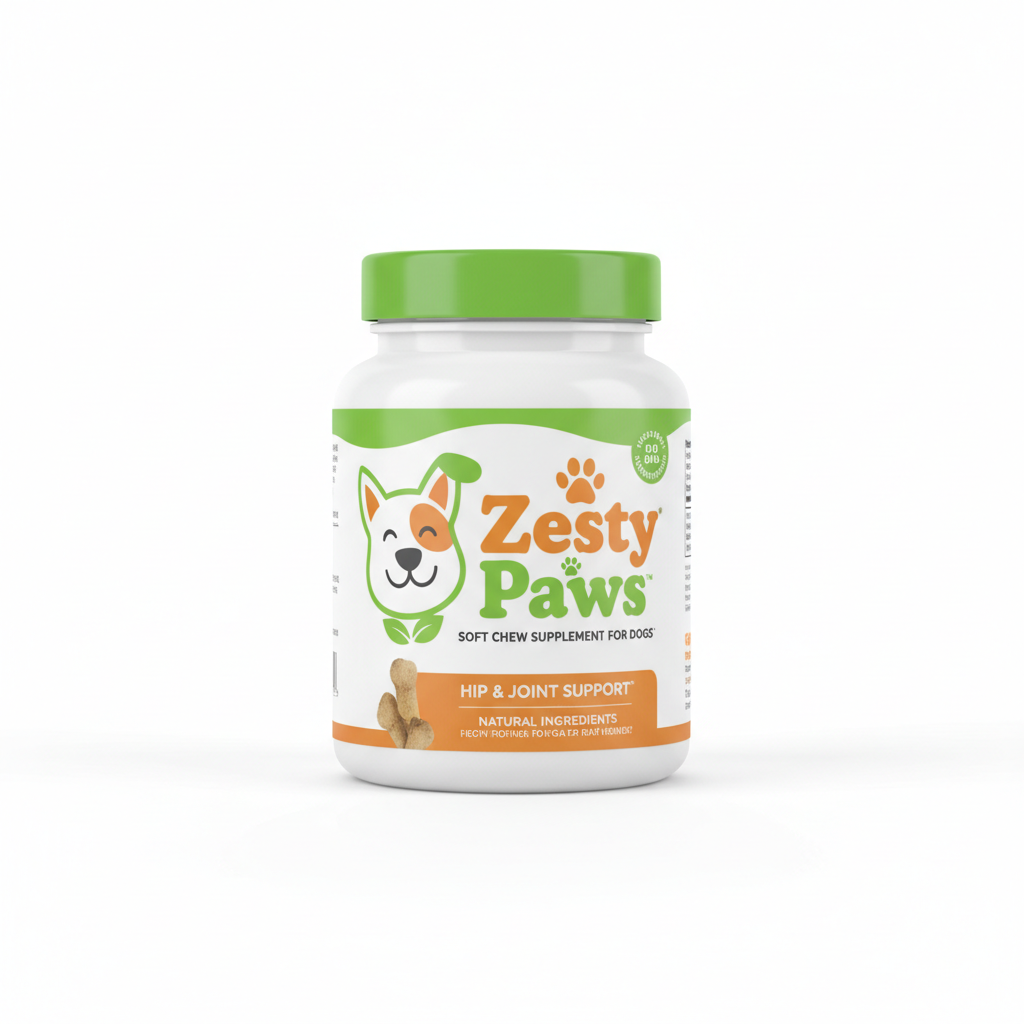
Healthy Gut Digestive Aid
Zesty Paws
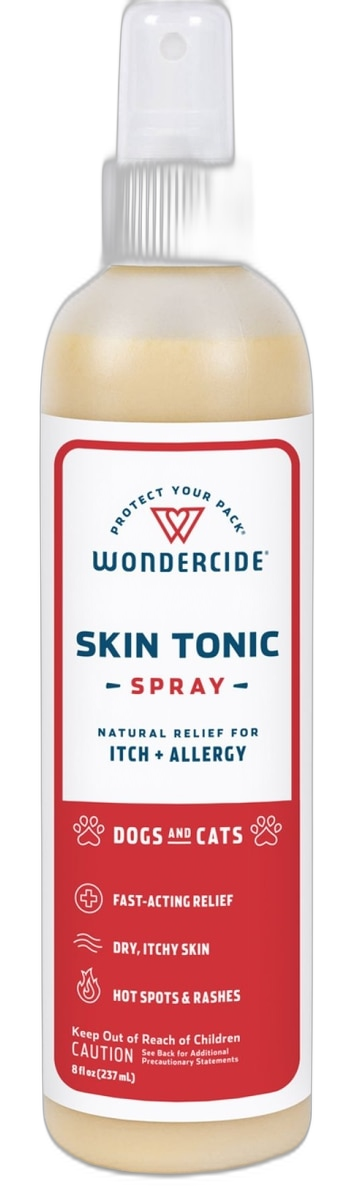
Wondercide Immune & Allergy Support
Wondercide
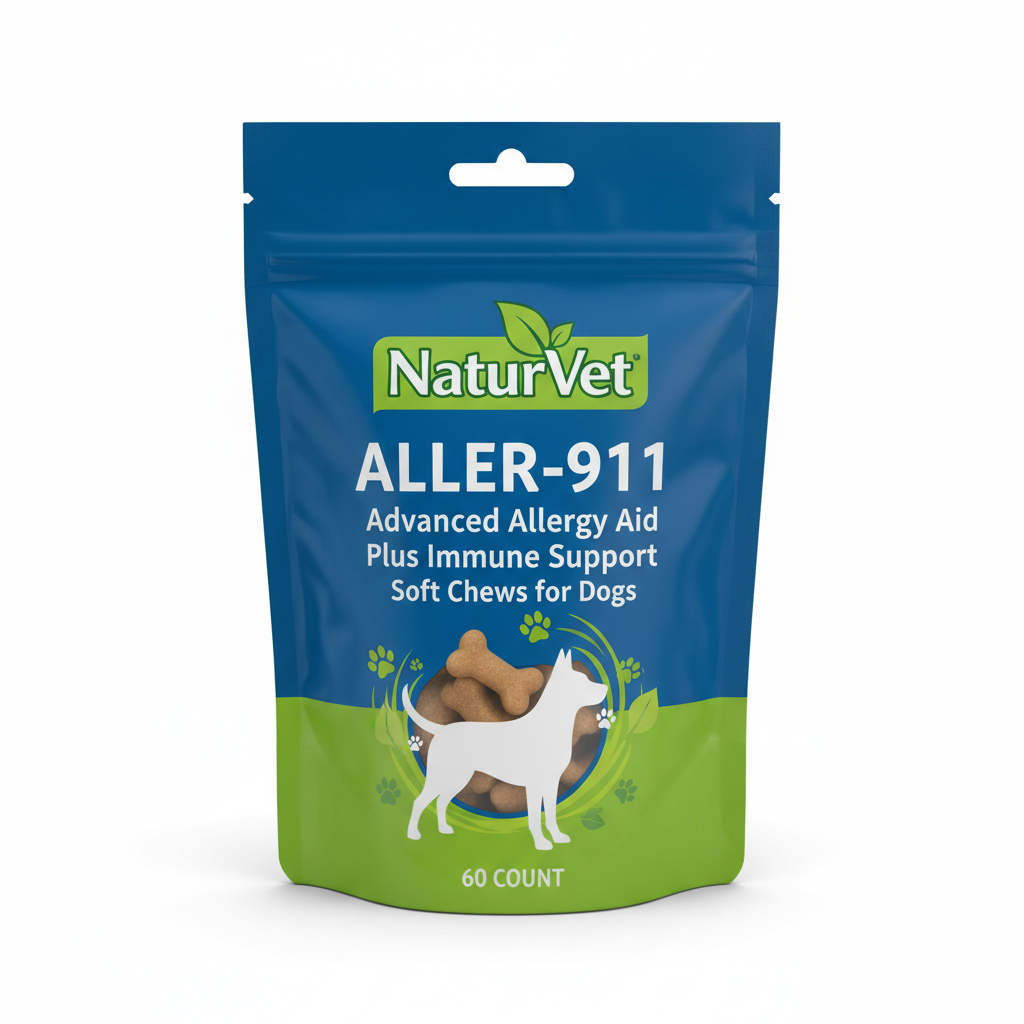
NaturVet Aller-911 Advanced Allergy Aid Plus Immune Support Soft Chews for Dogs, 60 Count
NaturVet
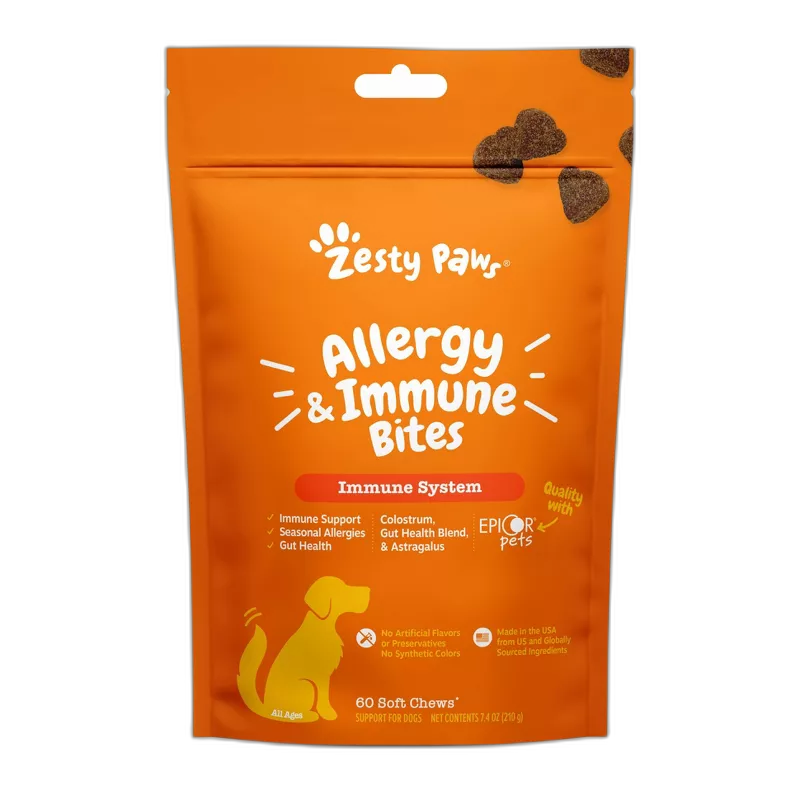
Zesty Paws Aller-Immune Bites Skin & Immune Support
Ready Pet Go