Cellulase
digestive enzyme
Cellulase is an enzyme that breaks down cellulose, a primary component of plant cell walls. In the context of pet digestion, particularly for dogs and cats, cellulase supplements are sometimes considered to assist in the breakdown of fibrous plant matter in their diet. While carnivores and omnivores like dogs naturally produce some digestive enzymes, they generally do not produce cellulase in significant amounts. This article explores the role of cellulase in pet health, examines relevant veterinary research, discusses dosing considerations, and advises on what to look for in a supplement.
What to Know About Cellulase for Improving Pet Digestion
Dogs, being facultative carnivores, have digestive systems primarily adapted for processing animal proteins and fats. While their diets often include plant-based ingredients, especially in commercial kibble, their natural ability to break down complex carbohydrates like cellulose is limited. This limitation stems from a lack of endogenous cellulase production.
When dogs consume plant material, the cellulose acts as dietary fiber. This fiber supports gut motility and provides bulk to stool, which can be beneficial. However, if the goal is to extract nutrients from within plant cells, or if a pet struggles with digesting plant matter, the inability to break down cellulose can be a barrier. Undigested cellulose can contribute to issues like gas, bloating, or nutrient malabsorption if it prevents access to other nutrients encased within plant cell walls.
For some pets, particularly those on diets high in plant-based ingredients or those with compromised digestion, supplementing with cellulase aims to improve the breakdown of this fibrous material. The practical implication is potentially enhanced nutrient availability from plant components and a reduction in digestive discomfort associated with undigested fiber. It's important to recognize that cellulase doesn't digest fiber to the point of eliminating its beneficial bulk; rather, it facilitates access to nutrients that might otherwise remain locked within plant cells. The trade-off is that while it may improve nutrient absorption from plant matter, it's not a universal solution for all digestive issues and should not replace a balanced diet or veterinary care for underlying conditions.
Consider a dog fed a commercial kibble where vegetables like peas, carrots, or sweet potatoes are prominent ingredients. Without adequate cellulase, the valuable vitamins, minerals, and other nutrients within these plant cells might pass through the digestive tract largely unabsorbed. A cellulase supplement could, in theory, help break down those cell walls, making these nutrients more accessible. For a dog prone to soft stools or gas after consuming fibrous treats like certain fruits or vegetables, cellulase might help manage these symptoms by facilitating more complete digestion of the plant material.
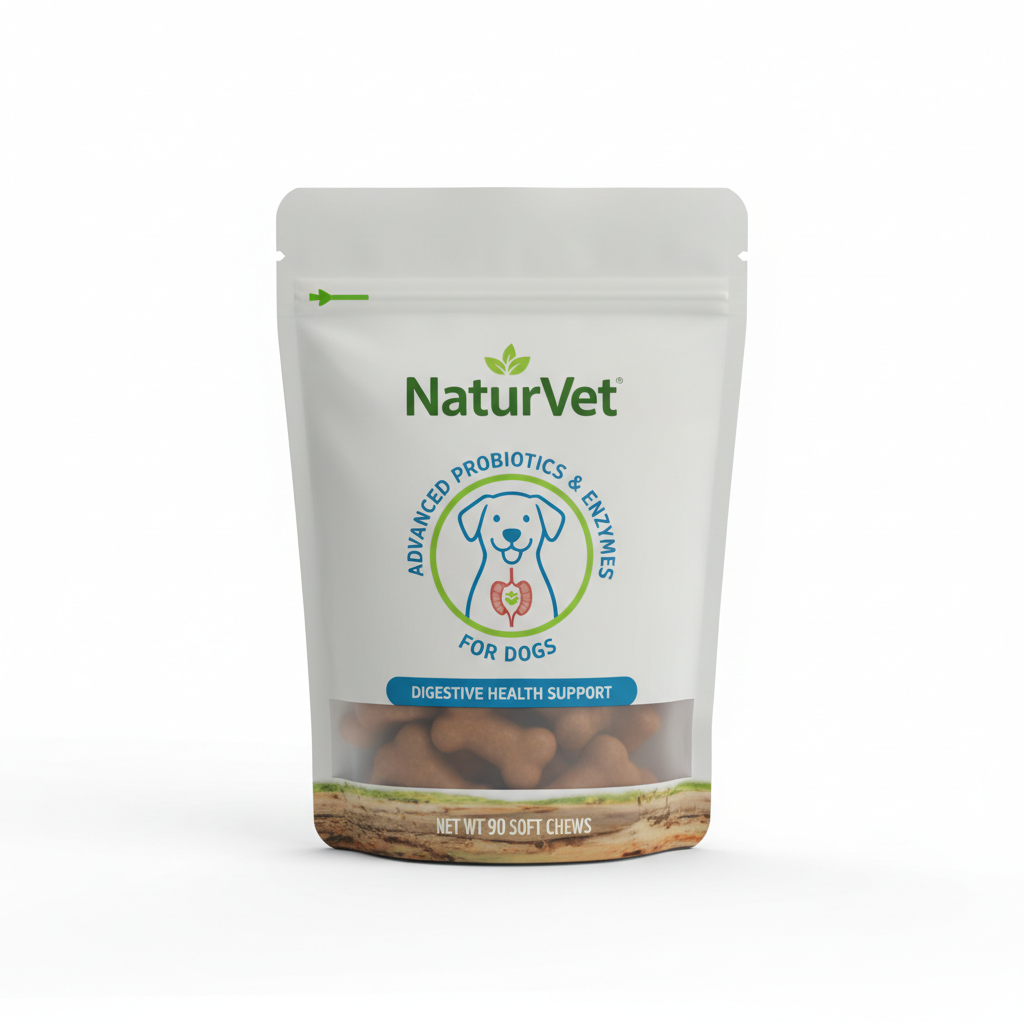
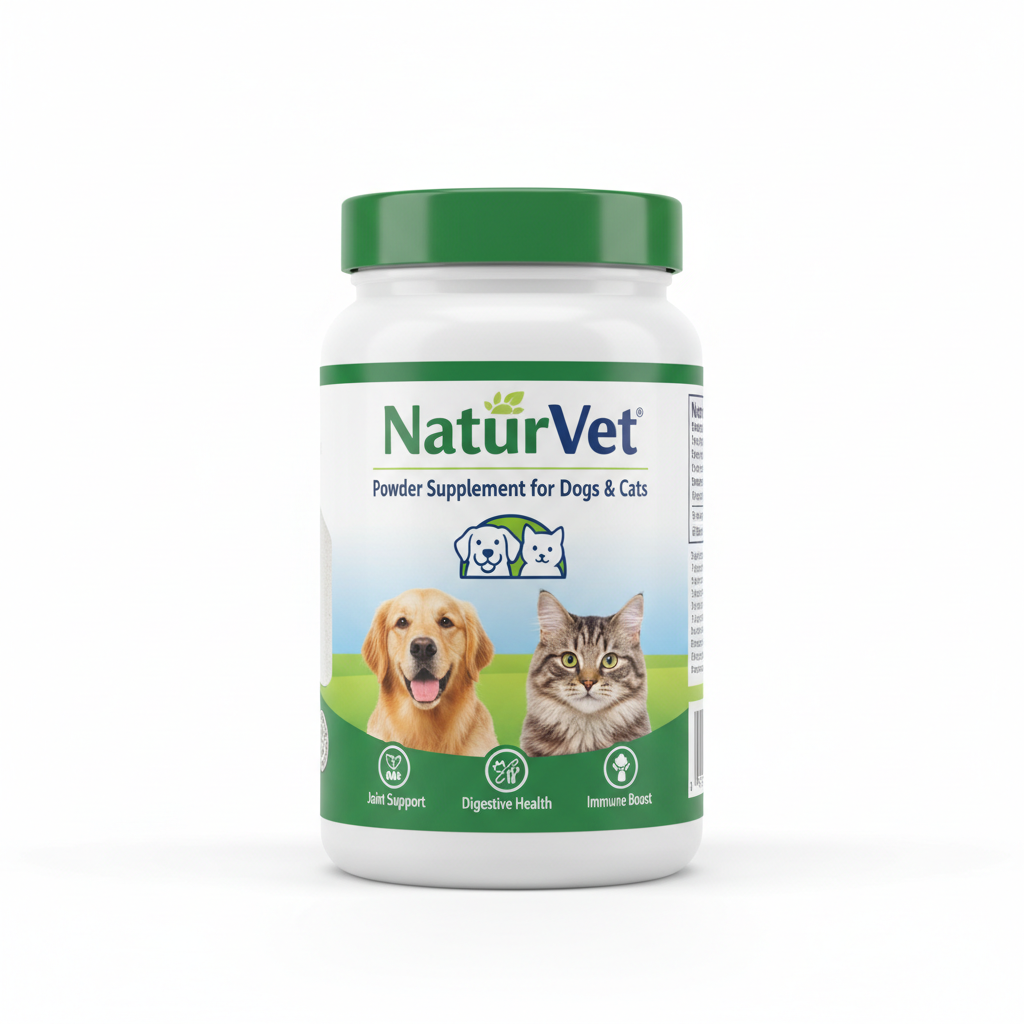
Plant-Based Prebiotics & Digestive Enzymes for Dogs & Cats
The pet supplement market frequently pairs digestive enzymes, including cellulase, with prebiotics. Prebiotics are non-digestible food ingredients that selectively stimulate the growth and activity of beneficial bacteria in the gut. Common prebiotics include fructooligosaccharides (FOS) and inulin, often derived from plant sources.
The rationale behind combining cellulase with prebiotics is synergistic. Cellulase works in the upper digestive tract (stomach and small intestine) to break down cellulose into smaller sugars. While dogs themselves don't efficiently absorb these sugars from cellulose, some of these smaller carbohydrate molecules, or the exposed contents of plant cells, can then serve as substrates for the beneficial gut bacteria in the colon. Prebiotics, by definition, directly feed these beneficial bacteria. So, cellulase might indirectly support gut health by making more fermentable material available, while prebiotics directly foster a healthy microbiome.
However, there's a nuance. Most prebiotics are already fermentable fibers. Cellulase's primary role is to break down non-fermentable cellulose into smaller components, some of which might then become fermentable. The direct impact of cellulase on the prebiotic function itself is less clear than its impact on general plant fiber.
The practical implication is that a combined supplement offers a multi-pronged approach to gut health: enzymes for breaking down food, and prebiotics for supporting the gut microbiome. The trade-off is that it can be harder to isolate the specific benefits of cellulase when it's part of a complex formula. For pets with sensitive digestion, introducing multiple new ingredients simultaneously might make it challenging to identify the specific cause of any improvement or, conversely, any adverse reaction.
For example, a cat with recurring hairballs might benefit from a supplement containing both cellulase and prebiotics. Cellulase could help break down some of the plant fiber in their diet, potentially easing digestion and reducing the likelihood of hairball formation (though the primary treatment for hairballs often involves other strategies). The prebiotics would then support a balanced gut flora, which is generally beneficial for overall digestive health. If a dog has a history of mild constipation, the fiber-digesting action of cellulase combined with the gut-stimulating effects of prebiotics could help normalize stool consistency.
When To Give Digestive Enzymes For Dogs
The decision to give a dog digestive enzymes, including cellulase, typically arises in specific circumstances where their natural digestive capabilities are insufficient. It's not a universal recommendation for all dogs but rather a targeted intervention.
The most common and clinically recognized reason for digestive enzyme supplementation in dogs is Exocrine Pancreatic Insufficiency (EPI). In EPI, the pancreas fails to produce adequate amounts of digestive enzymes (amylase for starches, protease for proteins, and lipase for fats). While cellulase is not one of these primary pancreatic enzymes, dogs with EPI often benefit from a broad-spectrum enzyme supplement. However, for EPI, the focus is on the pancreatic enzymes, and cellulase would be an ancillary component, if included at all.
Beyond EPI, other scenarios might warrant consideration of digestive enzymes:
- Senior dogs: As dogs age, their natural enzyme production can sometimes decrease, potentially leading to less efficient digestion.
- Dogs with sensitive stomachs or chronic digestive upset: Unexplained flatulence, loose stools, or occasional vomiting might suggest suboptimal digestion.
- Dogs on diets high in plant matter: If a dog is fed a diet rich in vegetables, fruits, or grains, and shows signs of difficulty digesting these components, cellulase could be considered.
- Dogs transitioning to new diets: Enzymes can sometimes help ease the transition by supporting digestion of unfamiliar ingredients.
- Nutrient malabsorption: If a veterinarian suspects a dog isn't absorbing nutrients effectively, evidenced by poor coat quality, weight loss despite adequate food intake, or general lethargy, enzymes might be part of a diagnostic or therapeutic plan.
It's crucial to consult a veterinarian before starting any enzyme supplement. Self-diagnosis and treatment can delay appropriate medical care for underlying conditions. The practical implication is that enzyme supplementation should be a considered choice, not a default. The trade-off is that while enzymes can offer support, they might mask symptoms of a more serious problem if not used under veterinary guidance.
For instance, a young, otherwise healthy dog on a high-quality, balanced diet with no digestive issues likely doesn't need a cellulase supplement. Their system is likely processing their food efficiently. Conversely, an older dog showing signs of occasional regurgitation, undigested food in stool, and a dull coat might be a candidate for a trial of digestive enzymes, including cellulase, after a veterinary check-up rules out other causes. If a dog consistently experiences gas and bloating after eating kibble that lists corn or soy as primary ingredients, a veterinarian might suggest a trial of a digestive enzyme blend that includes cellulase to see if it alleviates these symptoms.
Enzyme Miracle for Cats and Dogs
The phrase "enzyme miracle" often appears in marketing for pet supplements, suggesting a transformative effect on pet health through enzyme supplementation. While enzymes can certainly be beneficial, it's important to approach such claims with a balanced perspective. There's no single "miracle enzyme" that solves all health problems. Instead, specific enzymes address specific digestive challenges.
For cats, digestive enzyme needs can differ slightly from dogs. Cats are obligate carnivores, meaning their natural diet is almost exclusively meat. Their digestive systems are even less adapted than dogs' for processing significant amounts of plant matter. Therefore, if a cat's diet contains plant-based fillers, or if they consume grass or other fibrous materials, cellulase might theoretically offer benefits. However, the primary enzyme deficiencies in cats, when they occur, often relate to proteases (for protein digestion) and lipases (for fat digestion), especially in cases of pancreatic insufficiency or inflammatory bowel disease.
The "miracle" aspect, if it exists, lies in addressing specific deficiencies or inefficiencies. For a pet truly struggling with digestion, providing the right enzymes can lead to noticeable improvements in stool quality, energy levels, coat health, and overall well-being. This is not a "cure-all" but rather a targeted support mechanism that allows the body to better utilize its food.
The practical implication is to look beyond hyperbolic marketing and focus on the specific enzymes included in a product and their relevance to your pet's diet and symptoms. A product claiming an "enzyme miracle" should still list its ingredients and their quantities clearly. The trade-off is that while the promise of a simple solution is appealing, true digestive health often requires a , including diet, lifestyle, and veterinary care, in addition to targeted supplementation.
Consider a cat that frequently vomits undigested food shortly after eating. While many causes exist, if a vet rules out other issues, a broad-spectrum enzyme supplement including proteases, lipases, and potentially cellulase (if the diet contains plant matter) might be tried. The "miracle" here would be the cessation of vomiting and improved nutrient absorption, not a magical transformation of the cat's entire physiology. Similarly, a dog with chronic bad breath and plaque buildup might benefit from oral enzymes, but expecting a full dental cleaning from a supplement is unrealistic. The "miracle" is always relative to the problem being addressed.
5 Enzymes That Will Transform Your Dog's Health
While there isn't a definitive list of five enzymes that will universally "transform" every dog's health, focusing on key enzyme groups helps understand their roles. For digestive health, the most commonly discussed and supplemented enzymes fall into these categories:
Other enzymes like hemicellulase, phytase, and pectinase may also be included in comprehensive digestive enzyme blends, each targeting specific types of plant fibers or compounds.
The "transformation" aspect comes from addressing specific dietary and digestive needs. If a dog is deficient in one or more of these enzymes or struggles with a diet heavy in certain macronutrients, supplementing the appropriate enzyme can indeed lead to significant improvements.
The practical implication is that a well-chosen enzyme blend targets the specific macronutrients and fibers in a dog's diet. A dog on a high-protein, moderate-fat, low-carb diet might benefit more from a supplement rich in proteases and lipases, whereas a dog on a kibble with significant grain and vegetable content might benefit more from a blend strong in amylase and cellulase. The trade-off is that simply adding enzymes without understanding their function or your dog's specific needs might not yield the desired results and could be a wasted expense.
For example, if a dog has been diagnosed with EPI, the "transformation" would come from supplementing with high levels of proteases, amylases, and lipases. Adding cellulase in this scenario, while potentially helpful for plant fiber digestion, would be secondary to the core enzyme needs. Conversely, if a healthy dog on a raw diet that includes puréed vegetables develops occasional gas, a supplement with cellulase and perhaps some amylase could be the key to alleviating that specific issue. The "transformation" is highly individualized.
Cellulase – Veterinary Research, Dosing, and What to Look For
Understanding cellulase in the context of veterinary science requires reviewing available research, establishing appropriate dosing strategies, and knowing how to select a quality supplement.
Veterinary Research on Cellulase for Dogs
Compared to research on pancreatic enzymes for EPI, specific veterinary studies focusing solely on cellulase supplementation in otherwise healthy dogs are less abundant. Most research on cellulase in animal nutrition tends to be in livestock, where breaking down plant fiber is crucial for feed efficiency.
However, the principles of enzyme function are consistent. Cellulase breaks down cellulose. Studies on broader digestive enzyme blends in dogs often show improvements in nutrient digestibility, stool quality, and reduction in flatulence. When cellulase is part of such a blend, it contributes to the overall effect by targeting plant fiber.
One area where cellulase could be relevant, though often not specifically studied in isolation, is its potential to liberate nutrients from plant-based ingredients in commercial pet foods. Many dog foods contain significant amounts of plant material, and improving the digestibility of these components could theoretically enhance nutrient availability.
The practical implication is that while direct, stand-alone research on cellulase for dogs is limited, its inclusion in broader enzyme panels is based on its known biochemical action on cellulose. The trade-off is that claims of specific benefits from cellulase alone often extrapolate from general enzyme research or in vitro studies, rather than extensive canine clinical trials.
Dosing Cellulase for Dogs
Dosing for cellulase, like other digestive enzymes, is not standardized in the same way as pharmaceuticals. It typically depends on:
- Enzyme activity units: Enzymes are measured in activity units (e.g., CU for cellulase units), not weight (mg). A higher activity unit count indicates more enzymatic power.
- Pet's size and weight: Larger dogs generally require higher doses.
- Diet composition: Dogs on higher-fiber or plant-rich diets might benefit from more cellulase.
- Specific digestive issues: The severity of symptoms can influence dosing.
- Manufacturer recommendations: Always start with the dose recommended by the supplement manufacturer, often based on pet weight.
It's common for enzyme supplements to be given with each meal. This ensures the enzymes are present in the digestive tract when food arrives. Overdosing with digestive enzymes is generally considered low risk, as excess enzymes are usually simply excreted. However, extremely high doses could potentially lead to mild gastrointestinal upset in some sensitive individuals.
Example Dosing Guideline (Hypothetical, always follow product instructions):
| Pet Weight (lbs) | Cellulase Units (CU) per meal |
|---|---|
| Up to 20 | 500 - 1,000 |
| 21-50 | 1,000 - 2,000 |
| 51-100 | 2,000 - 4,000 |
| 100+ | 4,000 - 6,000 |
Note: These are illustrative figures. Actual product dosing will vary based on concentration and formulation. Always consult the product label and your veterinarian.
What to Look For in a Cellulase Supplement for Dogs
When selecting a cellulase supplement, consider the following:
The practical implication is that a discerning approach to supplement selection is key. Don't simply grab the first product you see. The trade-off is that thoroughly researching supplements takes time, but it reduces the risk of ineffective products or potential adverse reactions.
For example, if you have a large dog on a grain-inclusive kibble and you're considering cellulase, look for a powder supplement with at least 2,000-3,000 CU of cellulase per scoop, ideally as part of a blend with other major digestive enzymes. If your pet has allergies, carefully check the "other ingredients" list for potential allergens.
FAQ
Is cellulase good for dogs?
Cellulase can be beneficial for dogs, particularly those on diets containing significant plant matter. Since dogs do not naturally produce cellulase, supplementing it can help break down cellulose (plant fiber), potentially improving nutrient absorption from plant ingredients and reducing digestive discomfort like gas or bloating caused by undigested fiber. However, it is not necessary for all dogs, and its utility largely depends on the dog's diet and individual digestive needs.
Can dogs hear you when you talk?
Yes, dogs can hear you when you talk. Their hearing range is broader than humans', allowing them to detect higher frequencies. While they don't understand language in the same way humans do, they can recognize familiar words, tones of voice, and body language, and associate these with specific actions or emotions.
What is the one meat to never feed a dog?
There isn't a single "one meat" that should absolutely never be fed to a dog, as long as it's prepared safely and appropriately. However, certain meats or meat preparations are problematic:
- Cooked bones: These can splinter and cause internal damage.
Raw pork: While some raw meats are fine, raw pork can carry the Trichinella spiralis* parasite, which causes trichinosis.
- Processed meats: Deli meats, bacon, and hot dogs are often high in sodium, nitrates, and unhealthy fats, which are detrimental to canine health.
- Meat with sauces or seasonings: Onions, garlic, excessive salt, and other human seasonings can be toxic or harmful to dogs.
Always ensure any meat offered to a dog is plain, cooked appropriately (if not part of a veterinary-approved raw diet), and free from bones that could splinter.
Conclusion
Cellulase for dogs and cats is a digestive enzyme that assists in breaking down cellulose, a component of plant cell walls. While pets do not naturally produce significant amounts of this enzyme, supplementation can be a consideration for those on diets high in plant-based ingredients or those exhibiting signs of digestive difficulty related to fiber. Veterinary research on cellulase specifically for pets is less extensive than for other digestive enzymes, but its biochemical action is well-understood. Dosing depends on enzyme activity units, pet size, and dietary needs, and should always follow manufacturer guidelines and veterinary advice. When selecting a supplement, prioritize products that clearly state enzyme activity, use reputable sources, and are free from unnecessary fillers. Ultimately, incorporating cellulase, often as part of a broader enzyme blend, is a targeted approach to support digestive health rather than a universal necessity for all pets.
Products Containing Cellulase
Top-rated supplements featuring this ingredient, ranked by our PSI+ score.