Cod Liver Oil
fatty acid
Cod liver oil, a longtime human health staple due to its concentrated nutrients, prompts a common question from pet owners: can these same benefits extend to dogs and cats? This article examines cod liver oil's role for pets, detailing its potential benefits, appropriate dosages, and crucial safety considerations. Understanding its specific compounds and their interaction with pet physiology is essential for informed supplementation decisions.
Pet Cod Liver Oil
When considering cod liver oil for dogs and cats, it's crucial to distinguish it from general fish oil supplements. While both are sources of omega-3 fatty acids, cod liver oil specifically comes from the liver of codfish and naturally contains vitamins A and D in addition to EPA (eicosapentaenoic acid) and DHA (docosahexaenoic acid). This unique nutrient profile means that while it offers benefits, it also carries specific considerations regarding potential toxicity from excessive vitamin intake.
For example, a pet owner might be looking to improve their dog's dull coat. Standard fish oil would provide the omega-3s for skin and coat health. However, cod liver oil would offer those same omega-3s, plus the added benefit of vitamins A and D, which also play roles in skin health, vision, and bone integrity. The trade-off is the need for careful dosage to avoid hypervitaminosis. This makes choosing a product specifically formulated for pets, or consulting with a veterinarian, particularly important. Such products often have standardized vitamin levels to mitigate risks.
Is Cod Liver Oil Good for Dogs?
Many pet owners are curious about the potential advantages of cod liver oil for their dogs. The answer is nuanced: yes, it can be beneficial when used appropriately. The primary draw of cod liver oil lies in its rich content of omega-3 fatty acids, particularly EPA and DHA, and fat-soluble vitamins A and D.
These components contribute to several aspects of canine health:
- Joint Health: Omega-3s are known for their anti-inflammatory properties, which can help alleviate discomfort associated with conditions like arthritis or general joint stiffness, particularly in older dogs.
- Skin and Coat Condition: EPA and DHA support a healthy skin barrier, reducing dryness, flakiness, and itching. This often translates to a shinier, softer coat and can help manage certain dermatological issues.
- Immune System Support: Vitamin A is vital for immune function and vision, while Vitamin D plays a critical role in calcium absorption and bone health, as well as modulating the immune response.
- Cardiovascular Health: Omega-3s can contribute to maintaining a healthy heart and circulatory system.
- Cognitive Function: DHA is a major structural component of the brain, making it important for cognitive development in puppies and maintaining brain health in adult and senior dogs.
However, the "good" aspect is conditional. The natural inclusion of vitamins A and D means that over-supplementation can lead to toxicity. For instance, giving a large quantity of cod liver oil to a small dog, thinking more is better for their joints, could inadvertently lead to an overdose of Vitamin D, causing hypercalcemia and kidney issues. Therefore, the benefits are directly tied to correct product selection and precise dosing.
Pet Cod Liver Oil for Practitioners
Veterinary practitioners often approach cod liver oil with a balanced perspective, recognizing its therapeutic potential alongside its inherent risks. For veterinarians, the primary consideration is the precise control over nutrient intake, especially fat-soluble vitamins.
When recommending an omega-3 supplement, a practitioner might lean towards a purified fish oil that provides high levels of EPA and DHA without significant amounts of vitamins A and D. This allows for independent supplementation of vitamins if needed, reducing the risk of inadvertently exceeding safe levels. For example, if a dog has a confirmed Vitamin A deficiency, cod liver oil could be a targeted solution. However, for general omega-3 supplementation to address inflammatory skin conditions, a practitioner might prioritize a fish oil with guaranteed EPA/DHA content and minimal vitamins.
Practitioners also consider the source and purity of the cod liver oil. They look for products that are molecularly distilled to remove heavy metals and other contaminants, and those that provide a clear analysis of EPA, DHA, Vitamin A, and Vitamin D content per dose. This allows them to calculate a safe and effective dosage tailored to the individual animal's weight, health status, and existing diet. They understand that a dog already eating a fortified commercial diet might receive adequate vitamins A and D, making additional supplementation from cod liver oil potentially dangerous.
Cod Liver Oil for Dogs: Health Benefits & Dosage
The health benefits of cod liver oil for dogs stem from its unique blend of omega-3 fatty acids (EPA and DHA) and fat-soluble vitamins A and D. However, achieving these benefits without risking toxicity hinges entirely on correct dosage.
Health Benefits Summary:
- Anti-inflammatory Effects: Primarily due to EPA, beneficial for joint pain, allergies, and inflammatory bowel disease.
- Skin and Coat Health: Reduces dryness, flakiness, and itching; promotes a glossy coat.
- Vision Support: Vitamin A is crucial for good eyesight, preventing night blindness and supporting overall ocular health.
- Bone Health: Vitamin D facilitates calcium absorption, essential for strong bones and teeth.
- Immune System Boost: Both vitamins A and D play significant roles in modulating and supporting the immune response.
- Cognitive Support: DHA is vital for brain development in puppies and cognitive maintenance in older dogs.
Dosage Guidelines:
Determining the correct cod liver oil dosage for dogs is not a one-size-fits-all calculation and should ideally be done in consultation with a veterinarian. The primary concern is avoiding vitamin A and D toxicity.
General considerations for dosage:
- Weight of the Dog: Smaller dogs require significantly less than larger dogs.
- Concentration of the Product: The amount of EPA, DHA, Vitamin A, and Vitamin D varies widely between brands. Always check the label.
- Existing Diet: If the dog's commercial food is already fortified with vitamins A and D, less or no additional supplementation may be needed.
- Specific Health Needs: A dog with a severe skin condition might benefit from a higher, short-term dose under veterinary supervision, while a dog receiving it for general wellness would need a lower, maintenance dose.
A common approach for calculating omega-3 dosage, which can then be cross-referenced with vitamin levels in cod liver oil, is to aim for:
- EPA + DHA: 20-55 mg per kg of body weight per day.
For vitamins, the following general safe upper limits (though lower therapeutic doses are often sufficient) are often cited, but can vary based on individual animal health:
- Vitamin A: Generally, avoid exceeding 200 IU per kg of body weight per day. Chronic intake above 10,000 IU for small dogs or 50,000 IU for large dogs can lead to toxicity.
- Vitamin D: Generally, avoid exceeding 10 IU per kg of body weight per day. Chronic intake above 500-1,000 IU for small dogs or 5,000-10,000 IU for large dogs can lead to toxicity.
Example Scenario: Let's say you have a 10 kg (22 lb) dog. Target EPA+DHA: 20-55 mg/kg 10 kg = 200-550 mg EPA+DHA per day. Target Vitamin A (max): 200 IU/kg 10 kg = 2000 IU Vitamin A per day. Target Vitamin D (max): 10 IU/kg 10 kg = 100 IU Vitamin D per day.
If your chosen cod liver oil supplement states it contains 100 mg EPA+DHA, 1000 IU Vitamin A, and 100 IU Vitamin D per teaspoon, then:
- Giving 1/2 teaspoon would provide 50 mg EPA+DHA, 500 IU Vitamin A, and 50 IU Vitamin D. This might be too low for optimal EPA+DHA, but within safe vitamin limits.
- Giving 1 teaspoon would provide 100 mg EPA+DHA, 1000 IU Vitamin A, and 100 IU Vitamin D. This is still below the target EPA+DHA for a 10kg dog (200-550mg) but is approaching the upper safe limit for Vitamin A (2000 IU).
This scenario highlights the challenge: achieving therapeutic omega-3 levels might push vitamin levels too high with some cod liver oil products. This is why many veterinarians prefer pure fish oil for high-dose omega-3 supplementation, supplementing vitamins separately if needed.
Always consult your veterinarian before starting any new supplement to ensure it's appropriate for your dog's specific health needs and to determine the precise, safe dosage.
Can Dogs Eat Cod Liver Oil? Discover If It's Safe or Bad
The safety of cod liver oil for dogs hinges on careful administration and understanding its unique composition. It's not inherently "bad," but misuse can lead to adverse effects. The primary concern revolves around the fat-soluble vitamins A and D, which, unlike water-soluble vitamins, are stored in the body and can accumulate to toxic levels.
Potential Safety Concerns:
- Mechanism: Chronic excessive intake of Vitamin A can lead to bone deformities, joint pain, sluggishness, digestive upset, and skin issues. In severe cases, it can cause liver damage.
- Symptoms: Lameness, stiffness, reluctance to move, abnormal bone growth (especially in puppies), weight loss, vomiting, diarrhea.
- Risk Factors: Over-supplementation, especially when combined with a diet already rich in Vitamin A (e.g., liver-based treats or fortified kibble).
- Mechanism: Excess Vitamin D causes dangerously high calcium levels in the blood (hypercalcemia). This can lead to kidney failure, heart problems, and calcification of soft tissues.
- Symptoms: Increased thirst and urination, weakness, lethargy, loss of appetite, vomiting, constipation, and eventually kidney damage.
- Risk Factors: Over-supplementation, particularly with products that have high Vitamin D concentrations.
- Mechanism: Any oil, including cod liver oil, given in excessive amounts can cause digestive upset due to its fat content.
- Symptoms: Loose stools, diarrhea, vomiting, greasy stools.
- Risk Factors: Giving too much too quickly, or to dogs with sensitive digestive systems.
- Mechanism: While rare with appropriate doses, very high levels of omega-3 fatty acids can potentially interfere with blood clotting.
- Risk Factors: Dogs already on blood thinners or those undergoing surgery.
- Mechanism: Omega-3 fatty acids are susceptible to oxidation (going rancid) when exposed to air, light, or heat. Rancid oil loses its benefits and can be harmful, causing inflammation and damage.
- Risk Factors: Improper storage, purchasing products past their expiration date, or low-quality products.
How to Ensure Safety:
- Veterinary Consultation: Always discuss cod liver oil supplementation with your vet first. They can assess your pet's overall health, existing diet, and specific needs.
- Choose Reputable Brands: Select products specifically formulated for pets that provide clear ingredient lists, guaranteed analysis of EPA, DHA, Vitamin A, and Vitamin D content, and third-party purity testing (e.g., for heavy metals, PCBs).
- Follow Dosage Instructions Strictly: Adhere to veterinary recommendations or, if none are available, the product's guidelines, starting with a lower dose and gradually increasing.
- Monitor for Adverse Reactions: Watch for any changes in appetite, energy levels, digestion, or behavior.
- Proper Storage: Store cod liver oil in a cool, dark place, away from direct sunlight and heat. Refrigeration after opening is often recommended.
- Consider Alternatives: If the primary goal is high-dose omega-3 supplementation, a purified fish oil with minimal vitamins A and D might be a safer choice, allowing for independent vitamin adjustment if needed.
This Nutrient-Rich Oil Is a Staple for Canine Wellness
While not a universal panacea, cod liver oil, when used judiciously, can be a valuable component of a canine wellness regimen. Its status as a "staple" comes from its comprehensive nutrient profile, addressing multiple aspects of health simultaneously, unlike single-nutrient supplements.
Consider a senior dog experiencing mild joint stiffness and a dull coat. Instead of separate supplements for joint health (like glucosamine) and skin health (like biotin), a carefully dosed cod liver oil supplement could address both concerns with its anti-inflammatory omega-3s and skin-supporting vitamins. This integrated approach can simplify supplementation for pet owners.
However, its "staple" status also implies a need for consistent, informed use. Just as a healthy diet is a staple, but overeating leads to problems, cod liver oil requires adherence to proper amounts. For example, a pet owner might rotate cod liver oil with other omega-3 sources or use it seasonally, depending on their dog's needs (e.g., more during winter for dry skin, or during periods of increased activity for joint support). The key is not to view it as a standalone cure, but as a supportive element within a broader health strategy that includes a balanced diet, regular exercise, and routine veterinary care.
The table below provides a comparison of cod liver oil versus general fish oil, which can help pet owners and practitioners make an informed choice based on specific needs.
| Feature | Cod Liver Oil | General Fish Oil (e.g., Salmon Oil) |
|---|---|---|
| Source | Liver of codfish | Flesh of various fatty fish (salmon, anchovy, sardine, mackerel) |
| Primary Nutrients | EPA, DHA, Vitamin A, Vitamin D | EPA, DHA |
| Vitamin A Content | High (naturally occurring) | Very low or absent |
| Vitamin D Content | High (naturally occurring) | Very low or absent |
| Risk of Toxicity | Higher risk of Vitamin A & D toxicity with overdose | Very low risk of vitamin toxicity |
| Primary Use Cases | General wellness, specific vitamin deficiencies, joint/skin support where vitamins are also desired | High-dose omega-3 supplementation for inflammation, skin, heart, brain |
| Dosing Complexity | More complex, requires careful consideration of all four components (EPA, DHA, Vit A, Vit D) | Simpler, primarily focused on EPA/DHA content |
| Purity Concerns | Similar to fish oil (heavy metals, PCBs), look for distilled products | Similar to cod liver oil, look for distilled products |
| Cost | Varies, can be similar to fish oil | Varies, can be similar to cod liver oil |
| Veterinary Preference | Often used for targeted needs or when overall vitamin intake is monitored | Often preferred for general, higher-dose omega-3 supplementation |
Frequently Asked Questions
Is cod liver oil good for dogs?
Yes, cod liver oil can be beneficial for dogs due to its omega-3 fatty acids (EPA and DHA) and vitamins A and D. It can support joint health, improve skin and coat condition, boost the immune system, and aid in vision and bone health. However, its effectiveness and safety depend entirely on correct dosage and product quality, as excessive amounts of vitamins A and D can be harmful.
How much cod liver oil can a dog have per day?
The appropriate dosage of cod liver oil for a dog varies significantly based on the dog's weight, the concentration of the specific product, and the dog's overall diet and health status. It is crucial to consult a veterinarian to determine a safe and effective dose, as overdosing on vitamins A and D can lead to toxicity. General guidelines often aim for 20-55 mg of combined EPA and DHA per kg of body weight, while staying well within safe upper limits for vitamins A and D.
Is cod liver oil good for itchy skin in dogs?
Yes, cod liver oil can be beneficial for dogs with itchy skin. The omega-3 fatty acids, particularly EPA, have anti-inflammatory properties that can help reduce skin inflammation and itching. Additionally, Vitamin A supports healthy skin cell turnover, and Vitamin D can modulate immune responses related to skin conditions. Consistent, appropriate supplementation can lead to a healthier skin barrier, reducing dryness and irritation.
Conclusion
Cod liver oil offers a unique blend of omega-3 fatty acids, vitamin A, and vitamin D, making it a potentially valuable supplement for both dogs and cats. Its benefits range from improved joint health and a lustrous coat to immune system support and cognitive function. However, its natural vitamin content necessitates a careful approach to dosage to prevent hypervitaminosis. For pet owners seeking to enhance their companion's wellness, consulting with a veterinarian is paramount to determine if cod liver oil is appropriate, to select a high-quality product, and to establish a safe and effective dosage tailored to their pet's individual needs. Used wisely, it can indeed be a supportive element in maintaining optimal pet health.
Products Containing Cod Liver Oil
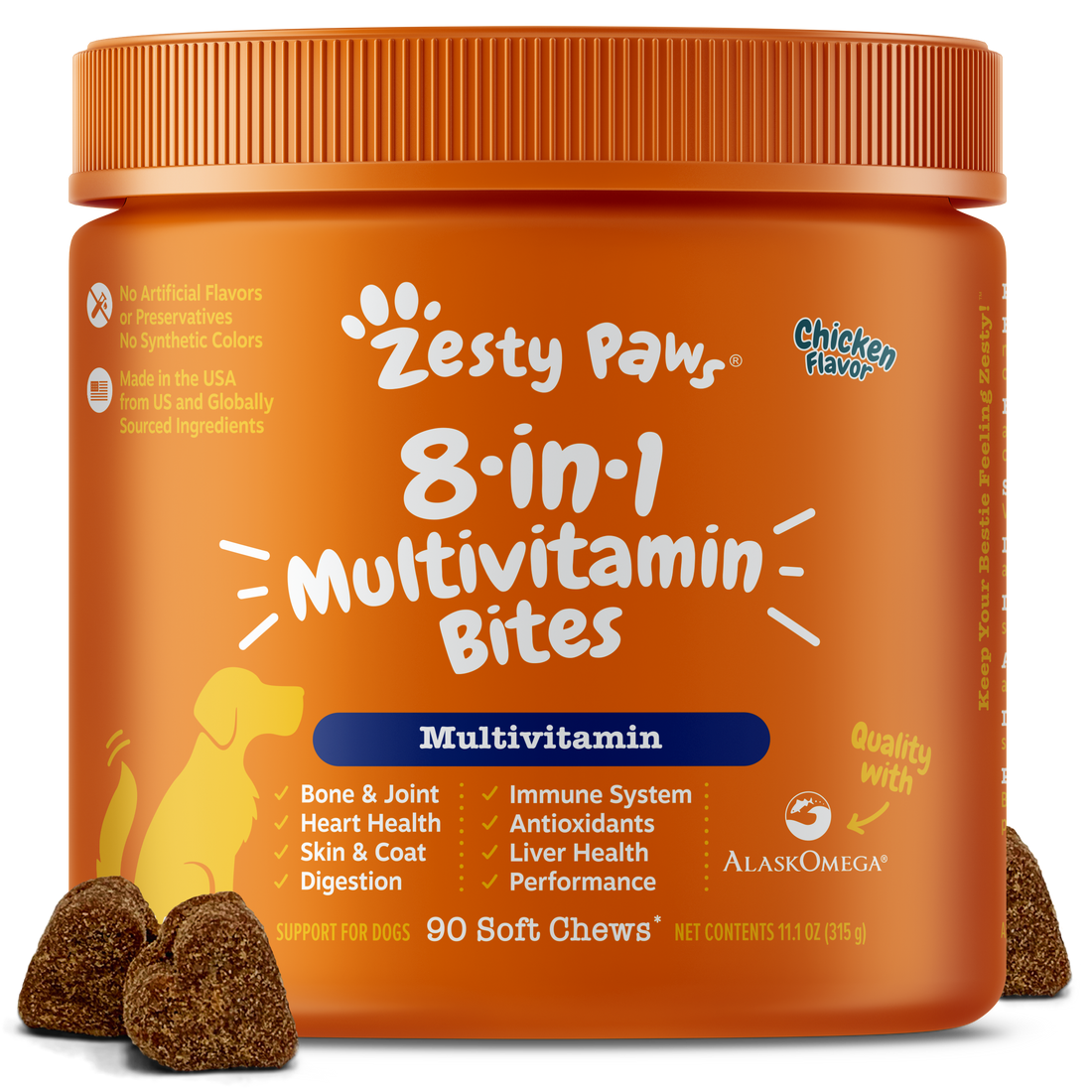
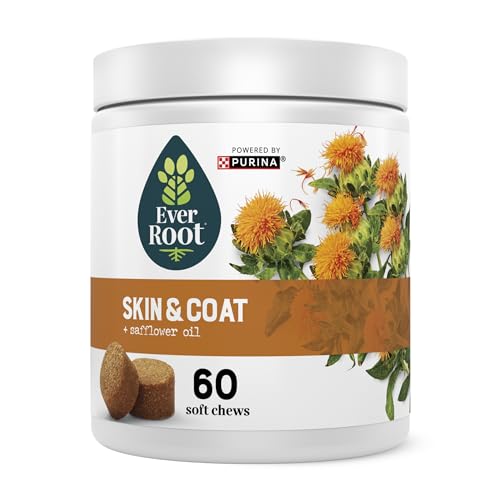
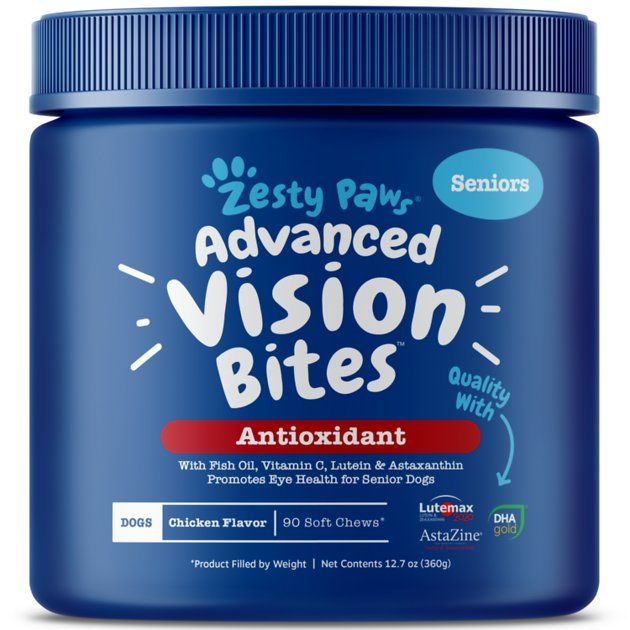
Top-rated supplements featuring this ingredient, ranked by our PSI+ score.