EPA (Eicosapentaenoic Acid)
fatty acid
Eicosapentaenoic acid, or EPA, is a crucial omega-3 fatty acid increasingly recognized for its health benefits in both human and animal health. For dogs and cats, EPA plays a significant role in managing inflammation, supporting skin and coat health, and contributing to overall well-being. This article explores the specific benefits of EPA for pets, how to determine appropriate dosages, and important safety considerations.
Understanding EPA and Its Role in Pet Health
EPA is an omega-3 polyunsaturated fatty acid found primarily in cold-water fatty fish. Unlike some other fatty acids, EPA is not readily synthesized by the body in sufficient quantities, meaning it must be obtained through diet or supplementation. In pets, EPA is a precursor to eicosanoids, signaling molecules that can have both pro-inflammatory and anti-inflammatory effects. When EPA is present in adequate amounts, it shifts the balance towards anti-inflammatory eicosanoids, helping to modulate immune responses and reduce systemic inflammation.
This anti-inflammatory action is central to many of EPA's observed benefits. For instance, chronic inflammation is a common underlying factor in conditions like osteoarthritis, allergic dermatitis, and even some cardiovascular issues in pets. By helping to temper this inflammatory cascade, EPA can contribute to improved comfort, reduced itching, and better organ function.
Beyond inflammation, EPA also contributes to cell membrane integrity, nerve function, and potentially cognitive health, especially in aging animals. Its impact is systemic, influencing various physiological processes that are vital for a pet's quality of life.
Fish Oil for Dogs: Benefits, Dosage, and Vet Pick
Fish oil is the most common source of EPA for pets. It typically contains both EPA and DHA (docosahexaenoic acid), another beneficial omega-3 fatty acid. While both are important, EPA is often highlighted for its direct anti-inflammatory properties.
Key Benefits of Fish Oil (EPA/DHA) for Dogs:
- Joint Health: For dogs with osteoarthritis or other degenerative joint conditions, EPA can significantly reduce joint pain and stiffness by lowering inflammation within the joints. This often leads to improved mobility and a better quality of life.
- Skin and Coat Health: EPA helps to reduce dry, flaky skin, itching, and excessive shedding, common symptoms of allergies or environmental sensitivities. It supports the skin barrier function, leading to a healthier, shinier coat.
- Kidney Health: Some research suggests that omega-3 fatty acids, including EPA, may help slow the progression of kidney disease in dogs by reducing inflammation and oxidative stress in the kidneys.
- Cardiovascular Health: EPA can contribute to heart health by helping to maintain healthy blood pressure and reducing inflammation around the heart and blood vessels.
- Cognitive Function: Particularly in older dogs, DHA, often alongside EPA, is crucial for brain health. Supplementation can support cognitive function, memory, and learning.
- Immune System Modulation: By dampening excessive inflammatory responses, EPA can help balance the immune system, which is beneficial for pets with autoimmune conditions or allergies.
Dosage Considerations for Dogs:
Determining the correct dosage of EPA for dogs is critical. Too little may not provide therapeutic benefits, while excessively high doses can lead to adverse effects. The optimal dose depends on several factors:
- Weight of the Dog: Larger dogs naturally require more EPA than smaller dogs.
- Specific Condition Being Treated: Therapeutic doses for conditions like severe arthritis or allergies are often higher than maintenance doses for general health.
Concentration of EPA in the Supplement: Fish oil products vary widely in their EPA content. It's essential to look at the amount of active EPA* per serving, not just the total fish oil amount.
A common starting point for general health maintenance is often around 20-50 mg of combined EPA and DHA per kilogram of body weight per day. For therapeutic purposes, such as managing severe arthritis, doses can range from 100-200 mg/kg/day or even higher, but these higher doses should always be discussed with a veterinarian.
Example Dosage Calculation:
If a fish oil capsule contains 180 mg EPA and 120 mg DHA (total 300 mg omega-3s), and your vet recommends 100 mg/kg/day for a 20 kg dog:
Total omega-3s needed per day: 20 kg 100 mg/kg = 2000 mg
- Number of capsules: 2000 mg / 300 mg/capsule = approximately 6-7 capsules per day.
This highlights the importance of checking the actual EPA/DHA content and not just the "fish oil" amount.
Choosing a "Vet Pick" Fish Oil:
Veterinarians often recommend specific brands based on several criteria:
- Purity and Quality: Reputable brands will provide third-party testing results to confirm the absence of heavy metals (like mercury), PCBs, and other contaminants.
- Concentration: Higher concentrations of EPA and DHA mean fewer capsules or less liquid volume are needed, which can be easier to administer.
- Formulation: Some fish oils come in liquid form, others in capsules. The best form depends on your pet's preference and ease of administration.
- Source: Sustainably sourced, small fish (like anchovies, sardines) are generally preferred as they tend to have lower contaminant levels than larger, longer-lived fish.
- Stability: Omega-3s are prone to oxidation. Look for products that include antioxidants like vitamin E to maintain freshness.
Always consult your veterinarian before starting any new supplement, especially for specific health conditions, to ensure the correct dosage and to rule out any potential interactions with existing medications.
Fish Oil for Cats: Specific Considerations
While often grouped with dogs, cats have unique physiological differences that impact their response to supplements. EPA and DHA are also beneficial for cats, but their metabolism of fatty acids can differ.
Benefits of Fish Oil (EPA/DHA) for Cats:
- Skin and Coat Health: Similar to dogs, fish oil can alleviate dry, itchy skin and improve coat luster in cats, particularly those with allergies or chronic skin conditions.
- Joint Support: For older cats prone to arthritis, EPA can help reduce inflammation and improve comfort and mobility.
- Kidney Disease: Omega-3s may help support kidney function and slow disease progression in cats with chronic kidney disease.
- Cardiac Health: While less studied than in dogs, EPA may offer some cardiovascular benefits for cats.
- Cognitive Function: DHA is important for neurological development in kittens and cognitive maintenance in older cats.
Dosage Considerations for Cats:
Cats generally require lower doses of EPA than dogs due to their smaller size. A common recommendation for maintenance is often in the range of 10-30 mg of combined EPA and DHA per kilogram of body weight per day. For therapeutic purposes, this might be increased, again, under veterinary guidance.
The challenge with cats often lies in administration. Many cats are finicky eaters, and the taste or smell of fish oil can be off-putting. Liquid forms can be mixed into food, but some cats will detect it. Smaller capsules or flavored chews might be more palatable.
Safety for Cats:
The same safety considerations apply to cats as to dogs regarding purity and quality. It's crucial to ensure the product is free from contaminants. Cats are particularly sensitive to certain compounds, so using a pet-specific fish oil is essential. High doses of vitamin A or D, sometimes found in cod liver oil, can be toxic to cats, so pure fish body oil (not liver oil) is preferred.
Overview of Omega-3 Fatty Acids for Osteoarthritis
Osteoarthritis (OA) is a degenerative joint disease characterized by the breakdown of cartilage, inflammation, and pain. It's a common condition in aging pets, particularly dogs, but also affects cats. Omega-3 fatty acids, especially EPA, have emerged as a significant dietary intervention for managing OA symptoms.
The mechanism behind EPA's effectiveness in OA is its anti-inflammatory action. In OA, inflammatory mediators contribute to cartilage degradation and pain. EPA competes with arachidonic acid (an omega-6 fatty acid) for enzymes that produce eicosanoids. When EPA is abundant, it leads to the production of less inflammatory eicosanoids, thereby reducing the overall inflammatory response within the joints. This can translate to:
- Reduced Pain: Pets may exhibit less limping, stiffness, and pain.
- Improved Mobility: Increased comfort often leads to better range of motion and willingness to exercise.
- Decreased Reliance on NSAIDs: While not a replacement for non-steroidal anti-inflammatory drugs (NSAIDs), EPA supplementation can sometimes allow for lower doses or less frequent use of these medications, potentially reducing side effects.
Numerous studies, including randomized, double-blind, placebo-controlled trials, have demonstrated the benefits of omega-3 supplementation in dogs with OA. These studies often show measurable improvements in lameness scores, activity levels, and owners' perceptions of their pets' comfort.
When considering EPA for OA, it's important to understand that it's not a cure but a management tool. Consistent, long-term supplementation is usually required to see and maintain benefits. It works best as part of a multi-modal approach to OA management, which might also include weight management, controlled exercise, and other pain relief strategies.
A Prospective, Randomized, Double-Blind, Placebo-Controlled Study: The Gold Standard
When evaluating the efficacy of any supplement or treatment, "A prospective, randomized, double-blind, placebo-controlled study" represents the highest standard of scientific evidence. Understanding what this means helps in interpreting research on EPA for pets.
- Prospective: The study design is planned in advance, and participants are followed forward in time. This contrasts with retrospective studies, which look back at existing data.
- Randomized: Participants (pets in this case) are assigned to either the treatment group (receiving EPA) or the control group (receiving a placebo) purely by chance. This helps to ensure that the groups are as similar as possible at the start, minimizing bias.
Double-Blind: Neither the researchers nor the pet owners and their veterinarians know which pets are receiving the actual EPA supplement and which are receiving the placebo. This prevents conscious or unconscious bias from influencing the results or observations. For example, if an owner knew* their dog was getting EPA, they might subconsciously report more improvement.
- Placebo-Controlled: One group receives a placebo (an inactive substance that looks and tastes identical to the active supplement). This allows researchers to distinguish between the true effects of the EPA and any perceived benefits that might arise simply from receiving a treatment (the "placebo effect").
Such studies provide the most reliable evidence that any observed improvements are genuinely due to the EPA and not other factors. For instance, several studies employing this rigorous methodology have confirmed the positive effects of omega-3 fatty acids, including EPA, on canine osteoarthritis, validating its use in veterinary practice. When looking for information on pet supplements, prioritizing research based on this type of study design offers the most trustworthy insights.
Pet Protect™ Omega-3 Fish Oil - Your Pet and You
When choosing an omega-3 fish oil supplement for your pet, whether it's a specific product like "Pet Protect™ Omega-3 Fish Oil" or another reputable brand, the focus should always be on quality, appropriate formulation, and understanding the label.
What to Look for in a Pet Omega-3 Supplement:
- Small Fish: Prioritize products derived from small, cold-water fish like anchovies, sardines, and mackerel. These fish have shorter lifespans and accumulate fewer toxins (like mercury and PCBs) compared to larger, longer-lived fish such as tuna or salmon.
- Sustainable Sourcing: Look for certifications that indicate sustainable fishing practices, protecting marine ecosystems.
- Guaranteed Analysis: A good supplement will clearly state the precise amounts of EPA and DHA per serving. Don't be misled by "total fish oil" amounts; the active ingredients are EPA and DHA.
- Higher Concentration: More concentrated oils mean you can give a smaller volume or fewer capsules, which can be easier for pets and more cost-effective.
- Third-Party Testing: The most credible brands will have their products tested by independent laboratories for heavy metals (mercury, lead), PCBs, and other environmental contaminants. Look for certifications from organizations like IFOS (International Fish Oil Standards) or NSF.
- Oxidation Levels: Omega-3s are fragile and prone to oxidation, which can render them ineffective and potentially harmful. Reputable brands test for peroxide value (PV) and anisidine value (AV) to ensure freshness.
- Added Antioxidants: Many quality fish oils include natural antioxidants like vitamin E (tocopherols) to protect the oil from rancidity. This is important for the product's stability and efficacy.
- Liquid vs. Capsules: Liquid forms can be easier to dose accurately for varying weights and can be mixed into food. Capsules might be preferred for pets who dislike the taste of oil or for precise dosing.
- Flavoring: Some products are flavored (e.g., with natural salmon flavor) to increase palatability, which is especially helpful for picky eaters.
- No Unnecessary Additives: Avoid products with artificial colors, flavors, or excessive fillers.
- Refrigeration: Most fish oils require refrigeration after opening to maintain freshness and prevent oxidation. Always follow the manufacturer's recommendations.
The Connection Between Your Pet and You:
Choosing a high-quality EPA supplement is an act of care that directly impacts your pet's health and, by extension, your relationship. A pet with reduced pain from arthritis, less itchy skin, or a shinier coat is a happier, more comfortable companion. This often leads to more active playtime, fewer veterinary visits for chronic issues, and a generally more harmonious home environment. Understanding what makes a supplement effective and safe empowers you as a pet owner to make informed decisions that support your pet's long-term well-being.
Safety and Potential Side Effects
While EPA and fish oil supplements are generally considered safe for pets when administered at appropriate doses, it's important to be aware of potential side effects and safety considerations.
Potential Side Effects:
- Gastrointestinal Upset: The most common side effects are mild digestive issues such as soft stools, diarrhea, vomiting, or an oily coat. These often occur when starting supplements at too high a dose or when the pet is particularly sensitive. Starting with a lower dose and gradually increasing it can help.
- Fishy Breath/Odor: Some pets may develop a "fishy" odor to their breath or skin, especially with higher doses.
- Weight Gain: Fish oil is calorie-dense. If not accounted for in the daily caloric intake, it could contribute to weight gain, particularly in smaller pets or those prone to obesity.
- Impaired Wound Healing/Blood Thinning: At very high doses, omega-3s can have anti-platelet effects, potentially leading to increased bleeding time. While usually not a concern at therapeutic doses, it's a consideration for pets undergoing surgery or with pre-existing clotting disorders.
Vitamin Overdose (from Cod Liver Oil): As mentioned, cod liver oil contains high levels of vitamins A and D, which can be toxic in large amounts for pets. Always use fish body* oil, not cod liver oil, unless specifically directed by a veterinarian.
- Drug Interactions: Fish oil can interact with certain medications, particularly blood thinners and some NSAIDs. Always inform your veterinarian about all supplements your pet is taking.
Safety Guidelines:
Comparison of EPA for Dogs vs. Cats
While EPA offers similar benefits to both dogs and cats, there are nuances in administration, typical dosing, and sometimes palatability.
| Feature | Dogs | Cats |
|---|---|---|
| Primary Benefits | Joint health (OA), skin/coat, kidney, cardiovascular, cognitive. | Joint health (OA), skin/coat, kidney, cognitive (especially older cats). |
| Typical Dosage | Generally higher, often 20-200 mg combined EPA/DHA per kg body weight, depending on purpose. | Generally lower, often 10-30 mg combined EPA/DHA per kg body weight. |
| Administration | Often less finicky; capsules can be hidden in food, liquid mixed in. Many flavored options available. | Can be very finicky; taste/smell is a major challenge. Liquid mixed in food often detected. Smaller capsules or specific flavors needed. |
| Product Form | Wide variety of liquid and capsule options. | Often requires highly palatable liquids or very small, easy-to-hide capsules. |
| Specific Risks | Generally low with quality products. | Higher sensitivity to certain compounds; avoid cod liver oil due to Vitamin A/D toxicity risk. |
| Purity Needs | Essential for all pets, but cats can be more sensitive to impurities due to smaller size and unique metabolism. | Absolutely critical; contamination can have a greater impact on felines. |
FAQ
Is eicosapentaenoic acid safe for dogs?
Yes, eicosapentaenoic acid (EPA) is generally considered safe for dogs when administered at appropriate doses and sourced from high-quality, reputable supplements. The most common side effects are mild gastrointestinal upset, which can often be mitigated by starting with a lower dose and gradually increasing it. It's crucial to use pet-specific fish oil and consult a veterinarian for proper dosage and to ensure no interactions with other medications or health conditions.
What is the one meat to never feed a dog?
While not directly related to EPA, a common concern for pet owners regarding meat is cooked bones, especially poultry or pork bones. These can splinter, causing internal injuries, blockages, or choking. Other meats to avoid or feed with extreme caution include heavily processed meats (due to high sodium and preservatives), raw pork (due to potential for trichinosis), and fatty trimmings which can cause pancreatitis. Always ensure any meat fed is plain, cooked, and boneless.
What is the silent killer of dogs?
Several conditions are often referred to as "silent killers" in dogs because they progress without obvious symptoms until the disease is advanced. These include:
- Kidney Disease: Often doesn't show clear signs until 75% of kidney function is lost.
- Heart Disease: Many forms of heart disease can progress slowly with subtle symptoms like reduced energy or mild coughing, often mistaken for aging.
- Cancer: Some cancers can develop and spread internally before any external lumps or noticeable symptoms appear.
- Dental Disease: While not immediately fatal, chronic dental disease can lead to severe pain, infection, and contribute to systemic health issues over time.
Regular veterinary check-ups, including blood work and urinalysis, are essential for early detection of these conditions.
Conclusion
EPA (eicosapentaenoic acid) stands out as a highly beneficial omega-3 fatty acid for both dogs and cats, particularly due to its potent anti-inflammatory properties. From alleviating the discomfort of osteoarthritis and improving skin and coat health to supporting kidney and cardiovascular function, its systemic impact contributes significantly to a pet's overall well-being. However, responsible supplementation hinges on understanding the nuances of dosage, recognizing the importance of high-quality, third-party tested products, and being aware of potential side effects.
For pet owners, the key takeaway is that EPA is not a magic bullet but a valuable tool that, when used correctly and under veterinary guidance, can significantly enhance their pets' quality of life. Always prioritize consultation with your veterinarian to tailor a supplementation plan that is safe and effective for your individual pet's needs and health status.
Products Containing EPA (Eicosapentaenoic Acid)
Top-rated supplements featuring this ingredient, ranked by our PSI+ score.
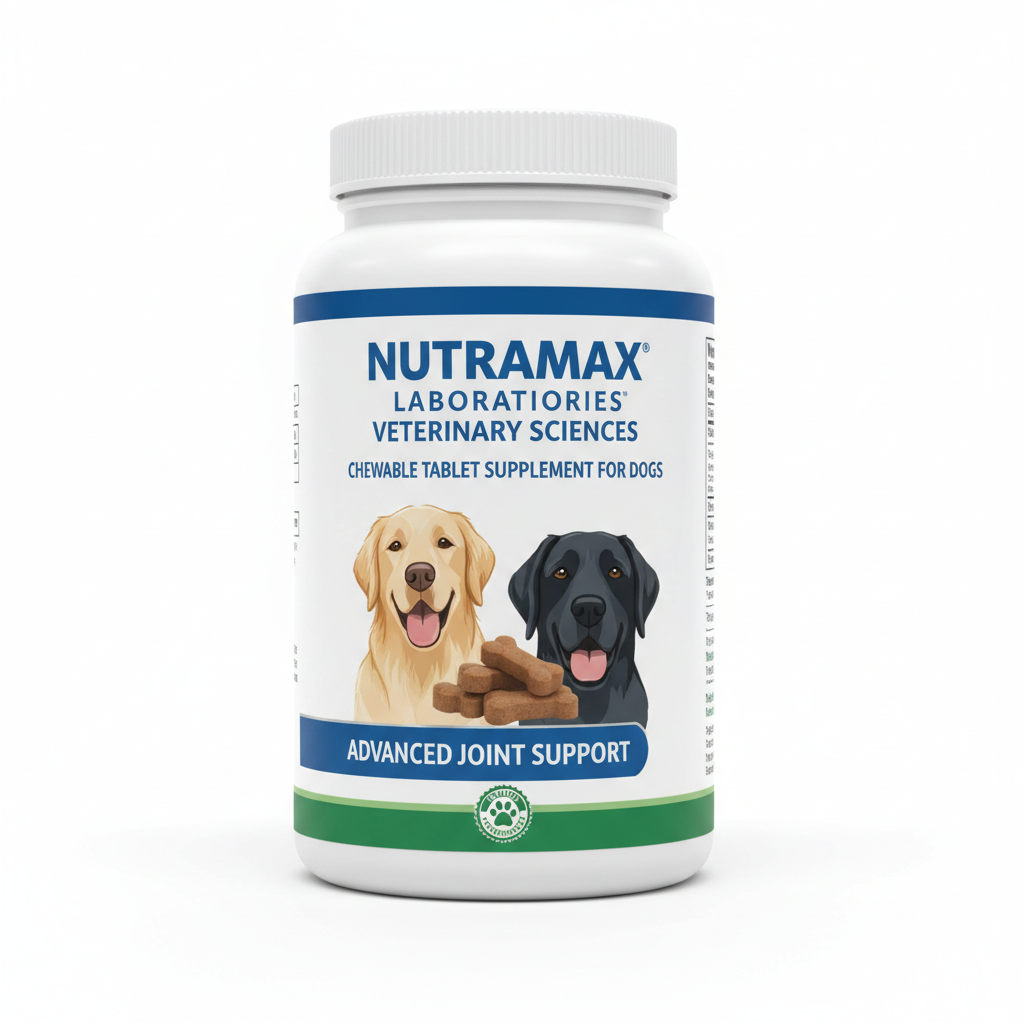
Nutramax Laboratories Veterinary Sciences COSEQUIN Heart Health Chewable Tablets
Nutramax Laboratories Veterinary Sciences
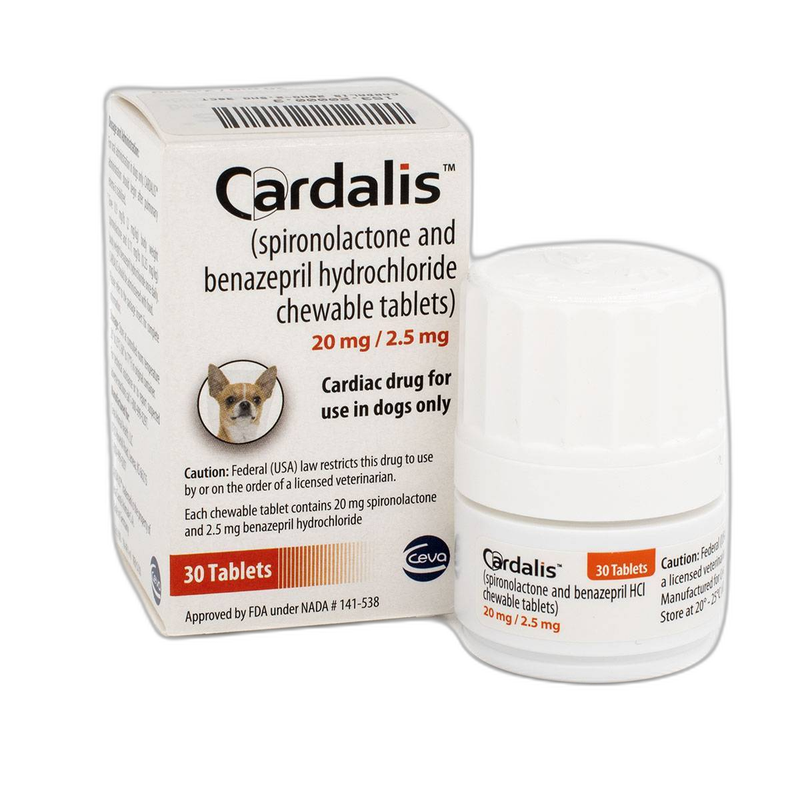
Vetoquinol Cardalis Heart Support Chewable Tablets for Dogs
Vetoquinol
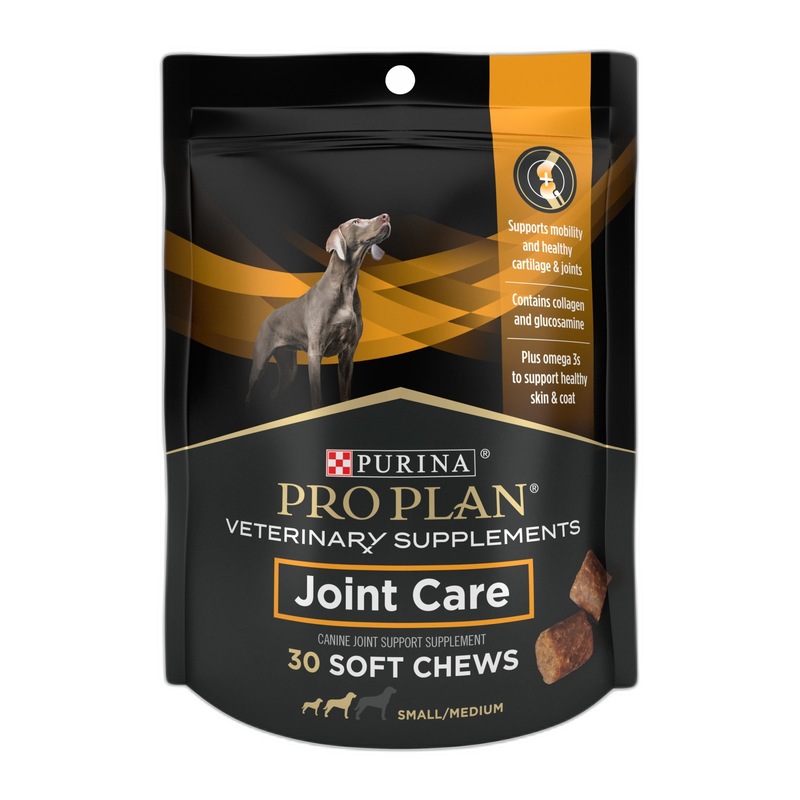
Purina Pro Plan Veterinary Supplements Joint Care for Dogs
Purina Pro Plan
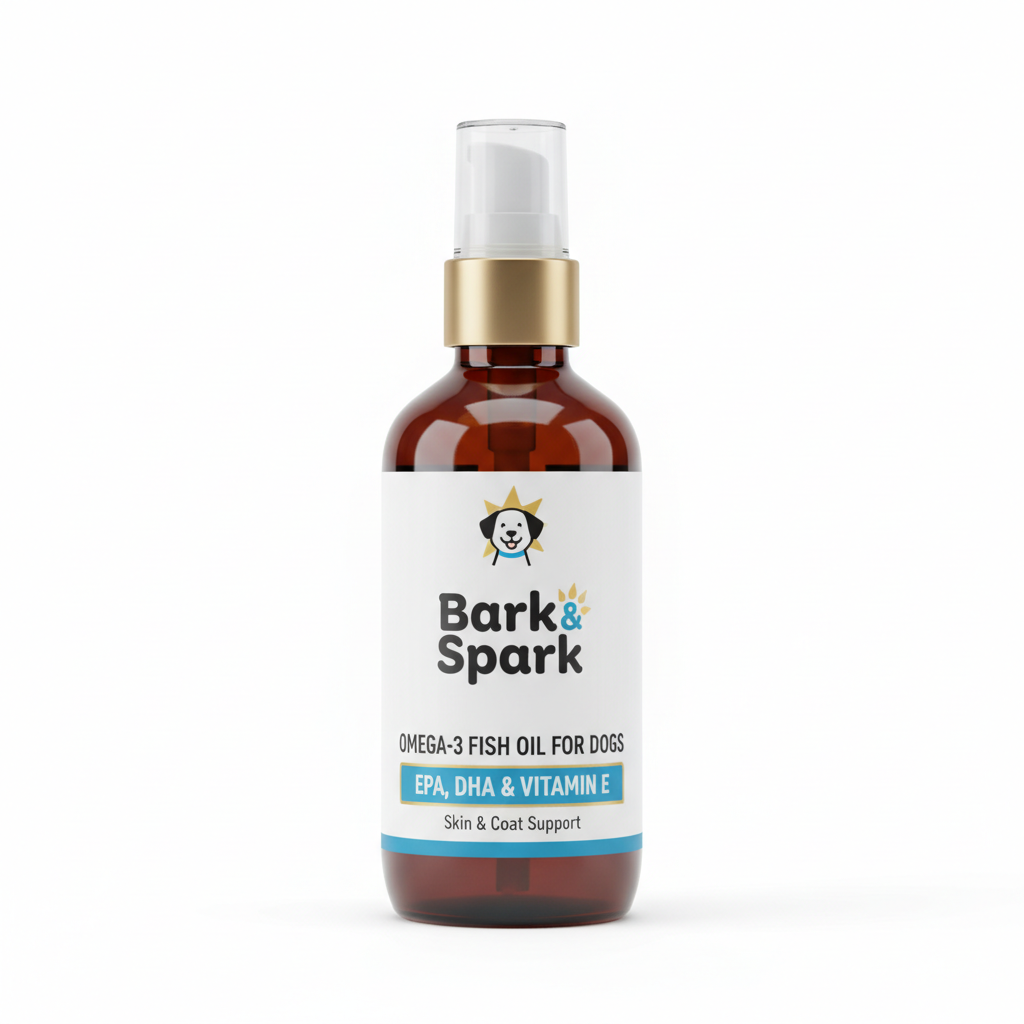
Bark & Spark Omega-3 Fish Oil for Dogs - EPA, DHA & Vitamin E
Bark & Spark
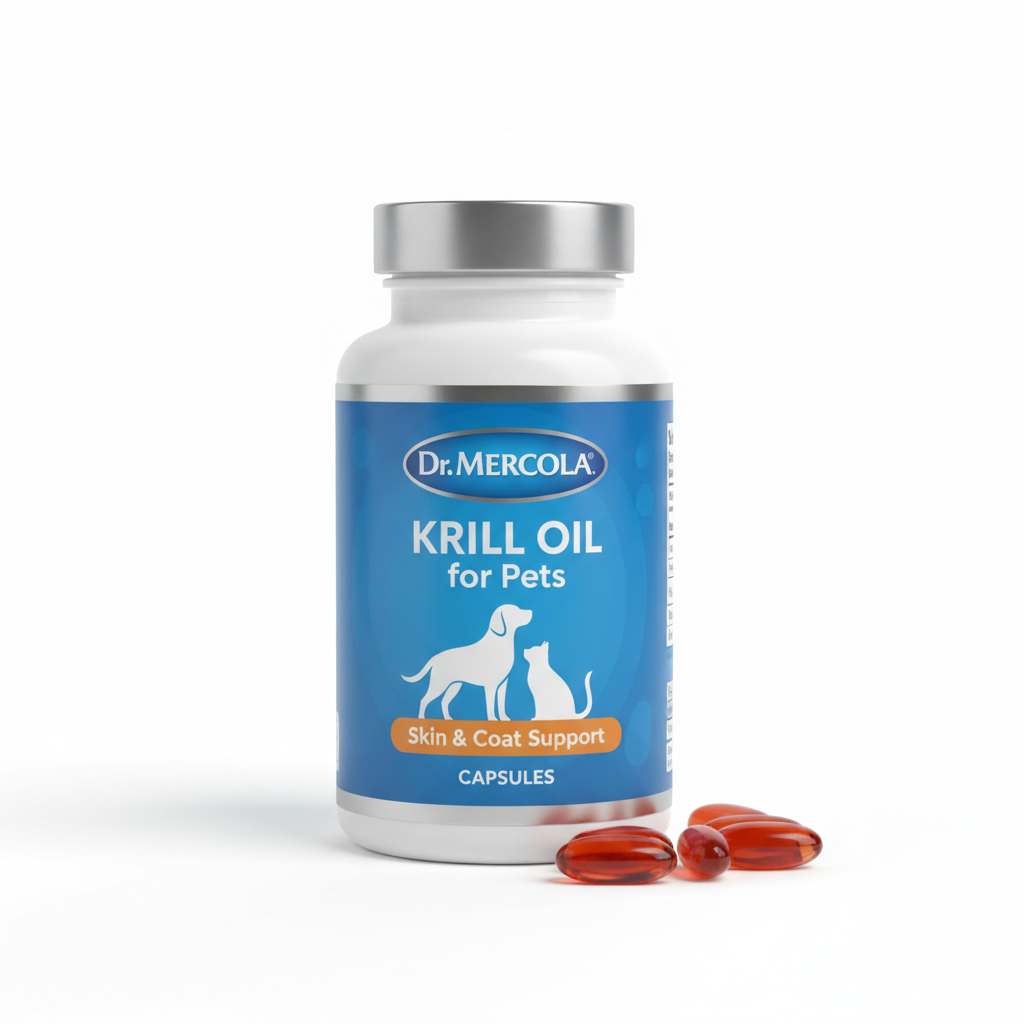
Dr. Mercola Krill Oil for Pets
Dr. Mercola
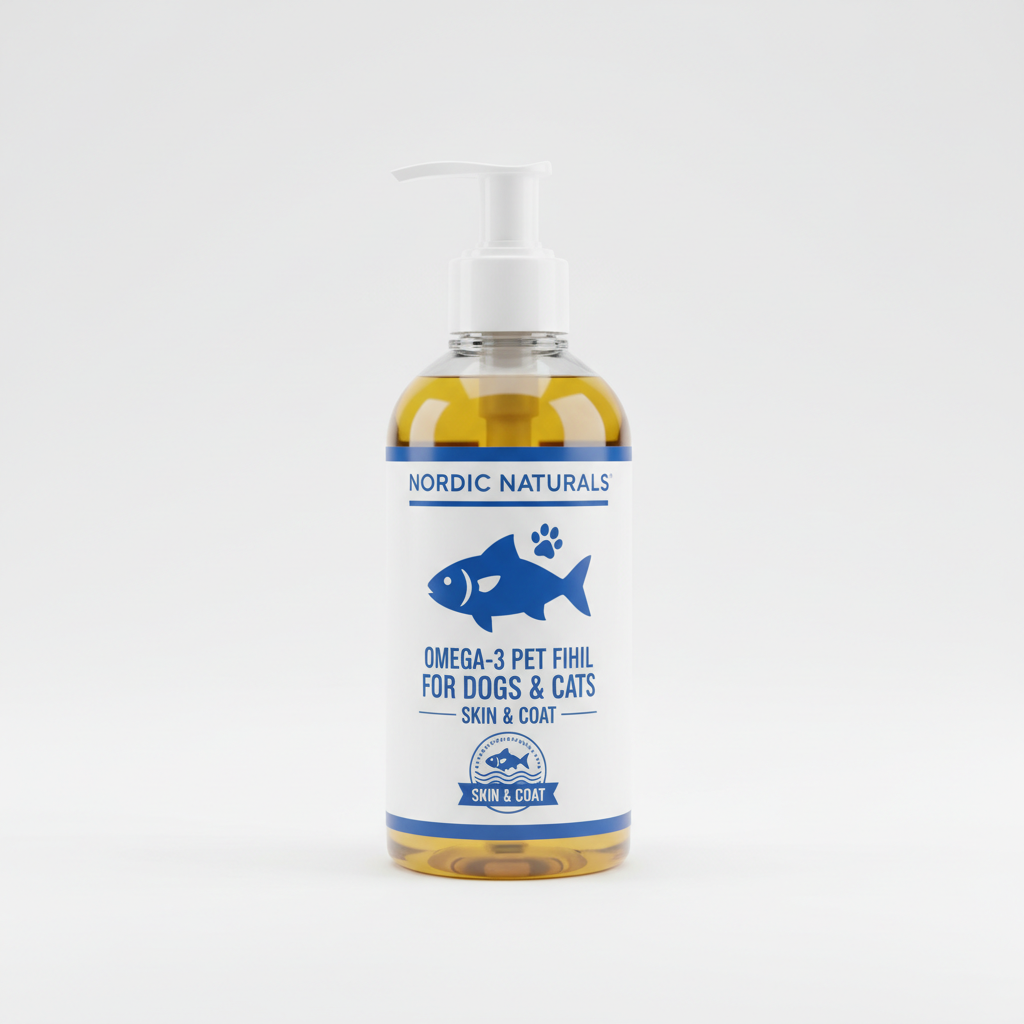
Nordic Naturals Omega-3 Pet Fish Oil for Dogs & Cats
Nordic Naturals
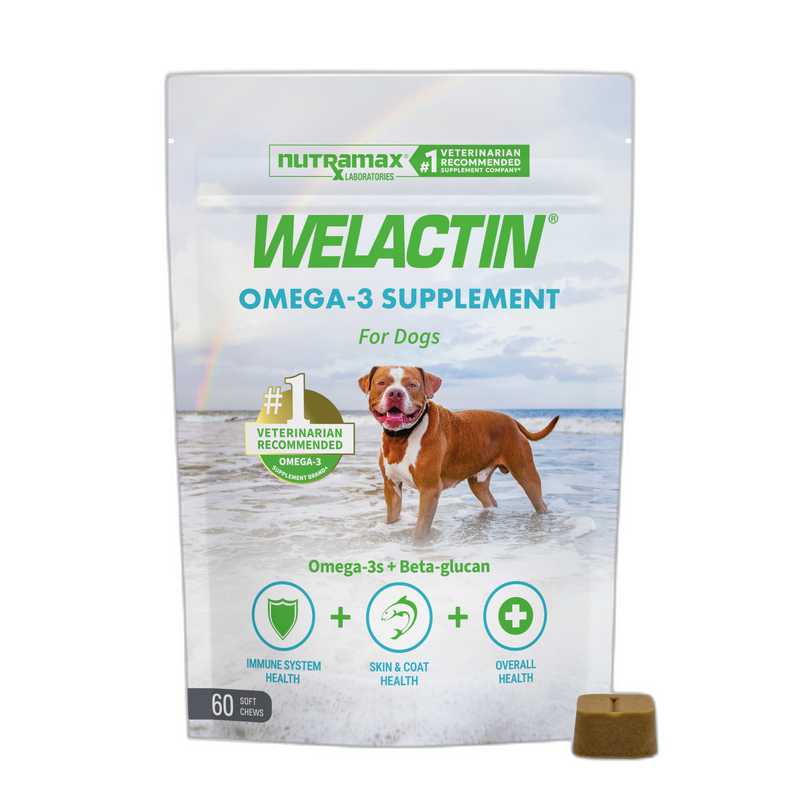
Nutramax Welactin Omega-3 Fish Oil Skin & Coat Supplement
Nutramax Laboratories
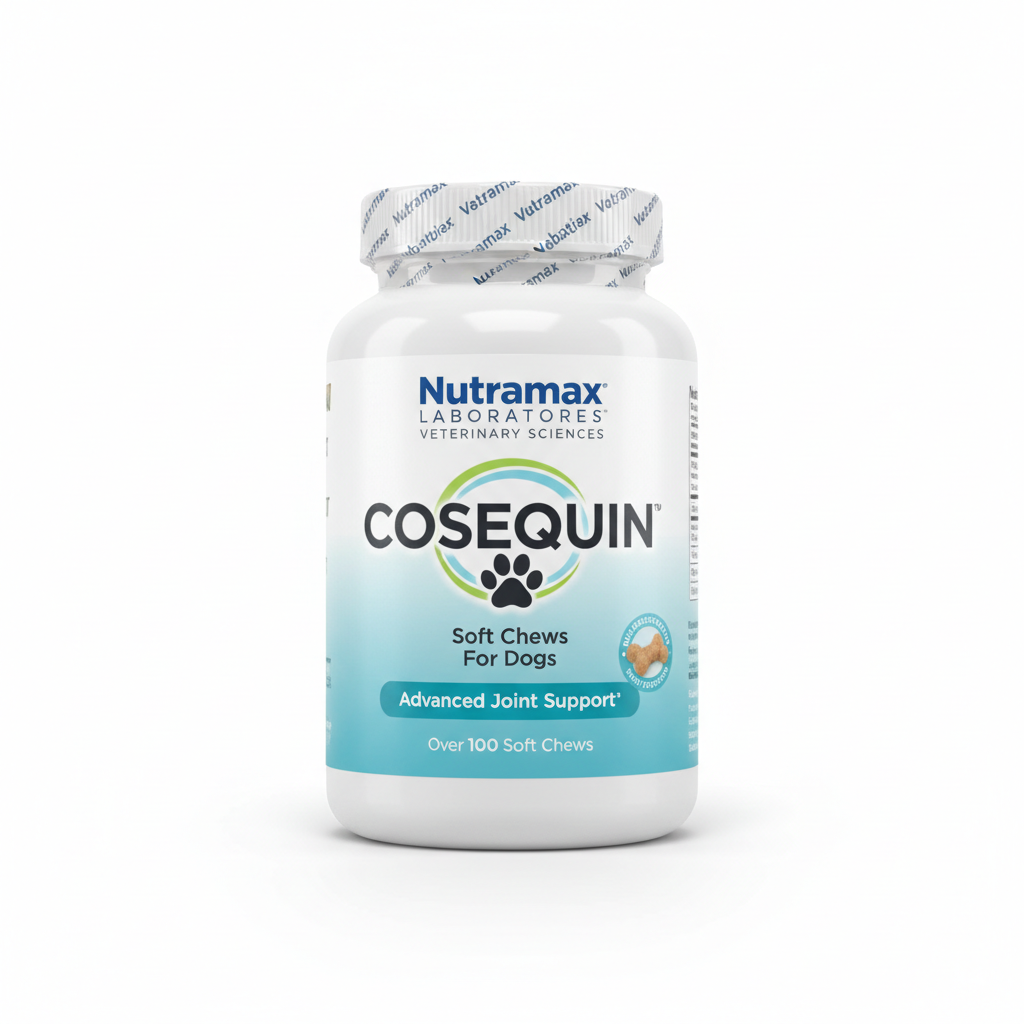
Omega-3 Skin & Coat Chews for Dogs
Nutramax Laboratories Veterinary Sciences