Ground Flaxseed
fatty acid
Ground flaxseed can be a beneficial dietary addition for both dogs and cats when administered correctly. Its nutritional profile, particularly its omega-3 fatty acid content, offers potential advantages for skin, coat, and overall health. However, understanding the proper form, dosage, and potential considerations is crucial before incorporating it into your pet's diet. This guide explores the benefits, outlines appropriate dosages, and addresses safety concerns related to ground flaxseed for companion animals.
Can Dogs Have Flaxseed? Benefits and Risks
Yes, dogs can generally have ground flaxseed, and it can offer several health benefits. The key distinction lies in the form: ground flaxseed is far more digestible and beneficial than whole flaxseeds for dogs. Whole flaxseeds tend to pass through the digestive system largely intact, meaning the valuable nutrients are not absorbed. Grinding the seeds breaks down their tough outer shell, making the internal components accessible.
Ground flaxseed is a rich source of alpha-linolenic acid (ALA), a plant-based omega-3 fatty acid. While ALA itself isn't as directly usable by dogs and cats as the eicosapentaenoic acid (EPA) and docosahexaenoic acid (DHA) found in fish oil, their bodies can convert a small percentage of ALA into these more bioavailable forms. This conversion rate is typically low for carnivores, but even a small amount can contribute to overall omega-3 intake.
Beyond omega-3s, ground flaxseed provides dietary fiber, lignans, and certain vitamins and minerals. The fiber content can aid in digestive health, promoting regular bowel movements and potentially mitigating issues like constipation. Lignans are plant compounds with antioxidant properties, which may offer some cellular protection.
However, there are also considerations. Flaxseed contains compounds called cyanogenic glycosides, which can release cyanide when broken down. In the small amounts typically recommended for pets, and especially in properly processed ground flaxseed, this is generally not a concern. Nevertheless, excessive amounts should be avoided. Another point of caution is its laxative effect due to fiber; too much can lead to diarrhea. Always introduce flaxseed gradually to monitor your pet's tolerance.
Is Flaxseed Good For Dogs?
Ground flaxseed can be a good supplement for dogs, particularly for supporting skin and coat health, and potentially for its anti-inflammatory effects. The omega-3 fatty acids contribute to a healthy skin barrier, which can reduce dryness, itching, and flakiness. A shinier, softer coat is a commonly observed benefit when flaxseed is included in a dog's diet.
For dogs with certain inflammatory conditions, the omega-3s in flaxseed may offer some support. While not a direct replacement for more potent sources like fish oil (which provides direct EPA and DHA), it can be part of a broader nutritional strategy. The fiber content can also be beneficial for dogs prone to constipation or those needing gentle digestive support to maintain regularity.
It's important to differentiate between "good" and "essential." While flaxseed offers benefits, it is not an essential component of a dog's diet if they are already receiving a balanced, complete commercial food or a carefully formulated homemade diet. Think of it more as a beneficial supplement rather than a core dietary requirement.
Consider a senior dog with dull fur and occasional digestive sluggishness. A small, consistent addition of ground flaxseed could improve coat luster and aid digestion. Conversely, a young, healthy dog on a premium diet might see fewer dramatic changes, but still benefit from the added nutrients. The impact can vary based on the individual dog's existing health and diet.
Ground Flaxseed – How Much Can We and Our Companion Animals Have?
Determining the appropriate ground flaxseed dosage for dogs and cats requires careful consideration of their size, weight, and individual health needs. Overfeeding can lead to digestive upset, while underfeeding may not provide the desired benefits.
For dogs, a general guideline is 1/4 teaspoon of ground flaxseed per 10 pounds of body weight, once daily. This can be sprinkled directly onto their food. For example, a 40-pound dog would receive approximately 1 teaspoon daily.
For cats, the dosage is typically smaller, around 1/8 to 1/4 teaspoon per day for the average adult cat.
It is always advisable to start with a smaller amount and gradually increase to the recommended dosage over a week or two. This allows your pet's digestive system to adjust and helps you monitor for any adverse reactions, such as loose stools or stomach upset. If any digestive issues occur, reduce the amount or discontinue use.
Dosage Guidelines for Ground Flaxseed
| Pet Weight (Approx.) | Dog Dosage (Ground Flaxseed Daily) | Cat Dosage (Ground Flaxseed Daily) |
|---|---|---|
| Up to 10 lbs | 1/4 teaspoon | 1/8 to 1/4 teaspoon |
| 11-20 lbs | 1/2 teaspoon | Not applicable |
| 21-30 lbs | 3/4 teaspoon | Not applicable |
| 31-40 lbs | 1 teaspoon | Not applicable |
| 41-50 lbs | 1 1/4 teaspoons | Not applicable |
| 51-60 lbs | 1 1/2 teaspoons | Not applicable |
| 61-70 lbs | 1 3/4 teaspoons | Not applicable |
| 71-80 lbs | 2 teaspoons | Not applicable |
| Over 80 lbs | Up to 1 tablespoon | Not applicable |
Note: These are general guidelines. Always consult with your veterinarian for personalized advice, especially if your pet has existing health conditions or is on medication.
It's crucial to use freshly ground flaxseed or pre-ground flaxseed that has been stored properly (e.g., in an opaque, airtight container in the refrigerator or freezer) to prevent oxidation of the delicate omega-3 fats. Rancid flaxseed not only loses its benefits but can also be harmful.
Flaxseed For Dogs
When considering flaxseed for dogs, the focus often turns to its role as an omega-3 fatty acid supplement. While flaxseed provides ALA, it's important to understand how it compares to other omega-3 sources, particularly fish oil. Fish oil directly supplies EPA and DHA, which are the forms of omega-3s most readily utilized by dogs for their anti-inflammatory effects and benefits to brain, eye, and joint health. The conversion of ALA from flaxseed to EPA and DHA in dogs is inefficient.
This means that while ground flaxseed can contribute to overall fatty acid intake and offer some benefits, it may not be sufficient for dogs with specific needs for higher levels of EPA and DHA, such as those with severe allergies, arthritis, or certain cardiac conditions. In these cases, a high-quality fish oil supplement might be more effective.
However, ground flaxseed still holds value. Its fiber content can be a gentle aid for dogs with mild constipation or those needing a slight increase in dietary fiber. The lignans, as mentioned, offer antioxidant properties. For a dog that needs general coat improvement or mild digestive support, ground flaxseed can be a suitable and often more affordable option than specialized omega-3 supplements.
For example, a dog owner looking to improve their pet's dry, flaky skin might start with ground flaxseed. If after several weeks there's no significant improvement, they might then consider adding or switching to a fish oil supplement to provide more direct EPA/DHA. It's a matter of choosing the most appropriate tool for the specific need.
The Benefits of Flaxseed for Cats and Dogs
The benefits of ground flaxseed extend to both felines and canines, though with some species-specific nuances.
For Dogs:
- Skin and Coat Health: The ALA content, even with limited conversion to EPA/DHA, supports a healthy skin barrier, reducing dryness, itching, and promoting a shiny coat.
- Digestive Regularity: The soluble and insoluble fiber can help regulate bowel movements, alleviating mild constipation or promoting firmer stools in dogs with loose stool issues.
- Anti-inflammatory Support: While less potent than direct EPA/DHA, the omega-3s can contribute to a reduction in systemic inflammation, potentially benefiting conditions like mild arthritis or allergies.
- Antioxidant Properties: Lignans in flaxseed offer antioxidant effects, helping to combat cellular damage from free radicals.
For Cats:
- Skin and Coat Health: Similar to dogs, flaxseed can help maintain healthy skin and a lustrous coat, which is particularly beneficial for cats prone to dry skin or excessive shedding.
- Digestive Aid: Cats can also benefit from the fiber for digestive regularity, especially those prone to hairballs or mild constipation. The fiber can help move ingested hair through the digestive tract.
- Omega-3 Contribution: While cats are obligate carnivores and have an even lower conversion rate of ALA to EPA/DHA than dogs, any contribution to omega-3 intake can be valuable for overall health. However, for significant omega-3 benefits, especially for inflammatory conditions, a fish oil supplement specifically formulated for cats is often recommended.
Comparative Benefits Table
| Benefit | Ground Flaxseed for Dogs | Ground Flaxseed for Cats | Comparison to Fish Oil (for both) |
|---|---|---|---|
| Skin & Coat Health | Excellent for reducing dryness, improving shine, and overall coat quality. | Good for reducing dryness and promoting coat luster, especially for hairball management. | Often more potent for severe skin conditions due to direct EPA/DHA. |
| Digestive Health | Very good for mild constipation, promoting regularity, and adding dietary fiber. | Good for mild constipation and hairball control. | Fish oil has no direct fiber content; digestive benefits are unique to flaxseed. |
| Anti-inflammatory | Moderate support due to ALA conversion to EPA/DHA. | Mild support; cat conversion is very low. | Superior due to direct, highly bioavailable EPA/DHA, essential for significant anti-inflammatory needs. |
| Antioxidant Properties | Good, due to lignans. | Good, due to lignans. | Fish oil does not contain lignans; some formulations may include added antioxidants like Vitamin E. |
| Source of Omega-3 | Plant-based ALA (Alpha-Linolenic Acid). | Plant-based ALA (Alpha-Linolenic Acid). | Marine-based EPA (Eicosapentaenoic Acid) and DHA (Docosahexaenoic Acid). |
Is Flaxseed Good for Dogs? - Ultimates Pet Food
As a general statement, "Is flaxseed good for dogs?" can be answered with a qualified yes. Many pet food brands, including some premium ones, incorporate flaxseed into their formulations. This inclusion is typically aimed at boosting the food's omega-3 content, adding fiber, and leveraging the antioxidant properties of lignans.
However, the amount and form of flaxseed in commercial pet foods can vary significantly. If a pet food lists "flaxseed" or "flaxseed meal" as an ingredient, it generally means it's already ground. The concentration of beneficial compounds, particularly omega-3s, will depend on the overall ingredient list and the processing methods. High-heat processing, for example, can degrade delicate fatty acids.
When evaluating a pet food that contains flaxseed, consider:
If your dog is already eating a diet that includes flaxseed, adding more as a separate supplement might not be necessary, or could even lead to an excessive intake of fiber, potentially causing digestive upset. Always check the existing dietary composition and discuss any additional supplementation with your veterinarian.
For owners who feed a homemade diet, adding ground flaxseed can be a straightforward way to introduce omega-3s and fiber, but it must be done as part of a vet-approved, nutritionally complete recipe. Relying solely on flaxseed for all omega-3 needs in a homemade diet may not provide adequate levels of EPA and DHA for optimal health.
Ground Flaxseed Safety for Pets
The safety of ground flaxseed for dogs and cats largely hinges on proper preparation, dosage, and storage.
- Best Practice: Buy whole flaxseeds and grind them yourself in small batches using a coffee grinder or spice grinder. Store the ground portion in an airtight, opaque container in the refrigerator for up to 1-2 weeks, or in the freezer for up to 1-2 months.
- Pre-ground Flaxseed: If buying pre-ground flaxseed meal, choose brands that package it in opaque, airtight containers and ideally store it refrigerated or frozen in the store. Once opened, transfer any remaining portion to an airtight container and refrigerate/freeze.
In summary, ground flaxseed is generally safe for most healthy dogs and cats when given in appropriate, small amounts and stored correctly. Always prioritize consultation with your veterinarian, especially if your pet has pre-existing health conditions or is on medication.
Frequently Asked Questions
How much ground flaxseed can I give my dog?
A general guideline is 1/4 teaspoon of ground flaxseed per 10 pounds of body weight, once daily. Start with a smaller amount and gradually increase to this dosage over a week or two, observing your dog for any digestive upset. Always use freshly ground or properly stored ground flaxseed.
Can I sprinkle flaxseed on my dog's food?
Yes, you can sprinkle ground flaxseed directly onto your dog's food. This is the most common and convenient method of administration. Ensure it's thoroughly mixed in so your dog consumes it all. Avoid cooking or baking ground flaxseed at high temperatures, as this can degrade the beneficial omega-3 fatty acids.
Is milled flaxseed ok for diverticulitis?
This question typically pertains to human health. For pets, "milled flaxseed" is synonymous with ground flaxseed. The fiber in ground flaxseed can be beneficial for digestive health in dogs and cats, potentially aiding conditions like mild constipation. However, diverticulitis is a specific human medical condition. If a pet has a similar inflammatory bowel condition, any dietary changes, including the addition of flaxseed, should be discussed with a veterinarian who can provide tailored advice based on the pet's specific diagnosis and needs.
Conclusion
Ground flaxseed offers a convenient and generally safe way to supplement your dog's or cat's diet with plant-based omega-3 fatty acids, dietary fiber, and antioxidants. Its primary benefits often manifest in improved skin and coat health, along with gentle digestive support. While it provides ALA, it's not a direct substitute for the EPA and DHA found in fish oil, especially for pets with significant inflammatory conditions requiring higher levels of these specific omega-3s.
For curious pet owners seeking to enhance their companion's well-being, incorporating ground flaxseed can be a valuable addition. The key to successful supplementation lies in using the correctly ground form, adhering to appropriate dosages based on pet weight, and ensuring proper storage to maintain its nutritional integrity. As with any dietary change or supplement, a conversation with your veterinarian is always recommended to ensure it aligns with your pet's individual health profile and existing diet.
Products Containing Ground Flaxseed
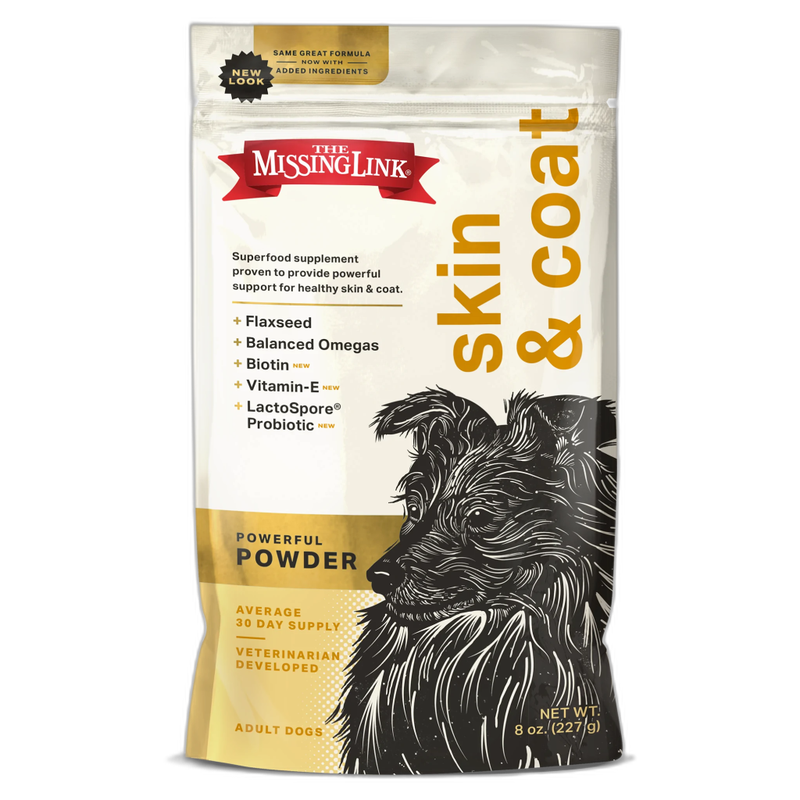
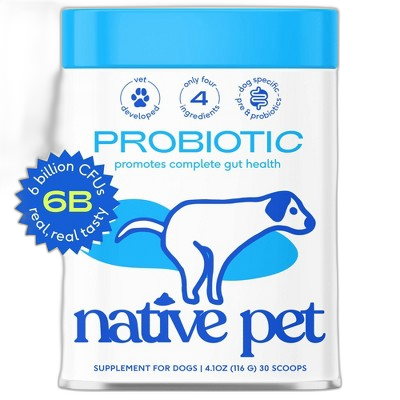
Top-rated supplements featuring this ingredient, ranked by our PSI+ score.