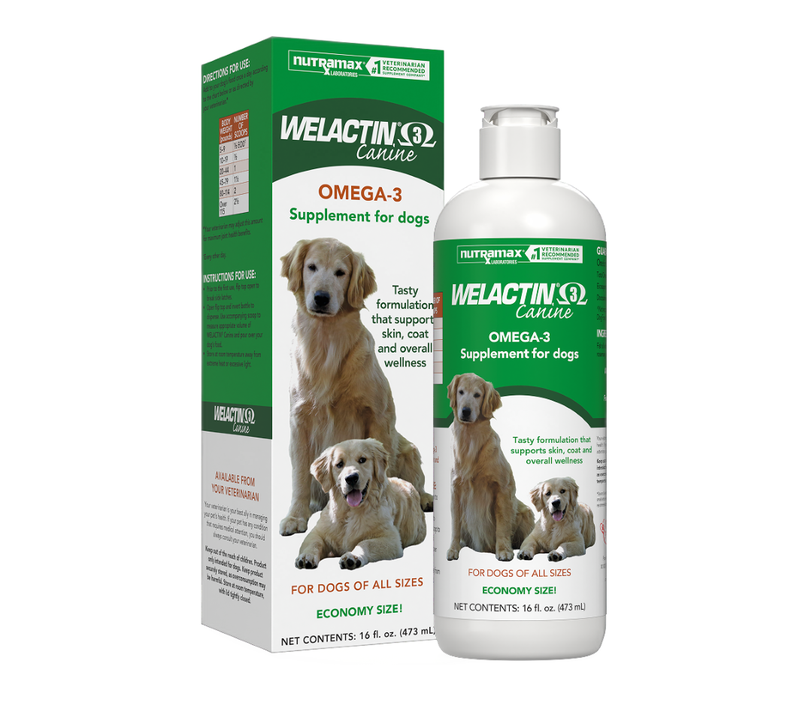
Fish Oil Concentrate
fatty acid
Fish oil concentrate for dogs and cats is a dietary supplement derived from the tissues of oily fish. It's primarily valued for its high concentration of omega-3 fatty acids, specifically eicosapentaenoic acid (EPA) and docosahexaenoic acid (DHA). These essential fatty acids play a crucial role in various physiological functions in pets, from supporting skin and coat health to influencing joint mobility and cognitive function. Unlike whole fish oil, a concentrate undergoes processing to remove impurities and increase the percentage of EPA and DHA per serving, making it a more potent and often purer source of these beneficial compounds. Understanding its benefits, proper dosage, and potential safety considerations is key for pet owners considering this supplement.
Understanding Fish Oil for Dogs and Cats
Fish oil, in its various forms, has gained considerable attention in veterinary circles for its potential therapeutic effects. When we talk about "fish oil concentrate for dogs," we're referring to a product where the beneficial omega-3s (EPA and DHA) have been isolated and amplified. This concentration process aims to deliver a higher dose of these active ingredients without the need for administering large volumes of oil, which can be less palatable or lead to digestive upset.
The primary benefit of fish oil stems from its anti-inflammatory properties. Many common ailments in dogs and cats, such as allergies, arthritis, and certain kidney conditions, involve inflammatory processes. By modulating these responses, omega-3s can help alleviate symptoms and support overall well-being. However, the efficacy isn't universal, and individual responses can vary depending on the pet's specific condition, diet, and overall health.
One practical implication of using a concentrate is minimizing the intake of other components found in whole fish oil, such as saturated fats or potential contaminants, which are typically filtered out during the concentration process. This can be a trade-off, as some argue that whole fish products offer a broader spectrum of nutrients. However, for targeted therapeutic use of omega-3s, concentrates are often preferred due to their purity and potency. For instance, a dog with severe joint pain might benefit more from a high-dose EPA concentrate than from a general fish oil blend with lower EPA levels.
Liquid Omega-3 Fish Oil for Dogs: Practical Considerations
Liquid omega-3 fish oil for dogs offers a flexible way to administer the supplement, allowing for precise dosage adjustments based on the pet's weight and specific needs. This form is often preferred for larger dogs or those with difficulty swallowing capsules. The main challenge with liquid forms can be palatability and potential for oxidation if not stored correctly.
When selecting a liquid fish oil concentrate supplement, key factors include the source of the fish (small, wild-caught fish like anchovies, sardines, and mackerel are generally preferred due to lower mercury levels), the EPA and DHA content per serving, and third-party testing for purity and contaminants. Reputable brands often provide Certificates of Analysis (COA) to verify their product's quality.
Consider a scenario: you have a senior Golden Retriever with mild arthritis. A liquid fish oil concentrate allows you to start with a lower dose and gradually increase it, observing their response. If they show improved mobility, you've found an effective dose. If they experience loose stools, you can easily reduce the amount. This flexibility is less apparent with pre-dosed capsules, though capsules offer convenience and often better protection against oxidation.
Omega-3 for Pets: Fish Oil for Both Dogs and Cats
While many fish oil products are marketed specifically for dogs or cats, the core beneficial compounds – EPA and DHA – are the same. However, there are nuances. Cats have a unique metabolism and can be more sensitive to certain ingredients or flavors. Therefore, a fish oil concentrate supplement formulated specifically for cats might have different flavoring or carrier oils.
The primary distinction for cats often lies in the source and the purity. Cats are obligate carnivores and can be more prone to digestive upset from unfamiliar oils or contaminants. Therefore, a highly purified fish oil concentrate is particularly important for feline companions. For example, a dog might tolerate a salmon oil blend with a slightly lower concentration of EPA/DHA, but a cat might require a more refined product to avoid gastrointestinal issues.
Another important aspect is the EPA to DHA ratio. While both are crucial, some research suggests a higher EPA ratio might be more beneficial for inflammatory conditions, whereas DHA is more critical for neurological development and cognitive function. A fish oil concentrate designed for general pet health often aims for a balanced ratio. For a pet with a specific health concern, a veterinarian might recommend a product with a tailored EPA/DHA profile.
What to Know About Fish Oil for Dogs
fish oil for dogs requires understanding a few key concepts beyond just the omega-3s. The type of fish oil, its processing, and the presence of other ingredients all play a role in its effectiveness and safety.
Not all fish oils are created equal. "Cod liver oil," for instance, is a type of fish oil but also contains significant amounts of Vitamin A and D, which can be toxic in high doses. Fish oil concentrate, on the other hand, typically focuses solely on EPA and DHA, with vitamins either removed or added in controlled amounts. This distinction is crucial for preventing accidental over-supplementation of fat-soluble vitamins.
When evaluating a fish oil concentrate for dogs, consider the following:
- Triglyceride vs. Ethyl Ester Form: Natural fish oil is in triglyceride form. Many concentrates are processed into ethyl esters for purification, then sometimes re-esterified back to triglycerides. The triglyceride form is generally believed to be better absorbed by the body.
- Oxidation: Fish oil is prone to oxidation, which can reduce its effectiveness and even make it harmful. Look for products that contain antioxidants like Vitamin E (tocopherol) to protect the oil. Proper storage (refrigeration after opening, keeping away from light and heat) is also vital.
- Sustainability: Responsible sourcing from sustainable fisheries is an ethical consideration. Look for certifications from organizations like Friend of the Sea or Marine Stewardship Council.
An example of a trade-off here is cost versus quality. A highly purified, re-esterified triglyceride form from sustainable sources will likely be more expensive than a basic ethyl ester product. For a pet with a serious health condition, the investment in a higher-quality product might be justified for potentially better absorption and efficacy. For general wellness in a healthy pet, a more budget-friendly option might suffice, provided it still meets purity standards.
Fish Oil For Dogs: Benefits and Applications
The benefits of fish oil concentrate for dogs are extensive and backed by a growing body of research. These benefits primarily stem from the anti-inflammatory and cell-membrane-stabilizing properties of EPA and DHA.
Common applications include:
- Skin and Coat Health: Often the first noticeable benefit, omega-3s can reduce dry, flaky skin, itching, and promote a shiny, healthy coat by improving skin barrier function and reducing inflammation.
- Joint Health: For dogs with osteoarthritis or other inflammatory joint conditions, EPA can help reduce pain and improve mobility by decreasing the production of inflammatory mediators.
- Cardiac Health: Omega-3s can support heart function, especially in dogs with certain heart conditions, by helping to regulate heart rhythm, blood pressure, and reducing inflammation.
- Kidney Health: In some cases of chronic kidney disease, fish oil may help reduce inflammation and slow disease progression.
- Cognitive Function: DHA is a major structural component of the brain and retina. Supplementation can support brain development in puppies and help maintain cognitive function in senior dogs, potentially aiding in conditions like canine cognitive dysfunction.
- Immune System Support: While not a direct immune booster, omega-3s can help modulate immune responses, potentially benefiting pets with autoimmune conditions or allergies.
Consider two dogs: one with chronic allergies leading to itchy skin and frequent ear infections, and another with early-stage arthritis. For the allergic dog, fish oil concentrate could reduce the inflammatory response causing the itching, potentially leading to fewer infections and a more comfortable life. For the arthritic dog, it could lessen joint pain, allowing for more comfortable movement and maintaining muscle mass. In both cases, the mechanism is primarily anti-inflammatory, but the manifestation of the benefit is different.
Fish Oil for Dogs: Benefits, Dosage, and Vet Pick
Determining the correct fish oil concentrate dosage for dogs and cats is crucial for both efficacy and safety. There isn't a one-size-fits-all answer, as dosage depends heavily on the concentration of EPA and DHA in the specific product, the pet's weight, and the condition being addressed.
General Dosage Guidelines (Consult your veterinarian for precise recommendations):
Dosage is typically calculated based on the combined EPA and DHA content. A common starting point for general health and wellness is 20-50 mg of combined EPA and DHA per kilogram of body weight per day. For therapeutic purposes (e.g., severe arthritis, kidney disease), veterinarians might recommend higher doses, sometimes up to 100-150 mg/kg/day, or even more in specific cases, always under veterinary supervision.
| Pet Weight (Approx.) | General Wellness (mg EPA+DHA/day) | Therapeutic (mg EPA+DHA/day, Vet-guided) |
|---|---|---|
| Small Cat (2-4 kg) | 50-100 | 100-200 |
| Medium Cat (4-6 kg) | 100-150 | 200-300 |
| Small Dog (5-10 kg) | 100-250 | 250-750 |
| Medium Dog (10-25 kg) | 250-625 | 750-1875 |
| Large Dog (25-45 kg) | 625-1125 | 1875-3375 |
| Giant Dog (>45 kg) | 1125-2250 | 3375-6750 |
Note: These are approximations. Always refer to your chosen product's label and consult your veterinarian.
Safety Considerations:
While generally safe, high doses of fish oil can lead to some side effects:
- Gastrointestinal Upset: Diarrhea, vomiting, or greasy stools are the most common side effects, especially with sudden introduction or high doses. Start with a low dose and gradually increase.
- Increased Bleeding Risk: High doses of omega-3s can slightly thin the blood. This is usually not an issue for healthy pets but can be a concern for those undergoing surgery or with clotting disorders. Discuss with your vet.
- Weight Gain: Fish oil is calorie-dense. Account for these calories in your pet's daily intake to prevent unwanted weight gain.
- Vitamin E Depletion: Omega-3 fatty acids can increase the body's demand for Vitamin E, an antioxidant. Many quality fish oil concentrates include Vitamin E in their formulation. If not, your vet might recommend a separate Vitamin E supplement.
- Interaction with Medications: Fish oil can interact with certain medications, such as blood thinners or NSAIDs. Always inform your veterinarian about all supplements your pet is receiving.
When choosing a "vet pick" for fish oil concentrate supplement, veterinarians often look for products with:
- High EPA and DHA Concentration: To achieve therapeutic doses without excessive volume.
- Third-Party Purity Testing: Ensuring the product is free from heavy metals (mercury, lead), PCBs, and other contaminants.
- Triglyceride Form: For optimal absorption.
- Added Antioxidants: Like Vitamin E, to prevent oxidation.
- Reputable Manufacturer: With transparent sourcing and manufacturing practices.
For example, a veterinarian might recommend a specific brand of fish oil concentrate for a dog with severe allergies because it has a proven track record, high EPA content, and verifiable purity, even if it's a more expensive option. The trade-off here is cost for confidence in therapeutic outcomes and safety.
FAQ
Is fish oil concentrate good for dogs?
Yes, fish oil concentrate is generally considered beneficial for dogs due to its high levels of omega-3 fatty acids (EPA and DHA). These compounds support various aspects of health, including skin and coat condition, joint mobility, cognitive function, and cardiovascular health, primarily through their anti-inflammatory properties. However, it's crucial to use a high-quality product and administer the correct dosage.
What is the one meat to never feed a dog?
While fish oil concentrate is beneficial, there isn't a single "one meat" that should never be fed to a dog. However, certain meats or meat preparations are highly problematic. Raw or undercooked pork can carry the Aujeszky's disease virus (pseudorabies), which is fatal to dogs. Processed meats high in sodium, nitrates, and other additives (like bacon, sausage, and deli meats) are also best avoided due to health risks. Bones, especially cooked bones, can splinter and cause internal damage. Always avoid meat that is spoiled or moldy.
Does fish oil reduce cortisol?
Research on fish oil's direct effect on cortisol levels in dogs and cats is not as extensive as in humans. In human studies, some evidence suggests that omega-3 supplementation might help moderate the physiological stress response, which could involve cortisol. However, the effect is often subtle and can vary. In pets, the primary benefits of fish oil are related to its anti-inflammatory actions rather than direct cortisol reduction. If stress or anxiety is a concern for your pet, discuss behavioral modification strategies and other supplements with your veterinarian.
Conclusion
Fish oil concentrate for dogs and cats serves as a potent source of omega-3 fatty acids, offering a range of potential health benefits, particularly its anti-inflammatory effects. From improving skin and coat health to supporting joint function and cognitive vitality, its role in pet wellness is significant. However, the effectiveness and safety of a fish oil concentrate supplement hinge on careful selection, precise dosage based on EPA/DHA content, and an understanding of potential side effects. Always prioritize products that are third-party tested for purity and potency, and consult your veterinarian to tailor a supplementation plan that addresses your pet's specific needs and health status. Informed choices ensure that your furry companion receives the maximum benefit while minimizing risks.
Products Containing Fish Oil Concentrate
Top-rated supplements featuring this ingredient, ranked by our PSI+ score.