Silybin (Milk Thistle Extract)
liver support
Silybin, a primary active component of milk thistle (Silybum marianum) extract, is frequently considered for canine and feline liver support. This guide explores its function, application, and practical considerations for pet owners. Understanding how silybin works, appropriate dosages, and potential limitations can help pet owners make informed decisions in consultation with a veterinarian.
Milk Thistle or Silymarin for silybin (milk thistle extract) for dogs
When discussing liver support for pets, the terms "milk thistle" and "silymarin" often appear. It's important to clarify their relationship to silybin. Milk thistle is the plant itself. Silymarin refers to the complex of flavonoids extracted from the milk thistle seeds. This complex primarily includes silybin, isosilybin, silychristin, and silydianin. Of these, silybin is recognized as the most biologically active component and is often the focus of concentrated extracts used in supplements.
For pet owners considering a liver supplement, the distinction matters. A product labeled "milk thistle extract" might contain varying concentrations of the silymarin complex. A product specifically citing "silybin" often indicates a more refined extract, aiming to deliver a higher dose of the most potent component. This can be crucial because silybin is understood to be largely responsible for milk thistle's hepatoprotective (liver-protective) effects.
For instance, if a dog has a confirmed liver condition, a veterinarian might recommend a supplement standardized to a high percentage of silybin, or even a silybin-phosphatidylcholine complex (like s-adenosylmethionine, or SAM-e, which enhances silybin's absorption) to maximize bioavailability. Generic milk thistle powder, while containing some silymarin, might not deliver the consistent or potent therapeutic levels needed for significant liver support compared to a silybin-rich extract. The practical implication is that not all "milk thistle" supplements are created equal in terms of their active ingredient concentration.
Liver Support for Dogs & Cats | Milk Thistle Capsules for silybin (milk thistle extract) for dogs
Silybin (milk thistle extract) is often considered for pets requiring liver support due to various conditions. The liver is a vital organ performing numerous functions, including detoxification, nutrient metabolism, and bile production. When the liver is compromised by disease, toxins, or certain medications, its ability to perform these functions can be impaired. This is where supplements like silybin come into play, aiming to support cellular health and function.
For dogs and cats, liver issues can manifest in several ways, from elevated liver enzymes on routine blood work to more overt signs like jaundice, lethargy, or loss of appetite. In such cases, a veterinarian might recommend silybin as part of a broader treatment plan. It's not a standalone cure for severe liver disease but rather a supportive agent.
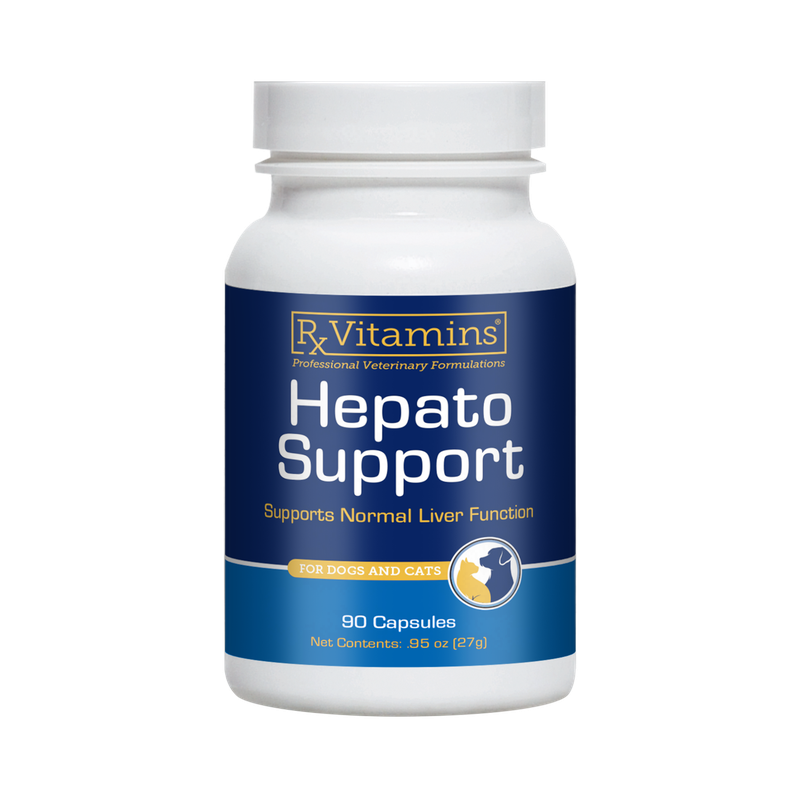
Milk thistle capsules for pets typically contain purified silymarin or silybin. The capsules offer a convenient and often more accurate way to administer a consistent dose compared to bulk powders. For instance, a dog undergoing chemotherapy might experience liver stress. A veterinarian might suggest a silybin supplement to help protect liver cells from damage and support their regenerative capacity. Similarly, cats with inflammatory liver conditions like cholangiohepatitis might benefit from its anti-inflammatory properties.
However, the efficacy of these capsules depends on the quality of the extract and the pet's individual condition. Some formulations combine silybin with other liver-supportive compounds like SAM-e or vitamin E, aiming for a . When selecting a product, examining the label for the specific concentration of silybin or silymarin, and any added ingredients, is advisable. A veterinarian can help determine if a multi-ingredient product is appropriate or if a more targeted silybin supplement is preferred.
How Milk Thistle For Dogs Protects The Liver for silybin (milk thistle extract) for dogs
Silybin's protective effects on the liver in dogs are attributed to several mechanisms. These actions primarily focus on protecting liver cells (hepatocytes) from damage, aiding in their regeneration, and supporting the organ's overall detoxification processes.
One of the key mechanisms is its antioxidant activity. The liver is constantly exposed to toxins and metabolic byproducts that can generate harmful free radicals. Silybin acts as a scavenger of these free radicals, reducing oxidative stress on liver cells. It also helps increase levels of glutathione, a powerful endogenous antioxidant in the liver, further enhancing the body's natural defense system. For example, if a dog accidentally ingests a toxic substance, silybin might be used as an adjunctive therapy to mitigate liver damage by neutralizing the free radicals generated during the detoxification process.
Another important aspect is its anti-inflammatory property. Chronic inflammation can lead to progressive liver damage and fibrosis. Silybin can help modulate inflammatory pathways, potentially reducing the inflammatory response in conditions like chronic hepatitis. Consider a dog with persistent, low-grade liver enzyme elevations where inflammation is suspected; silybin could help calm the inflammatory cascade.
Silybin also appears to stabilize liver cell membranes, making them less permeable to toxins. It can help prevent the entry of harmful substances into liver cells, thereby protecting them from damage. This membrane-stabilizing effect is particularly relevant in cases of toxin exposure or drug-induced liver injury.
Furthermore, silybin may stimulate liver cell regeneration. When liver cells are damaged, the liver has a remarkable capacity to regenerate. Silybin is thought to encourage this process, helping to replace damaged cells with new, healthy ones. This regenerative support is crucial for recovery from various forms of liver injury.
Finally, there's evidence that silybin can inhibit the fibrotic process. Fibrosis is the formation of scar tissue in the liver, which can lead to cirrhosis and loss of liver function. By interfering with the pathways that promote collagen deposition, silybin may help slow or prevent the progression of liver fibrosis. This is particularly relevant for dogs with chronic liver diseases that are prone to developing scar tissue.
In summary, silybin doesn't just address one aspect of liver health; it offers a multi-faceted approach to protection and support. However, it's not a substitute for veterinary diagnosis and treatment of underlying liver conditions.
Forever Puppy Milk Thistle Supplement for Dogs for silybin (milk thistle extract) for dogs
When considering a specific brand like "Forever Puppy Milk Thistle Supplement for Dogs," it's important to move beyond the brand name and evaluate the actual product formulation, especially in the context of silybin. Many brands market milk thistle products, but the effectiveness for a specific pet depends on the concentration of active ingredients and the overall formulation.
A label that simply states "milk thistle" might not provide sufficient detail. Key questions to ask for any supplement, including a "Forever Puppy" type product, include:
- What is the specific concentration of silymarin or silybin per dose? A high-quality supplement will typically be standardized to a certain percentage of silymarin (e.g., 80%) or explicitly state the silybin content.
- What is the source of the milk thistle? Reputable manufacturers often source from known origins and provide purity assurances.
- Are there other active ingredients? Some supplements combine milk thistle with other compounds like SAM-e, B vitamins, or antioxidants. While these can be beneficial, they also add to the complexity and cost.
- Is it formulated for optimal absorption? Silybin has poor oral bioavailability. Some advanced formulations use phosphatidylcholine complexes (e.g., silybin-phosphatidylcholine) to enhance absorption. If a product doesn't address this, a significant portion of the silybin might not be absorbed effectively.
For example, if a "Forever Puppy Milk Thistle Supplement" lists "50mg milk thistle extract" with no standardization, it's difficult to ascertain how much active silybin the dog is actually receiving. In contrast, a product stating "50mg silybin-phosphatidylcholine complex" or "100mg milk thistle extract standardized to 80% silymarin" provides clearer information about its potency.
The "puppy" in the brand name might suggest it's designed for younger dogs. While puppies can certainly have liver issues, specific dosing and formulation considerations might apply. A veterinarian's guidance is crucial, especially for young animals or those with developing systems. Without detailed ingredient information, a "Forever Puppy" type product might be a general wellness supplement rather than a targeted therapeutic one for specific liver conditions. Always compare the active ingredient profile and concentration with the specific needs of your dog, as advised by your vet.
Animal Essentials Milk Thistle Herbal Supplement for Dogs ... For silybin (milk thistle extract) for dogs
"Animal Essentials Milk Thistle Herbal Supplement for Dogs" represents another example of a commercially available product. When evaluating such a supplement, the same principles of scrutinizing the label and understanding the formulation apply. Animal Essentials, like many herbal supplement companies, often focuses on whole-herb extracts or tinctures.
Key considerations for this type of product include:
- Formulation Type: Is it a liquid tincture, a capsule, or a powder? Liquid extracts, common in herbal lines, can sometimes offer good absorption, but precise dosing might be trickier than with capsules.
- Standardization: Does the product specify the percentage of silymarin or silybin? If it's a whole-herb extract, this might be less precise. While whole-herb preparations can have their own benefits due to synergistic compounds, for targeted liver support, a standardized extract of silybin is often preferred by veterinarians.
- Carrier Ingredients: For liquid extracts, what is the base? Alcohol-based tinctures, while effective for extraction, may not be suitable for all pets, particularly those with liver compromise. Glycerin-based extracts are often preferred for palatability and safety in pets.
- Dosage Instructions: Are the dosage instructions clear and based on weight? Do they align with general veterinary recommendations for silybin or milk thistle?
For instance, if "Animal Essentials" offers a liquid milk thistle extract, a pet owner would need to verify the concentration of the extract, the amount of silymarin/silybin per drop or ml, and the carrier liquid. If a dog has a known liver condition, a veterinarian might prefer a supplement with a guaranteed amount of silybin that has been shown in studies to be effective, rather than a general herbal extract where the active compound concentration can vary.
The advantage of a reputable herbal supplement company is often their commitment to quality sourcing and purity. However, when dealing with specific therapeutic needs like liver disease, the exact concentration and bioavailability of the active ingredient (silybin) often take precedence over a generalized "herbal support" approach. It’s always best to discuss the specific product with a veterinarian, especially if the pet is on other medications or has a diagnosed health condition.
Use of Milk Thistle in Farm and Companion Animals for silybin (milk thistle extract) for dogs
The application of milk thistle, and specifically silybin, extends beyond just dogs and cats to a broader range of companion and even farm animals. The underlying principles of liver protection and support remain consistent, though dosages and specific formulations may vary significantly across species.
Companion Animals (Dogs, Cats, and Exotics)
For dogs and cats, as discussed, silybin is primarily used for:
- Hepatoprotection: Protecting liver cells from damage caused by toxins (e.g., mushroom poisoning, certain medications), inflammation, or chronic disease.
- Liver Regeneration: Supporting the liver's natural ability to repair and regenerate damaged tissue.
- Antioxidant Support: Reducing oxidative stress on liver cells.
- Anti-inflammatory Effects: Modulating the inflammatory response in the liver.
In exotic pets like birds, rabbits, and ferrets, liver disease is also a common concern, often due to diet, genetics, or environmental toxins. Silybin may be considered in these species for similar reasons. For example, birds prone to fatty liver disease might benefit from silybin, or ferrets with adrenal disease that can indirectly impact liver function. However, research and established dosages are far less common for these species, and veterinary guidance is even more critical. Administration methods often involve compounding into palatable liquids or mixing into food.
Farm Animals
In farm animals, the use of milk thistle or silybin is sometimes explored for different but related purposes:
- Mycotoxin Management: Livestock feeds can be contaminated with mycotoxins (toxins produced by fungi), which are hepatotoxic. Silybin might be used to mitigate liver damage in animals exposed to these toxins.
- Production Animal Health: In certain production systems, liver health can impact overall animal performance, growth rates, and reproductive efficiency. Silybin might be considered as a feed additive to support liver function and resilience, particularly during periods of stress or high metabolic demand.
- Toxic Plant Ingestion: Farm animals grazing in pastures might ingest toxic plants that cause liver damage. Silybin could be used as a supportive therapy in such cases.
However, the economic feasibility and practical aspects of administering silybin to large numbers of farm animals differ greatly from companion animals. Often, the focus is on broader feed additives or preventative strategies rather than individual therapeutic doses. Research in farm animals might also focus on different aspects, such as the impact on feed conversion ratios or disease resistance, in addition to direct liver protection.
Comparison Table: Silybin Use Across Animal Types
| Feature | Dogs & Cats | Exotic Pets (e.g., Birds, Rabbits) | Farm Animals (e.g., Cattle, Poultry) |
|---|---|---|---|
| Primary Use | Therapeutic liver support, chronic/acute disease | Supportive care for liver disease, diet-related | Mycotoxin protection, general liver health, stress |
| Dosage Basis | mg/kg body weight, often specific formulations | Highly variable, often extrapolated, compounded | Often as feed additive, less individualized |
| Formulation | Capsules, tablets, flavored liquids, transdermal | Compounded liquids, mixed into food | Feed additives, bulk powders |
| Research Level | Moderate to high (especially dogs) | Limited, mostly anecdotal or case reports | Emerging, focused on production/toxin effects |
| Veterinary Role | Essential for diagnosis, dosage, and monitoring | Critical, specialized knowledge required | Consult with large animal vet/nutritionist |
| Key Challenge | Bioavailability, precise dosing, cost | Lack of specific data, small patient size, stress | Cost-effectiveness, administration to large groups |
This broader perspective highlights that while the core mechanism of silybin remains consistent, its practical application, research backing, and economic considerations vary significantly depending on the species and context. Always consult with a veterinarian experienced with the specific animal type for appropriate guidance.
FAQ
Is milk thistle extract safe for dogs?
Generally, milk thistle extract, particularly standardized silybin, is considered safe for dogs when administered at appropriate dosages under veterinary guidance. Side effects are typically mild and uncommon, often limited to gastrointestinal upset like diarrhea or nausea, especially at higher doses. However, safety is not absolute. Dogs with certain pre-existing conditions, pregnant or lactating dogs, or those on other medications (especially those metabolized by the liver) should only receive silybin with careful veterinary supervision. It's crucial to use products specifically formulated for pets and to avoid human-grade supplements unless directed by a vet, as concentrations and inactive ingredients can differ.
What does silybin do for dogs?
Silybin provides multi-faceted support for a dog's liver. It acts as a powerful antioxidant, scavenging free radicals and increasing the liver's own antioxidant capacity (e.g., glutathione production). It has anti-inflammatory properties, helping to reduce liver inflammation. Silybin also stabilizes liver cell membranes, making them more resistant to toxin entry, and promotes the regeneration of damaged liver cells. Furthermore, it may help inhibit the progression of liver fibrosis (scarring). In essence, silybin helps protect the liver from various forms of damage and supports its natural repair mechanisms.
Why don't doctors recommend milk thistle?
The statement "Why don't doctors recommend milk thistle?" is a generalization that isn't entirely accurate. Many holistic and integrative medical doctors, and increasingly conventional ones, do recommend milk thistle (silybin) for human liver support. However, its use in human medicine isn't as universally prescribed as conventional pharmaceuticals for several reasons, including:
Despite these points, milk thistle is widely used and recognized for its liver-protective properties in human integrative medicine, particularly for conditions like fatty liver disease, alcohol-induced liver damage, and as general liver support.
Conclusion
Silybin, the primary active component of milk thistle extract, offers a promising avenue for supporting liver health in pets, particularly dogs and cats. Its mechanisms of action – including antioxidant, anti-inflammatory, and cell-regenerative properties – contribute to its role in protecting the liver from various challenges, from toxin exposure to chronic disease. However, the efficacy of silybin is heavily dependent on the quality of the supplement, its concentration of active compounds, and its bioavailability.
For pet owners, the key takeaway is the importance of informed decision-making in consultation with a veterinarian. Not all "milk thistle" products are created equal; understanding the distinction between general milk thistle extract and standardized silybin (especially bioavailability-enhanced forms) is crucial. While generally safe, appropriate dosing and consideration of a pet's individual health status are paramount. Silybin serves as a valuable supportive therapy, not a standalone cure, and should be integrated into a comprehensive veterinary care plan for liver conditions.
Products Containing Silybin (Milk Thistle Extract)
Top-rated supplements featuring this ingredient, ranked by our PSI+ score.